Abstract / Technical Summary
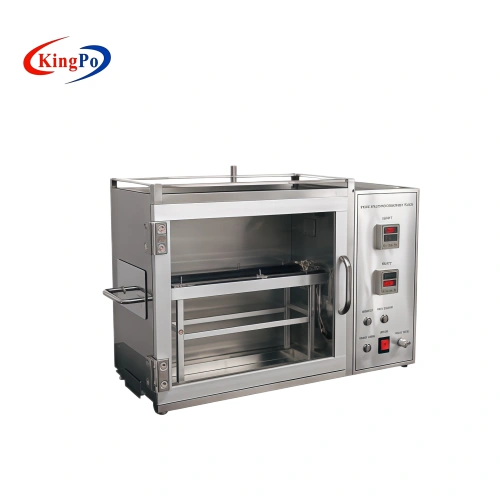
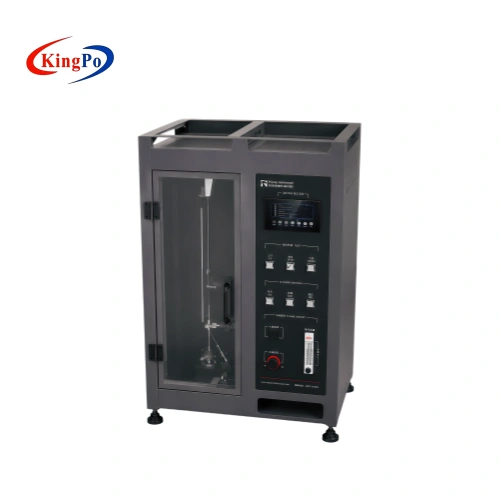
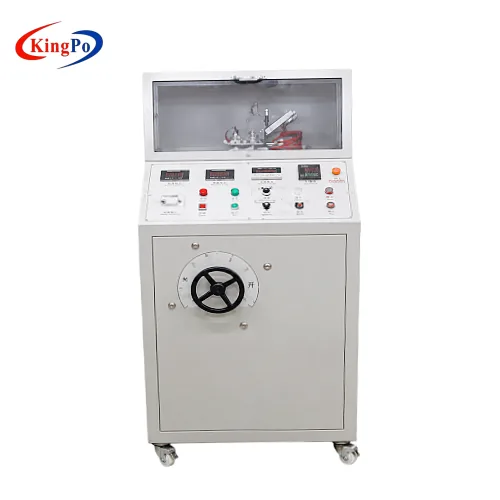
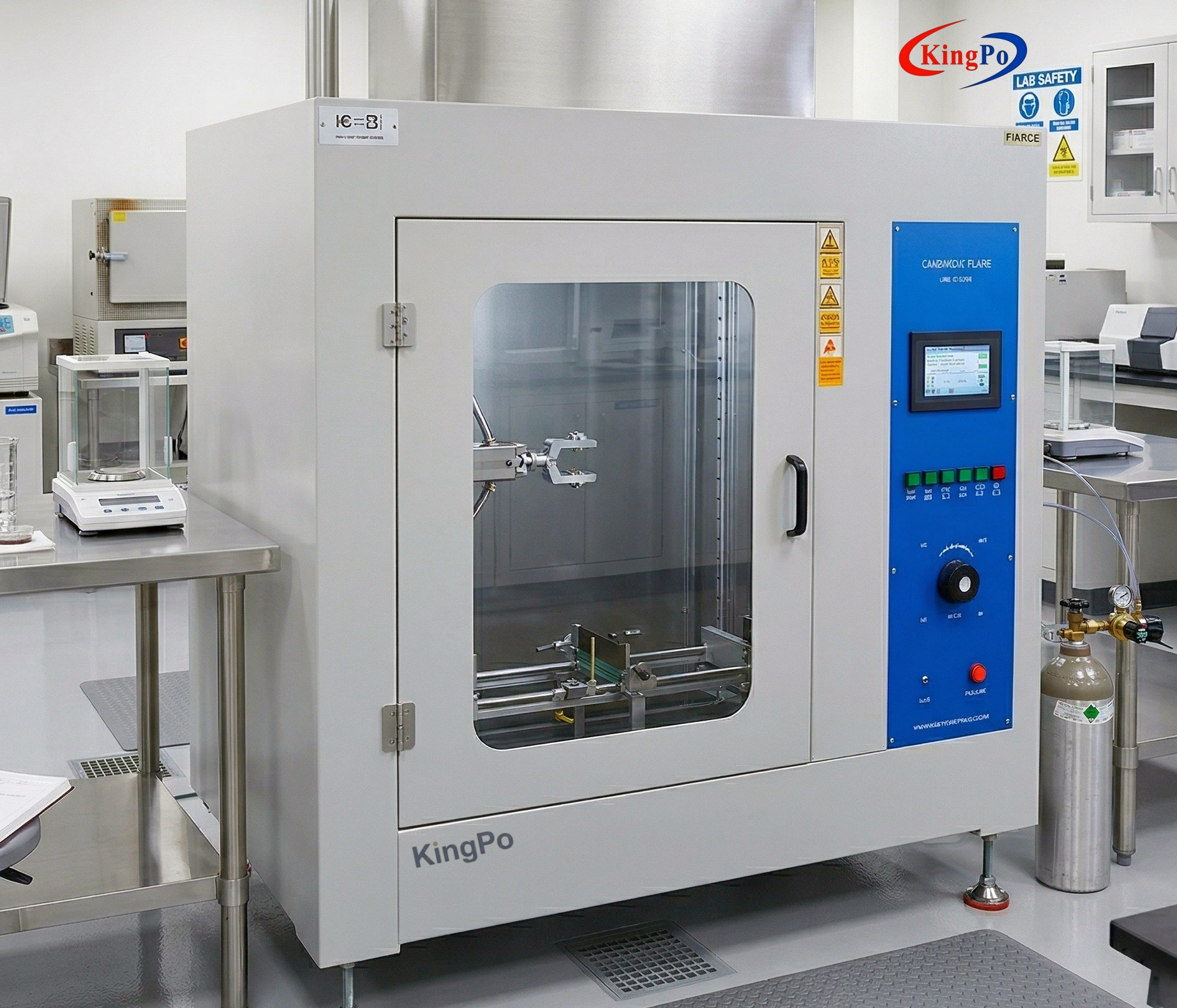
The KINGPO KP-FT04 Horizontal Vertical Flame Tester is a precision flammability testing system designed to evaluate the burning behavior of plastic materials according to UL 94 and IEC 60695-11-10 standards. This comprehensive guide provides the complete Horizontal Vertical Flame Tester testing procedure, including V-0, V-1, V-2, and HB ratings, precise flame calibration techniques, specimen preparation best practices, common failure analysis, and laboratory-proven strategies that help manufacturers achieve repeatable, certification-grade results.
Introduction
At KingPo, we have conducted more than 5,000 UL 94 compliance tests in our dedicated flammability laboratory. We have observed that approximately 40% of test failures stem not from material deficiencies, but from incorrect flame calibration, improper specimen conditioning, or environmental interference. That is precisely why we engineered the KP-FT04 Horizontal Vertical Flame Tester — to provide laboratories with a reliable, user-friendly instrument that delivers consistent, certification-grade results. In this in-depth guide, we share our complete step-by-step testing procedure, key standard requirements, practical bench-side tips, troubleshooting strategies, maintenance best practices, and the real advantages gained from over 20 years of autonomous research and development.
Why We Recommend Performing Horizontal Vertical Flame Tester Testing?
Flammability performance is a non-negotiable safety requirement for plastic components used in electronics, automotive interiors, household appliances, and consumer products. The UL 94 standard (and its international counterpart IEC 60695-11-10) serves as the global benchmark for assessing how materials resist ignition and flame propagation. Achieving V-0, V-1, or V-2 ratings is essential for market access in Europe and North America. Systematic testing with the KP-FT04 Horizontal Vertical Flame Tester enables manufacturers to:
- Identify fire hazards early in the product development cycle
- Reduce costly re-certification and product recalls
- Strengthen competitive advantage in safety-conscious markets
- Ensure full compliance with international regulatory requirements
Key Standards: UL 94 and IEC 60695-11-10
Understanding the Ratings — V-0 vs V-1 vs V-2 vs HB
The vertical burning test determines how quickly a material self-extinguishes and whether flaming drips ignite the cotton indicator below. The horizontal burning (HB) test provides a minimum safety baseline for materials that do not pass vertical requirements.
Detailed UL 94 Rating Comparison Table
| Criteria | V-0 | V-1 | V-2 | HB (Horizontal) |
|---|---|---|---|---|
| Afterflame time (t1 or t2) | ≤10 s | ≤30 s | ≤30 s | — |
| Total afterflame time (5 specimens) | ≤50 s | ≤250 s | ≤250 s | — |
| Flaming drips that ignite cotton | No | No | Yes | — |
| Specimen burns to clamp | No | No | No | Burn rate ≤40 mm/min (3–13 mm thickness) |
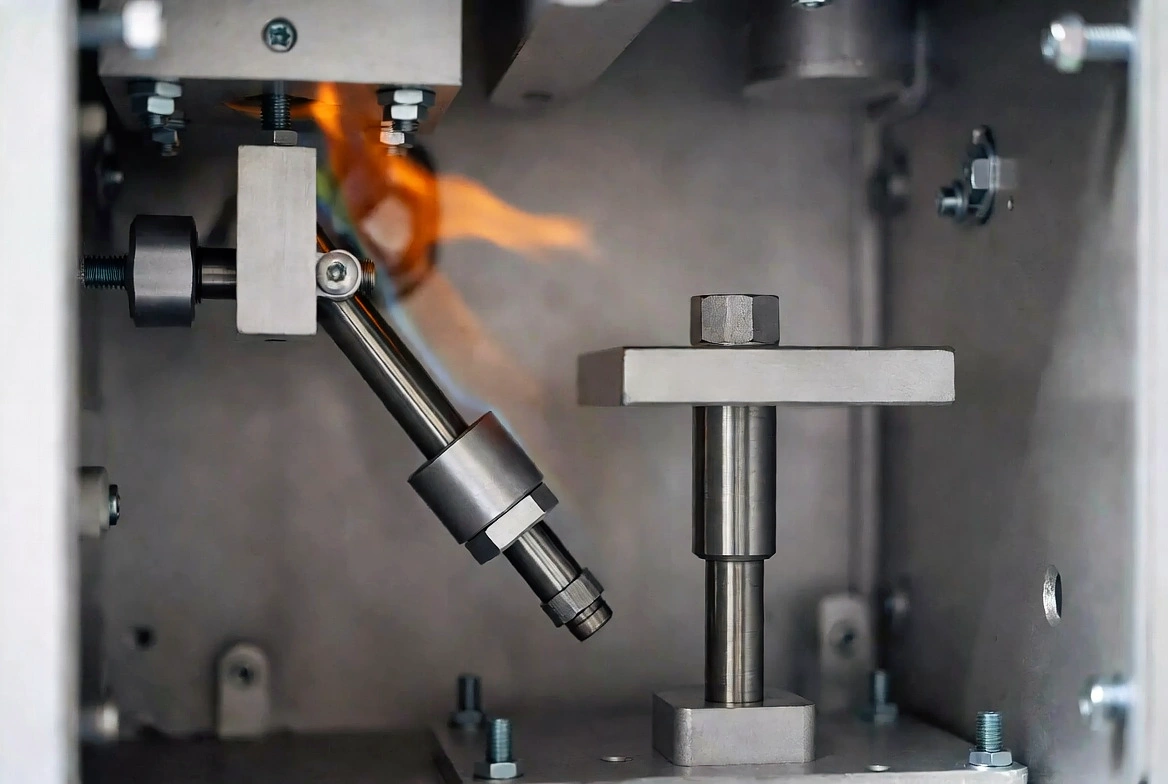
The UL 94 standard and IEC 60695-11-10 define precise test conditions for the flammability classification of plastics. For detailed technical specifications, we refer to the official UL 94 Standard for Safety of Flammability of Plastic Materials.
Root Cause Analysis of Common Failures
Incorrect Flame Calibration
An uncalibrated flame (wrong length or color) remains the leading cause of false passes in internal quality control.
Improper Specimen Conditioning
Specimens tested without proper 48-hour conditioning at 23±2°C and 50±5% RH frequently produce inconsistent afterflame times and drip behavior.
Environmental Interference
Drafts inside the test area or incorrect chamber ventilation can significantly alter test results.
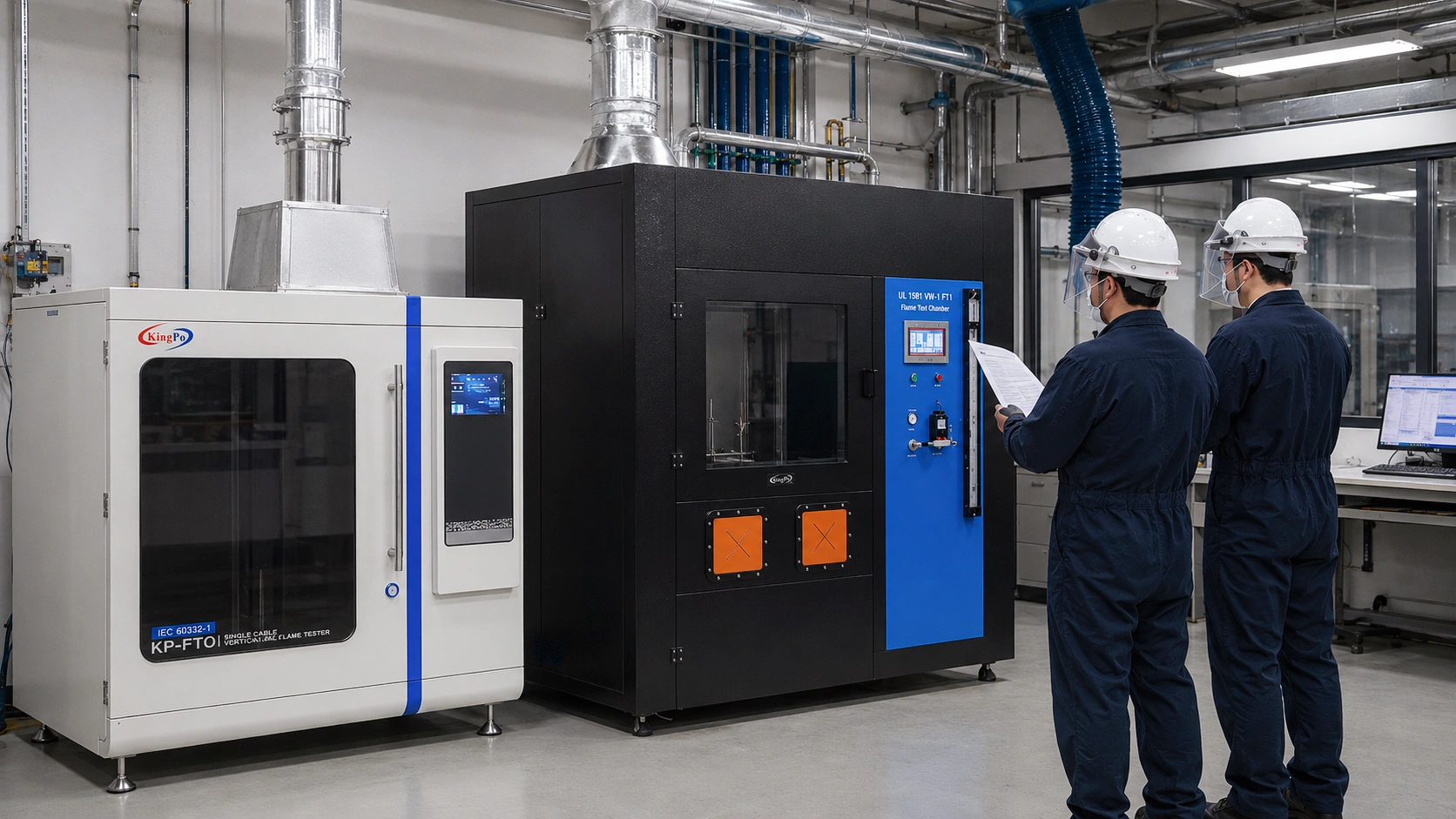
Technical Advantages of Our KINGPO KP-FT04 Horizontal Vertical Flame Tester
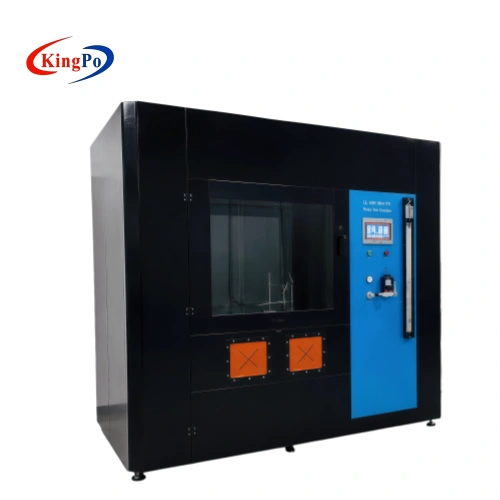
With more than 20 years of autonomous research and development, we at KingPo design and manufacture the KP-FT04 Horizontal Vertical Flame Tester entirely in-house. This complete vertical integration guarantees superior precision, repeatability, and long-term reliability that assembled solutions cannot match.
Key advantages we engineered into this chamber include:
- Precise methane gas flow control with built-in flow meter for exact 20±2 mm blue flame
- Large sealed test chamber volume (>0.5 m³) that eliminates environmental drafts
- Intuitive control panel with clear English interface and real-time timer display
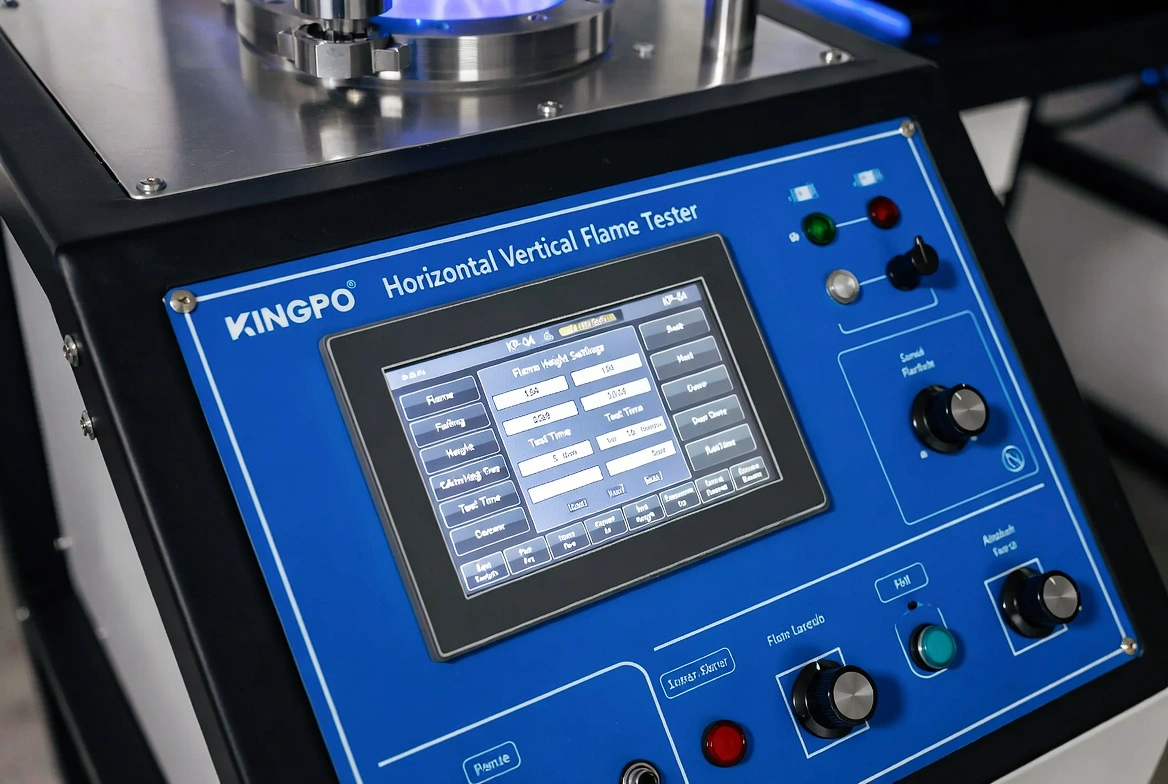
- Robust stainless steel construction with multiple safety interlocks
- Full compatibility with both UL 94 vertical/horizontal and IEC 60695-11-10 testing protocols
For detailed technical specifications and configuration options, please visit the Horizontal Vertical Flame Chamber product page.
Step-by-Step Testing Process with KP-FT04
Step 1 – Specimen Conditioning
Condition all specimens at 23±2°C and 50±5% relative humidity for a minimum of 48 hours. Never test freshly molded samples, as residual moisture or internal stress will distort results.
Step 2 – Flame Calibration
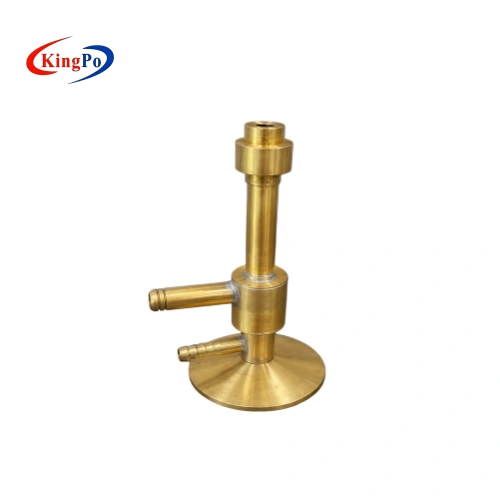
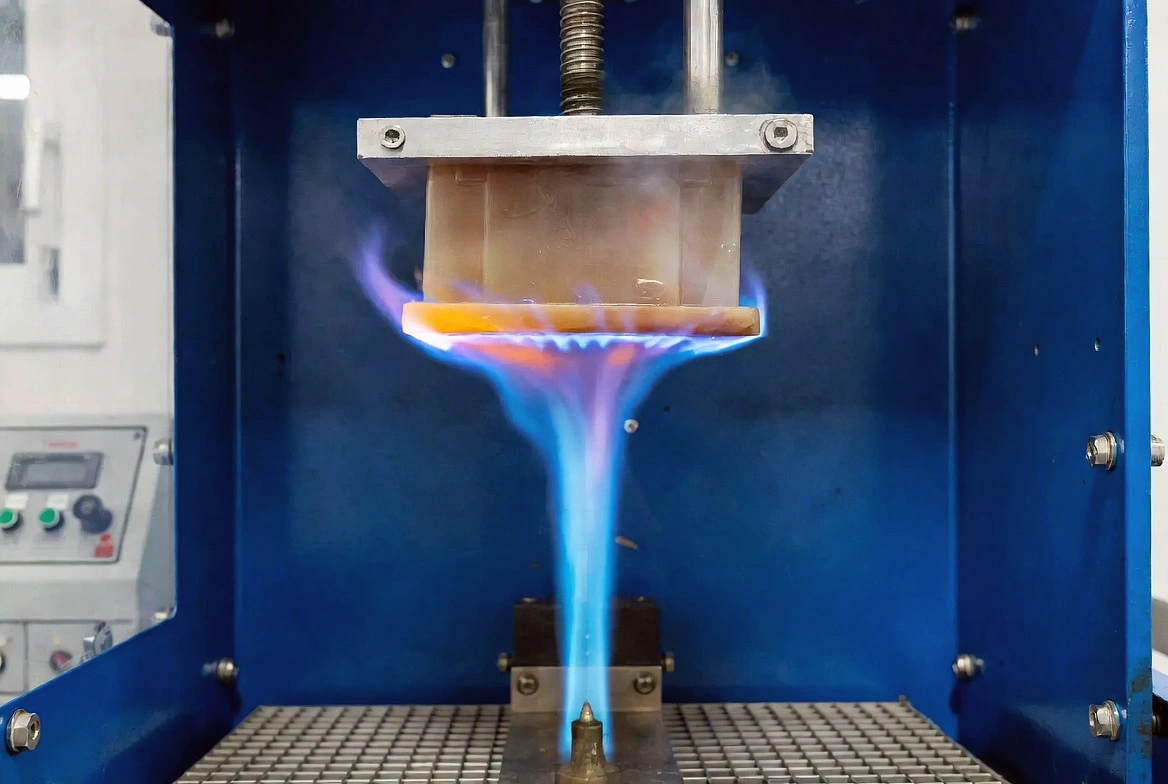
Adjust the methane gas flow to produce a precise 20±2 mm blue flame. This single step is the most critical factor in achieving repeatable, certification-grade data.
Step 3 – Ignition Sequence
- Position the specimen vertically and apply the flame to the bottom edge for exactly 10 seconds.
- Withdraw the burner and record the afterflame time (t1).
- Once flaming ceases, immediately re-apply the flame for another 10 seconds and record t2.
- Observe and record whether flaming drips ignite the cotton indicator placed 300 mm below the specimen.
Best Practices and Maintenance for Long-Term Reliability
Weekly and Monthly Maintenance
We recommend weekly cleaning of the burner nozzle and monthly verification of gas flow and chamber seals.
Maintenance Checklist Table (Recommended for KP-FT04)
| Frequency | Item to Check | Recommended Action |
|---|---|---|
| Weekly | Burner nozzle and gas lines | Clean thoroughly and inspect for blockages |
| Monthly | Flow meter and pressure gauge | Verify calibration with certified tools |
| Quarterly | Chamber seals and ventilation | Inspect and clean to maintain integrity |
| Annually | Full system calibration | Professional service and certification |
Perform monthly calibration of flame length and gas pressure, and always use 100% pure surgical cotton as the drip indicator. These two practices eliminate the majority of data inconsistency issues commonly seen in customer laboratories.
Real-World Applications and Case Studies
In our laboratory and client projects, the KP-FT04 Horizontal Vertical Flame Tester has helped electronics manufacturers achieve consistent V-0 ratings for enclosure materials, reducing certification time by an average of 30%. Similar success has been recorded in automotive interior components and household appliance testing programs.
Conclusion
In our experience, accurate and repeatable UL 94 testing with the KINGPO KP-FT04 Horizontal Vertical Flame Tester is essential for reliable product safety and faster market access. Our professional equipment, combined with the practical laboratory knowledge shared in this guide, delivers measurable improvements in compliance success rates and overall product quality.
For tailored recommendations on flammability testing solutions that precisely meet your UL 94 and IEC 60695 requirements, please visit the Horizontal Vertical Flame Chamber product page.