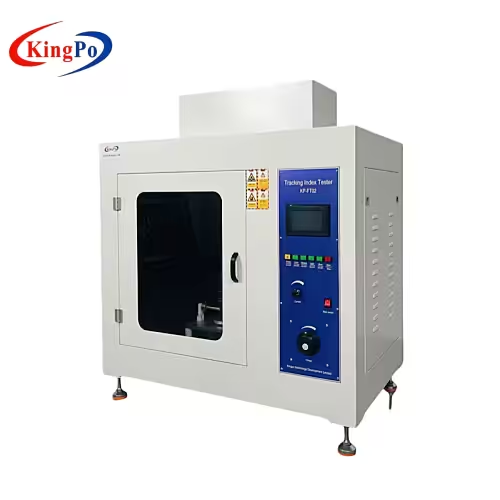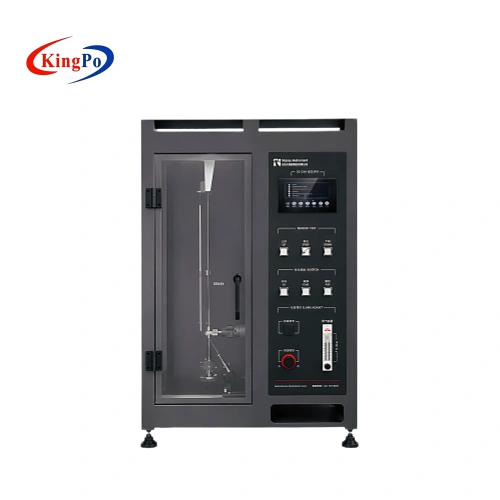
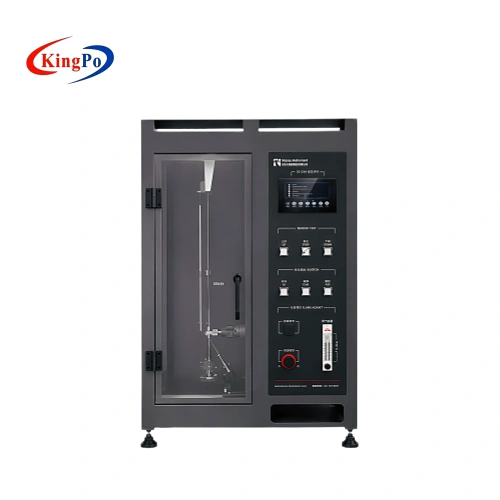
Control panel of FAA Bunsen Burner Test Chamber with multi-timer system
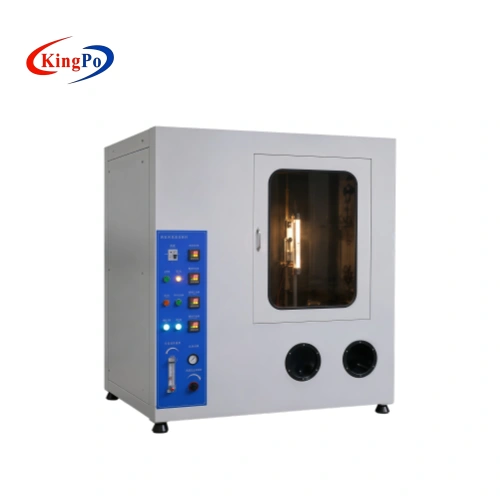
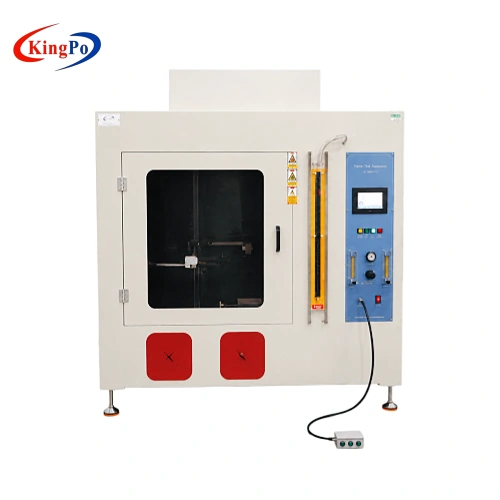
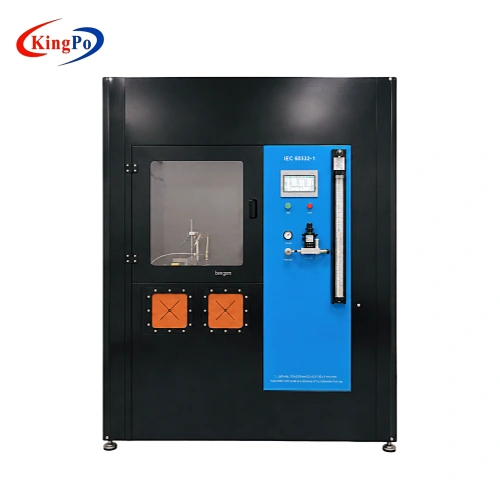
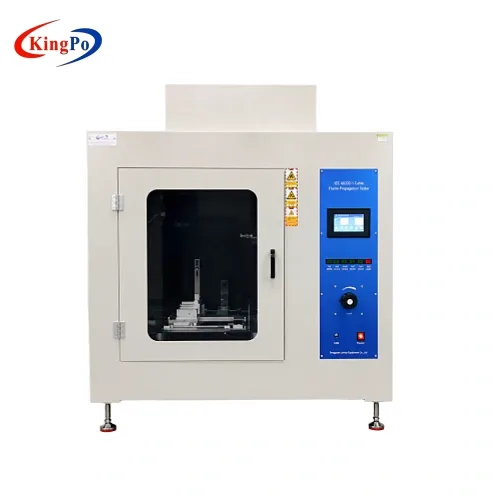
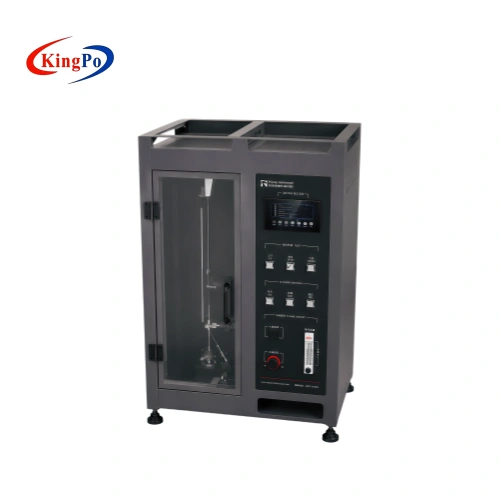
FAA Bunsen Burner Test Chamber for aircraft cabin and cargo compartment material flammability testing
FAA Bunsen Burner Test Chamber supporting vertical, horizontal, 45° and 60° testing angles
Control panel of FAA Bunsen Burner Test Chamber with multi-timer system
FAA Bunsen Burner Test Chamber for aircraft cabin and cargo compartment material flammability testing
FAA Bunsen Burner Test Chamber supporting vertical, horizontal, 45° and 60° testing angles

FAA Bunsen Burner Test Chamber

The FAA Vertical Bunsen Burner Test Chamber is used to evaluate the flammability performance of non-metallic materials in aircraft cabin and cargo compartments. It performs vertical, horizontal, and angled Bunsen burner tests in accordance with FAA FAR 25.853 to support material qualification and airworthiness certification.

  • Multi-Angle Testing Capability: Supports vertical, horizontal, 45°, and 60° inclined combustion tests in one chamber
  • Precise Burner System: Bunsen burner with inner diameter of 9.5 ± 0.5 mm and adjustable flame height from 20 mm to 100 mm
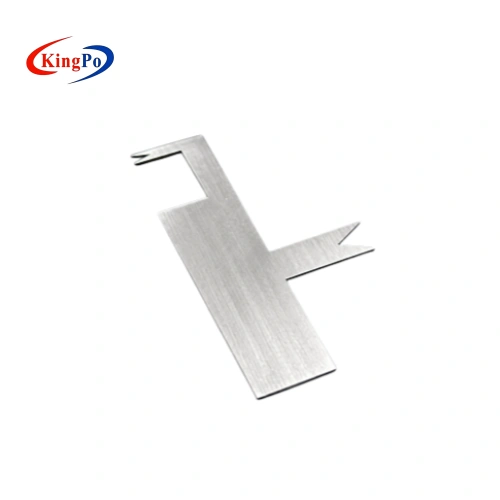
  • Included Flame Gauges: Equipped with 38 mm and 22 mm flame height gauges for accurate setup
  • Automatic Ignition: Electronic igniter with reliable automatic ignition function
  • Multi-Timer System: Three independent timers for flame application, combustion duration, and flame delay measurement
  • Robust Chamber Design: Stainless steel combustion chamber with heat-resistant tempered glass observation window
  • Gas Control: Methane pressure regulating system with needle valve for precise flame adjustment
  • MOQ: 1 set
  • Delivery Time: 30 working days

FAA Bunsen Burner Test Chamber Description

FAA-Vertical Bunsen Burner Test For Cabin And Cargo Compartment Materials Flammability Test Chamber

The FAA Bunsen Burner Test Chamber is used to assess the combustion behavior of aircraft interior and cargo compartment materials when exposed to a defined Bunsen burner flame. The test determines parameters such as flame spread, afterflame time, afterglow time, and burn length under controlled conditions.

This equipment is essential for evaluating materials used in aircraft cabins, including seat covers, carpets, wall panels, insulation, and other non-metallic components. It supports compliance with FAA FAR 25.853 and Chinese CCAR-25 §25.853 airworthiness requirements.

Technical Parameters

Parameter Specification Remark / Notes
Applicable Standards FAR 25.853, CCAR-25 §25.853, HB5469 Aircraft cabin & cargo compartment materials
Test Angles Vertical, Horizontal, 45°, 60° Multi-angle testing in one chamber
Burner Inner Diameter 9.5 ± 0.5 mm Per FAA Bunsen burner requirements
Flame Height 20 – 100 mm adjustable Includes 38 mm and 22 mm gauges
Ignition System Electronic automatic ignition
Gas Type Methane With pressure regulating system
Chamber Material Stainless steel Corrosion resistant
Observation Window Heat-resistant tempered glass For safe observation
Timing System Three timers (0–99.99 s/m/h) Flame application, combustion, and delay timers
Power Supply AC 220V / 50Hz


Professional Construction & Technical Precision
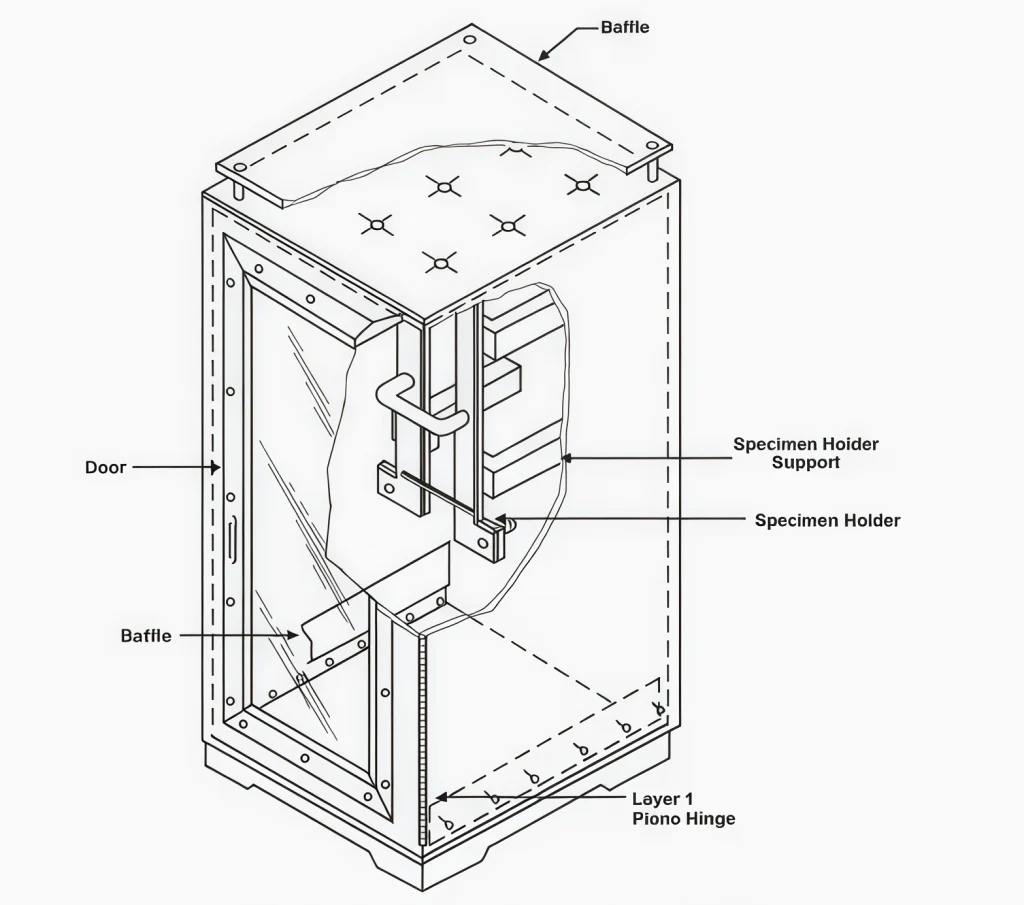
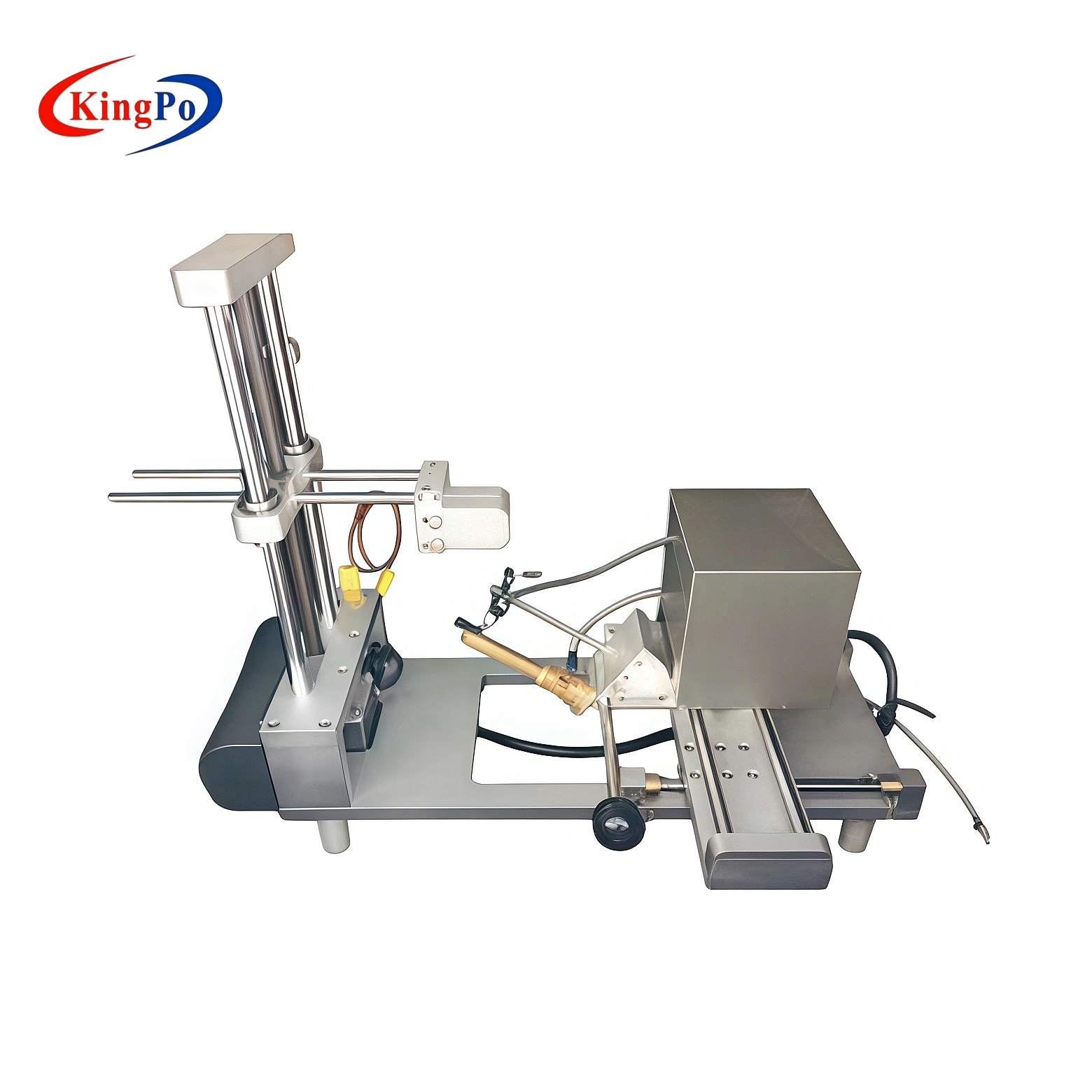
Figure 1-1. Sketch of Vertical Bunsen Burner Test Cabinet

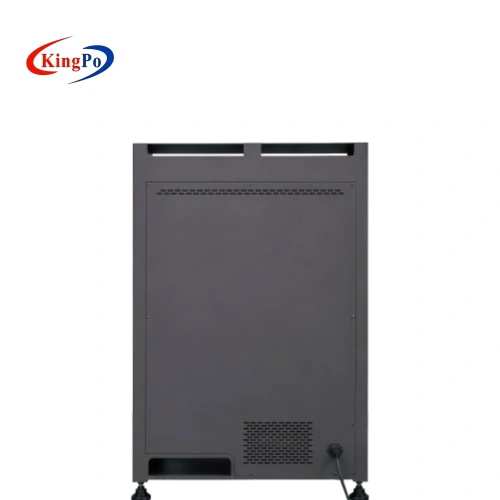
The FAA Bunsen Burner Test Chamber features a stainless steel combustion chamber with a heat-resistant tempered glass observation window, allowing safe and clear monitoring of the test process. The chamber structure is designed to provide stable airflow conditions during combustion testing.

The equipment is equipped with a precision Bunsen burner system, including a needle valve for accurate gas flow adjustment and electronic automatic ignition. High-quality components ensure consistent flame application and reliable timing measurements, which are critical for meeting the strict requirements of aviation material flammability standards.

Testing Principle
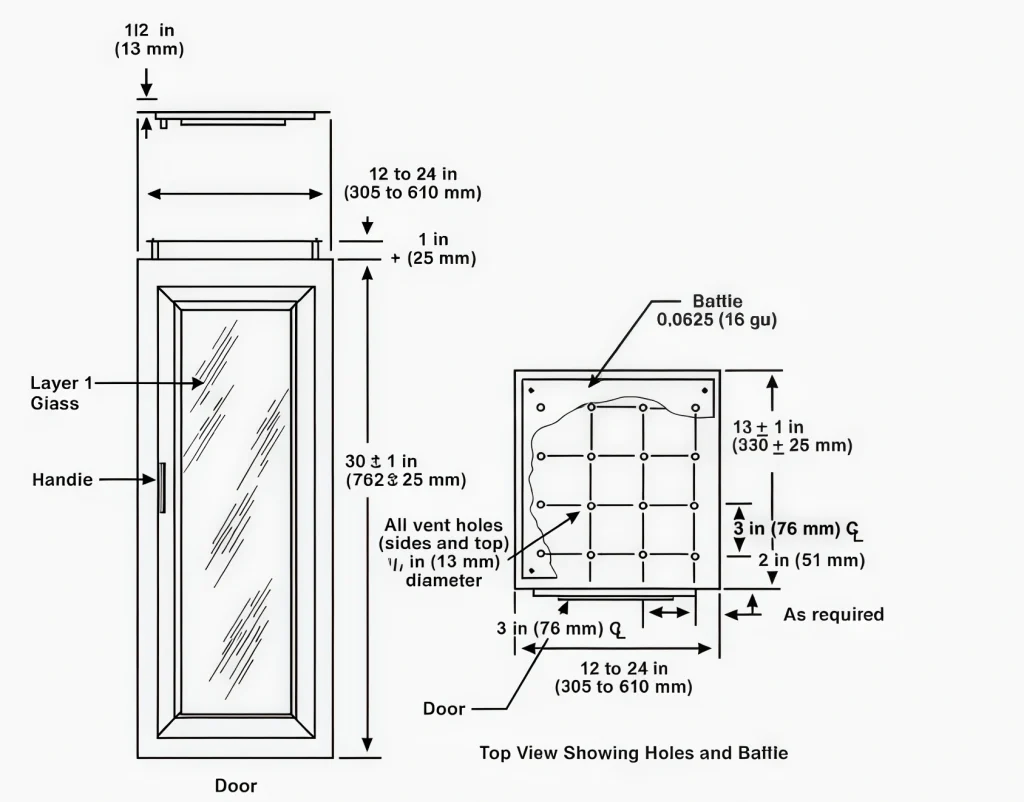
Figure 1-1. Skeich of Vertical Bunsen Burner Test Cabinet

In the FAA Bunsen burner test, a defined flame from a Bunsen burner with a specified inner diameter is applied to the test specimen for a set duration. The test evaluates the material’s reaction to flame exposure by measuring parameters such as afterflame time, afterglow time, and burn length.

This method is used to determine the flammability characteristics of non-metallic materials intended for use in aircraft cabin and cargo compartments, helping ensure compliance with airworthiness safety requirements.

Common Error Mitigation

To obtain accurate and consistent test results, the following practices are recommended:

  • Ensure the burner inner diameter and flame height are correctly set using the provided gauges before each test series.
  • Properly condition test specimens according to the applicable standard requirements.
  • Verify that the timing system is accurately calibrated for flame application and measurement periods.
  • Maintain stable laboratory environmental conditions, particularly regarding temperature and humidity.
  • Regularly inspect and clean the burner to prevent blockage or inconsistent flame behavior.
  • Follow the specific specimen mounting and orientation requirements for each test angle.

Applications & Use Cases

The FAA Bunsen Burner Test Chamber enables aviation material suppliers and testing laboratories to evaluate the flammability performance of aircraft cabin and cargo compartment materials. It supports compliance with FAR 25.853 and related airworthiness standards, facilitating material qualification for aircraft applications.

  • Aircraft interior material manufacturers — Conducting flammability qualification testing of cabin and cargo compartment materials, including textiles, plastics, composites, and insulation, to meet FAR 25.853 airworthiness requirements.
  • Aviation testing laboratories — Performing FAR 25.853 and CCAR-25 compliance Bunsen burner testing for aircraft non-metallic materials, and issuing formal test reports for certification purposes.
  • Aircraft manufacturers and OEMs — Evaluating and approving interior materials and components from suppliers through standardized vertical, horizontal, and angled flame testing to ensure cabin safety compliance.
  • Certification bodies and airworthiness authorities — Assessing the flammability performance of non-metallic materials used in aircraft cabins and cargo compartments as part of type certification and continued airworthiness processes.
  • Research institutions and material developers — Studying the combustion characteristics and flame behavior of new aviation-grade materials, flame-retardant coatings, and composite structures under Bunsen burner test conditions.

Key Advantages

This FAA Bunsen Burner Test Chamber is designed to meet FAA FAR 25.853 and CCAR-25 §25.853 requirements for aircraft cabin and cargo compartment materials. It supports vertical, horizontal, 45°, and 60° testing angles within a single chamber, providing flexibility for different flammability evaluation needs.

The equipment features a precision Bunsen burner with an inner diameter of 9.5 ± 0.5 mm, along with included 38 mm and 22 mm flame height gauges and an automatic ignition system. These features enable accurate and repeatable flame application. Its robust stainless steel chamber construction and stable gas flow regulation help laboratories achieve consistent test results while minimizing operator-dependent variation.
Compliance & Calibration Support

This FAA Bunsen Burner Test Chamber is designed to perform flammability tests in accordance with FAA FAR 25.853 and related standards for aircraft cabin and cargo compartment materials. It supports laboratories in conducting standardized Bunsen burner tests required for aviation material qualification.

Metrological Integrity & Validation

  • The timing system and gas flow components should be periodically calibrated to maintain measurement accuracy.
  • Regular inspection of the burner and ignition system is recommended to ensure consistent flame performance.
  • Proper maintenance of the chamber and test fixtures helps ensure reliable and repeatable test conditions.

Download Product Documentation

Technical Inquiry & Expert Support

KingPo supplies FAA Bunsen Burner Test Chambers for aircraft cabin and cargo compartment material flammability testing. Our team can provide guidance on equipment operation, test setup, and compliance with FAR 25.853 and related standards. For technical specifications or quotations, please contact us.

The Core Value We Deliver

  • Specialized test chamber for FAA FAR 25.853 Bunsen burner testing of aircraft materials
  • Multi-angle testing capability with precise flame control and automatic ignition
  • Supports vertical, horizontal, and inclined combustion tests in one system
  • Suitable for cabin interior and cargo compartment material qualification
  • Technical support for equipment use and aviation flammability testing requirements

FAA Bunsen Burner Test Chamber

FAA Bunsen Burner Test Chamber FAQs

What is the FAA Bunsen Burner Test Chamber used for?
The FAA Bunsen Burner Test Chamber is used to evaluate the flammability performance of non-metallic materials in aircraft cabin and cargo compartments. It performs standardized Bunsen burner tests to support material qualification and airworthiness certification.
Which standards does this Bunsen Burner Test Chamber comply with?
This chamber is designed to meet FAA FAR 25.853 and CCAR-25 §25.853 requirements. It is suitable for conducting vertical, horizontal, and angled flame tests on aircraft interior and cargo compartment materials.
What test angles are supported by this equipment?
The FAA Bunsen Burner Test Chamber supports vertical, horizontal, 45°, and 60° inclined combustion tests within a single chamber, providing flexibility for different flammability evaluation requirements.
What is the specification of the burner in this test chamber?
The chamber uses a Bunsen burner with an inner diameter of 9.5 ± 0.5 mm. It includes 38 mm and 22 mm flame height gauges and allows flame height adjustment from 20 mm to 100 mm.
Does the FAA Bunsen Burner Test Chamber have an automatic ignition system?
Yes. It is equipped with an electronic automatic ignition system, which provides consistent and repeatable ignition while improving testing safety and reducing manual operation errors.
What parameters are measured during the FAA Bunsen burner test?
The test typically measures afterflame time, afterglow time, and burn length. These parameters help determine the flammability characteristics of aircraft cabin and cargo compartment materials.
Who typically uses the FAA Bunsen Burner Test Chamber?
It is commonly used by aircraft interior material manufacturers, aviation testing laboratories, aircraft OEMs, certification bodies, and research institutions involved in aviation material flammability evaluation and qualification.
How can accurate and consistent test results be ensured?
Accurate results require correct burner setup using the provided flame height gauges, proper specimen conditioning, regular calibration of the timing system, and stable laboratory environmental conditions during testing.
Can this chamber test both cabin and cargo compartment materials?
Yes. The FAA Bunsen Burner Test Chamber is suitable for evaluating non-metallic materials used in both aircraft cabins and cargo compartments in accordance with FAR 25.853 and related standards.
Is technical support available for equipment operation and test methods?
Yes. Technical support is available for equipment operation, test setup, burner adjustment, and application of FAA Bunsen burner test methods, including guidance related to FAR 25.853 compliance.

Related Products

Related News

——IEC 60695-11-3 / IEC 60950 / UL94 500W Flame Test Practice and Cable Flammability Standard Comparison In the flammability safety […]

Abstract The IEC 60332-1-2 Cable Flammability Test serves as a critical benchmark for evaluating the fire safety integrity of modern […]

Meet UL94 and IEC standards with the horizontal vertical flame tester. Follow step-by-step testing and compliance procedures for reliable fire safety results.
Vertical Flame Tester offers stricter cable safety by simulating severe fire risks, while horizontal testers suit low-risk checks. Choose based on your application.

For plastic insulation frames, given the high heat generated by the copper wires and iron core, if the flame retardant […]

Key Takeaways IEC 60695 series standardizes fire hazard testing for electrotechnical products using glow-wire (GWEPT/GWFI/GWIT), needle flame, and 50W/500W horizontal/vertical […]

In an era where product safety is paramount, flammability and flame retardant testing have become indispensable across multiple high-stakes industries: […]

Abstract Thermage, a non-invasive radiofrequency (RF) skin tightening technology, is widely used in medical aesthetics. With operating frequencies increasing to […]

Scroll to Top

Get A Free Quote Now !

Contact Form
If you have any questions, please do not hesitate to contact us.