High-Precision IP Test Chambers For Waterproof Dustproof Labs

KingPo provides high-precision IP Testing Equipment (Ingress Protection Test Chambers) for verifying dust and water resistance according to IEC 60529, ISO 20653, GB/T 4208, and JIS D 0203. Our complete range covers IPX1 to IPX9K water ingress and IP1X to IP6X dust protection testing.

Core IP Test Solutions

  • Dust & Sand Test Chambers โ€“ IP5X / IP6X talcum powder circulation
  • Water Ingress Test Systems โ€“ IPX1โ€“IPX6 spray, IPX7/IPX8 immersion, IPX9K high-pressure hot jet
  • Automotive IP Testing โ€“ ISO 16750-4 splash & thermal shock
  • Integrated & Walk-in Chambers โ€“ For large samples and production testing

Ideal for consumer electronics, automotive components (EV battery enclosures, lights, sensors), outdoor lighting, and industrial equipment manufacturers seeking reliable ingress protection validation and compliance testing.

Ingress Protection Test Equipment Product Series Introduction

With the rapid growth in demand for outdoor electronics, automotive components, industrial control devices, and waterproof consumer products, Ingress Protection (IP) test equipment has become an essential tool for quality validation. This product series fully complies with international and national standards such as IEC 60529, ISO 20653, and GB/T 4208, covering complete IP1X to IP6X dust protection testing and IPX1 to IPX9K water protection testing needs. It enables manufacturers to efficiently complete product ingress protection certification.

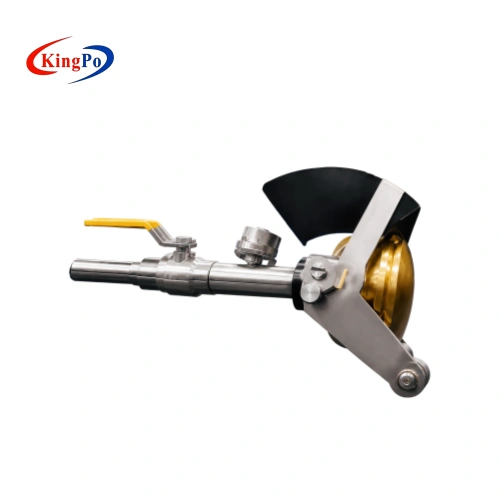
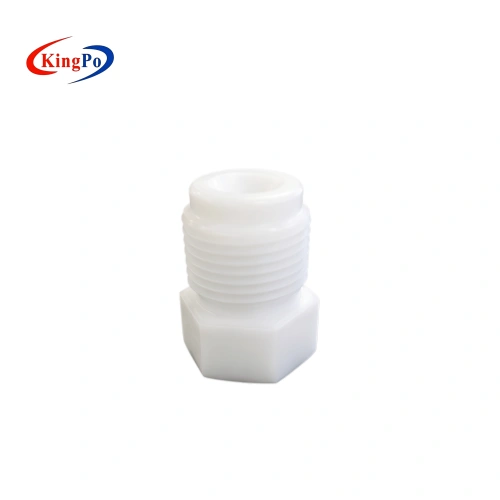
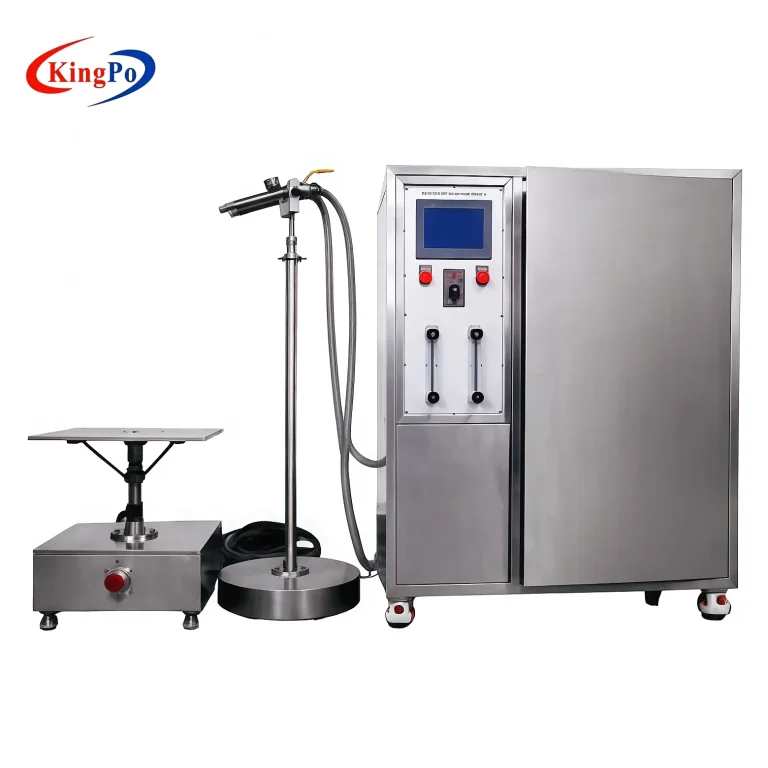
IPX5 IPX6 Test Nozzle Set Overall View โ€“ IEC 60529 Precision Water Jet Nozzle
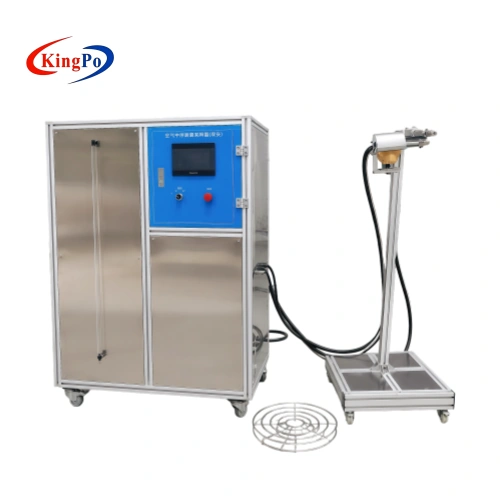
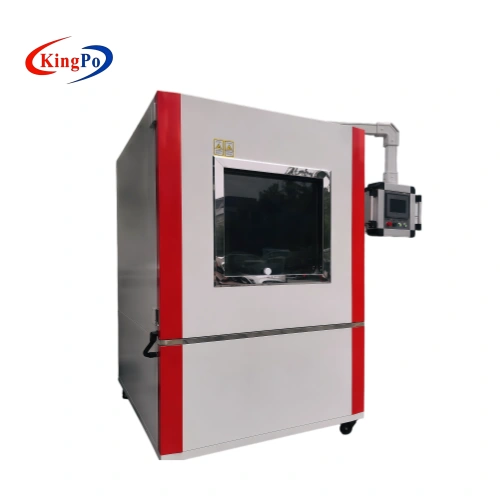
IPX5 IPX6 Water Jet Test Chamber Overall View โ€“ IEC 60529 Dual-Level Jet Testing System
IPX4 Splash Water Test Chamber | IEC 60529 IPX4 Splash Waterproof Test Chamber
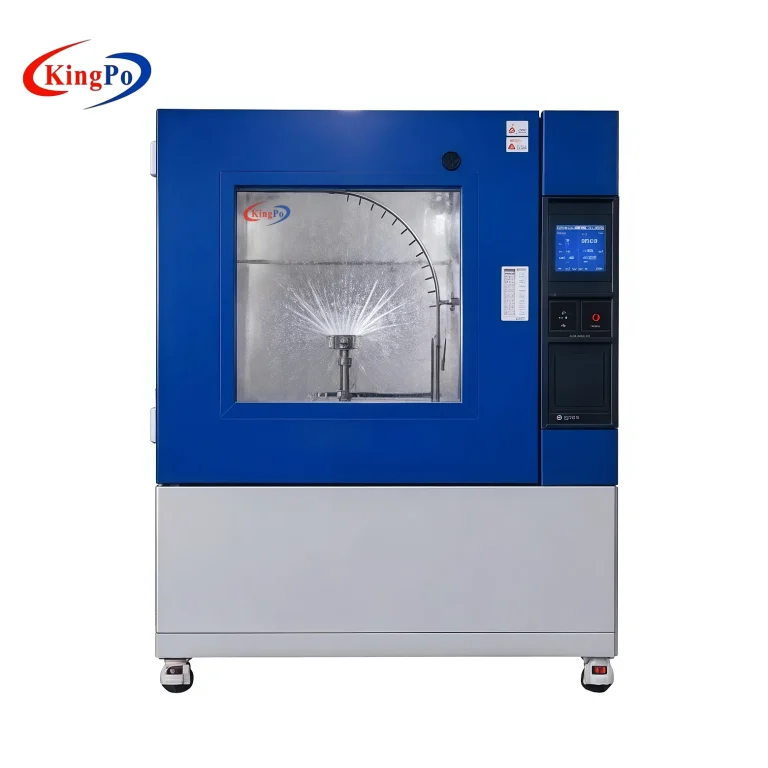
IPX3 Oscillating Tube Test Chamber Overall View โ€“ IEC 60529 Rain Spray Tester
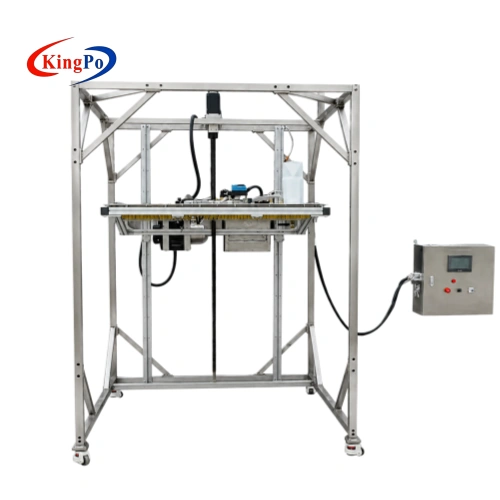
IPX2 Drip Test Chamber Overall View โ€“ IEC 60529 Inclined Drip Tester
IPX1 Drip Test Chamber Overall View โ€“ IEC 60529 Vertical Drip Tester
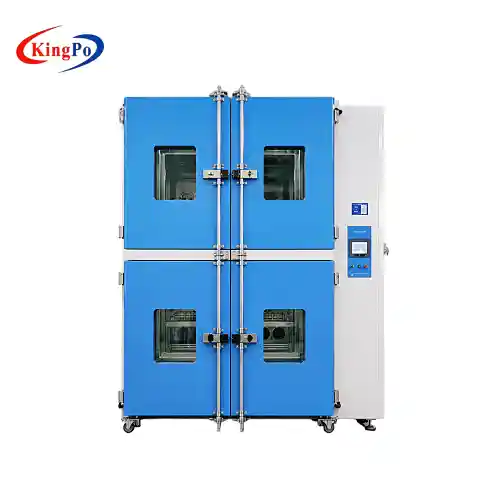
ISO 16750-4 Thermal Shock Splash Water Tester โ€“ KingPo 1300ร—900ร—900 mm Test Chamber for Splash Water Simulation
JIS D0207 Sand Dust Test Chamber โ€“ KingPo 1000ร—1000ร—1000 mm Internal Volume for Automotive Enclosure Testing
IPX7 IPX8 water immersion test Chamberโ€“ KingPo IEC 60529 IPX7 IPX8 Pressure Immersion Compression Test Machine for Automotive and Electrical Products
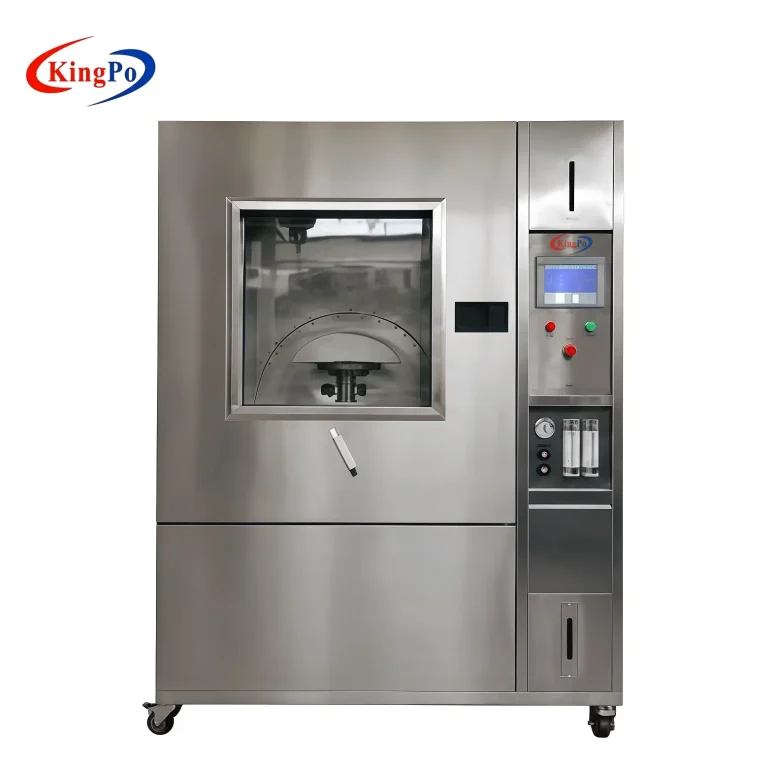
Rain Test Equipment โ€“ KingPo JIS D 0203 JIS C 0920 Multi-Function Rain Test Chamber for IPX1-IPX9K Testing of Automotive Parts and Luminaires
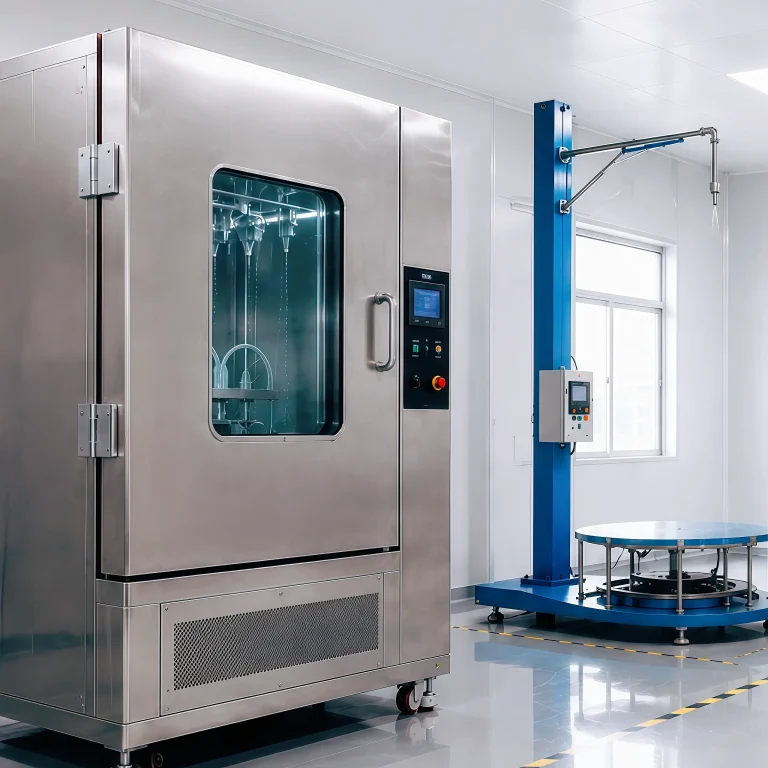
IP Code Waterproof Rain Test Chamber โ€“ KingPo IEC 60529 Multi-Function Ingress Protection Test Equipment for Dripping, Spraying and Jetting Water Testing of Luminaires and Electrical Products
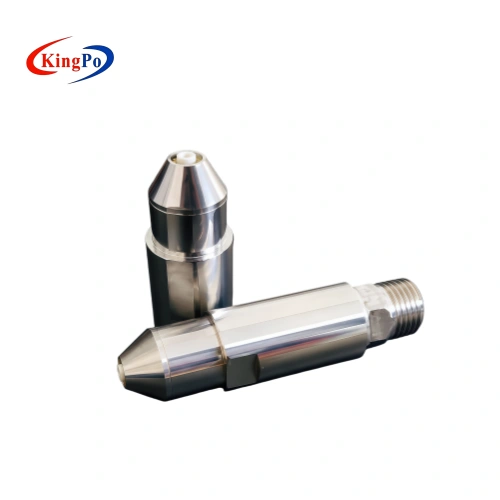
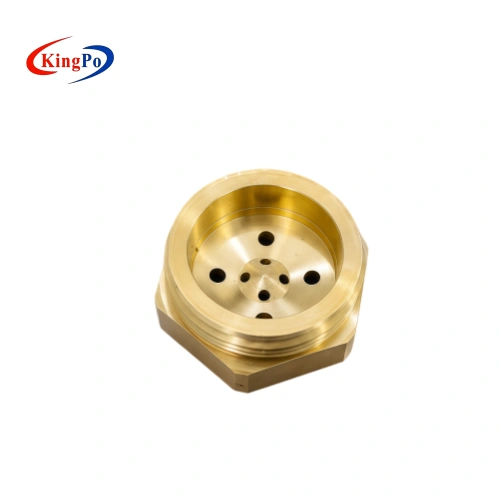
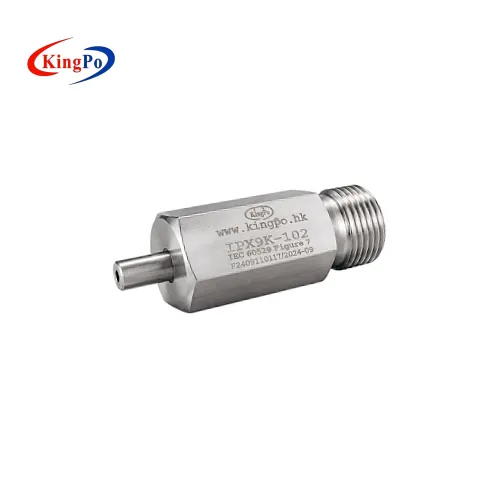
IP Testing Equipment โ€“ KingPo High-Pressure Nozzles (6.3 mm and 12.5 mm) for IPX5/IPX6 Powerful Water Jet Testing per IEC 60529
โ€‹water immersion test chamber โ€“ KingPo SUS304 Stainless Steel Interior with Tempered Glass Cover for Visual Monitoring During High-Pressure Submersion Testing
Sand and Dust Test Chamber โ€“ KingPo SUS304 Stainless Steel Interior with 1000ร—1000ร—1000 mm Volume for IP5X/IP6X Dust Ingress Testing
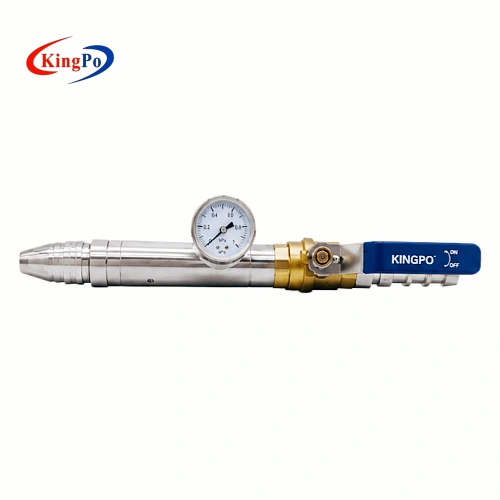
Water Spray Test Chamber IPX9K โ€“ KingPo 8โ€“10 MPa High-Pressure High-Temperature IPX9K Test Equipment Compliant with IEC 60529 and ISO 20653 for Automotive and Outdoor Equipment
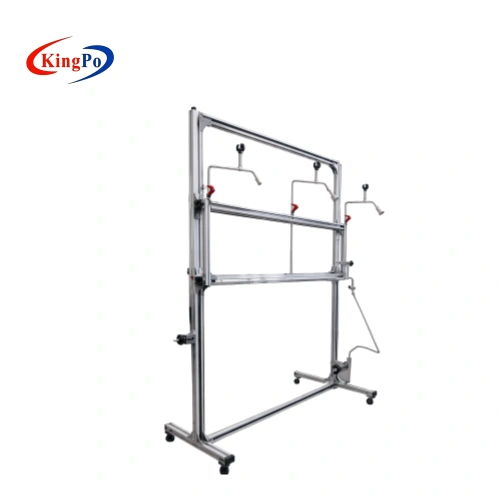
JIS D0203 Rain Spray Test Chamber โ€“ KingPo IP Testing Equipment with Precision Rain Test Spray Head for Automotive Parts
1 2

Why Choose KINGPO IP Testing Equipment To global

IEC/CBTL Accredited & Globally Trusted โ€“ Nominated supplier for NEMKO, UL, TรœV Rheinland, SGS, Philips, and national standards institutes worldwide.

IP Testing Equipment Applications

Consumer Electronics

Smartphones, tablets, true wireless earbuds (TWS), smartwatches, fitness trackers, portable speakers, action cameras, and rugged wearables. Common ratings tested: IP67/IP68 (dust-tight + immersion), IPX4/IPX5 (splash/rain resistance). Ensures devices survive accidental drops in water, pool use, sweat, rain, or dusty pockets/backpacks.

Automotive & Transportation

Headlights, taillights, sensors (LiDAR, radar, cameras), ECUs, connectors, EV battery packs, charging ports, infotainment systems, and ADAS components.
Common ratings: IP67/IP68 (immersion), IPX9/IPX9K (high-pressure/hot-water jet cleaning per ISO 20653), IP6X (dust-tight for under-hood/road exposure).
Validates performance in rain, car washes, road splash, dust storms, and extreme cleaning cycles.

Outdoor Lighting & Luminaires

LED street lights, floodlights, garden lights, marine navigation lights, industrial high-bay fixtures, and explosion-proof luminaires.
Common ratings: IP65/IP66 (dust-tight + powerful jets), IP67 (temporary immersion for flood-prone areas).
Confirms long-term reliability in rain, snow, dust, and pressure-washing maintenance.

Industrial Automation & Machinery

Control panels, HMIs, sensors, actuators, robotic arms, PLC enclosures, and factory-floor equipment. Common ratings: IP65/IP66/IP67 (general factory dust/water), IP69K (high-pressure cleaning in food/pharma zones). Protects against coolant spray, dust accumulation, wash-down processes, and harsh manufacturing environments.

Medical Devices & Equipment

Portable diagnostic tools, surgical instruments, patient monitors, infusion pumps, and handheld ultrasound devices.
Common ratings: IPX7/IPX8 (immersion for cleaning/sterilization), IP67 (dust + temporary immersion).
Ensures hygiene, reliability during disinfection, and protection in clinical or field-use settings.

New Energy & Renewable Systems

Solar inverters, battery storage enclosures, EV charging stations, wind turbine controls, and outdoor junction boxes. Common ratings: IP65/IP66/IP67 (outdoor exposure), IP68 (submersion in flooded areas). Ensures durability in rain, dust, temperature extremes, and occasional flooding.

Drones, Robotics & Outdoor Equipment

Commercial drones, agricultural robots, inspection crawlers, outdoor surveillance cameras, and portable tools. Common ratings: IP65/IP67 (field dust/rain), IPX6/IPX7 (splash/immersion). Supports reliable operation in construction sites, agriculture, search & rescue, and harsh outdoor deployments.

Military, Defense & Aerospace

Rugged tablets, communication devices, sensors, enclosures, and portable electronics. Common ratings: IP67/IP68 (extreme immersion/dust), often combined with MIL-STD environmental tests. Critical for mission-critical reliability in desert, marine, or tactical environments

Frequently Asked Questions (FAQs) โ€“ Ingress Protection Test Equipment

What is IP testing equipment? Which standards does it comply with?

IP Testing Equipment (Ingress Protection Testing Equipment) evaluates the protection of product enclosures against solid foreign objects (dust) and liquids (water). It mainly follows IEC 60529 (international standard), and also supports ISO 16750-4 (automotive), JIS D 0203, etc.

What do IPX1 to IPX9K protection levels represent?

IPX1/IPX2: Vertical/tilted dripping; IPX3/IPX4: Spraying/splashing; IPX5/IPX6: Water jet; IPX7/IPX8: Temporary/continuous immersion; IPX9K: High-temperature (80ยฐC) high-pressure (80-100 bar) jet. Note: Waterproof levels are not always cumulative.

Do I need to pass all previous levels to achieve a higher IP rating?

No. For example, IP65 certification automatically covers lower solid protection (IP5X) but requires specific testing for the target level. Manufacturers often test directly for the desired rating.

Which products are suitable for KingPo IP testing equipment?

Widely used for smartphones, LED lights, automotive lamps, charging stations, outdoor surveillance, battery packs, power tools, medical devices, etc., requiring waterproof and dustproof certification.

What is IPX9K testing and why is it important?

IPX9K is a high-temperature (80ยฐC) high-pressure (8-10 MPa) jet test, mainly for automotive, food machinery, and car wash systems that withstand high-pressure hot water cleaning. KingPo offers dedicated IPX9K pressure test chambers.

What standards do your IP test equipment comply with?

Our full range complies with the latest editions of IEC 60529:2013 + A1/A2 (general IP code), ISO 20653:2023 (road vehicles โ€“ enhanced requirements especially for IPX9K), GB/T 4208, and related clauses in GB/T 2423.37. All critical parameters (flow rates, pressures, particle sizes, vacuum levels, etc.) are calibrated to traceable standards.

Can one single machine test both dust (IP5X/IP6X) and water (IPX1โ€“IPX9K)?

Not in a single chamber due to contamination risks (dust would affect water systems and vice versa). However, our integrated waterproof platform covers IPX1โ€“IPX8 in one system, while dust chambers are separate. For high-volume labs, we offer combined test centers with shared control software but physically separated dust and water zones to maintain accuracy and cleanliness.

What is the difference between IPX7 and IPX8 immersion testing?

IPX7: Temporary immersion โ€“ usually 1 meter depth for 30 minutes (IEC default; can be customized).

IPX8: Continuous immersion โ€“ user-specified conditions (e.g., deeper than 1 m and/or longer duration). Our immersion tanks support up to 50 m equivalent pressure (custom) with precise pressure/temperature control and automatic data logging.

Do I need to test every lower IP level to claim a higher rating (e.g., IP67)?

No. IP ratings are not always cumulative. Passing IP67 (IP6X + IPX7) automatically allows claiming lower solid protection levels (IP1Xโ€“IP5X) and lower water levels (IPX1โ€“IPX6), but not vice versa. Water tests beyond IPX6 are independent (e.g., IPX7 does not imply IPX5/IPX6 jet resistance). Always refer to the exact standard for your target rating.

What dust is used in IP5X/IP6K testing, and is it safe/environmental?

We use standardized
talcum powder (particle size โ‰ค75 ยตm) per IEC 60529. Our chambers feature automatic dust recovery and high-efficiency filtration systems (HEPA-level), minimizing operator exposure and environmental release. Dust is recyclable for multiple tests.

How do I choose between oscillating tube (IPX3/IPX4) and handheld nozzle (IPX5/IPX6)?

Use oscillating tube for uniform, reproducible coverage on medium/small products (e.g., phones, lights).
Use handheld/fixed nozzle when directional high-force jets are required (e.g., simulating hose-down). Many customers purchase both for full coverage; our modular systems allow easy swapping.

Is IP69K the same in IEC 60529 and ISO 20653?

The high-pressure/hot-water jet test is technically similar, but
ISO 20653 (automotive) includes stricter mounting angles, flow uniformity, and acceptance criteria. Our IPX9/IPX9K chambers are dual-compliant and adjustable for both standards.

How often should the equipment be calibrated, and do you provide calibration services?

Annual calibration is recommended for critical sensors (flow, pressure, vacuum, temperature). We supply initial factory calibration certificates traceable to national standards and offer on-site or return-to-base recalibration packages.

What is the typical lead time and installation requirement?

Standard models: 6โ€“12 weeks. Custom/large systems: 3โ€“6 months. Most units require 380V/50Hz (or 220V single-phase for smaller units), water supply/drain, and compressed air (for dust agitation). We provide full installation, commissioning, and operator training (1โ€“3 days on-site).

What is Ingress Protection (IP)?

Ingress Protection (IP) refers to the degree of protection an electronic or electrical enclosure provides against external dust, fluid, insects, or other objects that may enter the product. It ensures the enclosure withstands moisture and dust in various environments.

What is IEC 60529?

IEC 60529 is an international standard titled “Degrees of Protection Provided by Enclosures (IP Code).” It outlines the testing methods for evaluating the protection levels of electrical equipment enclosures against solids and liquids, commonly used for non-portable devices like lighting.

What does an IP rating mean?

An IP rating (Ingress Protection rating) indicates how well a device or enclosure is protected against the intrusion of solid objects (like dust) and liquids (like water). It consists of “IP” followed by two digits representing these protection levels.

What are the two digits in an IP rating?

The first digit (0-6) indicates protection against solid objects and dust, while the second digit (0-9) indicates protection against liquids. For example, IP67 means dust-tight (6) and protected against temporary immersion in water (7)

What is the first digit in an IP rating for?

The first digit rates protection from solid objects, ranging from 0 (no protection) to 6 (dust-tight, no ingress of dust). It also considers protection against access to hazardous parts.

What is the second digit in an IP rating for?

The second digit rates protection against water ingress, from 0 (no protection) to 9 (protected against high-pressure, high-temperature water jets). It tests various exposure levels like dripping, spraying, or immersion.

What is IP testing?

IP testing evaluates how well a product’s enclosure resists the intrusion of solids (dust, objects) and liquids (water). It follows standards like IEC 60529 to classify protection levels for electrical equipment.

Why is IP testing important?

IP testing ensures product durability and reliability in harsh environments, preventing damage from dust or water that could cause failures like short circuits or corrosion. It also standardizes evaluations for safety and performance.

What is dust chamber testing in IP ratings?

Dust chamber testing (for IP5X and IP6X) exposes the product to talcum powder or fine dust in a controlled chamber to check if dust enters and affects functionality. It’s key for high solid protection ratings.

What is water ingress testing?

Water ingress testing involves exposing the enclosure to various water conditions, such as dripping, spraying, jets, or immersion, to verify protection levels. Methods vary by the second digit in the IP code.

What is the difference between IP67 and IP68?

IP67 provides dust-tight protection and resistance to temporary immersion (up to 1m for 30 minutes), while IP68 offers the same dust protection but withstands continuous immersion under specified conditions (deeper or longer).

What is IP69K?

IP69K is a high-level rating for dust-tight protection (6) and resistance to high-pressure, high-temperature water jets (9K), commonly used in industries like automotive or food processing for extreme cleaning conditions.

How is an IP rating tested?

Testing involves two steps: solid ingress (e.g., dust chambers or probes) and liquid ingress (e.g., water sprays, immersion tanks). Products are inspected post-test for ingress and functionality.

What equipment is used for IP testing?

Common equipment includes dust chambers, drip boxes, spray nozzles, immersion tanks, and high-pressure jet systems. Specialized setups like those from manufacturers (e.g., Amade Tech) comply with IEC 60529

What are common standards for IP testing?

Key standards include IEC 60529 for general enclosures, ISO 20653 for road vehicles, and NEMA 250 or UL 50E for additional U.S. requirements. These define test methods for dust and water protection.

What is the value or purpose of Ingress Protection Testing?

It standardizes how enclosures resist environmental factors, ensuring safety, reliability, and compliance. This reduces failure risks in real-world use, like in outdoor or industrial settings.

What does IP stand for in testing?

IP stands for Ingress Protection, a system to rate how well enclosures protect against the entry of solids and liquids into electrical equipment

How do companies ensure ongoing IP rating compliance for mass production?

Companies perform initial certification testing on prototypes, then implement quality controls like assembly inspections and periodic batch testing. For manual assembly, consistent processes and seals are crucial to maintain ratings like IP54.

What is the difference between IP66 and IP67?

Both are dust-tight, but IP66 protects against powerful water jets, while IP67 adds protection against temporary immersion in water up to 1m.

Can IP ratings be self-declared without testing?

Yes, manufacturers can self-declare, but for credibility and compliance, independent third-party testing is recommended. Without testing, claims may not hold up if challenged.

What are the protection levels for solids in IP ratings (0-6)?

0: No protection; 1: >50mm objects; 2: >12.5mm (fingers); 3: >2.5mm (tools); 4: >1mm (wires); 5: Dust-protected; 6: Dust-tight

What are the protection levels for liquids in IP ratings (0-9)?

0: No protection; 1: Dripping water; 2: Dripping (tilted); 3: Spraying; 4: Splashing; 5: Water jets; 6: Powerful jets; 7: Immersion (1m); 8: Continuous immersion; 9: High-pressure/hot jets

What is an IPX rating?

IPX ratings (e.g., IPX7) indicate no testing or rating for solids (replaced by X), focusing only on liquid protection. It’s used when dust resistance isn’t relevant.

Our equipment supports all relevant IP levels (IP1Xโ€“IP6X dust, IPX1โ€“IPX9K water) and complies with IEC 60529, ISO 20653 (automotive), and related standards, making it ideal for R&D labs, quality control, third-party certification, and high-volume production verification.

If your application involves specific sample sizes, unique environmental combinations (e.g., IP + temperature/humidity), or targeted certifications, contact us for customized recommendations and a tailored testing solution.

Scroll to Top

Get A Free Quote Now !

Contact Form
If you have any questions, please do not hesitate to contact us.