 Dongguan, China – 10 25, 2024 – In a significant advancement for food safety technology, Chao Zhang (also known as Bruce Zhang), CEO of KINGPO and a graduate supervisor at the School of Electronic Engineering and Intelligentization, Dongguan University of Technology, has led his research team to publish a groundbreaking paper in the Journal of Food Composition and Analysis (SCI Q2, Impact Factor ~3.8). The study, titled “Rapid and sensitive in-situ detection of pesticide residues in real tea soup with optical fiber SERS probes,” demonstrates an innovative method for detecting pesticide residues directly in tea soup without complex sample preparation. This work highlights Zhang’s expertise in optoelectronics and his commitment to mentoring the next generation of scientists, blending academic rigor with practical applications in food quality control.
As a seasoned leader in the electronics and intelligentization field, Chao Zhang has supervised numerous graduate students, fostering interdisciplinary research that addresses real-world challenges. In this project, Zhang collaborated with lead author Chengbin Cai and co-authors including Fei Zhou, Rang Chu, Hai Ye, Lingling Shui, and Ye Liu, all affiliated with Dongguan University of Technology and related institutions. The research, accepted on July 8, 2024, and published online shortly after, underscores the university’s role in advancing urban lifeline engineering technologies through its Guangdong Provincial Key Laboratory.
Core Innovations and Methodology
The paper tackles a critical issue in tea consumption: the presence of pesticide residues in tea soup, which can pose health risks despite tea’s nutritional benefits like polyphenols and caffeine. Traditional detection methods, such as gas chromatography-mass spectrometry (GC-MS) or high-performance liquid chromatography (HPLC), require time-consuming sample pre-treatment and professional expertise, limiting their use for rapid, on-site testing.
Zhang’s team introduced a novel in-situ detection approach using surface-enhanced Raman scattering (SERS) spectroscopy integrated with optical fiber probes. Key highlights include:
Probe Fabrication:
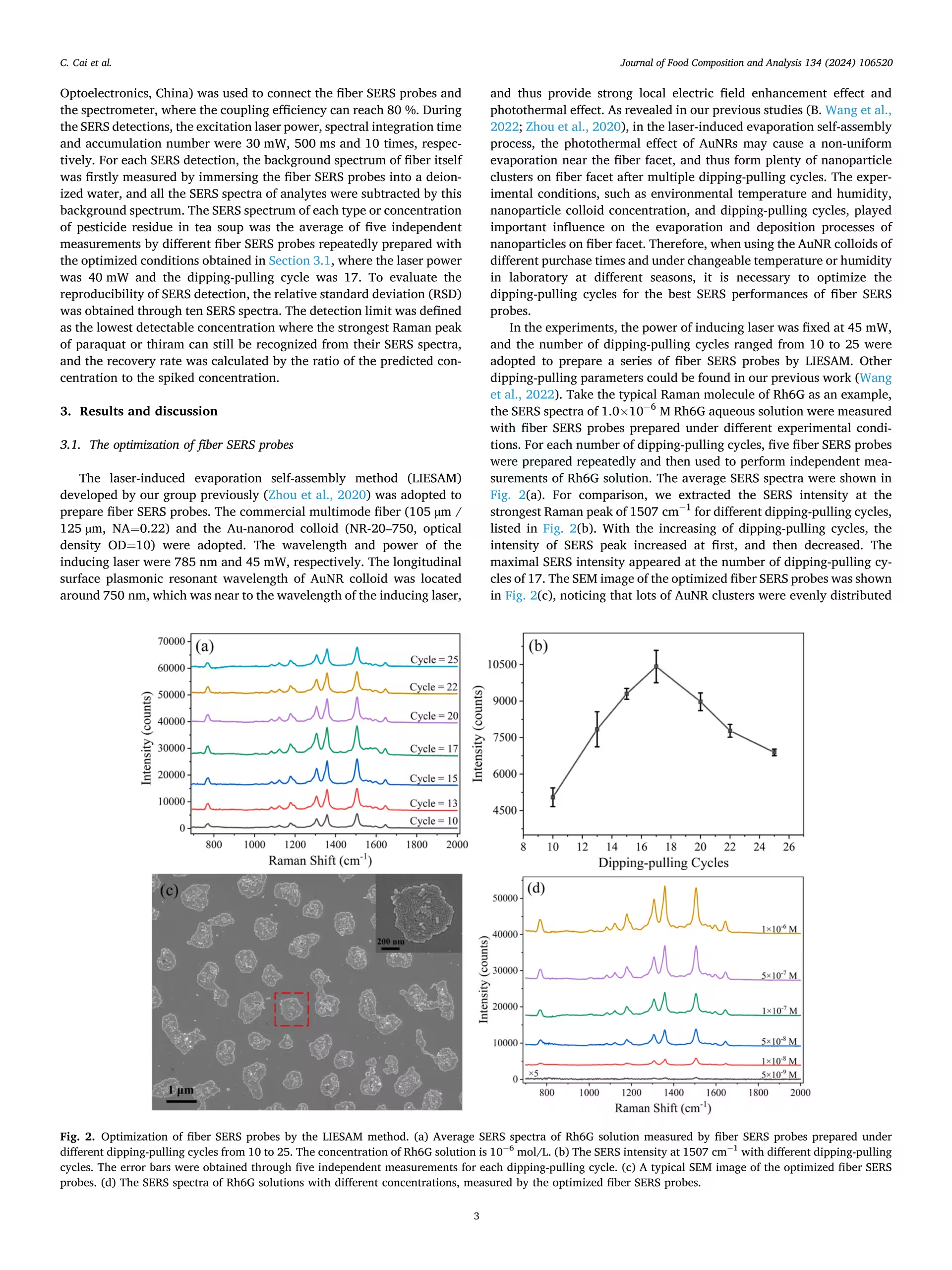
The researchers developed high-performance fiber SERS probes patterned with gold-nanorod (AuNR) clusters using a laser-induced evaporation self-assembly method (LIESAM). This automated process involves dipping and pulling multimode silica fibers through AuNR colloid under laser induction, optimized at 17 cycles for maximum SERS hotspots. Scanning electron microscopy (SEM) confirmed even distribution of AuNR clusters, providing numerous enhancement sites for Raman signals. (Figure 2c shows a typical SEM image of the optimized fiber facet with densely packed AuNR clusters.)
In-Situ Detection Process:
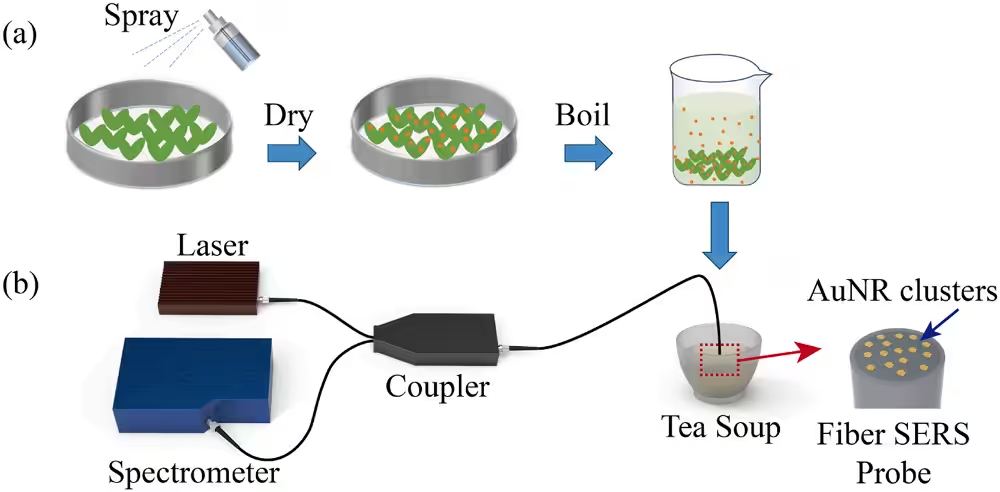
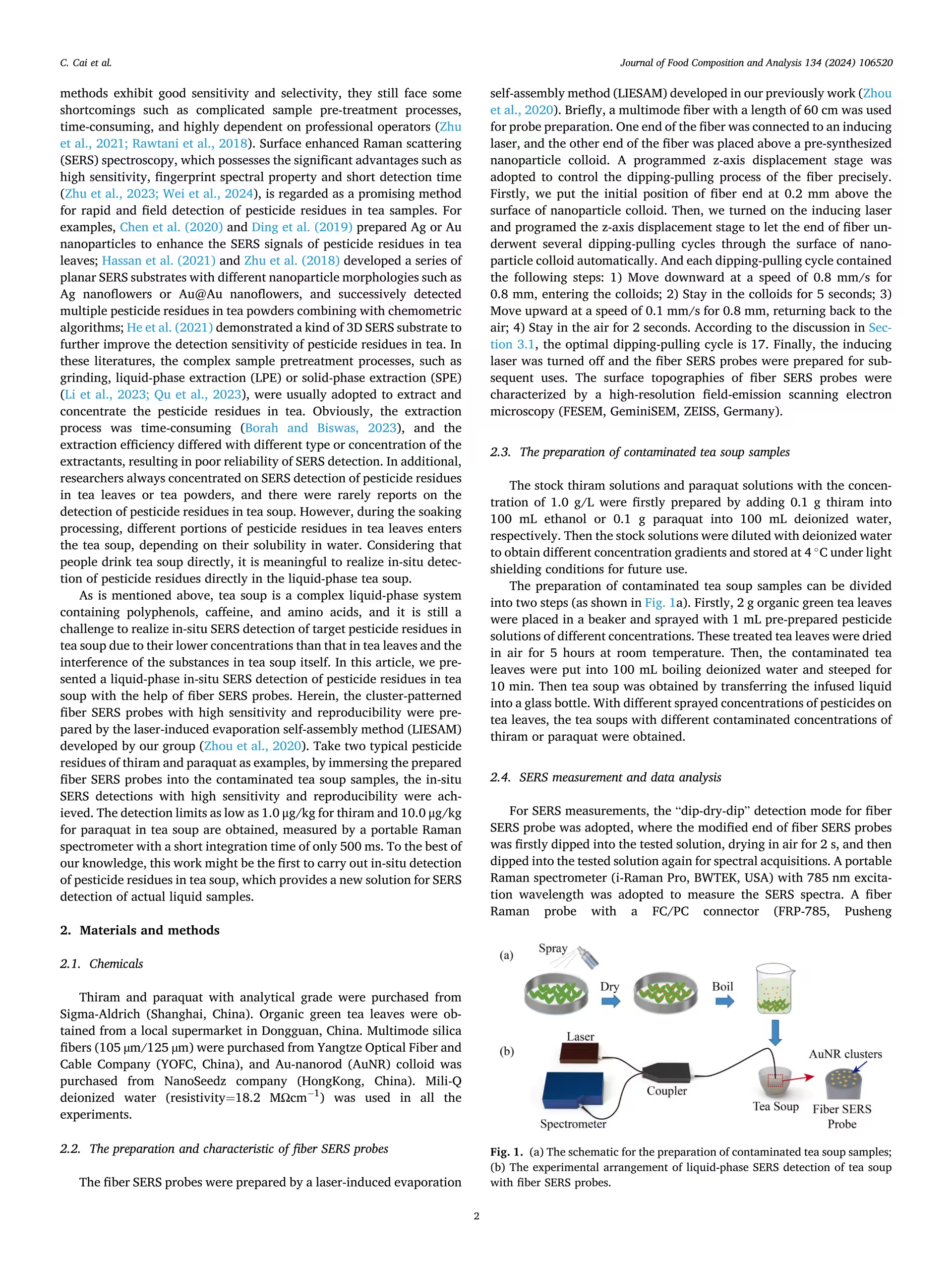
Probes are simply immersed into contaminated tea soup samples prepared by steeping pesticide-sprayed green tea leaves. No extraction or concentration steps are needed, enabling “dip-dry-dip” measurements with a portable Raman spectrometer (785 nm excitation, 500 ms integration time). (Figure 1a illustrates the schematic for preparing contaminated tea soup samples; Figure 1b shows the experimental setup for SERS detection.)
Target Pesticides:
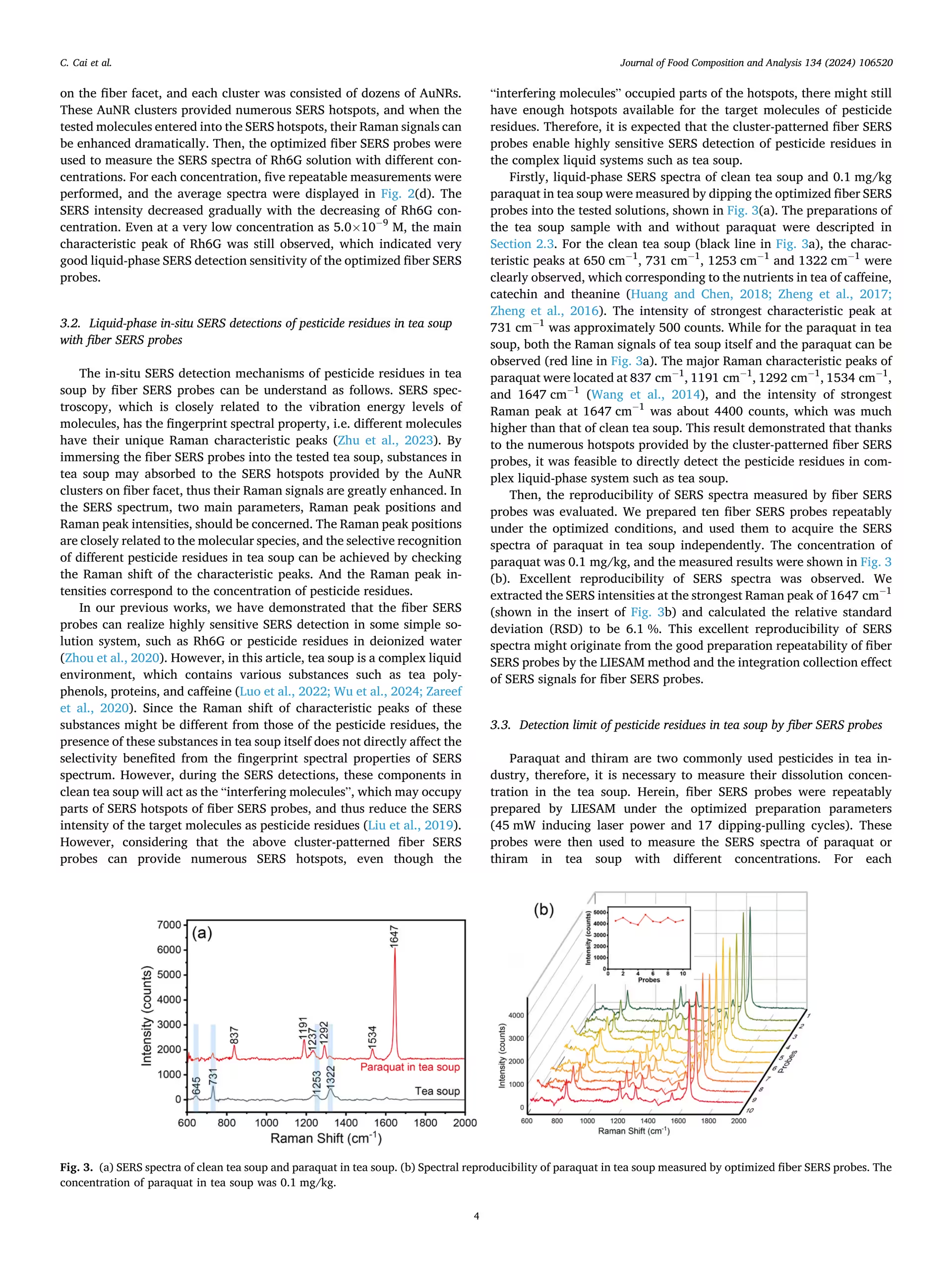
The method was tested on thiram (a fungicide) and paraquat (a herbicide), common in tea production. SERS spectra revealed distinct fingerprint peaks, allowing selective identification amid tea soup’s complex matrix of nutrients like caffeine and catechins. (Figure 3a compares SERS spectra of clean tea soup and paraquat-contaminated tea soup, highlighting peaks at 837, 1191, 1292, 1534, and 1647 cm⁻¹ for paraquat; Figure 3b demonstrates spectral reproducibility with RSD of 6.1% at 1647 cm⁻¹.)
This technique leverages the fiber probes’ integrated signal collection, minimizing interference from tea components while amplifying pesticide signals through electromagnetic enhancement from AuNR hotspots.
Key Results and Performance
The study achieved impressive sensitivity and reliability:
Detection Limits (DL):
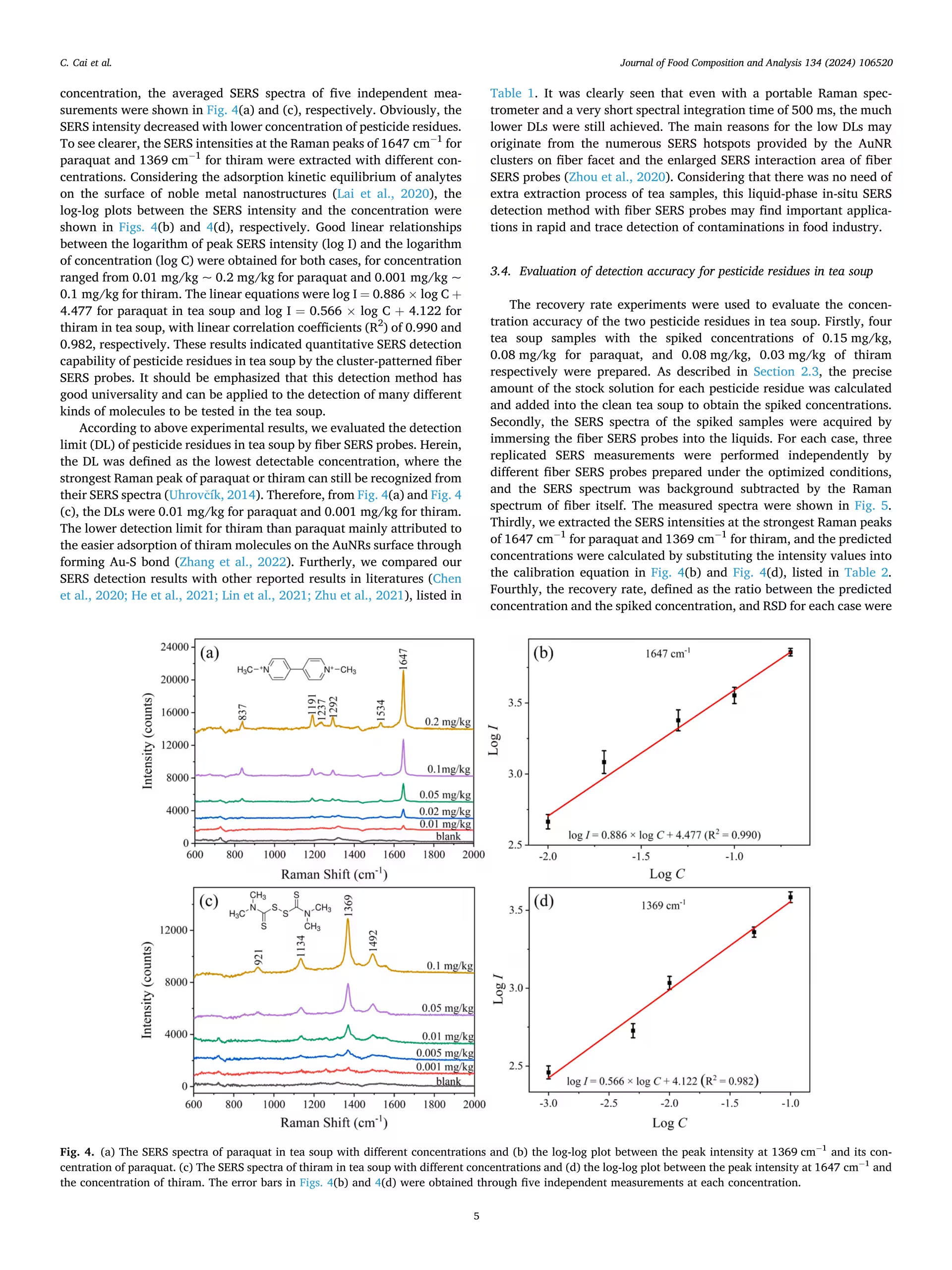
1.0 μg/kg (0.001 mg/kg) for thiram and 10.0 μg/kg (0.01 mg/kg) for paraquat, surpassing many prior SERS methods that relied on extracted tea leaves or powders. These limits were determined as the lowest concentrations where characteristic peaks (e.g., 1369 cm⁻¹ for thiram, 1647 cm⁻¹ for paraquat) remained discernible. (Figure 4a and 4c show concentration-dependent SERS spectra for paraquat and thiram; Figure 4b and 4d display log-log calibration curves.)
Quantitative Analysis:
Log-log calibration curves showed strong linearity (R² = 0.990 for paraquat, 0.982 for thiram) across concentration ranges of 0.01–0.2 mg/kg for paraquat and 0.001–0.1 mg/kg for thiram, enabling accurate quantification. (Table 1 compares this with literature, noting lower DLs and shorter integration times compared to works like Chen et al., 2020, and He et al., 2021.)
Reproducibility and Accuracy:
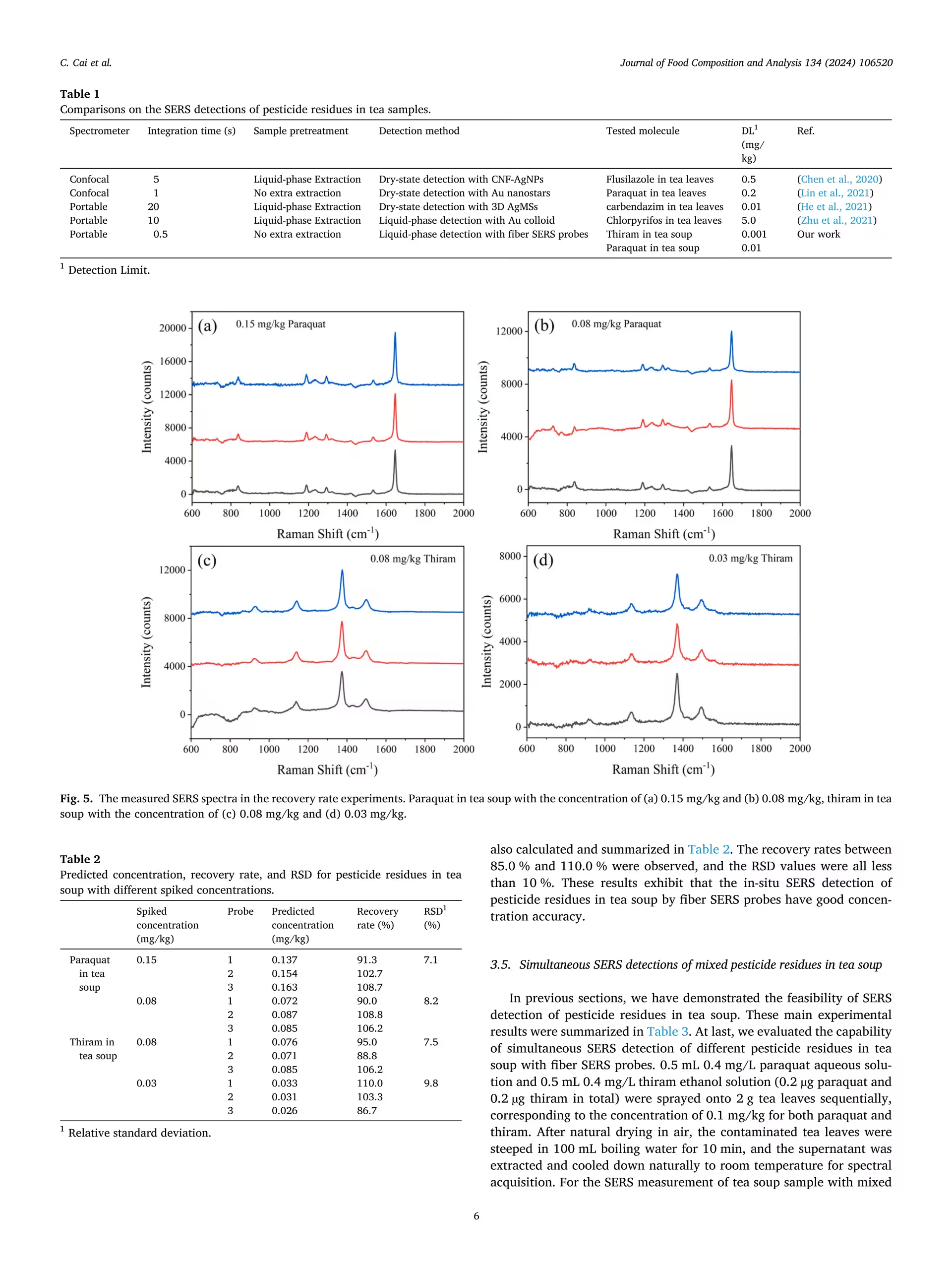
Relative standard deviations (RSDs) of peak intensities were below 10% across multiple probes, indicating high consistency. Recovery rate experiments on spiked samples (paraquat at 0.15 and 0.08 mg/kg; thiram at 0.08 and 0.03 mg/kg) yielded 86.7–110.0% accuracy, with RSDs under 10%, confirming the method’s precision in real tea soup. Specific recoveries included 91.3–108.7% for paraquat at 0.15 mg/kg (RSD 7.1%) and 86.7–110.0% for thiram at 0.03 mg/kg (RSD 9.8%). (Figure 5a–d displays SERS spectra from recovery tests for each spiked concentration; Table 2 details predicted concentrations, recovery rates, and RSDs.)
Simultaneous Detection:
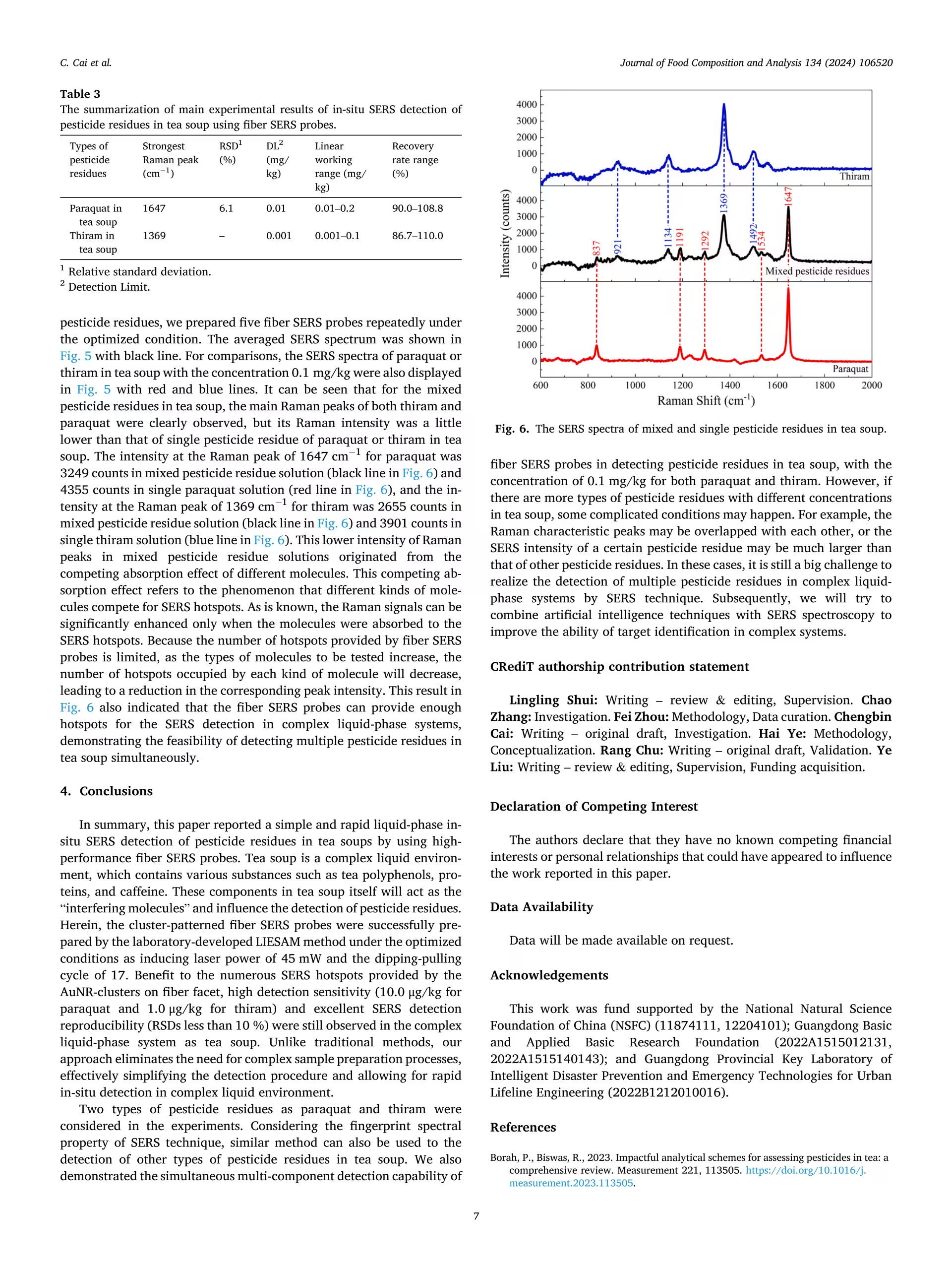
The method successfully detected mixed thiram and paraquat residues at 0.1 mg/kg each, with characteristic peaks visible despite competing adsorption, though intensities were reduced (e.g., 1647 cm⁻¹ peak for paraquat dropped from 4355 to 3249 counts). This demonstrates sufficient hotspots for multi-residue analysis in complex liquids. (Figure 6 compares SERS spectra of mixed residues (black) vs. single paraquat (red) and thiram (blue); Table 3 summarizes performance, including RSD 6.1% for paraquat, linear ranges, and recovery rates.)
Comparisons with literature highlight the superiority: lower DLs with shorter detection times and no pre-treatment, making it ideal for field applications.
Conclusions and Broader Impact
The researchers conclude that this fiber SERS probe method offers a rapid, label-free, and highly sensitive solution for detecting pesticide residues in complex liquid foods like tea soup. By eliminating sample extraction, it reduces analysis time and improves reliability, potentially extending to other beverages or environmental monitoring. The work emphasizes the probes’ universality for various analytes and feasibility for simultaneous multi-residue detection, paving the way for practical tools in food safety enforcement. Future directions include combining artificial intelligence with SERS for enhanced multi-residue identification in complex systems.
Under Chao Zhang’s mentorship, this publication not only advances SERS technology but also equips graduate students with hands-on experience in innovative research. As KINGPO’s CEO, Zhang bridges academia and industry, applying such breakthroughs to develop intelligent detection devices. This achievement aligns with global food safety standards, such as those from the World Health Organization, and demonstrates Dongguan University of Technology’s authoritative contributions to intelligent disaster prevention and urban engineering.
For more details, the full paper is available via DOI: 10.1016/j.jfca.2024.106520. Zhang’s ongoing supervision promises further innovations in optoelectronic sensing, reinforcing trust in science-driven food safety solutions.
with optical fiber SERS probes
with optical fiber SERS probes
with optical fiber SERS probes
with optical fiber SERS probes
with optical fiber SERS probes
with optical fiber SERS probes
with optical fiber SERS probes
with optical fiber SERS probes