Documentation note: This article reports the documented equipment configuration and shipment preparation only. It does not imply completed installation, commissioning, training, calibration, customer acceptance, accreditation scope, certification or endorsement by DEKRA.
Project Entity Summary
| Supplier | KingPo Technology Development Limited |
| Customer | DEKRA Testing and Certification S.r.l. |
| Delivered Equipment | KP-FT03-1 Needle Flame Tester |
| Main Test Application | Controlled needle flame ignition and fire hazard testing |
| Related Standards | IEC 60695-11-5, IEC 60335-1 and IEC 62368-1 |
| Documented Project Status | Equipment configuration and shipment preparation recorded |
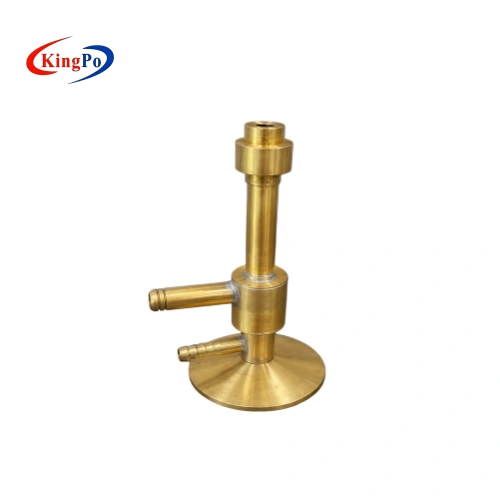
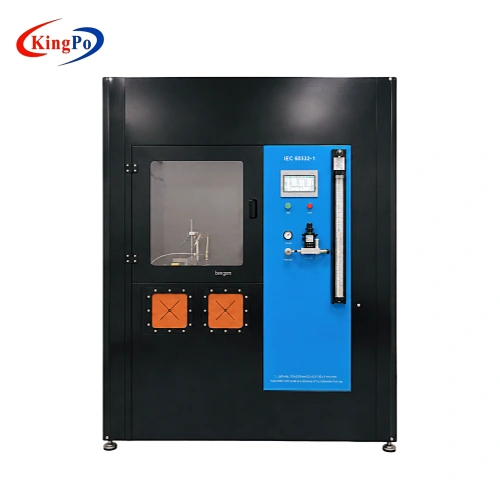
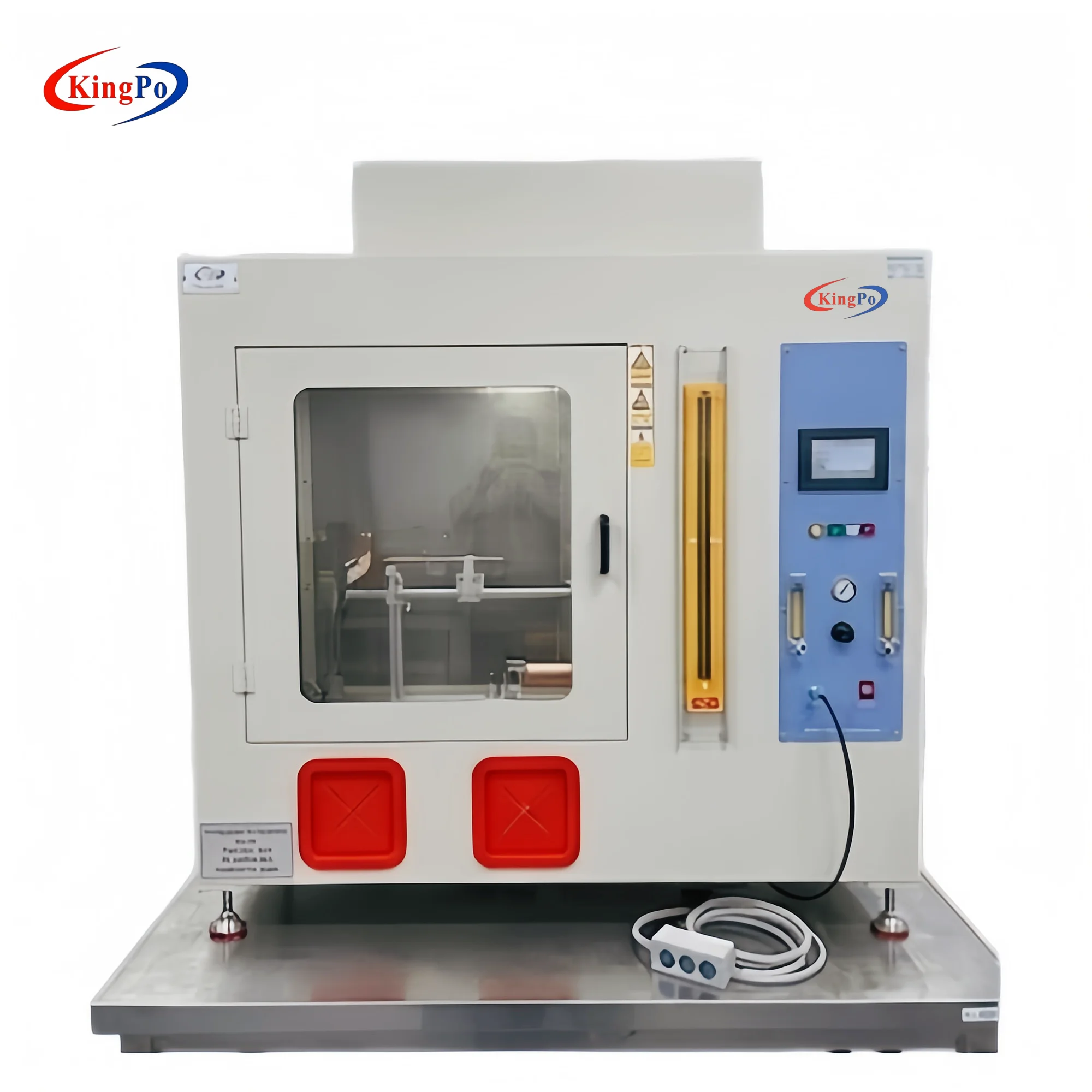
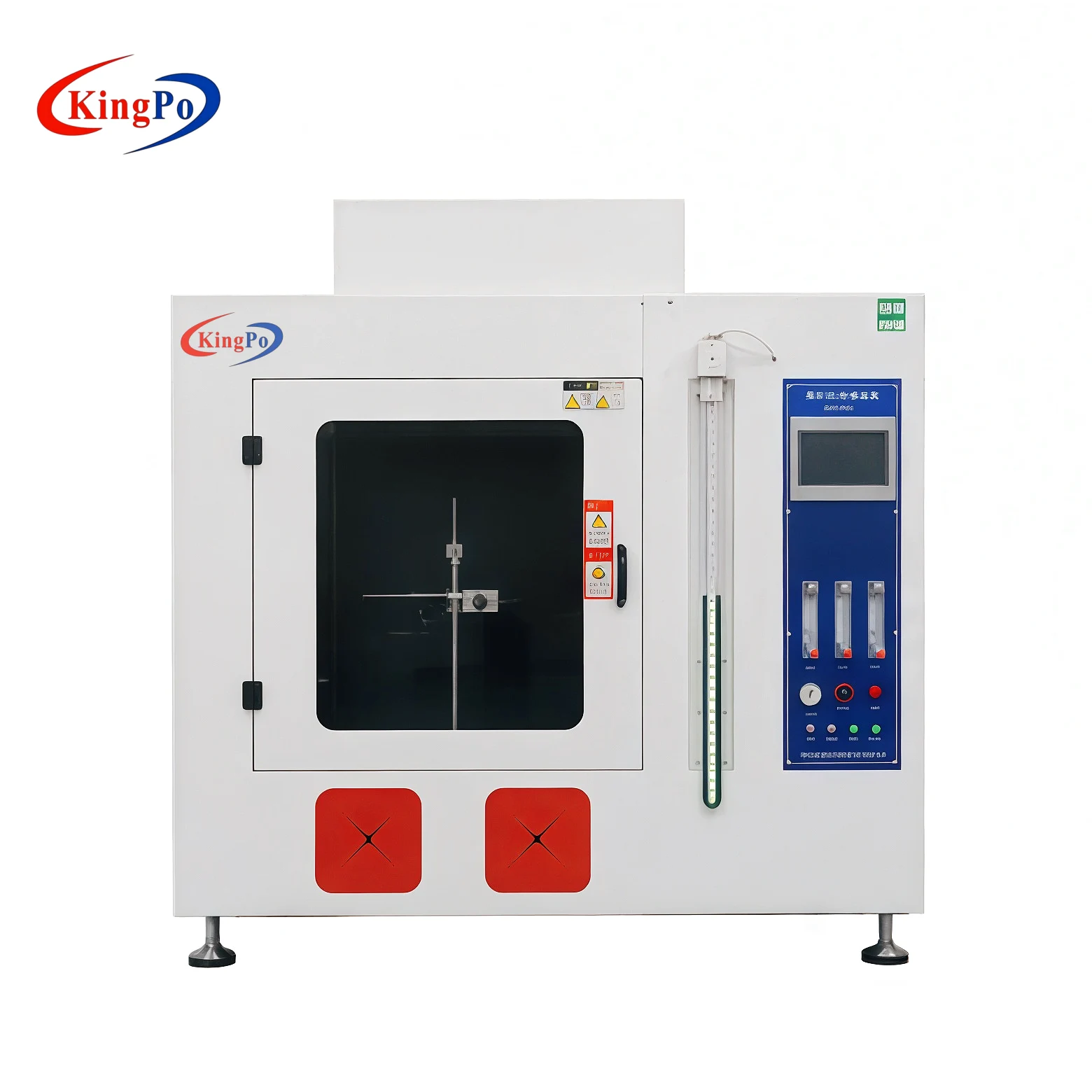
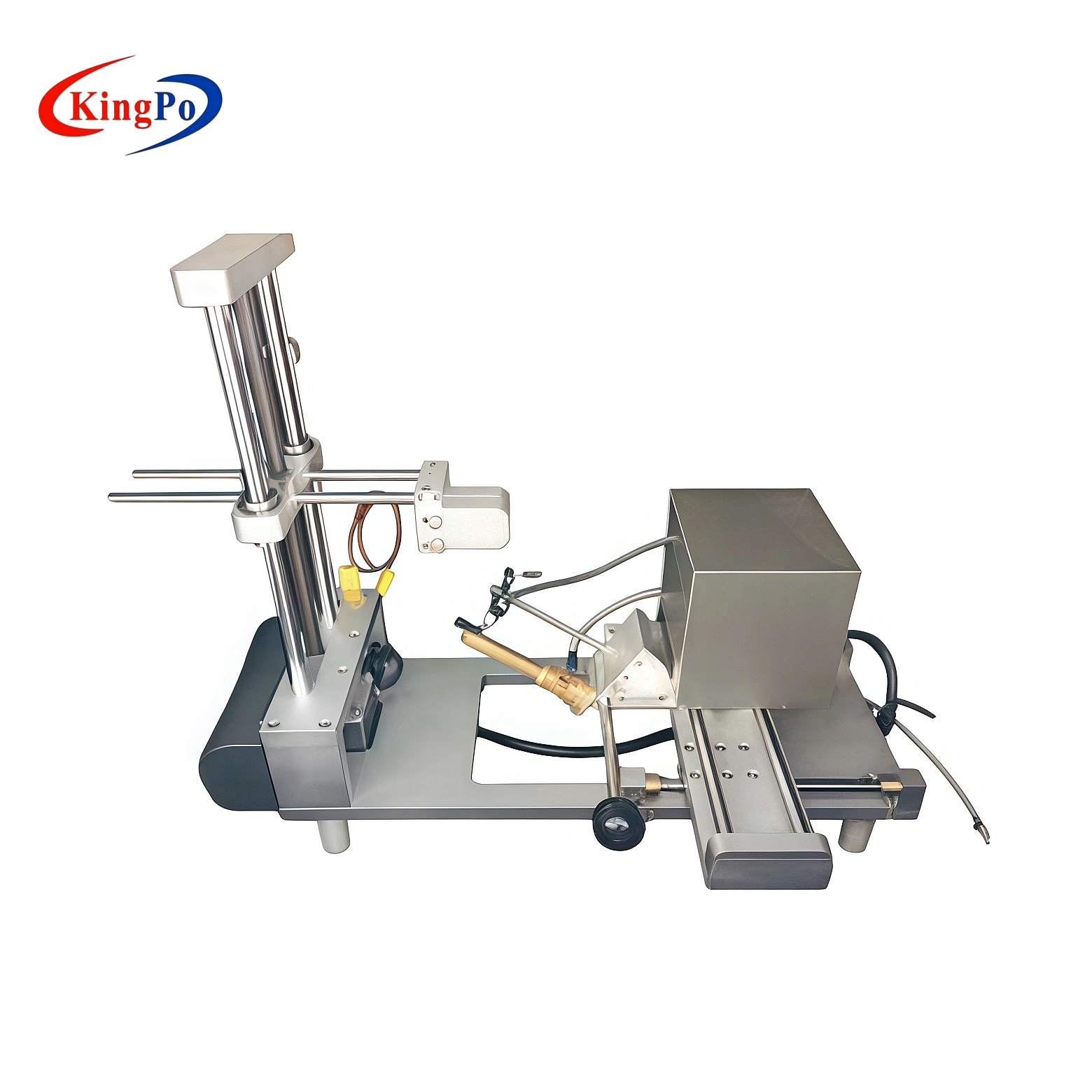
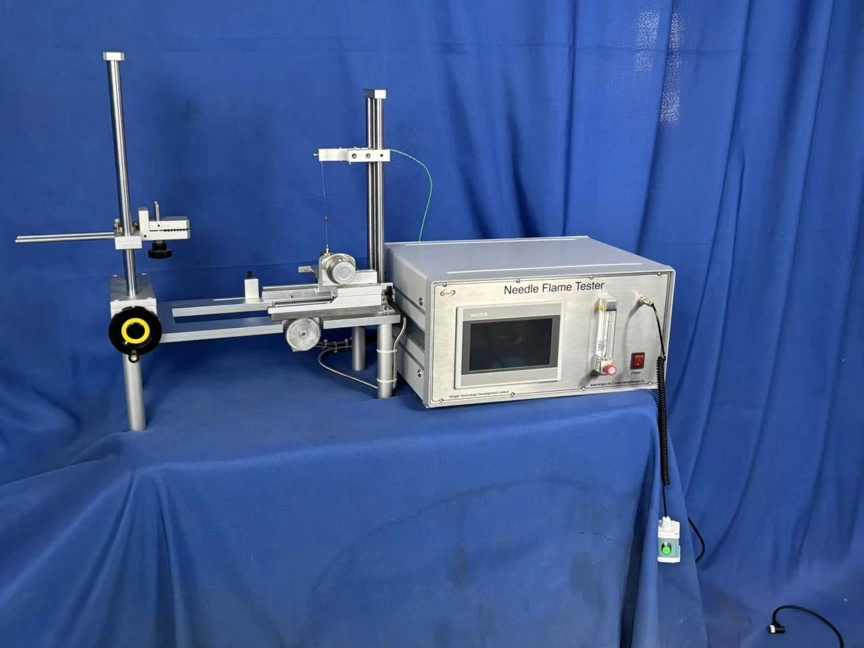
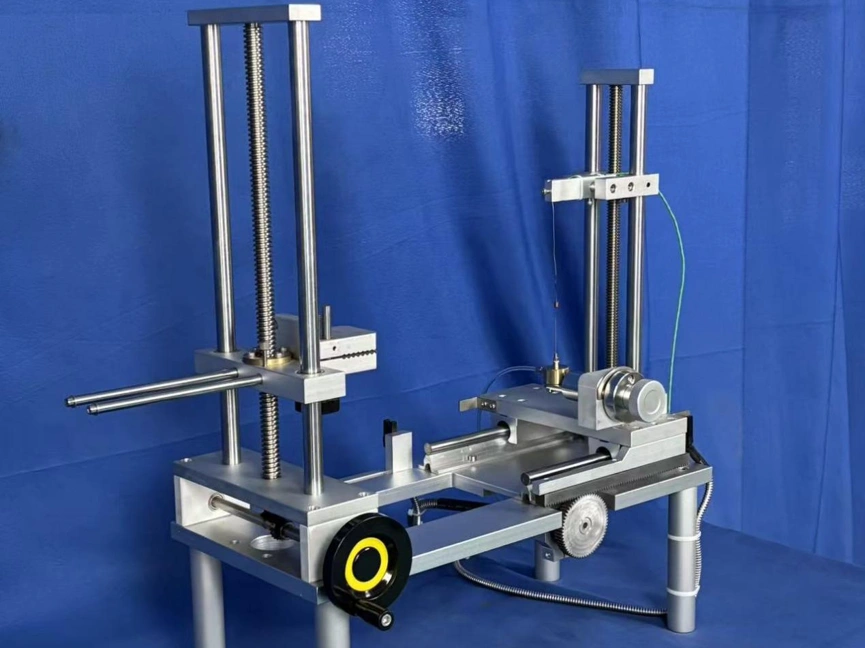
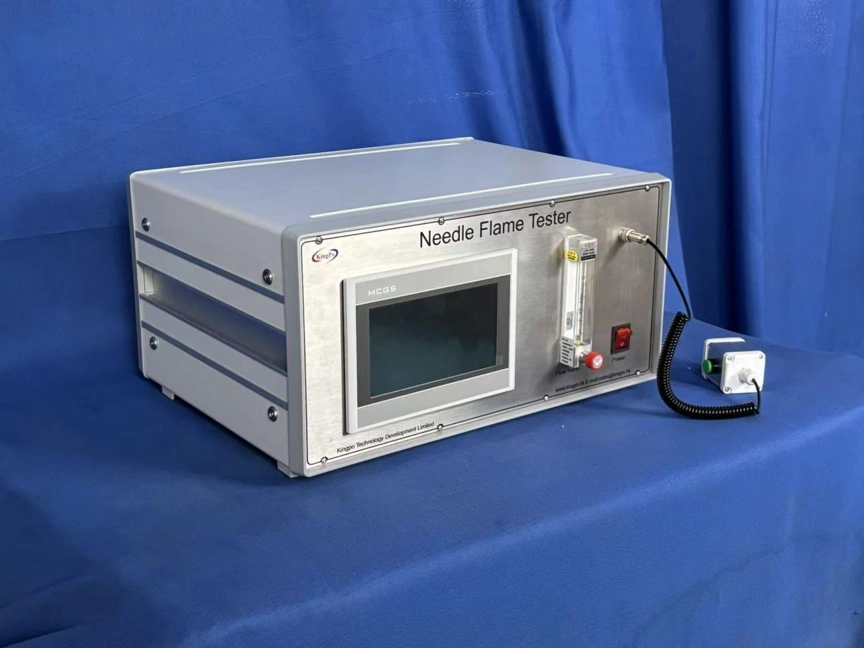
Delivered project summary: KingPo prepared one set of the KP-FT03-1 Needle Flame Tester, including the mechanical specimen positioning structure, needle burner, independent touch-screen controller, timing functions and flame temperature verification components.
Key Configuration Highlights
KP-FT03-1 Test System
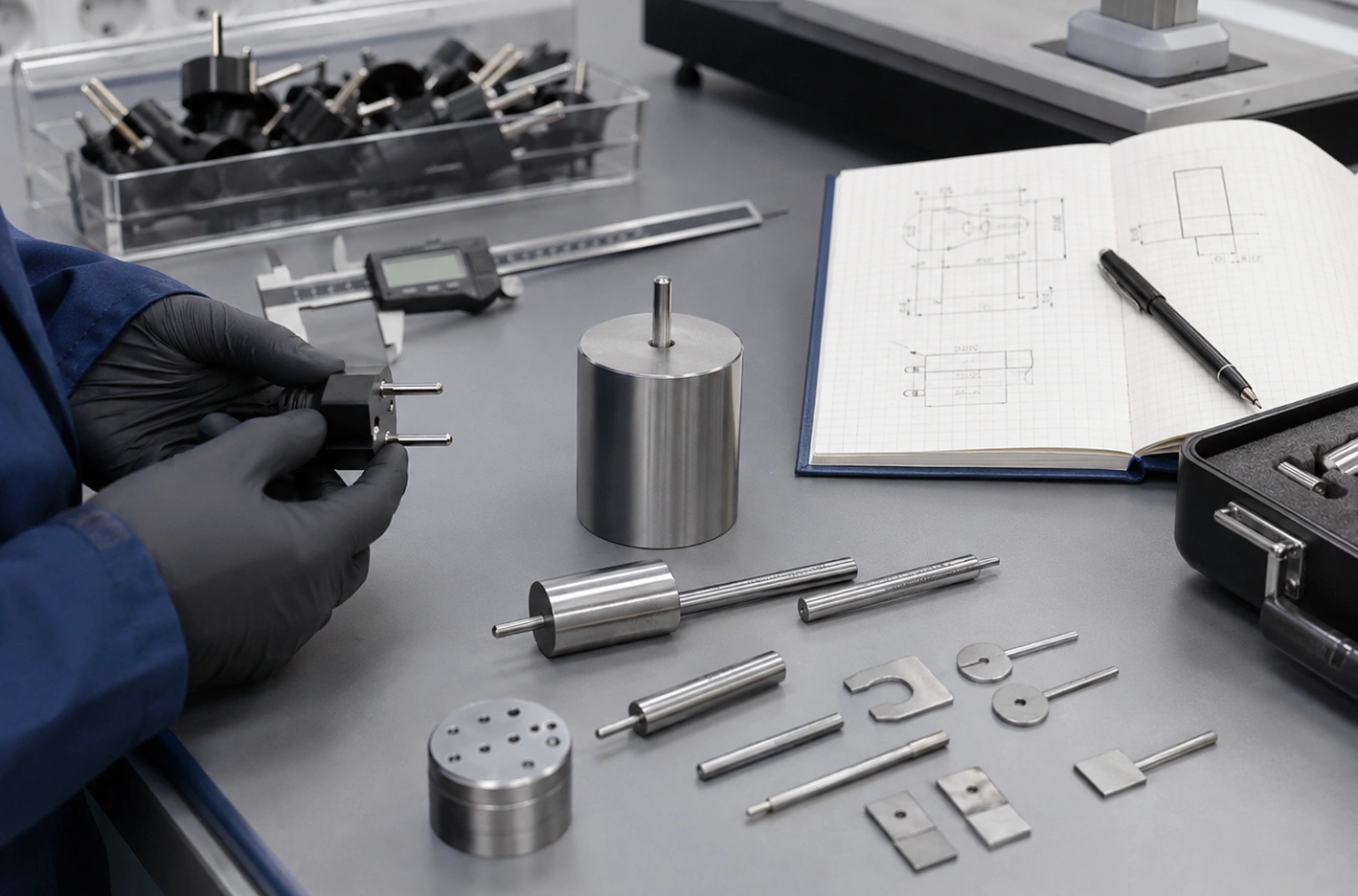
Needle burner fixture, specimen positioning mechanism and independent control unit.
Programmable Timing
Controlled flame application timing and automatic afterflame time recording.
Height and Temperature
Flame height measurement and K-type thermocouple temperature-rise verification.
Project Background
Electrical and electronic products may contain components that generate localized heat or small flames under abnormal or fault conditions. Testing laboratories therefore need a controlled method for evaluating whether insulating materials, enclosures and internal components ignite or allow flame propagation.
The project required more than a basic ignition source. The test setup needed to control burner position, flame height, application time, specimen alignment and flame temperature verification conditions so that needle flame tests could be performed under defined laboratory procedures.
Applicable Standards and Test Context
The KP-FT03-1 is designed for selected needle flame test applications related to IEC 60695-11-5, IEC 60335-1 and IEC 62368-1. The applicable edition, clause, flame application time and specimen arrangement must be confirmed according to the product under test and the laboratory procedure.
| Standard | Relationship to the Project |
|---|---|
| IEC 60695-11-5 | Defines the needle-flame test apparatus, confirmatory arrangement and guidance for evaluating fire hazards caused by small flames. |
| IEC 60335-1 | Covers household and similar electrical appliance safety applications that may reference IEC 60695-11-5 needle flame testing. |
| IEC 62368-1 | Covers AV, information technology and communication equipment safety applications involving resistance to heat and fire. |
Laboratories can review the IEC 60695 fire hazard test equipment guide, the IEC 60335-1 test equipment guide and the IEC 62368-1 test equipment guide for related test applications.
Testing Application
The needle flame test system applies a defined small flame to a selected position on an electrical or electronic component, insulating part, enclosure or related material. Once the specified exposure period is completed, the burner is removed and the continuing flame behavior is observed and recorded.
Application note: These examples describe the equipment’s potential test capability. They do not indicate that every listed product or standard is included within the customer laboratory’s accredited scope.
Technical Configuration
| Configuration Area | Project Configuration |
|---|---|
| Equipment Model | KingPo KP-FT03-1 |
| Needle Burner | Stainless-steel needle burner, height greater than 35 mm |
| Recorded Needle Diameter | Φ0.5–0.9 mm |
| Burner Angle | 0° and 45° adjustable |
| Flame Application Timing | Programmable, with stated timing accuracy of ±0.1 s |
| Afterflame Timing | Automatic recording |
| Flame Height | 12 mm ± 1 mm |
| Ignition Gas | Butane with purity greater than 95% |
| Temperature Range | 0–1000°C |
| Temperature-Rise Verification | From 100°C ± 2°C to 700°C ± 3°C within 23.5 s ± 1 s |
| Thermocouple | K type, Φ0.5 mm |
| Control Method | Touch-screen control and programmed one-touch operation |
The specifications above are based on the available shipment document. Final commercial specifications should be confirmed against the approved technical document for the supplied configuration.
Engineering Notes for the Test Setup
Reliable needle flame testing depends on more than the flame application time. Before a test series, laboratory engineers should verify flame height, burner condition, gas purity, burner angle, specimen position and the temperature-rise result.
Confirm flame height, burner stability and gas purity before starting formal testing.
Verify the specimen support, burner angle and flame application point according to the selected test procedure.
Confirm flame exposure time, afterflame observation and final assessment criteria according to the applicable product standard.
The equipment supports controlled test execution, while the final conformity assessment remains subject to the official standard, the laboratory procedure and the product under evaluation.
Customer Value
The project configuration brings the main needle flame test controls into one coordinated laboratory setup. This helps laboratories prepare repeatable small-flame fire hazard tests with controlled burner positioning, timing, flame verification and specimen alignment.
The available records document the equipment configuration and shipment preparation only. No claim is made regarding completed installation, training, commissioning, customer acceptance or accreditation scope.
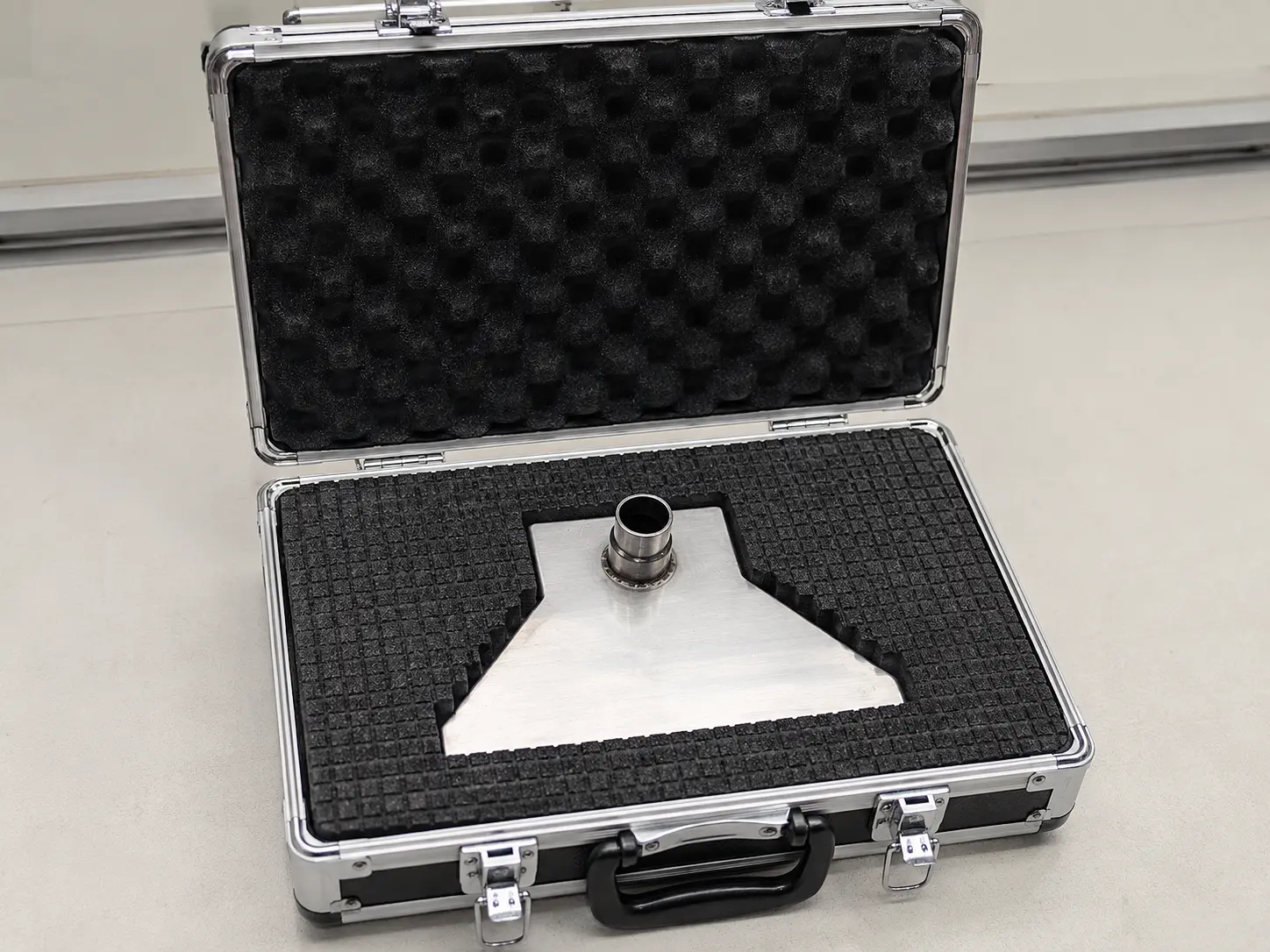
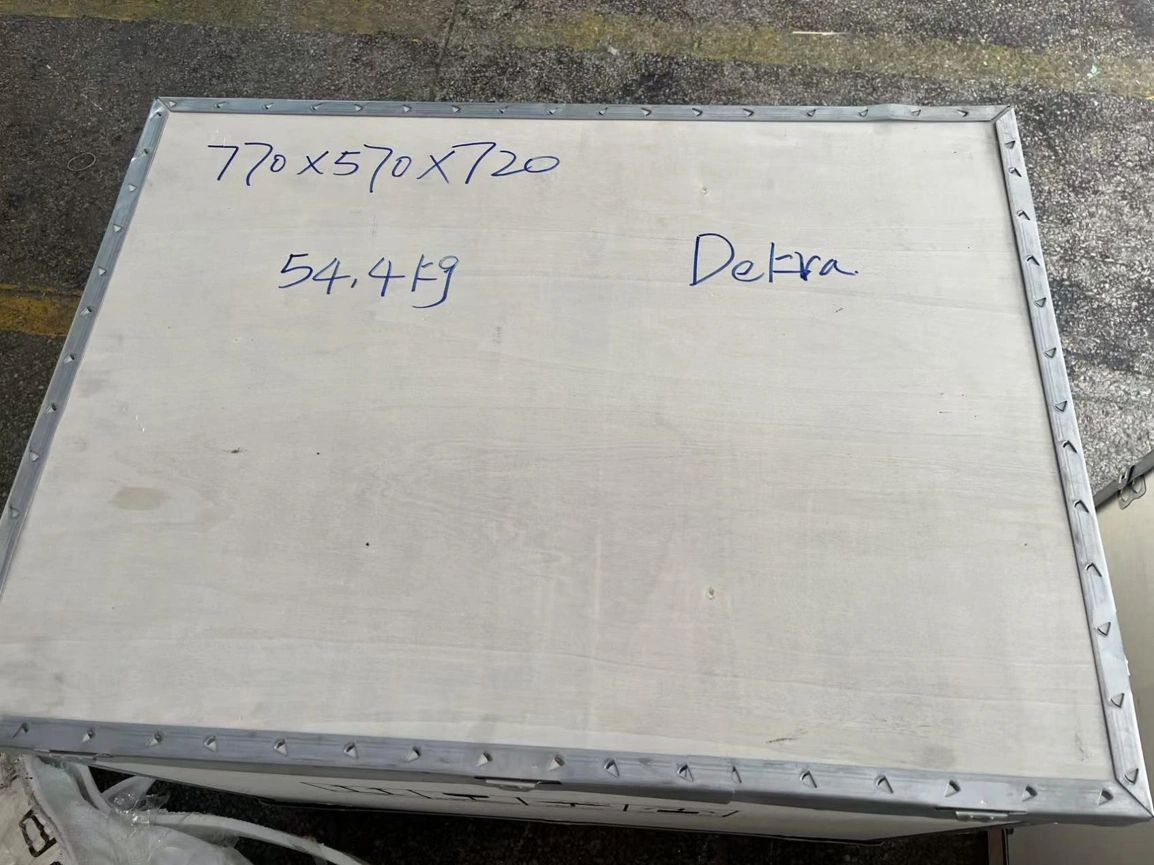
Shipment Preparation
Related Product and Technical Pages
Main product page for the needle flame tester and its current technical configuration.
Related fire hazard test equipment used to simulate thermal stress caused by overheated electrical components.
Related apparatus for applying a standardized 500 W test flame in flammability evaluation.
Product category covering needle flame, glow-wire and other combustion safety test equipment.
Technical comparison of needle flame, glow-wire and horizontal or vertical flame test methods.
Technical Notes and FAQ
What equipment was prepared for this project?
The project records identify one KingPo KP-FT03-1 Needle Flame Tester, including the mechanical fixture, needle burner, independent controller, gas flow components and temperature verification arrangement.
What is the needle flame tester used for?
It simulates a small flame that may occur under product fault conditions and allows the laboratory to observe ignition, afterflame duration and possible flame propagation.
Which standard is mainly related to the system?
The primary test method is IEC 60695-11-5, which covers the needle-flame test apparatus, confirmatory test arrangement and related guidance.
Can it support IEC 60335-1 and IEC 62368-1 applications?
The equipment is designed for selected needle flame applications referenced by IEC 60335-1 and IEC 62368-1. The final clause and test conditions depend on the standard edition, product category and laboratory test plan.
How is the test flame verified?
The documented configuration uses a flame height of 12 mm ± 1 mm and a Φ0.5 mm K-type thermocouple. The recorded temperature-rise condition is from 100°C ± 2°C to 700°C ± 3°C within 23.5 s ± 1 s.
Does this project mean DEKRA certifies or endorses KingPo equipment?
No. This case only reports the documented equipment project and shipment preparation. It does not imply DEKRA certification, endorsement or approval of KingPo equipment.
Need a Similar Needle Flame Testing Setup?
KingPo can review the applicable standard, test clause, specimen type, flame application time, control requirements and laboratory configuration before preparing an equipment proposal.
Note: This article reports the documented equipment configuration and shipment preparation only. It does not imply DEKRA certification, endorsement or approval of KingPo products.