Written by: KingPo Technical Content Team
Technical Review by: Bruce Zhang, Founder and Senior Engineer
Last Technical Review: July 2026
This guide was prepared using IEC 60529 Edition 2.2 as the primary classification reference, KingPo’s experience in IP test equipment manufacturing, laboratory setup and equipment commissioning, observations from enclosure pre-compliance testing and current KingPo technical documentation for dust and water ingress test equipment.
Technical Overview
IP54 means that an enclosure is dust-protected, first digit 5, and protected against splashing water from any direction, second digit 4. It is not dust-tight, protected against water jets, or suitable for immersion.
The rating is defined within the IEC 60529 IP Code system. IEC 60529 classifies degrees of protection provided by enclosures for electrical equipment.
Key Takeaways
- The first digit 5 means dust-protected, not dust-tight.
- The second digit 4 means protection against splashing water, not water jets or immersion.
- An IP54 result applies to the sample configuration and mounting condition that were tested.
- IP54 alone does not prove complete outdoor suitability, corrosion resistance, UV resistance or resistance to condensation.
- A technically useful test report should identify the sample, seals, cable entries, orientation, test methods and post-test acceptance criteria.
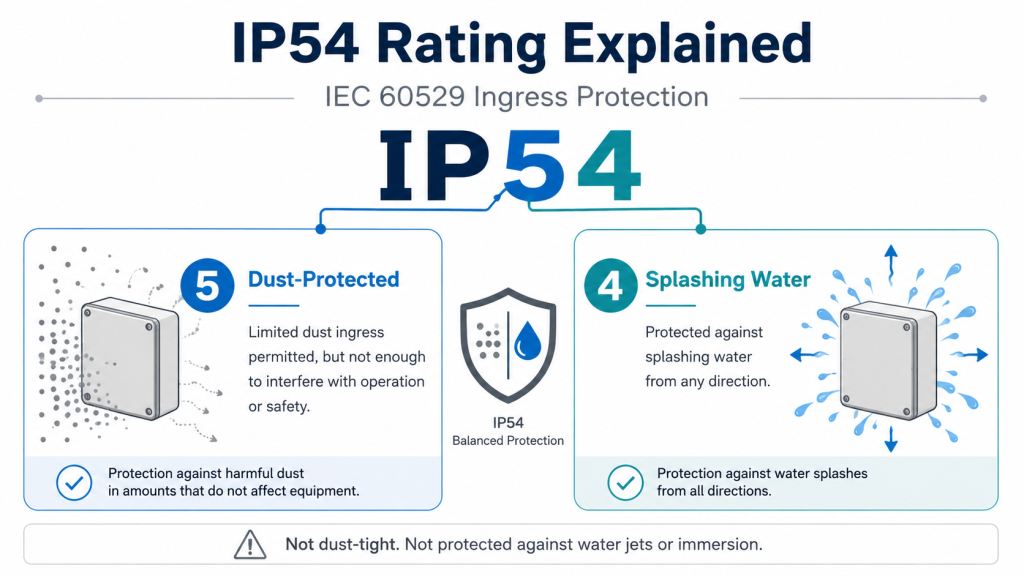
Figure 1. IP54 Rating Explained Under IEC 60529
IP54 at a Glance
| Code Element | Meaning | Important Limitation |
|---|---|---|
| IP | Ingress Protection classification | The classification applies to the tested enclosure configuration. |
| 5 | Dust-protected | Limited dust ingress may be permitted if it does not interfere with operation or impair safety. |
| 4 | Protected against splashing water from any direction | This does not cover water jets, high-pressure cleaning or immersion. |
| IP54 | Combined IP5X and IPX4 protection | It does not automatically establish full outdoor suitability. |
What Equipment Is Needed for IP54 Testing?
IP54 verification usually involves both dust protection assessment and IPX4 splashing-water testing under IEC 60529. The required test equipment depends on the enclosure size, test method, sample mounting condition and laboratory configuration.
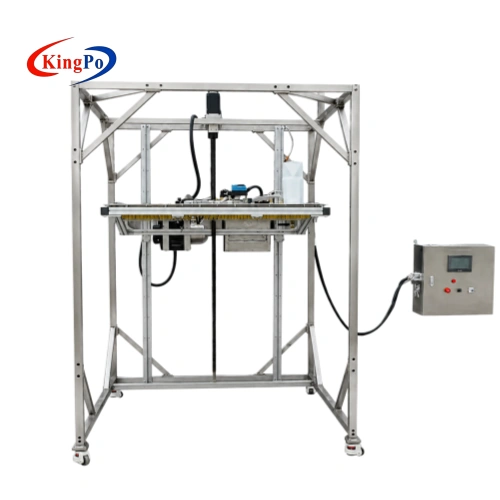
A typical laboratory setup may include a dust test chamber, IPX3/IPX4 spray nozzle or oscillating tube system, specimen support, water flow control and test documentation.
For a broader equipment overview, see KingPo IP Testing Equipment for IEC 60529 and ISO 20653 or browse IP Testing Equipment Products.
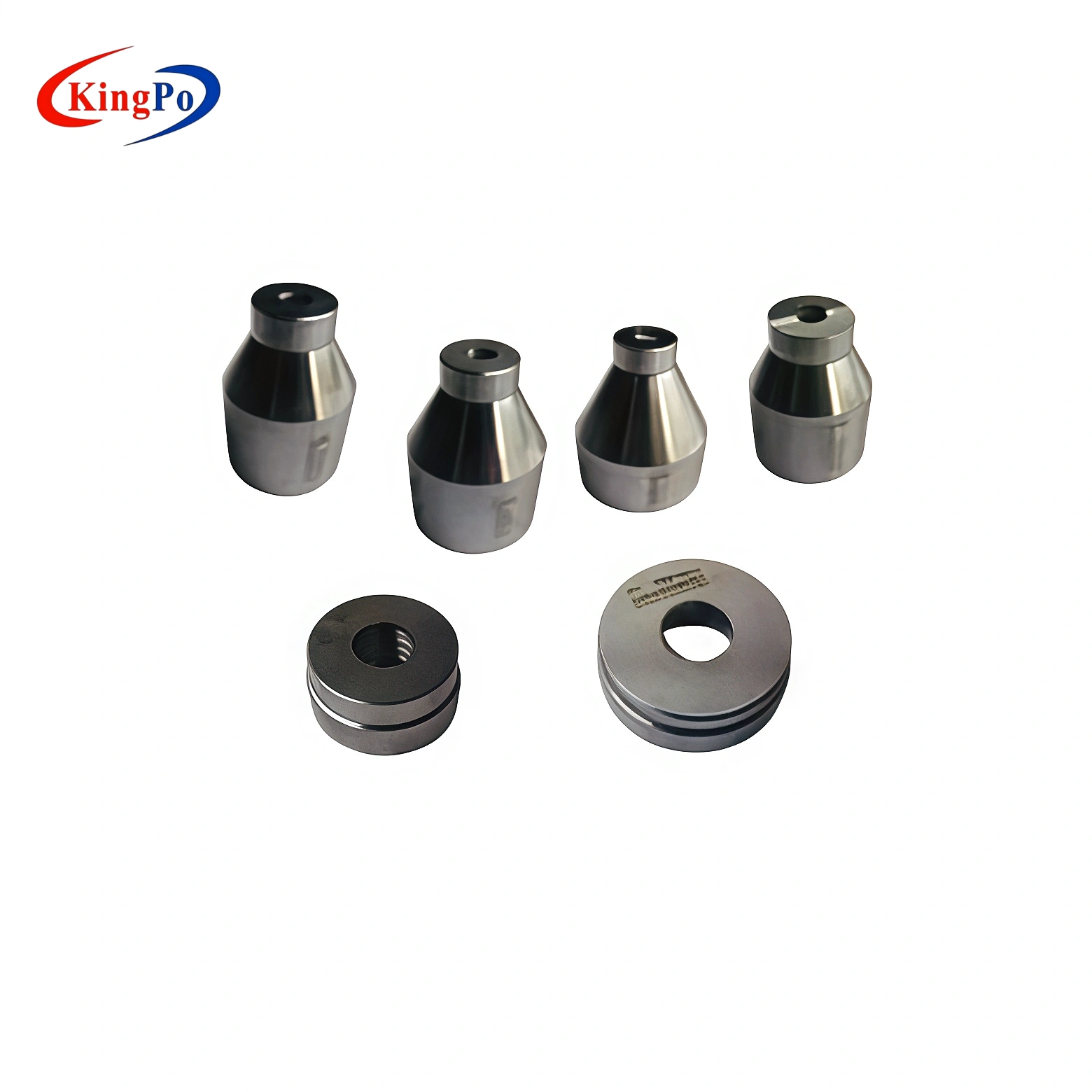
KingPo provides test equipment for IEC 60529 and ISO 20653 ingress protection testing, including access probes, dust chambers, drip systems, spray nozzles, water jet systems, immersion tanks and IPX9/IPX9K chambers.
What Does the First Digit 5 Mean?
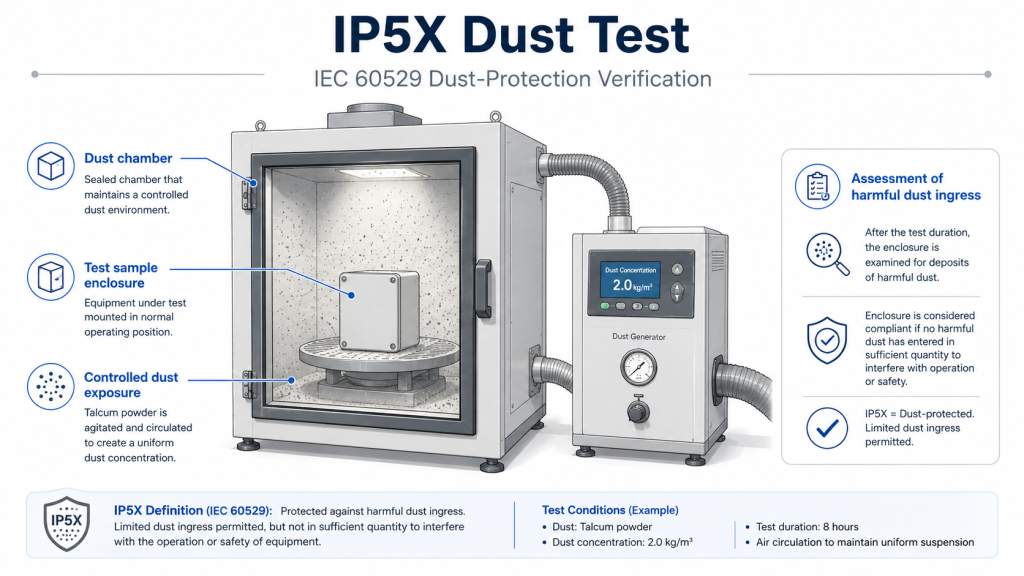
The first digit describes protection against access to hazardous parts and the ingress of solid foreign objects. For IP5X, the enclosure is classified as dust-protected, not dust-tight.
Some dust may enter during the specified test. The acceptance question is whether the quantity and location of that dust can interfere with satisfactory operation or impair safety under the applicable product standard and evaluation procedure.
IP5X Is Different from IP6X
| Level | Classification | Practical Meaning |
|---|---|---|
| IP5X | Dust-protected | Limited dust ingress may be accepted if it is not harmful. |
| IP6X | Dust-tight | No dust ingress is permitted under the specified test. |
How IP5X Dust Testing Is Approached
IP5X verification is performed in a controlled dust environment using the test method required by IEC 60529 and the applicable product programme. The final sample should be tested with the relevant covers, doors, gaskets, cable entries, connectors, vents and mounting conditions in place.
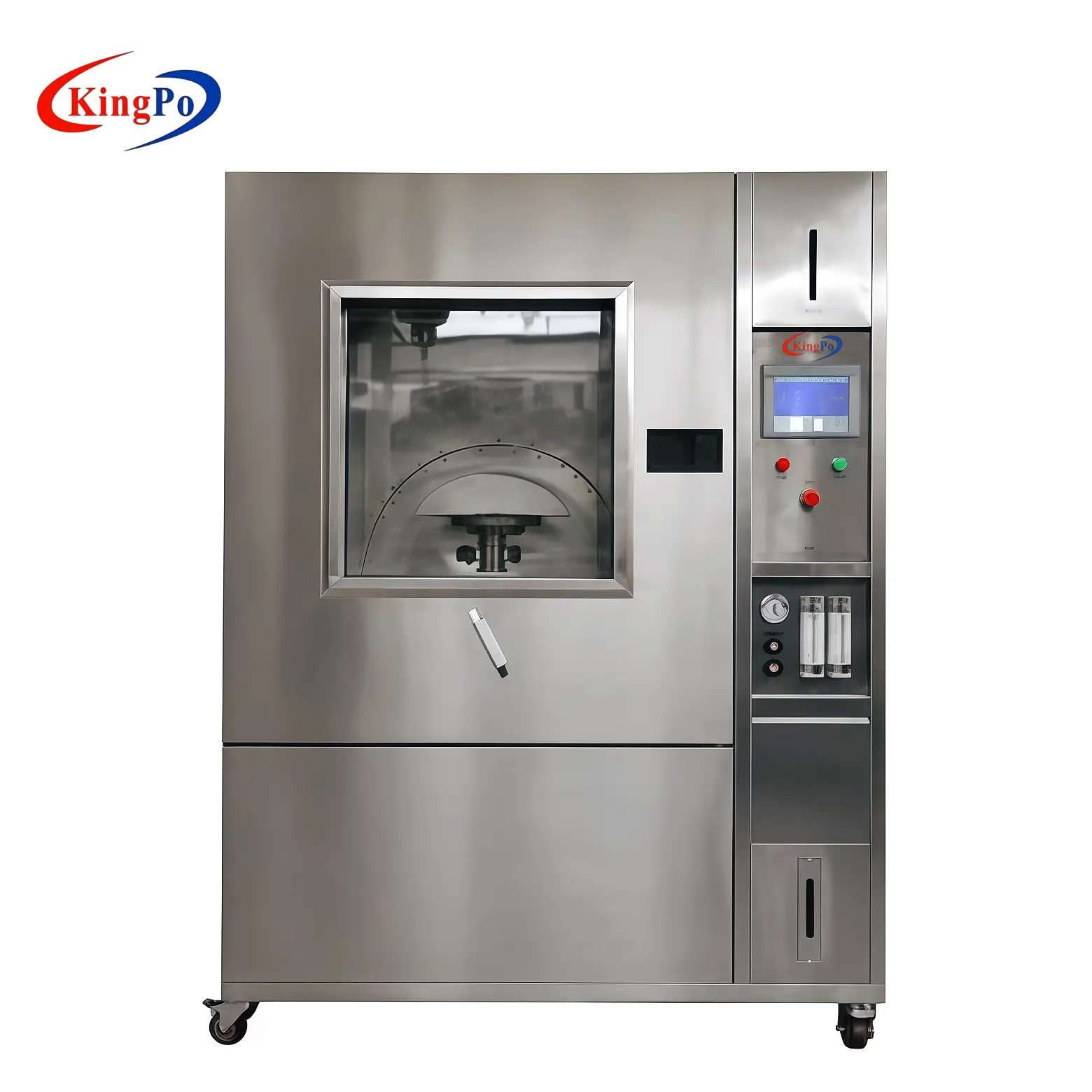
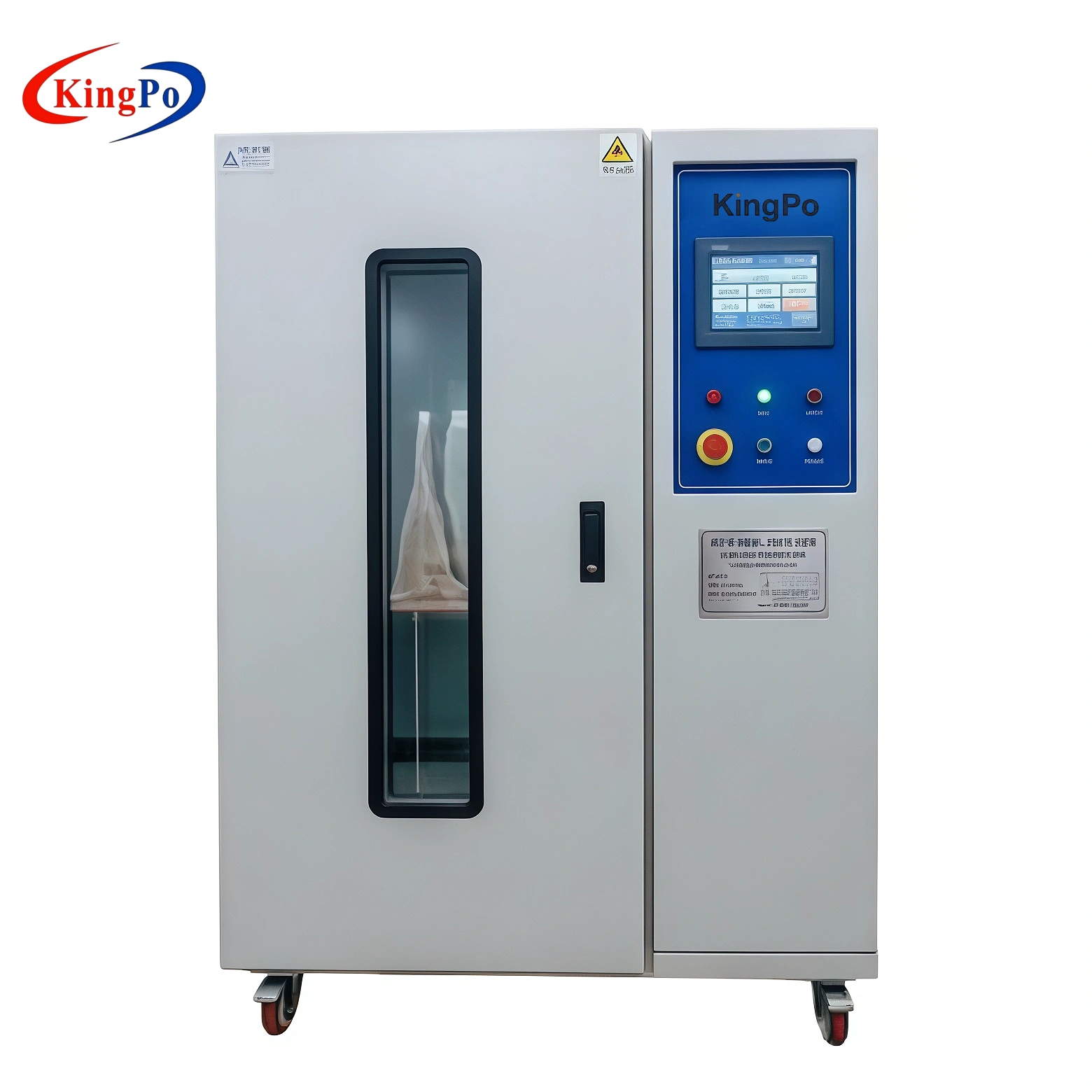
For laboratory evaluation, a properly configured IEC 60529 sand and dust test chamber provides controlled dust circulation and a repeatable enclosure test environment.
What Affects Dust Performance in Real Products?
- Gasket material, compression and groove geometry
- Door or cover alignment
- Cable gland size and tightening condition
- Ventilation membranes and pressure equalization devices
- Shaft seals, connectors and unused openings
- Fastener sequence and assembly torque
- Pressure differences between the enclosure and the chamber
- The normal operating orientation of the product
Testing an empty housing may not represent the marketed product. Adding a switch, connector, cable gland, vent or mounting bracket can create a new ingress path and may invalidate the relevance of the original result.
What Does the Second Digit 4 Mean?
The second digit describes protection against water ingress. IPX4 means that water splashed against the enclosure from any direction must not cause harmful effects under the applicable test and acceptance criteria.
What IPX4 Covers
- Splashing water applied from multiple directions
- The sample configuration and orientation defined by the test programme
- Post-test inspection for harmful ingress and effects on safety or function
What IPX4 Does Not Cover
- Directed water jets such as IPX5 or IPX6
- High-pressure or high-temperature cleaning
- Temporary or continuous immersion
- Steam cleaning
- Every possible form of wind-driven rain
Oscillating Tube or Handheld Spray Nozzle?
IEC 60529 provides test arrangements for spraying and splashing water. The appropriate arrangement depends on the sample dimensions, geometry, mounting condition and the test procedure being applied.
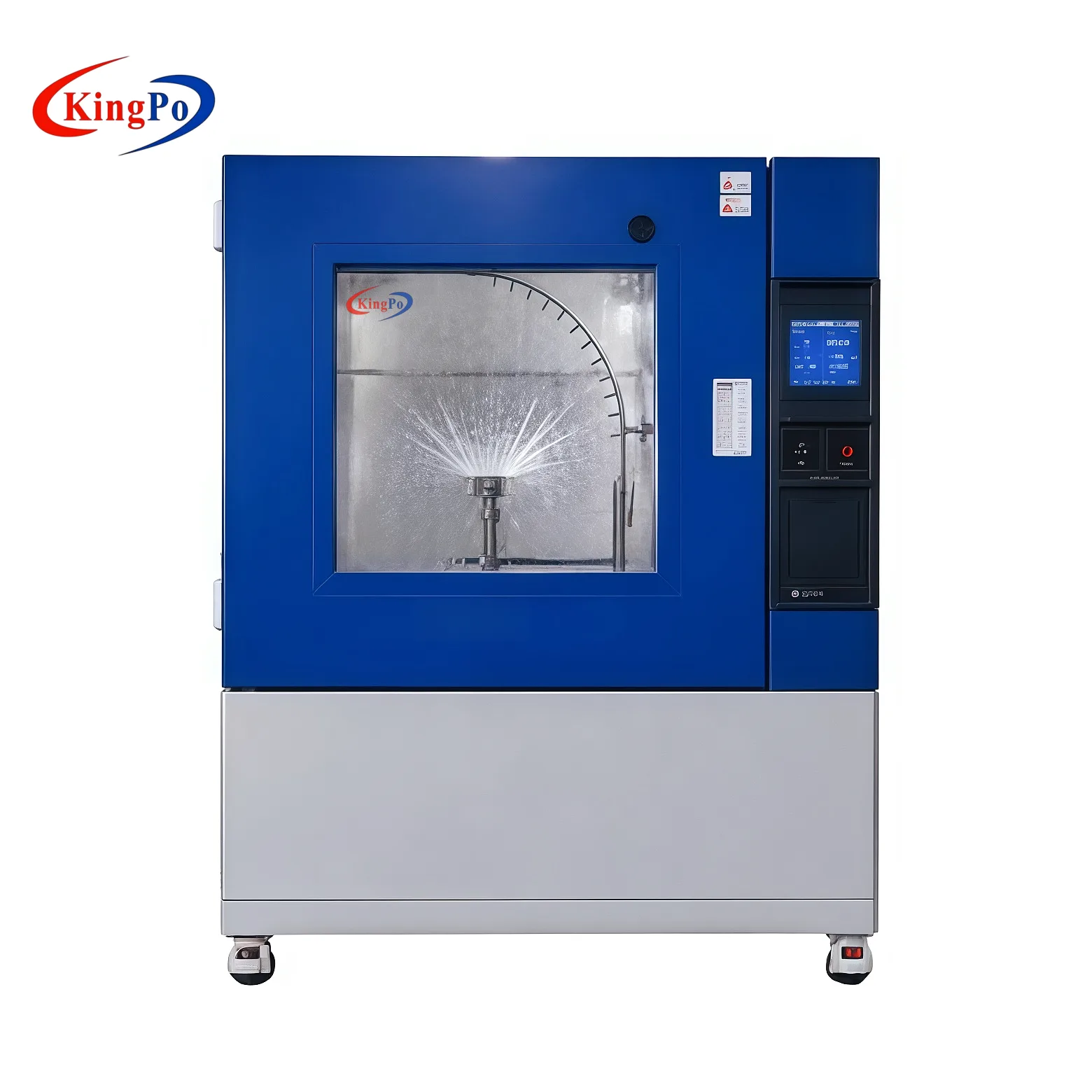
A controlled chamber solution such as the IPX4 splash water test chamber or the IPX3/IPX4 combined oscillating tube test chamber is useful when repeatable automated coverage is required.
For large, installed or irregular specimens, an IEC 60529 IPX3/IPX4 handheld water spray nozzle may provide a more practical manual test arrangement when operated in accordance with the applicable procedure.
IPX4 evaluates splashing water. IPX5 and IPX6 use different water-jet conditions, equipment and acceptance procedures. Similar-looking water exposure does not make the tests equivalent.
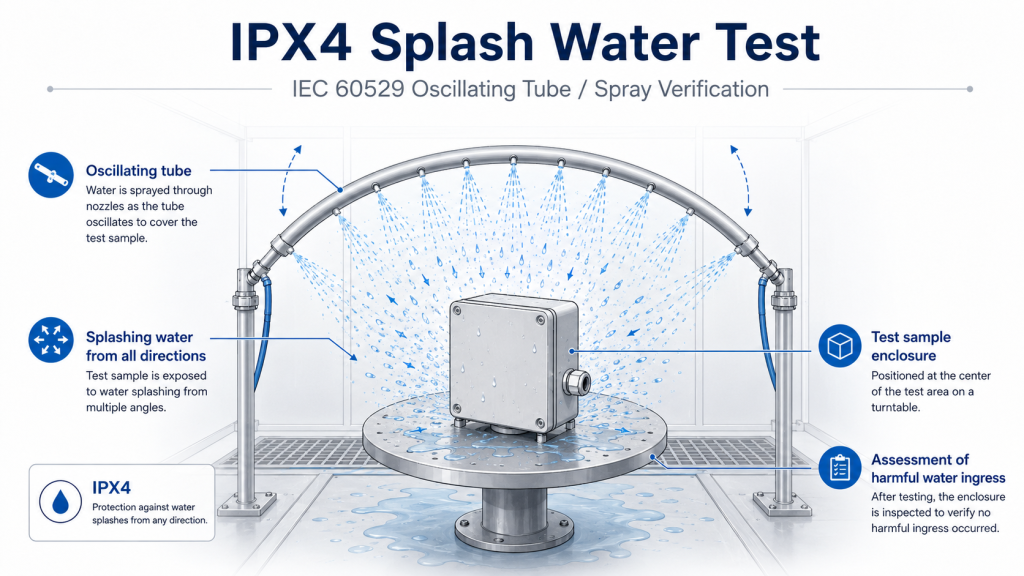
Figure 3. IPX4 Splash Water Test Using an Oscillating Tube
Is IP54 Waterproof?
No. IP54 is better described as dust-protected and splash-resistant. It does not establish protection against water jets or immersion.
The word “waterproof” has no single useful engineering meaning unless the exposure condition is defined. A device can resist splashing water and still be unsuitable for hose cleaning, pressure washing or immersion.
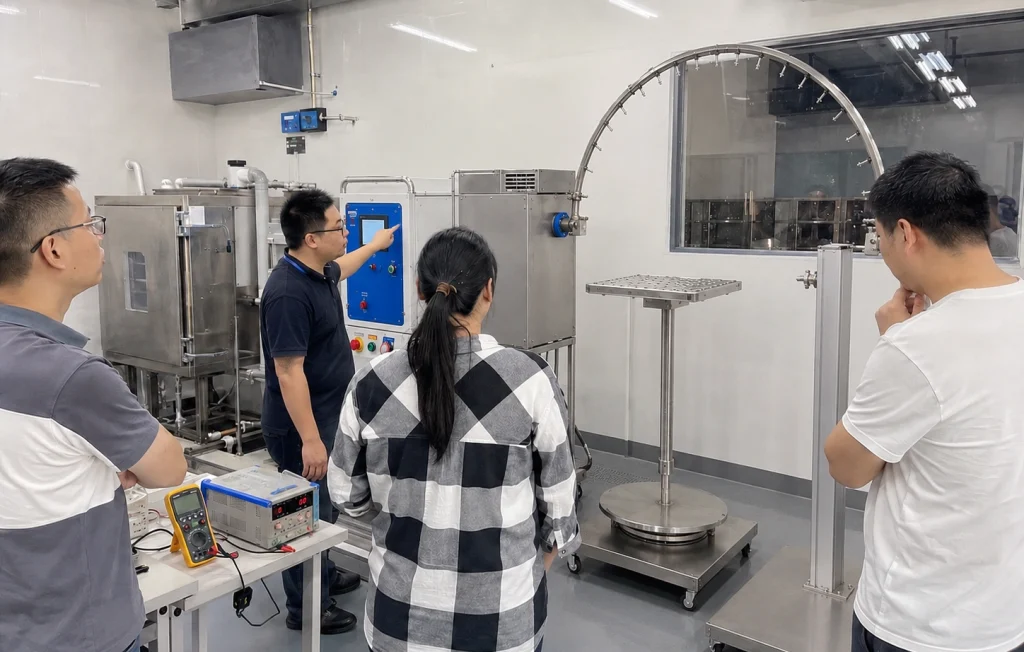
Figure 4. KingPo laboratory demonstration of an IEC 60529 IPX3/IPX4 oscillating tube test system.
IP54 vs IP44, IP55 and IP65
| Rating | Solids Protection | Water Protection | Main Difference from IP54 |
|---|---|---|---|
| IP44 | Objects 1 mm and larger | Splashing water | Lower protection against dust |
| IP54 | Dust-protected | Splashing water | Reference rating |
| IP55 | Dust-protected | Water jets | Higher water protection |
| IP65 | Dust-tight | Water jets | Higher dust and water protection |
For IPX5 and IPX6 verification, laboratories use dedicated equipment such as an IPX5/IPX6 precision water-jet test nozzle or a complete IPX5/IPX6 water-jet test chamber. These are not substitutes for IPX4 splash testing; they represent higher and different liquid-protection conditions.
Can IP54 Equipment Be Used Outdoors?
Possibly, but IP54 alone does not prove complete outdoor suitability. The installation environment, product standard and manufacturer’s instructions must also be considered.
Outdoor reliability may also depend on:
- UV exposure and polymer ageing
- Corrosion and salt atmosphere
- Operating temperature and temperature cycling
- Condensation, drainage and freeze-thaw conditions
- Wind-driven particles and rain
- Gasket ageing and maintenance
- Cable-entry orientation
- Mechanical impact and vibration
- The requirements of the product-specific standard
A more accurate product statement is: “The product has IP54 ingress protection. Suitability for a specific outdoor installation depends on the complete environmental requirements and installation instructions.”
How Is an IP54 Rating Verified?
An IP54 claim normally requires separate verification of the solid-protection and water-protection elements. Passing an IPX4 water test alone does not establish IP54, and passing an IP5X dust test alone does not establish protection against water.
The Tested Configuration Must Be Traceable
The test record should identify the relevant:
- Product model, serial number and sample quantity
- Enclosure drawings or photographs
- Covers, doors, plugs and gaskets
- Cable entries, connectors and unused-entry seals
- Mounting brackets and normal operating orientation
- Ventilation or drainage openings
- Pre-test conditioning and operating state
- Post-test inspection method and acceptance criteria
What Should an IP54 Test Report Show?
| Report Element | Why It Matters |
|---|---|
| Standard and edition | Identifies the technical requirements used for the evaluation. |
| Sample identification | Connects the result to the actual model and configuration. |
| Test method and equipment | Shows how IP5X and IPX4 exposure were produced. |
| Mounting and orientation | Ingress can change when the sample position changes. |
| Seals and cable entries | These are frequent leakage paths and must match production. |
| Observed ingress | Documents where dust or water was found after testing. |
| Acceptance criteria | Explains why the observed condition was accepted or rejected. |
| Final conclusion | States the claimed rating and any restrictions. |
Common Reasons Enclosures Fail IP54 Testing
- Uneven gasket compression: A gasket can be present yet leak if it is twisted, contaminated, over-compressed or under-compressed.
- Cable gland mismatch: The cable diameter may fall outside the gland’s sealing range, or the gland may be under-tightened.
- Panel deformation: Thin covers can distort during fastening and create local gaps.
- Uncontrolled assembly torque: A prototype may pass while production units fail because screw torque and sequence are inconsistent.
- Unsealed optional openings: Unused cable entries, knockouts or accessory holes can create direct ingress paths.
- Non-representative test sample: Removing a connector, cable, vent or bracket before testing can produce a result that does not represent the sold product.
- Drainage design errors: An opening intended to release condensation can also allow dust or splashing water to reach sensitive parts.
- Design changes after testing: Changing a gasket, connector, housing material or mounting arrangement can alter ingress performance.
Based on our enclosure testing and equipment commissioning experience, cable glands, uneven gasket compression and uncontrolled fastener torque are among the most common causes of inconsistent ingress protection test results.
How Manufacturers Can Prepare for IP54 Testing
- Confirm the applicable standard, edition and product-specific requirements.
- Freeze the representative product configuration before the formal test.
- Identify every joint, opening, cable entry and pressure-equalization path.
- Verify gasket material, dimensions, groove design and compression.
- Define fastener torque and assembly sequence.
- Use production-representative connectors, cables, plugs and accessories.
- Test in the normal operating and mounting orientation.
- Define the post-test inspection and pass/fail criteria before exposure.
- Record design variations and decide whether separate testing is required.
- Use pre-compliance testing to find leakage paths before certification.
Selecting IP Testing Equipment for Laboratory Use
A laboratory should select equipment according to the required IP level, sample size, automation level, measurement traceability and expected test volume—not simply by purchasing one chamber labelled as a waterproof tester.
For an overview of dust, splash, jet and immersion solutions, see the KingPo IP testing equipment range.
| Laboratory Need | Typical Equipment Direction | Relevant KingPo Link |
|---|---|---|
| IP5X/IP6X dust evaluation | Dedicated dust chamber with controlled circulation and suitable sample volume | IEC 60529 Sand and Dust Test Chamber |
| IPX4 splash testing | Oscillating tube chamber or handheld spray nozzle, depending on specimen geometry | IPX4 Splash Water Test Chamber IEC 60529 IPX3/IPX4 Spray Nozzle |
| IPX5/IPX6 water-jet testing | Dedicated jet nozzle or controlled water-jet chamber with flow control | IPX5/IPX6 Precision Water-Jet Test Nozzle IPX5/IPX6 Water-Jet Test Chamber |
| Broad IPX capability | Integrated system for multiple water-ingress levels, with separate dust testing when required | IPX1 to IPX8 Multi-Function Waterproof Test System |
Related KingPo IP Testing Equipment
Information Required Before Equipment Recommendation
To recommend a suitable IP54 or broader IP test setup, please provide the applicable standard, sample size, required IP rating, specimen quantity, mounting condition, power supply, test duration and any special laboratory installation requirements.
- Applicable standard and edition
- Required IP rating or test method
- Sample dimensions, weight and mounting orientation
- Manual, semi-automatic or automatic configuration
- Calibration, documentation and installation requirements
Frequently Asked Questions About IP54 Rating
What does IP54 mean?
IP54 means that an enclosure is dust-protected and protected against splashing water from any direction. The first digit 5 refers to solid foreign object and dust protection, while the second digit 4 refers to water splash protection under the IEC 60529 IP Code system.
Is IP54 dustproof?
IP54 is dust-protected, not dust-tight. Limited dust ingress may be permitted if it does not interfere with satisfactory operation or impair safety. If no dust ingress is permitted under the specified test condition, the higher classification is IP6X, not IP5X.
Is IP54 waterproof?
No. IP54 should not be described as fully waterproof. It only confirms protection against splashing water from any direction. It does not prove resistance to water jets, high-pressure cleaning, temporary immersion or continuous immersion.
What equipment is used for IP54 testing?
IP54 testing normally requires equipment for both IP5X dust protection assessment and IPX4 splashing-water testing. A typical laboratory setup may include a dust test chamber, an IPX3/IPX4 oscillating tube system or handheld spray nozzle, specimen support, water flow control and test documentation.
Does an IPX4 test alone prove IP54?
No. IPX4 only verifies the water-protection part of the rating. IP54 requires both the IP5X dust-protection element and the IPX4 water-splash element. A product that only passes IPX4 should not be described as IP54 unless the solid-protection requirement has also been evaluated.
What is the difference between IP54 and IP44?
IP44 and IP54 both include protection against splashing water, but they differ in solid-particle protection. IP44 protects against solid objects 1 mm and larger, while IP54 provides a higher level of dust protection. For dusty environments, IP54 is normally more relevant than IP44.
What is the difference between IP54 and IP55?
IP54 and IP55 both have the same first digit 5, meaning dust-protected. The difference is the water-protection level. IP54 covers splashing water, while IP55 covers water jets. Products exposed to hose cleaning or directed water jets may require IP55 rather than IP54.
What is the difference between IP54 and IP65?
IP54 is dust-protected and splash-resistant. IP65 is dust-tight and protected against water jets. This means IP65 provides a higher level of both dust and water protection. However, IP65 still does not automatically mean the product is suitable for immersion.
Can IP54 equipment be used outdoors?
IP54 equipment may be suitable for some outdoor applications, but IP54 alone does not prove full outdoor reliability. UV exposure, corrosion, condensation, temperature cycling, wind-driven rain, cable-entry orientation, gasket ageing and product-specific installation requirements must also be considered.
Can an IP54 product be cleaned with a hose?
IP54 does not prove hose-cleaning resistance. Hose cleaning normally creates directed water exposure, which is closer to IPX5 or IPX6 water-jet testing. Products intended for hose cleaning should be evaluated according to the appropriate water-jet protection level.
Can a visual inspection confirm IP54?
No. Visual inspection can identify design intent, such as gaskets, cable glands and sealed joints, but it cannot confirm an IP54 rating. The rating should be supported by testing under the applicable IEC 60529 conditions and by a traceable test report.
What should an IP54 test report include?
A useful IP54 test report should identify the standard and edition, sample model, tested configuration, mounting orientation, seals, cable entries, IP5X and IPX4 test methods, test equipment, observed ingress, acceptance criteria and final conclusion. Without these details, the rating may be difficult to apply to production units.
Does an IP54 result remain valid after a design change?
Not automatically. Changes to gaskets, cable glands, connectors, enclosure geometry, vents, housing materials, fastener torque or mounting arrangement can affect ingress protection. Any design change should be reviewed to determine whether partial or full retesting is required.
How should a laboratory choose IP54 test equipment?
A laboratory should select IP54 test equipment based on the required standard, sample size, mounting condition, test volume, automation level and documentation needs. For broader planning, manufacturers and laboratories can review a complete IP testing equipment selection guide before choosing dust, splash, jet or immersion test systems.
Conclusion
IP54 is a defined enclosure-protection classification, not a general promise that a product is waterproof or suitable for every harsh environment.
It means:
- 5 — dust-protected, but not dust-tight.
- 4 — protected against splashing water, but not water jets or immersion.
A defensible IP54 claim depends on the complete tested configuration, the applicable IEC 60529 test conditions and the acceptance criteria used for the product. For manufacturers and laboratories, the most useful question is not simply “Did it pass IP54?” but “Which configuration was tested, under which conditions, and does that result represent the product that will actually be manufactured and installed?”
Technical disclaimer: This article provides practical engineering guidance and does not reproduce or replace IEC 60529. Final test conditions, classifications and acceptance criteria must follow the licensed standard and the applicable product-specific requirements.