You have big problems when you want your products to last in tough places. IP testing equipment helps you copy dust, water, and other things to check how your products handle damage. Many products fail because they do not have good ingress protection. Studies show that 62% of electrical failures in hard conditions happen from bad socket protection. International rules like IEC 60529 use the IP code system to show how well boxes keep out solids and water. KingPo’s IP Test Equipment helps you follow these rules and keeps your products strong in real life.
Key Takeaways
-
IP testing equipment checks if products can handle tough places by copying dust and water exposure.
-
Knowing the IP code system is important. It shows how well a product keeps out dust and water.
-
Testing often during design and making helps find problems early. This saves time and money.
-
Picking good materials and seal designs makes products last longer and work better in hard conditions.
-
Using KingPo’s IP testing equipment makes sure products meet world rules. This helps customers trust the product and makes it work better.
IP Testing Equipment Overview
Types of IP Tests
It is important to know the main kinds of ip testing equipment. This helps you make sure your products can last in tough places. Manufacturers use different tools to check how well boxes keep out dust and water. The table below shows the most common types and what they do:
|
Equipment Type |
Function/Description |
|---|---|
|
IPX1–IPX2 Drip Test Devices |
Test resistance to dripping water. |
|
IPX3/IPX4 Oscillating Tube |
Evaluate protection against spraying water. |
|
IPX5/IPX6 Water Jet Nozzles |
Assess resistance to water jets at different pressures. |
|
IPX7/IPX8 Immersion Tanks |
Test for water ingress when submerged. |
|
IPX9/IPX9K High-Pressure Chambers |
Evaluate protection against high-pressure, high-temperature water sprays. |
|
Dust Chambers (IP5X/IP6X) |
Test resistance to dust ingress. |
|
Multi-Function Combined Chambers |
Provide versatile testing for various environmental conditions in electronics, automotive, and lighting. |
Ingress protection testing checks for both dust and water. Dust chambers look for solid particles getting inside. Waterproof test equipment uses water in different ways. It can drip, spray, or use strong jets. These tests help you see if your products meet rules like IEC 60529, ISO 20653, and DIN 40050-9. These rules are used all over the world. They set clear steps for how to test and rate products for ingress protection.
Key Features and Controls
Modern ip testing equipment gives you accurate results again and again. The table below lists important features and controls that help you get good data:
|
Feature/Control |
Description |
|---|---|
|
Probes and Sensors |
Detect and measure water or dust entry. |
|
Meters and Analyzers |
Show readings and help you calibrate for accuracy. |
|
Data Loggers |
Record measurements over time for analysis and reporting. |
|
Wireless Communication Modules |
Send data in real time for remote monitoring. |
|
Protective Housings (IP-Rated) |
Keep the equipment safe from dust and water during tests. |
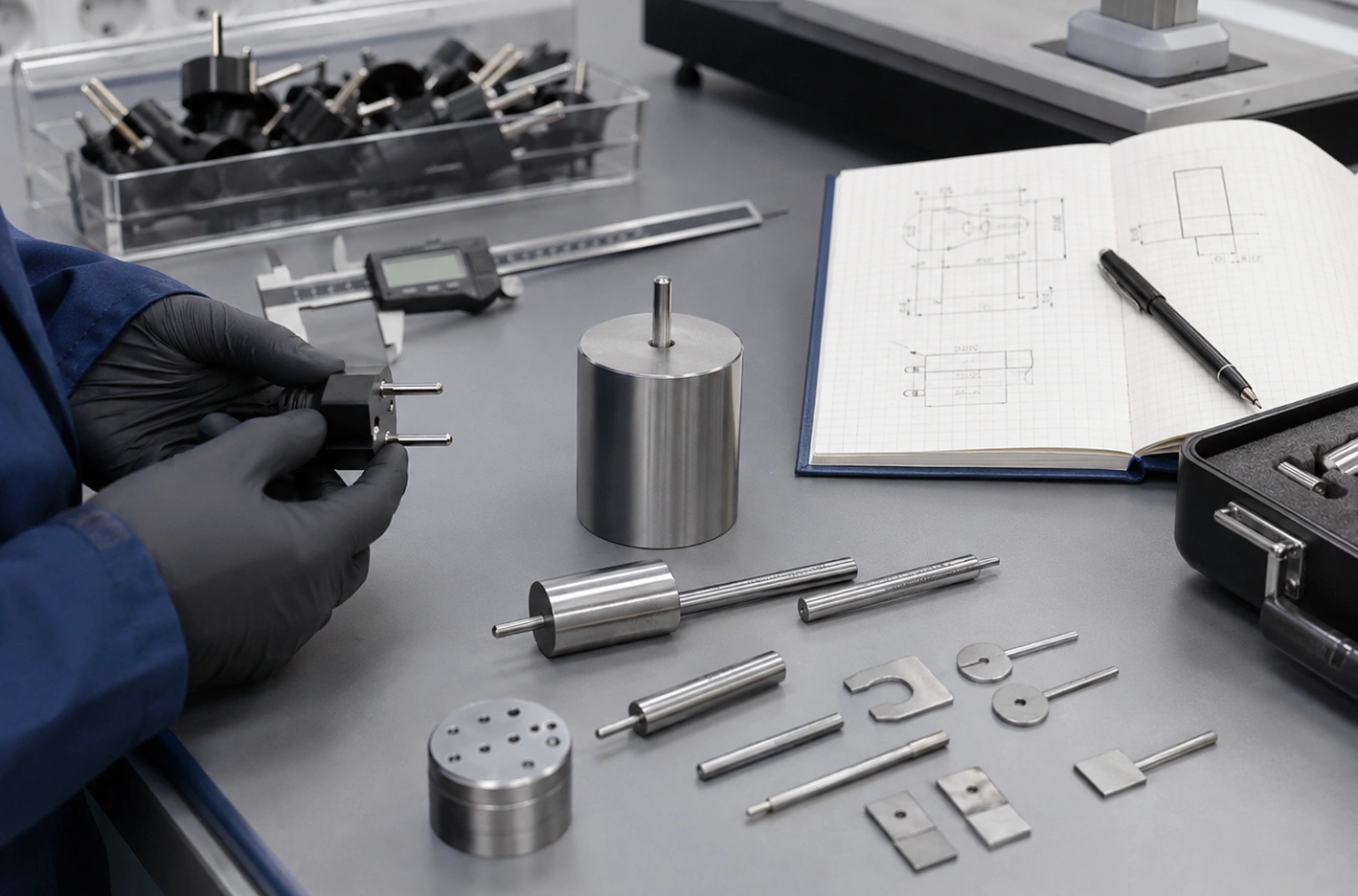
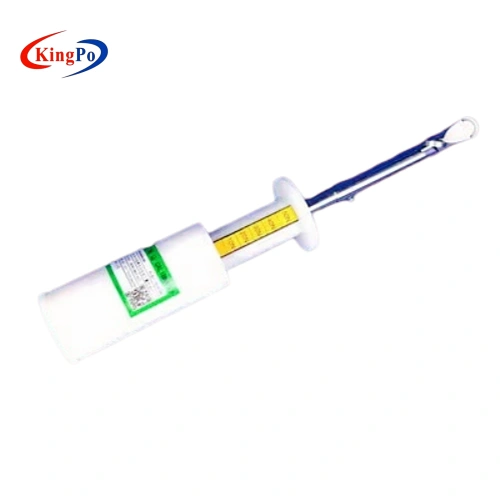
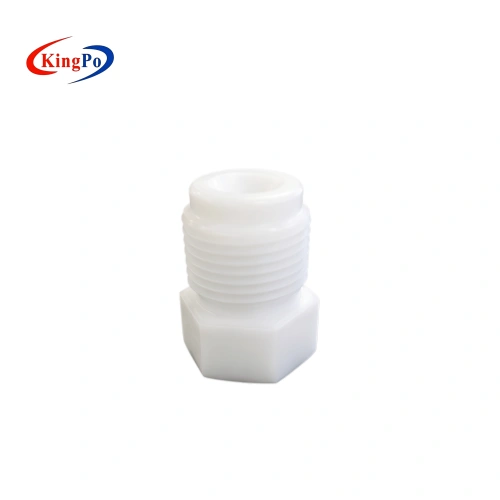
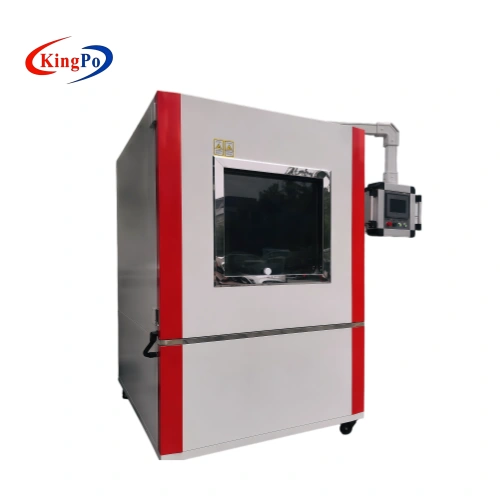
KingPo’s ip testing equipment has access probes, dust chambers, and waterproof test devices. You can trust these tools to follow international rules and give steady results. Using the right equipment and controls helps your products pass ingress protection tests. This keeps your products working well in harsh places.
Explore KingPo’s IP Testing Equipment
Discover how our equipment can ensure your products meet the highest standards for ingress protection.
Ingress Protection Standards
IP Code System
It is important to know the IP code system. This helps keep products safe in tough places. The IP code has two numbers. These numbers show how well a product stops dust and water. The first number tells how much the box blocks dust or fingers. The second number shows how well it keeps out water. For example, IP65 means no dust gets in and it can take water jets. IP68 means it can go underwater and stay safe.
Here is a simple table of the main rules for ingress protection:
|
IP Code |
Description |
|---|---|
|
IEC 60529 |
Rule that explains levels of ingress protection |
|
IP69K |
Best protection from dust and strong water jets |
Many industries use these rules. You see them in cars, boats, and factories. They help keep people safe and make sure things work right.
Testing Methods
There are different ways to check if products pass ingress protection rules. Solid particle testing uses a dust chamber. This checks if dust or small things get inside. Water ingress testing sprays or drips water on the box. This checks for leaks. Immersion testing puts the product in water to see if it stays dry. IPX9K testing uses strong, hot water jets. This test is used for cars and big machines.
|
Testing Method |
Description |
|---|---|
|
Solid Particle Testing |
Checks if dust or small things get inside using a dust chamber. |
|
Water Ingress Testing |
Sprays or drips water on the product to check for leaks. |
|
Immersion Testing |
Puts the product in water to see if water gets inside. |
|
IPX9K Testing |
Uses hot, strong water jets for the hardest tests. |
Countries may have their own ways to test, but most use IEC 60529. Japan and Europe use similar waterproof tests like drip, spray, and immersion. The main change is in pressure and heat for tough tests like IPX9K. KingPo’s equipment helps you follow these world rules. This lets your products sell in many countries.
Simulating Harsh Conditions
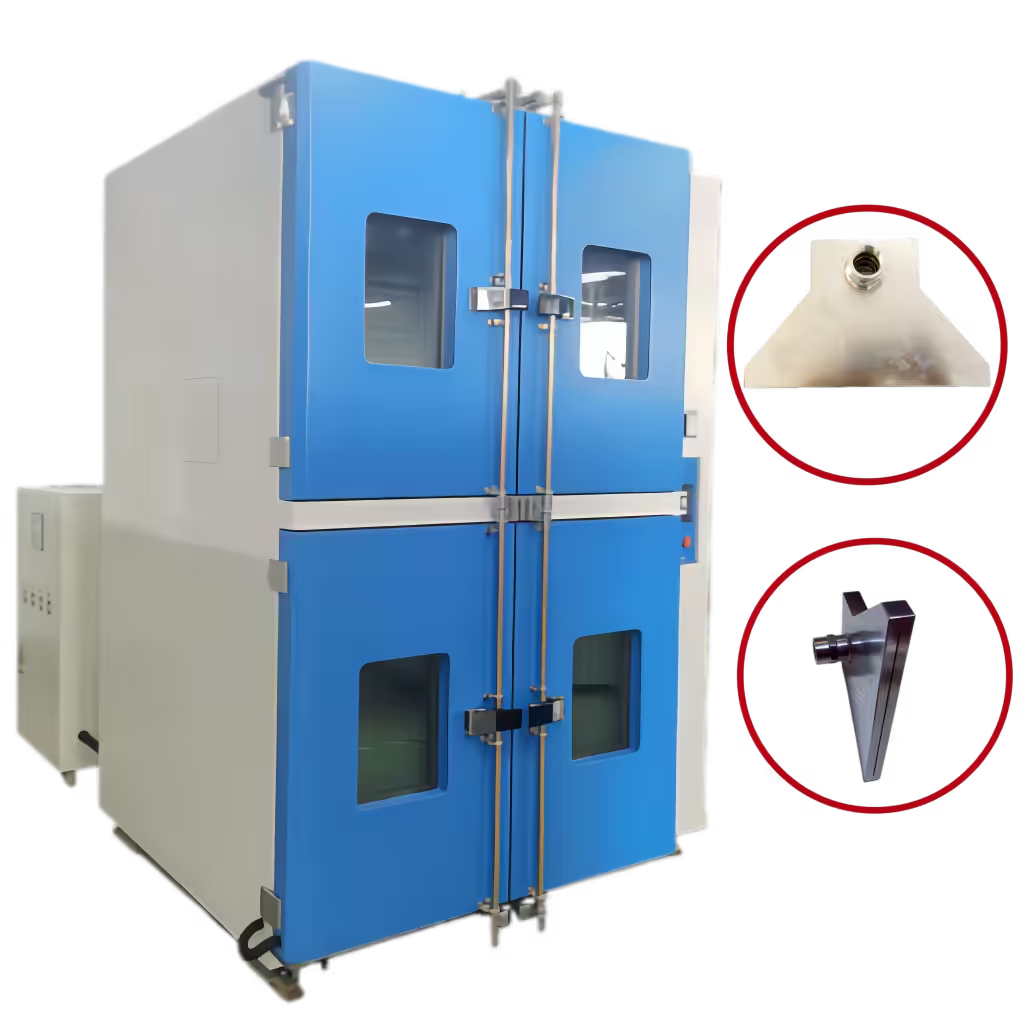
Dust Testing
It is important to know how dust chamber testing works. IP testing equipment uses dust chambers to make fake dust storms. These chambers blow dust into the product’s case. You can check if your product keeps dust out. The amount and size of dust are important. Small particles (1-5 micrometers) get inside more easily. Bigger particles (25-50 micrometers) have a harder time getting in. The table below shows how different sizes of dust affect the test:
|
Particle Size Range |
Percentage |
Test Application |
Penetration Capability |
|---|---|---|---|
|
1-5 micrometers |
30-40% |
Fine particle ingress |
High penetration potential |
|
5-25 micrometers |
40-50% |
General dust resistance |
Moderate penetration |
|
25-50 micrometers |
10-20% |
Coarse particle exclusion |
Limited penetration ability |
Dust chamber testing helps you find weak spots in your product. Many industries use this test. Car electronics, lights, and medical tools all need good dust protection. The table below shows which industries use dust tests the most:
|
Industry |
Description |
|---|---|
|
Automotive Electronics |
Components like parking sensors and camera systems require IP68 to withstand harsh conditions. |
|
Telecommunications Equipment |
Base station electronics need IP68 to protect against environmental factors like rain and humidity. |
|
Lighting Fixtures |
Underwater and outdoor lighting rely on IP68 for safety and durability. |
|
Medical Devices |
Equipment must be IP68 rated to prevent fluid ingress that could cause malfunctions. |
|
Consumer Electronics |
High-end devices often feature IP68 ratings for water resistance. |
|
Industrial Control Systems |
Equipment in harsh environments requires IP68 to maintain functionality during washdowns. |
IP testing equipment can copy dust storms and dirty air. This helps you make sure your product stays safe and works well.
Water Testing
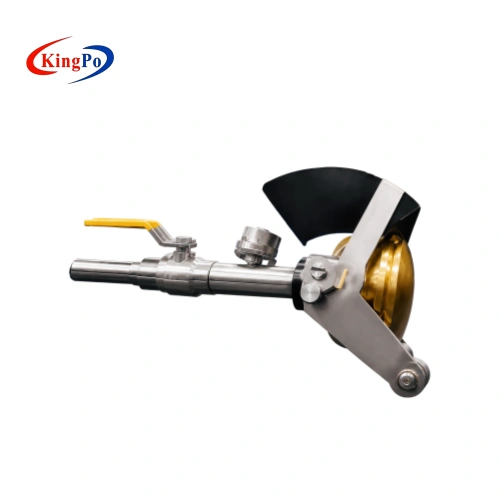
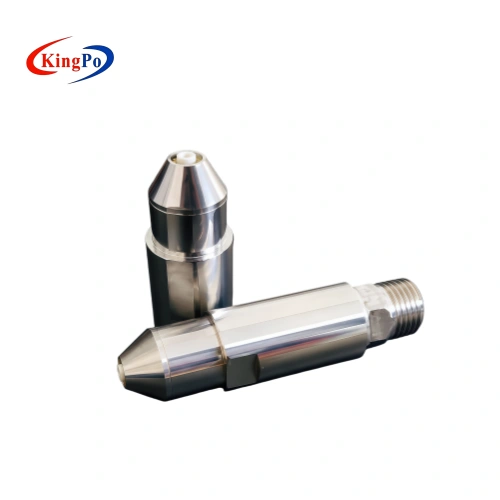
Water ingress testing checks if your product keeps water out. IP testing equipment uses many ways to copy rain, splashes, and strong cleaning. You can test your product with drip tests (IPX1, IPX2), spray tests (IPX3, IPX4), water jets (IPX5, IPX6), and immersion tests (IPX7, IPX8). The IPX9K test is the hardest. It uses four metal nozzles to spray hot water at high pressure from different sides. This test copies real-life problems like:
-
Hot water cleaning in food or medicine factories
-
Strong car washing
-
Water splashing on roads
-
Outdoor storms
Water ingress testing is important for many products. You need to check if your product can handle rain, cleaning, or being underwater. The IPX9K test uses water at 80°C and very high pressure. Devices spin on a table and get sprayed from all sides. This test helps you see if seals and materials can survive tough conditions. Passing the IPX9K test is needed for devices in food and medicine factories. The test makes sure your product stays safe during strong cleaning.
Different countries use their own rules for water ingress. Most follow IEC 60529, ISO 20653, or DIN 40050-9. Japan and Europe use similar tests but may change the pressure or heat for harder tests. You can use IP testing equipment to meet these rules and sell your product in many places.
Temperature and Pressure
You need to test your product for temperature and pressure changes. IP testing equipment can copy hot and cold places. It can also change air and water pressure. These tests show how your product handles stress. Temperature changes can make things grow or shrink. This can break seals. Pressure changes can push water or air through small cracks.
Environmental tests put sensors and devices in tough places. You can use these tests to find leaks and weak spots. The Ideal Gas Law helps you know how pressure and temperature work together. When pressure goes up, leaks get worse. You can use this to test for leaks in your product.
Weight cycling testing copies real-life stress like temperature swings and shaking. Engineers use this data to guess when things might break. In important places, like oil platforms, pressure systems must survive tough conditions. If they fail, it can be dangerous and expensive.
You can use IP testing equipment to make sure your product survives tough places. These tests help you build safer and stronger products.
Design for Reliability
Material Selection
You have to pick the right materials for tough places. IP testing gives you facts about how dust and water hurt materials. This helps you choose plastics, metals, or coatings that last longer. The IP rating from IEC 60529 shows how well your box keeps out dust and water. You can use this to match materials to the protection you need.
Here is a table that explains why IP ratings are important for your product:
|
Aspect |
Description |
|---|---|
|
Consumer Trust |
Following IP standards helps people trust your product. It works like you say it will. |
|
Informed Purchasing |
IP ratings help you pick the right product for your needs. |
|
Product Reliability |
High IP ratings mean your product will not break easily in hard places. |
|
Regulatory Compliance |
Some places need certain IP ratings for safety and good performance. |
Gasket and Seal Design
You need to focus on gasket seal design. A gasket makes a tight seal between the box and the lid. If you do not press it right, water can get in. You should think about the material, the surface, and how much you squeeze the seal. New gaskets use silicone rubber for bending and EPDM for fighting chemicals. Some products use O-rings or special films to block water and dust. You can also put coatings on circuit boards for more safety.
Tip: Always test the gasket when it is under real stress. If it moves or shifts, the seal can get weak and let water in.
Early Failure Detection
You can find weak spots before you sell your product. IP testing equipment shows where leaks or dust might get in. You can try different materials and gasket types to see what works best. Finding problems early saves you time and money. It also keeps people safe. Products with high IP ratings are less likely to break from dust or water. You can trust your product to work anywhere.
You need IP testing equipment to make your products tough. When you follow ingress protection standards, people trust your products more. This helps your products do well in stores. Using solutions like KingPo’s gives you many good results for a long time:
-
You make customers happier.
-
You spend less money fixing broken products.
-
You make your brand look better.
-
You follow industry rules and stop problems.
Pick the best testing tools so your products stay safe anywhere.
FAQ
What does an IP rating mean for my product?
An IP rating shows how well your product blocks dust and water. You can use this rating to compare products and pick the best one for tough places.
How do IP waterproof tests differ in various countries?
|
Country/Region |
Main Standard |
Key Test Features |
|---|---|---|
|
USA |
NEMA 250 |
Similar to IEC, adds corrosion |
|
Europe |
IEC 60529 |
Focuses on dust and water |
|
Japan |
JIS C 0920 |
Adds rain and immersion tests |
|
China |
GB 4208 |
Matches IEC, local terms |
Why should I use KingPo’s IP testing equipment?
You get reliable results that match global standards. KingPo’s tools help you test for dust and water. You can trust your products to work in harsh environments.
What is the hardest IP water test?
The IPX9K test uses hot, high-pressure water jets. You can use it to check if your product survives strong cleaning and tough weather.
How often should I test my products for ingress protection?
You should test during design, before launch, and after any changes. Regular testing helps you find problems early and keep your products safe.