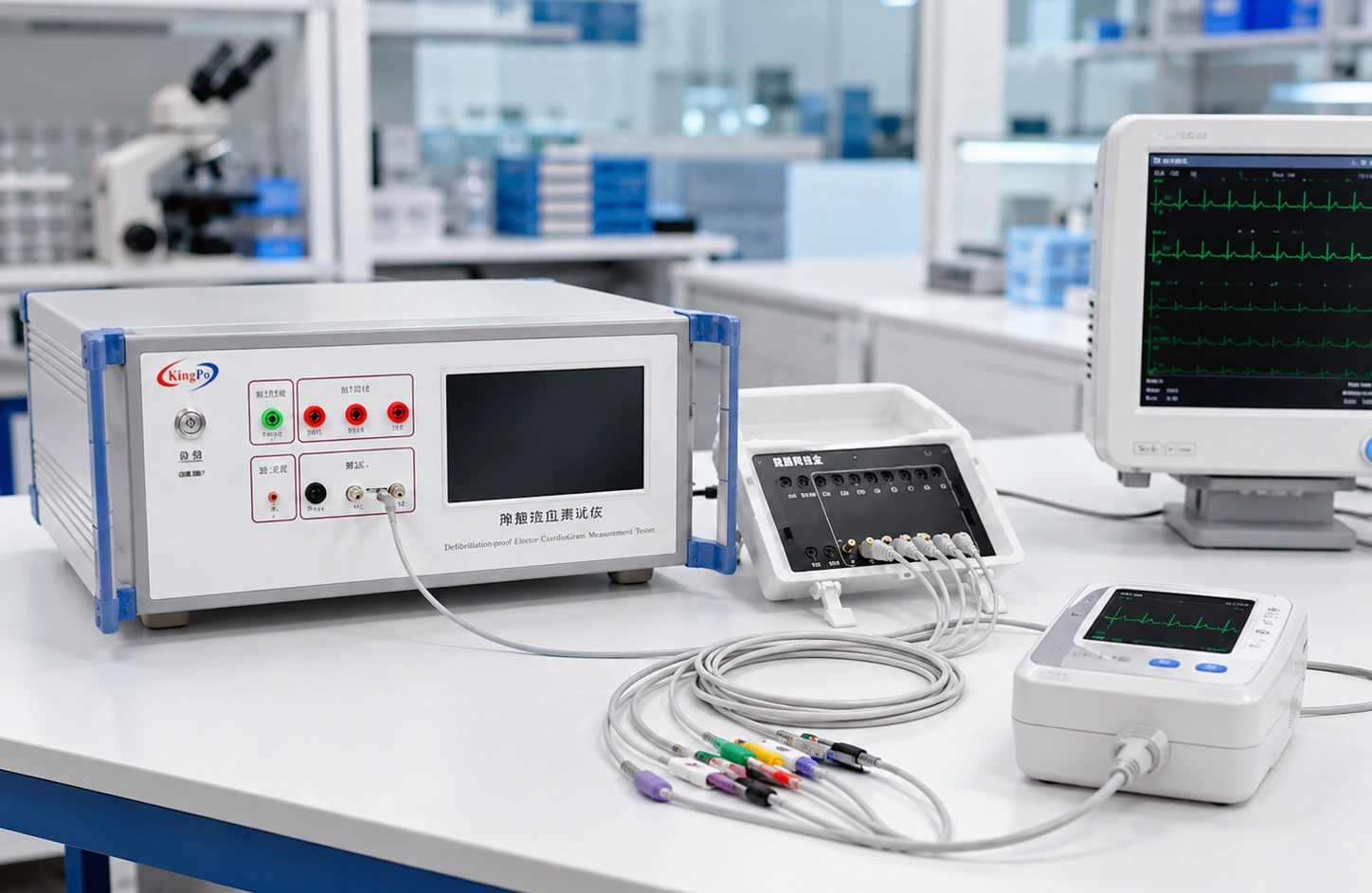
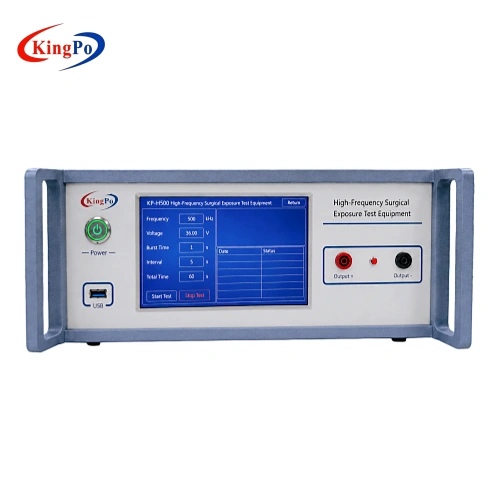
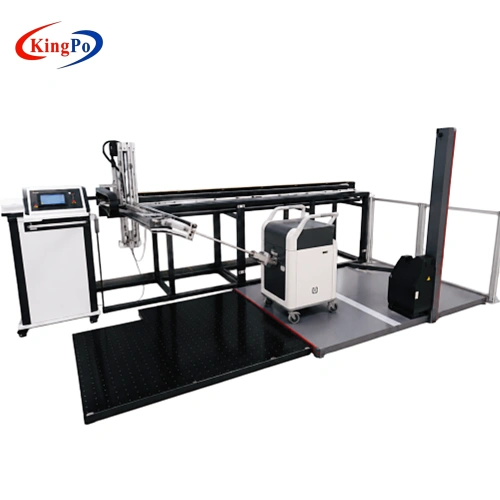
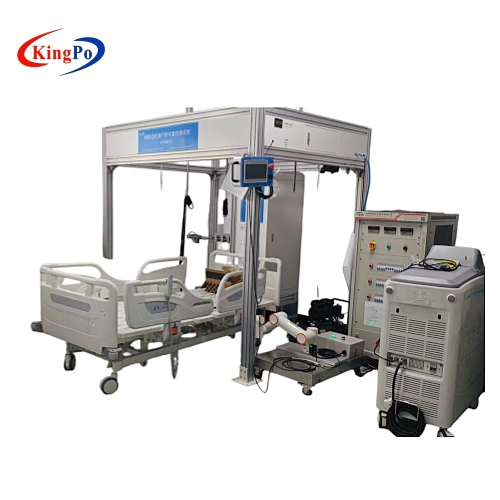
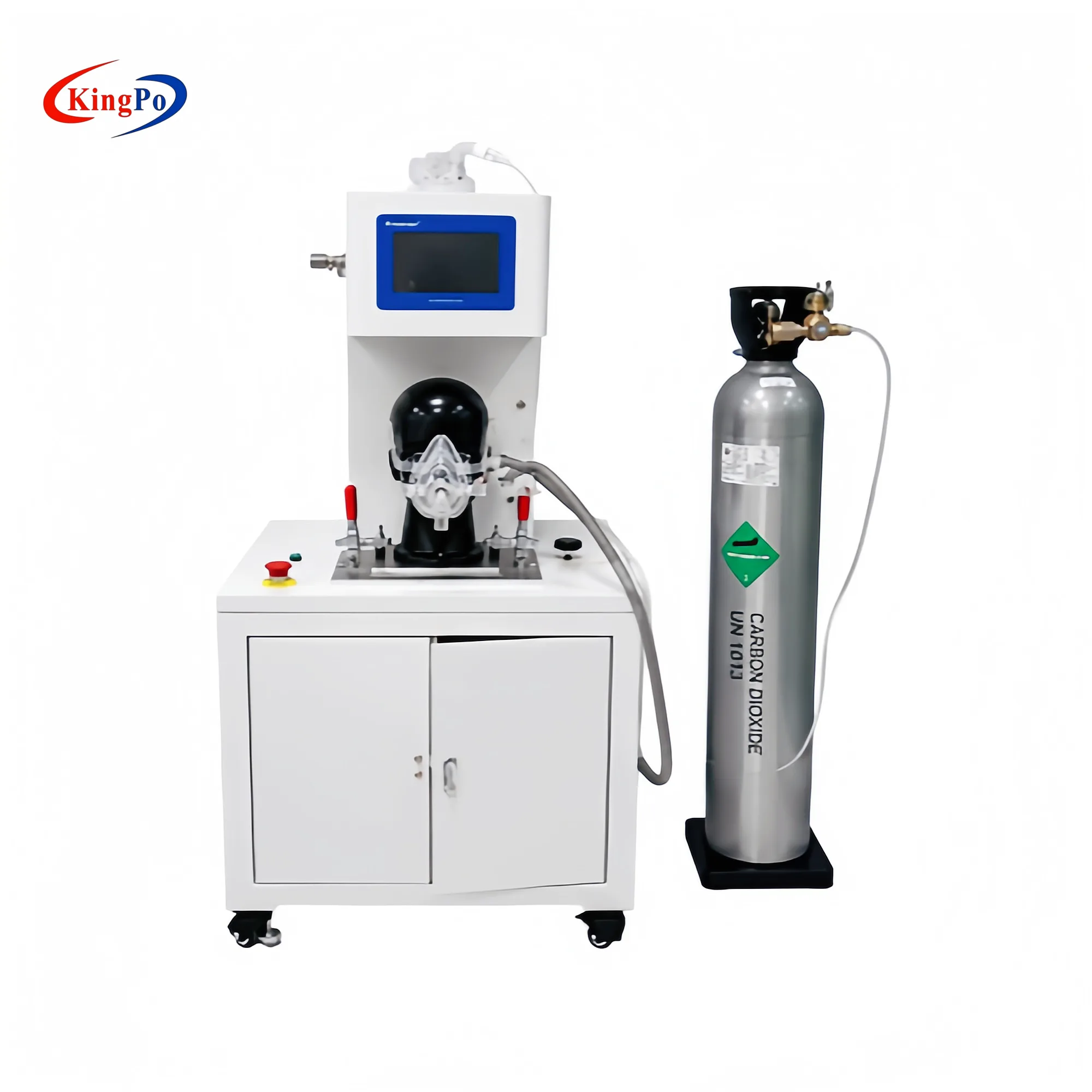
An ESU analyzer, also called an electrosurgical unit analyzer or electrosurgical analyzer, is used to verify the output and safety-related performance of high-frequency surgical generators. For IEC 60601-2-2 testing, it can support measurements such as output power, HF current, peak voltage, high-frequency leakage, waveform characteristics and REM/CQM response. However, one ESU analyzer does not cover every IEC 60601-2-2 test requirement.
IEC 60601-2-2:2017+AMD1:2023, Edition 6.1
High-frequency surgical equipment / electrosurgical generators
Output power, HF current, peak voltage, HF leakage, waveform and REM/CQM
Manufacturers, test laboratories, biomedical engineers and calibration laboratories
ESU analyzer / electrosurgical unit analyzer
Separate equipment may be required for neutral electrode and other IEC 60601-2-2 tests
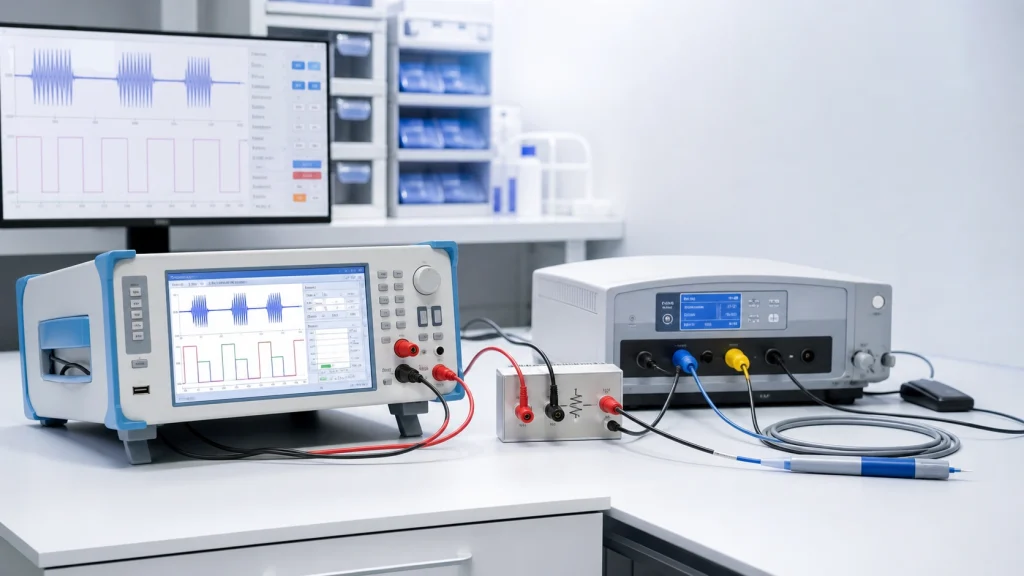
An ESU analyzer, also known as an electrosurgical unit analyzer or electrosurgical analyzer, is a precision measurement instrument used to evaluate the electrical output and safety-related performance of electrosurgical generators.
Electrosurgical units generate high-frequency electrical energy for cutting, coagulation, desiccation and other surgical functions. Their outputs can involve high voltage, complex waveforms, changing load conditions and patient return-electrode monitoring circuits. Testing therefore requires measurement equipment designed specifically for high-frequency surgical generators rather than ordinary low-frequency electrical measurement alone.
IEC 60601-2-2 defines particular requirements for the basic safety and essential performance of high-frequency surgical equipment and high-frequency surgical accessories. Laboratories planning compliance testing should identify the required test item first and then select the appropriate analyzer, test network, load system or dedicated fixture.
What Is an ESU Analyzer?
An ESU analyzer is a specialized medical electrical test instrument designed for electrosurgical generator testing. It applies or selects known load conditions and measures the generator output under operating modes such as cut, blend, coagulation, spray coagulation, fulguration or vessel sealing.
Depending on the analyzer design, measurements may include output power, RMS current, peak voltage, high-frequency leakage current, crest factor and waveform characteristics. Advanced systems can also provide programmable load resistance, REM/CQM impedance simulation, power-distribution curves, automated sequences, data storage and report export. For a broader explanation of analyzer terminology, working principles and measurement functions, see the electrosurgical analyzer technical guide
.
Important distinction: an ESU analyzer is a major measurement platform for electrosurgical generator testing, but it should not be presented as a single instrument that performs every IEC 60601-2-2 test. Neutral electrode electrical characteristics, temperature-rise tests, accessory insulation and other requirements may require different equipment.
Why Electrosurgical Unit Testing Matters
Incorrect output power, excessive high-frequency leakage, abnormal waveform behaviour or failure of the return-electrode monitoring system can create unsafe or ineffective operating conditions. Verification therefore focuses not only on whether the ESU produces energy, but whether the generator behaves correctly across defined modes, loads and safety-related operating conditions.
In manufacturing and laboratory environments, structured ESU testing supports R&D verification, production quality control, type testing, troubleshooting, calibration support and post-repair performance checks.
IEC 60601-2-2 and High-Frequency Surgical Equipment
The current consolidated edition referenced in this guide is IEC 60601-2-2:2017+AMD1:2023, Edition 6.1. It applies to the basic safety and essential performance of high-frequency surgical equipment and high-frequency surgical accessories.
IEC 60601-2-2 testing can involve electrosurgical generator output verification, high-frequency current and leakage measurements, monitoring functions, neutral electrode characteristics, accessory-related evaluations and other test items. The exact equipment depends on the applicable clause and the design of the equipment under test.
Laboratories planning a complete test system can use the IEC 60601-2-2 testing and measuring equipment guide to review the relationship between individual test functions and the required equipment categories before purchasing a complete laboratory setup.
What Can an ESU Analyzer Test — and What Requires Separate Equipment?
This distinction is important during laboratory planning. Some IEC 60601-2-2 test functions can be performed directly or supported by an ESU analyzer, while others require dedicated fixtures or separate measurement systems.
| Test Function | What Is Being Evaluated | Typical Equipment |
|---|---|---|
| Generator output power / load curve | Output performance under defined load resistance and operating modes | ESU analyzer such as KP-8850 |
| HF current / voltage / waveform | High-frequency generator output characteristics | ESU analyzer |
| HF leakage measurement | Unintended high-frequency current paths under the applicable configuration | ESU analyzer / required HF test network |
| REM / CQM monitoring verification | Generator monitoring circuit, alarm threshold and response to simulated impedance | ESU analyzer with REM/CQM simulation |
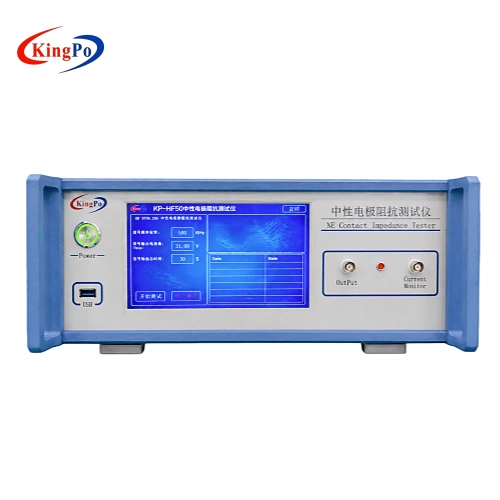
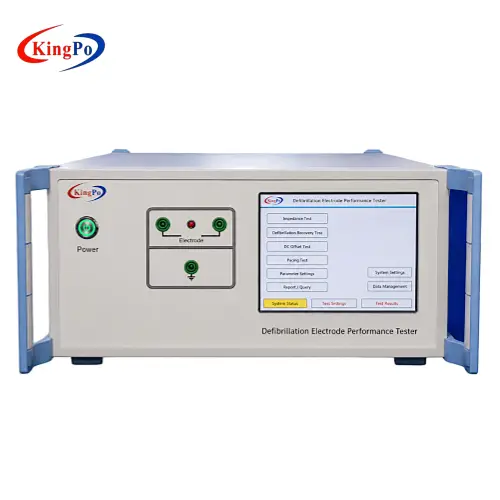
| Neutral electrode contact impedance | Electrical characteristics of the neutral electrode itself | Dedicated NE contact impedance tester |
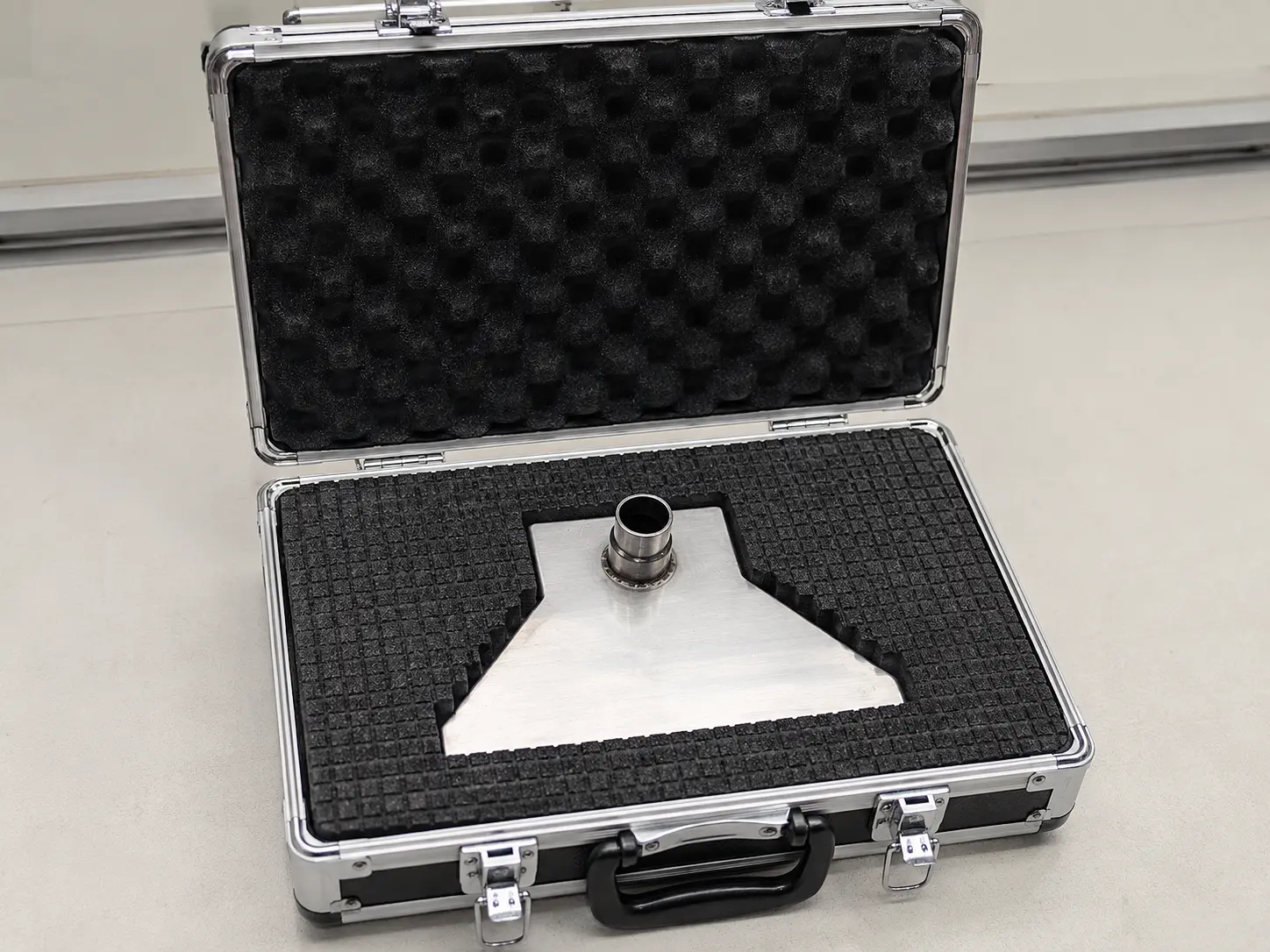
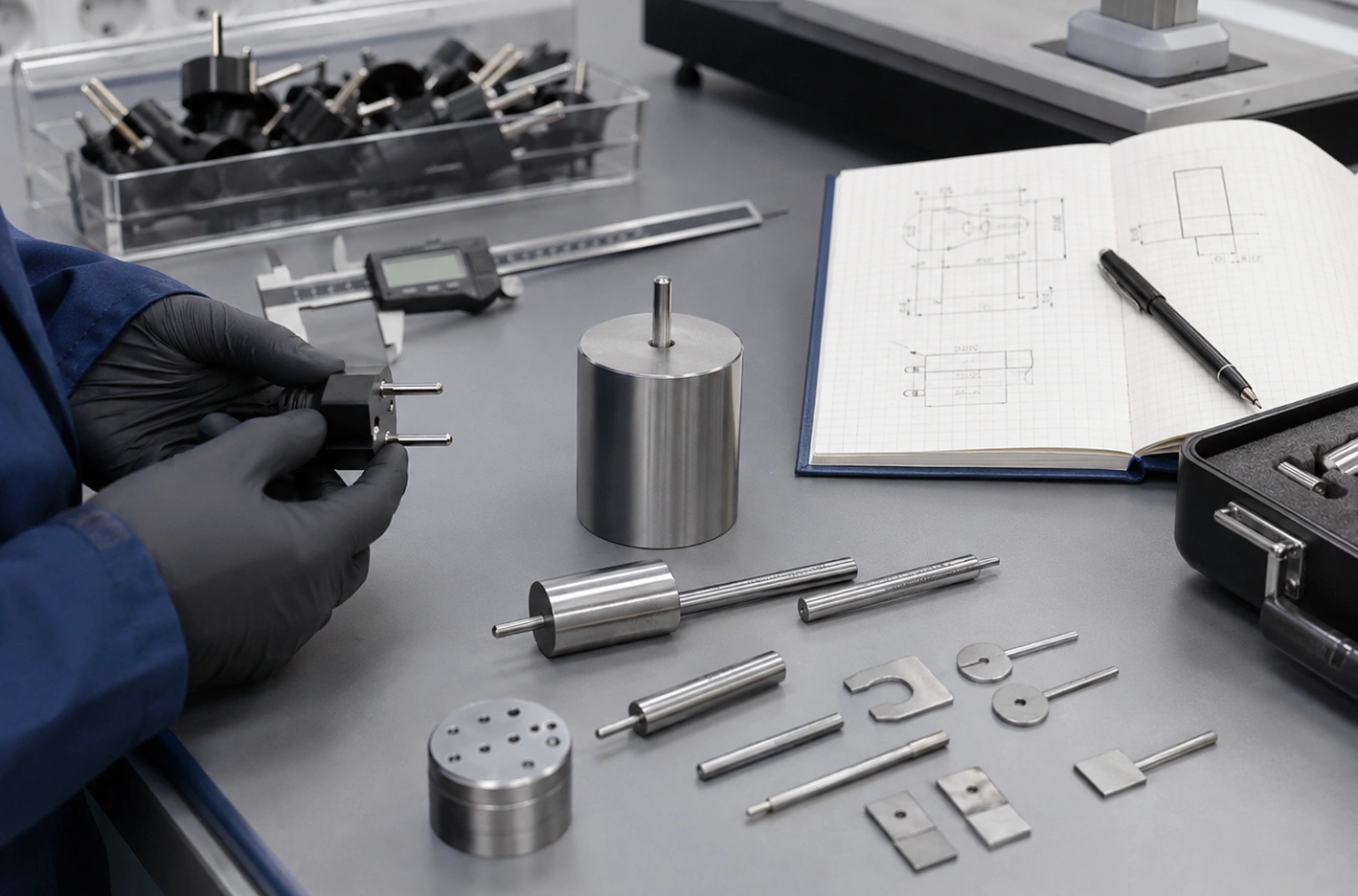
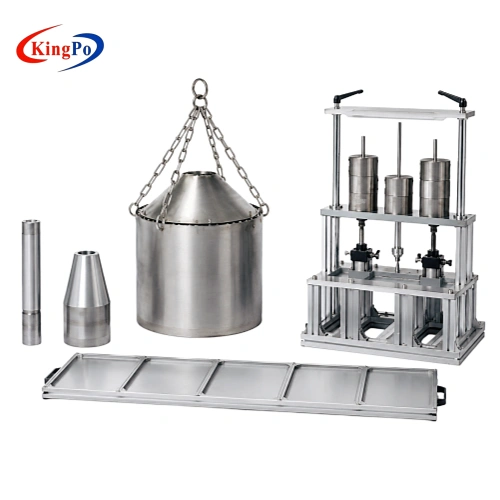
| Neutral electrode temperature rise / other dedicated tests | Thermal or construction-related characteristics of neutral electrodes and accessories | Separate dedicated fixture or measurement system |
Key Parameters Measured by an ESU Analyzer
The exact measurement set depends on the analyzer and test plan, but the following parameters are commonly evaluated during electrosurgical generator testing.
| Test Parameter | Purpose | Typical Evaluation |
|---|---|---|
| Output power | Confirms energy delivery under selected mode and load | Cut, blend, coagulation and vessel-sealing modes |
| RMS current | Measures high-frequency current delivered through the load | Current stability and output consistency |
| Peak voltage | Evaluates high-voltage output behaviour | Waveform and voltage-related evaluation |
| HF leakage current | Checks unintended high-frequency current paths | Safety-related HF leakage evaluation |
| Load resistance | Simulates defined load conditions | Power distribution across load range |
| REM/CQM response | Evaluates return-electrode monitoring behaviour | Impedance range, threshold, alarm and response |
| Waveform / crest factor | Characterizes complex high-frequency outputs | Continuous, pulsed and modulated ESU outputs |
Output Power and Load Curve Testing
Output power testing is one of the core functions of an electrosurgical unit analyzer. The generator is connected to a known test load, and the analyzer measures the delivered output under selected operating modes and power settings.
Testing across multiple resistance values can be used to generate a power-versus-load curve. This is useful because electrosurgical generators do not necessarily deliver identical power into every load condition, and generator control algorithms may behave differently as load impedance changes.
Common Operating Modes
Typical operating modes include pure cut, blend cut, coagulation, spray coagulation, fulguration and vessel sealing. Each mode can produce a different waveform, crest factor and power-delivery pattern.
For manufacturers and laboratories, output-power and load-curve data can support product verification, comparison between generators, troubleshooting and IEC 60601-2-2 related test documentation.
High-Frequency Leakage Current Testing
High-frequency leakage current testing evaluates unintended current paths associated with electrosurgical generator output. Because ESUs operate at high frequencies and may generate complex waveforms, the measurement approach differs from ordinary mains-frequency leakage-current testing.
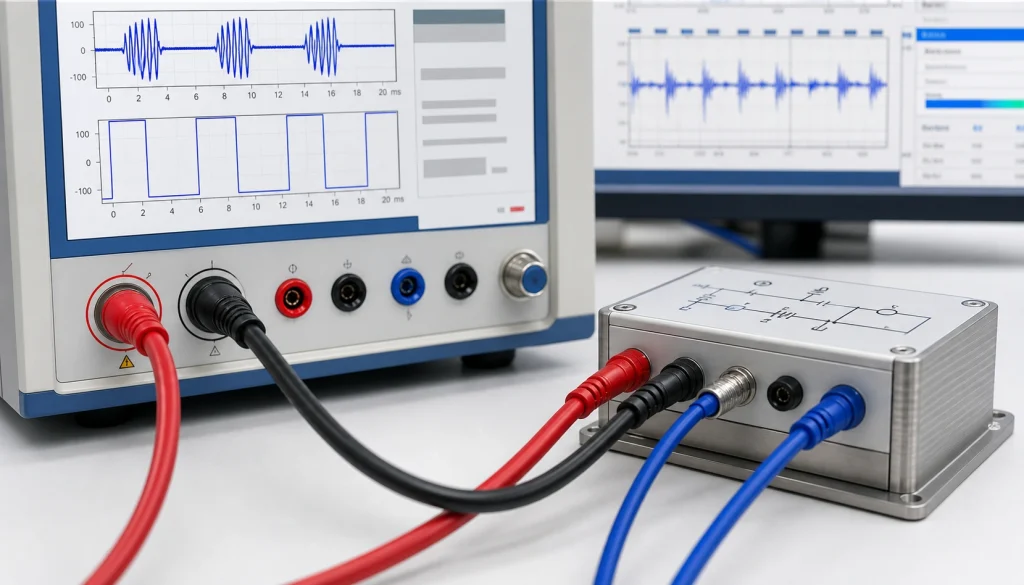
An ESU analyzer can support HF leakage-current measurement using the applicable test configuration and network. Engineers should follow the exact circuit, connections and limits specified by the controlling test procedure rather than treating HF leakage as a generic leakage-current measurement.
Do not confuse the two: an IEC 60601 leakage current tester used for general medical electrical safety testing under IEC 60601-1 does not automatically replace the high-frequency measurement functions and specific test arrangements required for an electrosurgical generator.
REM and CQM Testing
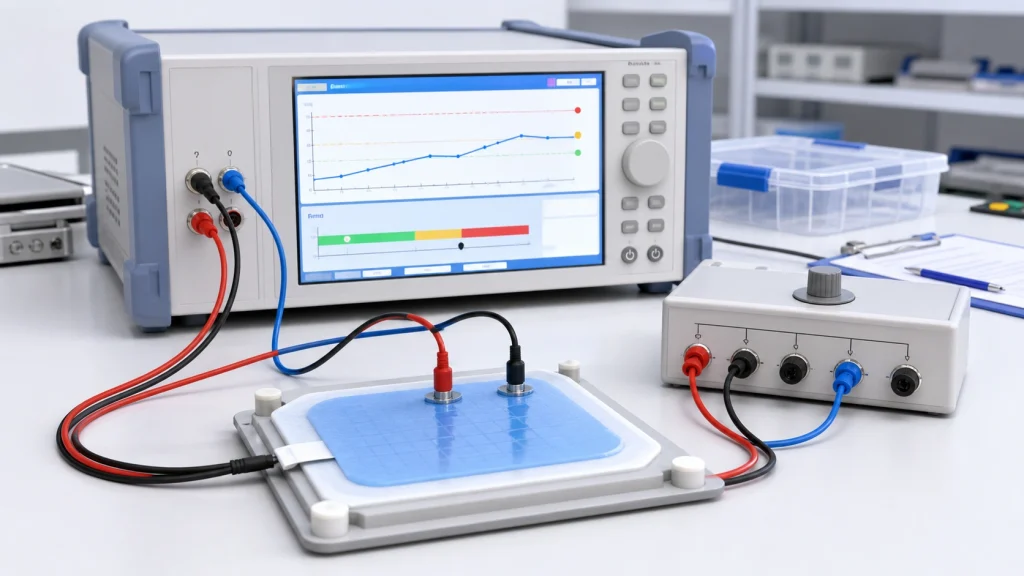
REM stands for Return Electrode Monitor, while CQM commonly refers to Contact Quality Monitoring. These functions are associated with monitoring the return-electrode circuit and identifying conditions that the generator interprets as unacceptable or unsafe.
An ESU analyzer with REM/CQM simulation capability can present controlled impedance conditions to the generator and verify monitoring behaviour, alarm thresholds, open-circuit or abnormal conditions, response timing and generator output inhibition where applicable.
REM/CQM Verification Is Not the Same as Neutral Electrode Contact Impedance Testing
These two test areas are frequently confused during equipment selection. They are both related to the neutral-electrode system, but they evaluate different objects and require different measurement functions.
| Test | Test Object | Main Purpose | Typical KingPo Equipment |
|---|---|---|---|
| REM / CQM verification | Generator monitoring circuit | Verify impedance monitoring, alarm behaviour and generator response | KP-8850 ESU Analyzer |
| Neutral electrode contact impedance | Neutral electrode | Evaluate electrode electrical contact characteristics under IEC 60601-2-2 related requirements | KP-HF50 NE Contact Impedance Tester |
In other words, REM/CQM primarily evaluates how the electrosurgical generator reacts to changing return-electrode impedance, while a dedicated NE contact impedance tester is used when the electrical characteristics of the neutral electrode itself must be evaluated.
Procurement takeaway: purchasing an ESU analyzer with REM/CQM simulation does not mean that every neutral-electrode test is covered. IEC 60601-2-2 Clause 201.15.101.6 neutral-electrode contact impedance testing requires a different measurement function and should be reviewed separately.
Waveform, Crest Factor and Peak Voltage Evaluation
Modern electrosurgical generators can produce continuous, pulsed, modulated or high-crest-factor outputs depending on the selected operating mode. Measurement equipment therefore needs sufficient high-frequency performance and sampling capability to obtain stable values from complex ESU waveforms.
A dedicated electrosurgical analyzer can combine true-RMS measurement, peak-voltage evaluation, waveform display and other high-frequency measurements to support engineering analysis and troubleshooting.
Typical ESU Analyzer Test Procedure
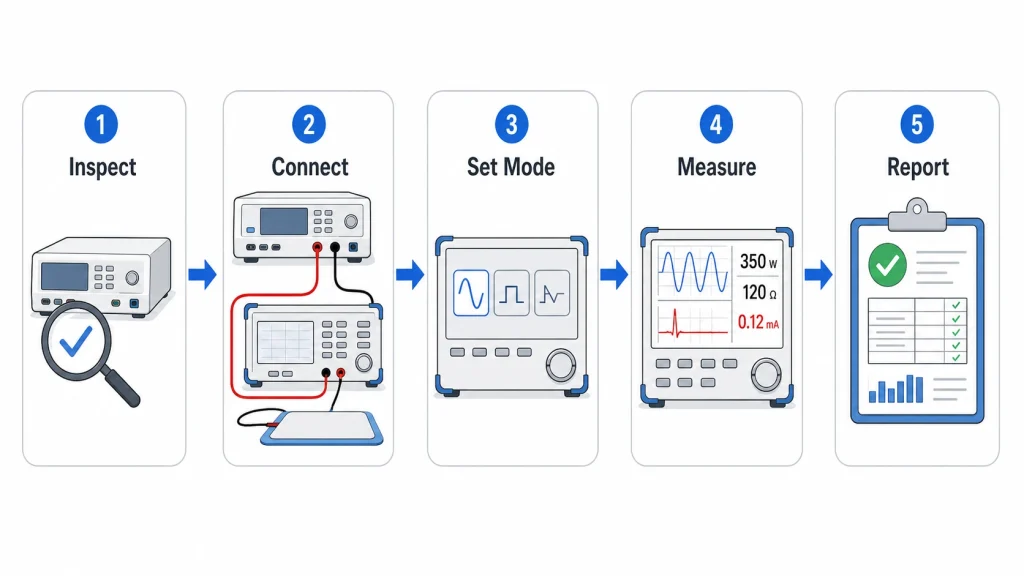
A typical electrosurgical generator measurement workflow may include the following steps. The exact procedure must follow the applicable standard, generator design and laboratory test plan.
- Review the applicable test requirement, ESU operating mode and required test configuration.
- Inspect the generator, active accessories, return-electrode connections, cables and measurement equipment.
- Select the appropriate analyzer load resistance or test network.
- Connect the electrosurgical generator to the analyzer according to the specified test setup.
- Set the required generator mode and output level.
- Measure output power, RMS current, peak voltage and waveform behaviour as required.
- Perform applicable high-frequency leakage measurements using the required configuration.
- Perform REM/CQM impedance simulation and verify generator monitoring or alarm response where required.
- Record results and compare them with the applicable acceptance criteria.
Before formal testing begins, laboratories should also resolve common IEC 60601-2-2 ESU testing issues involving generator connections, operating modes, load selection, test configuration and acceptance criteria. Resolving these points before the test starts can reduce repeated setup changes and inconsistent measurement results.
How to Select an Electrosurgical Unit Analyzer
Selecting an analyzer only by maximum wattage is not enough. The required measurement architecture should be matched to the generator technology, operating modes and laboratory test scope.
KP-8850 High-Frequency ESU Analyzer
The KP-8850 is designed for electrosurgical generator performance and safety-related verification up to 1 MHz. It supports output-power measurement, high-frequency leakage-current testing, voltage and current measurement, REM/CQM simulation, waveform display, power-distribution curves and test-data reporting.
ESU Analyzer Applications
| User Type | Typical Use |
|---|---|
| Medical device manufacturers | R&D verification, design validation, production QC and final inspection |
| Third-party test laboratories | IEC 60601-2-2 related compliance and verification testing |
| Hospital biomedical engineering teams | Preventive maintenance, performance checks and post-repair verification |
| Calibration / metrology laboratories | Measurement verification and traceability-related work |
| ESU service organizations | Troubleshooting and generator performance evaluation |
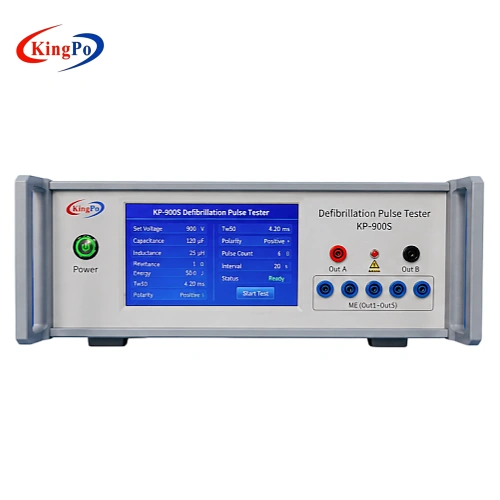
Laboratories building a broader IEC 60601 capability may also need additional medical test equipment for general electrical safety, neutral-electrode verification, defibrillator testing and other medical-device compliance requirements outside the ESU analyzer’s measurement scope.
FAQ About ESU Analyzers and IEC 60601-2-2 Testing
1. What does an ESU analyzer measure?
An ESU analyzer measures electrical output parameters from electrosurgical generators. Depending on the analyzer configuration, these can include output power, RMS current, peak voltage, high-frequency leakage current, waveform characteristics, crest factor and performance across multiple load resistances. Advanced analyzers can also simulate impedance conditions for REM/CQM monitoring-system verification.
2. Is an ESU analyzer used for IEC 60601-2-2 testing?
Yes. An ESU analyzer is one of the important measurement platforms used for IEC 60601-2-2 related testing of high-frequency surgical equipment. It can support generator-output, HF current, voltage, leakage and monitoring-function evaluations. However, laboratories should not assume that one analyzer covers every IEC 60601-2-2 clause.
3. What is the current IEC 60601-2-2 edition?
This guide references IEC 60601-2-2:2017 together with Amendment 1:2023, published as consolidated Edition 6.1. Laboratories should always confirm the edition required by the target certification program, market, customer specification or accreditation scope before establishing the final test procedure.
4. What is the difference between an ESU analyzer and a general electrical safety tester?
A general medical electrical safety tester is commonly used for functions such as mains-frequency leakage current, protective-earth continuity, insulation or dielectric-related tests. An ESU analyzer is designed specifically for the high-frequency outputs of electrosurgical generators, including load-based power measurement, HF current, high peak voltage, complex waveforms and REM/CQM functions.
5. Is REM/CQM testing the same as neutral electrode contact impedance testing?
No. REM/CQM testing primarily evaluates how the electrosurgical generator’s monitoring circuit responds to simulated return-electrode impedance conditions. Neutral electrode contact impedance testing evaluates electrical characteristics of the electrode itself. These functions are related to the return-electrode system but have different measurement objectives and may require different equipment.
6. Can the KP-8850 perform all IEC 60601-2-2 tests?
No single ESU analyzer should be assumed to cover the complete IEC 60601-2-2 test program. The KP-8850 supports major generator measurements such as output power, HF current, peak voltage, HF leakage, waveform and REM/CQM testing. Other requirements, including certain neutral-electrode or accessory tests, require separate equipment or fixtures.
7. Why are multiple load resistances used when testing an electrosurgical generator?
ESU output behaviour can change as load impedance changes. Measuring the generator at multiple resistance values helps engineers evaluate power delivery across the load range rather than at only one operating point. This can reveal power-control behaviour, generator limitations or differences between cut, coagulation and other operating modes.
8. Why is waveform capability important in an electrosurgical analyzer?
Electrosurgical outputs may be continuous, pulsed or strongly modulated, and some coagulation modes can have high crest factors and high peak voltage. A measurement system designed only for simple sinusoidal signals may not characterize these outputs correctly. Adequate bandwidth, sampling and true-RMS performance are therefore important when evaluating complex ESU modes.
9. Who typically uses an electrosurgical unit analyzer?
Typical users include electrosurgical generator manufacturers, third-party medical device testing laboratories, certification laboratories, calibration and metrology organizations, hospital biomedical engineering teams and service organizations. Their measurement objectives differ, so analyzer selection should be based on the required test functions rather than simply choosing the highest measurement range.
10. What information should I provide when selecting an ESU analyzer?
Provide the ESU manufacturer and model if known, maximum power, operating frequency, peak voltage, operating modes, required load-resistance range, HF leakage requirements, REM/CQM range, waveform requirements and applicable standard edition. For a complete IEC 60601-2-2 laboratory, also identify which neutral-electrode and accessory tests must be covered.
Standard reference:
IEC 60601-2-2:2017+AMD1:2023 — Medical electrical equipment — Part 2-2: Particular requirements for the basic safety and essential performance of high frequency surgical equipment and high frequency surgical accessories.
This page is an engineering and equipment-selection guide and does not replace the official IEC standard, certification-body requirements or an accredited laboratory test procedure.