Technical Insight for IEC 60601-2-2 High-Frequency Surgical Equipment Testing
High-frequency electrosurgical units (ESU) operate in the radio frequency range above 1 MHz for cutting and coagulation of biological tissue. During performance testing of ESU devices, measurement accuracy is significantly affected by parasitic impedance introduced by test fixtures, cables, and connection interfaces.
These effects become more pronounced as frequency increases, leading to deviations in impedance and phase measurements when using conventional LCR meters or vector network analyzers.
To address this limitation, a dynamic compensation method is introduced to improve measurement accuracy in high-frequency electrosurgical unit testing systems.
1. Testing Challenges in High-Frequency ESU Systems
In IEC 60601-2-2 compliance testing, accurate measurement of output impedance and RF performance is essential for evaluating electrosurgical safety and functionality.
However, when operating above 1 MHz, several issues typically occur:
- Parasitic capacitance in cables and connectors
- Distributed inductance in test fixtures
- Non-ideal behavior of resistive loads under RF excitation
- Phase distortion in measurement instruments
- Reduced repeatability in impedance measurement results
These factors introduce significant measurement uncertainty in traditional ESU test setups.
2. Why Conventional Measurement Methods Fail Above 1 MHz
Standard LCR meters and network analyzers are designed for ideal measurement conditions. In practical ESU testing environments, the following limitations are observed:
- Test fixtures behave as distributed RF networks rather than lumped components
- Impedance values vary with cable routing and fixture geometry
- Measurement results become frequency-dependent and unstable
- Calibration drift increases at higher RF frequencies
As a result, direct measurement without compensation leads to significant deviation from actual system behavior.
3. Dynamic Compensation Method
To improve measurement accuracy, a dynamic compensation model is implemented based on real-time impedance analysis.
3.1 System Principle
The system uses a high-frequency LCR meter or vector network analyzer (VNA) to measure the complex impedance of the test circuit. The measured data is used to extract parasitic elements including:
- Equivalent series inductance (ESL)
- Parasitic capacitance (Cp)
- Frequency-dependent resistance components
3.2 Compensation Strategy
A dynamic correction algorithm is applied to continuously adjust the measured impedance by compensating parasitic effects in real time.
This allows the system to approximate the true impedance of the DUT (Device Under Test) under high-frequency conditions.
4. Experimental Results
Validation tests were conducted over a frequency range of 1 MHz to 5 MHz.
Measurement Accuracy Improvement
| Frequency | Impedance Error (Before Compensation) | Impedance Error (After Compensation) | Phase Error |
|---|---|---|---|
| 1 MHz | 4.9% | 0.7% | 0.4° |
| 2 MHz | 7.5% | 0.9% | 0.5° |
| 3 MHz | 9.8% | 1.2% | 0.6° |
| 4 MHz | 12.2% | 1.5% | 0.7° |
| 5 MHz | 14.8% | 1.8% | 0.8° |
The results demonstrate a significant reduction in both impedance and phase errors after applying dynamic compensation.
5. Engineering Implementation Considerations
For practical laboratory deployment, the following engineering factors should be considered:
- Use of low-parasitic test cables with controlled impedance
- Short and shielded connection paths between DUT and analyzer
- Proper grounding and shielding of measurement systems
- Regular calibration of LCR meters and network analyzers
- Verification of fixture parasitic parameters under RF conditions
- Stable test load configuration for repeatability
These practices ensure consistent and reliable high-frequency ESU testing performance.
6. Application in IEC 60601-2-2 Testing
This dynamic compensation method is applicable in:
- High-frequency electrosurgical generator testing
- RF output performance evaluation
- Neutral electrode monitoring systems
- Electrosurgical safety and leakage current analysis
- Biomedical RF impedance measurement systems
It provides a more accurate engineering basis for evaluating electrosurgical equipment under real operating conditions.
7. KingPo Engineering Solutions
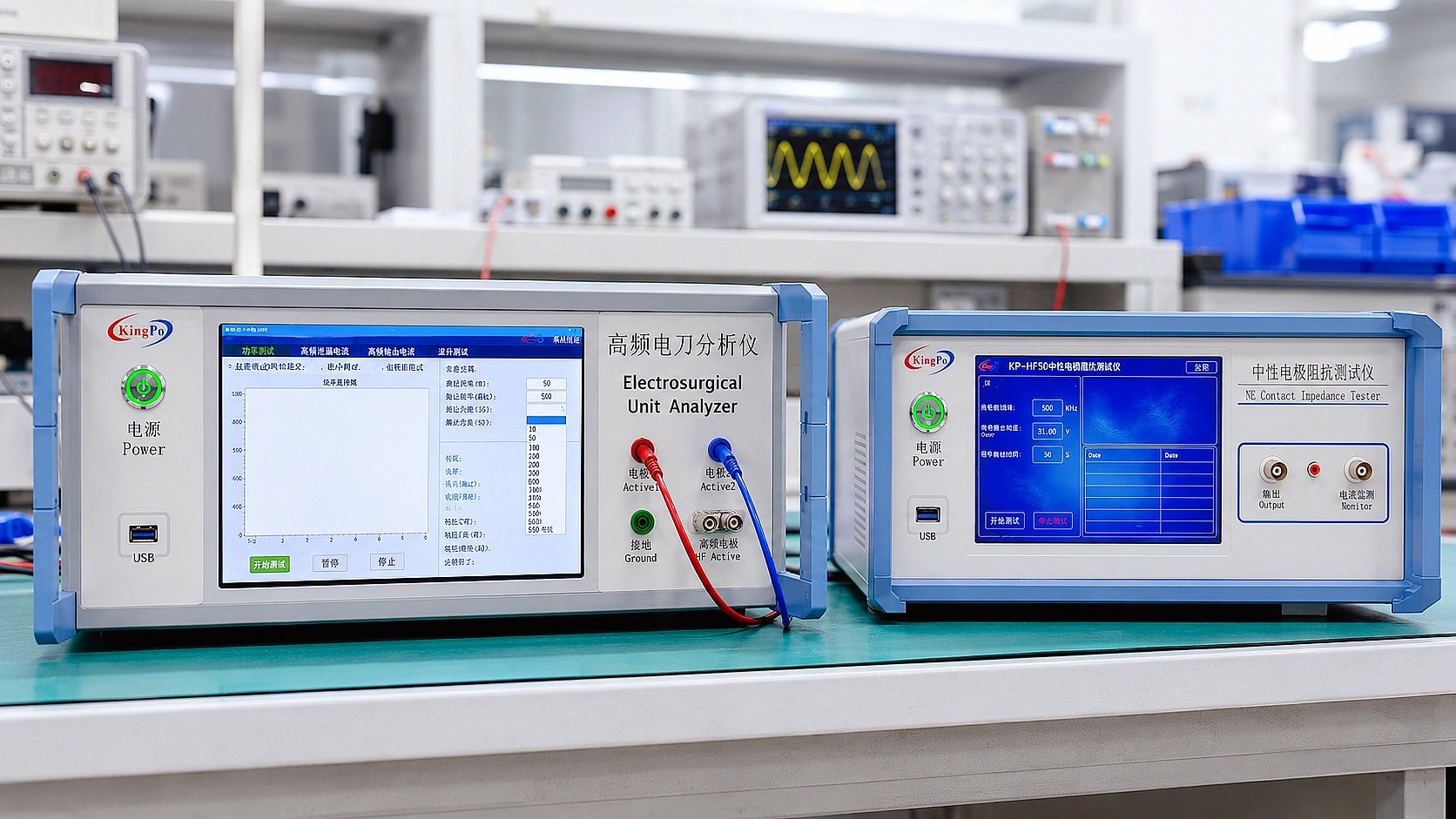
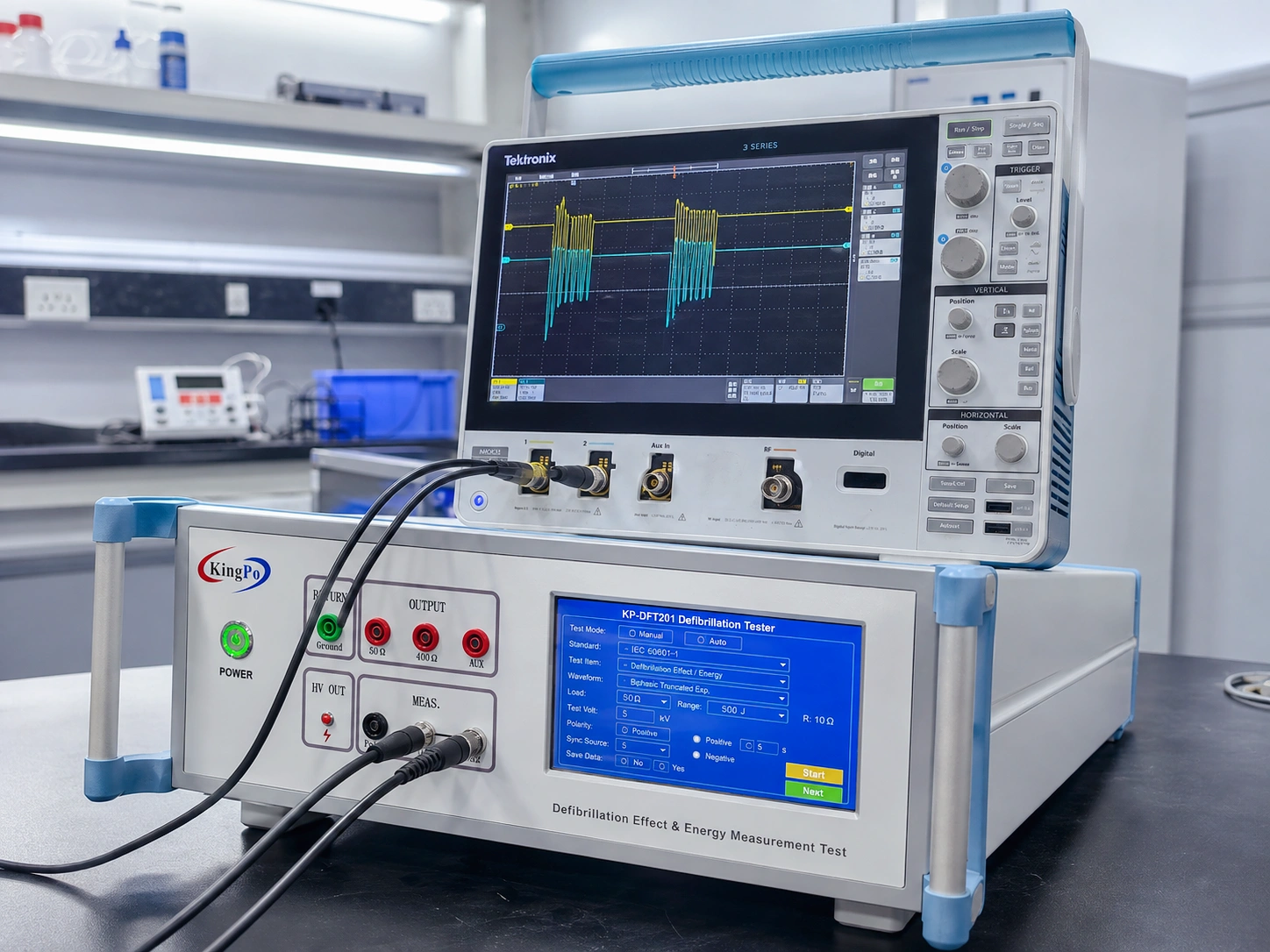
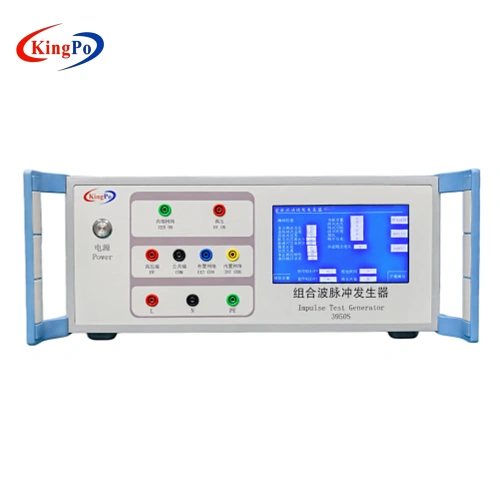
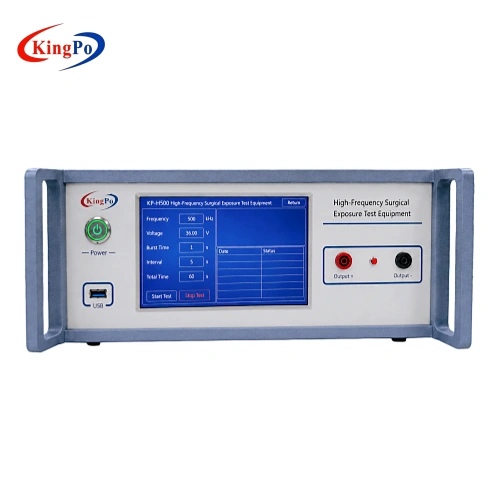
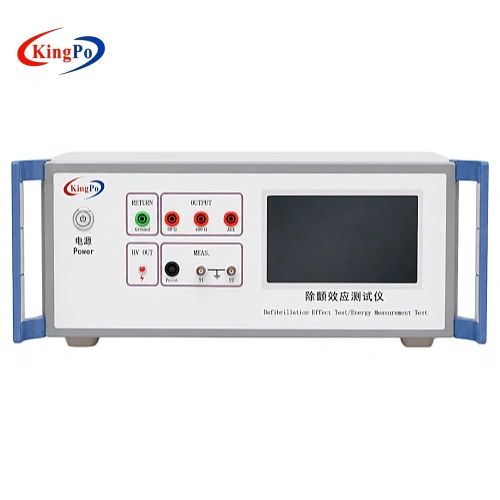
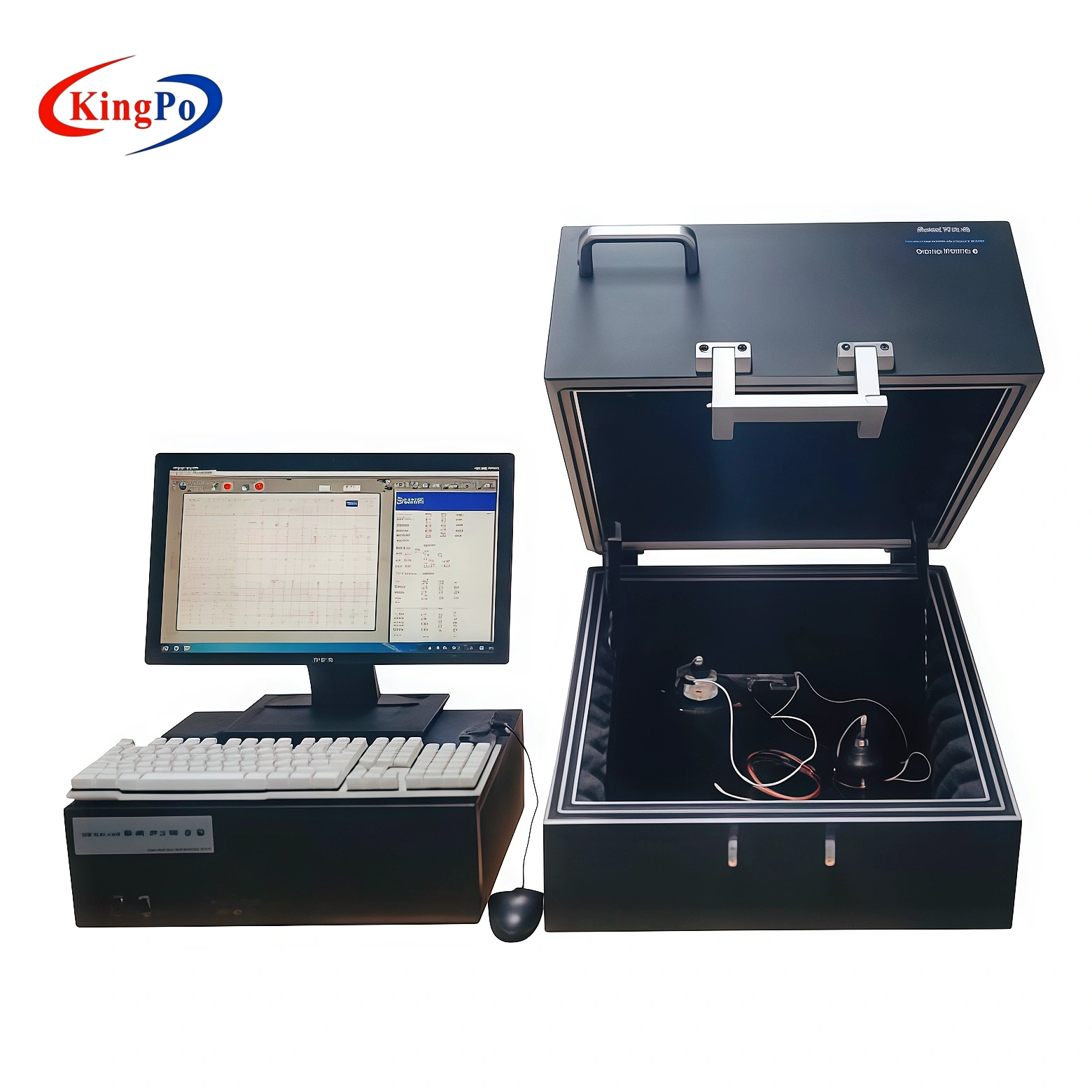
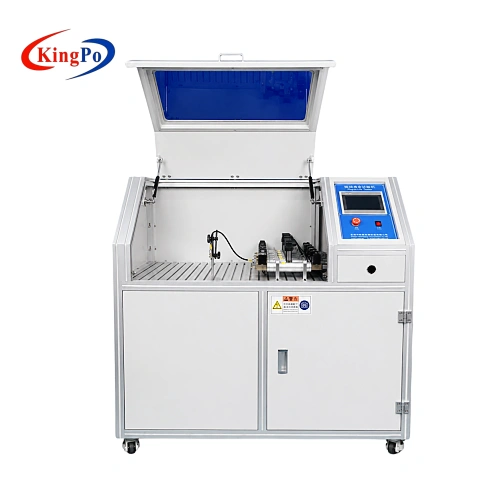
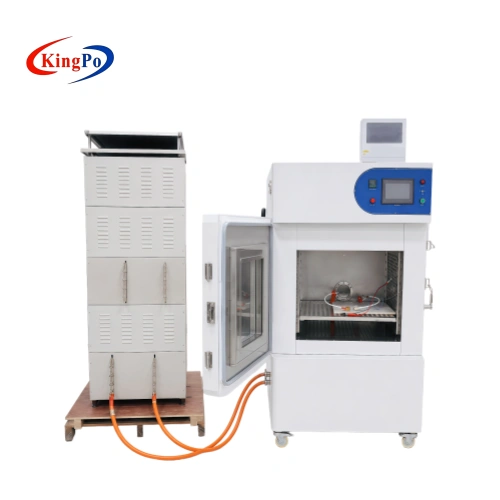
KingPo provides integrated test solutions for IEC 60601-2-2 high-frequency electrosurgical equipment evaluation, including:
- High-frequency ESU testing systems
- Electrosurgical analyzer platforms
- RF impedance and leakage current measurement systems
- Customized biomedical electrical safety test solutions
These systems are designed to improve accuracy, repeatability, and compliance reliability in medical device testing laboratories.
8. Conclusion
Dynamic compensation significantly improves measurement accuracy in high-frequency electrosurgical unit testing by reducing parasitic effects in LCR and network analyzer-based measurement systems.
This method enhances reliability of ESU performance evaluation above 1 MHz and supports more accurate compliance testing under IEC 60601-2-2 requirements.
Technical Value of This Method
- Improves measurement accuracy in RF ESU testing environments
- Reduces parasitic impedance influence in test fixtures
- Enhances repeatability of impedance and phase measurement
- Supports IEC 60601-2-2 compliant test system design
- Provides engineering basis for high-frequency medical device testing