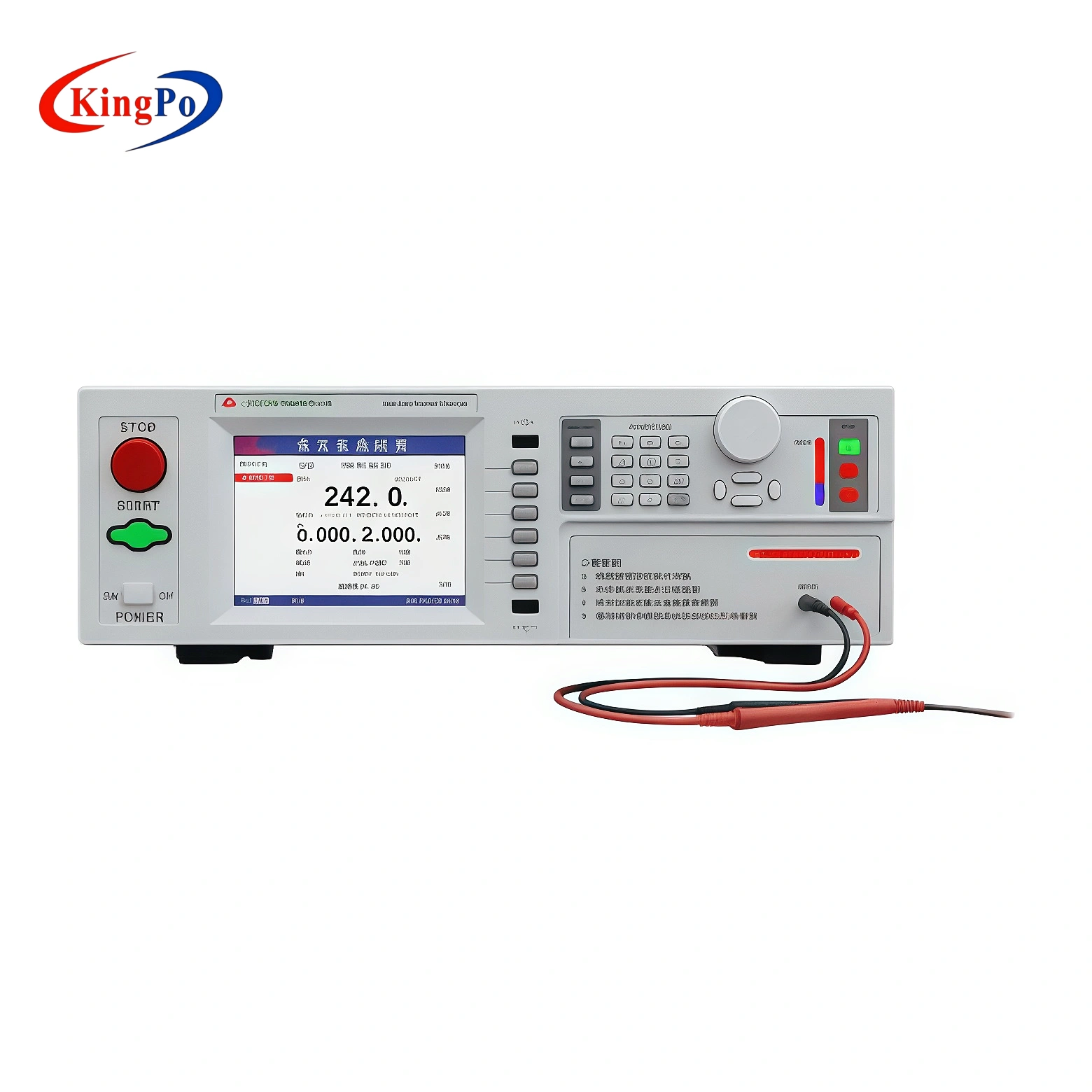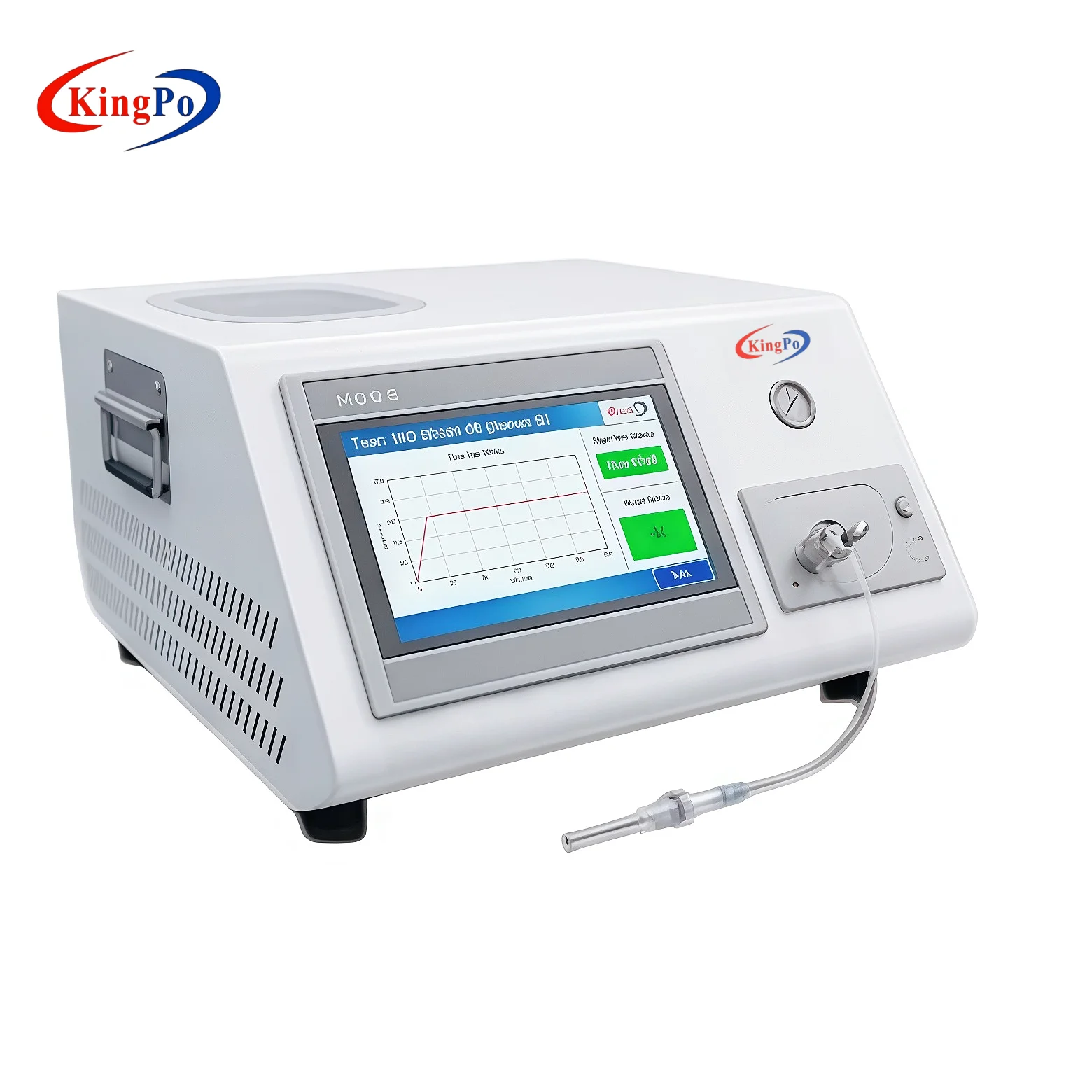
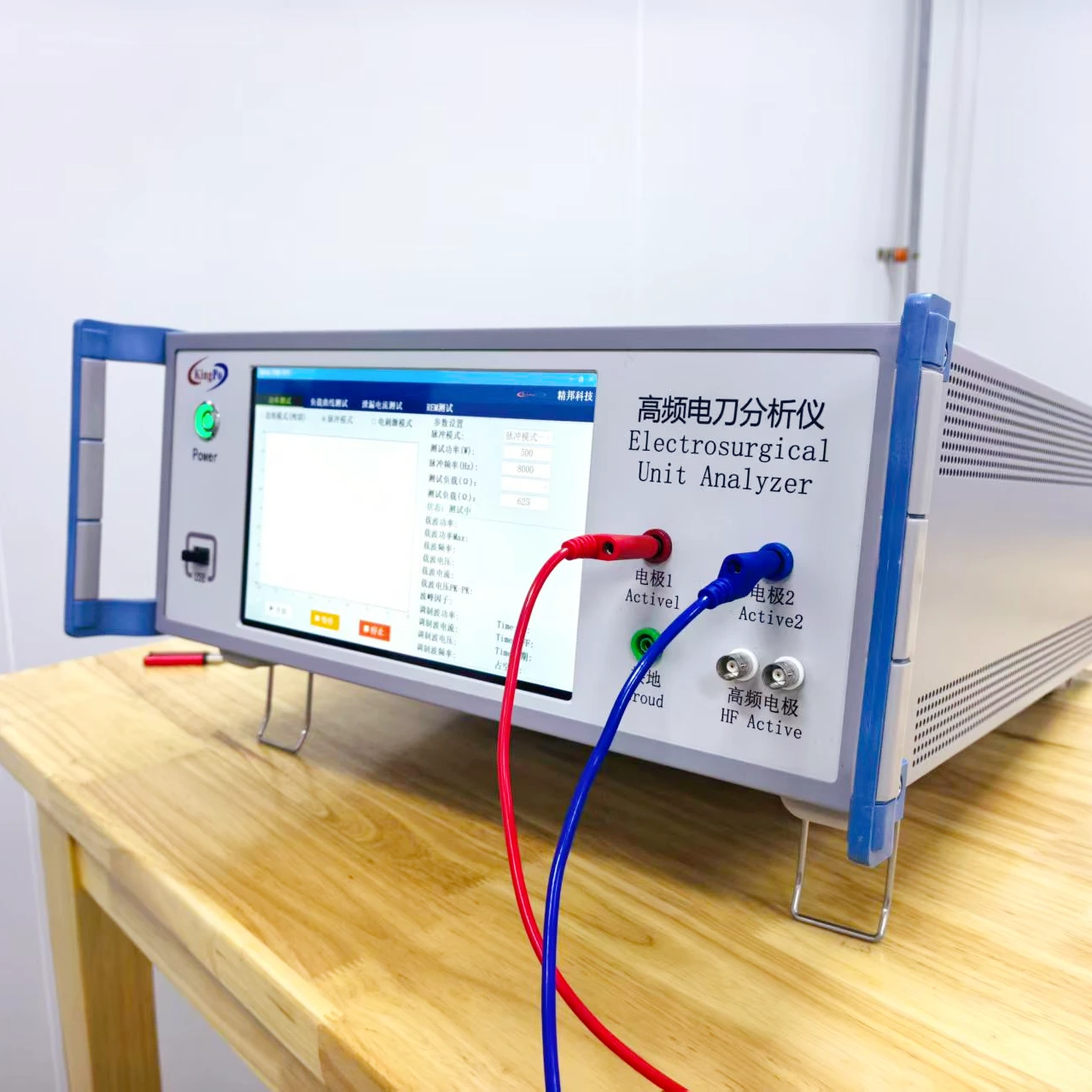
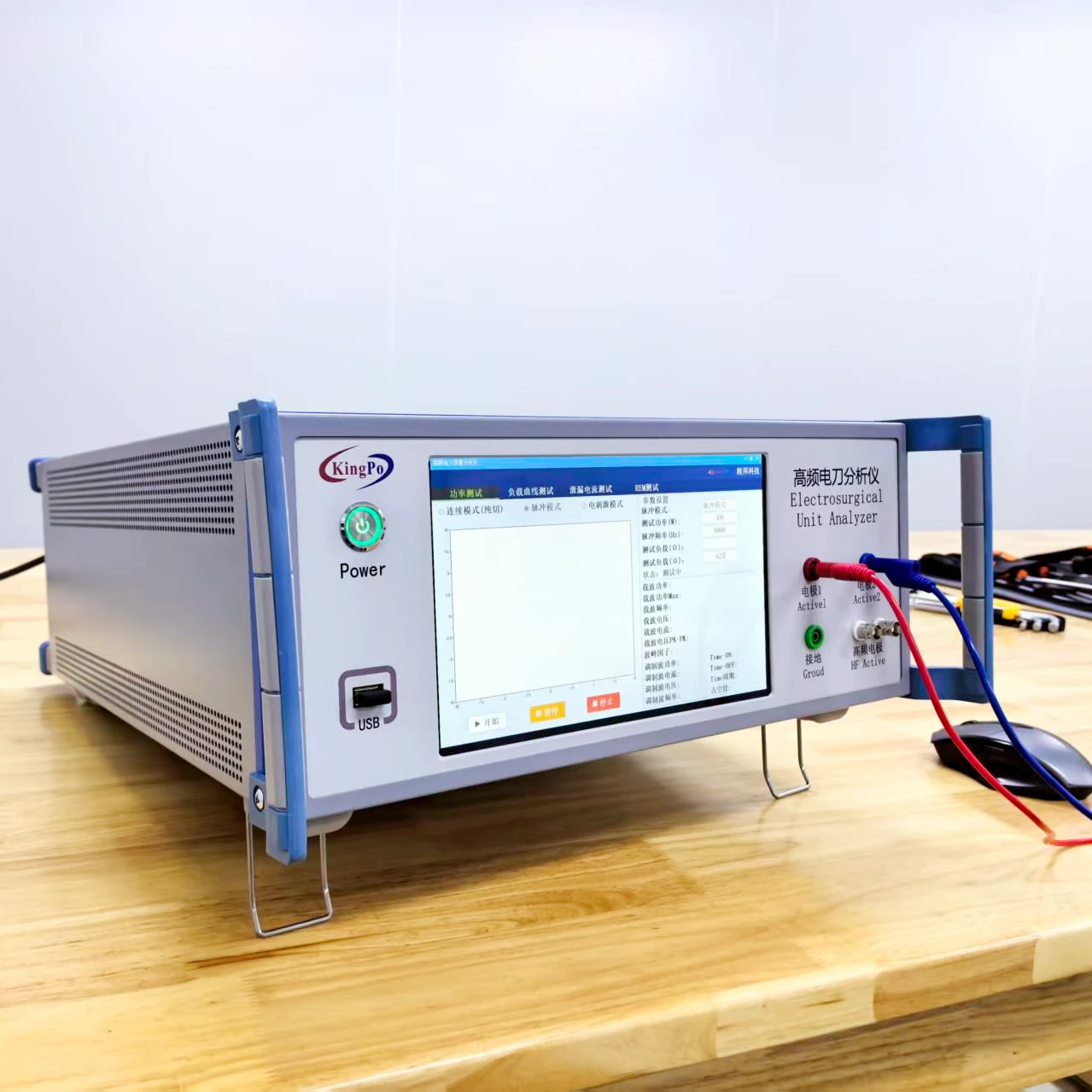
IEC 60601-2-2 Electrosurgical Unit Analyzer – KingPo High-Frequency ESU Tester up to 1 MHz
ESU Analyzer Electrosurgical Unit Tester
IEC 60601-2-2 Electrosurgical Unit Analyzer – KingPo 10-inch Touchscreen with Waveform Display
ESU Analyzer Electrosurgical Unit Tester
ESU Analyzer
ESU Analyzer Electrosurgical Unit Tester
ESU Analyzer
IEC 60601-2-2 Electrosurgical Unit Analyzer – KingPo High-Frequency ESU Tester up to 1 MHz
ESU Analyzer Electrosurgical Unit Tester
IEC 60601-2-2 Electrosurgical Unit Analyzer – KingPo 10-inch Touchscreen with Waveform Display
ESU Analyzer Electrosurgical Unit Tester
ESU Analyzer
ESU Analyzer Electrosurgical Unit Tester
ESU Analyzer

High Frequency Electrosurgical Analyzer | ESU Analyzer | Electrosurgical Unit analyzer

The KP-8850 High-Frequency Electrosurgical Unit Analyzer is a precision test instrument designed for comprehensive performance and safety verification of electrosurgical units (ESUs) up to 1 MHz in accordance with IEC 60601-2-2.

  • Test Object: Electrosurgical generators, high-frequency surgical equipment and ESU output circuits
  • Standard Support: IEC 60601-2-2 related electrosurgical unit testing; GB 9706.202, ANSI/AAMI HF18, WS/T 602 and JJF 1217-2025 related applications can be reviewed according to the project requirement
  • Power Range: 0–500 W with 0.1 W resolution
  • Power Accuracy: ≤50 W: ±(5.0% + 2 digits); >50 W: ±(2.5% + 2 digits)
  • Voltage Range: 0–5 kV peak-to-peak
  • Current Range: 2 mA–5000 mA RMS with 0.1 mA resolution
  • HF Leakage Current: 20 mA–1000 mA with 0.1 mA resolution
  • Load Resistance: 0–2000 Ω with internal impedance switching for load power curve testing
  • REM/CQM Testing: 0–2000 Ω simulation with short-circuit, open-circuit and defined load settings
  • Display and Data: 10-inch color LCD touchscreen, waveform display, test curve display, 500G data storage, Ethernet communication and HDMI display extension
  • Configuration Support: Test mode, load setting, leakage current network, REM/CQM setup, calibration documentation and reporting workflow can be reviewed before quotation

Product Overview

Quickly Verify ESU Output Power, Load Curve, Leakage Current and REM/CQM Performance

The KP8850 ESU Analyzer helps users verify the key output and safety-related parameters of electrosurgical units. It supports output power testing, load power curve testing, high-frequency leakage current testing, REM/CQM verification, voltage and current measurement, crest factor evaluation and waveform display.

For engineers and laboratory users, the analyzer can support daily ESU verification, production inspection, R&D comparison, preventive maintenance and IEC 60601-2-2 related test preparation with clear waveform display and recorded test data.

Designed for Electrosurgical Unit Testing According to IEC 60601-2-2

The KP8850 is designed for electrosurgical generator testing and high-frequency surgical equipment verification. It supports continuous mode, pulse mode and electrical stimulation mode according to different ESU output conditions.

Continuous mode is generally used for continuous high-frequency output, such as cutting output. Pulse mode is generally used for pulse-modulated ESU output, such as coagulation or blended output. Electrical stimulation mode is used for ESU electrical stimulation output testing. The correct test mode should be selected before measurement.

Suitable for Manufacturers, Testing Laboratories, Hospitals and Calibration Institutes

For ESU manufacturers, the KP8850 can support R&D testing, output power verification, load curve comparison, production inspection and standards-related preparation. For third-party testing laboratories and certification bodies, it supports electrosurgical unit testing and documentation.

For hospital biomedical engineering departments, it can be used for acceptance inspection, preventive maintenance, post-repair verification and troubleshooting of electrosurgical units. For metrology and calibration institutes, it can support high-frequency leakage current calibration, AC power/current calibration and load resistance accuracy verification workflows.

Built for Practical Laboratory Workflow

The analyzer is equipped with a full-color 10-inch LCD touchscreen. The software interface includes a function module area, waveform display area, test operation area, parameter setting area and data display area, allowing users to set parameters, observe waveforms and review measured results during testing.

The rear panel includes an Ethernet port, HDMI display extension port, BNC calibration output, power input and probe magnification switch. The instrument also supports 500G data storage, which helps laboratories save test data and maintain internal quality records.

Applicable Standards and Test Scope

IEC 60601-2-2 High-Frequency Surgical Equipment Testing

IEC 60601-2-2 is the key standard for high-frequency surgical equipment and high-frequency surgical accessories. For electrosurgical unit testing, customers usually need to verify output power, high-frequency leakage current, output mode behavior, load response, voltage/current measurement and waveform condition.

The KP8850 ESU Analyzer is designed to support IEC 60601-2-2 related electrosurgical unit testing. The final test method should be confirmed according to the ESU type, output mode, load condition, waveform type and applicable standard clause.

GB 9706.202, ANSI/AAMI HF18, WS/T 602 and JJF Calibration Context

In addition to IEC 60601-2-2, ESU testing and calibration projects may refer to GB 9706.202, ANSI/AAMI HF18, WS/T 602 and JJF 1217 depending on the target market, laboratory procedure and calibration requirement.

The KP8850 can be used for related electrosurgical unit testing, quality control, preventive maintenance and calibration verification workflows. Customers should confirm the target standard, required test items and documentation requirements before quotation.
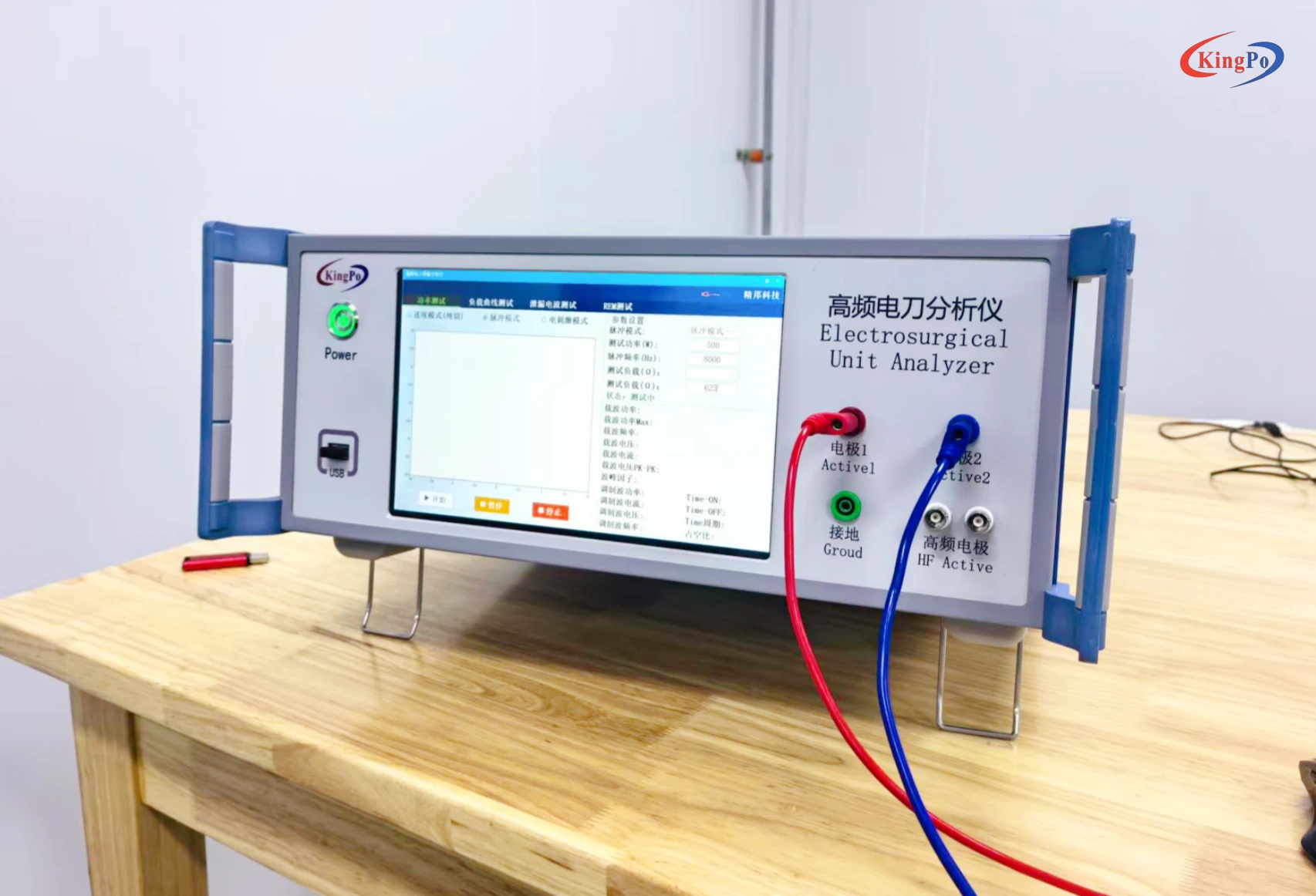
IEC 60601-2-2 Electrosurgical Unit Analyzer – KingPo Application in Medical Device Certification Lab
IEC 60601-2-2 Electrosurgical Unit Analyzer

Core Test Functions

Output Power Measurement

Output power measurement is one of the most important tests for electrosurgical generators. The KP8850 measures ESU output power under selected load resistance conditions and displays waveform and measured data during testing.

The analyzer supports power measurement from 0 to 500 W with 0.1 W resolution. According to the instrument specification, power accuracy is ±(5.0% + 2 digits) for values up to 50 W and ±(2.5% + 2 digits) for values above 50 W.

Users can set parameters such as nominal output power, output frequency, fixed load or custom test load according to the selected ESU mode and test requirement.

Load Power Curve Testing

Load power curve testing evaluates how ESU output power changes under different load resistance conditions. This helps users understand electrosurgical generator output behavior and compare performance across different load settings.

The KP8850 supports load power curve testing with internal impedance automatic switching. Users can select common test templates or define custom load and power settings. Test results can be saved as data and graphical curves for laboratory records.
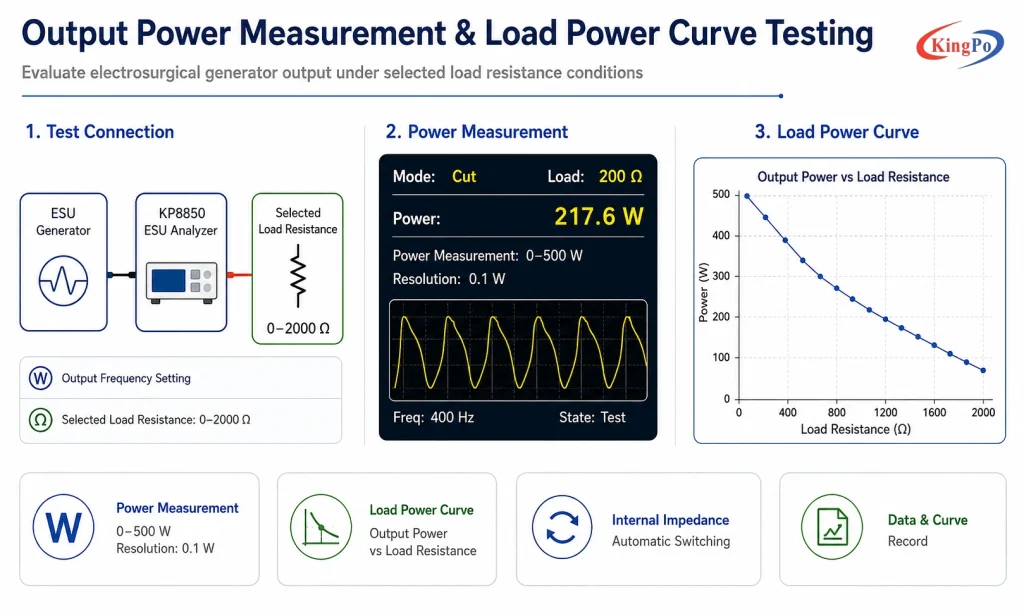
KP8850 ESU Analyzer output power measurement and load power curve testing under different load resistance conditions

High-Frequency Leakage Current Measurement

High-frequency leakage current testing helps evaluate unintended HF current paths in electrosurgical equipment. The KP8850 supports HF leakage current measurement from 20 mA to 1000 mA with 0.1 mA resolution and ±2.5% reading accuracy.

According to the instrument workflow, leakage current testing may include neutral electrode leakage current, neutral electrode leakage current when isolated from ground, active electrode leakage current and bipolar electrode high-frequency leakage current. The correct test network and connection method should be selected according to the required test item.
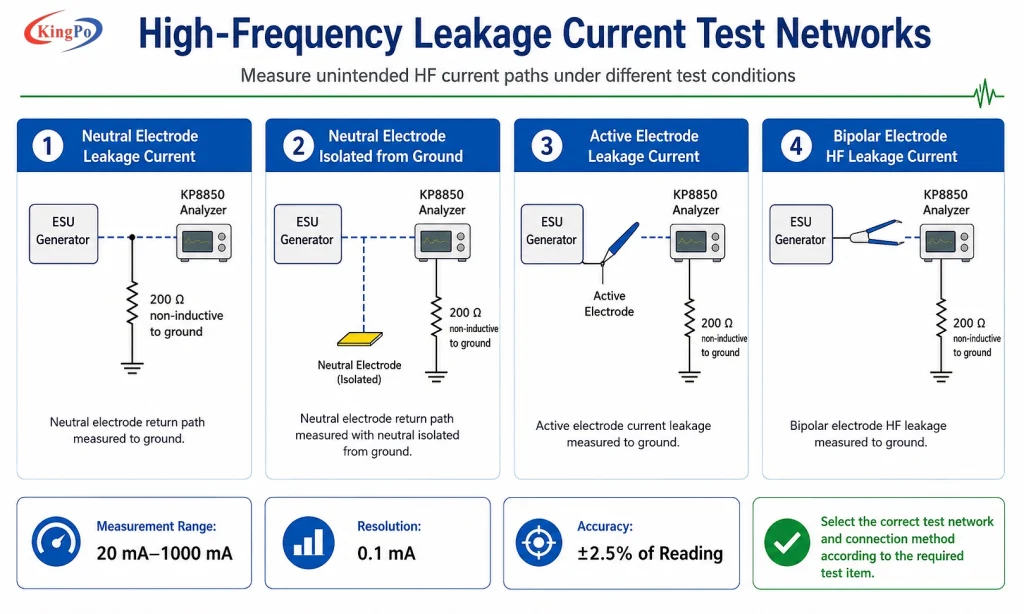
KP8850 ESU Analyzer high-frequency leakage current test networks for neutral active and bipolar electrode testing

REM / CQM Verification

REM, or Return Electrode Monitor, and CQM, or Contact Quality Monitor, are used to monitor the return electrode contact condition. The KP8850 supports REM/CQM testing from 0 to 2000 Ω.

Users can select 0 Ω short circuit, open circuit or a defined test load within the supported range. This function helps manufacturers, laboratories and hospital biomedical departments verify return electrode monitoring response and contact quality monitoring behavior.

Voltage, Current, Crest Factor and Waveform Display

The KP8850 supports voltage measurement from 0 to 5 kV peak-to-peak, current measurement from 2 mA to 5000 mA RMS and crest factor measurement from 1.4 to 400.

Electrosurgical generators may produce continuous, pulsed or modulated high-frequency waveforms. The analyzer displays the waveform during testing, and operators can pause the test, keep the measured data at the paused moment and magnify the waveform for detailed observation.
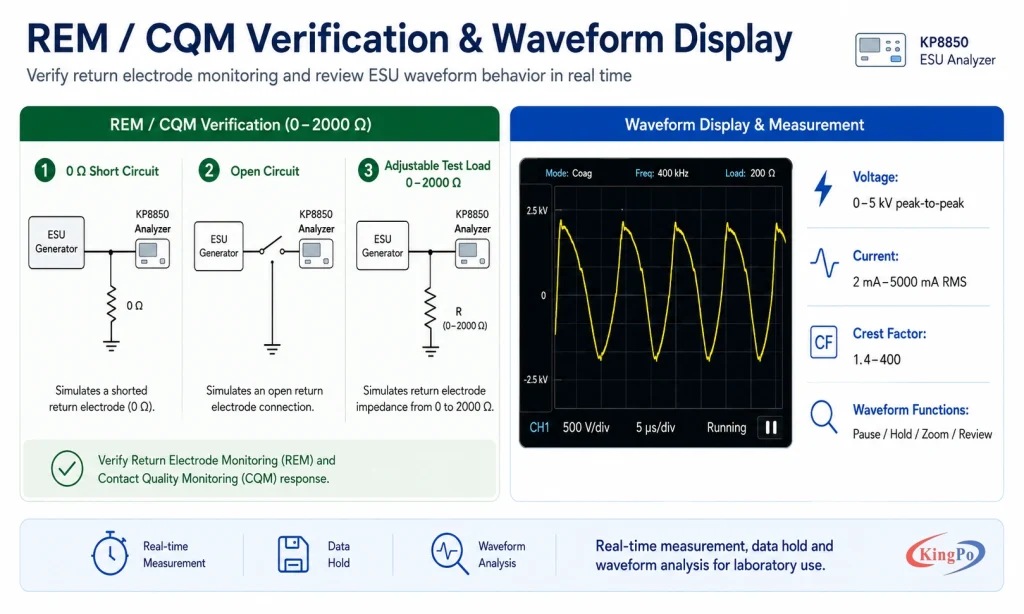
KP8850 ESU Analyzer REM CQM verification and waveform display for electrosurgical unit testing

Technical Specifications

General Information
Item Specification
Product Name KP8850 ESU Analyzer / High Frequency Electrosurgical Analyzer
Product Type Electrosurgical Unit Analyzer / Electrosurgical Unit Tester
Applicable Standard IEC 60601-2-2 related electrosurgical unit testing
Related Standards GB 9706.202, ANSI/AAMI HF18, WS/T 602 and JJF 1217 related applications
Test Object Electrosurgical generators and high-frequency surgical equipment
Main Test Functions Power test, load power curve test, high-frequency leakage current test, REM/CQM test, voltage/current measurement, crest factor and waveform display
Measurement Specifications
Item Specification
Power Measurement Range 0–500 W
Power Resolution 0.1 W
Power Accuracy ≤50 W: ±(5.0% + 2 digits); >50 W: ±(2.5% + 2 digits)
Voltage Measurement Range 0–5 kV peak-to-peak
Current Measurement Range 2 mA–5000 mA RMS
Current Resolution 0.1 mA
Current Accuracy ±2.5% of reading
High-Frequency Leakage Current Range 20 mA–1000 mA
HF Leakage Current Resolution 0.1 mA
HF Leakage Current Accuracy ±2.5% of reading
Measurement Module Bandwidth 30 kHz–100 MHz
Load, REM/CQM and System Configuration
Item Specification
Load Impedance 0–2000 Ω
Load Accuracy ±1% for ≥50 Ω; ±2.5% for ≥10 Ω and <50 Ω
Measurement Principle Voltage method and current method
Pulse Mode Testing Supported
Crest Factor 1.4–400
Power Distribution Curve Supported, with internal impedance automatic switching
REM / CQM Test Range 0–2000 Ω
REM / CQM Accuracy ±1% for ≥50 Ω; ±2.5% for ≥10 Ω and <50 Ω
Automatic Test Function Supported
Display Full-color 10-inch LCD touchscreen
Display Functions Graphical display, waveform display, test curve display and waveform magnification
Communication Interface Ethernet
Data Storage 500G data storage
Display Extension HDMI external display support
Power Supply 220 VAC, 50 Hz / 60 Hz
Dimensions 580 × 450 × 220 mm
Weight Approx. 15 kg

Final configuration should be confirmed according to the ESU output mode, power range, test frequency, load resistance requirement, REM/CQM requirement, report format and calibration documentation requirement.

Testing Principle

How ESU Output Power Is Measured

ESU output power is evaluated by connecting the electrosurgical generator output to the analyzer through the required electrode ports and selected load condition. The analyzer measures voltage and current according to the selected method and displays the calculated power and waveform information.

For monopolar testing, the ESU active electrode and neutral electrode are connected to the corresponding analyzer ports. For bipolar testing, the bipolar output is connected according to the test setup. Proper grounding and cable connection are required before starting the test.

Why Load Resistance and Test Mode Matter

The KP8850 supports fixed load selection and custom test load setting within the 0–2000 Ω range. Users should select the correct mode and set the required power, frequency and load before measurement.

For load power curve testing, the analyzer tests multiple load and power settings and generates a curve. This helps engineers evaluate how the electrosurgical generator behaves under different load conditions.

Waveform Display and Test Review

The analyzer displays the high-frequency waveform during testing. Operators can pause the test, keep the measured data at the paused moment and magnify the waveform to review detailed signal behavior.

This is useful for observing continuous output, pulse-modulated output and other generator-specific waveform characteristics during electrosurgical unit testing.
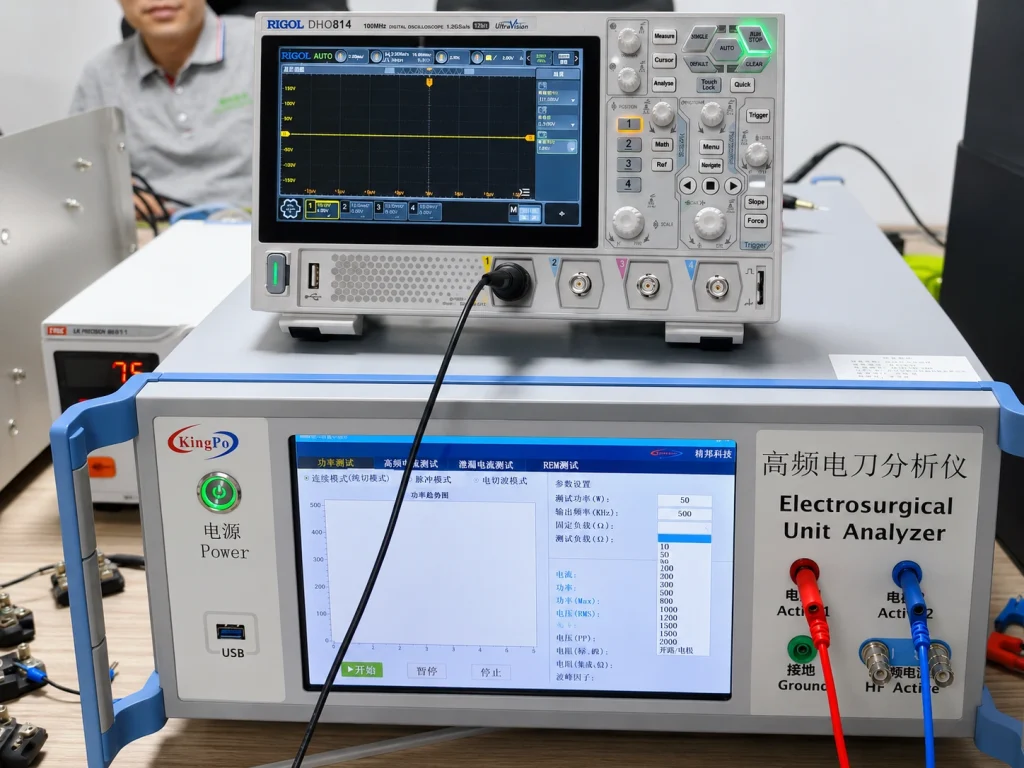
KP8850 ESU Analyzer connected with oscilloscope for electrosurgical unit waveform testing in a laboratory
KP8850 ESU Analyzer Laboratory Waveform Testing

Standards & Compliance Support

  • The KP8850 ESU Analyzer is designed to support electrosurgical unit testing according to IEC 60601-2-2 related requirements. It may also be used in projects referring to GB 9706.202, ANSI/AAMI HF18, WS/T 602 and JJF 1217-2025, depending on the customer’s test procedure, calibration requirement and laboratory quality system.
  • KINGPO can help review the required test items, load configuration, high-frequency leakage current test network, REM/CQM verification method, waveform display needs, data record requirements and calibration documentation before quotation.
  • Formal compliance judgment should be made by the customer, testing laboratory or certification body according to the applicable standard, test method and product configuration.

Download Product Datasheet

Download the KINGPO KP8850 ESU Analyzer datasheet to review the product overview, IEC 60601-2-2 test applications, measurement functions, technical specifications and configuration notes.

Download Datasheet

Download Calibration Certificate

Download the ESU Analyzer calibration certificate to review calibration information, measurement verification records and documentation support for laboratory quality management.

Download Calibration Certificate

Technical Inquiry & Expert Support

KINGPO provides KP-8850 ESU Analyzer solutions for IEC 60601-2-2 electrosurgical unit testing, including output power measurement, HF leakage current testing, REM/CQM verification, load curve analysis, peak voltage measurement and waveform display.

The Core Value We Deliver

  • IEC 60601-2-2 Test Support: Designed for electrosurgical generator and high-frequency surgical equipment testing according to IEC 60601-2-2 related requirements.
  • Practical ESU Measurement Functions: Supports output power, current, peak voltage, HF leakage current, crest factor, REM/CQM and power distribution curve testing.
  • Laboratory Workflow Ready: Touchscreen operation, waveform display, data storage, USB/Ethernet communication and report-related data export support daily laboratory use.
  • Calibration Documentation Support: Factory calibration documentation and calibration certificate can be provided according to order requirements.
  • Engineering Configuration Review: KINGPO can help review load range, ESU output modes, operating frequency, REM/CQM requirements, external load needs and documentation requirements before quotation.

Configuration and Measurement Notes

Test Mode and Load Configuration

The KP8850 supports continuous mode, pulse mode and electrical stimulation mode. Users should select the correct test mode according to the ESU output condition. For power testing, the operator can set nominal output power, output frequency, fixed load or custom test load within the supported 0–2000 Ω range.

Load Power Curve Testing

The KP8850 supports load power curve testing with internal impedance automatic switching. Users can select common test templates or define custom load and power settings. Test results can be saved as data and graphical curves for laboratory records.

REM/CQM Test Configuration

REM/CQM test requirements may vary depending on the electrosurgical generator design. The KP8850 supports 0–2000 Ω resistance simulation, including 0 Ω short-circuit, open-circuit and defined test load settings. Customers should confirm the alarm threshold, timing requirement, connection method and report format before quotation.

Test Cable and Grounding

High-frequency ESU testing involves high voltage and high-frequency signals. The test connection should follow the recommended setup, and operators should avoid touching connectors, metal parts or exposed conductive areas during testing. Test cables should be inspected regularly for insulation condition, damage and connection stability.

Report Format and Data Records

The analyzer supports waveform display, test curve display, 500G data storage, Ethernet communication and HDMI display extension. Customers can discuss test result export, report format, calibration record and laboratory documentation workflow before order confirmation.

Typical Applications

Electrosurgical Unit Manufacturers

ESU manufacturers can use the KP8850 for R&D testing, output power verification, load power curve comparison, production inspection and standards-related preparation. It helps evaluate whether the generator output remains stable under different test modes, load resistance settings and waveform conditions.

Medical Device Testing Laboratories

Third-party testing laboratories can use the analyzer for electrosurgical generator testing according to IEC 60601-2-2 related requirements. The system supports power testing, load power curve testing, high-frequency leakage current testing, REM/CQM verification, waveform display and test data records for laboratory documentation.

Hospital Biomedical Engineering Departments

Hospital biomedical and clinical engineering departments can use the analyzer for acceptance inspection, preventive maintenance, post-repair verification and troubleshooting of electrosurgical units. Waveform display, load testing and leakage current measurement help engineers check ESU output behavior before clinical use.

Metrology and Calibration Institutes

Metrology and calibration institutes can use the KP8850 for ESU analyzer verification and calibration-related workflows. The instrument manual includes calibration functions for high-frequency leakage current, AC power and current, 200 Ω fixed resistance accuracy and variable load resistance accuracy.

Related Products

Related Product Typical Application Why It Is Relevant
Neutral Electrode Temperature Rise Tester Temperature rise testing of electrosurgical neutral electrodes. Closely related to electrosurgical safety and IEC 60601-2-2 related neutral electrode evaluation.
IEC 60601-1 Programmable Leakage Current Tester General medical electrical leakage current testing according to IEC 60601-1 and IEC 60990. Suitable as supporting equipment for laboratories building a wider medical electrical safety test capability.
Defibrillation Electrode Performance Tester Disposable defibrillation electrode and multifunction electrode performance testing. Relevant for medical electrode performance testing, but different from electrosurgical generator output analysis.
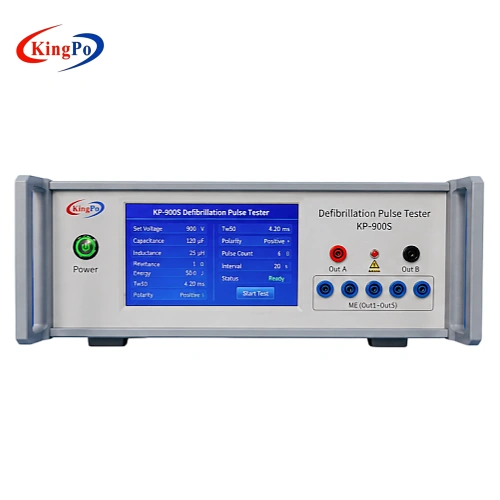
IEC 60601-2-31 Defibrillation Pulse Tester External cardiac pacemaker defibrillation protection testing. Related to medical electrical safety testing, but the test object and pulse condition are different from ESU testing.

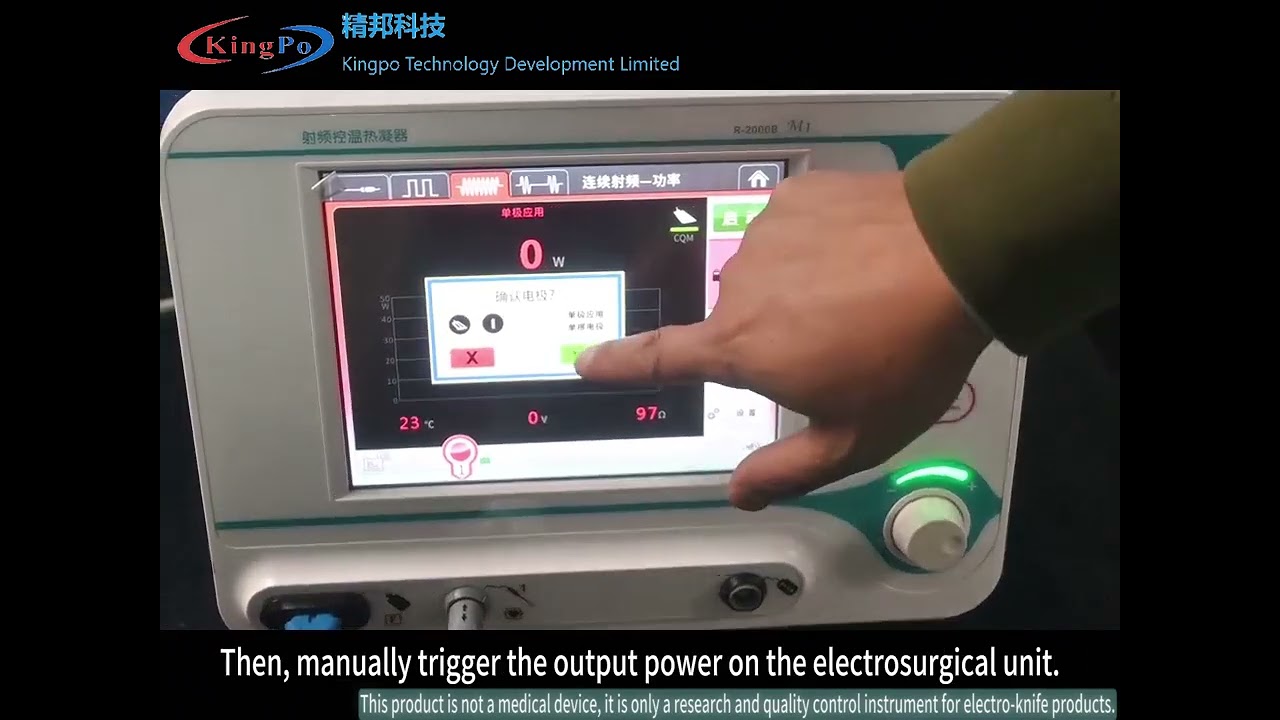
Electrosurgical Unit Analyzer Video

Electrosurgical Analyzer Detail Display

ESU Analyze FAQs

Q1: What is the main purpose of this high frequency electrosurgical analyzer?
A: It measures key performance and safety parameters of electrosurgical units (ESUs), including output power in various modes, high-frequency leakage current, REM/CQM function, power distribution curves, crest factor, and more — ensuring compliance with safety standards and reliable clinical performance.
Q2: Which standards does this analyzer comply with?
A: It fully supports IEC 60601-2-2:2017 (including AMD1:2023), WS/T 602-2018, JJF 1217-2025, and GB 9706.202-2021 (modified adoption of IEC). This makes it suitable for global export, Chinese regulatory requirements, preventive maintenance, and calibration verification.
Q3: How accurate is the power and leakage current measurement?
A: Power accuracy is typically ±2.5% or better (reading), and leakage current accuracy is typically ±5% or better — competitive with leading analyzers for high-power and high-frequency ESU testing.
Q4: Can it test REM / CQM (Return Electrode Monitor / Contact Quality Monitor) functions?
A: Yes — it provides full verification, including adjustable impedance simulation (typically 5 Ω – 150 Ω), alarm threshold testing, activation timing, and reliability checks in both manual and automatic modes.
Q5: Does it support testing of modern ESU modes like vessel sealing or advanced waveforms?
A: Yes, it handles pure cut, blend cut, coagulation, fulguration, desiccation, spray, vessel sealing, electric stimulation modes, and non-standard RF waveforms with deep waveform buffering for stable capture.
Q6: How often should ESUs be tested using this analyzer?
A: Follow manufacturer recommendations, hospital policy, or regulatory guidelines — typically annually for preventive maintenance, after repairs, during acceptance testing, or as required by JJF calibration cycles.
Q7: Is data export and report generation supported?
A: Yes — internal storage, USB/PC export, and customizable report generation ensure full traceability for quality assurance, calibration records, and compliance documentation.
Q8: What is the typical load resistance range for realistic testing?
A: Internal precision loads range from 0 Ω to 6,400 Ω (including very low-resistance options), allowing automatic generation of power vs. load curves that simulate clinical conditions.
Q9: Is training or technical support available?
A: Yes — we provide user manuals, connection diagrams, live online demonstrations, sample test reports, and ongoing technical support to ensure smooth operation.
Q10: How does this analyzer compare to Fluke or BC Biomedical models?
A: It offers comparable measurement depth, waveform fidelity, true RMS accuracy, and REM/CQM testing capabilities at a more practical price point, while fully meeting the same key international and Chinese standards.
Q11: Why is an ESU Analyzer essential for medical device testing?
A: An ESU Analyzer ensures that Electrosurgical Units (ESU) are performing within safe limits. It measures high-frequency parameters like power output, leakage current, and crest factor. Testing with a professional analyzer like the Kingpo ESU Tester is critical to prevent patient burns and ensure compliance with IEC 60601-2-2 standards.
Q12: Does the Kingpo ESU Analyzer come with a calibration certificate?
A: Yes. Every Kingpo ESU Analyzer includes a traceable Calibration Certificate PDF. This document verifies the instrument's accuracy against national standards, which is a mandatory requirement for hospital audits and ISO quality management systems.
Q13: Which electrosurgical units (ESU) is this tester compatible with?
A: Our ESU Analyzer is universally compatible with major brands, including ValleyLab (Covidien), Bovie, ConMed, and Erbe. It supports testing for both monopolar and bipolar outputs, providing accurate RMS measurements for various waveforms.
Q14: How often should an Electrosurgical Unit be tested?
A: According to most hospital PPM (Planned Preventive Maintenance) protocols and international standards, ESUs should be tested at least once a year. However, after any major repair, a full safety and performance validation using an ESU analyzer is required before returning the unit to the operating room.
Q15: Can this analyzer measure high-frequency leakage current?
A: Absolutely. The Kingpo ESU Analyzer is specifically designed to measure HF leakage current in multiple configurations (active to ground, dispersive to ground, etc.), ensuring the electrosurgical generator's isolation meets safety thresholds.
How to use Electrosurgical unit analyzer

Related Products

Related News

PROJECT CASE · AIMD DEFIBRILLATION IMMUNITY TESTING KP-1050S Defibrillation Test Pulse Generator Delivered to SGS Shanghai Laboratory KingPo delivered one […]

EU Regulatory Update · Medical Devices EU MDR Harmonised Standards 2026: Testing Updates for Medical Device Manufacturers EU MDR harmonised […]

Quick Answer Annual calibration of an ESU Analyzer is important because it helps ensure accurate electrosurgical unit testing, supports IEC […]

DENG Sha¹, ZHANG Chao², WU Shaohai¹    Corresponding author: FAN Xiang¹ Guangdong Institute of Medical Device Quality Supervision and Inspection, No. […]

Defibrillation electrode testing verifies whether disposable and multifunction electrode pads can maintain stable impedance, recover after a 360J shock, control […]

KingPo recently completed the delivery, commissioning, and technical support of a medical electrical safety test equipment package for Sichuan Institute […]

KingPo KP8850 Electrosurgical Analyzer successfully delivered and accepted by Zhejiang Medical Device in 2026, enhancing clinical engineering and hospital safety.

Introduction to Dynamic Compensation Technology Dongguan / Nanning, China — KINGPO Technology Development Limited has announced a breakthrough in high-frequency […]

Scroll to Top

Get A Free Quote Now !

Contact Form
If you have any questions, please do not hesitate to contact us.