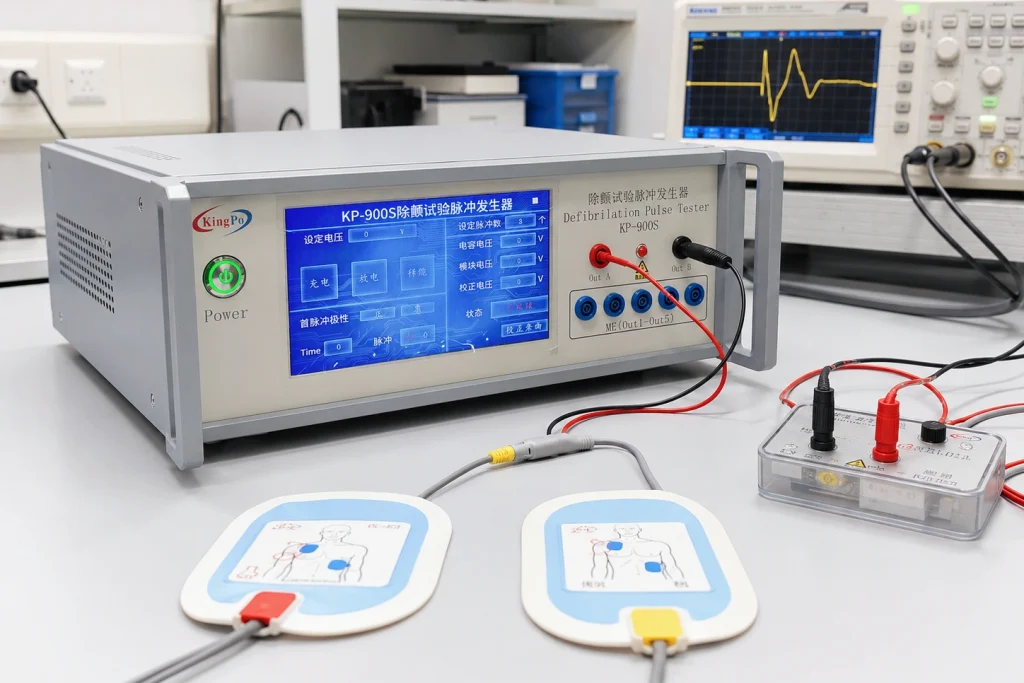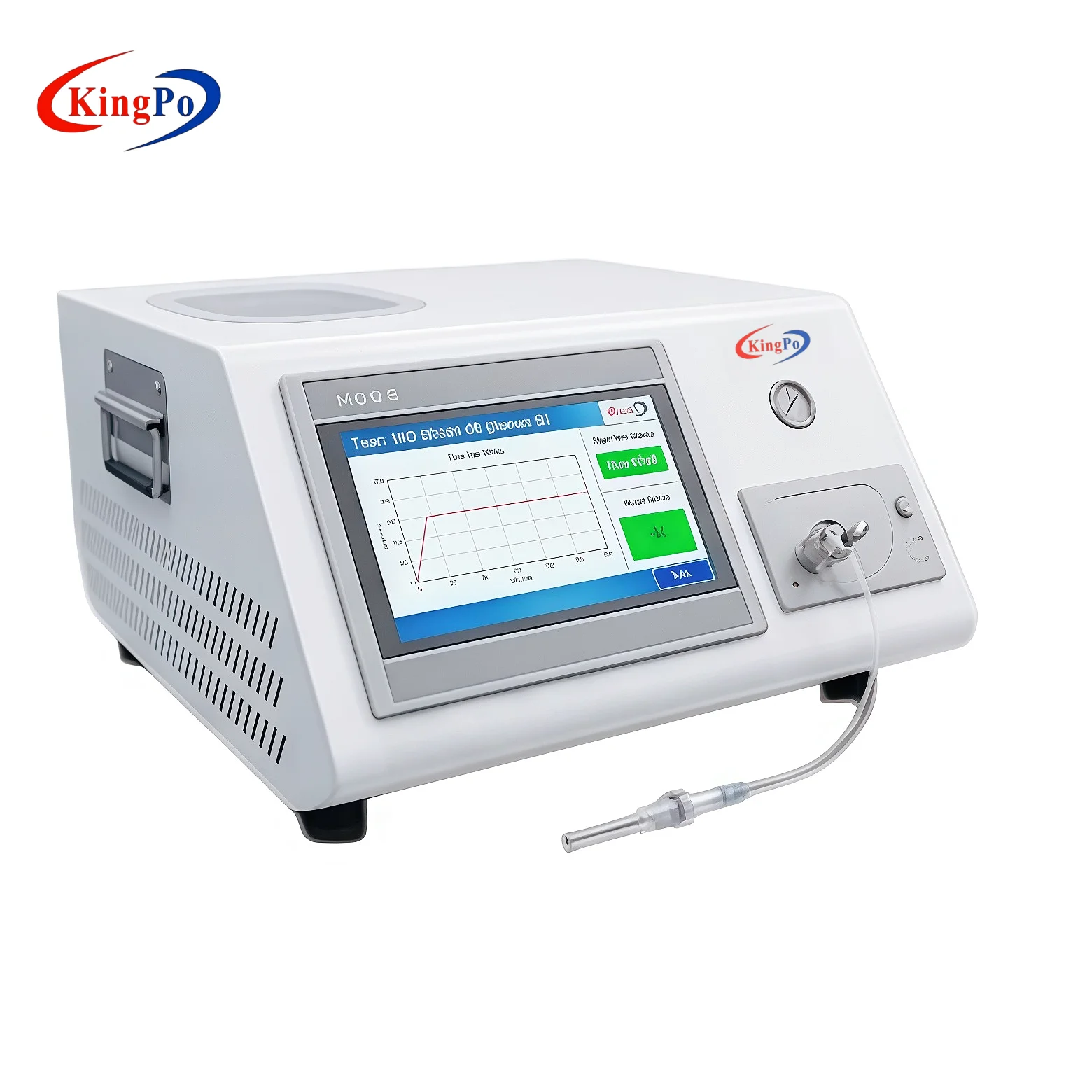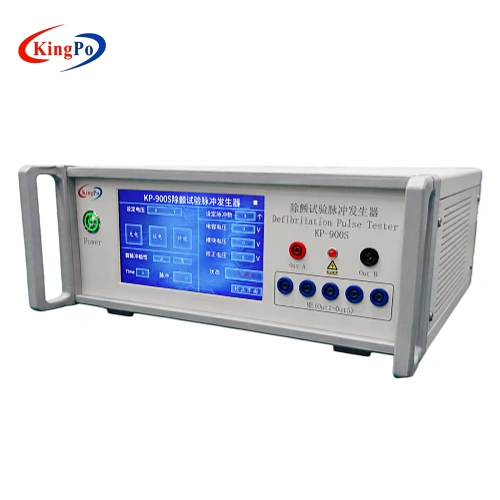
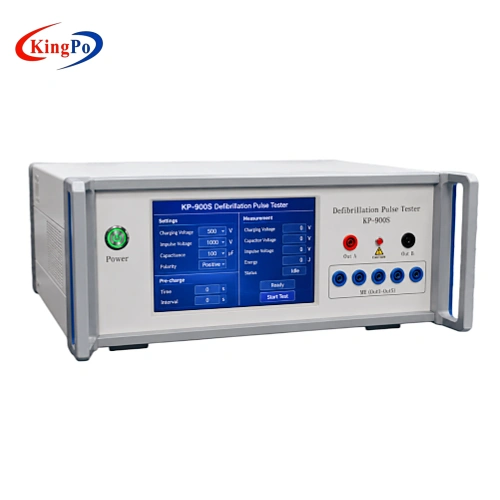
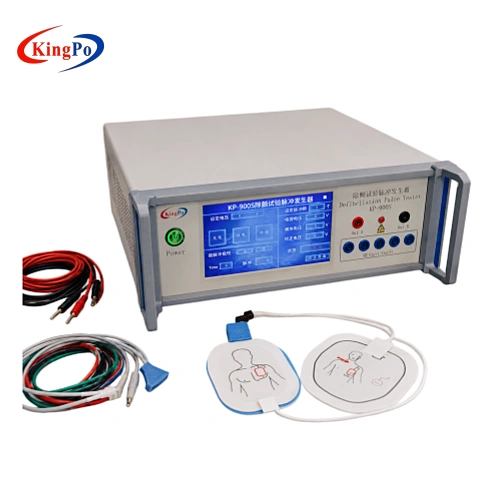
KP-900S Defibrillation Pulse Tester with touchscreen control and pulse output interface for IEC 60601-2-31 testing
IEC 60601-2-31 Defibrillation Pulse Tester KP-900S for external cardiac pacemaker defibrillation protection testing
Custom English front panel for IEC 60601-2-31 Defibrillation Pulse Tester with clear interface labeling
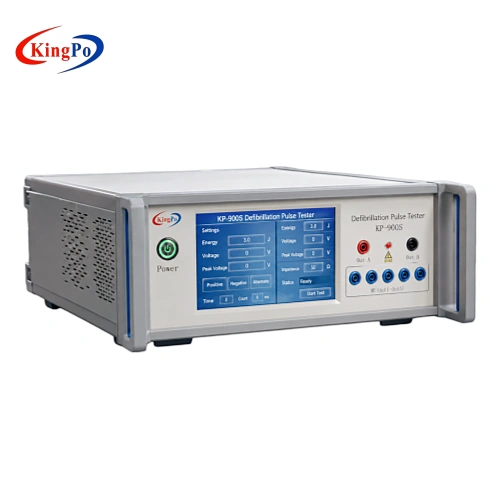
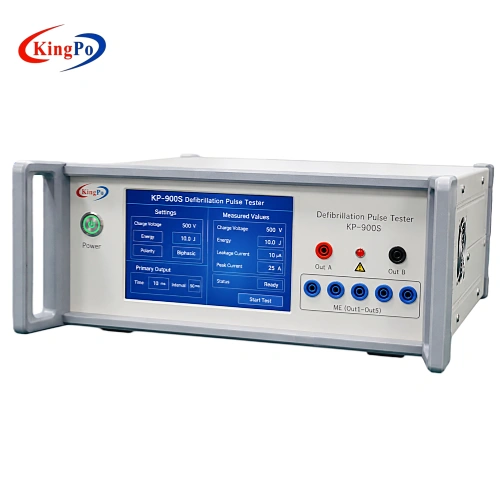
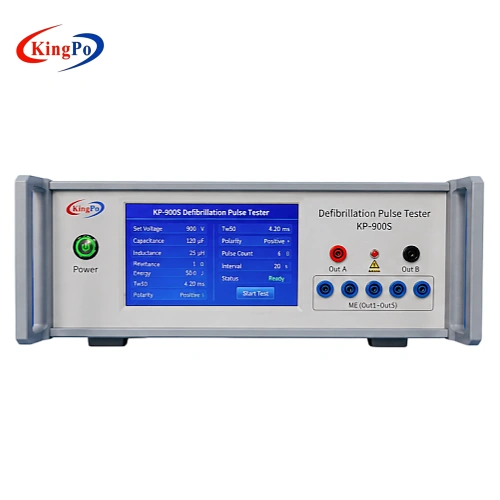
Front view of IEC 60601-2-31 Defibrillation Pulse Tester showing touchscreen interface and output terminals
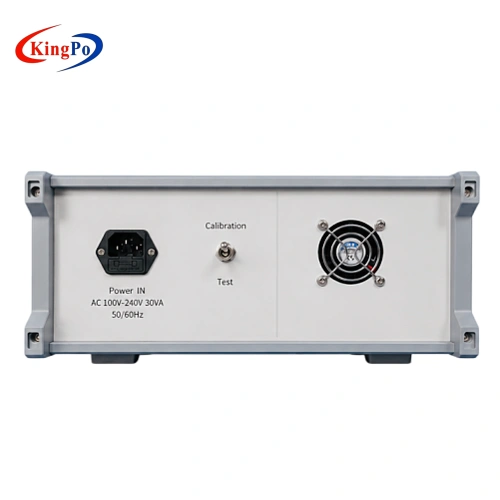
Back panel of IEC 60601-2-31 Defibrillation Pulse Tester with power input, calibration mode switch and cooling fan
KP-900S Defibrillation Pulse Tester with touchscreen control and pulse output interface for IEC 60601-2-31 testing
IEC 60601-2-31 Defibrillation Pulse Tester KP-900S for external cardiac pacemaker defibrillation protection testing
Custom English front panel for IEC 60601-2-31 Defibrillation Pulse Tester with clear interface labeling
Front view of IEC 60601-2-31 Defibrillation Pulse Tester showing touchscreen interface and output terminals
Back panel of IEC 60601-2-31 Defibrillation Pulse Tester with power input, calibration mode switch and cooling fan

IEC 60601-2-31 Defibrillation Pulse Tester

Designed for defibrillation protection testing of external cardiac pacemakers with internal power source. It generates standard defibrillation pulses through a controlled RCL discharge circuit and helps manufacturers and testing laboratories verify whether the pacemaker can maintain basic safety and essential performance after exposure to the required pulse sequence.

  • Model: KP-900S
  • Applicable standards: IEC 60601-2-31:2020 / YY 9706.231-2023
  • Test object: External cardiac pacemakers with internal power source
  • Test purpose: Defibrillation protection testing and pulse withstand verification
  • Pulse circuit: RCL discharge circuit
  • Maximum pulse voltage: 900 V
  • Energy range: 50 J to 55 J
  • Built-in test network: Three-chamber external pacemaker test network
  • Control interface: Touchscreen operation
  • Customization: Appearance, panel marking and interface labeling can be discussed

IEC 60601-2-31 Defibrillation Pulse Tester Overview

The IEC 60601-2-31 Defibrillation Pulse Tester is a professional laboratory instrument used to evaluate the defibrillation protection performance of external cardiac pacemakers with internal power source. During clinical use, an external cardiac pacemaker may be exposed to defibrillation pulses. Therefore, the device must be tested to confirm that it can continue to meet basic safety and essential performance requirements after the specified pulse exposure.

The KP-900S uses a controlled RCL discharge circuit to generate defibrillation pulse waveforms and applies them to the equipment under test through a built-in three-chamber external pacemaker test network. This integrated design helps laboratories perform repeatable defibrillation protection testing according to IEC 60601-2-31 and YY 9706.231 requirements.

This product is a laboratory testing instrument. It is not a clinical defibrillator, not a cardiac pacemaker and not intended for patient treatment.

Applicable Standards and Test Method

The KP-900S is designed for IEC 60601-2-31:2020 and YY 9706.231-2023 related defibrillation protection testing of external cardiac pacemakers with internal power source. It supports standard pulse generation, polarity sequence testing and connection through the built-in three-chamber test network.

During testing, the external cardiac pacemaker is connected to the test network according to the laboratory procedure. The operator sets the required voltage, pulse polarity and pulse count through the touchscreen interface. The instrument then charges the internal storage capacitor and discharges through the RCL circuit to generate the required defibrillation pulse waveform.

The final sample connection, test clause, acceptance criteria and post-test functional evaluation should follow the applicable standard version, product risk analysis and laboratory quality procedure.

Technical Specifications

Detailed Pulse and Waveform Test Parameters

The following pulse output and waveform parameters are based on the KP-900S specification for IEC 60601-2-31 and YY 9706.231 defibrillation protection testing. Final test setup, polarity sequence, sample connection method and verification documentation can be reviewed according to the customer’s external cardiac pacemaker type, applicable standard version and laboratory procedure.

Standard and Test Scope

Category Specification Notes
Product model KP-900S Defibrillation pulse tester
Applicable standards IEC 60601-2-31:2020 / YY 9706.231-2023 For external cardiac pacemaker defibrillation protection testing
Test object External cardiac pacemakers with internal power source EUT connection should follow laboratory procedure
Test purpose Defibrillation protection testing Verifies pulse withstand performance after exposure
Built-in test network Three-chamber external pacemaker test network Designed for the required test setup
Operation mode Test mode / calibration mode For routine testing and voltage verification

Pulse Output and Waveform Parameters

Parameter Specification Professional Notes
Pulse test circuit RCL discharge circuit Standard pulse generation circuit
Capacitance 120 μF ±5% Energy storage component
Inductance 25 μH ±5% Pulse waveform shaping component
Resistance condition R_L + R = 1 Ω ±5% Combined resistance condition of the discharge circuit
Maximum pulse voltage 900 V Tolerance: +2.5% / -0%
Energy range 50 J to 55 J Defibrillation pulse energy range
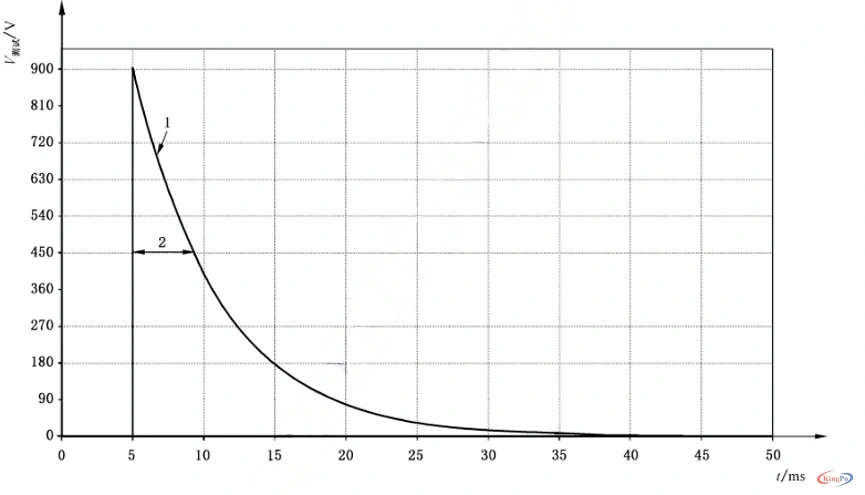
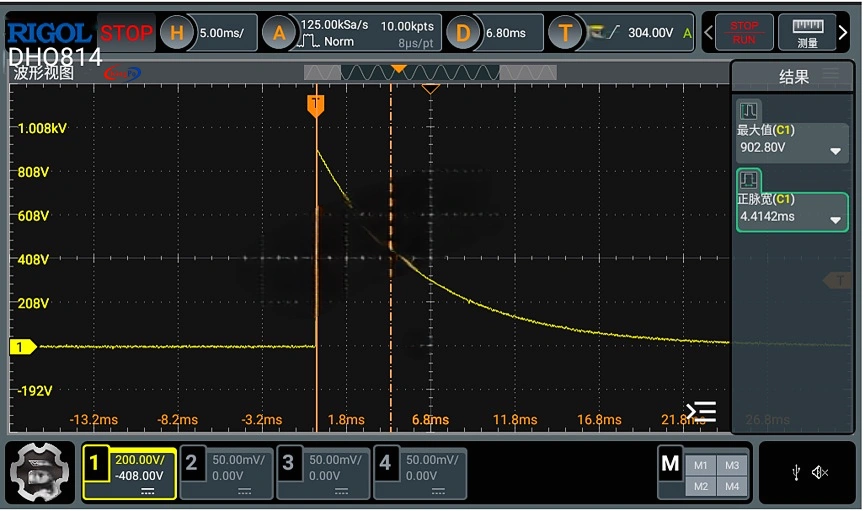
Waveform timing Tw50: 4.05 ms to 4.6 ms Time above 50% of peak voltage
Pulse polarity Positive / negative polarity selectable First pulse polarity can be set
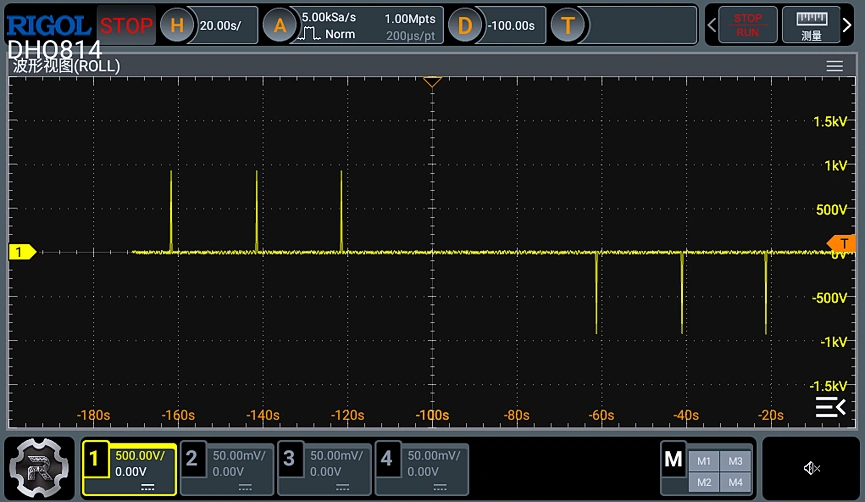
Pulse sequence 3 pulses of one polarity at 20–25 s intervals, ≥60 s pause, then 3 pulses of opposite polarity Standard sequence for defibrillation protection testing
Test cycles 1–999 times Programmable test count
iec-60601-2-31-defibrillation-pulse-tester-features-poster-bottom
KP-900S with RCL waveform and key pulse test parameters

Instrument Configuration

Item Specification Notes
Control interface Touchscreen operation Parameter setting and status monitoring
Pulse output terminals OutA / OutB Pulse waveform output terminals
Test network interface ME interface, Out1–Out5 For three-chamber external pacemaker test network
Status indication High-voltage output indicator Helps identify output status during testing
Power supply AC 220 V ±10%, 50/60 Hz standard configuration Laboratory power configuration
Power consumption <30 W Low power benchtop design
Dimensions 480 × 460 × 200 mm Laboratory benchtop structure
Weight Approx. 20 kg Suitable for fixed laboratory use
Customization Appearance, panel marking, interface labeling and logo position can be discussed Must not affect standard-required waveform performance

Technical Note : For IEC 60601-2-31 compliance testing, the RCL discharge circuit, pulse voltage, energy range, waveform timing, polarity sequence and built-in three-chamber test network should remain aligned with the applicable standard requirements. Appearance, panel marking, interface labeling, logo position or language display can be discussed according to customer laboratory needs, but such customization should not affect the standard-required pulse waveform, internal circuit parameters, safety protection design or verification performance.

Before formal testing, users should confirm the applicable standard version, test clause, sample connection method and waveform verification requirements. For laboratory quality control, regular verification of output voltage, pulse polarity, waveform timing and test network integrity is recommended.

Testing Principle

External cardiac pacemakers with internal power source may be exposed to defibrillation pulses during patient treatment. The IEC 60601-2-31 Defibrillation Pulse Tester uses an RCL discharge circuit to generate a controlled defibrillation pulse with defined voltage, energy and waveform timing.

The pulse is applied to the pacemaker under test through the built-in three-chamber external pacemaker test network. The test evaluates whether the pacemaker can maintain basic safety and essential performance after exposure to the required pulse sequence. By controlling pulse voltage, polarity, interval and test count, the KP-900S provides a repeatable method for defibrillation protection verification in medical device laboratories.

Built-in Test Network and Output Interface

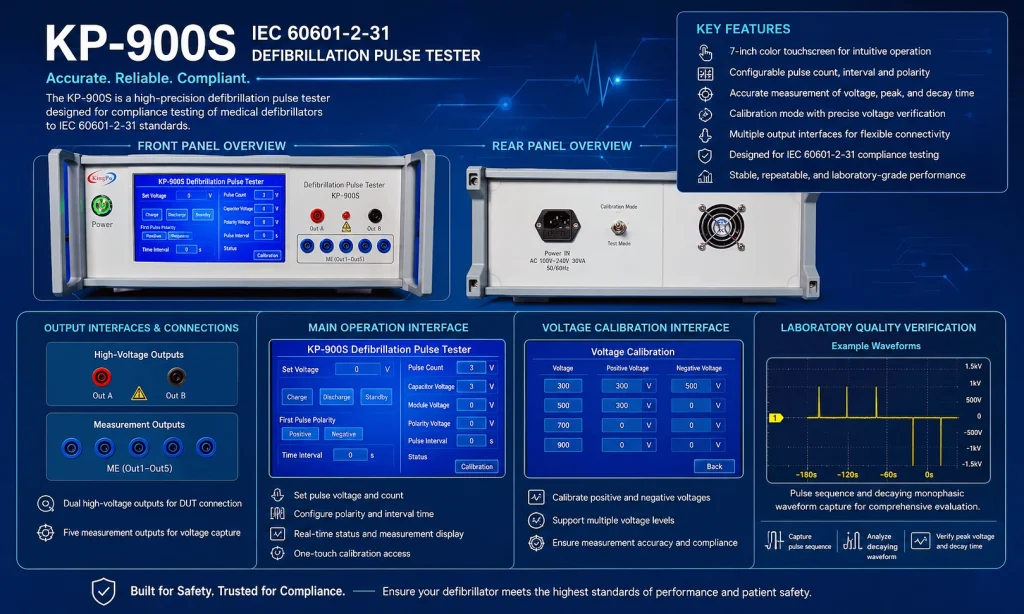
KP-900S IEC 60601-2-31 Defibrillation Pulse Tester showing front panel, rear panel, output interfaces, operation screen and voltage calibration interface
Interface overview with output terminals, calibration screen and test network connection.

The KP-900S integrates a built-in three-chamber external pacemaker test network for IEC 60601-2-31 related defibrillation protection testing. This helps reduce the need for additional external test network assembly and supports a more consistent laboratory setup.

The front panel includes the touchscreen interface, power switch, pulse output terminals, ME test network interfaces and high-voltage status indication. Operators can set test voltage, pulse polarity and pulse count, then monitor charging, discharging, pulse output and instrument status during the test process.

Key Features

The IEC 60601-2-31 Defibrillation Pulse Tester provides a dedicated RCL discharge circuit for external cardiac pacemaker defibrillation protection testing. It supports 900 V pulse output, 50 J to 55 J energy range, Tw50 waveform timing and selectable positive or negative pulse polarity.

The instrument integrates touchscreen operation, built-in three-chamber test network, pulse count setting, test mode, calibration mode and high-voltage output indication in one benchtop system. Its structure is suitable for medical device manufacturers, testing laboratories and quality inspection organizations that require repeatable IEC 60601-2-31 pulse testing.

Applications and Laboratory Use

The KP-900S is suitable for external cardiac pacemaker manufacturers, medical device testing laboratories, quality inspection institutions, R&D organizations and regulatory compliance teams.

Engineer operating KP-900S IEC 60601-2-31 Defibrillation Pulse Tester in a medical electrical safety laboratory
KP-900S Defibrillation Pulse Tester in laboratory operation.

Typical applications include defibrillation protection type testing, product development verification, sample comparison testing, production quality control, incoming inspection support and compliance preparation for external cardiac pacemakers with internal power source.

This product should not be used for defibrillation electrode performance testing. For disposable defibrillation electrodes or multifunction electrode performance evaluation, a different IEC 60601-2-4 related test system should be used.

Operation and Safety Notes

Before testing, users should confirm the applicable IEC 60601-2-31 or YY 9706.231 version, test clause, sample connection method, test voltage and pulse sequence requirement. The external cardiac pacemaker should be connected to the built-in test network according to the laboratory procedure before the pulse test starts.

Because the instrument generates high-voltage defibrillation pulses, it should only be operated by trained personnel in a controlled laboratory environment. Operators should confirm grounding, cable connection, output terminal condition, warning indicators and emergency safety procedures before testing.

The instrument is intended for laboratory testing only. It must not be connected to a patient or used for clinical defibrillation, pacing or treatment.

Calibration and Waveform Verification

  • The KP-900S includes calibration mode for voltage verification and routine laboratory quality control. Users can verify output voltage, pulse polarity, pulse sequence and waveform timing according to the applicable calibration or verification procedure.
  • Regular verification of the RCL discharge circuit, high-voltage output, waveform timing and built-in test network helps maintain repeatable defibrillation pulse test results. Calibration records, waveform verification records and inspection documentation can support laboratory quality management and compliance testing.

Download the KP-900S IEC 60601-2-31 Defibrillation Pulse Tester catalogue, including product overview, technical specifications and waveform reference.

Download Catalogue

Technical Inquiry & Expert Support

KingPo supplies the IEC 60601-2-31 Defibrillation Pulse Tester for defibrillation protection testing of external cardiac pacemakers with internal power source. Our engineering team can help review whether the KP-900S configuration matches your IEC 60601-2-31 test clause, sample connection method, waveform verification requirement and laboratory setup.

Please Provide the Following Information

  • Applicable standard: IEC 60601-2-31:2020, YY 9706.231-2023 or internal test procedure
  • Test object: External cardiac pacemaker with internal power source
  • Related clause: Defibrillation protection test requirement, such as IEC 60601-2-31:2020
  • Test requirement: RCL pulse test, polarity sequence, pulse count or waveform verification condition
  • Connection requirement: Built-in three-chamber test network or special sample connection need
  • Power supply: Required voltage and frequency for your laboratory
  • Documentation: Calibration record, waveform verification record, inspection report, user manual or other quality document
  • Customization needs: Appearance, front panel labeling, interface marking, logo position, language display, packaging or special laboratory layout requirement

Based on this information, KingPo can provide configuration suggestions, documentation support and quotation for your IEC 60601-2-31 Defibrillation Pulse Tester project.

Referenced Standards

* IEC 60601-2-31:2020 — Part 2-31: Particular requirements for the basic safety and essential performance of external cardiac pacemakers with internal power source

Defibrillation Pulse Tester Detail Display

IEC 60601-2-31 Defibrillation Pulse Tester FAQs

What is the IEC 60601-2-31 Defibrillation Pulse Tester used for?
The IEC 60601-2-31 Defibrillation Pulse Tester is used for defibrillation protection testing of external cardiac pacemakers with internal power source. It generates controlled defibrillation pulses and helps verify whether the pacemaker can maintain basic safety and essential performance after exposure to the required pulse sequence.
What is the test object of the KP-900S?
The KP-900S is mainly used for external cardiac pacemakers with internal power source. It is not intended for testing disposable defibrillation electrodes or multifunction defibrillation electrodes. Those products require a different IEC 60601-2-4 related electrode performance test system.
Which standards does this instrument support?
The instrument is designed for IEC 60601-2-31:2020 and YY 9706.231-2023 related defibrillation protection testing. The final test procedure should be confirmed according to the applicable standard version, test clause, sample type and laboratory quality system.
What pulse circuit is used in this tester?
The tester uses an RCL discharge circuit. The key circuit parameters include C = 120 μF ±5%, L = 25 μH ±5% and R_L + R = 1 Ω ±5%. This circuit is used to generate the required defibrillation pulse waveform for external cardiac pacemaker testing.
What is the maximum pulse voltage?
The maximum pulse voltage is 900 V, with a tolerance of +2.5% / -0%. Users should confirm the required voltage setting and waveform verification procedure according to the applicable IEC 60601-2-31 or YY 9706.231 test requirement.
What is the energy range of the defibrillation pulse?
The pulse energy range is 50 J to 55 J. The waveform timing parameter Tw50 is 4.05 ms to 4.6 ms, which represents the time interval during which the test voltage remains above 50% of the maximum value.
Does the tester include a built-in test network?
Yes. The KP-900S includes a built-in three-chamber external pacemaker test network. The front panel provides ME test network interfaces and pulse output terminals, helping laboratories connect the EUT and perform the required defibrillation protection test more conveniently.
Can the pulse polarity and test count be set?
Yes. The instrument supports positive and negative pulse polarity setting and programmable test cycles from 1 to 999 times. Operators can set the required voltage, polarity and pulse count through the touchscreen interface according to the test procedure.
Can the appearance or front panel be customized?
Yes. The instrument appearance, front panel labeling, interface marking, logo position, language display and packaging details can be discussed according to customer laboratory requirements. The core RCL circuit and waveform performance should remain aligned with the applicable standard requirements.
What information should be provided before quotation?
Please provide the applicable standard, test object, related clause, sample connection requirement, pulse test requirement, power supply, documentation needs and any appearance customization request. This helps KingPo confirm the suitable configuration and prepare a quotation for your IEC 60601-2-31 test project.

Related Products

Related News

DENG Sha¹, ZHANG Chao², WU Shaohai¹    Corresponding author: FAN Xiang¹ Guangdong Institute of Medical Device Quality Supervision and Inspection, No. […]

Compare KP8850 ESU Analyzer and BC Biomedical ESU Analyzer for lab precision, clinical speed, compliance, and workflow. Find the right ESU analyzer for you.
KINGPO’s Electrosurgical Unit analyzer ensures ESU safety and IEC 60601-2-2 compliance with precise testing, supporting patient protection and regulatory needs.
Ensure ISO 14117 compliance for AIMDs by using a Defibrillation Test Pulse Generator to meet safety standards and document reliable defibrillation immunity testing.
Compare KP8850 and QA-ES III ESU Analyzers for accuracy, workflow, compliance, and usability to choose the right ESU Analyzer for your clinical or lab needs.

Conflict of Interest Disclosure: This is an independent, first-party engineering-style review based on Kingpo’s publicly available technical documentation (Tier 1) […]

Shan Chao 1 , Qiang Xiaolong 2 , Liu jiming 3 , Zhang Chao 3 . (1. Heilongjiang Institute for […]

Pulse voltage generators ensure ICT products meet safety standards, withstand surges, and deliver reliable performance during development and testing.
Scroll to Top

Get A Free Quote Now !

Contact Form
If you have any questions, please do not hesitate to contact us.