Technical Delivery Case · India
IP and IK Test Equipment Package Prepared for URS Products & Testing
IP and IK test equipment formed the core of this coordinated laboratory package prepared by KingPo for URS Products & Testing Pvt. Ltd. in India. The project combines equipment for access-protection checks, solid-object ingress, dust ingress, water ingress from IPX1 through IPX9K, mechanical impact testing from IK01 through IK10, and automotive rain exposure.
Rather than relying on one universal chamber, the project uses dedicated probes, water-test apparatus, immersion systems, environmental chambers and impact testers. Each test method can therefore be performed using the appropriate force, geometry, water flow, pressure, exposure pattern and specimen arrangement.
Project Overview
Customer
URS Products & Testing Pvt. Ltd.
Region
India
Test Coverage
IP, IK and automotive rain testing
Project Stage
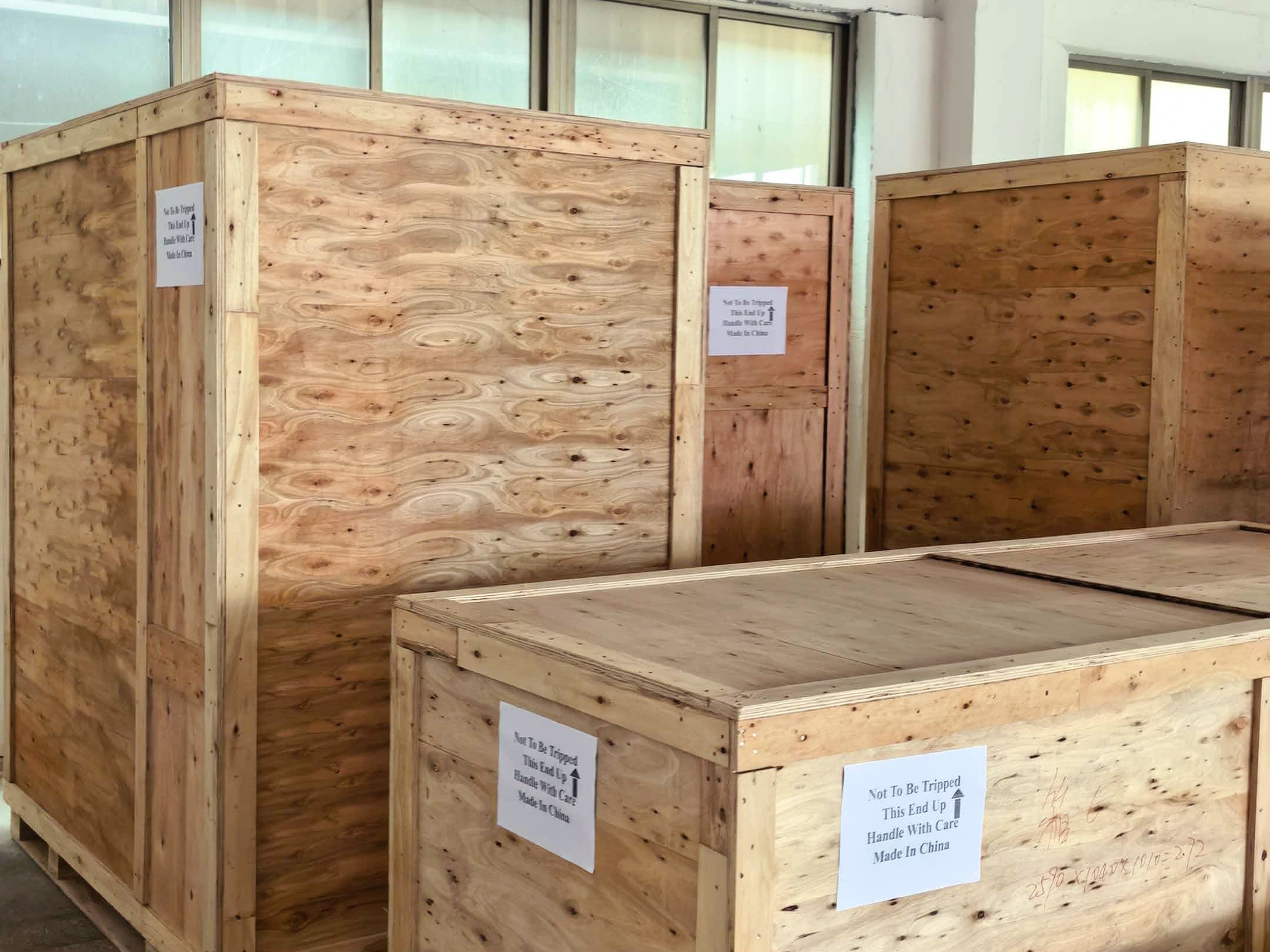
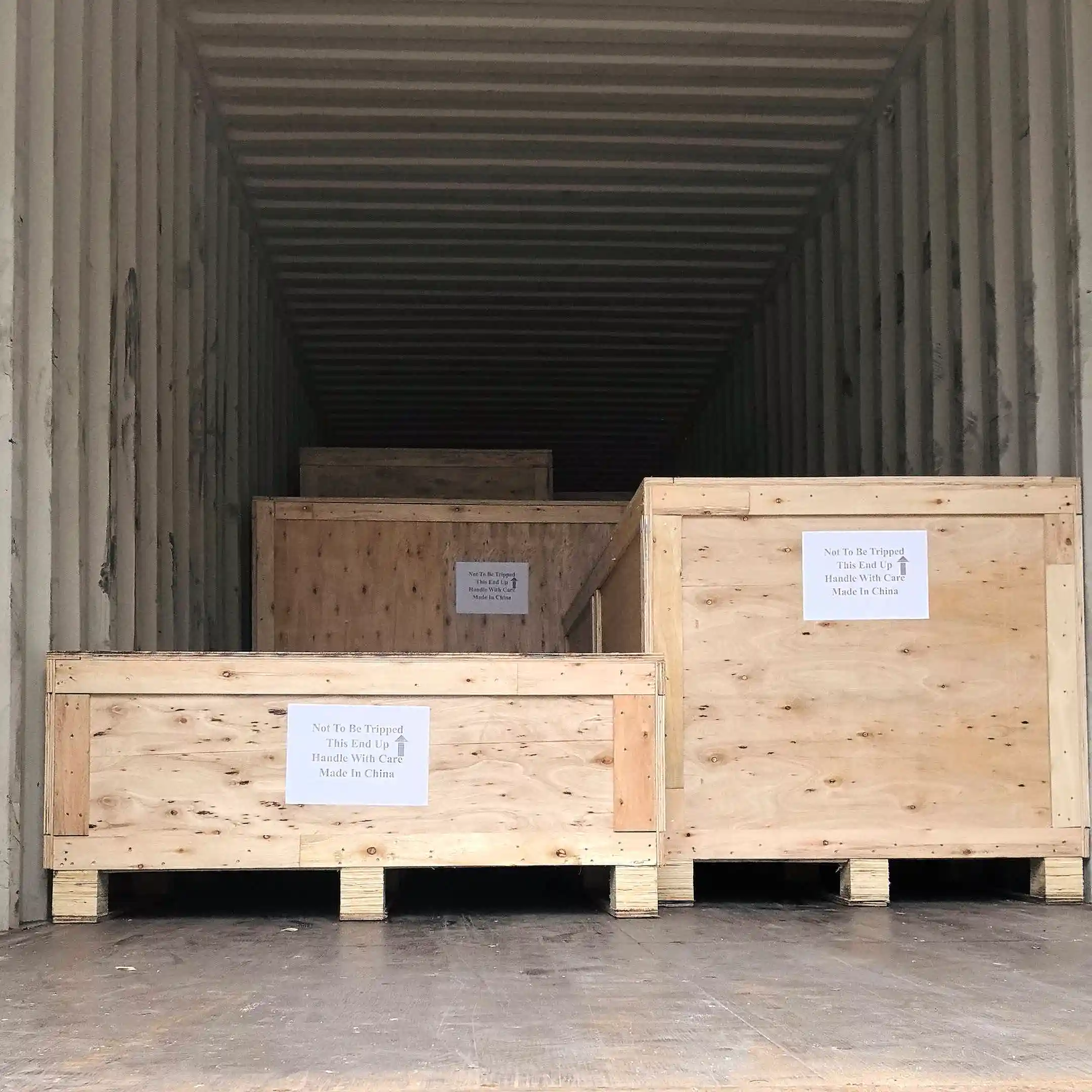
Packed and loaded for delivery
| Main Application | Laboratory evaluation of enclosure access protection, dust and water ingress protection, and resistance to external mechanical impact |
| Solid Protection Range | Access probes and solid-object tools associated with IP1X through IP4X, together with IP5X and IP6X dust testing |
| Water-Test Range | Dripping, spraying, splashing, water jets, temporary immersion, pressure-assisted immersion and high-pressure hot-water spray |
| Impact-Test Range | Lower- and higher-energy mechanical impact testing from IK01 through IK10 |
| Main Standards | IEC 61032, IEC 60529, IEC 60068-2-75 and the project-specified automotive rain-test method |
Customer Testing Requirement
Based on the selected equipment, the project was designed to give the laboratory broad coverage across several enclosure-protection methods. The configuration needed to support small reference-probe checks as well as larger environmental and mechanical test systems.
The required water-test range extended from controlled dripping and spray exposure to high-flow hose-nozzle testing, pressure-assisted immersion and severe high-pressure hot-water spray. A central water-control arrangement was therefore combined with several dedicated test devices.
Mechanical testing also required two different arrangements. Lower-energy impacts were assigned to a multi-energy spring hammer, while higher IK levels were covered by a separate pendulum impact system.
IP and IK Test Equipment Project Scope
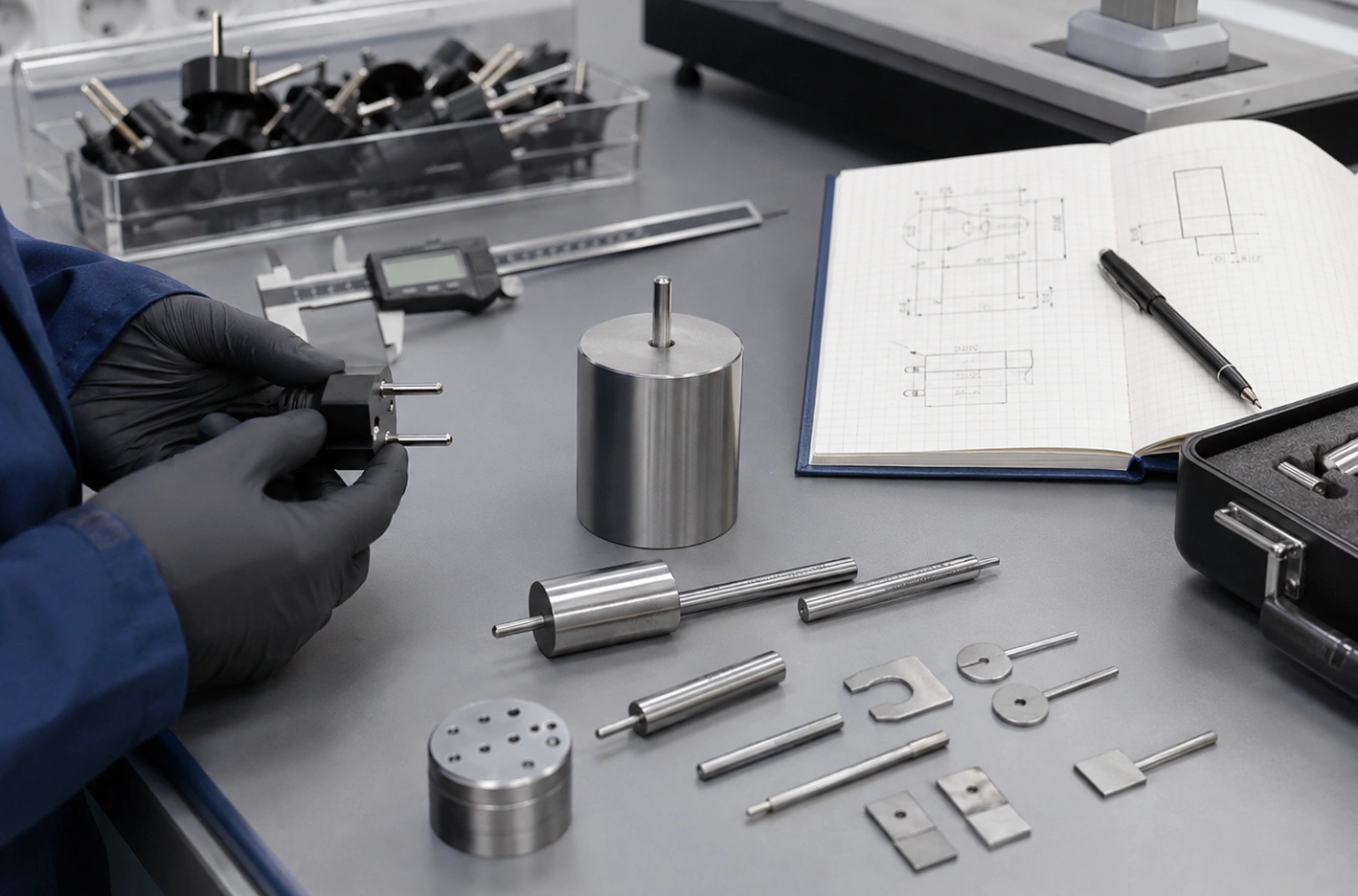
The project begins with tools used to evaluate whether a person, tool, wire or specified solid object can enter an enclosure or reach a hazardous part. The selected probe set includes a 50 mm sphere, a jointed test finger, a 12.5 mm sphere, a 2.5 mm test rod and a 1.0 mm test wire.
Dust ingress testing is handled by a dedicated IP5X/IP6X chamber using controlled talcum-powder circulation. Water ingress testing is divided between a drip box, oscillating tubes, a handheld spray nozzle, IPX5/IPX6 hose nozzles, immersion equipment and an IPX9K chamber.
Mechanical impact testing is performed independently from ingress testing. A spring-operated impact hammer covers the lower-energy range, while the pendulum system provides the arrangement required for higher impact energies.
A separate automotive rain chamber adds R1, R2, S1 and S2 rain and spray capabilities. Its spray arrangement differs from the IEC 60529 drip, oscillating-tube and hose-nozzle methods and must therefore be treated as an independent test system.
Delivered System Configuration
The package combines precision reference tools, standalone apparatus and full-size laboratory systems. The equipment names below link directly to the corresponding KingPo product or configuration pages.
| Test Area | Equipment | Laboratory Function |
|---|---|---|
| Access and solid-object protection | IEC 61032 and IEC 60529 test probes 50 mm sphere, jointed test finger, 12.5 mm sphere, 2.5 mm rod and 1.0 mm wire |
Assessment of enclosure openings, access to hazardous parts and entry by specified solid foreign objects |
| IK01–IK06 | IEC 60068-2-75 multi-energy spring impact hammer | Selectable lower-energy impacts from 0.14 J through 1.00 J |
| IK07–IK10 | KP-IK1000A pendulum impact tester | Higher-energy impact testing using a controlled pendulum arrangement |
| IP5X and IP6X | KP-DC1000A sand and dust test chamber | Controlled talcum-powder exposure for dust ingress evaluation |
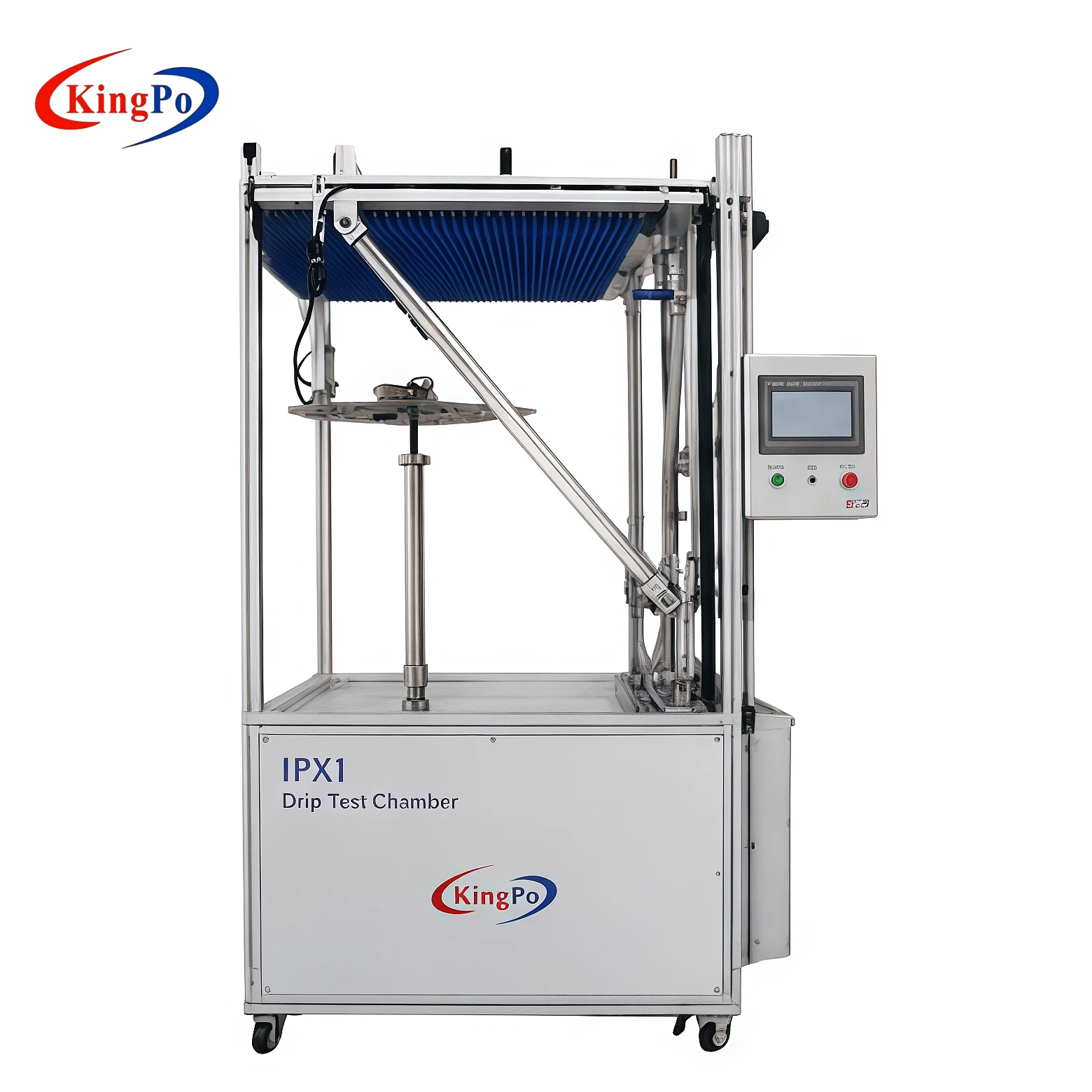
| IPX1 and IPX2 | IEC 60529 IPX1/IPX2 drip box | Vertical dripping and dripping-water exposure with the specimen inclined by 15° |
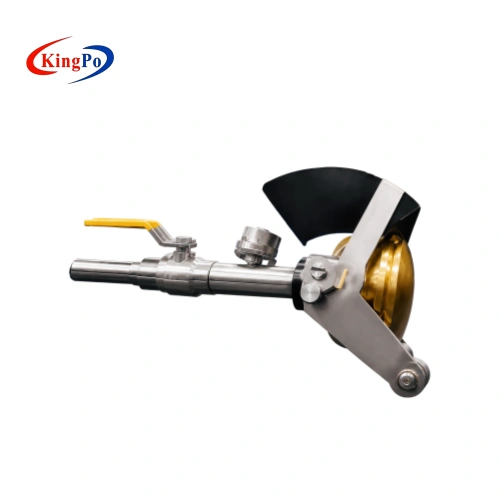
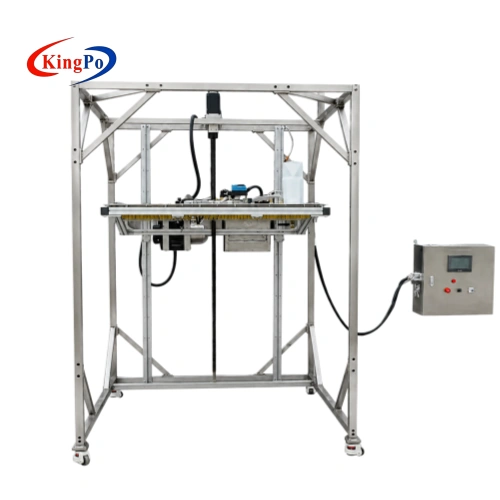
| IPX3 and IPX4 | Oscillating-tube rain spray system IEC 60529 handheld spray nozzle |
Two apparatus options for spraying and splashing tests, selected according to specimen size and accessibility |
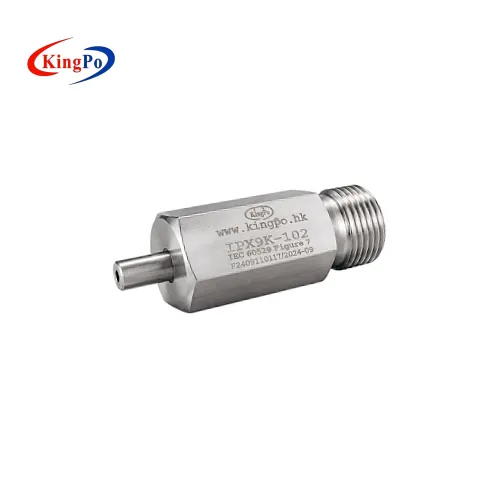
| IPX5 and IPX6 | IEC 60529 IPX5/IPX6 hose nozzles | Controlled water-jet testing through 6.3 mm and 12.5 mm nozzles |
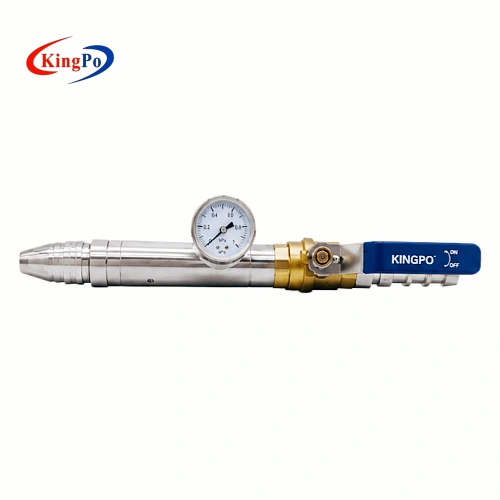
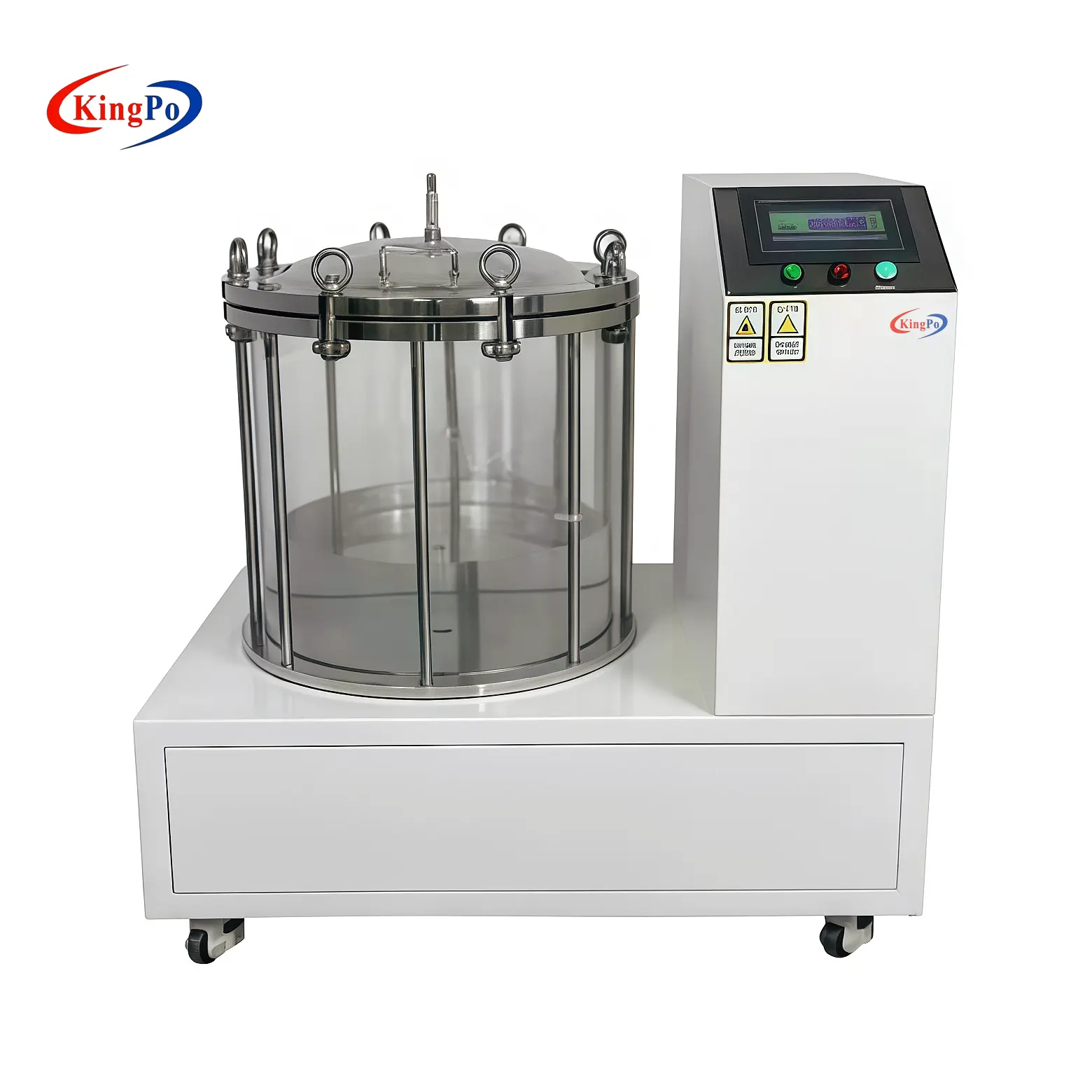
| IPX7 and IPX8 | IPX7/IPX8 water immersion test system | Temporary immersion and pressure-assisted continuous immersion under the defined test conditions |
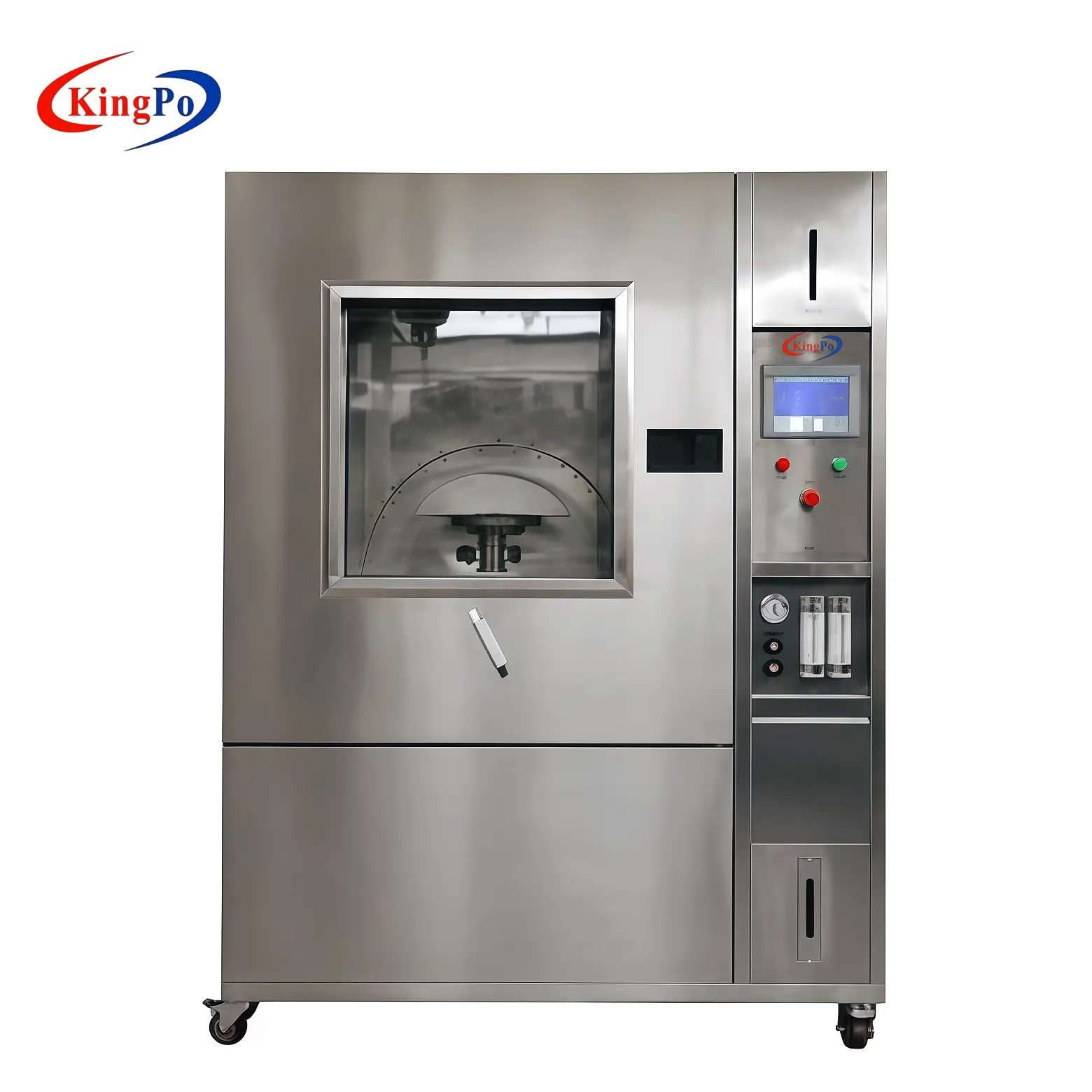
| IPX9K | IPX9K-1000B water spray test chamber | High-pressure and high-temperature water-spray exposure |
| Automotive rain and spray | Automotive rain spray test chamber | Project-configured R1, R2, S1 and S2 rain and spray exposure |
The linked pages provide product-family references. Exact dimensions, accessories, control functions and electrical requirements remain subject to the final project configuration.
Key Technical Parameters
The following values summarize the principal configuration points recorded for the project. They explain the supplied scope but do not replace the applicable standard, operating instructions or final technical agreement.
| Equipment or Test Function | Project Configuration |
|---|---|
| Access and solid-object probes | 50 mm sphere, 12 mm jointed test finger, 12.5 mm sphere, 2.5 mm test rod and 1.0 mm test wire. The applicable probe and test force depend on the specific access or ingress requirement. |
| Spring impact hammer | Selectable impact energies of 0.14 J, 0.20 J, 0.35 J, 0.50 J, 0.70 J and 1.00 J |
| Dust test chamber | Internal test space of 1000 × 1000 × 1000 mm, talcum-powder dosage of 2 kg/m³ and air velocity below 2 m/s |
| Water-control system | Separate low- and high-flow pumps, digital flow measurement, six stainless-steel water-supply routes and water filtration |
| IPX1/IPX2 drip box | Drip area of 1000 × 1000 mm. The configuration supports 1 mm/min for IPX1 and 3 mm/min with four specimen positions inclined by 15° for IPX2. |
| IPX3/IPX4 oscillating tubes | Tube radii of 200, 400, 600, 800 and 1000 mm, allowing the laboratory to select an appropriate tube for different specimen dimensions |
| IPX3/IPX4 handheld nozzle | Brass spray head with 121 holes of 0.5 mm and an aluminium moving shield |
| IPX5/IPX6 hose nozzles | 6.3 mm nozzle at 12.5 L/min for IPX5 and 12.5 mm nozzle at 100 L/min for IPX6 |
| IPX8 pressure vessel | Pressure range of 0.01–0.5 MPa with configurable test duration. The required pressure and exposure time must be defined by the applicable product requirement. |
Why the Project Uses Multiple Test Apparatus
Oscillating tube and handheld spray nozzle
Both apparatus can support IPX3/IPX4 testing, but the appropriate method depends on specimen size, geometry and mounting. The handheld nozzle provides a practical alternative for large, fixed or irregularly shaped enclosures that cannot be exposed effectively within an oscillating tube.
Both apparatus can support IPX3/IPX4 testing, but the appropriate method depends on specimen size, geometry and mounting. The handheld nozzle provides a practical alternative for large, fixed or irregularly shaped enclosures that cannot be exposed effectively within an oscillating tube.
Separate IPX7 and IPX8 arrangements
IPX7 uses temporary immersion under defined conditions. IPX8 requires continuous immersion under conditions specified for the product or agreed by the relevant parties, which is why the pressure-controlled vessel is separate from the open immersion tank.
IPX7 uses temporary immersion under defined conditions. IPX8 requires continuous immersion under conditions specified for the product or agreed by the relevant parties, which is why the pressure-controlled vessel is separate from the open immersion tank.
Two mechanical impact systems
Lower-energy spring hammer tests and higher-energy pendulum tests use different striking mechanisms. Separate apparatus allows the laboratory to apply the required impact energy using the appropriate test arrangement.
Lower-energy spring hammer tests and higher-energy pendulum tests use different striking mechanisms. Separate apparatus allows the laboratory to apply the required impact energy using the appropriate test arrangement.
Independent automotive rain testing
The automotive rain chamber uses a dedicated spray arrangement for R1, R2, S1 and S2 conditions. These profiles should be reviewed separately from the general IEC 60529 dripping, spraying and water-jet methods.
The automotive rain chamber uses a dedicated spray arrangement for R1, R2, S1 and S2 conditions. These profiles should be reviewed separately from the general IEC 60529 dripping, spraying and water-jet methods.
Applicable Standards and Test Boundaries
The package supports several related standards, but each standard serves a different purpose. They should not be combined into one general compliance statement.
| Standard | Application in This Project |
|---|---|
| IEC 61032 | Access probes used to assess protection of persons and equipment against access to hazardous parts |
| IEC 60529 | Enclosure classifications and test methods covering access, solid-object ingress, dust ingress and water ingress |
| IEC 60068-2-75 | Hammer-test arrangements used to evaluate resistance to external mechanical impact |
| Automotive rain-test method | Project-specified R1, R2, S1 and S2 rain or spray exposure for vehicle-related components and assemblies |
The applicable product standard remains decisive
An IP or IK code does not define every test condition. The relevant product standard may also specify specimen operation, mounting, preconditioning, test locations, post-test inspection and electrical safety checks.
An IP or IK code does not define every test condition. The relevant product standard may also specify specimen operation, mounting, preconditioning, test locations, post-test inspection and electrical safety checks.
Recommended Laboratory Workflow
- Confirm the applicable standard, edition, required test level and acceptance criteria.
- Record the specimen dimensions, mass, mounting position and operating condition.
- Select the correct access probe or solid-object tool and confirm the required test force.
- Choose the dust, drip, oscillating-tube, handheld nozzle, hose-nozzle, immersion or IPX9K apparatus required for the specified test.
- Verify flow, pressure, temperature, exposure time, nozzle distance, oscillation angle and specimen position before testing.
- Select the appropriate hammer type, impact energy, striking element and impact locations for mechanical impact testing.
- Complete the required visual, functional, dielectric or other product-specific assessments after exposure.
Laboratory Setup and Utility Requirements
A package of this scale requires advance planning for utilities, equipment access and specimen handling. The laboratory layout should be reviewed before the larger systems are positioned.
Electrical supply
Confirm the required voltage, phase, frequency, circuit capacity, grounding and local isolation for each powered system.
Confirm the required voltage, phase, frequency, circuit capacity, grounding and local isolation for each powered system.
Water supply and drainage
Provide adequate water flow, storage, filtration and drainage. Water quality should also be considered to reduce nozzle blockage, contamination and scale buildup.
Provide adequate water flow, storage, filtration and drainage. Water quality should also be considered to reduce nozzle blockage, contamination and scale buildup.
Equipment access and floor loading
Check doorway dimensions, transport routes, lifting arrangements and floor-loading capacity before delivery. Larger chambers and pressure vessels may require dedicated moving equipment.
Check doorway dimensions, transport routes, lifting arrangements and floor-loading capacity before delivery. Larger chambers and pressure vessels may require dedicated moving equipment.
Operating clearance
Allow sufficient space for chamber doors, oscillating tubes, rotating tables, specimen loading, handheld nozzle operation, inspection and routine maintenance.
Allow sufficient space for chamber doors, oscillating tubes, rotating tables, specimen loading, handheld nozzle operation, inspection and routine maintenance.
Information Required for Similar Projects
Before a similar IP and IK test equipment package is configured, the laboratory should provide the following information:
- Applicable standards, editions and required IP or IK levels
- Specimen dimensions, mass and enclosure material
- Required mounting direction and accessible test surfaces
- Whether the specimen must remain energized or operating during exposure
- Turntable diameter, load capacity and rotation requirements
- Required immersion depth, IPX8 pressure and exposure duration
- Available electrical supply, water source, filtration and drainage
- Room dimensions, doorway size, access routes and floor-loading limits
- Calibration, documentation, reporting and spare-parts requirements
Laboratories comparing different configurations can also review KingPo’s IP protection rating test equipment selection guide before defining the final project scope.
Documentation and Calibration Planning
For a multi-equipment laboratory project, the documentation scope should be agreed before delivery. Relevant records may include operation manuals, electrical drawings, installation layouts, equipment identification information, maintenance instructions and recommended spare-parts lists.
Calibration and verification requirements should be defined by measurement parameter rather than by equipment name alone. Depending on the apparatus, the laboratory may require records for:
- Probe dimensions and applied force
- Drip rate and water flow rate
- Water pressure and immersion pressure
- Water temperature
- Exposure time and rotation speed
- Oscillation angle and nozzle dimensions
- Impact energy and striking-element dimensions
Define the required records during the project stage
Calibration points, certificate type, report language, equipment identification and issuing laboratory should be confirmed before the equipment reaches the customer’s facility.
Calibration points, certificate type, report language, equipment identification and issuing laboratory should be confirmed before the equipment reaches the customer’s facility.
Engineering Notes for Similar Laboratories
Do not select equipment from the rating code alone
Products with the same nominal IP or IK rating may require different chamber sizes, tube radii, turntable capacities, nozzle access, mounting arrangements or powered-test connections.
Products with the same nominal IP or IK rating may require different chamber sizes, tube radii, turntable capacities, nozzle access, mounting arrangements or powered-test connections.
Confirm the product-specific test conditions
The general IP or IK method may be supplemented by a product standard that defines specimen operation, mounting, preconditioning, impact locations and post-test assessment.
The general IP or IK method may be supplemented by a product standard that defines specimen operation, mounting, preconditioning, impact locations and post-test assessment.
Distinguish IPX9 and IPX9K requirements
Terminology and test conditions depend on the referenced standard and product sector. Pressure, temperature, flow, spray angle, distance and exposure duration should all be confirmed before equipment selection.
Terminology and test conditions depend on the referenced standard and product sector. Pressure, temperature, flow, spray angle, distance and exposure duration should all be confirmed before equipment selection.
Plan periodic verification
Flow meters, pressure instruments, temperature sensors, timers, dimensional probes and impact equipment should be included in the laboratory’s maintenance, verification and recalibration program.
Flow meters, pressure instruments, temperature sensors, timers, dimensional probes and impact equipment should be included in the laboratory’s maintenance, verification and recalibration program.
Frequently Asked Questions
Planning an IP and IK Test Equipment Project?
Send KingPo the applicable standards, specimen dimensions, required protection levels, operating conditions, laboratory layout and calibration requirements. The proposed configuration can then be reviewed against the actual testing workflow rather than selected only by the rating code.