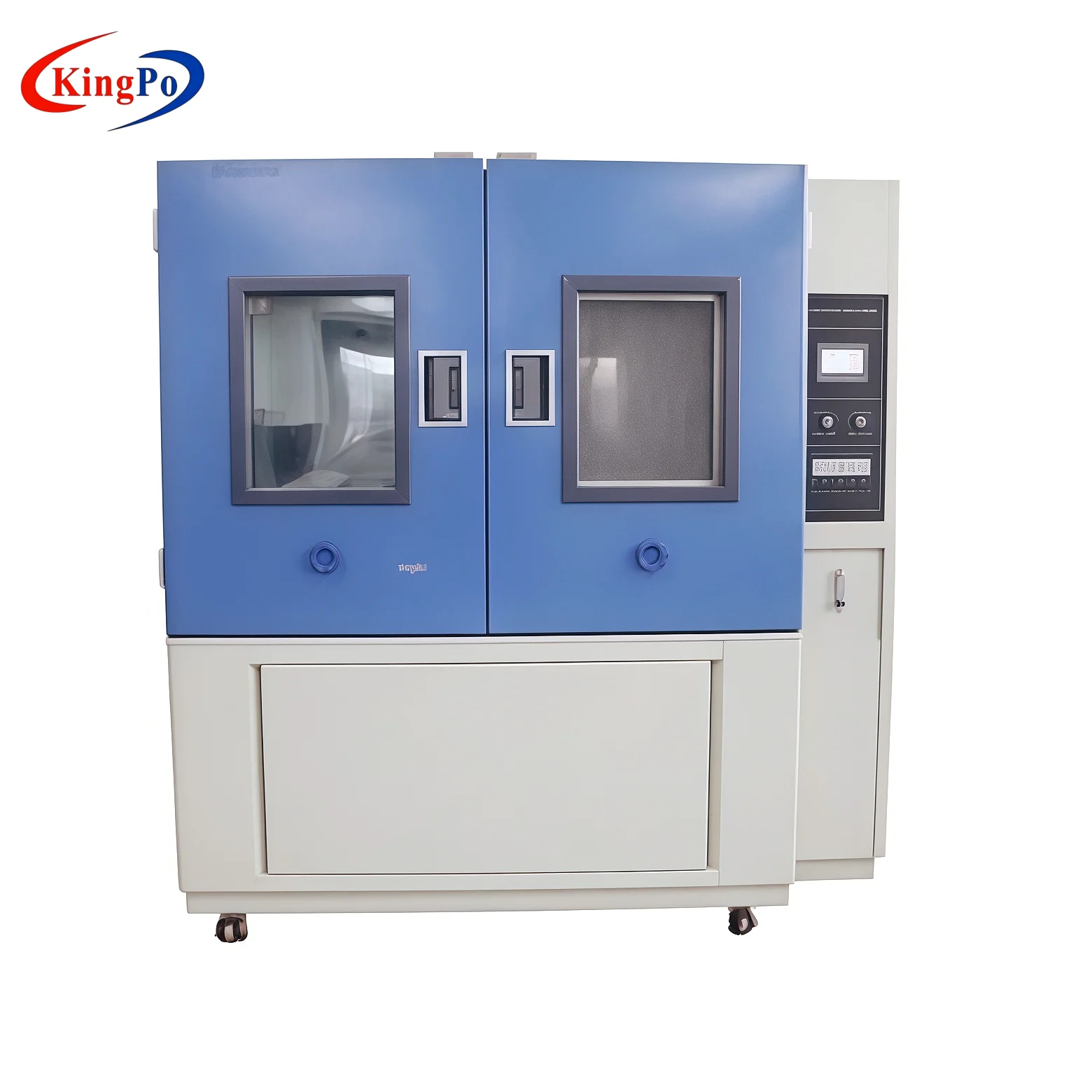
The nozzle is the heart of the IPX9K test setup, directly influencing water flow, pressure, and spray patterns. According to IEC 60529, nozzles must adhere to precise dimensions outlined in Figures 7 through 9 to replicate real-world high-pressure scenarios accurately.
Nozzle Dimension Comparison Table
| Dimension Feature | Standard Value | Tolerance | Why It Matters |
|---|---|---|---|
| Orifice Diameter | ~2.5-3 mm (typical) | ±0.01 mm | Controls flow rate and pressure drop |
| Overall Length | ~13.33 mm | ±0.04 mm | Ensures consistent jet formation |
| Radius (e.g., R0.75) | 0.75 mm | ±0.01 mm | Affects spray pattern uniformity |
| Surface Finish | Polished Stainless Steel | No burrs | Prevents clogging and uneven distribution |
- Spray Parameters: Tests require angles at 0°, 30°, 60°, and 90° with a flow rate of 14-16 liters per minute and pressure between 8-10 MPa (80-100 bar). Any deviation, such as using oversized nozzles, can skew results by altering impact force.
Failing to calibrate nozzles through third-party verification is a frequent error, often driven by budget constraints. This not only invalidates the test but also risks product failures in harsh environments like vehicle undercarriages or outdoor electronics.
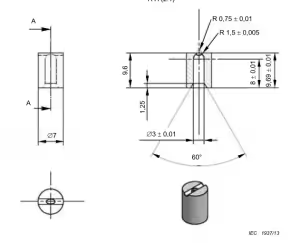
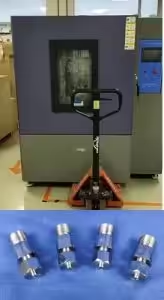
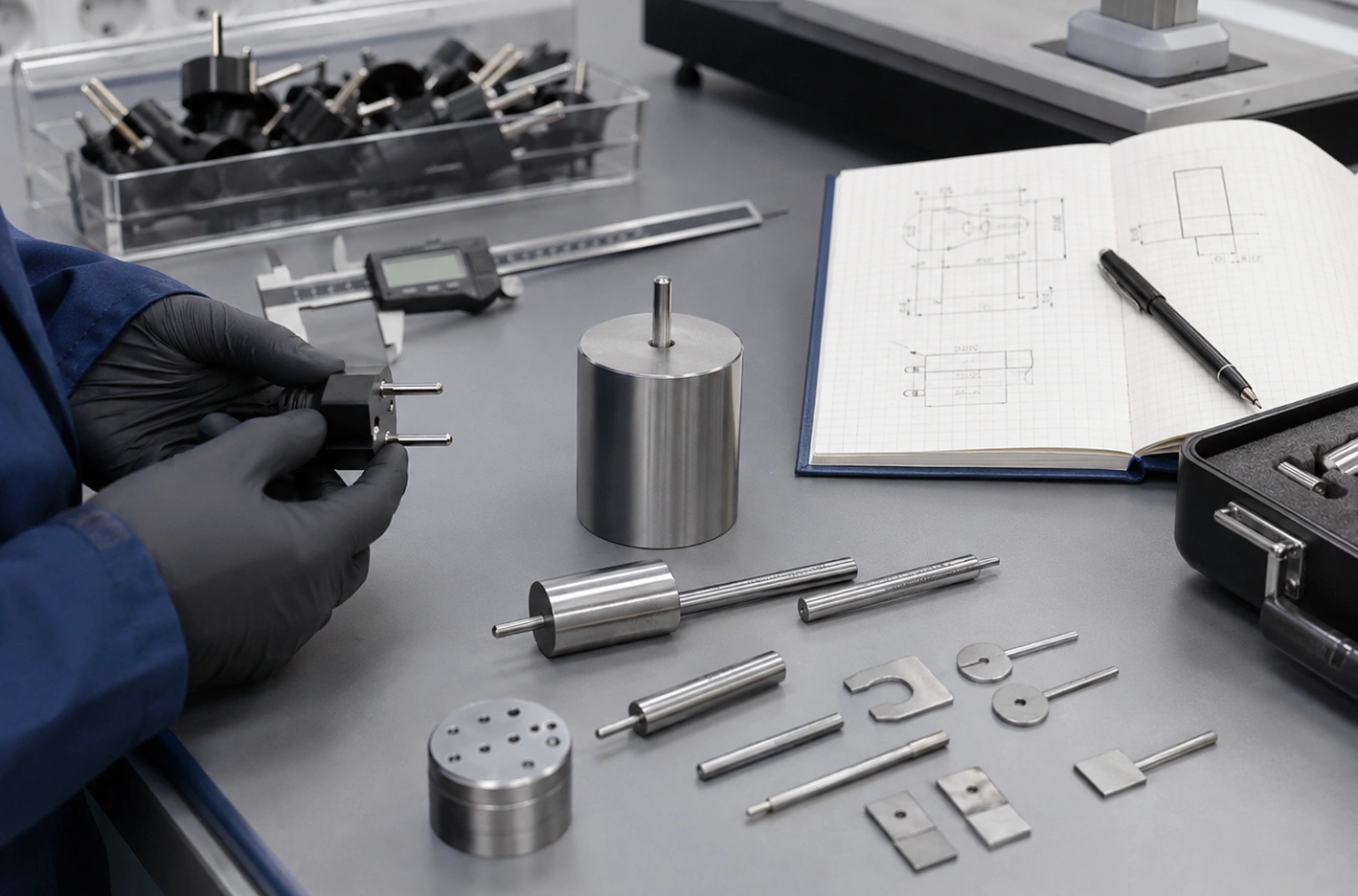
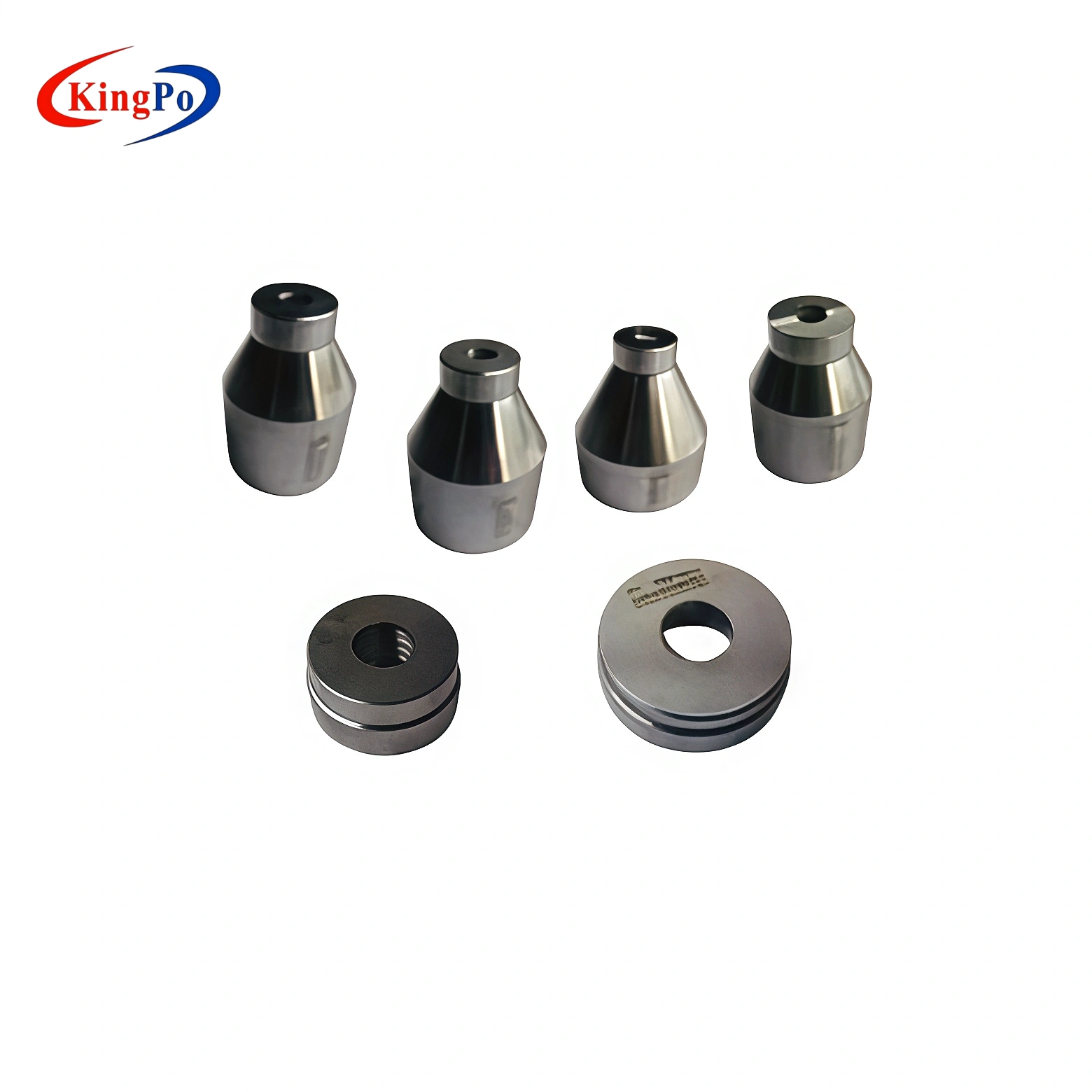
The diagrams above illustrate precise IPX9K nozzle dimensions and a close-up of a standard stainless steel nozzle, emphasizing the need for exact compliance.
Mastering Water Temperature Control for Reliable Results
Water temperature is another cornerstone of IPX9K testing, simulating hot, humid conditions that products might encounter. The IEC 60529 standard mandates a range of 80 ± 5°C, with unwavering stability throughout the process.
Why Temperature Matters:
- High temperatures test material resilience against thermal expansion and water ingress under pressure. Inconsistent heating can mask vulnerabilities, leading to false positives in durability assessments.
-
Best Practices:
- Implement PID controllers and circulation systems to maintain steady temperatures.
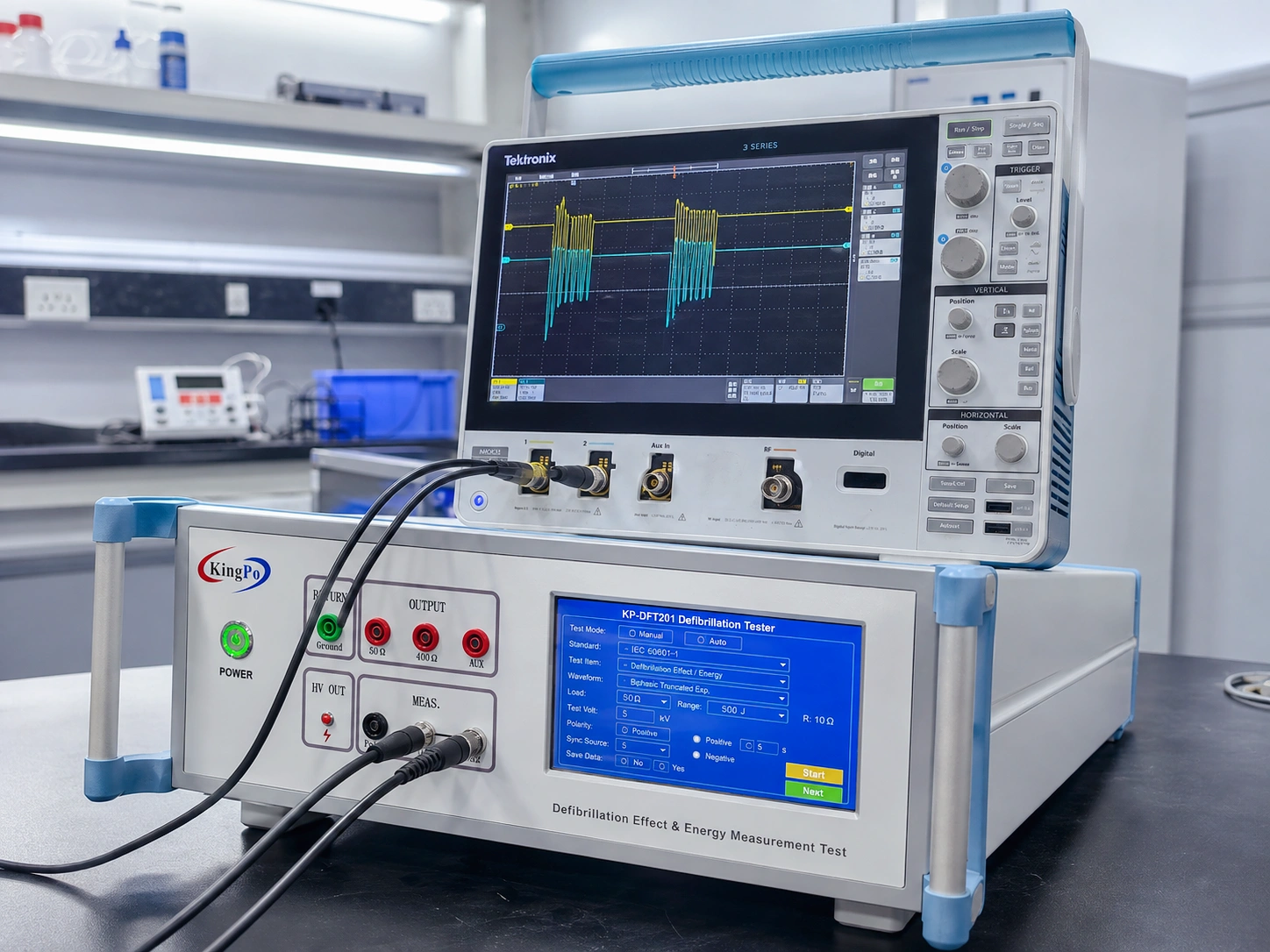
This image depicts an advanced IPX9K test setup with integrated temperature control, ensuring stable hot water delivery.
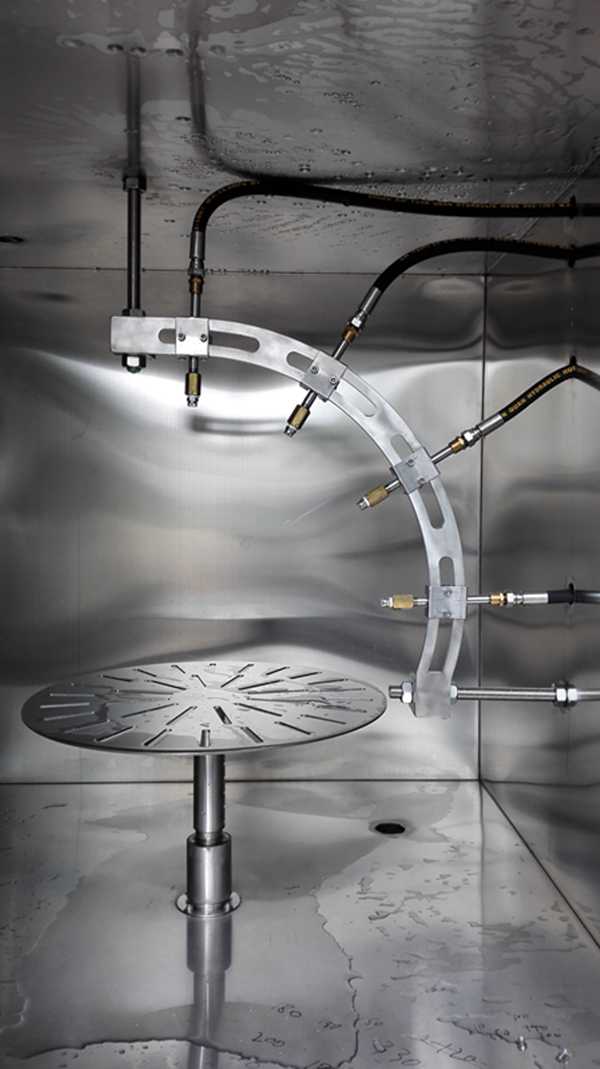
This image depicts an advanced IPX9K test setup with integrated temperature control, ensuring stable hot water delivery.
Common Industry Pitfalls and Solutions Table
Common Mistake Cause Consequence Recommended Solution Incorrect Nozzle Size Cost-cutting or uncalibrated parts Altered spray dynamics, invalid results Use certified nozzles with verification Temperature Fluctuations Poor insulation or unstable supply Hidden weaknesses in seals/materials PID control + preheating circulation Incomplete Angle Coverage Manual errors or faulty automation Uneven testing Automated turntable at 5 rpm Skipping Calibration Time/budget constraints Non-compliance with IEC 60529 Annual third-party calibration These shortcuts violate standards like ISO 20653, compromising test integrity and endangering users.
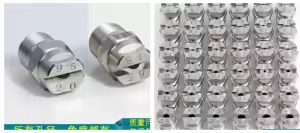
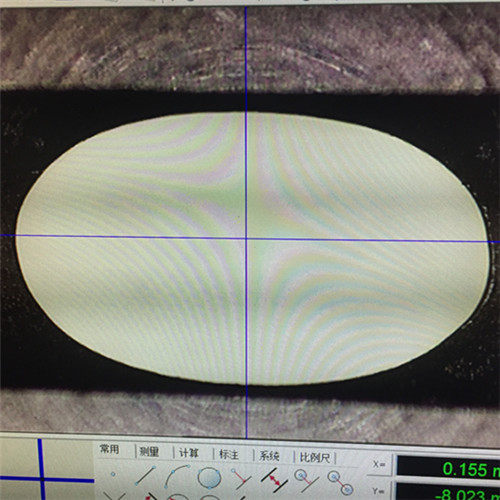
-
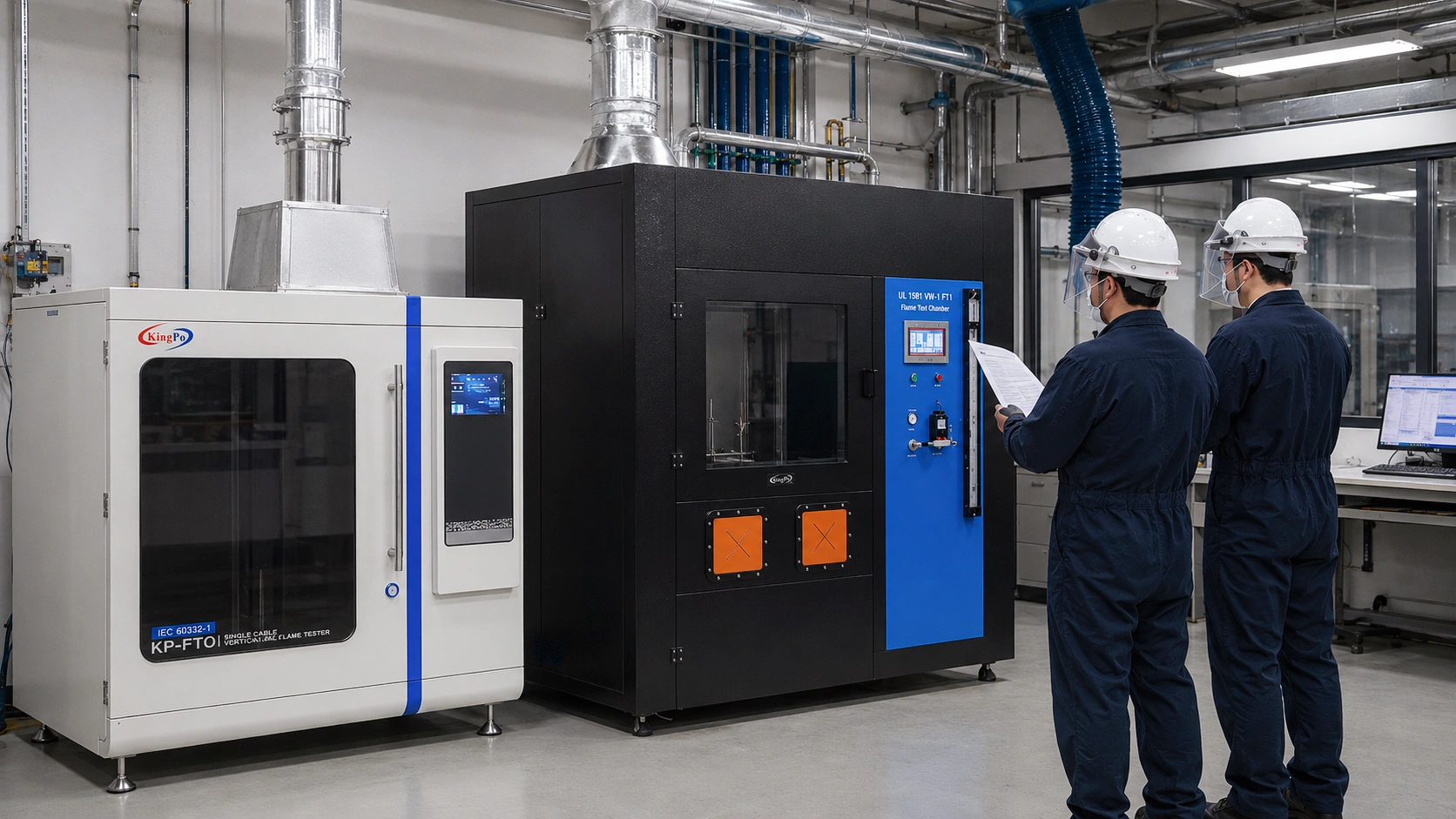
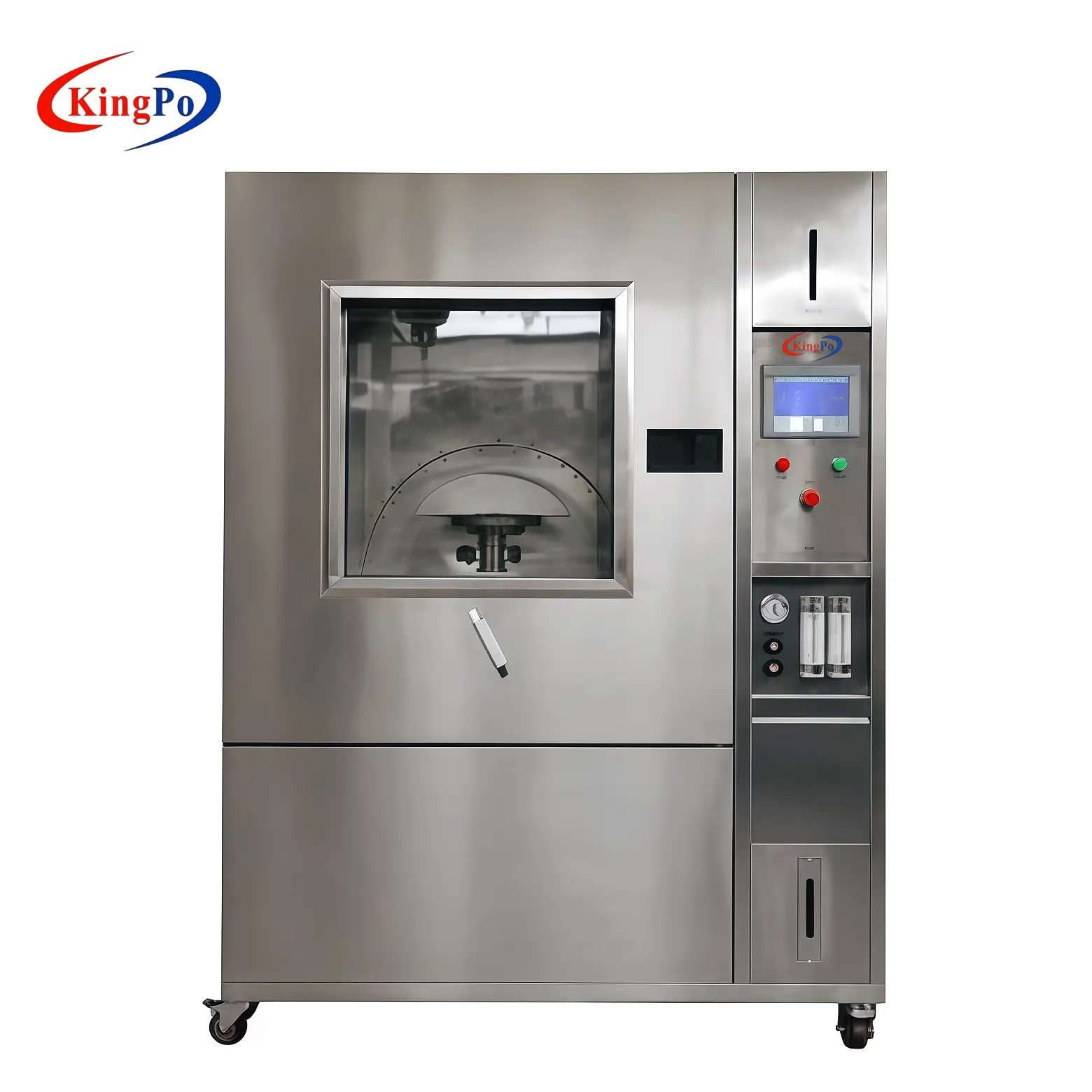
A complete IPX9K waterproof testing rig with multiple nozzles in action, demonstrating proper high-pressure configuration.
Recommended Solutions for Compliant IPX9K Testing
Invest in certified systems that align with IEC standards. Look for features like precision-engineered nozzles, advanced heating mechanisms, and automated controls. By adopting these, companies can ensure tests are accurate and efficient.
Final Thoughts on Enhancing IPX9K Test Accuracy
Mastering IPX9K waterproof testing requires diligence in nozzle design, water temperature oversight, and overall parameter adherence. Following IEC 60529 prevents costly pitfalls, protecting consumers and elevating industry standards. Consult certified testing labs for implementation.
Popular Keywords
Based on current search trends (as of 2026), here are updated hot keywords:
- IPX9K waterproof testing
- IPX9K nozzle size specifications
- IPX9K water temperature requirements
- IEC 60529 IPX9K standard
- High-pressure water jet testing chamber
- Common mistakes in IPX9K tests
- IPX9K test equipment
- Ingress protection testing IPX9K
- IPX9K calibration guidelines
- ISO 20653 compliance testing