As the final quarter of 2026 begins, we are taking a closer look at a practical issue that appears repeatedly in laboratory projects: choosing an instrument is only one part of the job. The more important task is making sure the complete test setup reflects the applicable standard, the DUT and the conditions defined by the test method.
Start with the Test Requirement
Most IEC and ISO standards do not describe a commercial machine. They describe a condition that must be applied, measured or verified.
That condition may involve force, voltage, current, temperature, pressure, flow, waveform, movement, distance or exposure time. The laboratory then has to turn those requirements into an actual arrangement of instruments, fixtures, interfaces and measurement points.
This distinction matters because two instruments with similar headline specifications can behave very differently once they are used as part of a standards-based test.
Equipment selection normally works better when it begins with the clause and DUT rather than with a model number. Range and accuracy are important, but mounting, load conditions, interfaces, reference components and verification methods can be equally important.
What Actually Determines the Test Setup?
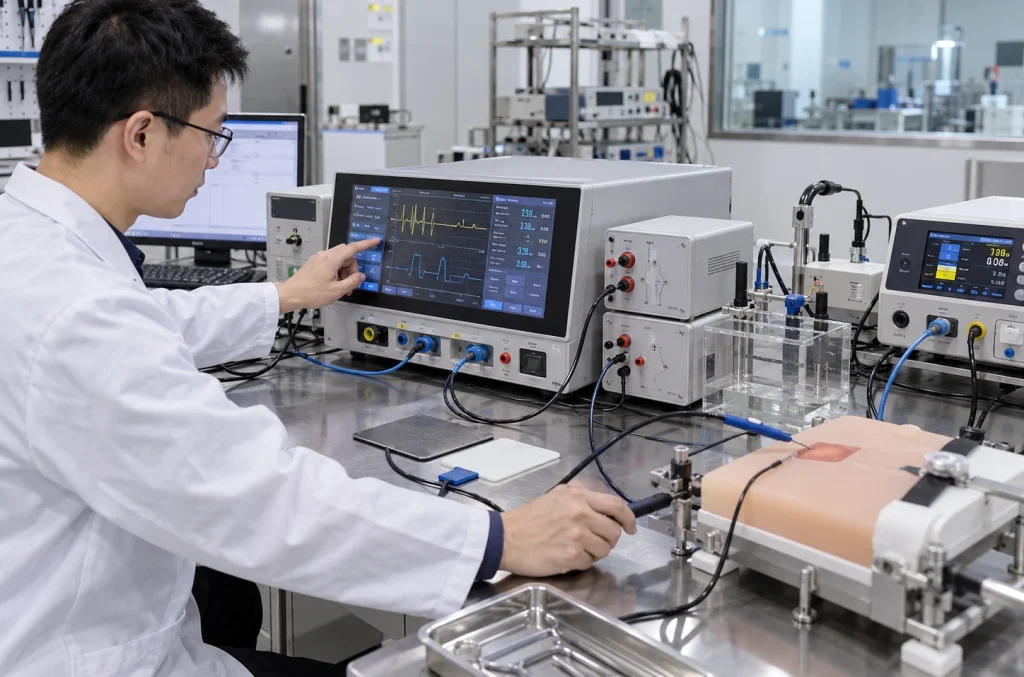
An initial enquiry may ask for a force tester, leakage tester, water-spray system or electrical safety instrument. Once the DUT and test method are reviewed, the required configuration usually becomes more specific.
| Standard & clause | Defines what must be applied, measured or verified. |
| DUT | Determines dimensions, interfaces, mounting and operating condition. |
| Test condition | Defines load, pressure, temperature, motion, waveform or exposure. |
| Fixture & interface | Controls how the DUT is connected, positioned or loaded. |
| Result | Defines measurement, data recording, calibration and acceptance needs. |
This is why our technical discussions increasingly begin with the standard and test object before moving to the equipment specification.
IEC 60601: Identify the Clause Before Selecting the Equipment
IEC 60601 is a good example because “IEC 60601 testing” does not refer to one instrument or even one type of measurement.
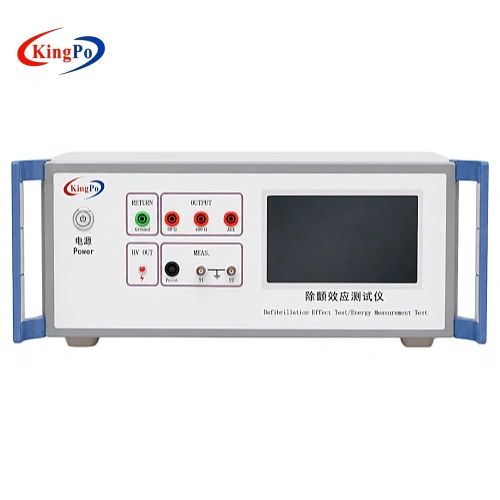
Depending on the requirement, a laboratory may need electrical measurement equipment, accessibility probes, dielectric-strength equipment, temperature measurement, mechanical fixtures, defined loads, environmental equipment or dedicated test circuits.
Our IEC 60601-1 test equipment guide maps the main equipment categories to practical test requirements so that engineers can work from the clause rather than from an isolated product list.
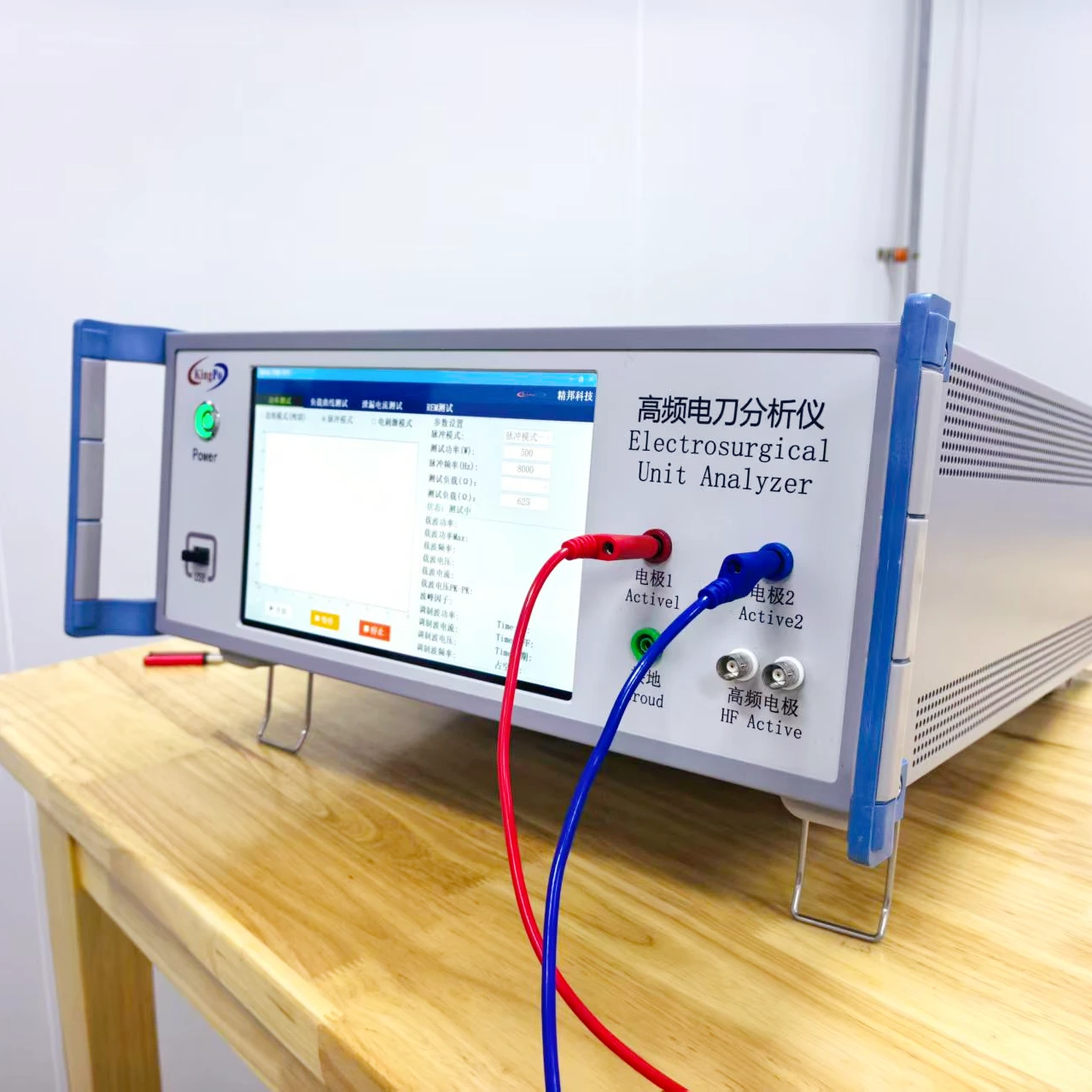
Particular standards narrow the requirement further. For example, IEC 60601-2-2 electrosurgical testing may involve high-frequency output, defined loads, leakage current, neutral-electrode monitoring and other conditions specific to electrosurgical equipment.
A statement such as “supports IEC 60601” therefore tells an engineer very little unless the applicable test item and configuration are also clear.
ISO 80369: Gauges, Reference Connectors and Functional Tests
Medical small-bore connectors are physically simple compared with many medical devices, but their verification involves several different functions.
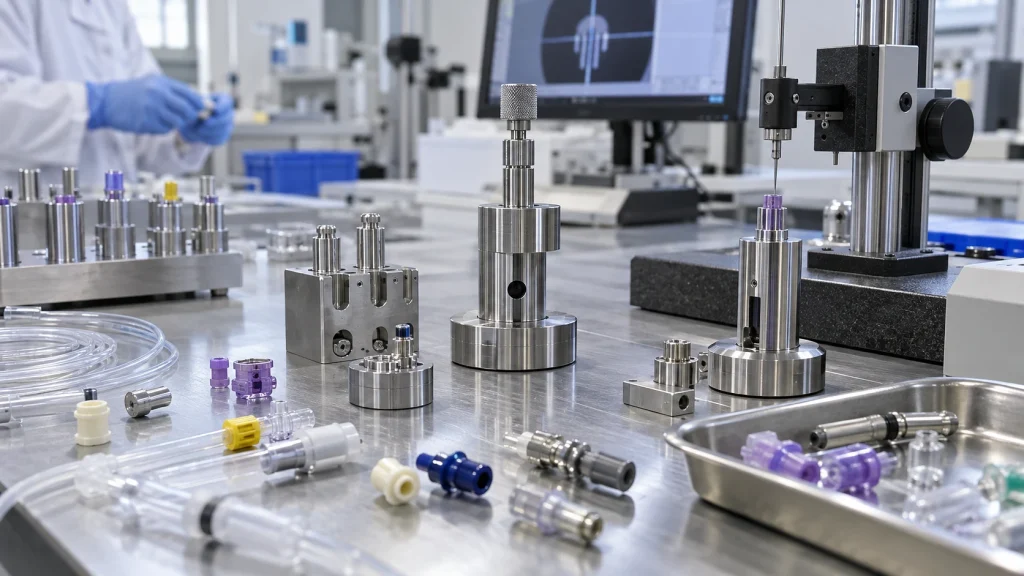
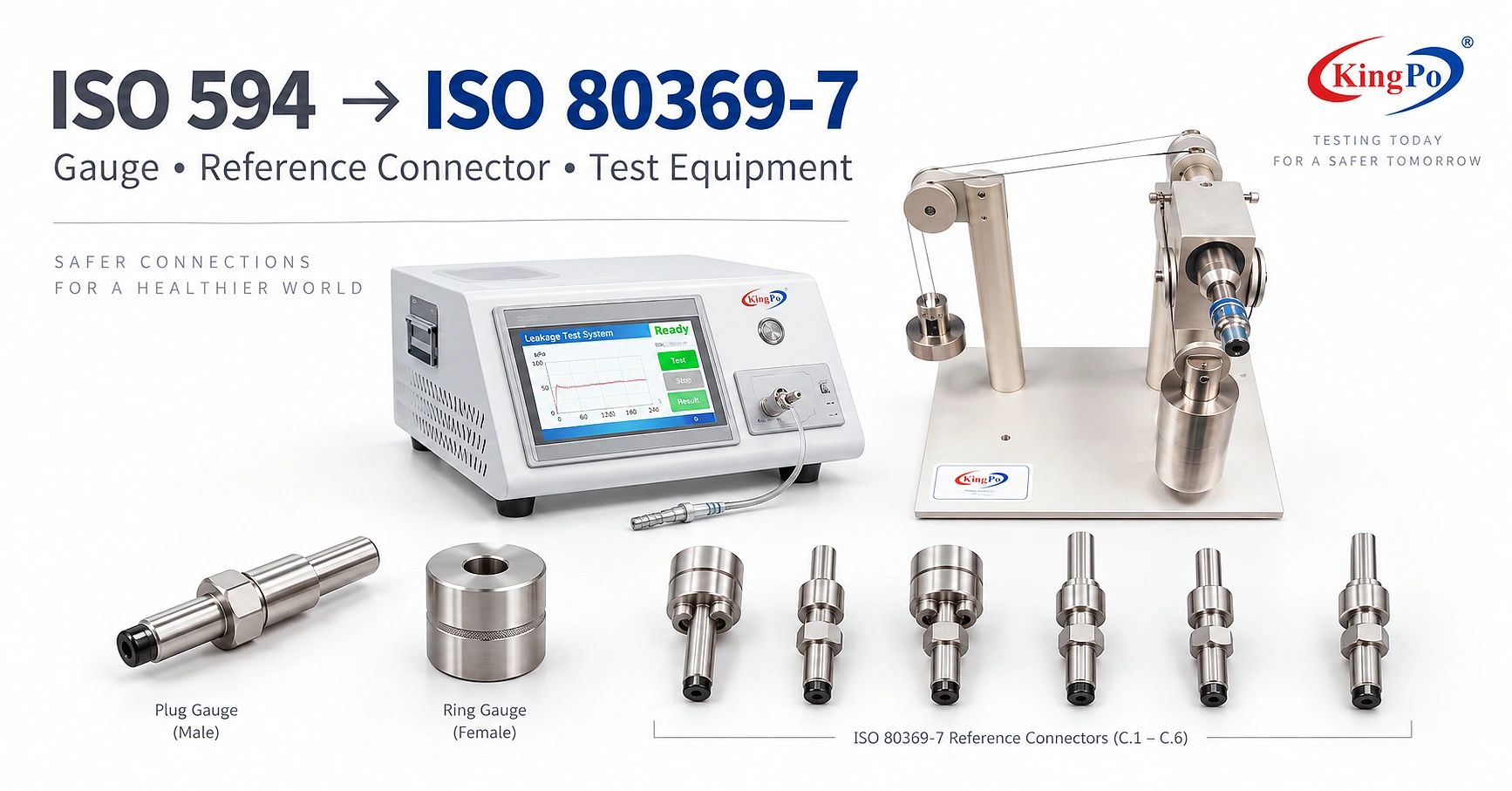
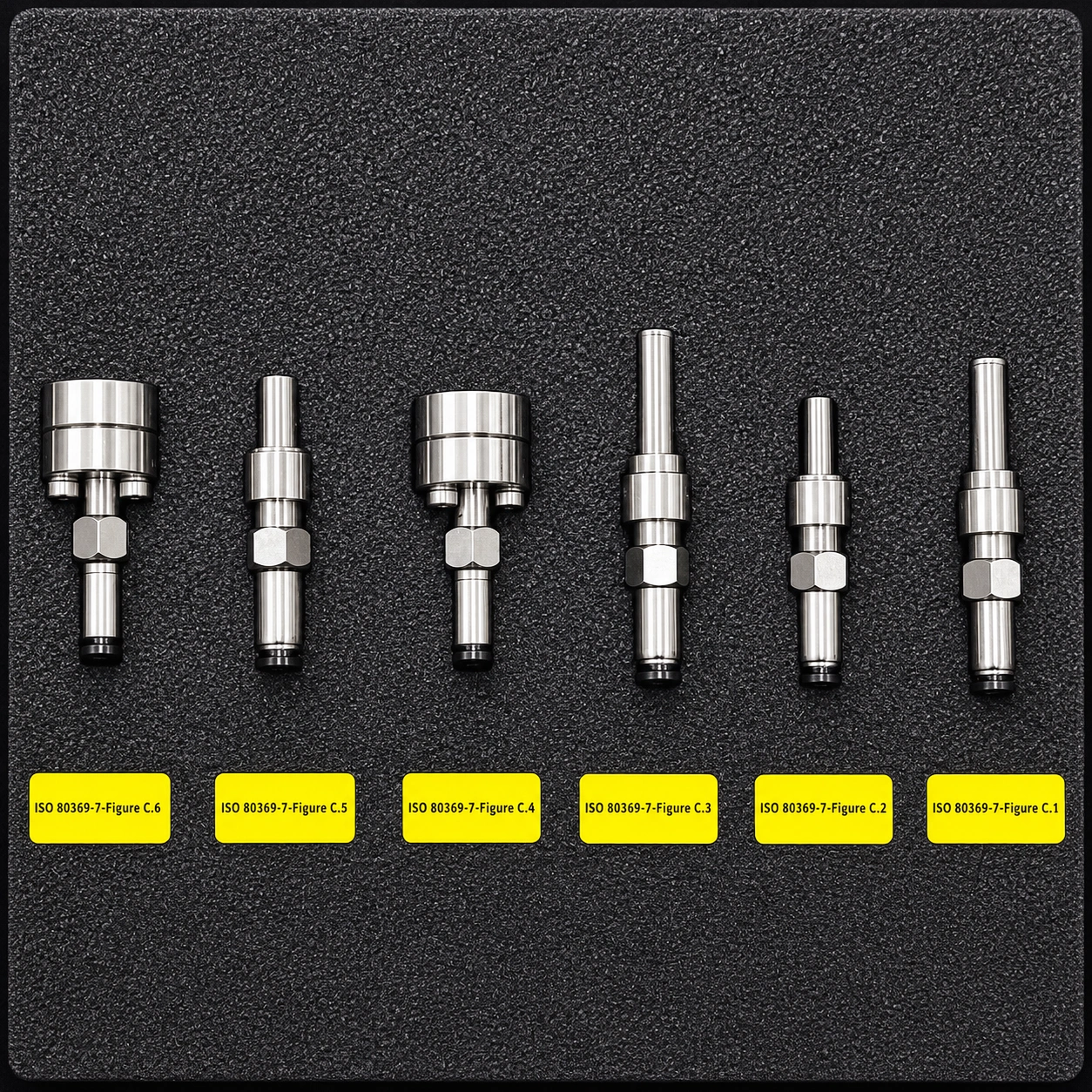
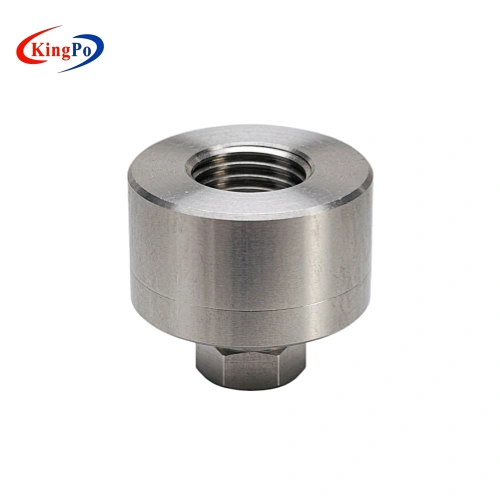
A dimensional gauge checks defined geometry. A reference connector provides the mating interface specified by the test method. Functional equipment is then used where the standard requires pressure, force, torque or another controlled condition.
Dimensional verification
Checks defined geometric characteristics.
Reference connection
Provides the specified mating interface.
Functional performance
Evaluates leakage, separation, torque, overriding resistance or other specified performance.
For this reason, a request for an “ISO 80369 tester” usually needs to be separated into the applicable part, connector type and specific test method first.
Our ISO 80369 testing equipment section follows this structure, bringing together the relevant gauges, reference connectors and functional test equipment.
EMC Verification: Look at the Complete Test Path
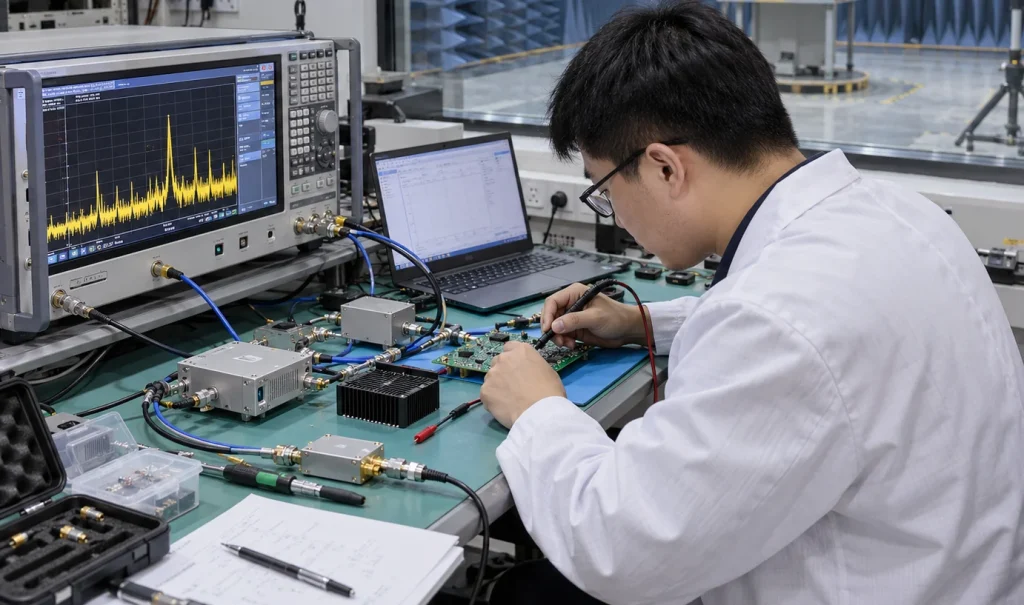
In EMC testing, an unexpected result does not automatically mean that the generator is faulty.
The coupling network, supply path, source impedance, selected mode, measurement point and DUT operating state can all influence what is observed during a test.
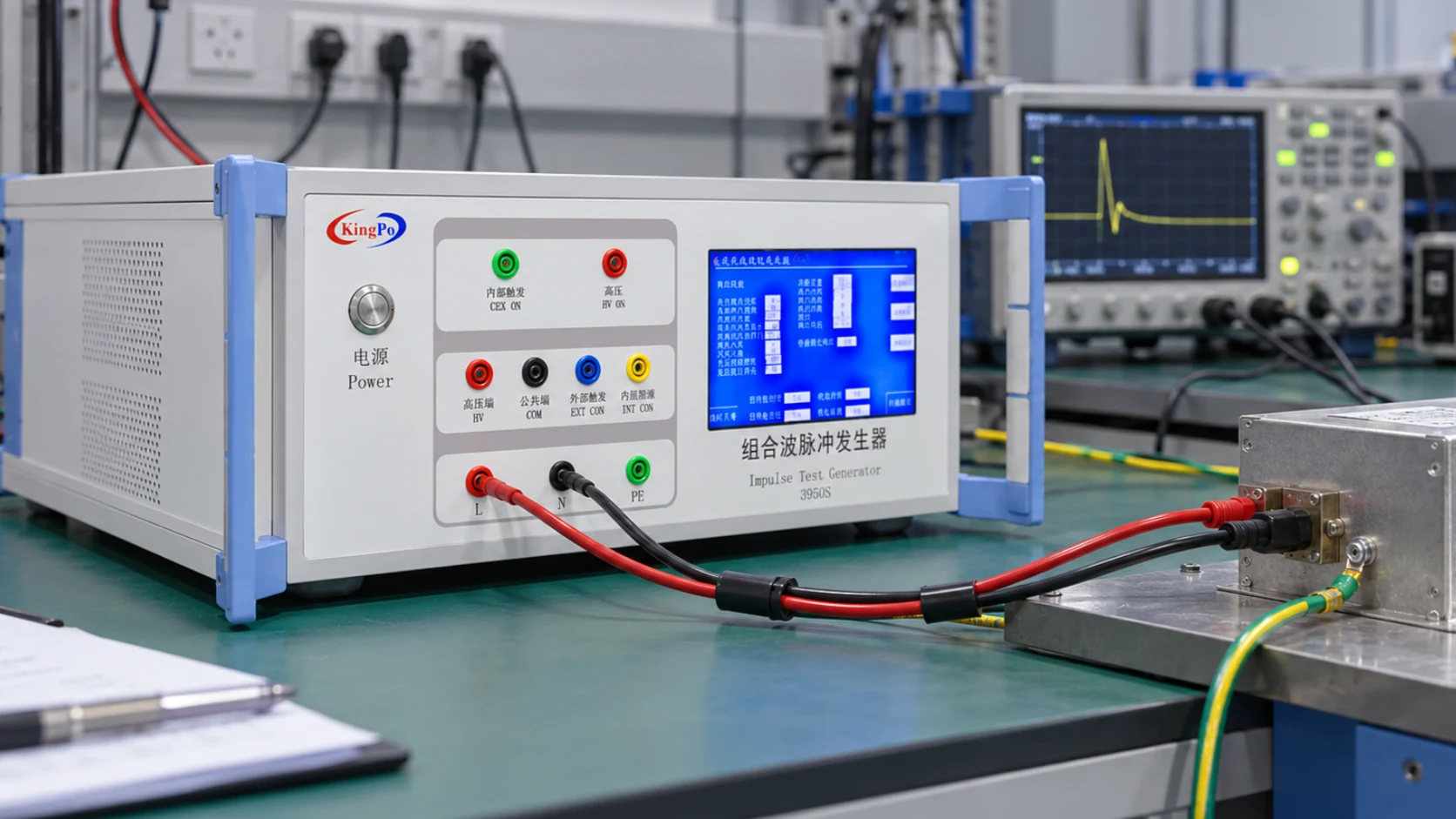
This is why generator verification and test-path checks are important. For IEC 61000-4-4 EFT/Burst verification, defined loads and suitable measuring equipment are used to check the generator under specified conditions.
Our recent IEC 61000-4-5 surge troubleshooting guide follows the same approach: document the test arrangement first, then determine whether the issue is related to configuration, measurement or generator performance.
IP and Environmental Tests Depend Heavily on the DUT
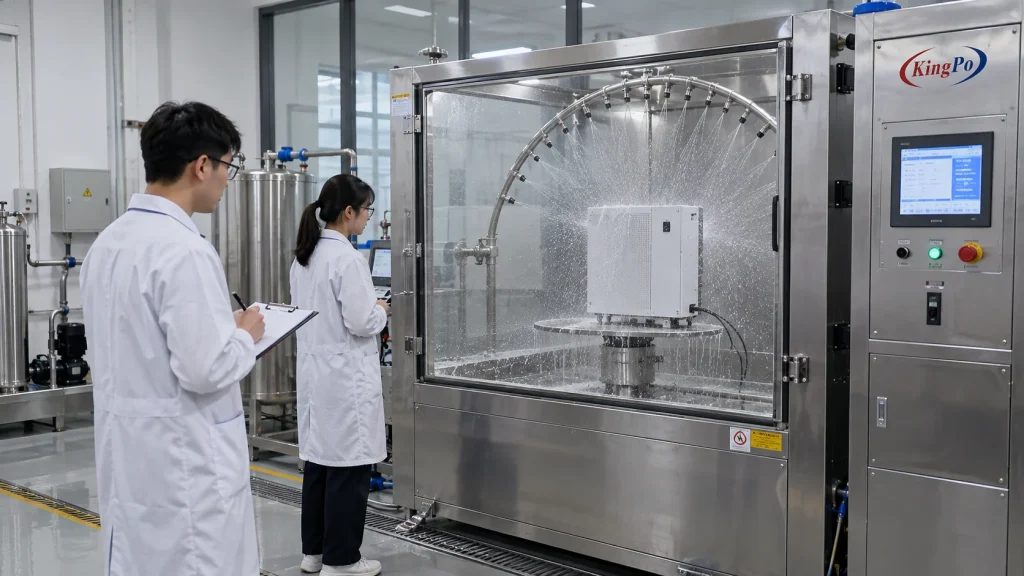
Ingress-protection requirements are often communicated with only an IP code, but that code does not define the complete laboratory system.
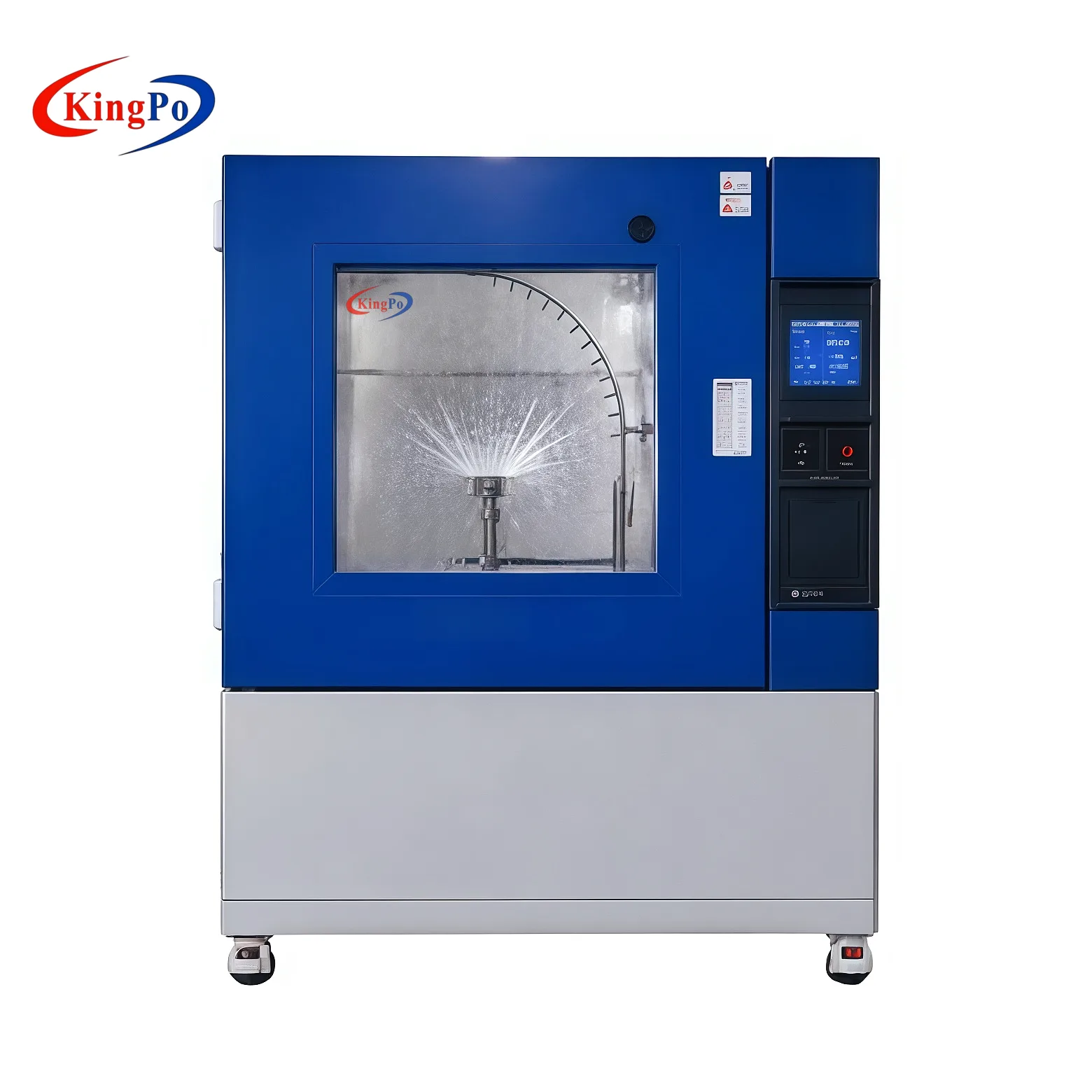
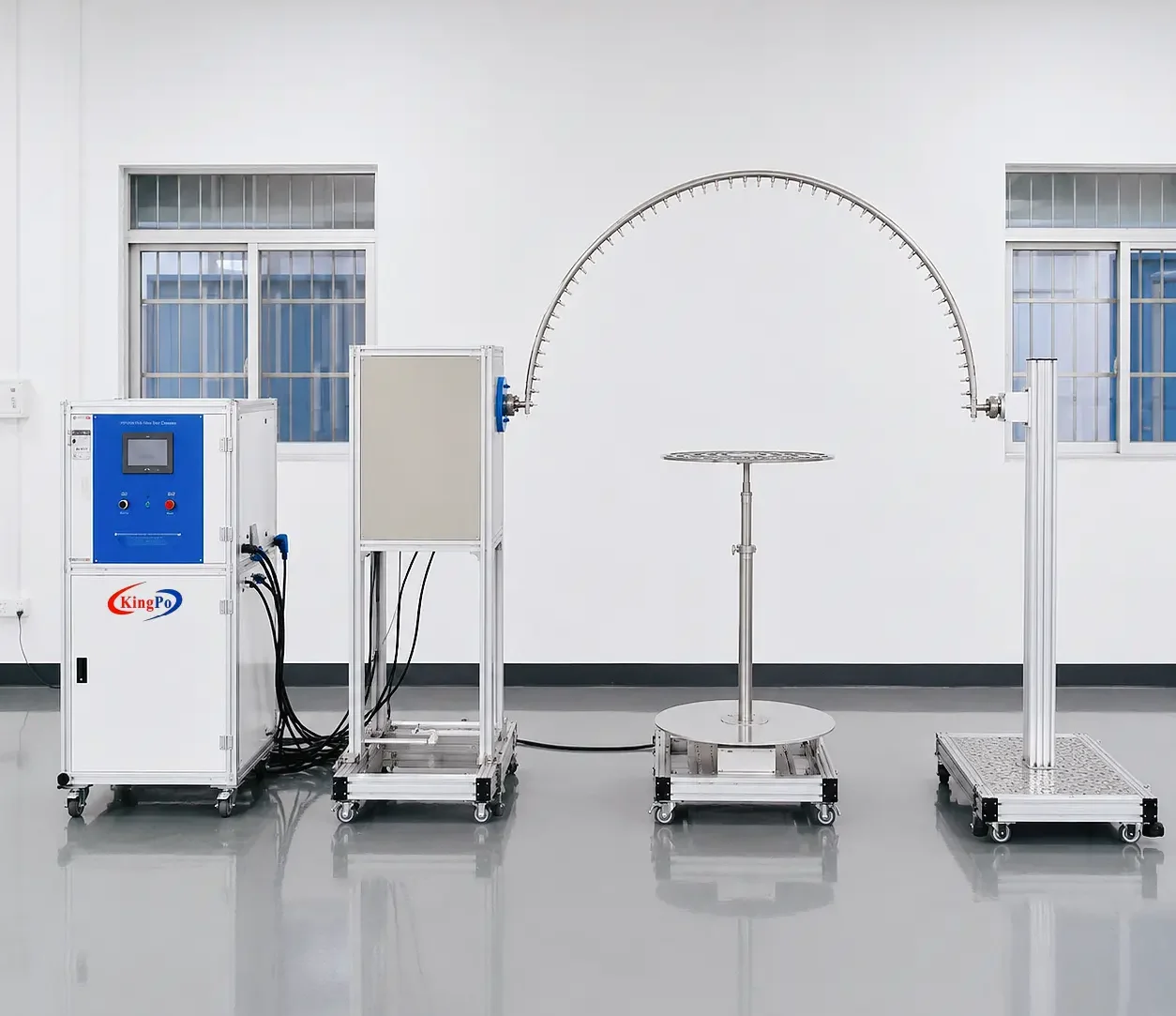
For IEC 60529 and ISO 20653 IP testing, the required apparatus can include access probes, dust chambers, drip equipment, oscillating tubes, spray nozzles, water jets, immersion systems or high-pressure hot-water equipment.
The DUT then affects the practical configuration: chamber dimensions, specimen support, rotation, test distance, drainage, utilities and observation arrangements.
The same applies to ISO 16750-4 splash-water testing, where fluid delivery, temperature, specimen position and timing need to work together as a controlled test setup.
Use Automation Where It Improves Repeatability
PC control, automatic data acquisition and report generation are becoming common requirements, but they do not add the same value to every test.
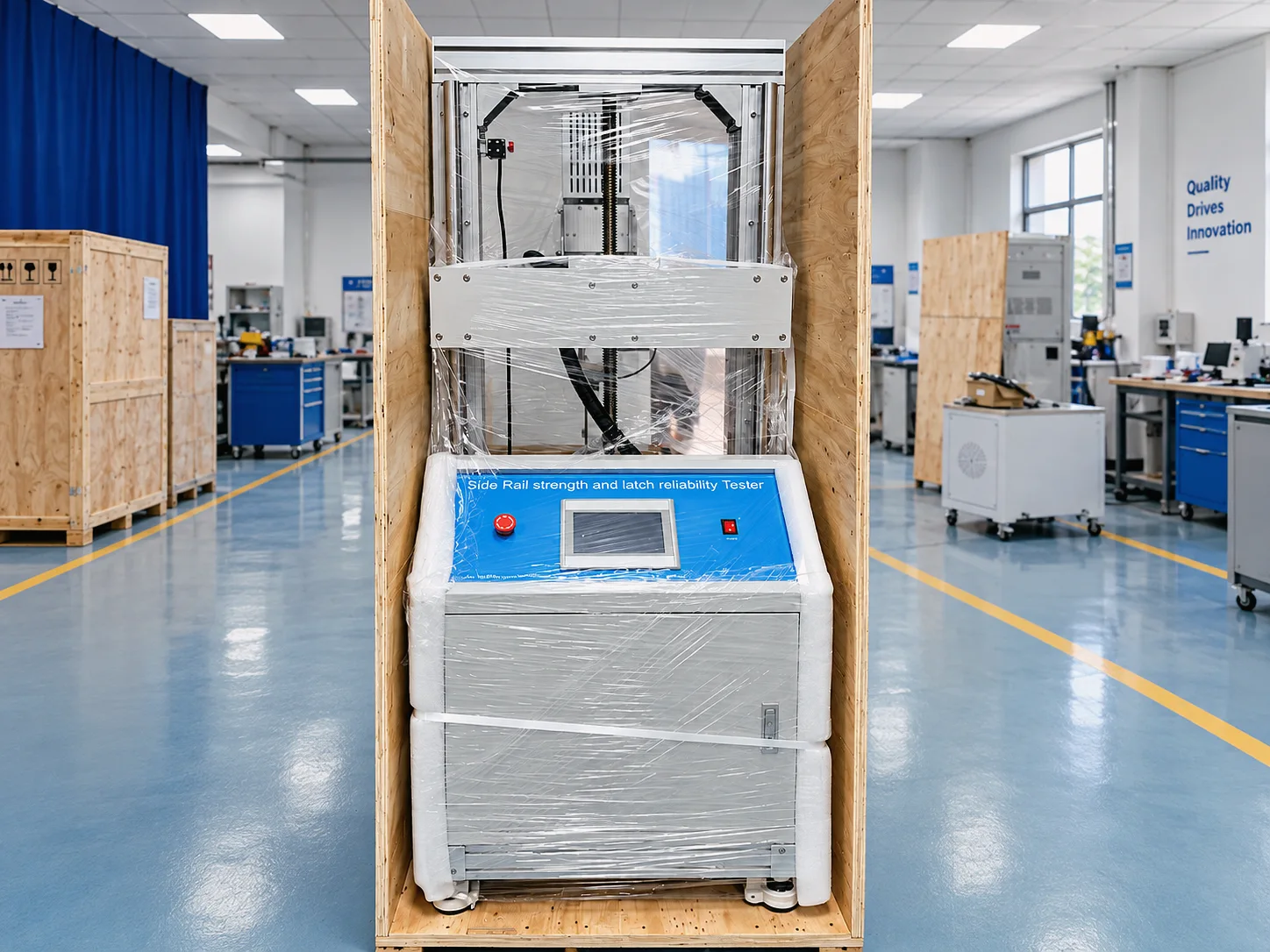
A dimensional gauge may require excellent manufacturing accuracy and calibration but no software. A mechanical endurance test, by contrast, may benefit from automatic cycling, force monitoring, abnormal-condition detection and continuous data recording.
The appropriate level of automation should therefore follow the test process rather than being added simply as another equipment feature.
Information to Provide When Selecting Test Equipment
For a new test requirement, the following information usually allows us to evaluate the configuration much faster than a preferred model number alone.
With this information, the discussion can move directly toward a workable test configuration instead of comparing equipment on headline specifications alone.
What We Are Continuing to Improve
For the remainder of 2026, our focus is not simply on adding more individual equipment pages. We are continuing to improve the connection between standards, individual clauses, test methods, fixtures, equipment and supporting technical documentation.
Medical electrical safety, ISO 80369 connector testing, EMC verification, ingress protection, environmental testing and application-specific automated systems remain important areas of development.
The objective is practical: an engineer arriving with a standard and a DUT should be able to reach an appropriate test configuration with less ambiguity.