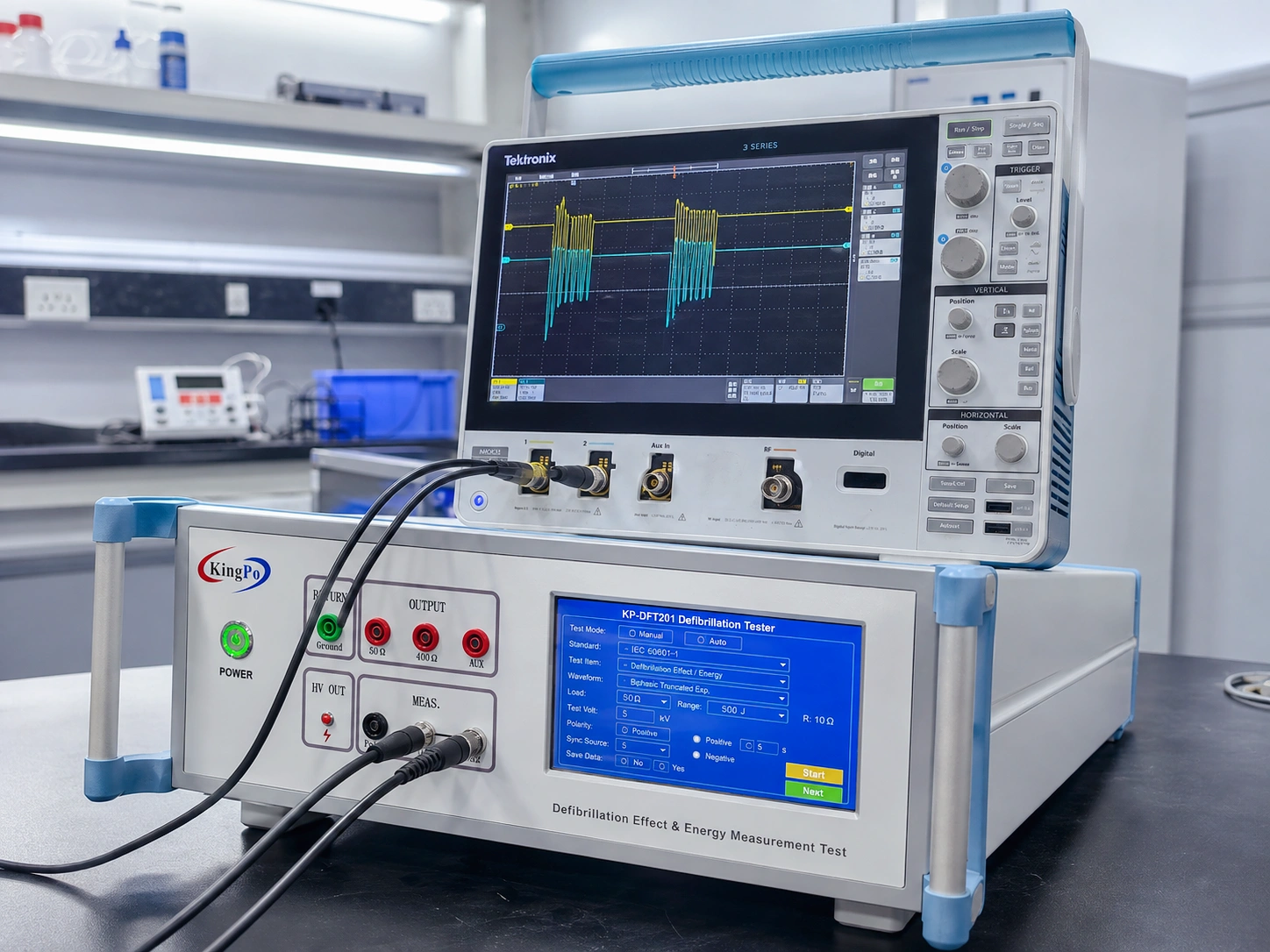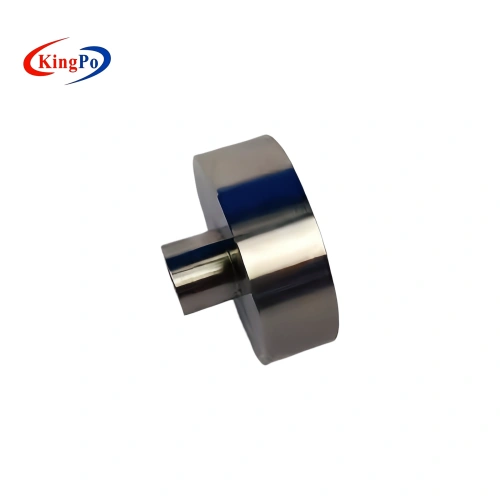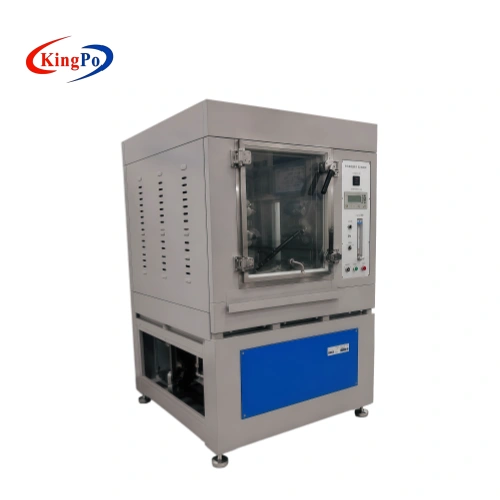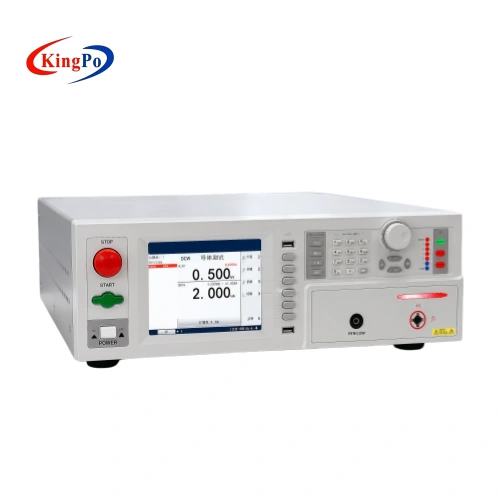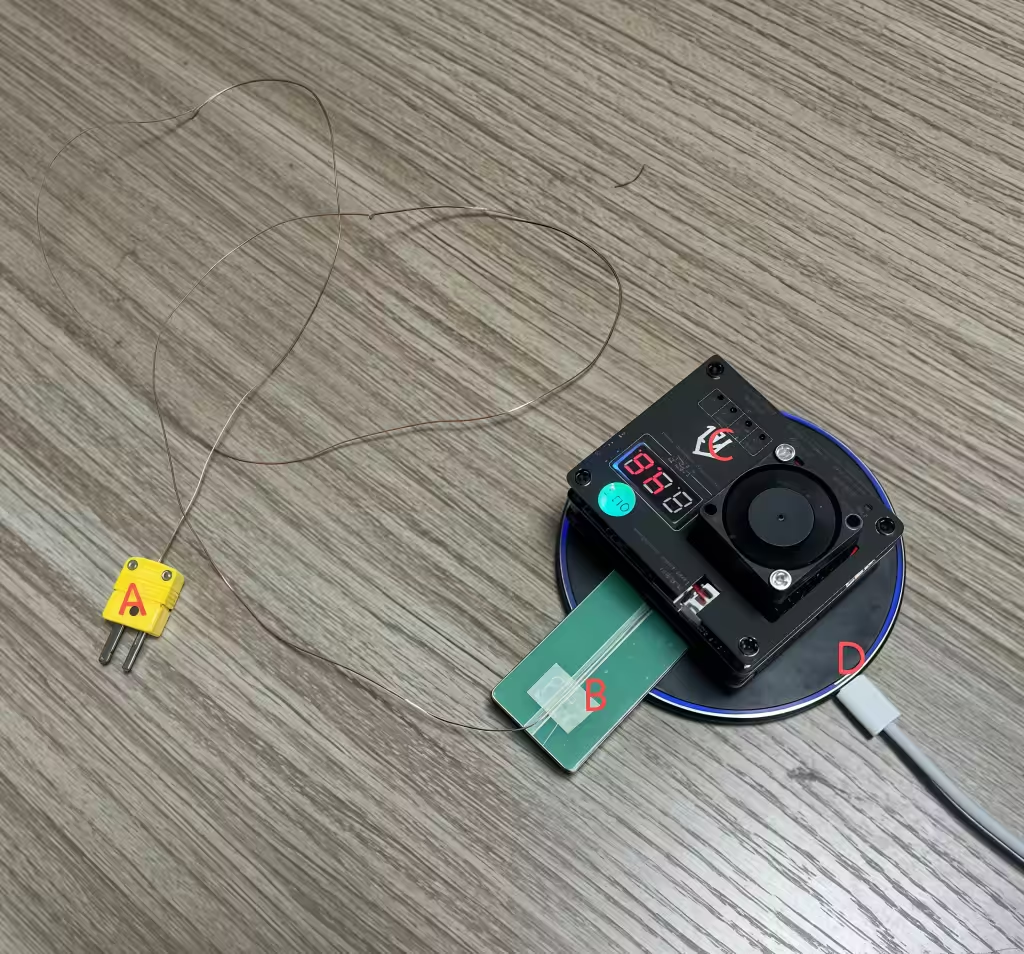
You must pass IEC 62368-1 Clause 9.6.2 Wireless Charging Foreign to make sure your wireless charging devices are safe. The foreign object temperature rise test keeps users safe by checking for dangerous heat. This happens when things like an Aluminium ring or Aluminium Foil touch charging pads. Wireless charging is now used in many smartphones, wearables, and other devices. Good thermal management is very important. The IEC 62368-1 Clause 9.6.2 Wireless Charging Foreign Object Temperature Rise Test Kit helps you follow the rules more easily and with better results.
Key Takeaways
-
Know why IEC 62368-1 Clause 9.6.2 matters for wireless charging safety. This rule helps stop burns and fires from foreign objects.
-
Pick the correct test items, like aluminum foil and steel disks, when testing. Each item has its own temperature limit to keep things safe.
-
Follow careful steps to prepare and do the foreign object temperature rise test. Setting up and watching closely gives good results.
-
Write down your test results with care. Good notes help show you followed the rules and make getting certified easier.
-
Use the IEC 62368-1 test kit for testing that is correct and quick. The kit makes following the rules easier and keeps your wireless charging devices safer.
IEC 62368-1 Clause 9.6.2 Overview
Clause Purpose and Scope
You need to understand why IEC 62368-1 Clause 9.6.2 exists. This clause helps you make sure your wireless charging devices stay safe when foreign objects, like metal, come into contact with the charging area. When you place items such as coins, keys, or rings on a wireless charger, they can heat up quickly. This heat can cause burns or even start a fire. The standard sets rules to test and control this risk.
Clause 9.6.2 covers many types of wireless charging products. You will often see these in smartphones, earbuds, and car chargers. The standard uses specific test objects to check safety. Here is a table showing the main product types and their references in the standard:
|
Product Type |
IEC Reference |
|---|---|
|
Aluminium foil |
IEC CDV 62368-1/Ed3-Figure 49 |
|
Steel disk |
IEC CDV 62368-1/Ed3-Figure 47 |
|
Aluminium ring |
IEC CDV 62368-1/Ed3-Figure 48 |
You must use these objects during testing to see how much heat builds up.
Key Compliance Requirements
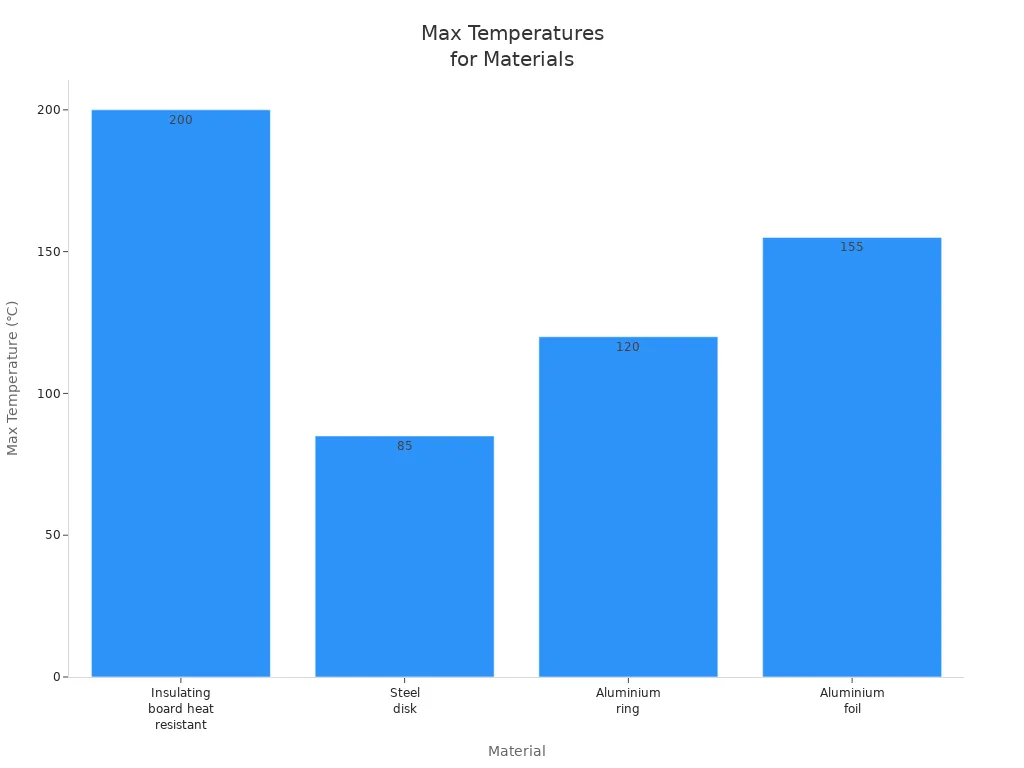
To pass the test, you need to follow strict rules. The standard tells you what materials to use, how thick they should be, and the highest temperatures allowed. Here is a table that lists the main requirements:
|
Requirement |
Value |
|---|---|
|
Insulating board Thickness |
2mm and 5mm (2mm+3mm) |
|
Insulating board heat resistant |
200°C |
|
Max temperature for steel disk |
85°C |
|
Max temperature for aluminium ring |
120°C |
|
Max temperature for aluminium foil |
155°C |
You must make sure your device does not let these objects get hotter than the limits above. If you go over, your product will not pass.
Tip: Always check the temperature of each test object during charging. This helps you spot problems early and keep your product safe.
By following these requirements, you protect users and make your wireless charging device ready for the market.
Foreign Object Temperature Rise Test Explained
Test Objectives
It is important to know why this test matters. The main goal is to keep metal objects from getting too hot. If a coin, key, or ring gets very hot, it can hurt someone or cause a fire. IEC 62368-1 Clause 9.6.2 gives rules to help stop these dangers.
This test checks if your device can find foreign objects. It also checks if your device can stop charging or lower power before things get risky. The test helps you:
-
Keep people safe from burns or injuries.
-
Stop fires caused by hot metal.
-
Show your product meets safety rules.
Note: If you pass this test, your device is safe to use.
What Is Measured
The test measures how hot metal objects get on your wireless charger. You use special test objects like an aluminum ring, steel disk, and aluminum foil. Each object has a set temperature limit. Your device must keep the temperature under these limits.
Here is what you check:
|
Test Object |
Temperature Limit |
|---|---|
|
Steel Disk |
85°C |
|
Aluminum Ring |
120°C |
|
Aluminum Foil |
155°C |
You put each object on the charger and use a thermocouple to watch the temperature. You write down the highest temperature during the test. If any object gets hotter than its limit, your device does not pass.
Test Steps:
-
Put the test object on the charger.
-
Turn on the charger and check the temperature.
-
Write down the temperature every minute.
-
Stop the test if the temperature gets close to the limit.
-
Look at the data and compare it to the rules.
Tip: Always use good equipment and follow the same steps for every test to get correct results.
How to Pass the Test
Preparation Steps
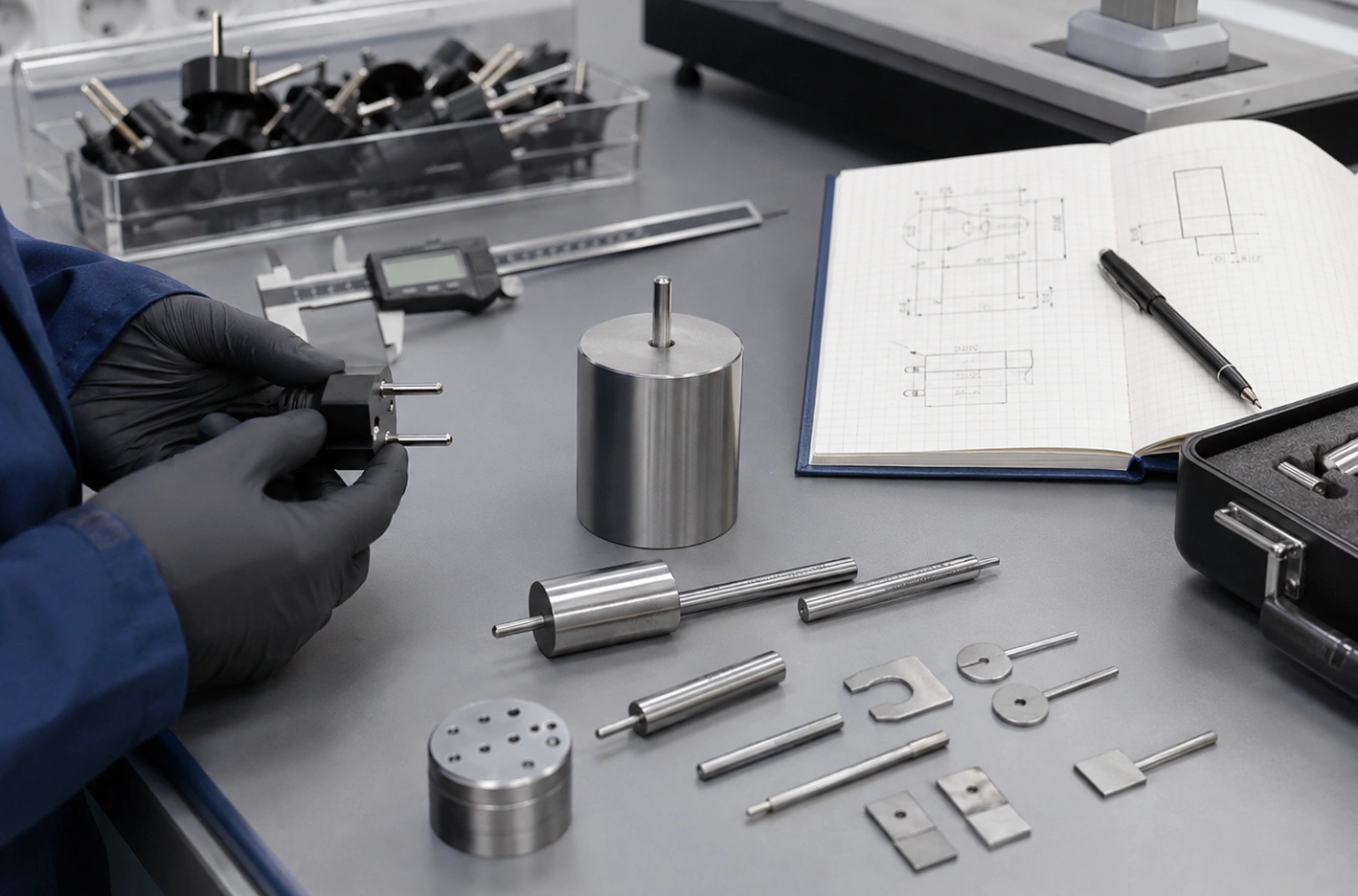
You need to get ready before you do the foreign object temperature rise test. Good planning helps you not make mistakes. It also makes your results better. First, gather all the things you need for the test. The IEC 62368-1 Clause 9.6.2 Wireless Charging Foreign Object Temperature Rise Test Kit gives you everything you need. You will use foreign metallic objects, thermocouples, and a thermometer.
Here is a table that shows the main equipment:
|
Equipment Type |
Description |
|---|---|
|
Foreign Metallic Objects |
Includes a steel disc, an aluminum ring, and aluminum foil, designed according to IEC 62368-1. |
|
Temperature Measurement Setup |
Each foreign object is configured with a K type thermocouple connected to a thermometer. |
|
Temperature Limit |
The temperature of the foreign object must not exceed 70°C during testing. |
Check that your test objects are the right size and made from the right materials. Make sure your thermocouples work and are set up right. Put your wireless charger on a flat surface with good air flow. Write down the room temperature before you start. You should also read the test kit instructions and safety rules.
Tip: Always look at your equipment for damage or problems before each test. This helps you stop mistakes and keeps your results correct.
Test Execution
You must follow easy steps to do the test. The IEC 62368-1 Clause 9.6.2 Wireless Charging Foreign Object Temperature Rise Test Kit makes the test simple. Put each foreign object on the charging pad, one at a time. Attach the thermocouple to the object so you can check the temperature.
Follow these steps:
-
Set up the wireless charger and plug it in.
-
Put the steel disc, aluminum ring, or aluminum foil on the charger.
-
Attach the thermocouple to the test object and connect it to the thermometer.
-
Start charging and check the temperature every minute.
-
Write down the temperature numbers in your log.
-
Stop the test if the temperature gets close to the limit or when the test time is done.
-
Do the same steps for each object.
You must keep the temperature under the limit for each object. If the temperature goes up too fast, stop the test and look for problems with your device. The test kit helps you watch the temperature as you test and gives you clear data.
Note: Always use the same way for each test. This keeps your results the same and helps you see patterns.
Documentation Tips
You need to write down your test results carefully. Good notes help you show you followed the rules and make getting certified easier. Write down the test conditions, what equipment you used, and the room temperature. Record each temperature and write the highest number for each object.
Use a table to keep your data neat:
|
Test Object |
Start Temp |
Max Temp |
Time to Max |
Pass/Fail |
|---|---|---|---|---|
|
Steel Disk |
25°C |
82°C |
10 min |
Pass |
|
Aluminum Ring |
25°C |
115°C |
12 min |
Pass |
|
Aluminum Foil |
25°C |
150°C |
15 min |
Pass |
Add pictures of your setup and test objects. Include papers that show your thermocouples are checked. Write a short summary of what you found and note any problems or strange results.
Tip: Keep your records neat and easy to read. This helps you answer questions from people who check your work and makes approval faster.
You can stop common mistakes by checking your equipment, following the test steps, and keeping good records. The IEC 62368-1 Clause 9.6.2 Wireless Charging Foreign Object Temperature Rise Test Kit gives you what you need to pass the test and show your product is safe.
IEC 62368-1 Clause 9.6.2 Wireless Charging Foreign Object Temperature Rise Test Kit Benefits
Key Features and Advantages
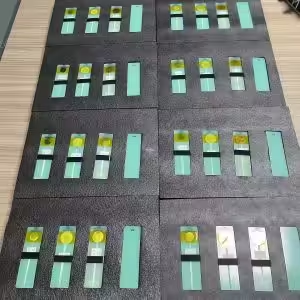
You want your wireless charging devices to be safe and work well. The IEC 62368-1 Clause 9.6.2 Wireless Charging Foreign Object Temperature Rise Test Kit gives you tools to test with confidence. The KingPo Wireless Power Test Equipment uses a J-Type Thermocouple. It is special because it is accurate, safe, and easy to use.
Explore the KingPo Test Equipment
Discover how the KingPo Wireless Power Test Equipment can enhance your testing process and ensure compliance.
Here is a table showing the main features and what they do for your tests:
|
Feature |
Description |
|---|---|
|
J-Type Thermocouple |
High-accuracy probe with ±1.1°C tolerance. You get precise temperature readings every time. |
|
Temperature Range |
Wide coverage for charging hotspots. You can test many types of devices. |
|
Data Logging |
Real-time recording of multiple temperature points. You see trends and catch problems early. |
|
Test Chamber |
Provides a stable environment for consistent results. Your tests stay reliable. |
|
Safety |
Over-temperature protection and emergency stop. You keep your lab and team safe. |
|
Compliance |
Fully compliant with IEC 62368-1 Edition 3 and global safety standards. You meet CE, UL, CB Scheme, and CCC requirements. |
You can trust the IEC 62368-1 Clause 9.6.2 Wireless Charging Foreign Object Temperature Rise Test Kit to give you results you can repeat. The J-Type thermocouple helps you notice small changes in temperature. The test chamber keeps the environment steady, so your data stays the same. The safety features protect your equipment and your team.
Tip: Use the data logging feature to watch temperature changes over time. This helps you find patterns and make your product better.
How the Test Kit Simplifies Compliance
You need an easy way to show your wireless charging devices are safe. The IEC 62368-1 Clause 9.6.2 Wireless Charging Foreign Object Temperature Rise Test Kit makes following the rules easier for you. The KingPo Wireless Power Test Equipment gives you everything in one kit.
Here is how the test kit helps you meet the standard:
|
Feature |
Description |
|---|---|
|
High-precision thermal monitoring |
Ensures reliable testing conditions. You can spot thermal risks before they become problems. |
|
J-Type Thermocouple |
Gives you high-accuracy temperature readings with ±1.1°C tolerance. You know your results are correct. |
|
Data Logging |
Records real-time temperature data from multiple points. You have proof for your reports. |
|
Test Chamber |
Maintains a stable environment. Your results stay consistent from test to test. |
|
Safety Features |
Over-temperature protection and emergency stop keep your testing safe. |
You can follow simple steps with the IEC 62368-1 Clause 9.6.2 Wireless Charging Foreign Object Temperature Rise Test Kit. Put your test object in place, start the test, and watch the real-time data. The system logs everything for you. If the temperature gets too high, the safety features protect your device and stop the test.
You save time because you do not need extra equipment or worry about missing data. The kit helps you from the first test to the final report. You can focus on making your product better, knowing your results are reliable for certification.
Note: Using this test kit helps you meet IEC 62368-1 Clause 9.6.2 faster and with less stress. You can show your customers and certification groups that your products are safe and ready for sale.
By picking the IEC 62368-1 Clause 9.6.2 Wireless Charging Foreign Object Temperature Rise Test Kit, you make safety, compliance, and efficiency part of your daily work.
Common Mistakes and Solutions
Typical Errors
When you do the foreign object temperature rise test for IEC 62368-1 Clause 9.6.2, you might make some common mistakes. These mistakes can make your test fail or give you results you cannot trust. If you know about these mistakes, you can stop them and make your testing better.
-
Incorrect placement of test objects: If you put the steel disk, aluminum ring, or foil in the wrong place, it can heat up unevenly.
-
Improper thermocouple attachment: If the thermocouple is not tight on the test object, you might get wrong temperature numbers.
-
Inadequate temperature monitoring: If you do not watch the temperature all the time, you might miss dangerous heat.
-
Missing documentation: If you forget to write down every step or temperature, it is hard to show you followed the rules.
-
No contingency plan: If your equipment breaks or the temperature goes too high, you might not know what to do fast.
Tip: Always check your setup two times before you start the test. This easy step can help you stop many mistakes.
How to Avoid Them
You can use good ways to make fewer mistakes and get better test results. Many labs learned that watching the temperature in real time and having backup plans helps a lot.
|
Problem |
Solution |
|---|---|
|
Use real-time temperature systems with alarms. These help you see and fix problems fast. |
|
|
Lack of contingency planning |
Make backup plans. Have extra equipment and clear steps for what to do if something goes wrong. |
When you use these ideas, your tests are safer and work better. Some labs tried these tips and saw big changes:
|
Metric |
Result |
|---|---|
|
Test cases |
|
|
Test steps |
678,171 |
|
Verification points |
86,453 |
|
Time and effort reduction |
80% less |
|
Improvement in defect detection |
Found problems sooner, had fewer mistakes |
|
Client growth |
Twice as many clients over time |
|
Quality assurance |
High quality every time |
Note: Doing these best practices helps you pass the test. It also makes clients and certification groups trust your work.
If you set up carefully, watch the temperature in real time, and have good plans, you can stop most mistakes. You will get good, steady results in your IEC 62368-1 Clause 9.6.2 testing.
You can pass IEC 62368-1 Clause 9.6.2 if you get your test objects ready, do careful tests, and keep good records. Using a special test kit makes your device safer and helps you follow the rules. It lets you find problems early, check how fast charging works, and see if things get too hot. To follow the rules, use these smart steps:
-
Begin hazard checks when you start designing.
-
Work with labs that have proper approval.
-
Teach your team about safety rules.
-
Always update your paperwork.
Watch for new rules and changes. Keep making your testing better so your wireless charging devices stay safe.
FAQ
What does IEC 62368-1 Clause 9.6.2 require for wireless charging devices?
You have to test your device with metal objects. These include steel disks, aluminum rings, and foil. Each object must not get too hot. There are set temperature limits for each one. This keeps people safe from burns and stops fires.
How do you perform the foreign object temperature rise test?
Put each test object on the charger. Attach a thermocouple to check the temperature. Write down the temperature every minute. Stop the test if the temperature gets close to the limit. Compare your numbers to the standard rules.
Why should you use a dedicated test kit for compliance?
A test kit gives you the right tools and clear steps. You get results you can trust and meet safety rules faster. You make fewer mistakes and certification is easier.
What documents should you prepare for certification?
You need logs of your tests and charts showing temperatures. Keep records that show your equipment is checked. Take photos of your setup. Write a summary of what you found. Organized records help you answer questions from certification groups.