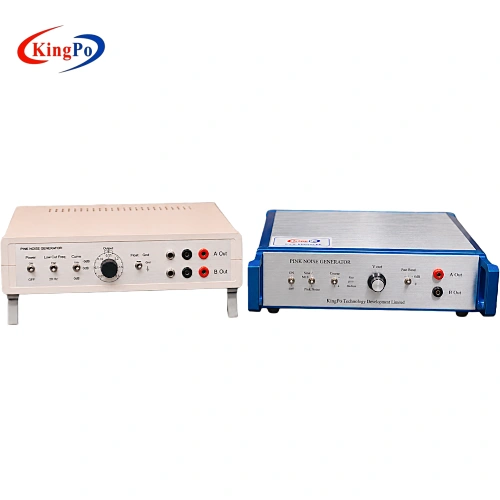
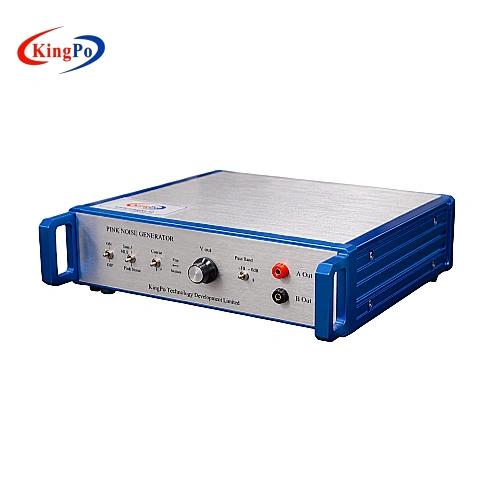
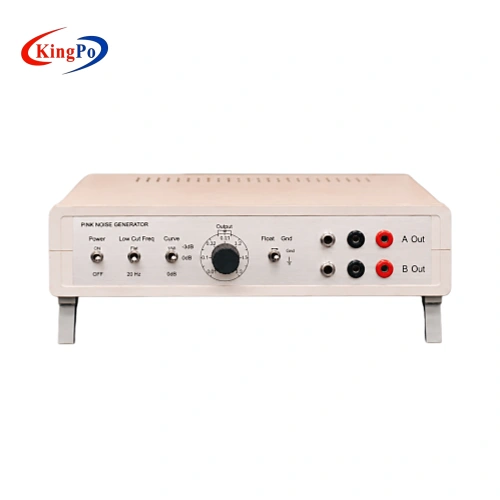
In audio amplifier safety testing, the signal source is used to create a defined and repeatable operating condition for the equipment under test. The purpose is not only to check whether an amplifier can produce sound, but also to support output power determination, temperature rise evaluation and safety-related operating condition tests.
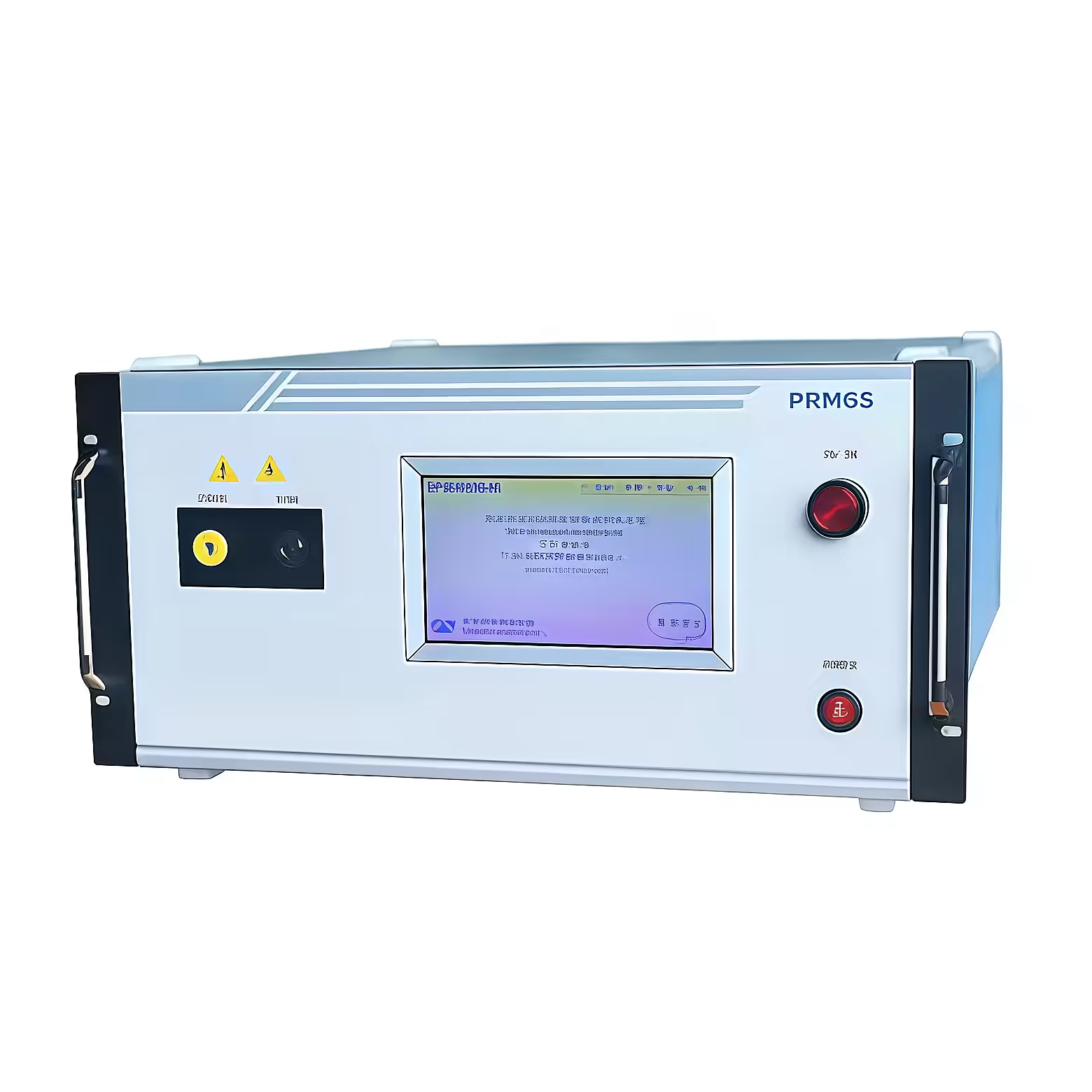
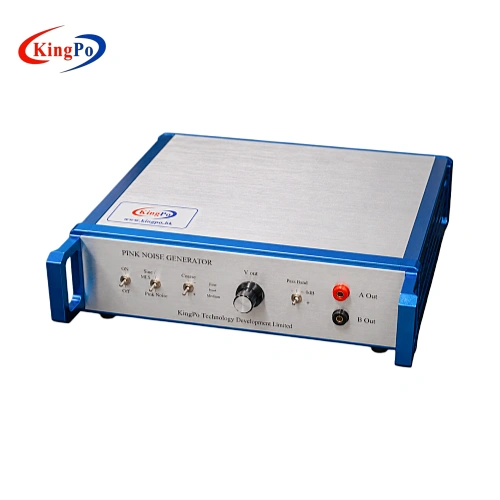
The Model 8280 Pink Noise Generator provides two selectable signal types: filtered pink noise and 1000 Hz sine wave. The sine wave is typically used for output power or clipping-related checks, while filtered pink noise is used to simulate a more representative audio program signal during amplifier loading tests.
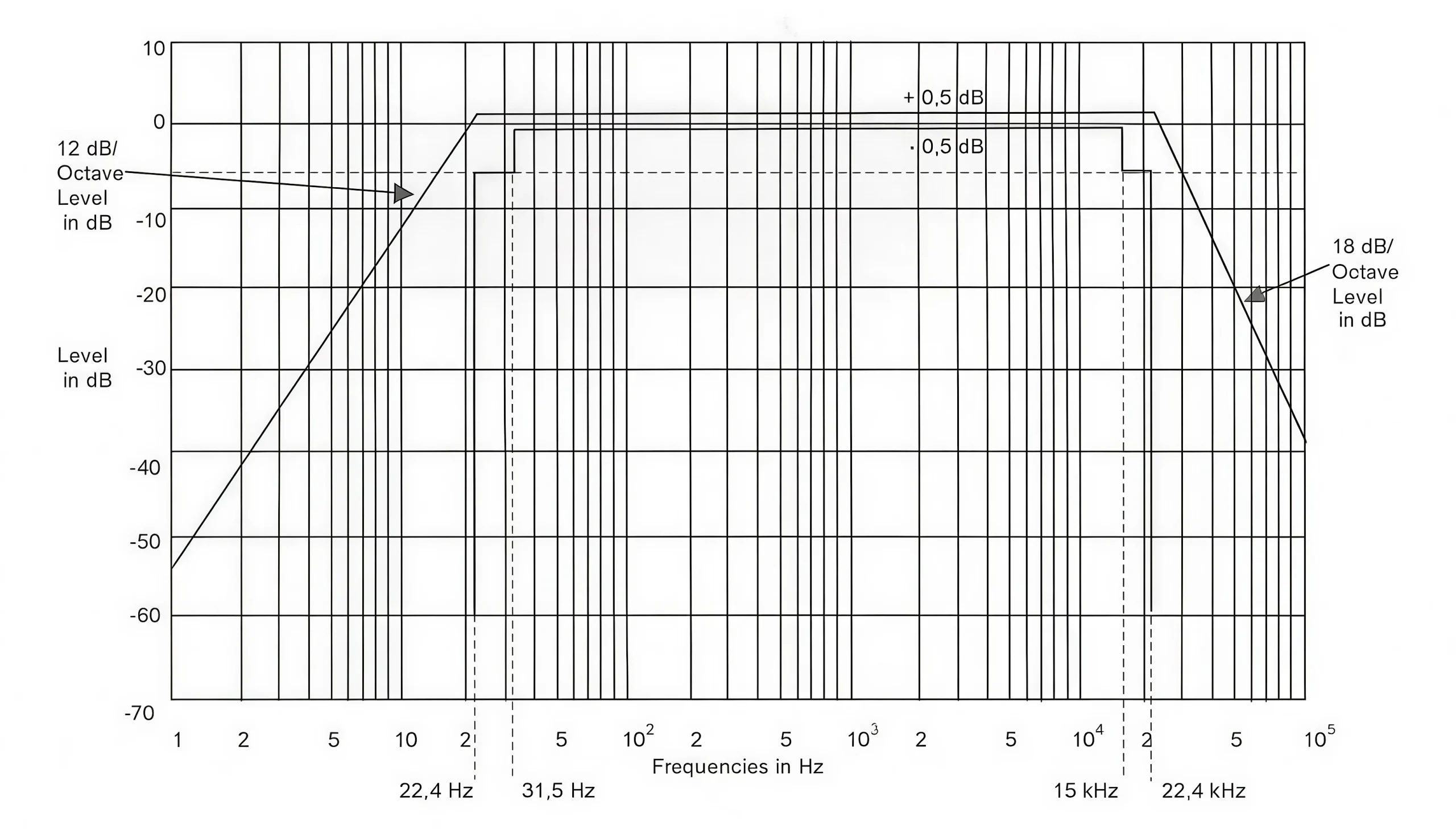
For overseas B2B buyers, the key value is repeatability. Instead of using a general-purpose signal source with unclear filtering or output characteristics, laboratories can use a dedicated pink noise generator that matches IEC 62368-1 Annex E and IEC 60065 related test requirements.
Pink Noise and 1000 Hz Sine Wave Output
1000 Hz Sine Wave
The 1000 Hz sine wave is useful when checking amplifier output capability, gain setting or non-clipped output level. It provides a simple and repeatable signal condition before further pink noise loading tests.
Filtered Pink Noise
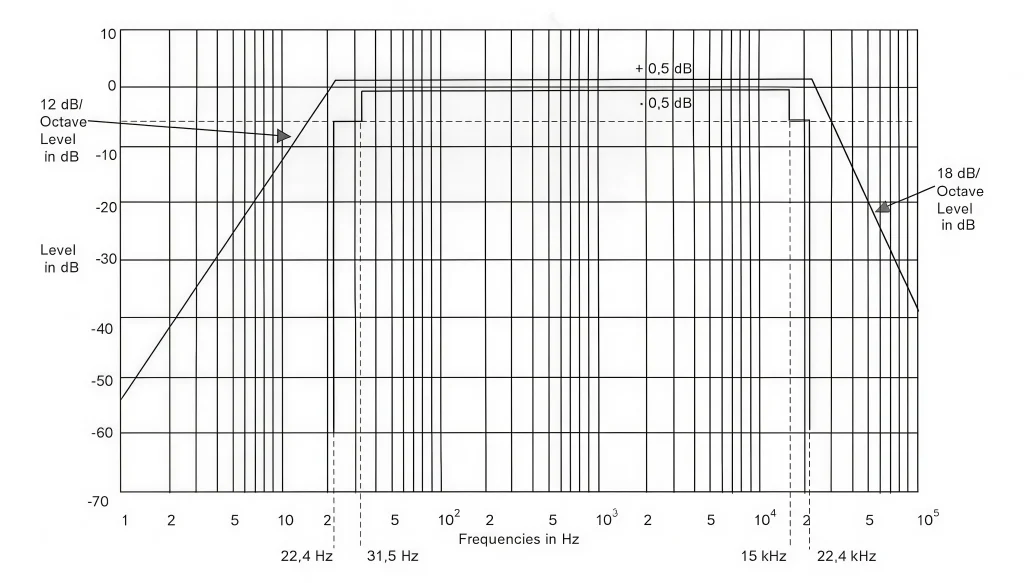
Filtered pink noise is used to create a more realistic loading condition for audio amplifier safety and temperature-related evaluation. It is more representative of real audio program material than a single-frequency sine wave.
Application in Audio Amplifier Testing
This generator is mainly used for IEC 62368-1 Annex E related audio amplifier tests. It helps provide a controlled input signal for evaluating amplifier behavior under defined operating conditions.
Typical test use may include:
- Determining or checking amplifier output level
- Applying filtered pink noise for realistic audio loading
- Supporting temperature rise evaluation
- Preparing normal operating condition tests
- Supporting abnormal or fault-related test preparation
- Checking audio amplifiers before formal certification testing
- Creating repeatable input conditions for production QA
The exact test method, output level and judgment criteria should follow the applicable standard edition and the laboratory’s approved test procedure.
Signal Output and Connection Features
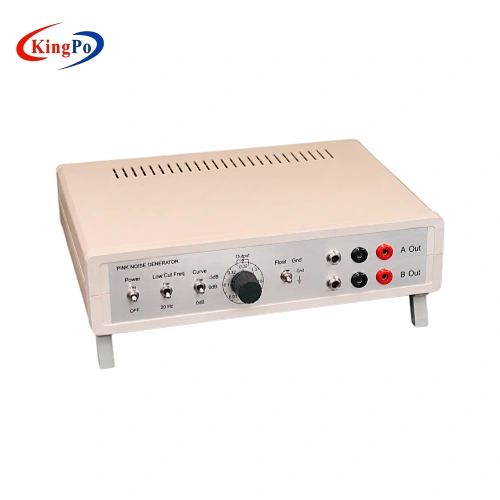
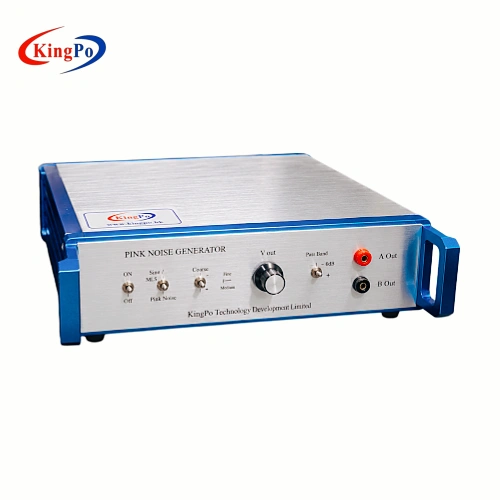
The generator provides two output channels for stereo or dual-channel amplifier test arrangements. The channels can be phase shifted to 0° or 90°, which helps match different amplifier configurations and test procedures.
The output level can be finely adjusted to match the DUT input sensitivity. RCA and 4 mm banana output connectors provide practical connection options for common audio products and laboratory test setups. RCA and 3.5 mm phono audio cables can be supplied for connecting to the test object.
For laboratories, this is important because connection convenience directly affects daily testing efficiency. A suitable signal source should not only meet the signal requirement, but also allow stable, repeatable and convenient connection to different DUT types.
Technical Specifications
| Item | Specification |
|---|---|
| Product Name | IEC 62368-1 Annex E Pink Noise Generator |
| Model | Model 8280 |
| Applicable Standard | IEC 62368-1 Annex E |
| Related Standard | IEC 60065 Clauses 4.2 and 4.3 |
| Output Signal Reference | IEC 60065 Annex C, Figure C1 / IEC 60268 |
| Signal Type | Filtered pink noise or 1000 Hz sine wave |
| Simultaneous Output | Pink noise and sine wave are not output at the same time |
| Output Channels | Two output channels |
| Phase Shift | 0° or 90° |
| Output Adjustment | Fine adjustment of output voltage |
| Output Connectors | RCA and 4 mm banana type connectors |
| Included Cables | RCA and 3.5 mm phono audio cables |
| Power Supply | 220 VAC, 50 Hz |
| Dimensions | 290 × 270 × 60 mm |
| Weight | Approx. 2 kg |
| Mechanical Configuration | Supplied according to final order configuration |
Output Voltage Ranges
| Output Range | Sine Wave 1 kHz | Filtered Pink Noise |
|---|---|---|
| Low | 0–100 mV / 1 kΩ | 0–35 mV rms / 1 kΩ |
| Medium | 0–1 V / 1 kΩ | 0–350 mV rms / 1 kΩ |
| High | 0–5 V / 1 kΩ | 0–1.7 V rms / 1 kΩ |
The output range should be selected according to the DUT input sensitivity, amplifier rating and applicable test procedure. For formal testing, the output level, phase setting and signal condition should be verified according to the laboratory’s quality system.
Compliance and Test Preparation Note
Before formal testing, the applicable standard edition, DUT connection method, output voltage range, phase setting, verification method and documentation requirements should be confirmed according to the customer’s test procedure or laboratory quality system.
Typical Applications
This pink noise generator is suitable for manufacturers, certification laboratories, R&D teams and production QA departments that need a defined signal source for IEC 62368-1 Annex E or IEC 60065 related audio amplifier tests.
- Audio amplifier operating condition testing
- Temperature rise evaluation under realistic audio loading
- Maximum non-clipped output power related checks
- AV receiver and soundbar verification
- Multimedia speaker system testing
- Stereo or dual-channel amplifier testing
- R&D design margin evaluation
- Production inspection and routine QA testing
Procurement Value for Laboratories and Manufacturers
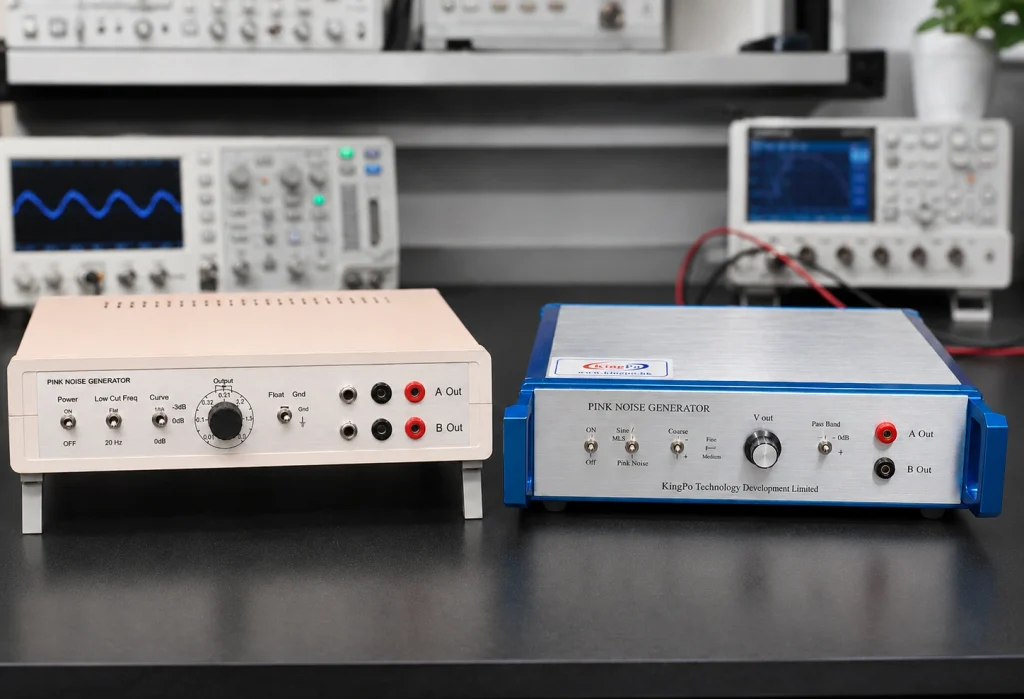
For B2B buyers, the main value of this generator is not simply that it produces noise. It helps standardize the test input signal for audio amplifier safety testing, reducing variation caused by unstable signal sources, unclear output levels or unsuitable noise characteristics.
For certification laboratories, it supports repeatable IEC 62368-1 Annex E and IEC 60065 related test preparation. For manufacturers, it can be used in R&D, pre-compliance checks and routine production inspection before products are submitted for formal testing.
This makes the generator useful not only for final compliance testing, but also for earlier engineering verification and quality control.