Technical Overview
An IP rating describes how an enclosure protects against access to hazardous parts, solid foreign objects and water under defined test conditions. Under IEC 60529, the first characteristic numeral addresses access and solid-object protection, while the second characteristic numeral addresses water ingress.
The rating should always be read together with the applicable standard, the tested product configuration and the acceptance criteria. A higher water numeral does not always mean that every lower-numbered water test is automatically covered, because splashing, water jets and immersion use different exposure methods.
This IP Ratings Guide provides a practical overview of common enclosure ratings such as IP44, IP54, IP55, IP65, IP66, IP67 and IP68, explains how the IEC 60529 code is structured, and shows how each rating relates to the corresponding laboratory test method and equipment.
IP Ratings Guide: How to Read an IP Code
An IP code normally begins with the letters “IP” followed by two characteristic numerals. Additional letters may also be used in some cases, but most product specifications and procurement requirements focus on the two main numerals.
| Code Element | Meaning | Example |
|---|---|---|
| IP | Ingress Protection classification | IP65 |
| First numeral | Access to hazardous parts and ingress of solid foreign objects | 6 = dust-tight |
| Second numeral | Protection against specified water exposure | 5 = water-jet protection |
| X | No characteristic numeral is specified in that position | IPX8 states a water rating but not a solid-object rating |
For example, IP65 combines IP6X dust-tight protection with IPX5 water-jet protection. It does not automatically establish IPX6 powerful-water-jet protection or IPX7/IPX8 immersion protection.
Protection Levels Under IEC 60529
First Characteristic Numeral: Access, Solid Objects and Dust
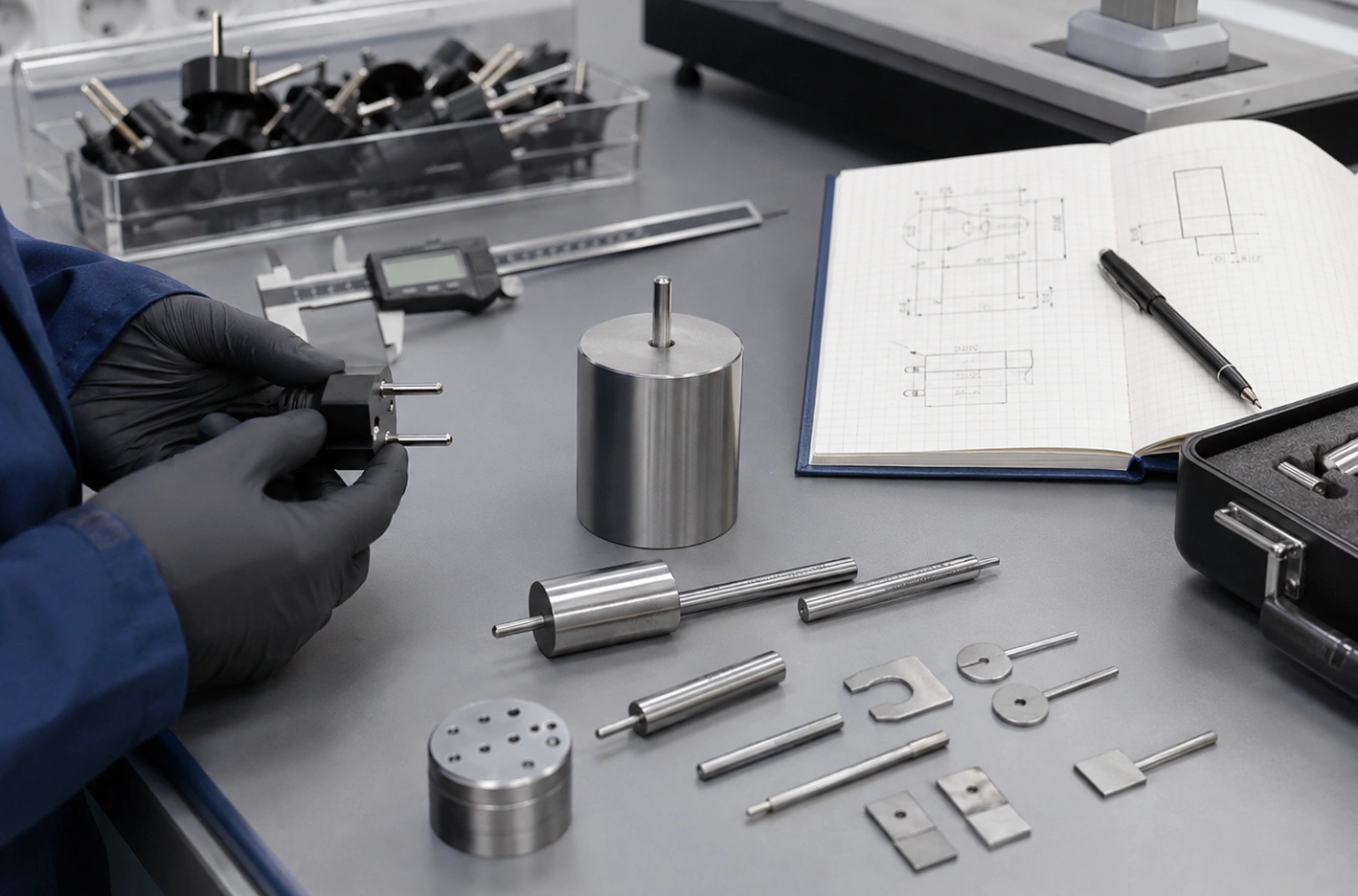
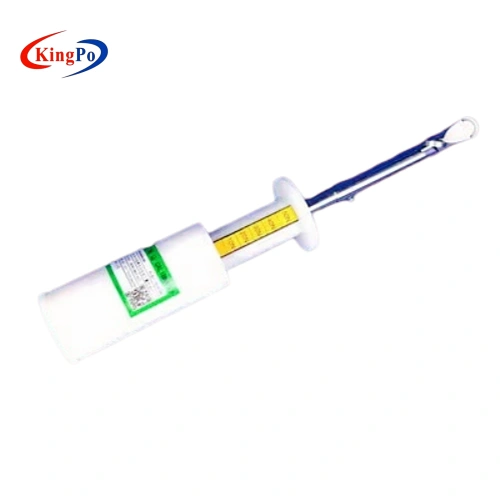
The first characteristic numeral is often described as the “dust digit,” but it also addresses protection against access to hazardous parts. For the lower numerals, standardized access probes and object sizes are important. For IP5X and IP6X, dust circulation, enclosure category and possible pressure reduction must also be considered.
| Level | General Protection | Engineering Interpretation |
|---|---|---|
| 0 | No specified protection | No defined protection against access or solid foreign objects. |
| 1 | Objects 50 mm and greater | Protection against large solid objects and access with the back of a hand. |
| 2 | Objects 12.5 mm and greater | Protection against finger-sized objects and access with a standardized test finger. |
| 3 | Objects 2.5 mm and greater | Protection against tools, thick wires and comparable solid foreign objects. |
| 4 | Objects 1.0 mm and greater | Protection against smaller wires and solid foreign objects of the specified size. |
| 5 | Dust-protected | Some dust may enter, but not in a quantity that interferes with satisfactory operation or impairs safety. |
| 6 | Dust-tight | No ingress of dust under the specified test conditions. |
LABORATORY NOTE
IP5X and IP6X testing should not be reduced to simply placing a sample in a dusty chamber. The enclosure category, internal pressure, cable entries, ventilation openings, operating condition, dust type, duration and post-test inspection method should be confirmed before testing.
Second Characteristic Numeral: Water Ingress Protection
The second characteristic numeral describes protection against specified water exposure. The method may control water flow, nozzle geometry, angle, distance, duration, specimen movement, immersion depth or pressure.
| Level | Water Exposure | Engineering Meaning | Typical Equipment |
|---|---|---|---|
| IPX0 | No specified water protection | No water-ingress classification is assigned. | Not applicable |
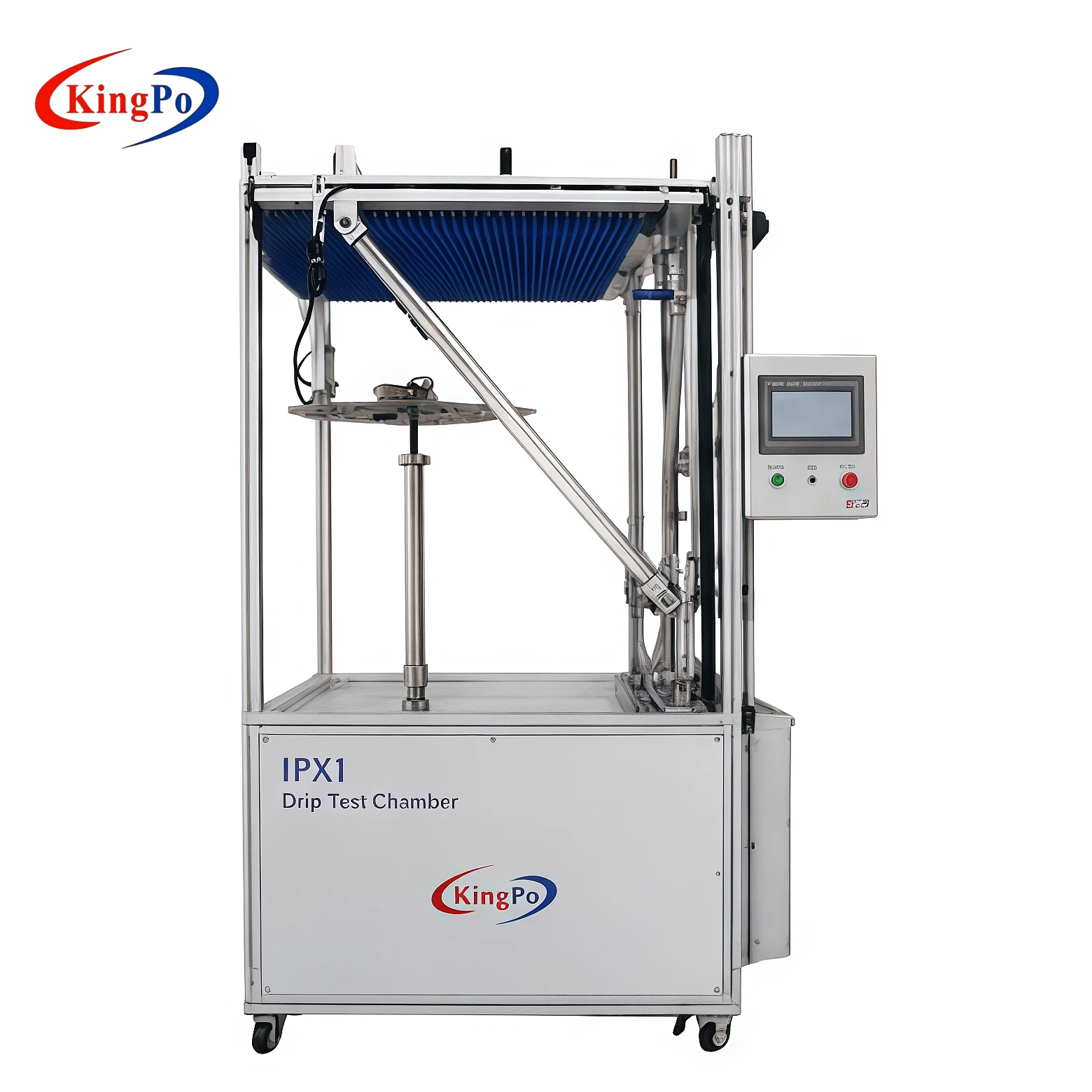
| IPX1 | Vertically falling drops | Protection against vertical dripping water. | Drip box |
| IPX2 | Dripping with enclosure tilted | Protection against dripping water with the enclosure tested in tilted positions. | Drip box with suitable positioning |
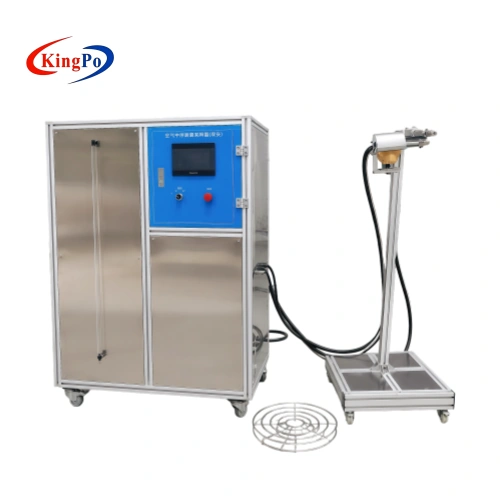
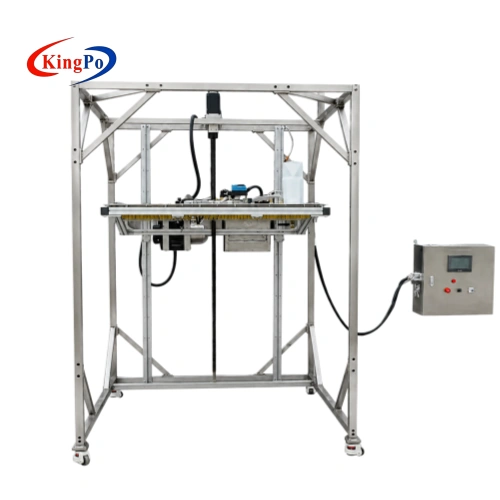
| IPX3 | Spraying water | Protection against spraying water within the specified angular range. | Oscillating tube or spray nozzle |
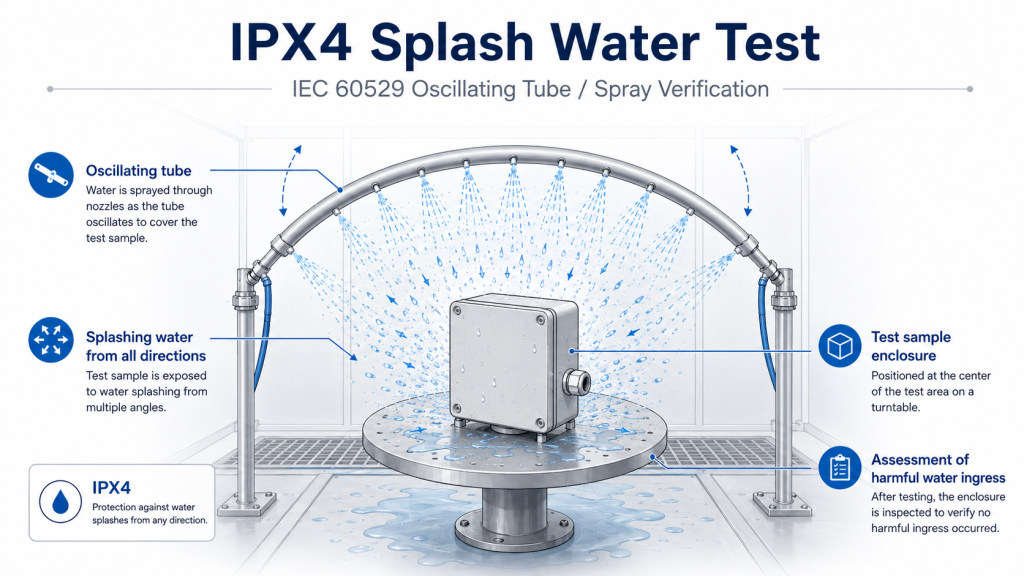
| IPX4 | Splashing water | Protection against splashing water from any direction. | Oscillating tube or spray nozzle |
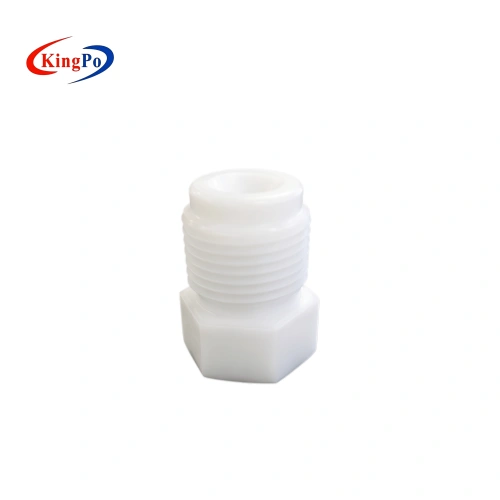
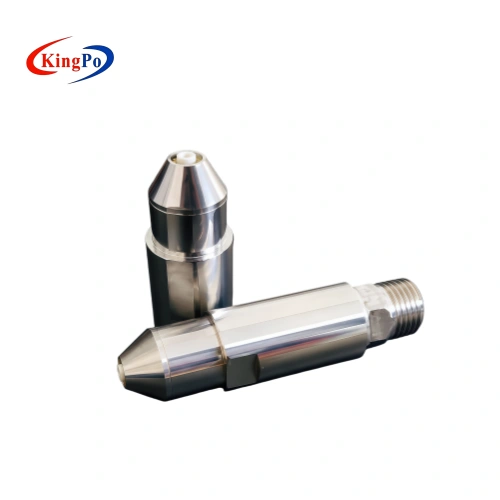
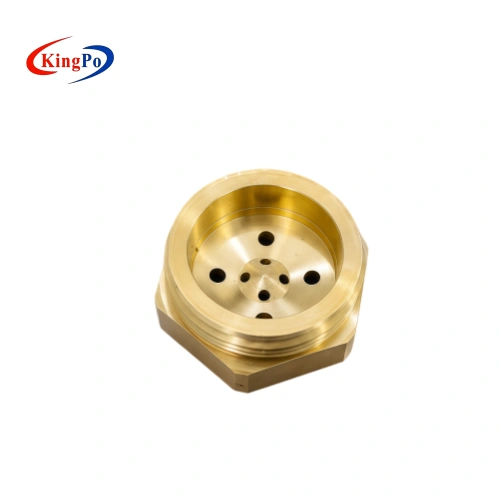
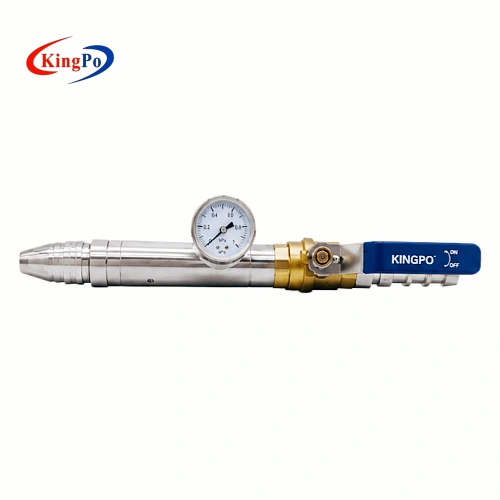
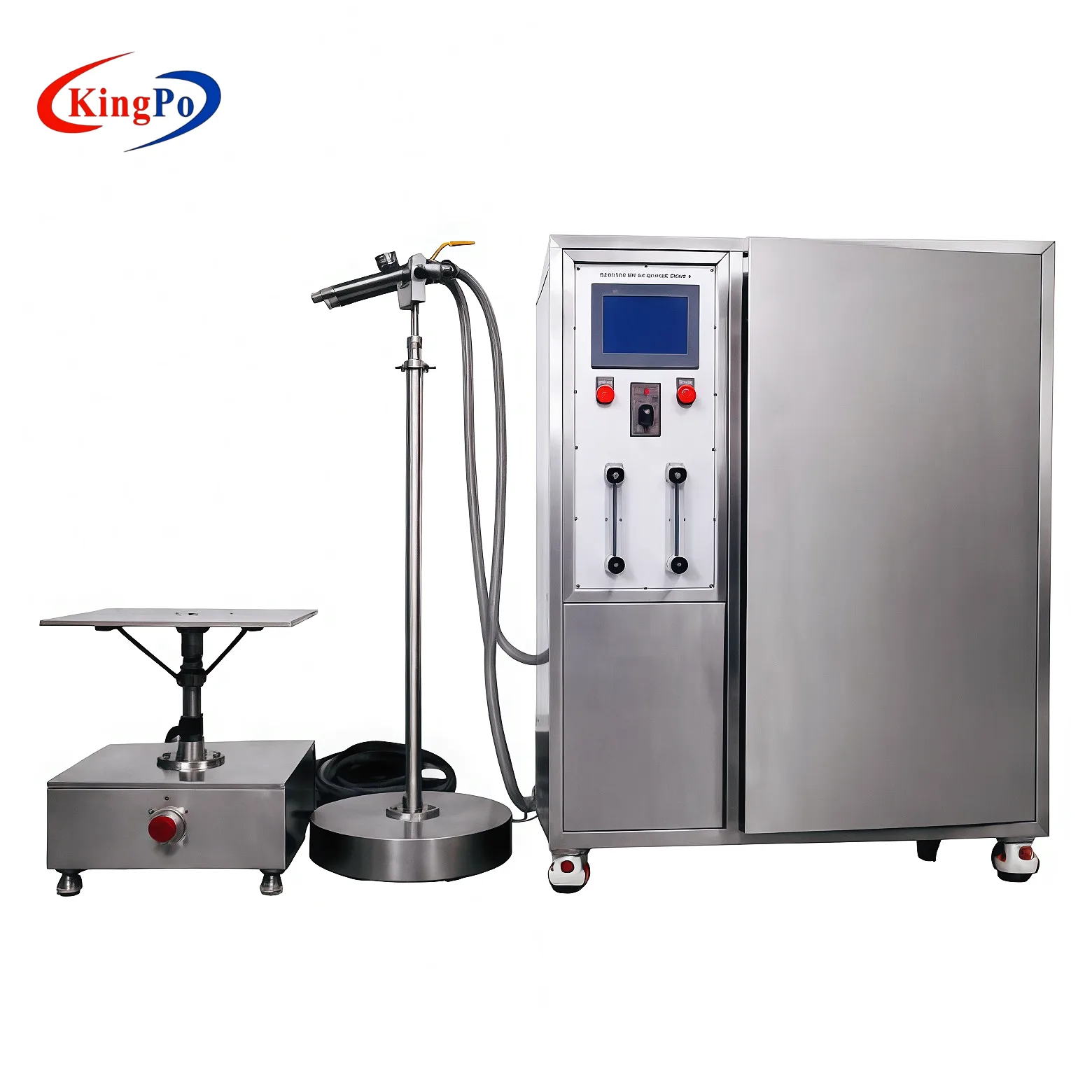
| IPX5 | Water jets | Protection against water jets delivered through the specified nozzle arrangement. | IPX5 test nozzle |
| IPX6 | Powerful water jets | Protection against powerful water jets under the specified test condition. | IPX6 test nozzle |
| IPX7 | Temporary immersion | Temporary immersion for 30 minutes under prescribed water-level conditions. | Immersion tank sized for the specimen |
| IPX8 | Continuous immersion under defined conditions | Depth or pressure, duration and acceptance criteria must be specified for the product. | IPX8 immersion chamber |
| IPX9 | High-pressure, high-temperature water jets | Test parameters must follow IEC 60529 or the applicable product standard. | High-pressure hot-water jet system |
Common IP Ratings Compared
A practical IP Ratings Guide should distinguish between the solid-protection requirement and the water-exposure method rather than treating the final two-digit code as a single test. The table below compares several ratings frequently used in product specifications.
| Rating | Solid Protection | Water Protection | Main Test Combination | Important Limitation |
|---|---|---|---|---|
| IP44 | Objects 1 mm and greater | Splashing water | IP4X + IPX4 | Does not establish dust or water-jet protection. |
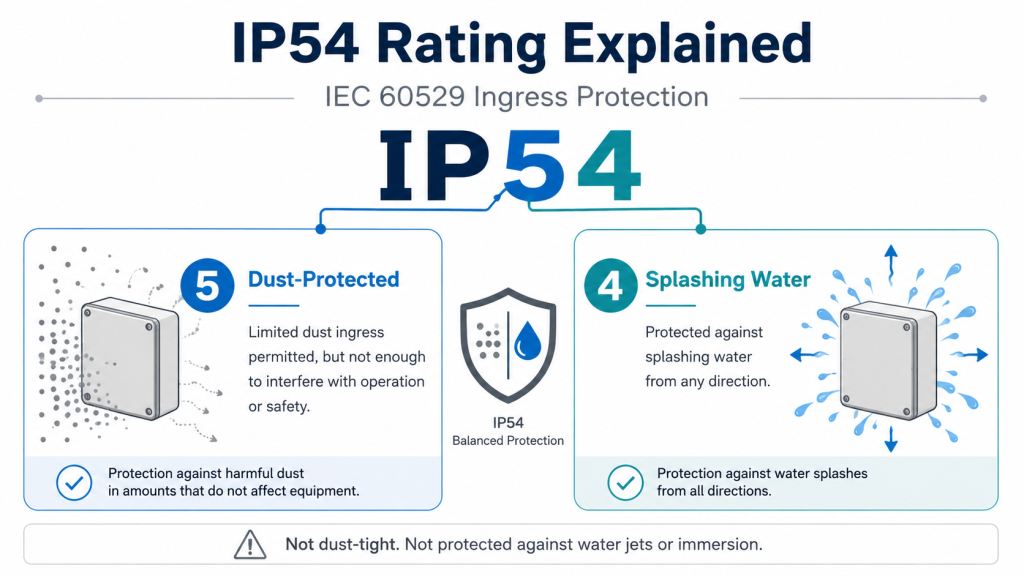
| IP54 | Dust-protected | Splashing water | IP5X + IPX4 | Does not establish dust-tight, jet or immersion protection. |
| IP55 | Dust-protected | Water jets | IP5X + IPX5 | Does not establish dust-tight, powerful-jet or immersion protection. |
| IP65 | Dust-tight | Water jets | IP6X + IPX5 | Does not establish powerful-jet or immersion protection. |
| IP66 | Dust-tight | Powerful water jets | IP6X + IPX6 | Does not automatically establish immersion protection. |
| IP67 | Dust-tight | Temporary immersion | IP6X + IPX7 | Does not automatically prove IPX5/IPX6 jet resistance. |
| IP68 | Dust-tight | Continuous immersion under defined conditions | IP6X + defined IPX8 condition | Does not mean unlimited depth, unlimited duration or every form of water exposure. |
IMPORTANT ENGINEERING PRINCIPLE
IPX5, IPX6, IPX7 and IPX8 are not simply interchangeable steps on one ladder. Water jets and immersion load enclosure seals differently. A product that passes IPX7 should not automatically be assumed to pass IPX5 or IPX6 unless those tests were also completed or the applicable product standard provides another basis.
From IP Rating to Laboratory Test
Once the required rating is known, the laboratory should translate that rating into the actual exposure method and equipment configuration. The detailed pages below cover the main test families in more depth.
IP5X / IP6X Dust Testing
Controlled dust exposure using a suitable sand and dust test chamber.
IPX3 / IPX4 Spray and Splash
Oscillating tube or spray-nozzle testing, depending on specimen dimensions and the applicable procedure.
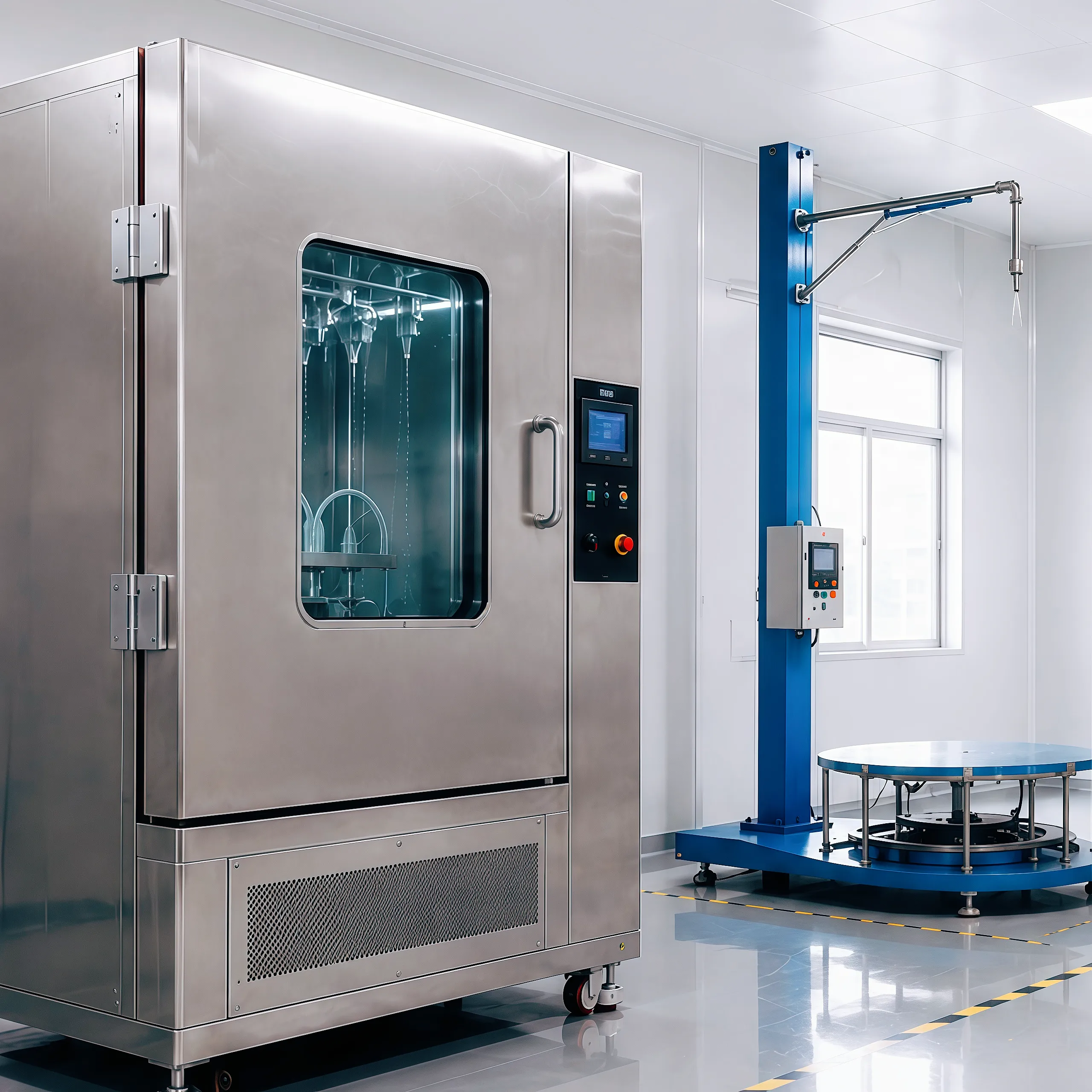
IPX5 / IPX6 Water Jets
Directed water-jet testing using the specified nozzle arrangement and flow conditions.
IPX7 / IPX8 Immersion
Temporary or continuous immersion using an open tank or pressure immersion system.
For a complete equipment overview, see the KingPo IP Testing Equipment Selection Guide for IEC 60529 and ISO 20653.
What to Confirm Before Testing
Many disputed or invalid IP tests result from an incomplete test plan rather than unsuitable equipment. The manufacturer and laboratory should agree the test basis before exposure begins.
Standard and Rating
- Applicable standard and edition
- Required complete IP rating or individual IPX / IP5X / IP6X level
- Product-specific modifications to IEC 60529
- Required sample quantity
Specimen Configuration
- Normal mounting position
- Status of doors, covers, plugs and removable parts
- Cable type, diameter and gland tightening
- Operating, energized or de-energized state
Exposure and Evaluation
- Flow, pressure, distance, angle, duration or immersion depth
- Specimen movement or turntable requirements
- Post-test drainage and opening procedure
- Permitted ingress and required functional or safety checks
Post-Test Evaluation and Common Failure Points
The pass/fail decision should follow the applicable acceptance criteria. A simple “completely dry equals pass” rule is not suitable for every product. The location and effect of any ingress, together with the required functional or electrical checks, must be considered.
| Area | Typical Issue | Engineering Significance |
|---|---|---|
| Gaskets | Uneven compression, permanent set or incorrect material | Can create local leakage paths around covers and doors. |
| Cable entries | Incorrect gland size, cable diameter or tightening | A common source of otherwise unexpected ingress. |
| Housing and fasteners | Deformation, seams, screw holes or latch movement | Mechanical distortion can open sealing gaps during water exposure. |
| Internal areas | Water, dust or condensation near critical parts | A small amount in a critical location may matter more than a larger amount in a harmless area. |
| Production variation | Different torque, seals, connectors or assembly methods | A prototype result may not represent the final production unit. |
Frequently Asked Questions About IP Ratings
What does IP54 mean?
IP54 means the enclosure is dust-protected under IP5X and protected against splashing water under IPX4. It does not establish dust-tight, water-jet or immersion protection.
What is the difference between IP54 and IP65?
IP54 combines IP5X dust protection with IPX4 splashing-water protection. IP65 combines IP6X dust-tight protection with IPX5 water-jet protection.
What is the difference between IP65 and IP66?
Both are dust-tight. IP65 uses the IPX5 water-jet test, while IP66 uses the more severe IPX6 powerful-water-jet test.
What is the difference between IP65 and IP67?
IP65 addresses dust-tight construction and water jets. IP67 addresses dust-tight construction and temporary immersion. Jet resistance and immersion resistance are different test conditions.
Does IPX7 always mean one metre for 30 minutes?
IPX7 uses a 30-minute temporary-immersion test, but the required water level depends on enclosure dimensions and the applicable IEC 60529 criteria. “One metre for 30 minutes” is only a simplified summary.
What does IPX8 mean?
IPX8 addresses continuous immersion under defined conditions that are more severe than IPX7. The actual depth or pressure, duration, specimen configuration and acceptance criteria must be specified.
Does a higher IP water numeral automatically include every lower test?
Not always. Splashing, water jets, powerful jets and immersion apply different exposure mechanisms. Required classifications should be verified according to the applicable standard and product requirements.
Can an empty enclosure be used to claim the rating of the finished product?
Not safely in every case. Connectors, cable glands, ventilation elements, displays, doors, mounting hardware and production tolerances can change sealing performance. A production-representative assembly should be evaluated.
Conclusion
An IP rating is most useful when it is treated as a defined engineering classification rather than a generic statement that a product is “waterproof” or “dustproof.” The first numeral, second numeral, exposure method, specimen configuration and acceptance criteria all matter.
For laboratories and manufacturers, the practical workflow is to identify the required rating, confirm the applicable standard and specimen configuration, select equipment that reproduces the required exposure, and define how the result will be evaluated and documented.
KingPo IP Test Configuration Support
KingPo provides IP testing equipment for IEC 60529 and ISO 20653 applications, including access probes, dust chambers, drip systems, spray nozzles, water-jet systems, immersion tanks and high-pressure water test systems.
For equipment selection, provide the target IP rating, applicable standard, specimen dimensions, mounting orientation, test duration and required level of automation. See the IP Testing Equipment Selection Guide or browse KingPo IP Testing Equipment Products.
Technical disclaimer: This article provides practical engineering guidance and does not reproduce or replace IEC 60529, ISO 20653 or any licensed standard. Final classifications, test conditions and acceptance criteria must follow the applicable standard edition, product-specific requirements and approved laboratory procedure.