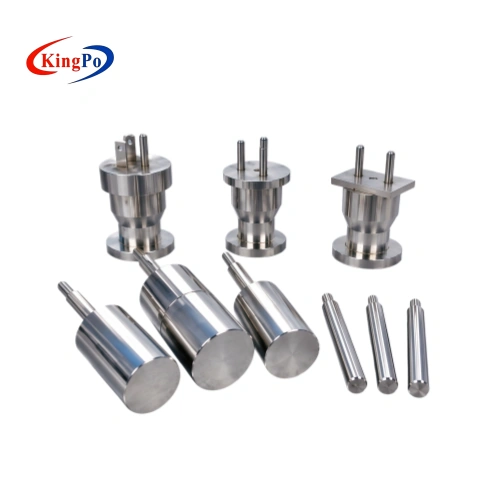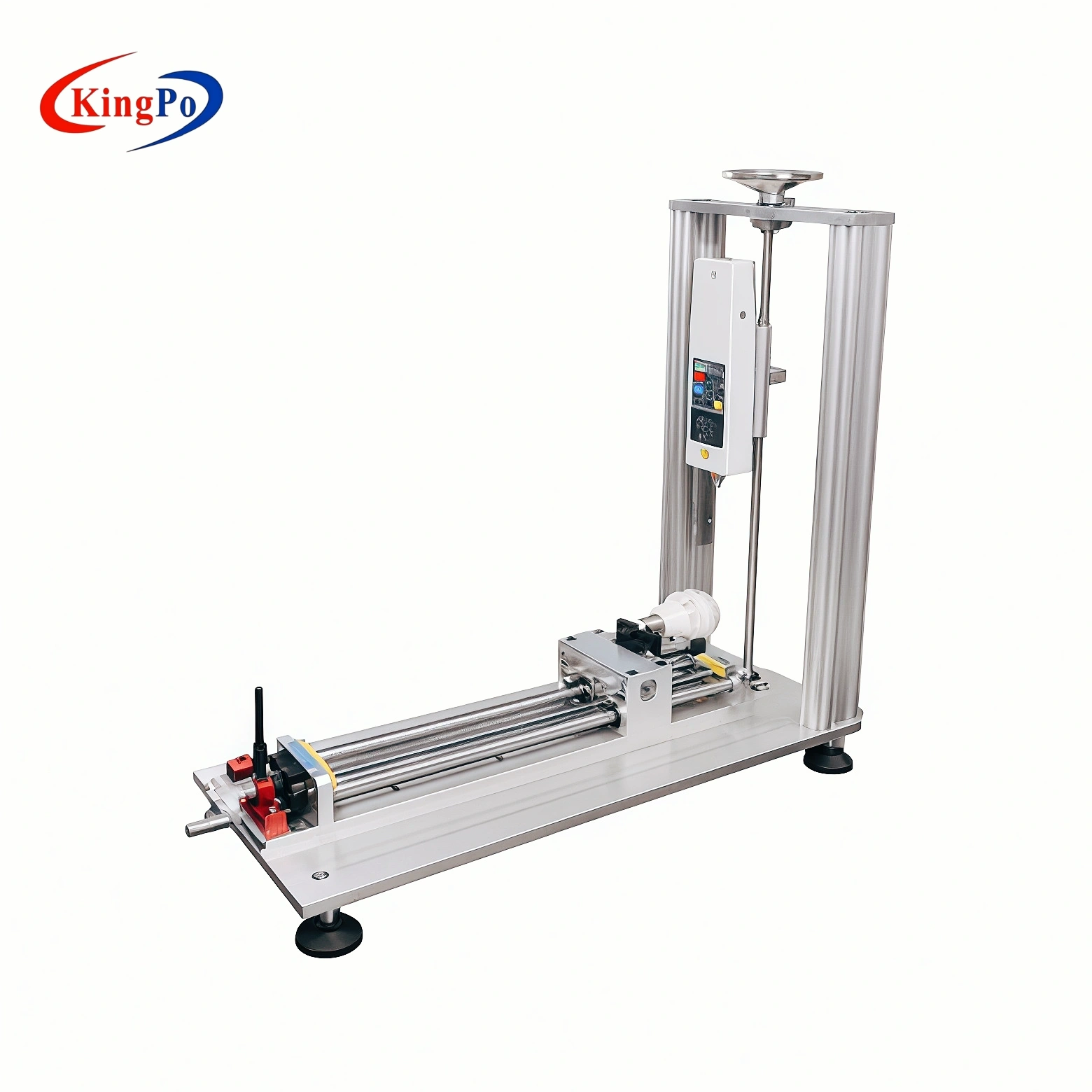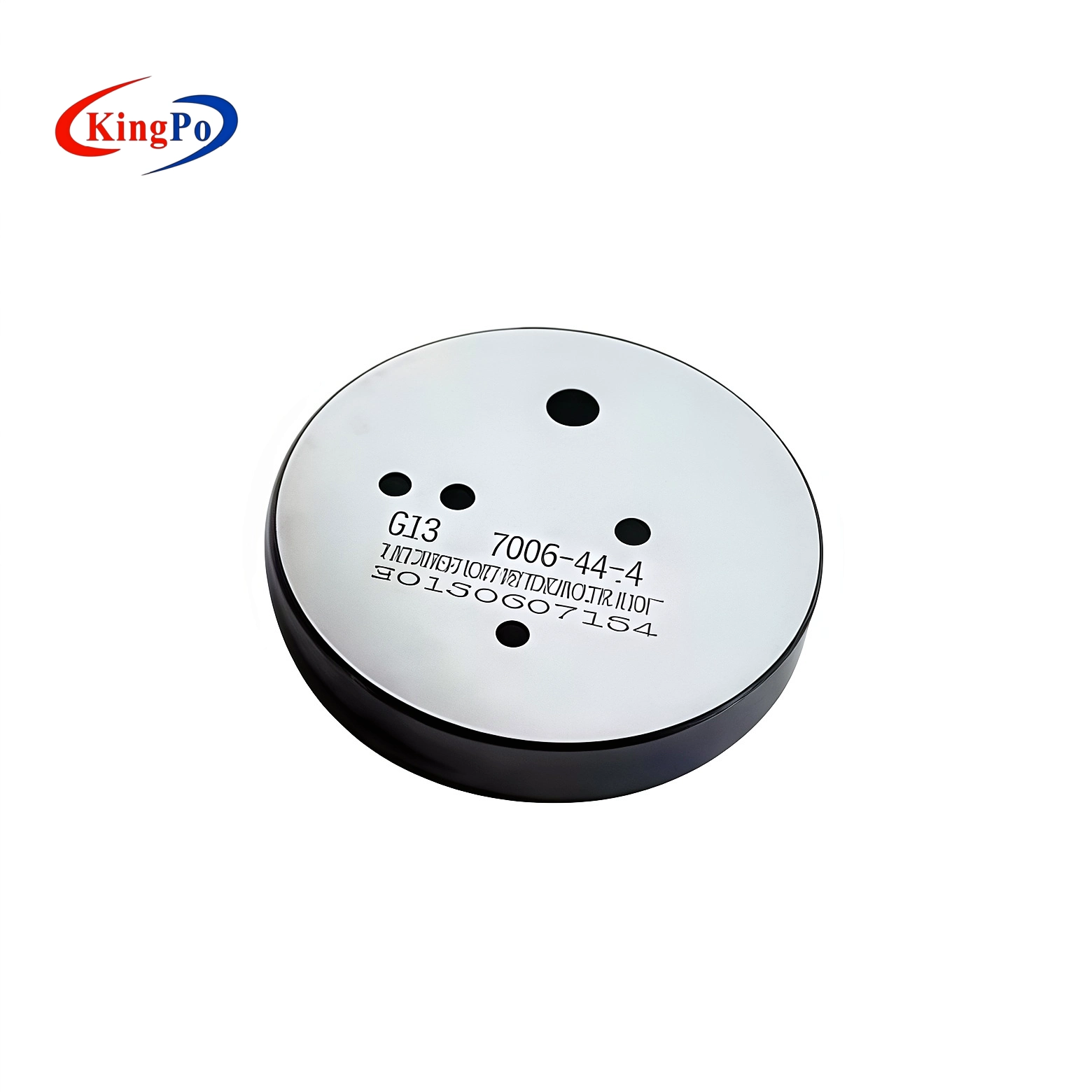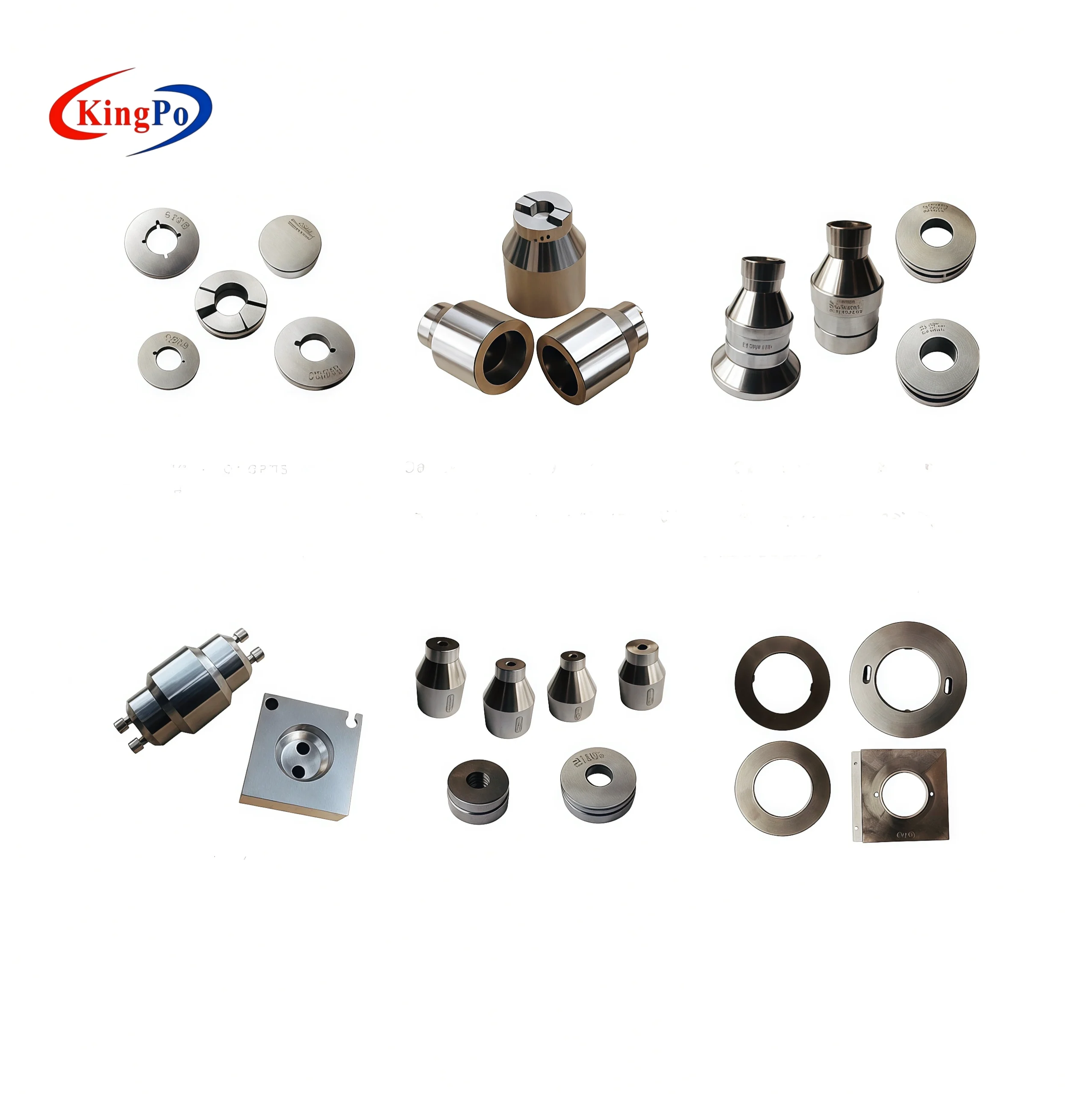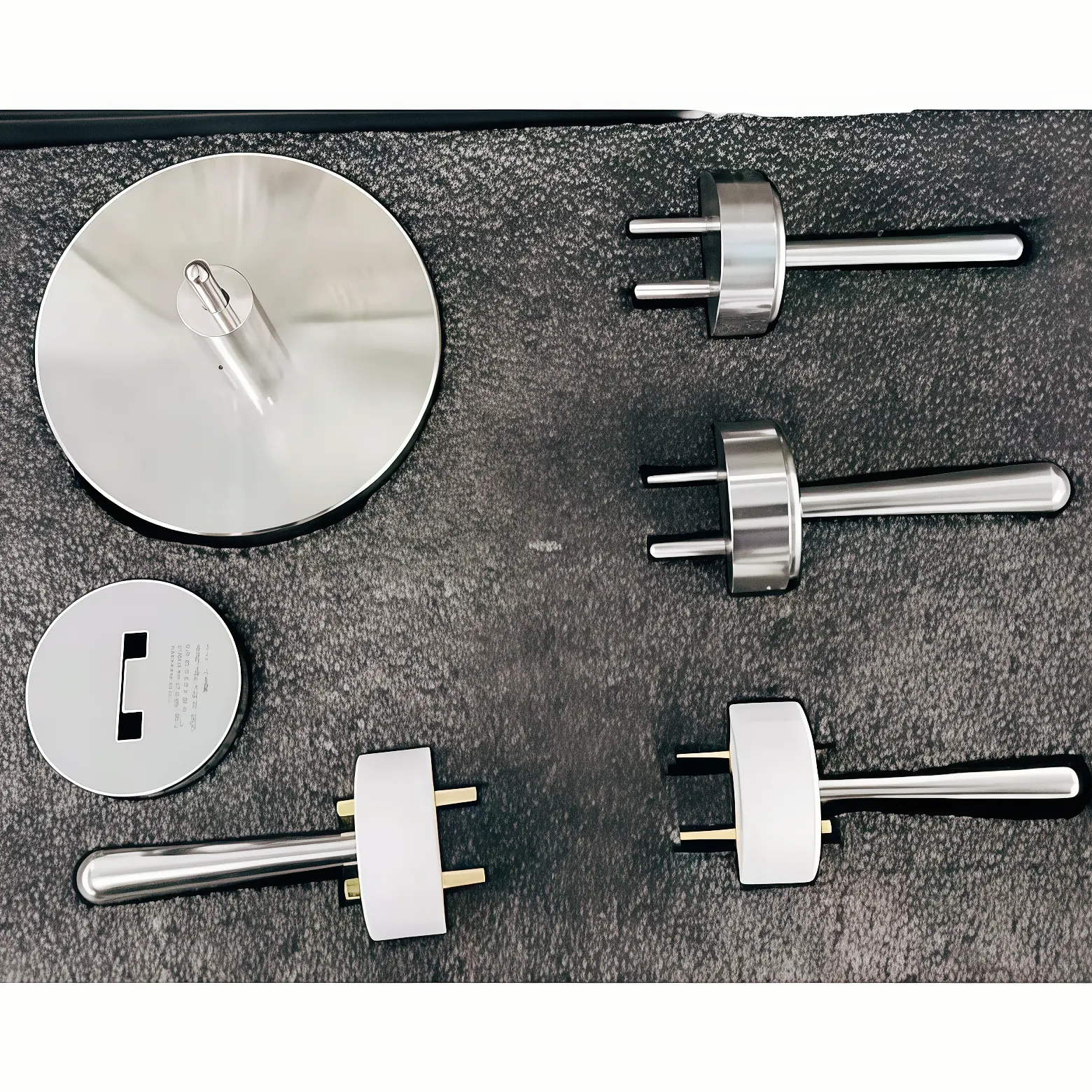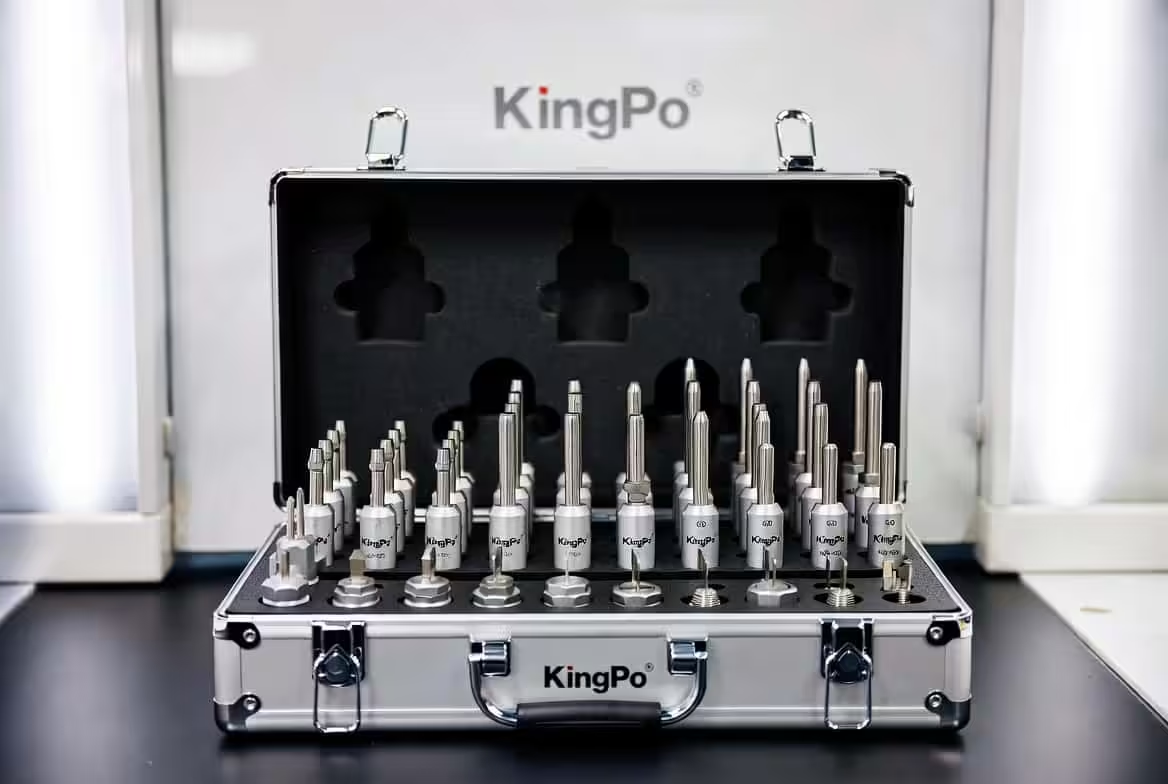
When I work with electrical systems, I rely on a socket plug gauge to check if plugs fit safely into a socket. An outlet gauge helps me measure if an outlet meets safety standards. These tools keep everyone safe and help me follow strict rules in industries like electrical, automotive, and medical. I trust reliable products, such as the DG Kingpo Plug Socket Tester, because they give me confidence in my results and make my job easier.
Key Takeaways
-
Socket plug gauges ensure plugs fit safely into outlets. Use them to prevent electrical accidents.
-
Follow the Go/No-Go principle for quick testing. This method helps you easily determine if a plug or socket meets safety standards.
-
Always turn off the power before testing. This simple step protects you from electric shock and ensures accurate results.
-
Regularly calibrate your gauges to maintain accuracy. Calibration helps ensure compliance with safety standards.
-
Record your test results to track compliance. Keeping good records helps identify issues and supports quality control.
Socket Plug Gauge and Outlet Gauge Basics
Definitions and Functions
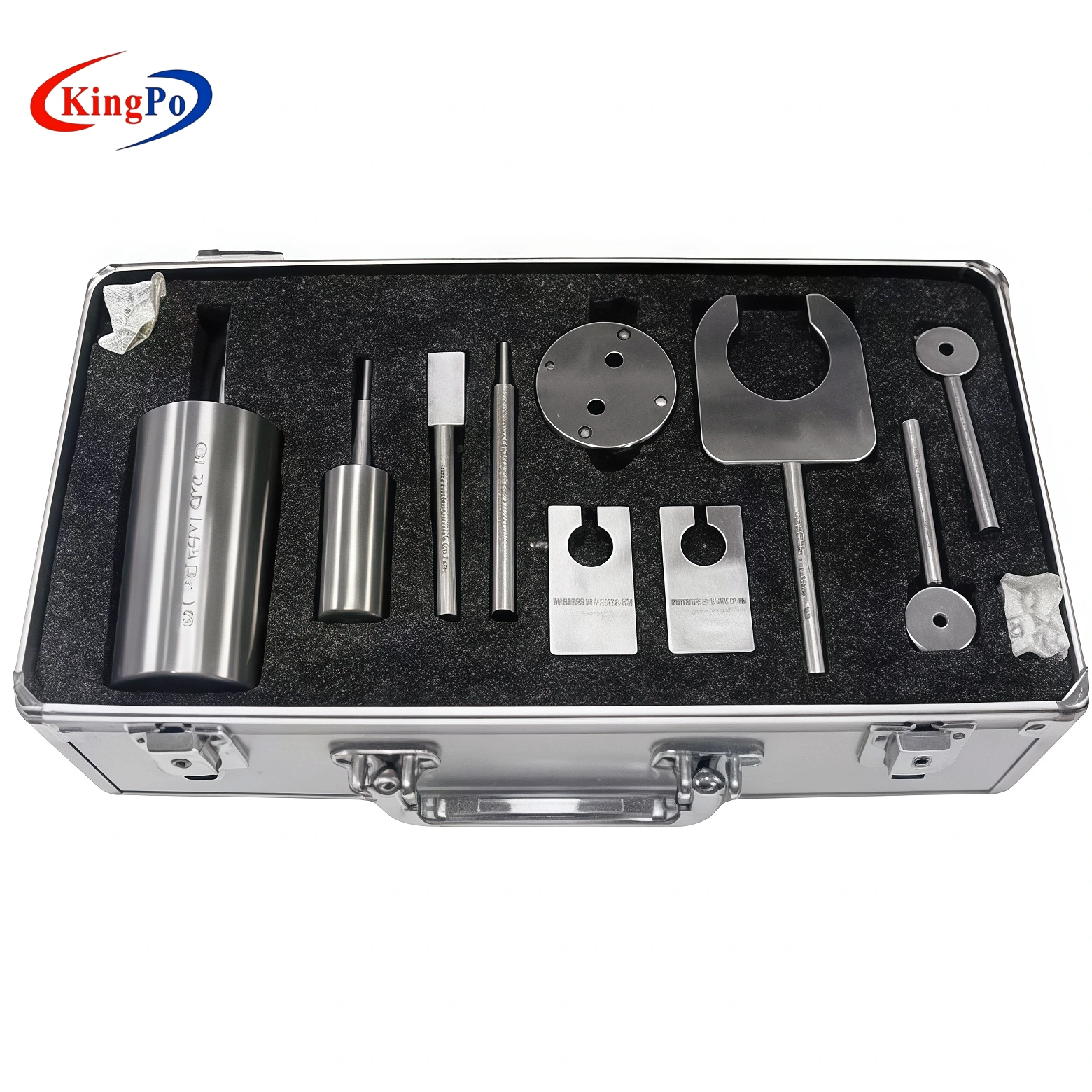
When I test electrical systems, I rely on plug and socket gauges to make sure everything fits and works safely. A socket plug gauge helps me check if a plug matches the socket’s size and shape. An outlet gauge lets me confirm that the outlet meets important safety standards. These tools play a big role in quality assurance. They help me verify that sockets and plugs meet strict requirements for distance and fit. This verification process supports manufacturing, certification, and even research and development. I use these gauges to prevent problems before they happen, which keeps everyone safe.
Tip: Always use the right gauge for the job. This ensures accurate results and helps maintain compliance with safety standards.
Types and Standards
I see many types of plug and socket gauges in my work. Each type serves a specific purpose:
-
Socket plug gauges check the size or type of a plug. Some work with three-pronged plugs, while others fit two-pronged designs.
-
Outlet gauges, sometimes called receptacle testers, check the wiring and fit of an outlet.
-
I use socket gauges in homes, businesses, and factories to make sure electrical connections are safe.
Different regions use different standards. For example, in the United States, outlets use 120V and plug types A and B. In Europe, most outlets use 230V and plug type C. Japan uses both A and B types, but with 100V. I always match my plug gauge or socket gauge to the local standard to ensure compliance.
|
Feature |
Socket Plug Gauges |
Outlet Gauges |
|---|---|---|
|
Purpose |
Verify plug dimensions for compatibility |
Verify socket fit and wiring |
|
Design |
Includes GO and NO GO for pin sizes |
Uses test pins for aperture and engagement |
|
Application |
Ensures safety and compliance |
Confirms correct contact sequencing |
Go/No-Go Principle
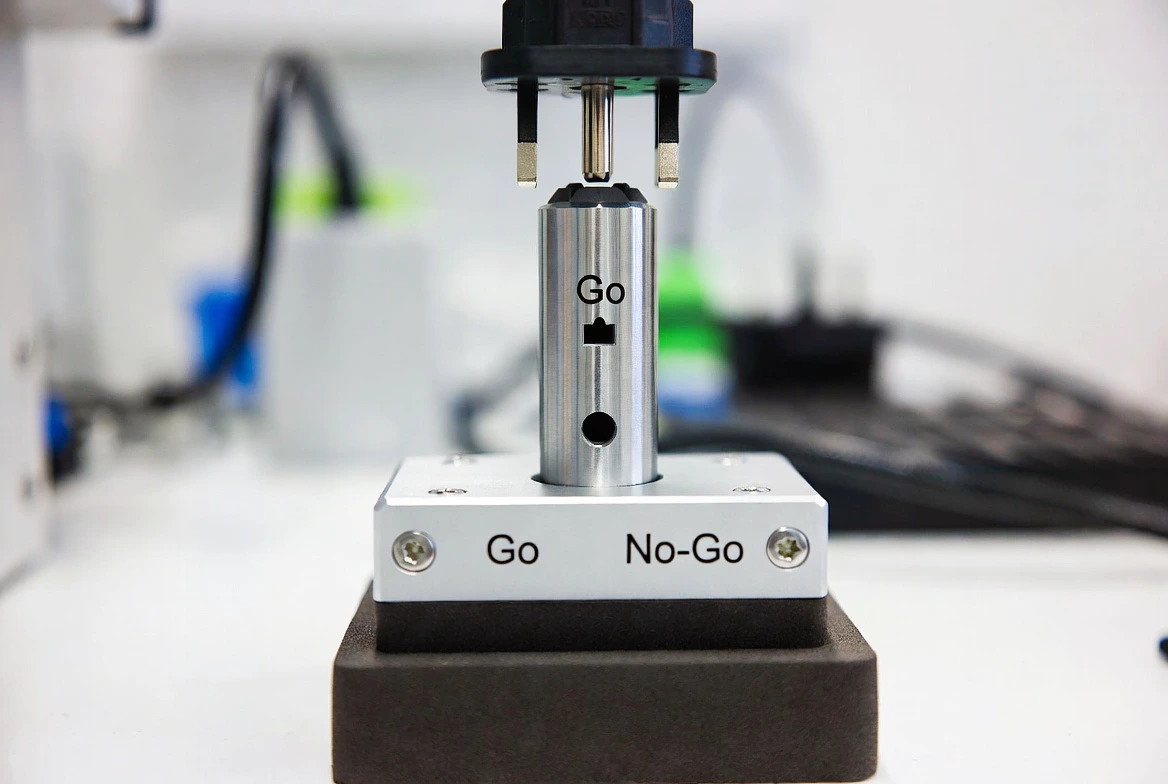
When I use plug and socket gauges, I follow the Go/No-Go principle. This method gives me a clear answer about whether a plug or socket passes the test. The “go” side of the gauge must fit the socket or plug. If it does, the minimum size is correct. The “no-go” side must not fit. If it does not fit, the maximum size is not exceeded. This simple approach removes any guesswork from my testing. I know right away if the outlet or plug meets the required standards. This principle helps me ensure safety and compliance every time I perform a verification.
Testing with Plug and Socket Gauges
Preparation Steps
Before I begin any testing with plug and socket gauges, I always make sure to follow a careful routine. This helps me get accurate results and keeps me safe. Here are the steps I take:
-
I turn off the circuit breaker for the outlet I plan to test. I never assume the power is off. I switch the breaker fully to the OFF position and double-check that no power reaches the socket.
-
I only perform continuity testing when the circuit is completely dead. If I use a multimeter in continuity mode on a live circuit, I could damage the meter or risk electric shock.
-
I remember that voltage testing and continuity testing require different power conditions. Voltage testing needs the power ON, while continuity testing needs the power OFF. I always confirm which test I am doing.
-
I wear rubber-soled shoes and avoid wet or damp areas. I check my tools for cracks or exposed wires. I keep my hands dry and use insulated tools. I remove all plugs from the outlet before I start.
Tip: Careful preparation prevents accidents and ensures that my socket plug gauge and outlet gauge give me reliable results.
How to Use the Gauges
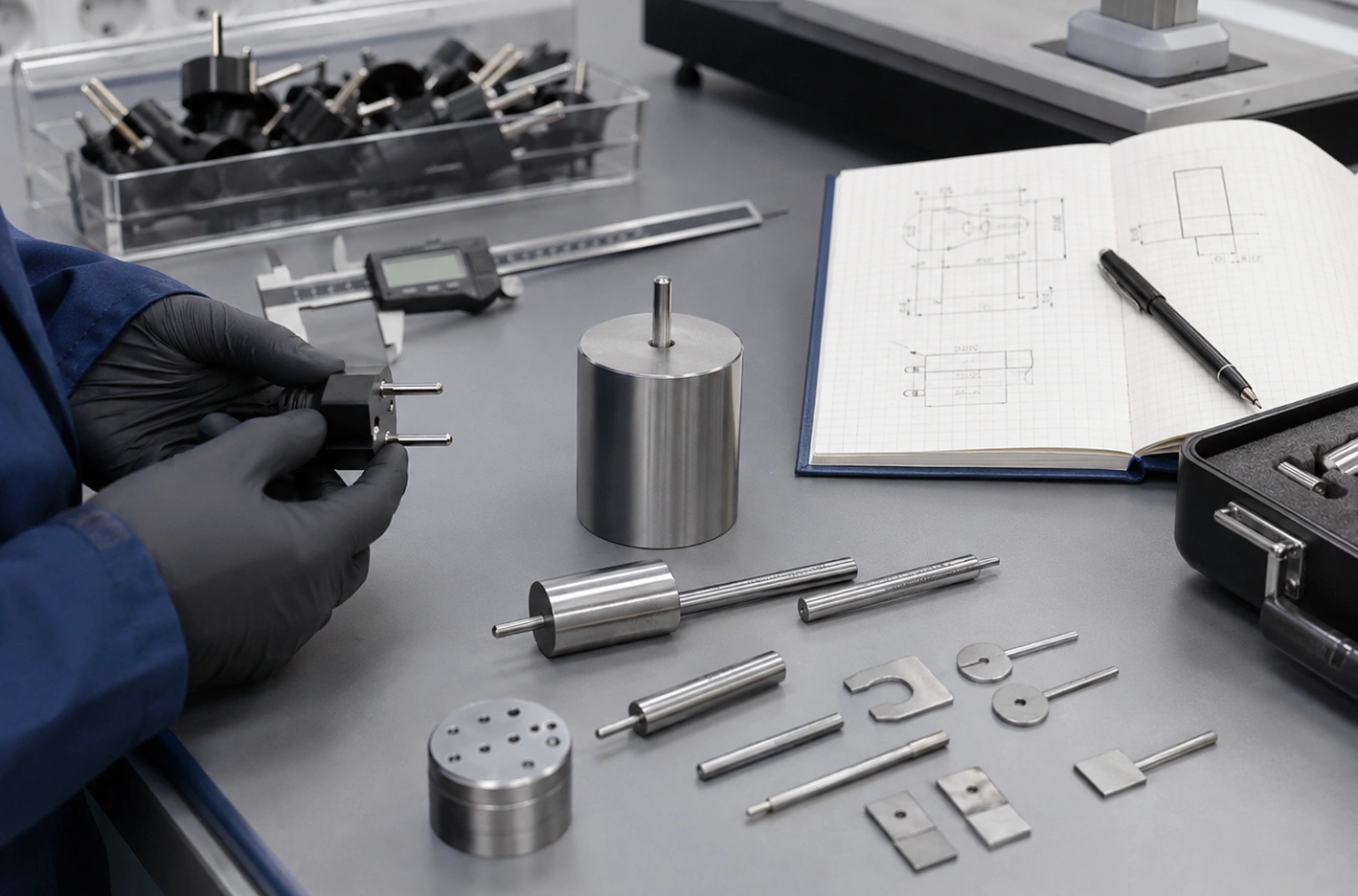
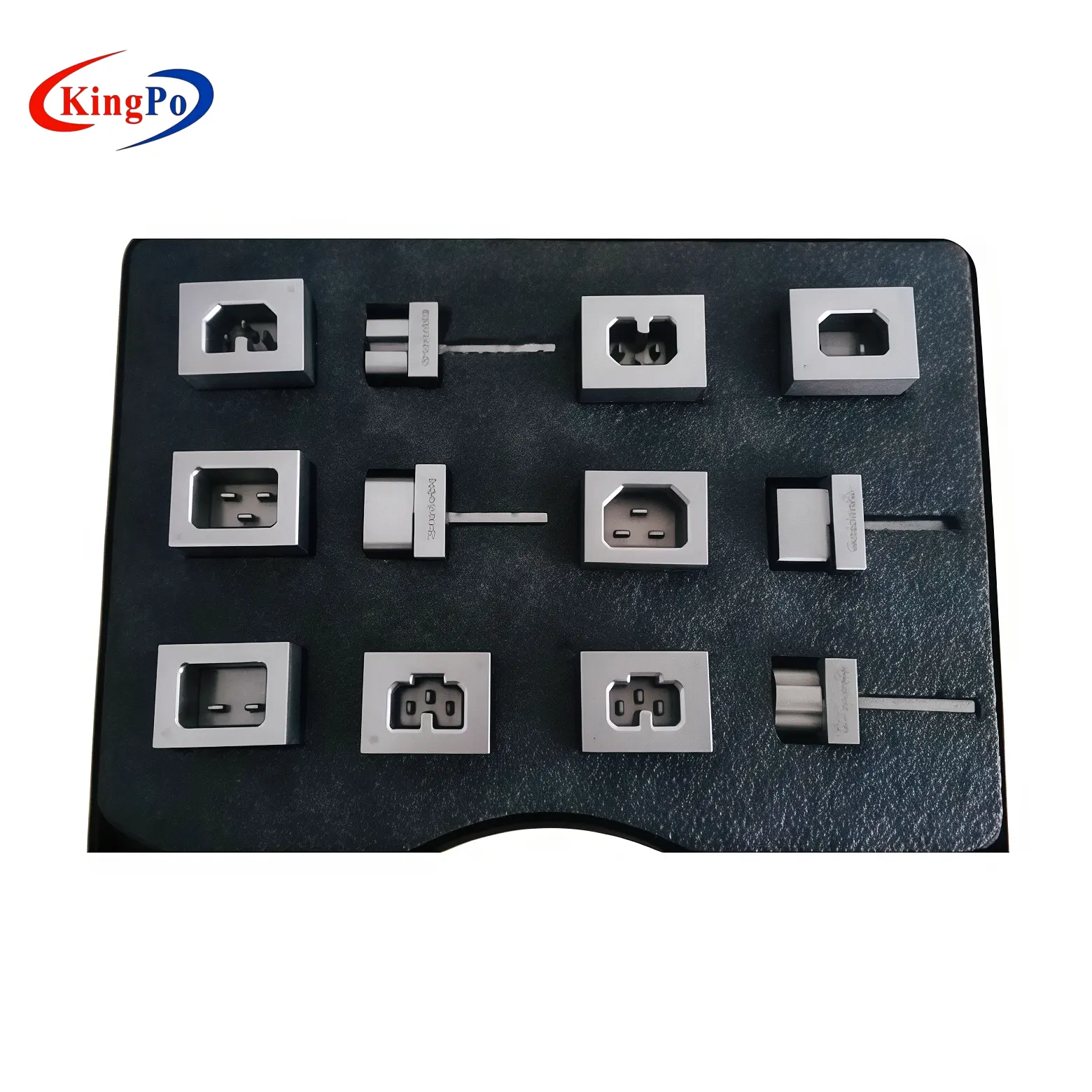
When I use plug and socket gauges, I start by selecting the right tool for the standard in my region. For example, I use the DG Kingpo Plug Socket Tester because it offers configurations for DIN VDE 0620-1, IEC 60320, and BS 4573. These standards matter because they set the rules for safety and dimensional verification in different countries.
-
DIN VDE 0620-1 applies to German plugs and sockets. It focuses on dimensional conformity and safe engagement.
-
IEC 60320 covers connectors and appliance inlets, which I often see in international products.
-
BS 4573 is important for British outlets and ensures compliance with UK regulations.
I insert the plug gauge or socket gauge into the outlet. I use the “go” side first. If it fits smoothly, the minimum size is correct. I then try the “no-go” side. If it does not fit, the outlet has not exceeded the maximum allowed size. This Go/No-Go method gives me a clear answer about compliance.
I always make sure to use the correct gauge for the socket type. This helps me avoid mistakes and ensures that my testing matches the required standard.
Reading Results
After I finish the testing, I look at the results. If the “go” side of the gauge fits and the “no-go” side does not, I know the outlet passes the test. This means the socket meets the dimensional verification required by the standard. If either side does not behave as expected, I know there is a problem with the socket or plug.
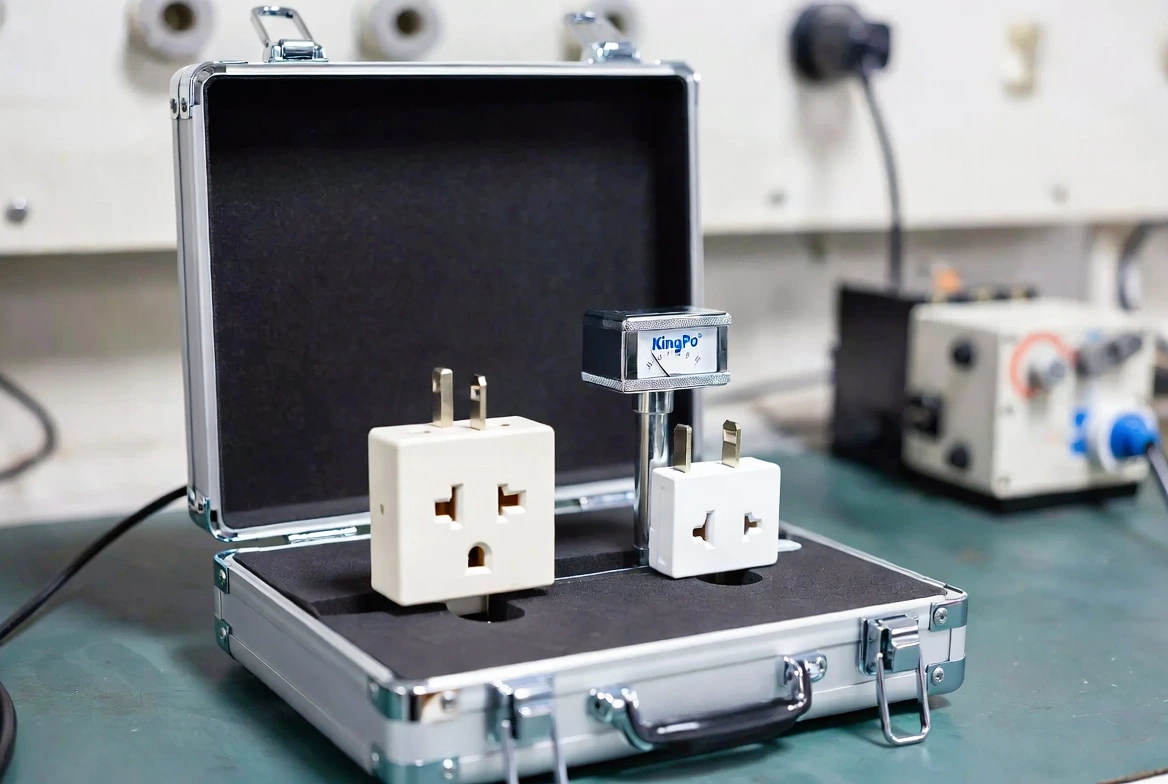
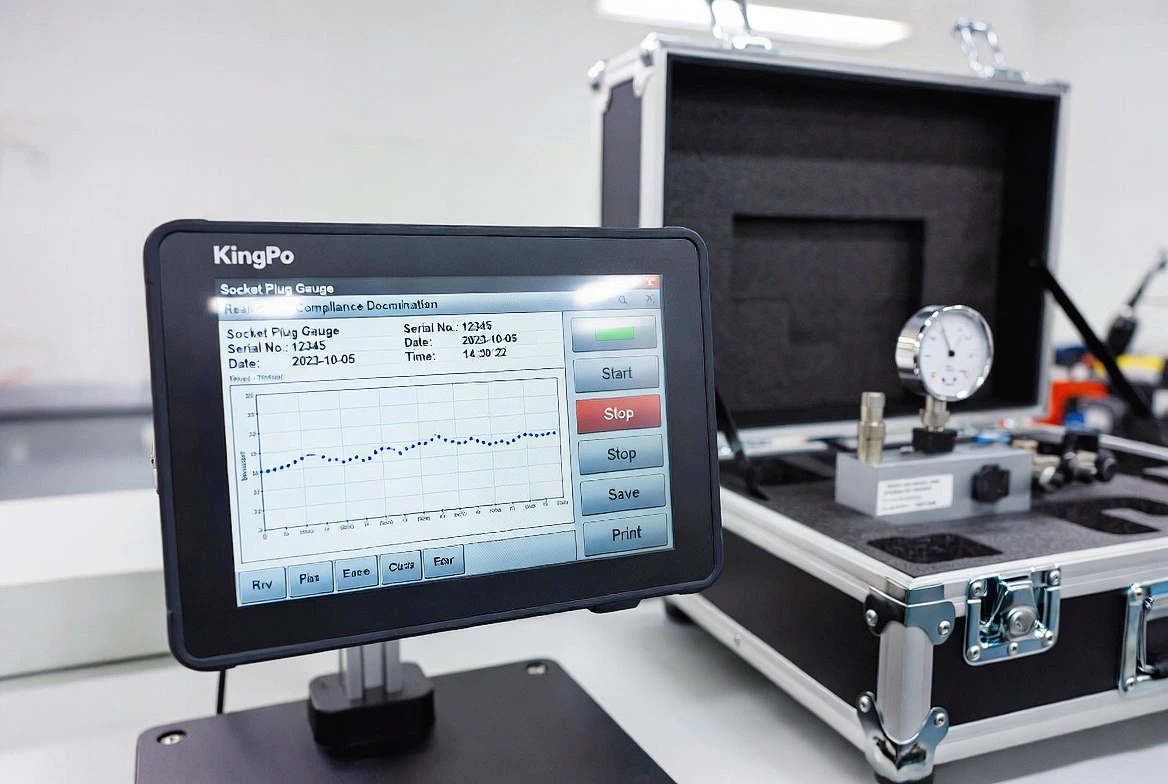
I record my results for each outlet. This helps me track compliance and spot patterns if I find repeated issues. I use these results to decide if I need to repair or replace a socket.
Note: Go/No-Go testing is a fast and reliable way to check for safety and compliance. It removes guesswork and gives me confidence in my work.
I trust the DG Kingpo Plug Socket Tester for my verification tasks. It gives me accurate, repeatable results and meets the highest standards for plug and socket gauges. With the right preparation, careful use, and clear reading of results, I can ensure every outlet I test is safe and compliant.
Importance of Accurate Testing
Quality Control
When I work in manufacturing, I depend on accurate testing to keep quality high. I use a socket plug gauge and an outlet gauge to check if every part meets the right size and shape. These tools help me confirm dimensional compliance. If a socket or plug does not fit, I know there is a problem. This process links directly to electrical testing. I can trust that each outlet will provide reliable contact and safe operation. By using socket gauges, I catch mistakes early and prevent faulty products from reaching customers.
Accurate dimensional verification helps me avoid costly recalls and keeps my work trusted by others.
Safety and Compliance
I always put safety first. When I use plug and socket gauges, I make sure each socket meets strict standards. Testing helps me find issues before they cause harm. If a socket is too loose or too tight, it can lead to overheating or poor connections. I rely on these tools to check compliance with national and international rules. This gives me confidence that every outlet I test is safe for daily use. I know that proper verification protects both people and equipment.
Industry Applications
I see socket gauges used in many industries. In the automotive field, I use them to check electrical systems in vehicles. In hospitals, I test outlets to keep medical devices running safely. Factories depend on regular testing to keep machines working without interruption. I also use socket plug gauges in homes and offices to make sure every outlet is safe. No matter where I work, I know that careful testing and dimensional verification are key to reliable performance.
Best Practices for Plug and Socket Gauges
Handling and Maintenance
I always treat my plug and socket gauges with care. I store them in a dry place away from dust and moisture. I avoid dropping them or exposing them to extreme temperatures. When I finish testing, I clean the gauge with a soft cloth. I never use harsh chemicals. Proper handling helps me extend the lifespan of my three-pronged gauge and two-pronged gauge. I check for signs of wear before each use. If I see any damage, I replace the tool right away. This routine helps me ensure the safety of every outlet I test.
Keeping socket gauges clean and protected prevents inaccurate readings and supports reliable verification.
Calibration Tips
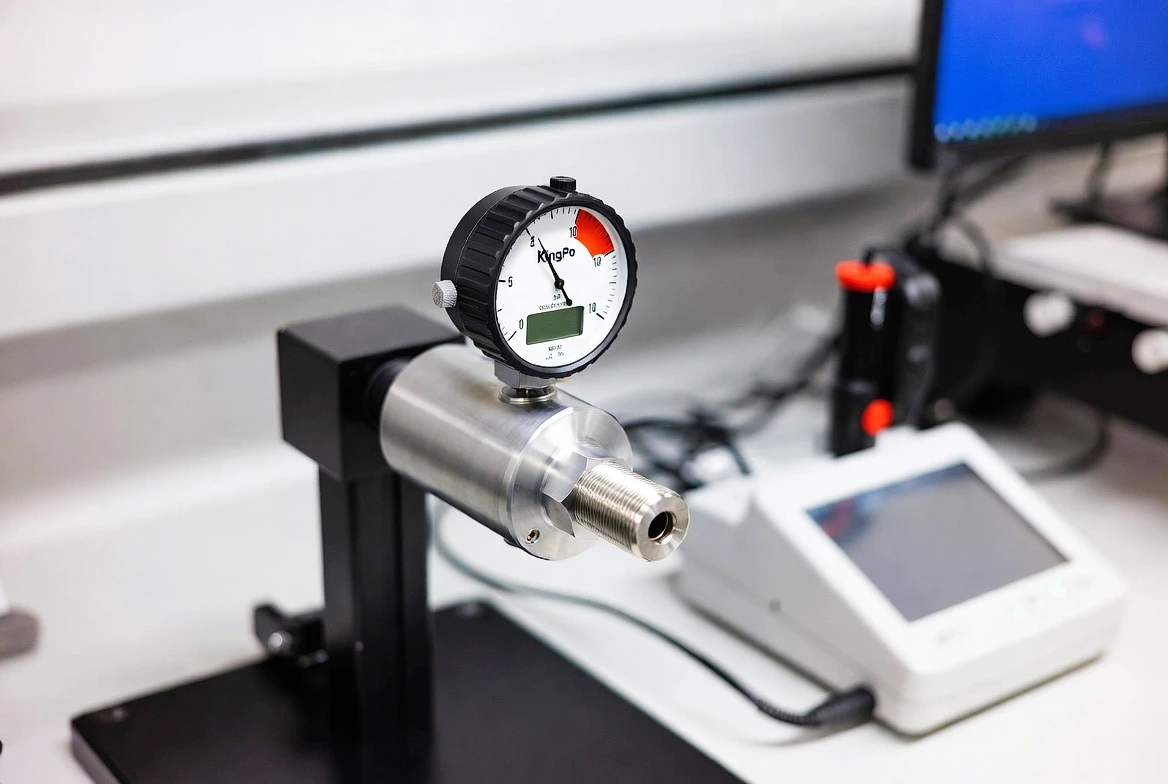
I know that calibration is essential for accuracy and compliance. I follow a risk-based schedule for calibration. My routine depends on how often I use the gauges. In busy production environments, I calibrate my plug and socket gauges every year. If I use them less often, I might extend the interval. I always check the manufacturer’s recommendations. Regular calibration helps me maintain certification and ensures my receptacle tester gives precise results.
-
Annual calibration in active production settings
-
Adjust intervals based on usage intensity
-
Follow risk-based schedules for best results
Avoiding Common Mistakes
I pay attention to common errors during testing. I always turn off the power before I start. I check wire connections and never skip the ground wire. I use the correct wire gauge for each job. I avoid overloading circuits and cutting wires too short. I follow local electrical codes and always test the outlet before plugging in devices. The table below shows frequent mistakes and their effects.
|
Implications |
|
|---|---|
|
Not Turning Off the Power |
Risk of electric shock or serious injury when working on live wires. |
|
Reversing Hot and Neutral Wires |
Can make the outlet dangerous and damage plugged-in devices. |
|
Loose Wire Connections |
May cause sparks, arcing, or heat buildup, leading to electrical fires. |
|
Skipping the Ground Wire |
Removes main protection against electric shock. |
|
Using the Wrong Wire Gauge |
Can cause overheating and tripped breakers due to inadequate wire size for the load. |
|
Overloading the Circuit |
Leads to breaker trips or melted insulation from too many devices on one circuit. |
|
Cutting Wires Too Short |
Difficult connections that can pull loose over time. |
|
Not Using Wire Connectors or Tape |
Increases risk of short circuits from bare or exposed wire connections. |
|
Ignoring Local Electrical Codes |
Non-compliance with local regulations can lead to safety hazards. |
|
Failing to Test the Outlet |
Risk of incorrect connections and grounding before plugging in devices. |
Careful verification and regular maintenance help me avoid mistakes and keep my testing accurate.
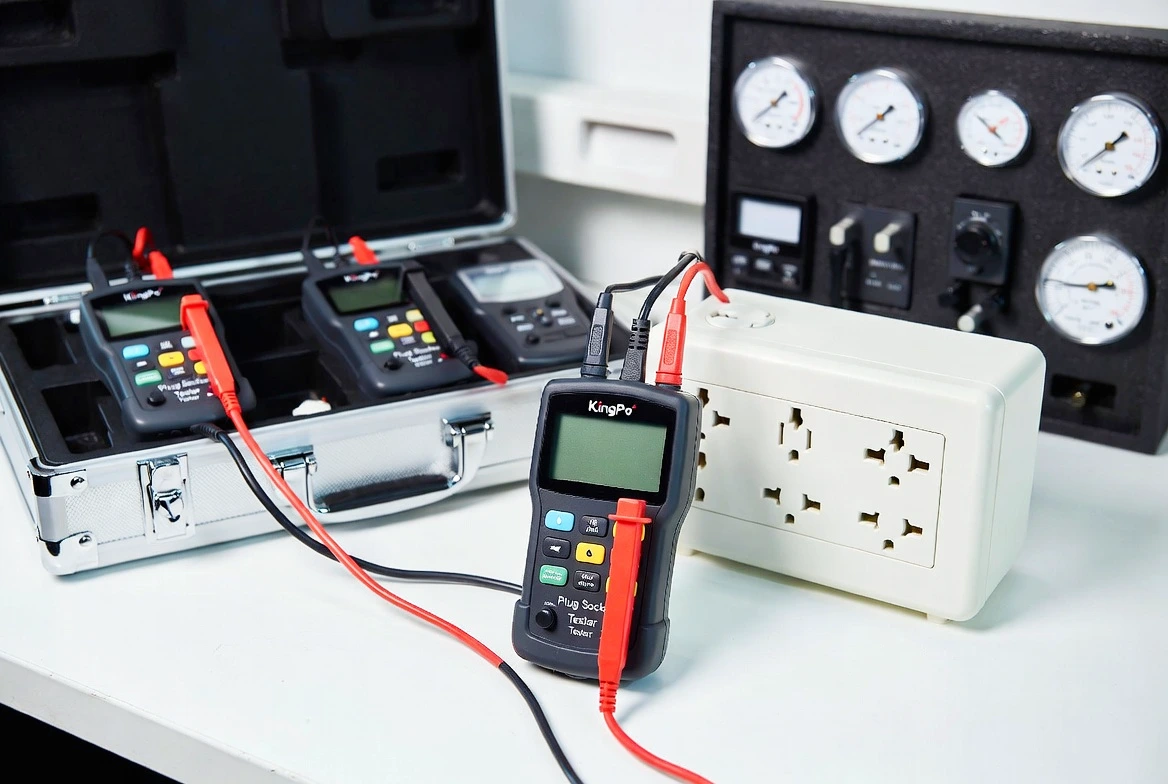
I see socket plug gauges and outlet gauges as essential tools for electrical safety and quality. Regular testing and calibration help me keep my work accurate and compliant with standards. I trust reliable products like the Kingpo Plug Socket Tester for peace of mind. If I want to learn more or face complex situations, I reach out to professionals or explore advanced resources.
Remember: Careful testing today prevents problems tomorrow.
FAQ
What is the main purpose of a socket plug gauge?
I use a socket plug gauge to check if a plug fits safely and correctly into a socket. This tool helps me ensure that electrical connections meet safety standards and prevent accidents.
How often should I calibrate my plug and socket gauges?
I calibrate my gauges at least once a year in busy environments. If I use them less often, I may extend the interval. Regular calibration keeps my results accurate and reliable.
Can I use one gauge for all types of outlets?
I do not use one gauge for every outlet. Each region and standard requires a specific gauge. I always match my gauge to the outlet type and local regulations for accurate testing.
Why do I need to record my test results?
I record my results to track compliance and spot patterns. This practice helps me identify recurring issues and maintain a safe environment. Good records also support quality control.
What makes the DG Kingpo Plug Socket Tester a good choice?
I trust the DG Kingpo Plug Socket Tester because it meets international standards, offers precise results, and is easy to use. Its durability and accuracy make my testing process efficient and dependable.