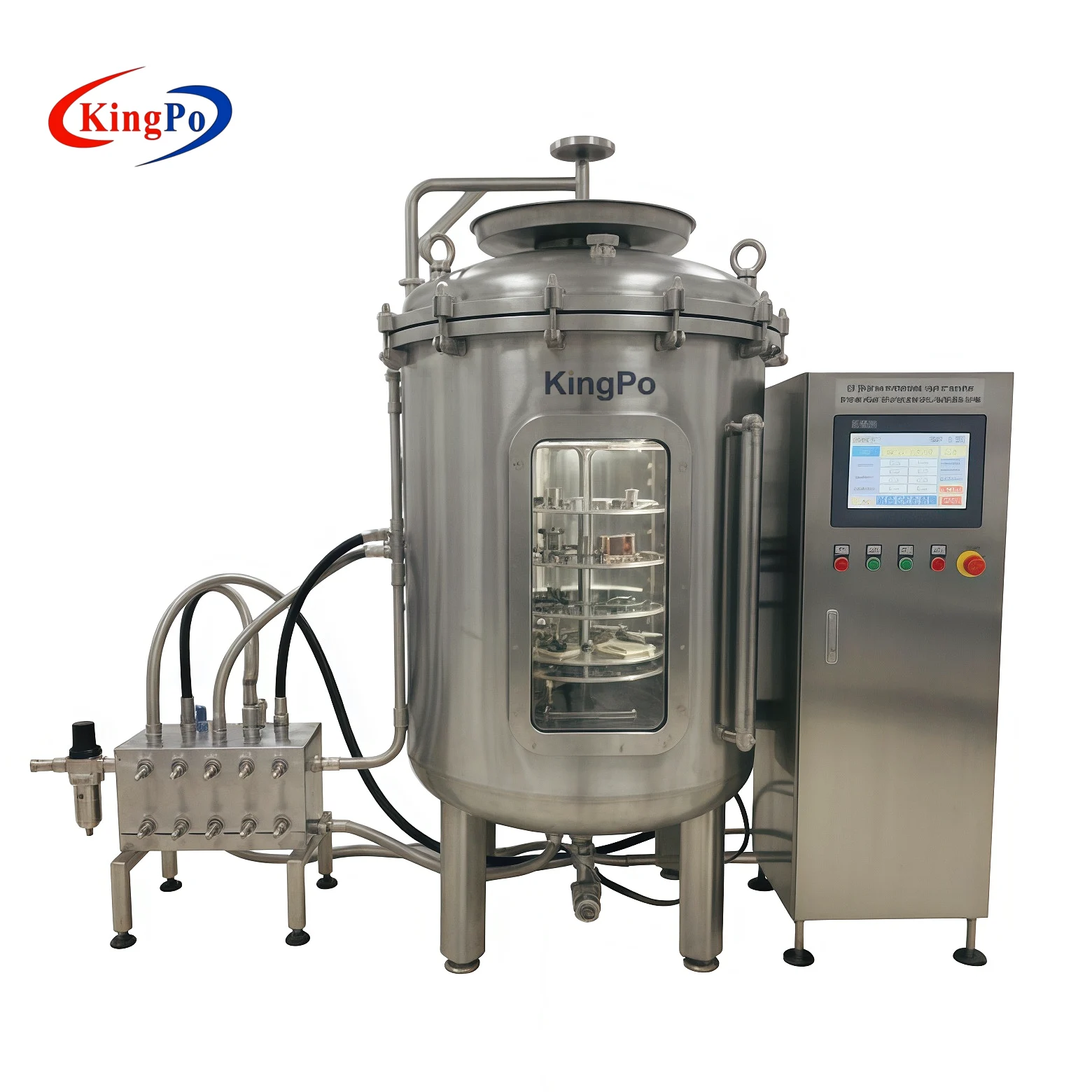
You see the oxidation of aldehydes play a key role in automotive and materials testing. Modern test chambers, such as the VOC Pretreatment Chamber and Odor Test Chamber, use advanced plasma treatment to control temperature and humidity. The oxidation process lets you measure aldehydes and understand how plasma treatment affects samples. You gain reliable results when you use precise treatment methods. You observe differences between aldehyde and ketone oxidation. Safety and user experience improve with plasma treatment technology.
Key Takeaways
-
Modern test chambers provide precise control over temperature and humidity, ensuring reliable results in the oxidation of aldehydes.
-
Using advanced plasma treatment technology improves safety and user experience during oxidation tests.
-
Real-time monitoring and automated data capture enhance the accuracy and reproducibility of oxidation results.
-
Understanding the differences between aldehydes and ketones helps in selecting the right testing methods for accurate outcomes.
-
KingPo’s test chambers support compliance with industry standards, accelerating certification processes and improving product quality.
Oxidation of Aldehydes and Ketones in Test Chambers
Chemical Principles and Significance
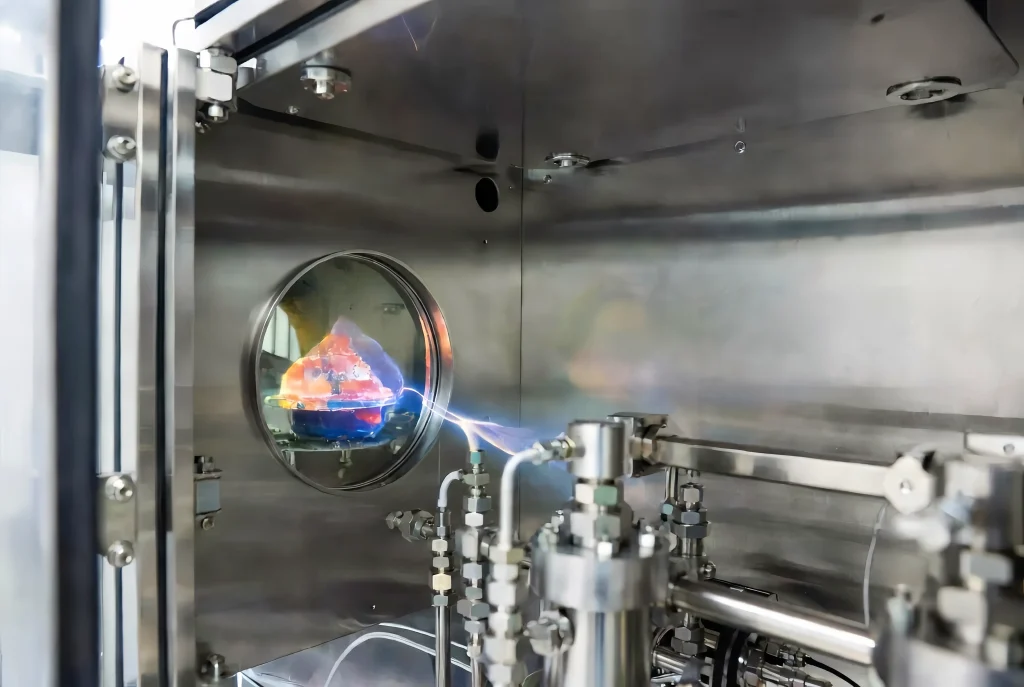
You encounter the oxidation of aldehydes in many laboratory and industrial settings. This process involves aerobic oxidation, which uses oxygen or ozone to transform aldehydes and ketones into other compounds. You see how treatment in a controlled chamber helps you observe these reactions safely and accurately. The oxidation of aldehydes follows several steps. You can review the main reactions in the table below:
|
Reaction Step |
Description |
|---|---|
|
1. Ozone Reaction |
Ozone reacts with VOCs containing unsaturated carbon bonds to form a primary ozonide. |
|
2. Decomposition |
The primary ozonide decomposes to produce a carbonyl oxide species and an aldehyde or ketone. |
|
3. OH Radical Production |
The carbonyl oxide undergoes decay, producing OH radicals. |
You use treatment chambers to control temperature and humidity, which ensures reproducible results. Aerobic oxidation is essential for creating pharmaceuticals, polymers, and fragrances. You rely on efficient treatment methods to produce these compounds on a large scale.
You benefit from sustainable treatment processes that support both academic and industrial chemistry.
Industry Applications
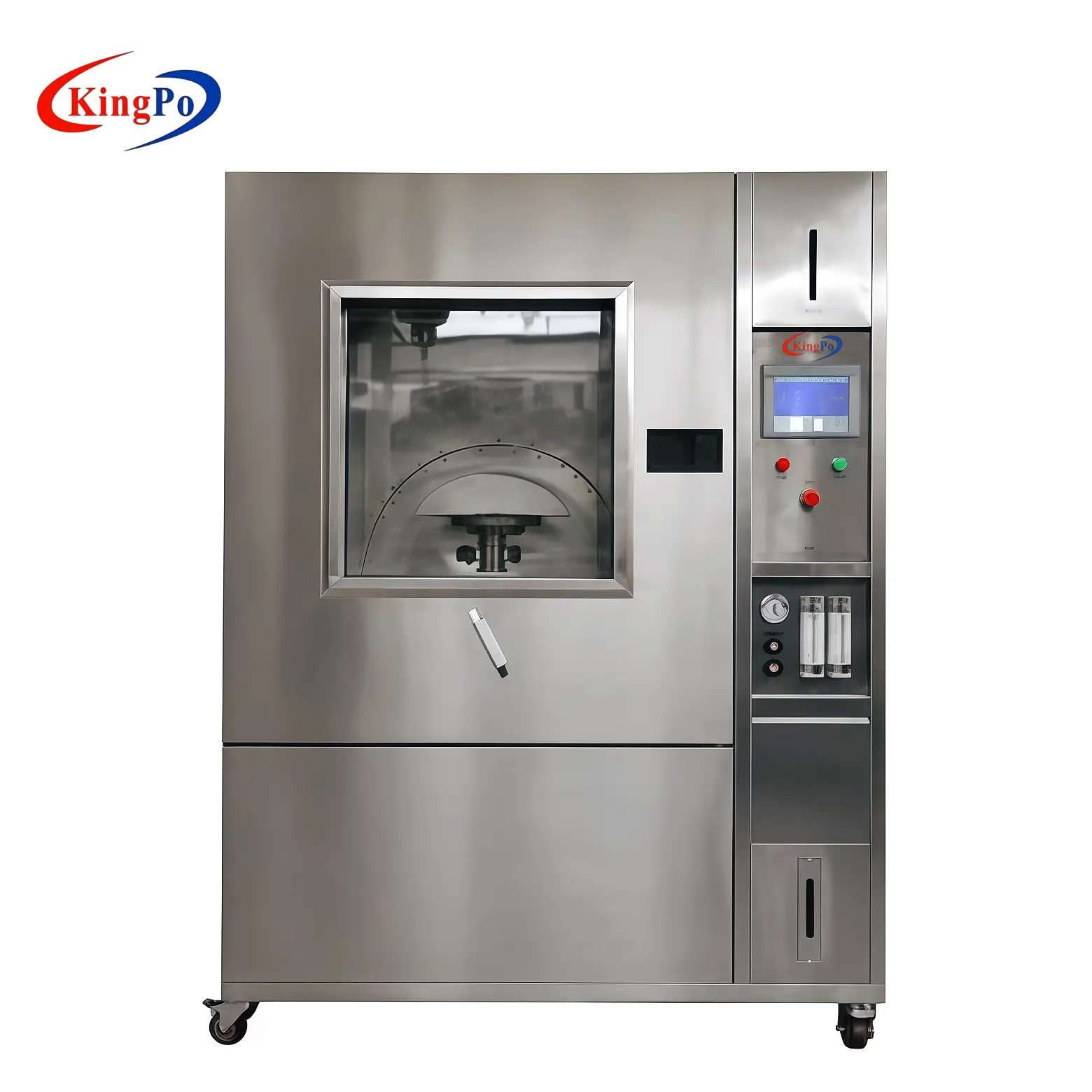
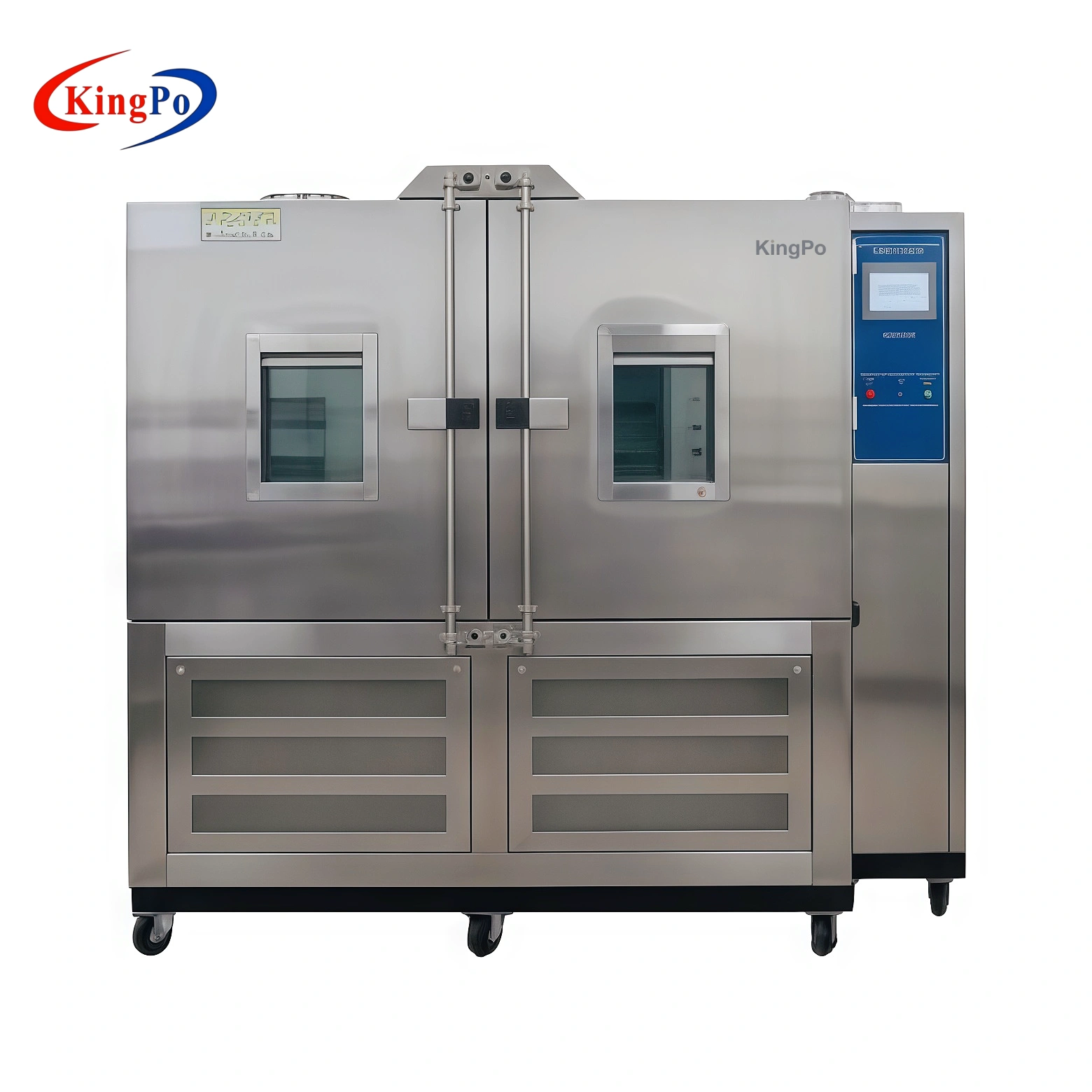
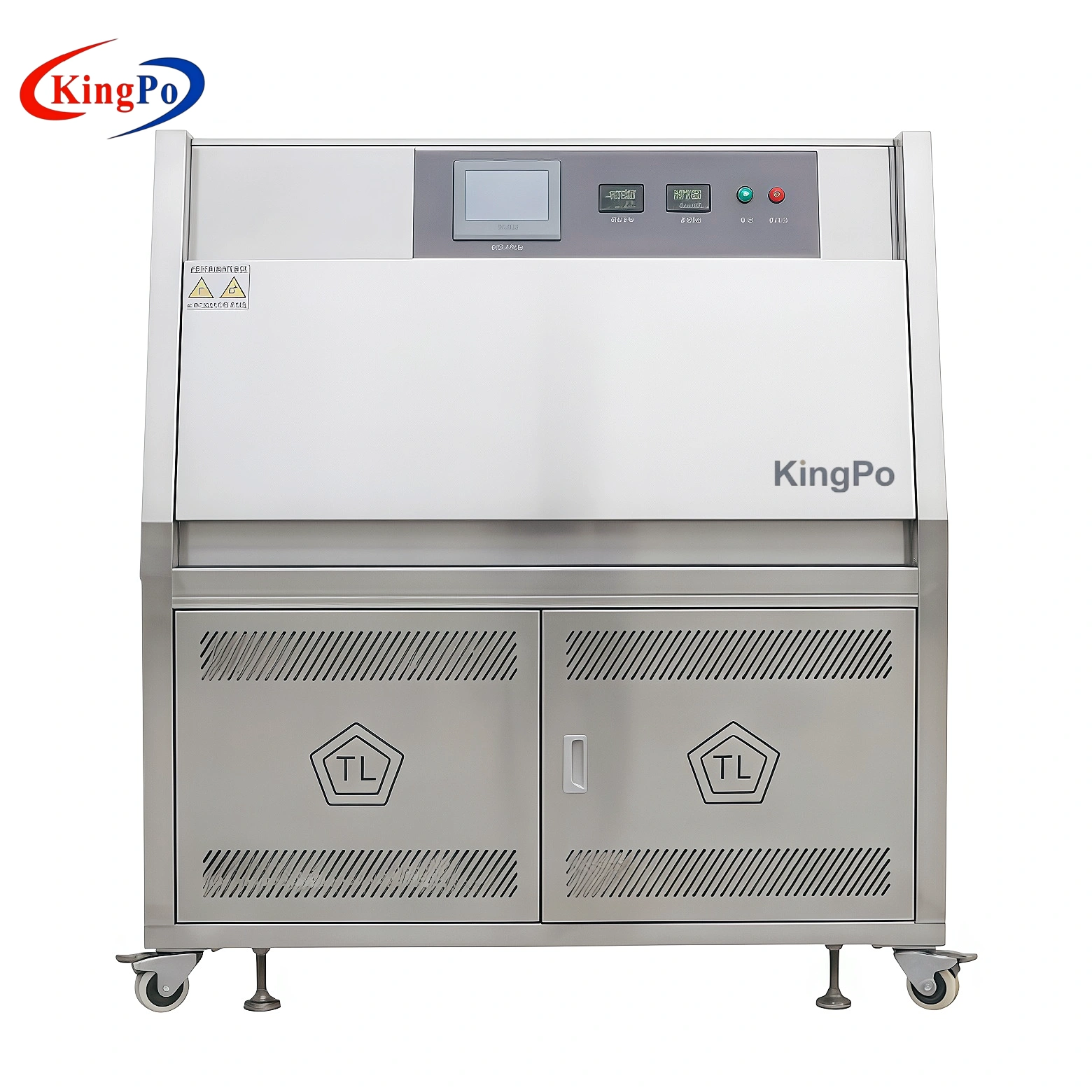
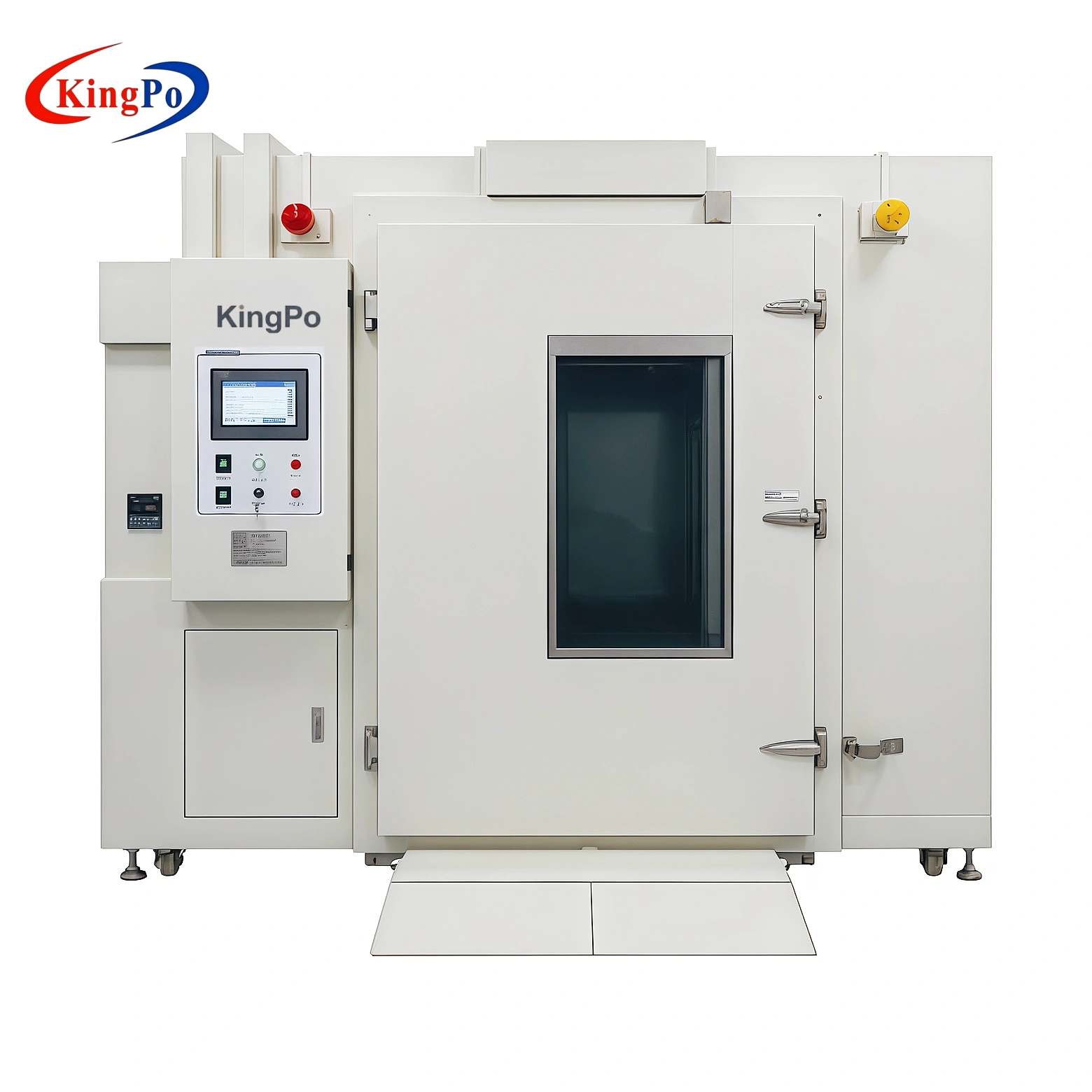
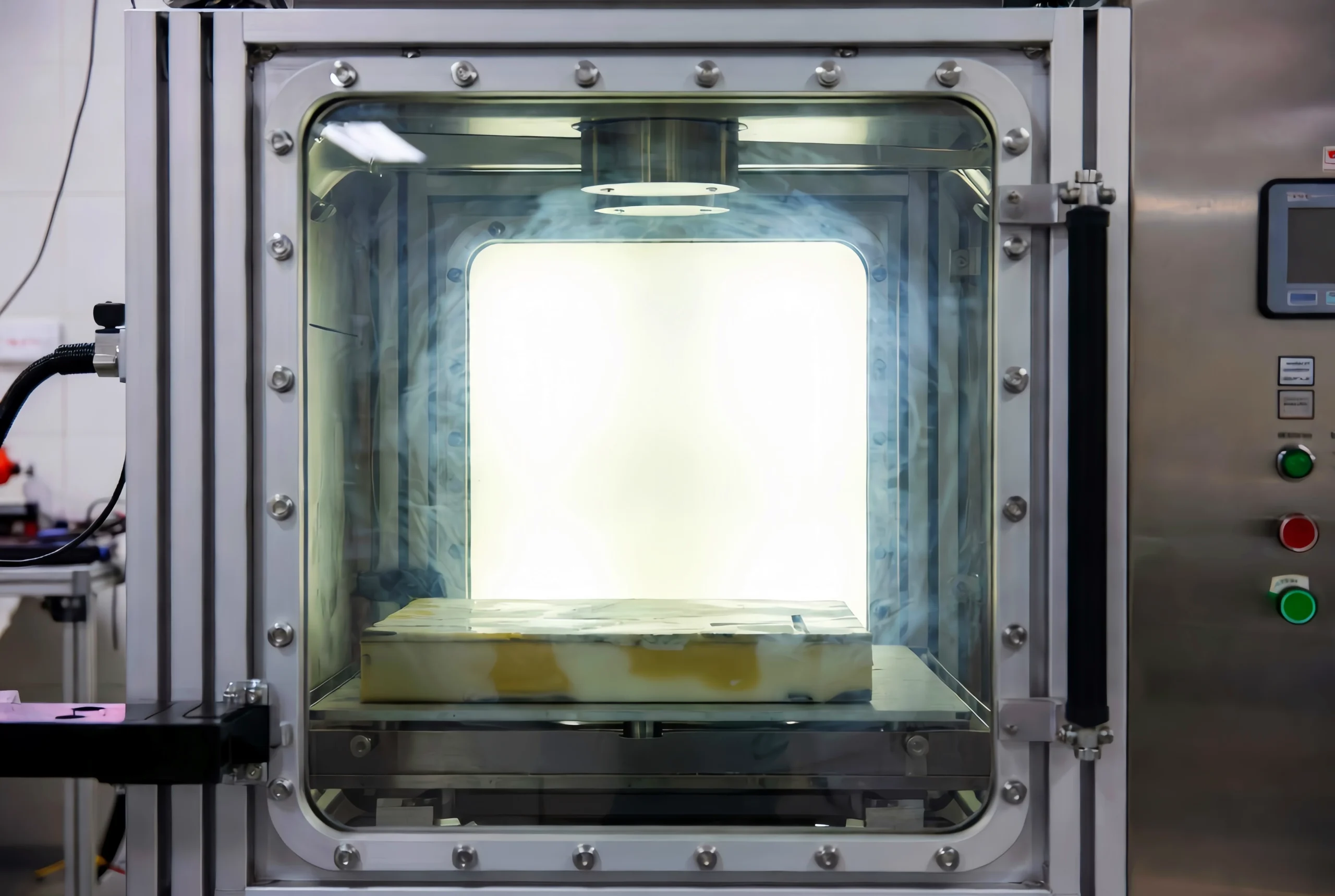
You apply oxidation of aldehydes in many industries. Treatment chambers like KingPo’s VOC Pretreatment Chamber and Oxidation of Aldehydes and Ketones Test Chamber give you precise control over testing conditions. You use these chambers for automotive, materials, and research applications. You can see the main uses in the table below:
|
Industry/Application |
Description |
|---|---|
|
Wastewater Treatment |
Ozone oxidizes aldehydes and ketones in scrubbing towers for wet oxidation. |
|
Chemical Synthesis |
Ozone facilitates oxidation of organic compounds in chemical processes. |
You ensure compliance with ISO 12219-2 and other standards when you use KingPo’s chambers. You can adjust temperature from +20℃ to 85℃ with high accuracy. You maintain indoor air cleanliness and monitor treatment with a PLC touchscreen. You achieve reliable results and meet strict requirements for automotive interiors and other materials.
You use treatment chambers to accelerate certification, improve air quality, and reduce complaints. You support innovation and quality in your industry with advanced aerobic oxidation technology.
Modern Test Chamber Features
Precision and Control
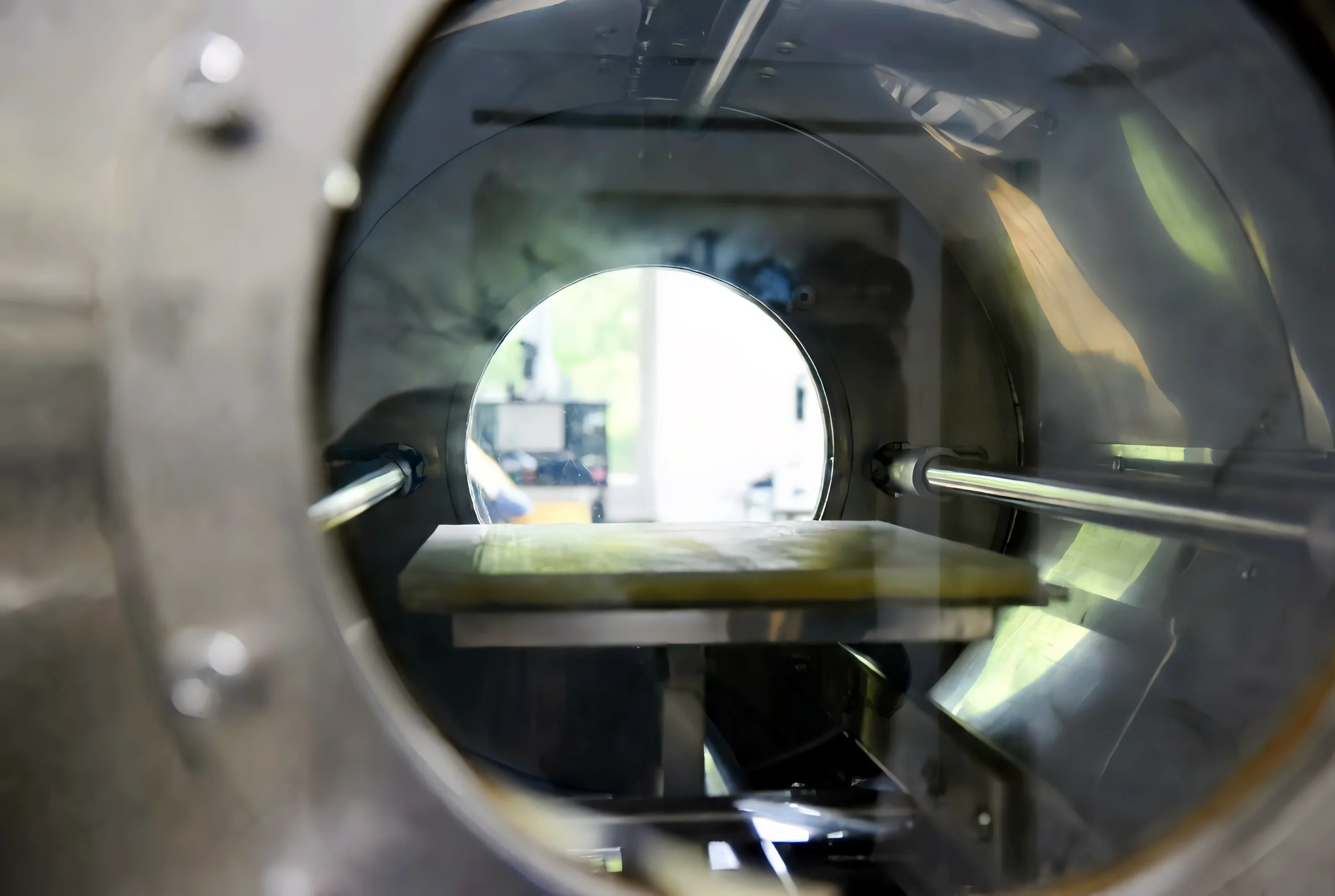
You rely on modern test chambers to achieve accurate results during plasma treatment and oxidation processes. KingPo’s chambers use PLC control systems and touchscreen interfaces. These features help you set precise temperature and humidity levels. You can monitor plasma reactions in real time. The chambers maintain air cleanliness, which is important for plasma-based oxidation tests.
|
Feature |
Benefit |
|---|---|
|
Fully automated control system |
Simplifies testing and enhances repeatability |
|
Touchscreen interface |
Reduces training needs, improving usability |
|
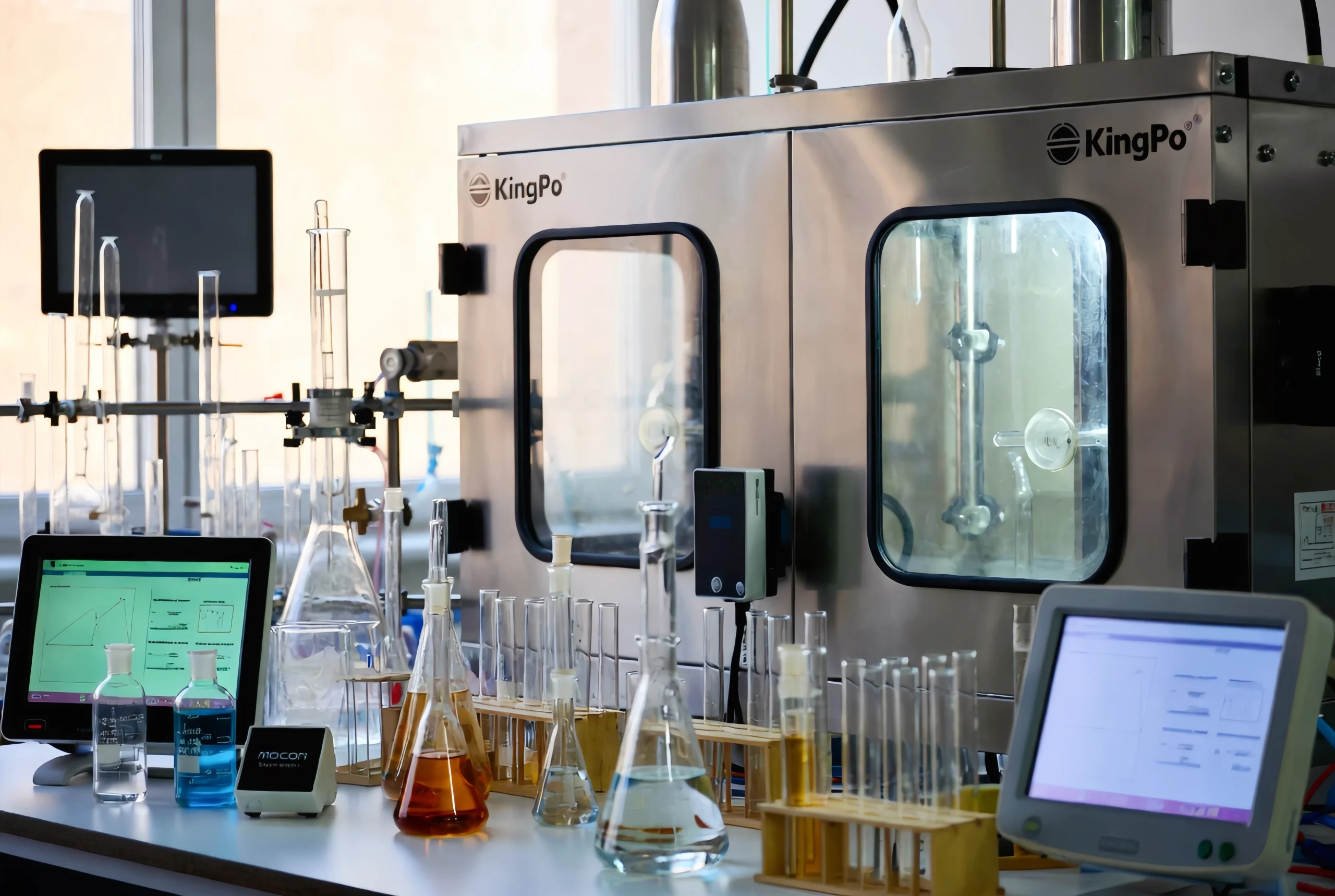
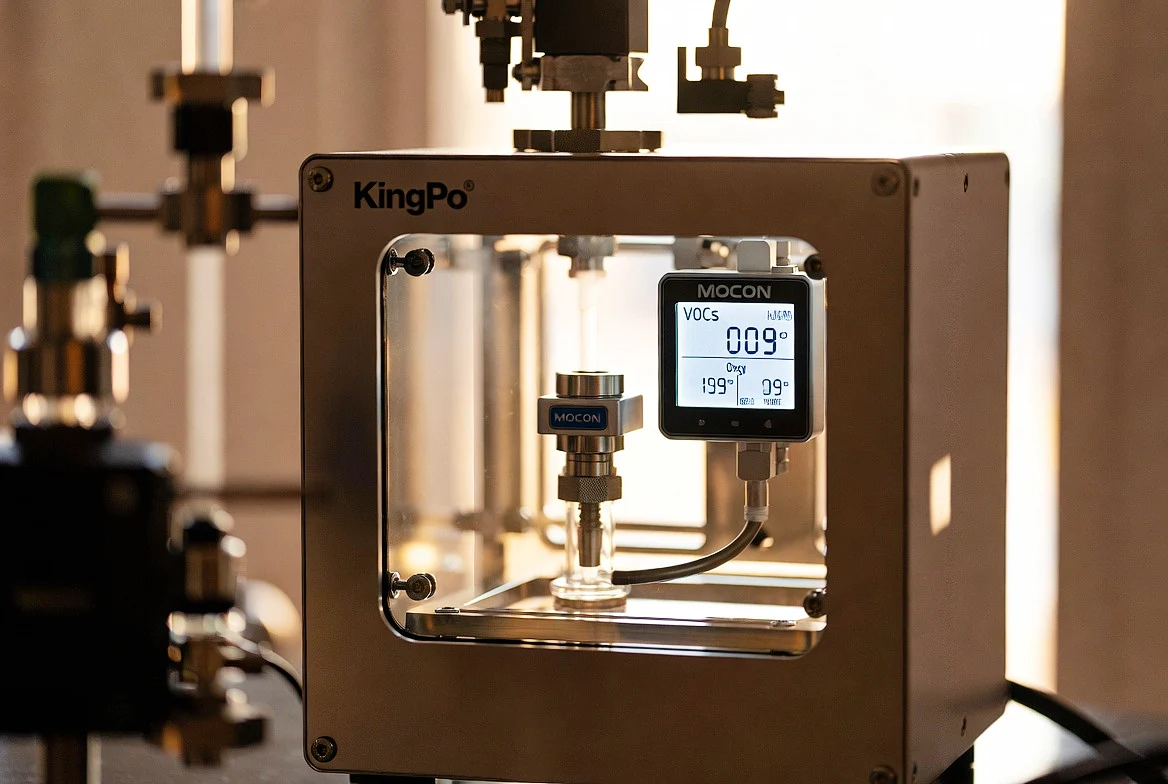
Reliable MOCON Oxygen sensor |
Ensures accurate and repeatable results |
You adjust plasma settings easily with the touchscreen. You see how automated controls make plasma oxidation tests more consistent. The large volume of KingPo’s chambers lets you test full vehicle interiors. You observe plasma reactions under stable conditions. AI integration helps you manage plasma data and improves testing efficiency. You collect and analyze plasma oxidation results faster.
Safety and User Experience
You want a safe and user-friendly chamber for plasma oxidation experiments. KingPo’s robust construction ensures high durability. You trust the chamber to withstand repeated plasma treatments. The chamber uses advanced microprocessor technology and intuitive touchscreens. You interact with plasma settings quickly and safely.
|
Feature |
Impact on Adoption Rate |
|---|---|
|
Advanced microprocessor technology |
Enhances operational efficiency and reliability |
|
Intuitive touchscreens |
Simplifies user interaction, reducing training time |
|
Network connectivity |
Enables remote monitoring, increasing accessibility |
|
Instant remote alerts |
Improves responsiveness to testing conditions |
|
Customizable test profiles |
Allows for tailored testing, meeting specific needs |
|
Automated data capture |
Reduces manual errors, increasing trust in results |
|
Seamless integration with LIMS |
Streamlines workflow, enhancing laboratory productivity |
You receive instant alerts during plasma oxidation tests. You customize test profiles for different plasma reactions. Automated data capture reduces errors. You integrate plasma test results with laboratory information systems. The chamber’s structural build offers high durability and low maintenance costs.
|
Chamber Type |
Temperature Range |
Humidity Range |
Durability Level |
|---|---|---|---|
|
Panel-Built |
-65°C to 85°C |
Up to 85% |
Limited performance |
|
Structural Build |
-73°C to +538°C |
10% to 95% |
High durability |
You experience reliable plasma oxidation testing with KingPo’s chambers. You benefit from user-friendly design, robust construction, and advanced plasma technology.
Oxidation of Aldehydes: Process Steps
Sample Preparation and Setup
You start the oxidation of aldehydes by preparing your samples carefully. You select materials that contain aldehydes. You place these materials in a sampling bag according to ISO 12219-2 guidelines. You use this method to ensure that the treatment chamber stays clean and that you get accurate results. You seal the bag tightly to prevent contamination. You then introduce the sample into the chamber for aerobic oxidation reactions.
You use reagents to detect the oxidation of aldehydes. Tollens’ reagent works well for this purpose. When you add Tollens’ reagent to your sample, you observe a silver mirror forming on the walls of the container. This reaction shows that aldehydes have oxidized to carboxylic acids. Tollens’ reagent acts as a chemoselective oxidation catalyst. It reacts only with aldehydes, not with ketones. You can also use Benedict’s and Fehling’s tests. These tests use copper(II) ions as the oxidant. When you add these reagents, you see a color change. The copper(II) ions reduce as aldehydes oxidize to carboxylic acids. You need alkaline conditions for these tests because the oxidant stays stable in this environment.
You choose the right catalyst and oxidant for your treatment. You make sure the chamber maintains the correct temperature and humidity. You set the chamber to the required levels for aerobic oxidation. You use KingPo’s VOC Pretreatment Chamber to reach equilibrium before testing. You use KingPo’s Oxidation of Aldehydes and Ketones Test Chamber to simulate real vehicle interior conditions. You adjust the chamber settings to support aerobic oxidation reactions. You prepare your samples and reagents with care to ensure reproducibility.
Tip: Always check the chamber’s calibration and documentation before starting your treatment. This step helps you avoid errors and ensures reliable oxidation results.
Monitoring and Data Collection
You monitor the oxidation of aldehydes in real time. You use advanced sensors and analytical tools to track the reaction. You rely on color-sensitive sensors that show visible changes when aldehydes oxidize to carboxylic acids. You watch for the silver mirror or color change as evidence of oxidation. You use spectroscopy methods like FTIR, NIR, and Raman to analyze the reaction. These tools help you identify carboxylic acids and other products formed during aerobic oxidation.
You use electron spin resonance (ESR) to detect radical intermediates in the oxidation process. You use high-performance liquid chromatography coupled with mass spectrometry (HPLC-MS) to measure the concentration of carboxylic acids. You collect data at each stage of the treatment. You record temperature, humidity, and reaction progress. You use KingPo’s PLC control system and touchscreen interface to monitor the chamber conditions. You adjust the settings as needed to maintain aerobic oxidation.
You focus on reproducibility. You repeat the treatment under the same conditions to confirm your results. You use automated data capture to reduce manual errors. You store your data in laboratory information management systems (LIMS) for easy access and analysis. You review your results to ensure that the oxidation of aldehydes to carboxylic acids is complete. You check for consistency across multiple tests.
|
Monitoring Technology |
What You Observe |
|---|---|
|
Color-sensitive sensors |
Visible color change or silver mirror |
|
FTIR/NIR/Raman spectroscopy |
Identification of carboxylic acids |
|
ESR |
Detection of radical intermediates |
|
HPLC-MS |
Measurement of carboxylic acid concentration |
You use these technologies to track the oxidation process. You ensure that the treatment produces carboxylic acids from aldehydes. You rely on precise monitoring and data collection to support quality and compliance in your testing.
Note: Real-time monitoring helps you catch any issues early. You can adjust the treatment conditions to optimize the oxidation reaction and improve reproducibility.
Aldehydes vs. Ketones: Reactivity and Outcomes
Chemical Differences
You need to understand how aldehydes and ketones react during oxidation. Aldehydes have a carbonyl group attached to a hydrogen atom. Ketones have a carbonyl group bonded to two carbon atoms. This structural difference changes how each compound behaves. Aldehydes react easily with oxidizing agents. You can convert aldehydes to carboxylic acids using simple tests like Tollens’ or Fehling’s. Ketones resist oxidation under mild conditions. You often need stronger oxidizing agents or higher temperatures to change a ketone.
|
Compound |
Structure |
Reactivity with Oxidizing Agents |
|---|---|---|
|
Aldehydes |
R-CHO |
High |
|
Ketones |
R-CO-R |
Low |
Note: You see aldehydes react quickly and visibly, while ketones require more effort and special conditions.
Practical Implications in Testing
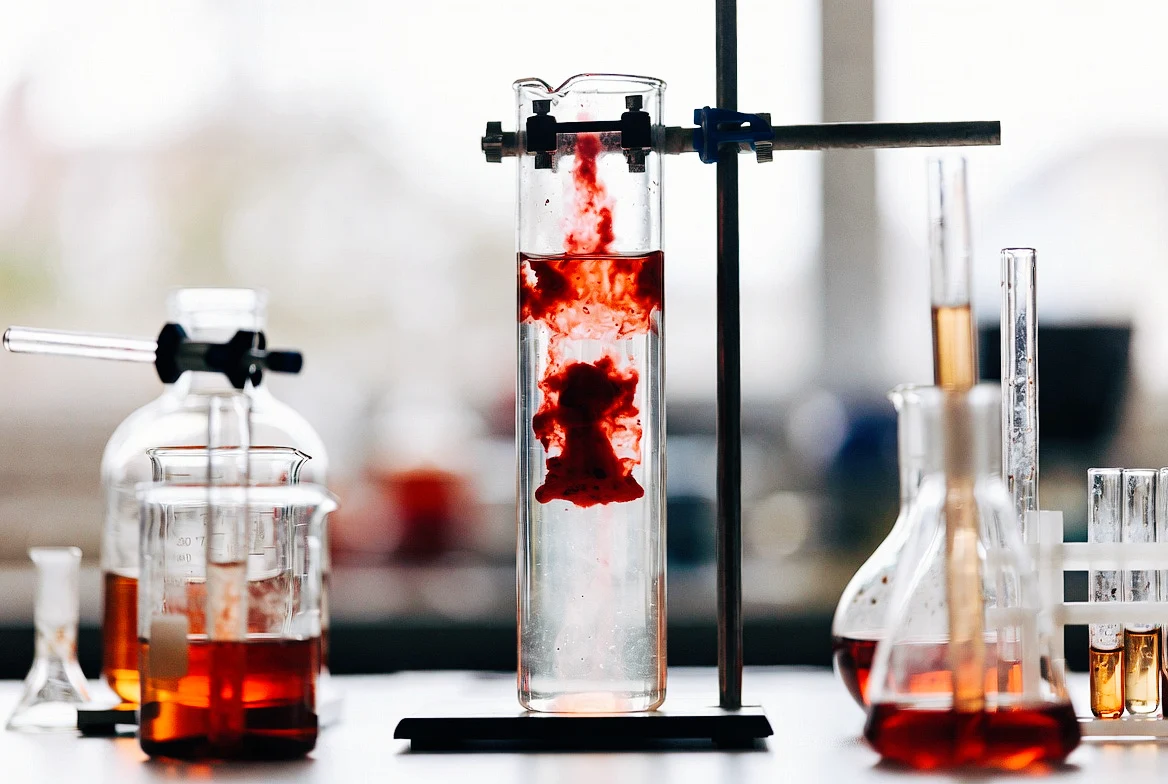
You benefit from knowing these differences when you test materials in a chamber. Aldehydes give clear results in oxidation tests. You observe color changes or silver mirror formation. These reactions help you confirm the presence of aldehydes. Ketones do not show these visible signs. You must use advanced methods, such as spectroscopy, to detect changes in ketone samples.
You use KingPo’s test chambers to control temperature and humidity. This control lets you test both aldehyde and ketone samples accurately. You set up oxidation tests for aldehydes with simple reagents. You monitor ketones using sensitive instruments. You record data for each sample and compare outcomes.
-
Aldehydes: Quick reactions, easy detection, reliable results.
-
Ketones: Slow reactions, need advanced tools, less visible changes.
You improve your testing process by understanding how aldehydes and ketones behave. You select the right method for each compound. You achieve accurate results and support quality control in your industry.
Benefits of Advanced Test Chambers
Efficiency and Compliance
You gain a clear advantage when you use advanced test chambers for plasma treatment and oxidation of aldehydes. These chambers help you accelerate certification processes. You simulate real-world conditions and test materials for oxidation and plasma reactions. You see how precise control over temperature and humidity leads to reliable results. You meet strict industry standards, including ISO 9001 and CE certification. You reduce the risk of errors during plasma treatment. You improve air quality in automotive interiors by using chambers that limit aldehydes and other volatile compounds. This improvement lowers the chance of customer complaints. You trust the chamber to deliver consistent plasma treatment outcomes.
You ensure compliance with international standards and support product quality by using advanced chambers for oxidation and plasma testing.
-
KingPo offers a 1-year warranty for their advanced test chambers under normal use.
-
You receive technical support with a 48-hour response time from the Dongguan facility.
-
You benefit from on-site installation and operator training.
Data Quality and Application Value
You rely on advanced test chambers to collect high-quality data during plasma treatment and oxidation of aldehydes. You use automated systems to monitor plasma reactions and oxidation steps. You store your results in laboratory information management systems. You analyze data quickly and make informed decisions. You see how robust chamber construction and safety interlocks protect your samples during plasma treatment. You use the chamber for a wide range of applications, from automotive testing to materials research.
|
Feature |
KingPo’s Test Chambers |
|---|---|
|
Certification |
|
|
Compliance with Standards |
IEC 60529 IPX9/IPX9K |
|
Construction |
Robust stainless steel with safety interlocks |
|
Warranty |
1-year comprehensive warranty |
|
Technical Support |
48-hour response from Dongguan facility |
|
Installation and Training |
On-site installation and operator training |
|
Market Reach |
Delivered to leading manufacturers worldwide |
You use KingPo’s chambers to support plasma treatment, oxidation of aldehydes, and quality control. You improve air quality, reduce complaints, and accelerate certification. You achieve reliable results and enhance your testing process.
You unlock precise results when you use KingPo’s modern test chambers for oxidation of aldehydes. You control plasma conditions with advanced features that support quality and compliance. You monitor plasma reactions in real time. You adjust plasma settings easily. You trust the chamber’s safety and user-friendly design. You improve plasma testing outcomes. You accelerate plasma research and certification. You enhance plasma education with reliable tools.
Choose KingPo’s plasma solutions to advance oxidation, support innovation, and achieve superior results.
-
You benefit from plasma technology in automotive, research, and educational settings.
FAQ
What makes KingPo’s test chambers ideal for aldehyde oxidation?
You get precise temperature and humidity control. The chambers meet ISO standards. You use a touchscreen for easy operation. You benefit from real-time monitoring and robust construction.
How do you ensure reproducible results in oxidation tests?
You calibrate the chamber before each test. You use automated data capture. You follow ISO 12219-2 guidelines. You repeat tests under the same conditions.
Tip: Always check sensor accuracy before starting your experiment.
Can you test both aldehydes and ketones in the same chamber?
Yes, you can. You adjust settings for each compound. You use different reagents and monitoring tools. You rely on advanced sensors for accurate detection.
|
Compound |
Detection Method |
|---|---|
|
Aldehydes |
Tollens’, Fehling’s |
|
Ketones |
Spectroscopy |
What industries benefit from KingPo’s oxidation test chambers?
You see applications in automotive, materials testing, textiles, and research labs. You improve air quality and accelerate certification. You reduce customer complaints.
Is technical support available for KingPo’s chambers?
You receive a one-year warranty. You get lifetime technical support. You access on-site installation and operator training. You contact KingPo for fast assistance.
Oxidation of Aldehydes and Ketones Test Chamber – ISO 12219-2 Vehicle Interior Emission Testing Equipment