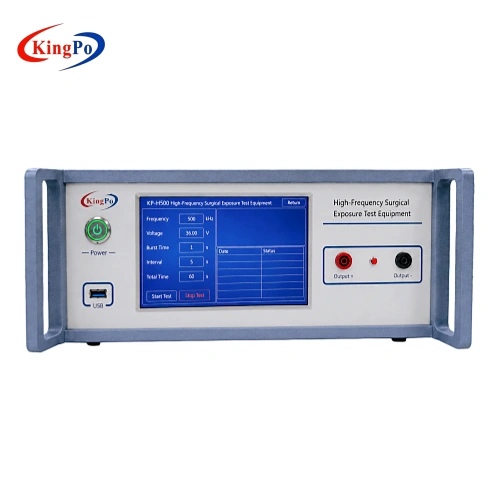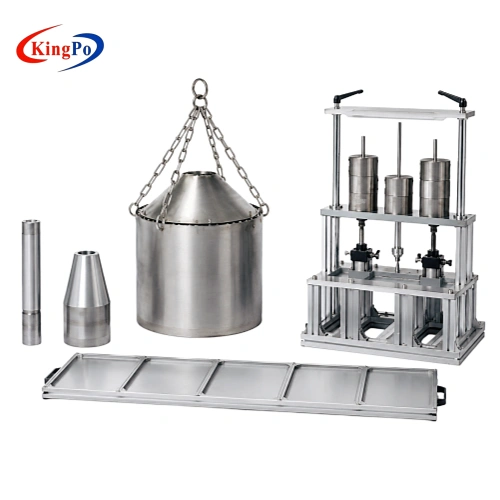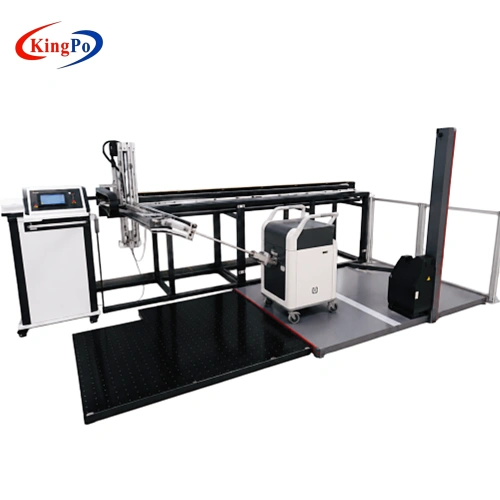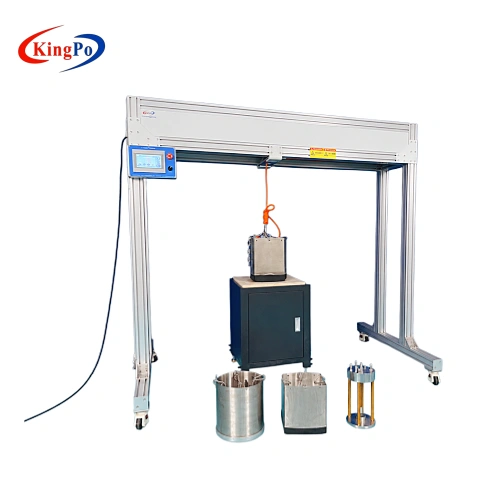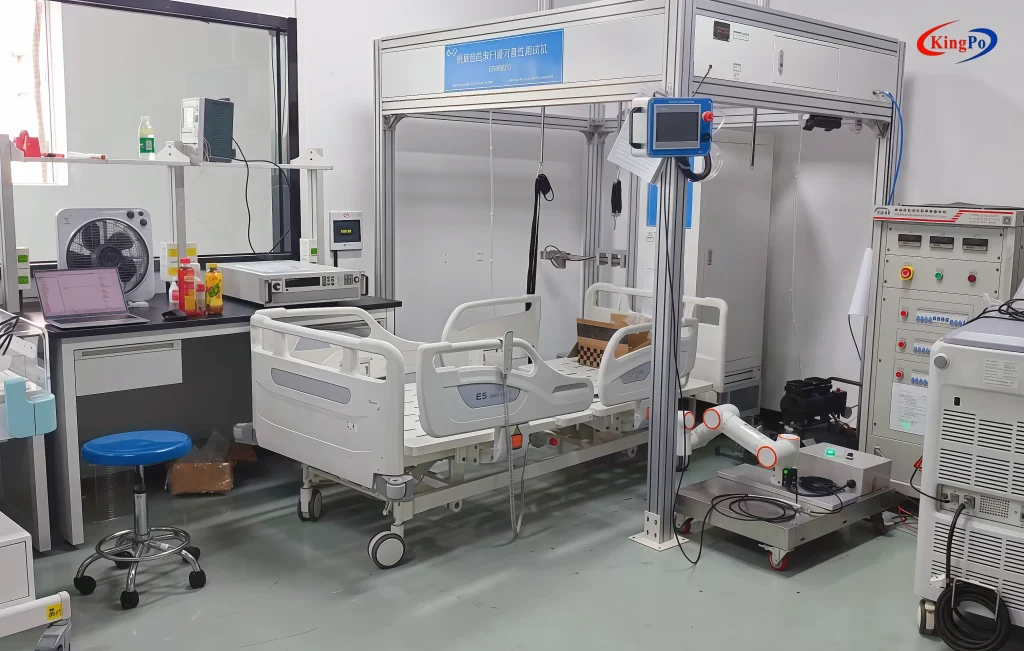
When you select equipment for validating medical bed safety, focus on compliance with IEC 60601-2-52. You must validate both the side rail strength and latch reliability. Start by understanding the technical requirements, including load limits, gap measurements, and durability testing. Pay attention to practical usability and ease of operation. Prioritize safety, accuracy, and thorough documentation during your evaluation. KINGPO stands out as a trusted provider of solutions such as the IEC 60601-2-52 Medical Bed Load and Impact Test Sy, Medical Bed Side Rail and Latch Reliability Test S, and the ME Equipment Threshold and Rough Handling Test Sys. Knowing how to choose a medical bed side rail strength tester for IEC 60601-2-52 helps ensure patient safety and regulatory compliance.
Key Takeaways
-
Ensure compliance with IEC 60601-2-52 by validating side rail strength and latch reliability. This protects patients from falls.
-
Select a tester with a wide force range and high accuracy. This helps meet safety standards and reduces retesting costs.
-
Look for integrated data logging features. This simplifies documentation for audits and ensures compliance.
-
Prioritize safety mechanisms in your tester. Features like guards and lockout procedures protect operators during testing.
-
Choose a reputable manufacturer like KINGPO. Their products meet international standards and provide reliable support.
Compliance Requirements for IEC 60601-2-52
Side Rail Strength and Latch Reliability
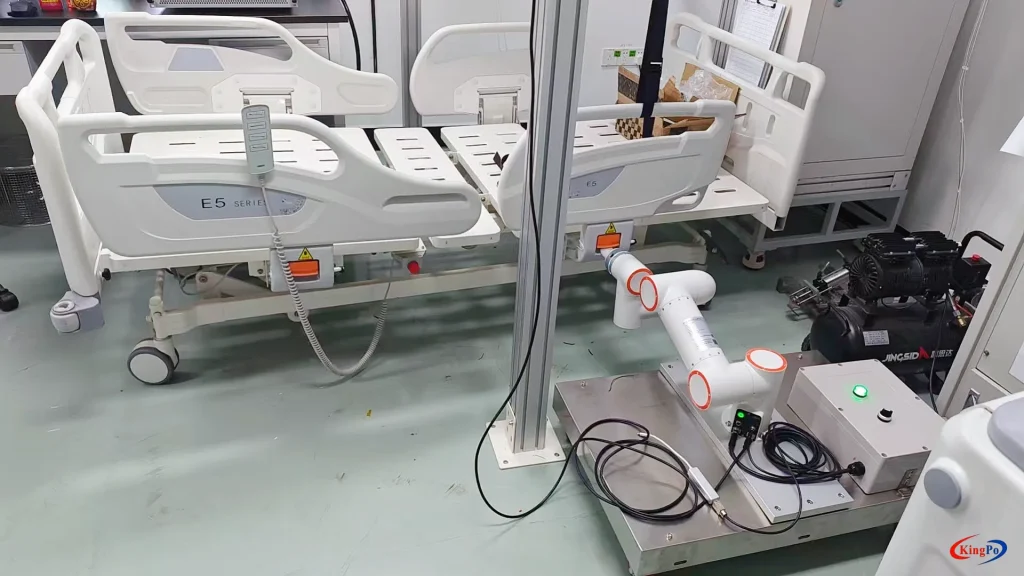
You must validate both side rail strength and latch reliability to meet IEC 60601-2-52 standards. This process ensures that medical beds protect patients from falls and accidental openings. When you test latch reliability, you use several methods to confirm that the latch can withstand daily use and unexpected forces. These methods include:
-
Mechanical strength tests, such as tensile testing to withstand up to 1000 N of force.
-
Cycle durability tests, simulating up to 20,000 open and close cycles.
-
Sealing effectiveness tests, like water jet testing for IP66 compliance.
-
Vibration resistance tests, following standards such as MIL-STD-810.
-
Corrosion resistance tests, including a 240-hour salt spray test per ISO 9227.
-
Security testing, which involves forced entry attempts.
Recent compliance tests show that high-quality stainless steel latches can exceed IP66 requirements, withstand 1500 N of force, and endure 25,000 cycles without failure. You may notice minor corrosion after extended testing, but the latch remains functional. KINGPO’s side rail and latch reliability testers help you achieve these results and maintain compliance.
Load, Gap, and Durability Testing
IEC 60601-2-52 requires you to test side rails with specific loads and measure gaps to prevent entrapment. You must apply a force of either twice the safe working load (SWL) or 4,000 N, whichever is greater. This test confirms that the side rail can handle extreme conditions without bending or breaking. Durability testing involves repeated loading and unloading to simulate years of use.
You also need to measure gaps around the side rail to ensure patient safety. The table below summarizes the key gap measurement standards:
|
Measurement Description |
Value |
|---|---|
|
Height of the top edge of the side rail above the mattress |
≥ 220 mm |
|
Gaps between elements of the side rail and mattress platform |
< 120 mm |
|
Gap between headboard and end of side rail |
< 60 mm |
|
Gap between footboard and end of side rail |
< 60 mm or > 318 mm |
When you select a tester, make sure it can accurately measure these gaps and apply the required loads. KINGPO’s testers meet these technical requirements, making it easier for you to understand how to choose a medical bed side rail strength tester for IEC 60601-2-52.
Marking and Labeling Standards
Proper marking and labeling play a critical role in compliance. You must ensure that every medical bed includes clear instructions, warning labels, and identification marks. These markings help users operate the bed safely and understand its limitations. Labels should indicate the maximum safe working load, correct installation procedures, and maintenance instructions.
Tip: Always check that your tester provides documentation features. This helps you keep records for audits and regulatory reviews.
When you follow these compliance requirements, you protect patients and staff. You also make the process of how to choose a medical bed side rail strength tester for IEC 60601-2-52 much simpler and more reliable.
How to choose a medical bed side rail strength tester for IEC 60601-2-52: Key Features
Force Range and Accuracy
You need a tester that delivers precise force application and accurate measurements. IEC 60601-2-52 requires you to test side rails with loads up to 4,000 N or twice the safe working load. KINGPO’s testers offer adjustable force ranges, allowing you to set the exact load needed for each test. You can rely on digital sensors that provide real-time feedback and minimize measurement errors. High accuracy ensures you meet compliance standards and avoid costly retesting.
A tester with a wide force range adapts to different bed models and rail designs. You can use the same equipment for pediatric, bariatric, and standard beds. This flexibility saves you time and reduces equipment costs. KINGPO’s testers feature robust load cells and calibration tools, helping you maintain accuracy over repeated tests. When you consider how to choose a medical bed side rail strength tester for IEC 60601-2-52, prioritize force range and measurement precision.
Data Recording and Reporting
You must document every test for regulatory audits and internal quality checks. KINGPO’s testers include integrated data logging systems. You can record force values, cycle counts, gap measurements, and test durations. Automated reporting features generate compliance-ready documents, reducing manual paperwork and human error.
You can export test results in multiple formats, such as PDF or Excel. This capability streamlines your workflow and supports traceability. You can share reports with your compliance team or regulatory bodies. When you select a tester, look for user-friendly interfaces and customizable reporting options. These features make the process of how to choose a medical bed side rail strength tester for IEC 60601-2-52 more efficient and reliable.
Tip: Choose a tester with cloud storage or USB export. You can back up your data and access records from anywhere.
Safety Mechanisms
Operator safety is essential during testing. You must protect workers from pinch points and moving parts. KINGPO’s testers include physical guards and interlocks that prevent accidental contact. You can activate lockout procedures to ensure the machine stays off when guards are removed. Routine inspections and job hazard analyses help you identify risks and maintain safe operation.
The table below summarizes key safety mechanisms you should expect in a tester:
|
Safety Mechanism |
Description |
|---|---|
|
Guards |
Protect workers from pinch point hazards and separate operators from moving parts. |
|
Lockout Procedures |
Prevent machine cycling until it is safe, especially when guards are removed. |
|
Training |
Educate workers on recognizing hazards and using safety measures. |
|
Routine Inspections |
Regular checks of guards, interlocks, and emergency stops. |
|
Job Hazard Analyses |
Identify risks related to hands, fingers, and line-of-fire. |
You must also consider compatibility with different bed types. Mattress thickness affects entrapment hazards and structural integrity. The table below shows how compatibility impacts your tester selection:
|
Aspect |
Detail |
|---|---|
|
Mattress Thickness Impact |
Directly affects entrapment hazards, critical for testing structural integrity of APBRs. |
|
Thin Mattress Risk |
Can create larger entrapment zones, increasing entrapment risk. |
|
Thick Mattress Risk |
May cause APBR to fail structural integrity requirements, as per section 6.2 of the standard. |
KINGPO’s testers adapt to various mattress thicknesses and bed designs. You can test beds with thin or thick mattresses and ensure compliance with IEC 60601-2-52. When you evaluate how to choose a medical bed side rail strength tester for IEC 60601-2-52, always check for safety features and compatibility.
Quality and Reliability Assessment
Build Quality and Calibration
You should always check the build quality of a medical bed side rail strength tester before making a decision. A robust frame and high-grade materials help the tester withstand repeated use. Look for stainless steel components and reinforced joints. These features reduce the risk of mechanical failure during critical tests.
Calibration is another key factor. You need a tester that supports regular calibration with traceable standards. This ensures your results stay accurate over time. KINGPO provides testers with built-in calibration reminders and easy adjustment features. You can use certified calibration weights to verify accuracy. Reliable calibration protects you from compliance issues and failed audits.
Tip: Ask for calibration certificates and review the tester’s service history before purchase.
Manufacturer Reputation
The reputation of the manufacturer matters when you choose testing equipment. KINGPO has a strong track record in the medical device testing industry. Many hospitals and bed manufacturers trust KINGPO for their compliance needs. You can find positive reviews and case studies from users in North America, Europe, and Asia.
Check for certifications such as ISO 9001 and CE marking. These show that the manufacturer follows strict quality management systems. KINGPO’s testers meet international standards, which helps you pass regulatory inspections with confidence.
|
Certification |
What It Means |
|---|---|
|
ISO 9001 |
Quality management system |
|
CE Marking |
Meets EU safety requirements |
|
IEC Compliance |
Follows IEC 60601-2-52 |
Maintenance and Support
Ongoing support keeps your tester reliable for years. You should choose a supplier that offers clear maintenance instructions and fast technical support. KINGPO provides detailed user manuals, online resources, and responsive customer service. You can schedule preventive maintenance to avoid unexpected downtime.
Ask about warranty terms and spare parts availability. A good support plan reduces long-term costs and ensures your tester stays compliant. Reliable support means you can focus on patient safety and regulatory success.
Note: Always keep records of maintenance and calibration. These documents help during audits and inspections.
Practical Considerations and Common Mistakes
Usability and Compatibility
You need a tester that fits seamlessly into your workflow. Look for intuitive controls and clear displays. KINGPO designs testers with user-friendly interfaces, so you can set up and run tests quickly. You save time with automated features and easy-to-follow instructions. Compatibility matters as well. Your tester should work with different bed types, including pediatric and bariatric models. KINGPO’s systems adjust to various mattress thicknesses and rail designs. This flexibility helps you avoid costly equipment changes.
Tip: Test the equipment with your actual beds before purchase. This step ensures the tester meets your daily needs.
Avoiding Compliance Errors
Many users make mistakes that lead to failed audits or unsafe products. You must document every test result. Missing records can cause compliance issues. Always check that your tester logs data automatically and generates reports. Some testers lack proper calibration reminders. If you skip calibration, your results may not meet IEC 60601-2-52 standards. Another common error is ignoring durability tests. You must simulate repeated use to ensure long-term safety.
Common Compliance Mistakes:
-
Forgetting to record test data
-
Skipping calibration checks
-
Not performing durability cycles
-
Overlooking gap measurements
You can avoid these pitfalls by choosing a tester with built-in reminders and automated documentation.
Long-Term Reliability Issues
A reliable tester reduces downtime and maintenance costs. Choose equipment with a strong frame and quality components. KINGPO uses durable materials and offers clear maintenance guides. You should schedule regular inspections and keep spare parts on hand. Some testers fail after heavy use because of weak joints or poor design. You protect your investment by selecting a trusted brand and following a maintenance plan.
When you consider how to choose a medical bed side rail strength tester for IEC 60601-2-52, focus on usability, compatibility, and long-term reliability. These factors help you maintain compliance and ensure patient safety.
You can choose the right medical bed side rail strength tester by following a clear process:
-
Review IEC 60601-2-52 compliance needs.
-
Check force range, accuracy, and data features.
-
Inspect build quality and calibration support.
-
Test usability and compatibility with your beds.
-
Evaluate manufacturer reputation and support.
Use a checklist and consult experts for confidence. KINGPO offers reliable, compliant testers trusted by professionals worldwide.
FAQ
What is the main purpose of a medical bed side rail strength tester?
You use a side rail strength tester to confirm that bed rails meet IEC 60601-2-52 safety standards. This device checks if rails can handle required loads and ensures patient protection.
How often should you calibrate your side rail strength tester?
You should calibrate your tester at least once a year. Regular calibration keeps your results accurate and helps you pass compliance audits.
Can one tester work with different types of medical beds?
Yes, many modern testers, including KINGPO’s models, adjust to various bed sizes and rail designs. You can test pediatric, bariatric, and standard beds with one device.
What documentation do you need for compliance?
You need detailed test records, calibration certificates, and maintenance logs. These documents prove compliance during inspections and audits.
How does KINGPO support customers after purchase?
KINGPO offers technical support, user manuals, and online resources. You can contact their team for troubleshooting, maintenance advice, or spare parts.