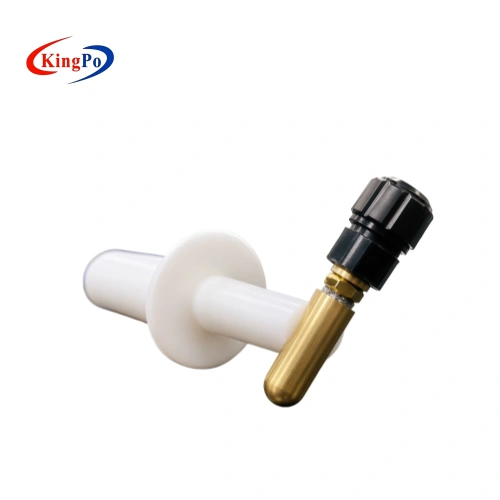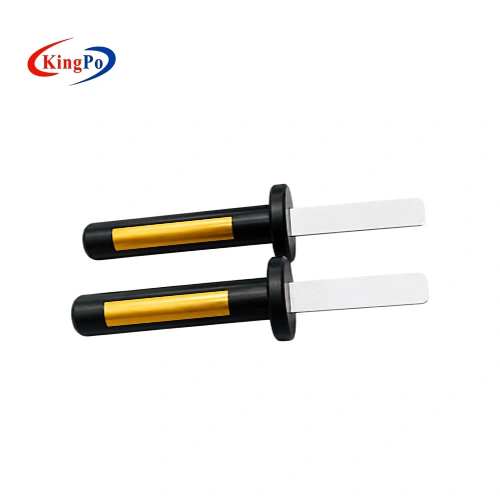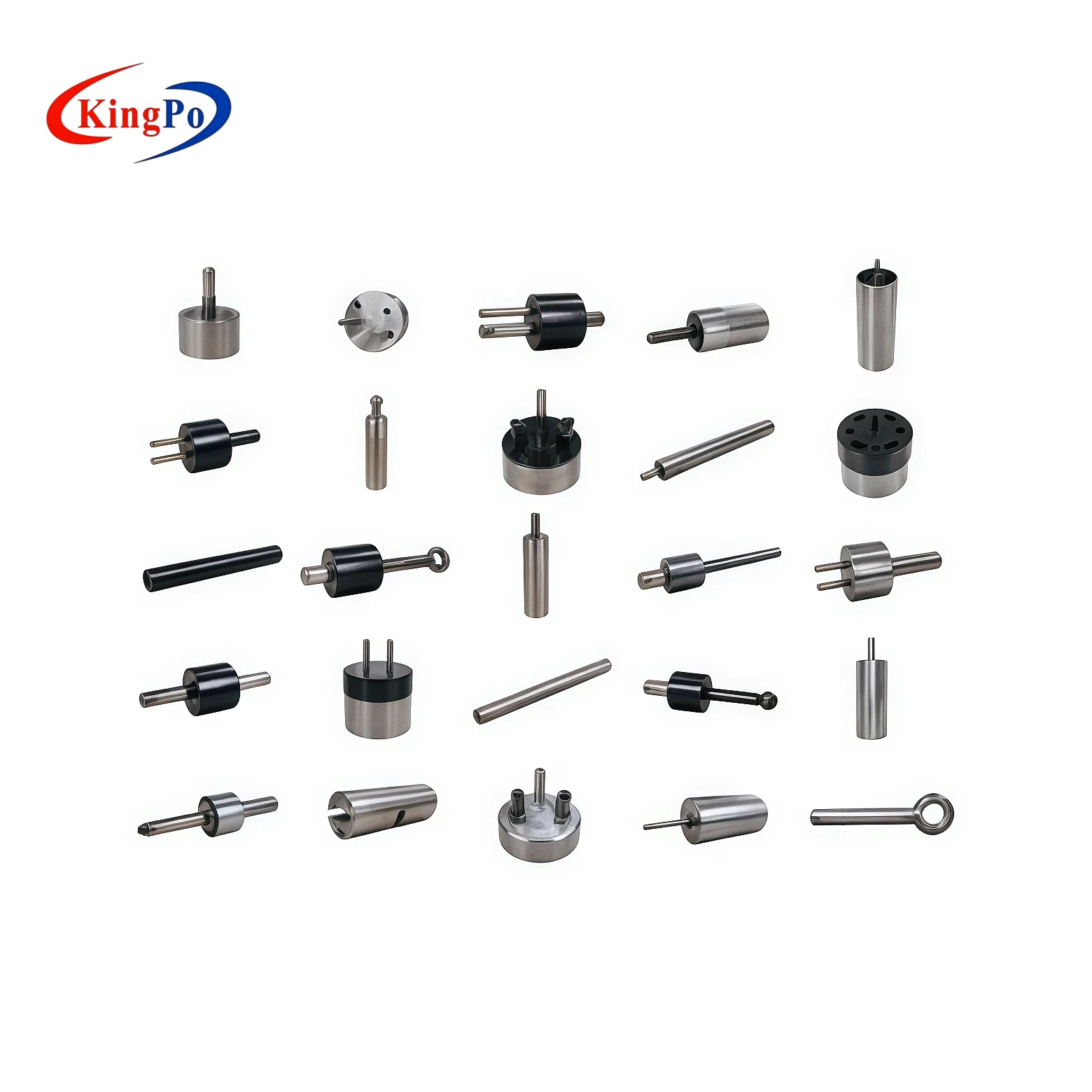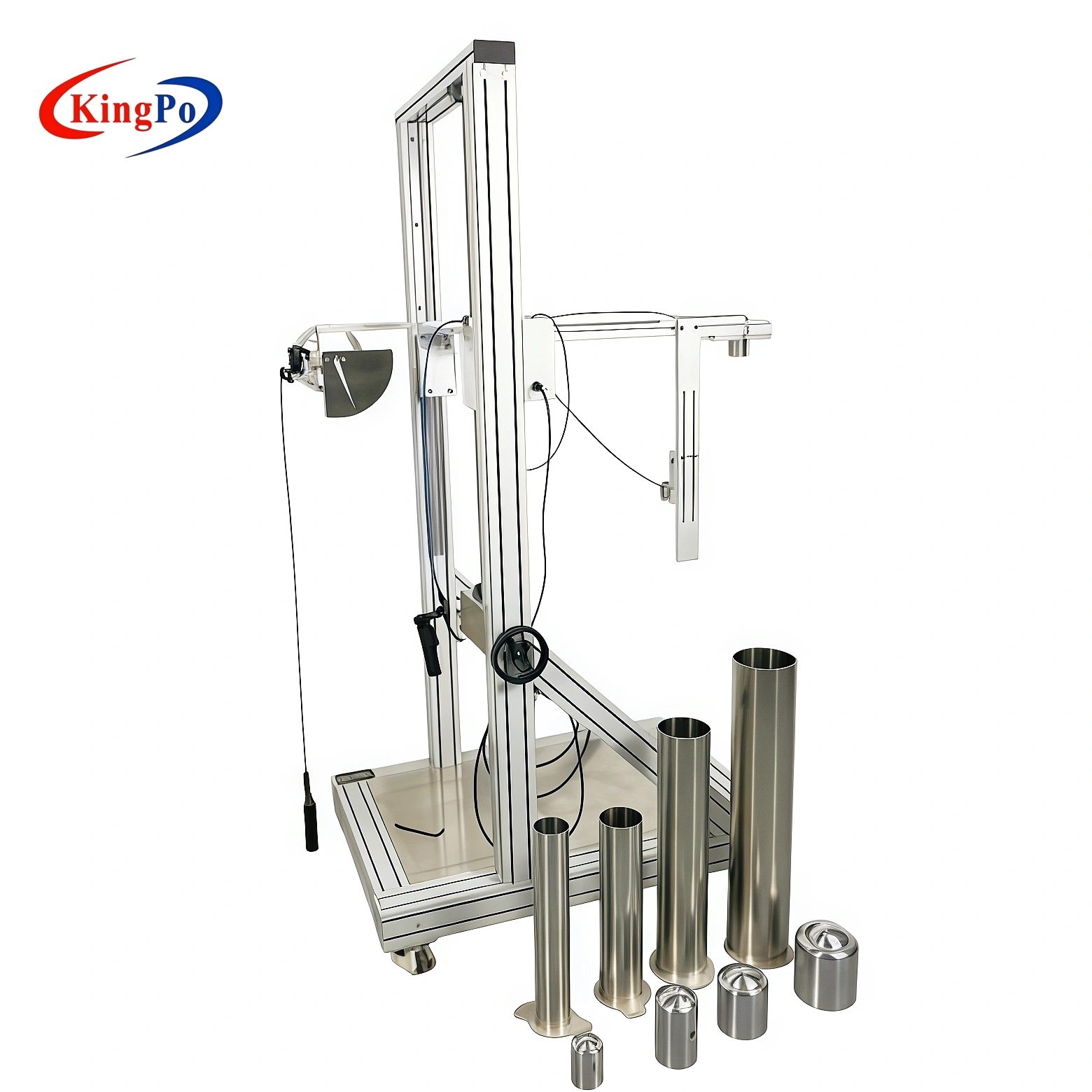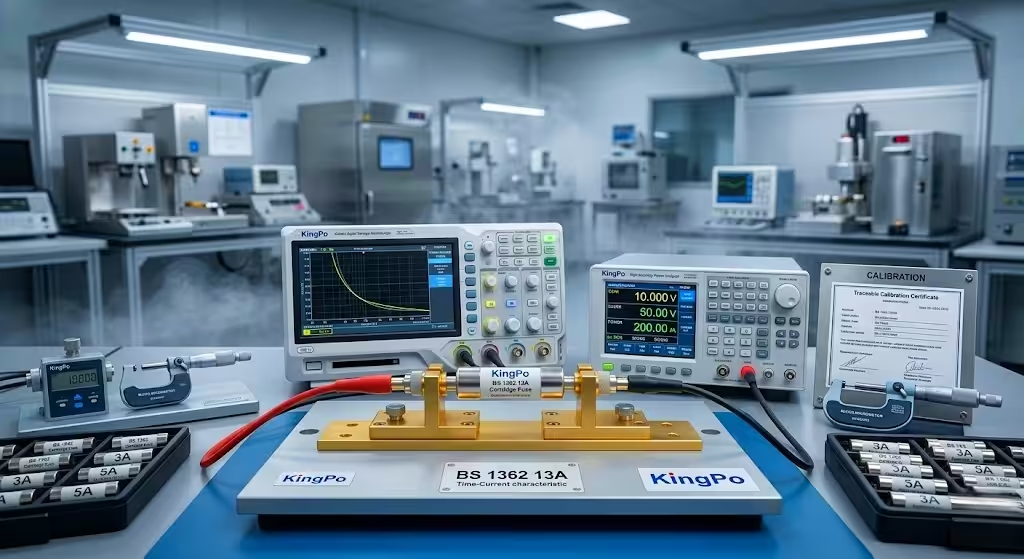
Abstract & Technical Summary Under the UK’s BS 7671 IET Wiring Regulations (18th Edition), electrical safety and circuit protection rely on coordinated layers of defense. The BS 1362 cartridge fuse serves as the final line of overcurrent protection inside BS 1363 plugs, with only 3 A (red) and 13 A (brown) ratings currently preferred. Combined with upstream Consumer Unit devices such as MCB, RCD, RCBO, AFDD, and SPD, this system protects against electric shock, thermal effects (fire), and overcurrent. KingPo Technology Development Limited, a leading manufacturer of safety compliance testing equipment with over 20 years of independent R&D, provides high-precision BS 1362 / BS 1363 test systems to help laboratories efficiently validate full compliance.
Why BS 1362 Fuse Ratings Matter in Modern UK Installations
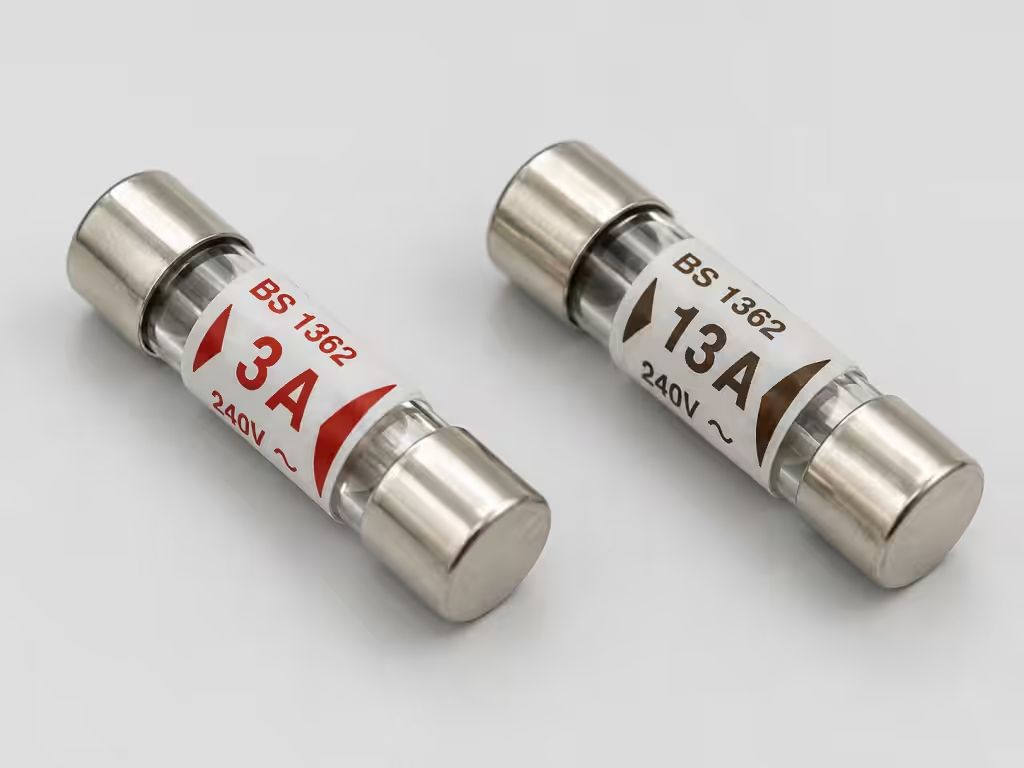
In the United Kingdom, BS 7671 (commonly known as the IET Wiring Regulations) governs all electrical installations. The Consumer Unit acts as the central hub of domestic protection, while the humble BS 1363 plug with its BS 1362 fuse provides localized, fast-acting backup protection — especially important on ring final circuits.
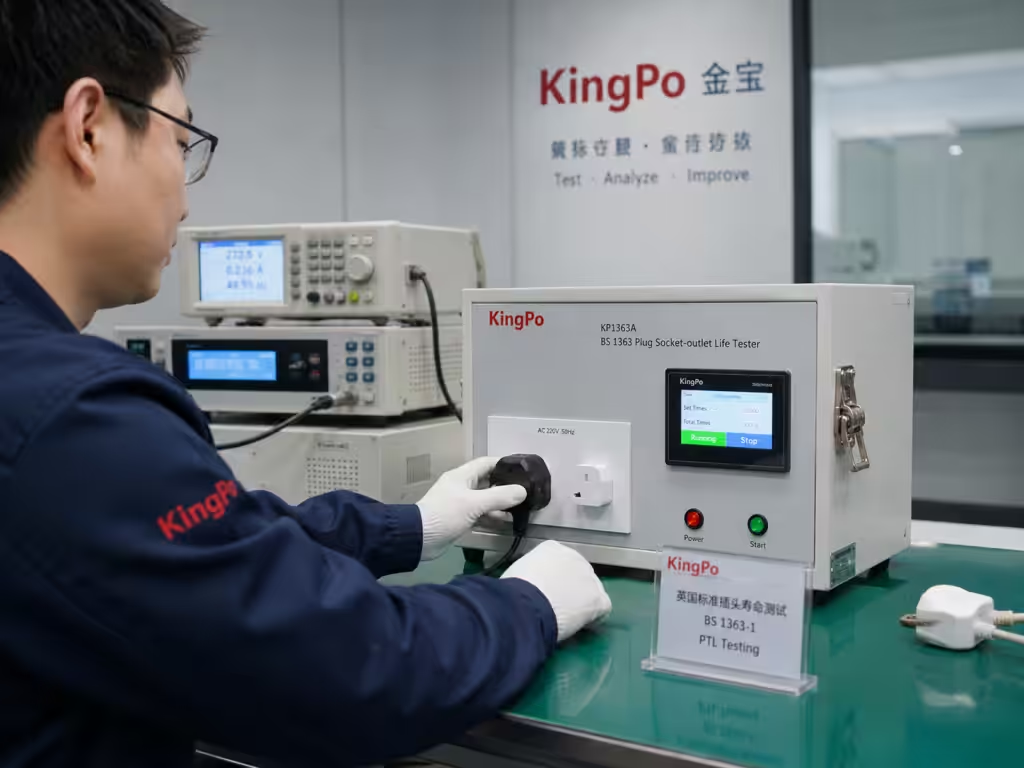
KingPo’s testing equipment enables manufacturers, test labs, and certification bodies to verify both upstream Consumer Unit coordination and downstream plug-level protection in one integrated workflow.
BS 7671 Domestic Circuit Protection (The Consumer Unit)
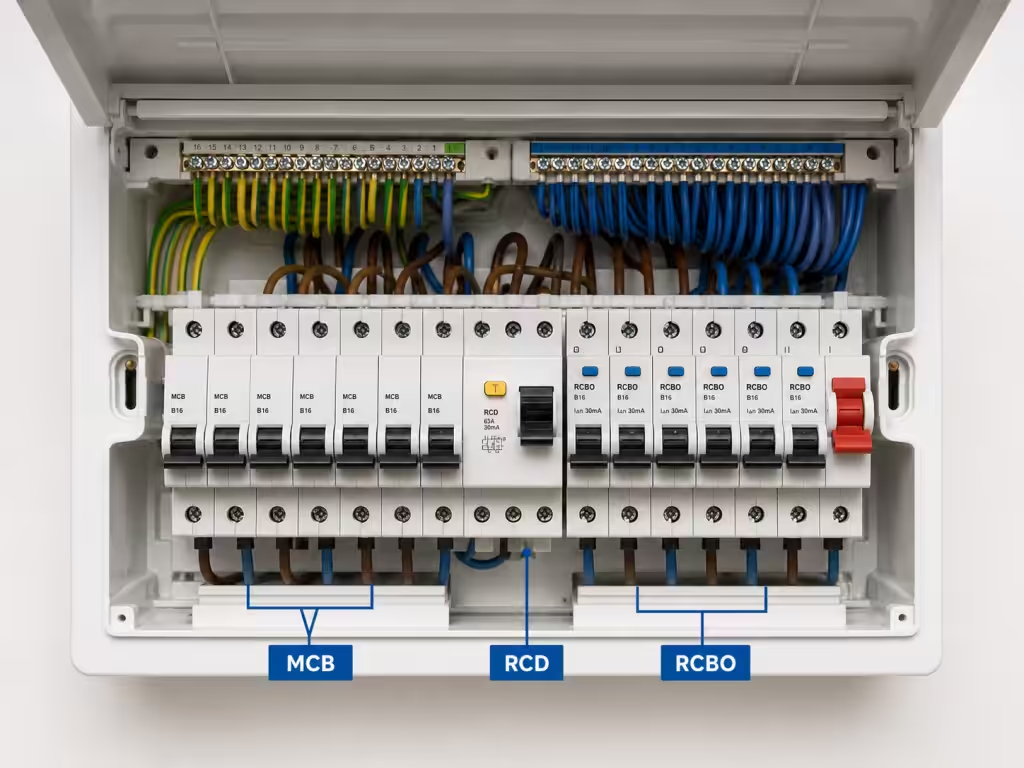
Modern Consumer Units use multiple specialized devices for layered safety. Here is the standard protection hierarchy (directly aligned with current BS 7671 requirements):
| Device | Purpose | What it Protects | Coordination with BS 1363 Plug & BS 1362 Fuse |
|---|---|---|---|
| MCB (Miniature Circuit Breaker) | Protects against overload and short circuits | Wiring / cables | Upstream overload protection; BS 1362 provides fast plug-level backup |
| RCD (Residual Current Device) | Detects earth leakage | People (prevents fatal shocks) | Complements plug fuse for personal protection |
| RCBO (Combined MCB & RCD) | Combines overload and leakage protection | Both people and cables | Enhanced single-module solution |
| AFDD (Arc Fault Detection Device) | Detects dangerous arcing | Property (prevents fires) | Critical for loose connections in plugs/cables |
| SPD (Surge Protection Device) | Protects against voltage surges | Sensitive electronics | Safeguards appliances using BS 1363 plugs |
KingPo Advantage: Our Electrical Safety Test Equipment supports automated testing of the entire protection chain — from Consumer Unit devices to BS 1362 fuse performance — ensuring full BS 7671 compliance.
Current Preferred BS 1362 Fuse Ratings for BS 1363 Plugs
Only two ratings remain the preferred choice in the UK market:
- 3 A (Red) – for low-power appliances (e.g., lamps, radios)
- 13 A (Brown) – for higher-power appliances (e.g., kettles, heaters, vacuum cleaners)
These ratings are carefully matched to the current-carrying capacity of typical UK ring-main circuits (2.5 mm² cable) and work in perfect coordination with upstream MCB/RCD protection.
Technical Advantages of KingPo BS 1362 / BS 1363 Testing Equipment
As a company with more than 20 years of independent R&D, KingPo designs and manufactures all core technologies in-house. Our BS 1362 / BS 1363 test systems deliver:
- Automated pre-arcing time and breaking capacity testing up to 6000 A
- Precise verification of 3 A and 13 A fuse performance curves
- Full coordination testing between Consumer Unit devices and plug fuses
- PLC-controlled touch-screen operation with power-off memory
- Calibration certificates traceable to national standards
- Energy-efficient feedback design suitable for CNAS / UKAS accredited laboratories
Discover the full range of KingPo Electrical Safety Test Equipment at https://www.dgkingpo.com or the dedicated EV Charger & Plug Testing Section.
Step-by-Step Testing Guide for BS 1362 Fuses in BS 1363 Plugs
- Visual inspection of fuse color and rating marking.
- Measure cold resistance and confirm dimensional compliance.
- Perform pre-arcing time test at specified multiples of rated current.
- Conduct breaking capacity test (minimum 6000 A).
- Verify coordination with upstream MCB/RCD using KingPo integrated test bench.
- Generate automated test report with pass/fail judgment per BS 7671.
Why Choose KingPo for Your UK Market Compliance Testing?
Laboratories and manufacturers using KingPo equipment report faster certification cycles, higher repeatability, and reduced risk of field failures. Our systems support not only BS 1362 / BS 1363 but also full IEC 60884, IEC 62196, and BS 7671 test sequences — delivering true one-stop safety compliance solutions.
Conclusion The 3 A and 13 A BS 1362 fuses remain the only preferred ratings for BS 1363 UK plugs, forming the critical final layer of protection within the comprehensive BS 7671 safety framework. By choosing KingPo’s professional testing equipment, you ensure accurate, repeatable, and fully compliant results that protect both people and property.
Need BS 1362 / BS 1363 test equipment or a complete Consumer Unit / plug safety testing solution? Contact KingPo today for expert technical support and a customized quotation. Visit www.dgkingpo.com to explore our full range of Electrical Safety, Battery, and EV Charging Test Equipment.
FAQ
Q1: What are the current preferred ratings of BS 1362 fuses for BS 1363 plugs? A: The official preferred ratings are 3 A (red) and 13 A (brown). All other ratings are classified as non-preferred.
Q2: How do you calibrate BS 1362 fuse test equipment to verify rating accuracy? A: Use a certified calibration kit and follow BS 1362 Appendix A procedures: perform multi-point current injections from 0.1 In to 10 In, record pre-arcing time curves with an oscilloscope, and recalibrate every quarter.
Q3: Why do BS 1362 fuse test results frequently fail? A: The most common causes are oxidized or dirty end caps increasing contact resistance, test ambient temperature outside specified limits, use of non-ASTA-certified samples, or incorrect current ramp settings during pre-arcing tests.
Q4: Has any recent update to BS 1363 changed the preferred fuse ratings? A: No. The 2023 edition strengthened overload testing and material requirements, but the preferred ratings remain strictly 3 A and 13 A.
Q5: Can 5 A or 10 A BS 1362 fuses still be used in UK plugs? A: They are technically permitted under BS 1362 but are non-preferred. The standard and best practice strongly recommend only 3 A or 13 A for optimal protection coordination.
Q6: How do you choose the correct BS 1362 fuse rating for a specific appliance? A: Divide the appliance’s rated power in watts by 230 V to get the approximate current, then select the next highest preferred rating (3 A or 13 A), leaving 20–30% headroom for inrush currents.
Q7: Why is the 6000 A breaking capacity of BS 1362 fuses important? A: It ensures the fuse can safely interrupt very high prospective short-circuit currents that may occur close to the consumer unit, protecting the plug, cable, and downstream wiring from explosive failure.
Q8: What makes the ring final circuit design require BS 1362 fuses in every plug? A: The ring topology uses a single 30/32 A upstream device for the entire loop. Plug-mounted fuses provide localized, fast-acting secondary protection close to each appliance, compensating for the relatively slow response of the upstream device.
Q9: Are there any signs that BS 1362/1363 standards might change the preferred ratings in the future? A: No indication exists at present. The 3 A and 13 A ratings have remained unchanged for decades and are deeply embedded in UK wiring practice, certification schemes, and market expectations.
Q10: What are the main differences between preferred and non-preferred BS 1362 fuse ratings in practical use? A: Preferred ratings (3 A and 13 A) are color-coded, widely stocked, and optimized for most household loads with proven protection coordination. Non-preferred ratings are less common, lack color coding in many cases, and may lead to certification issues or suboptimal cable protection when used in standard rewirable plugs.