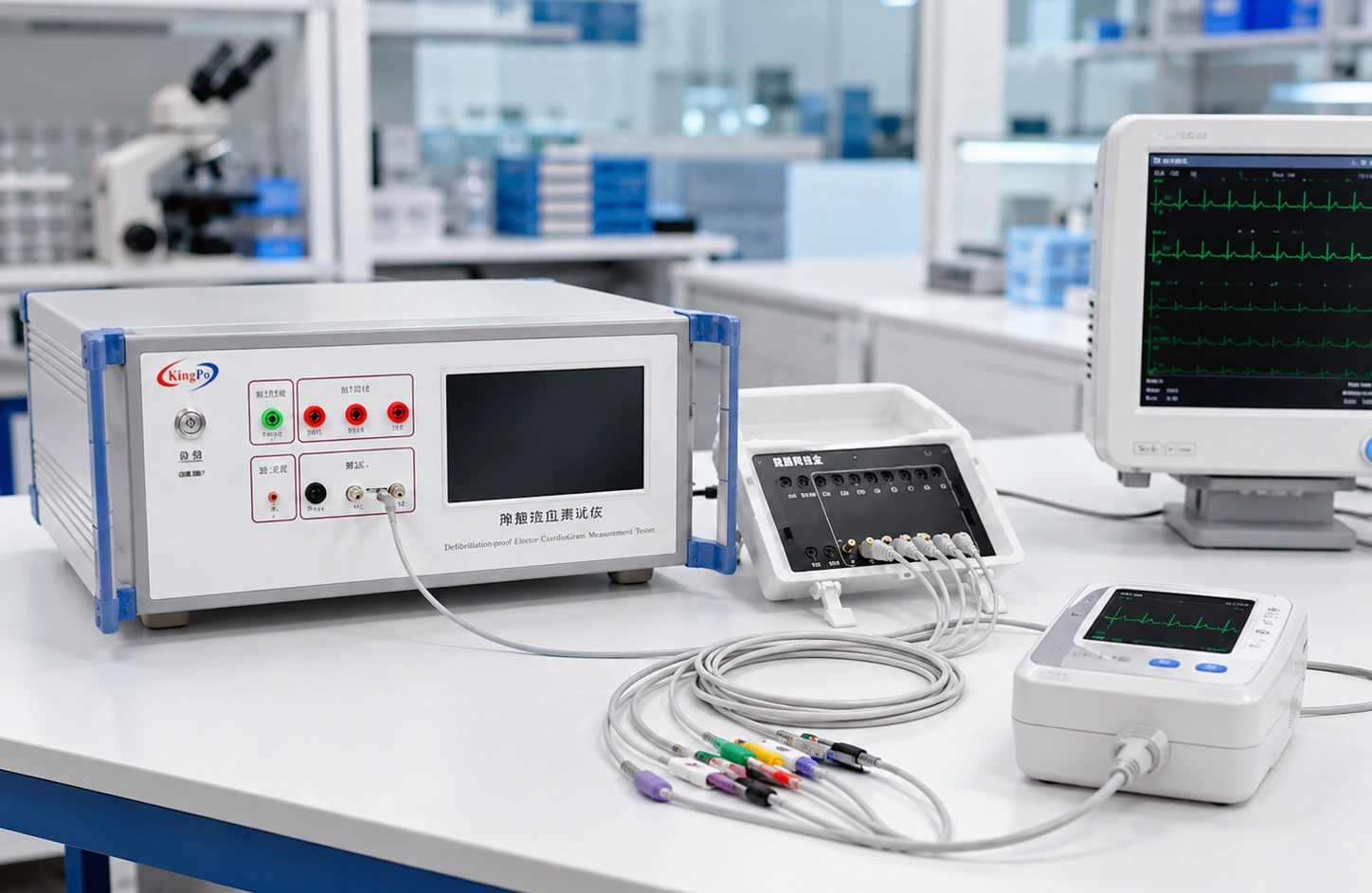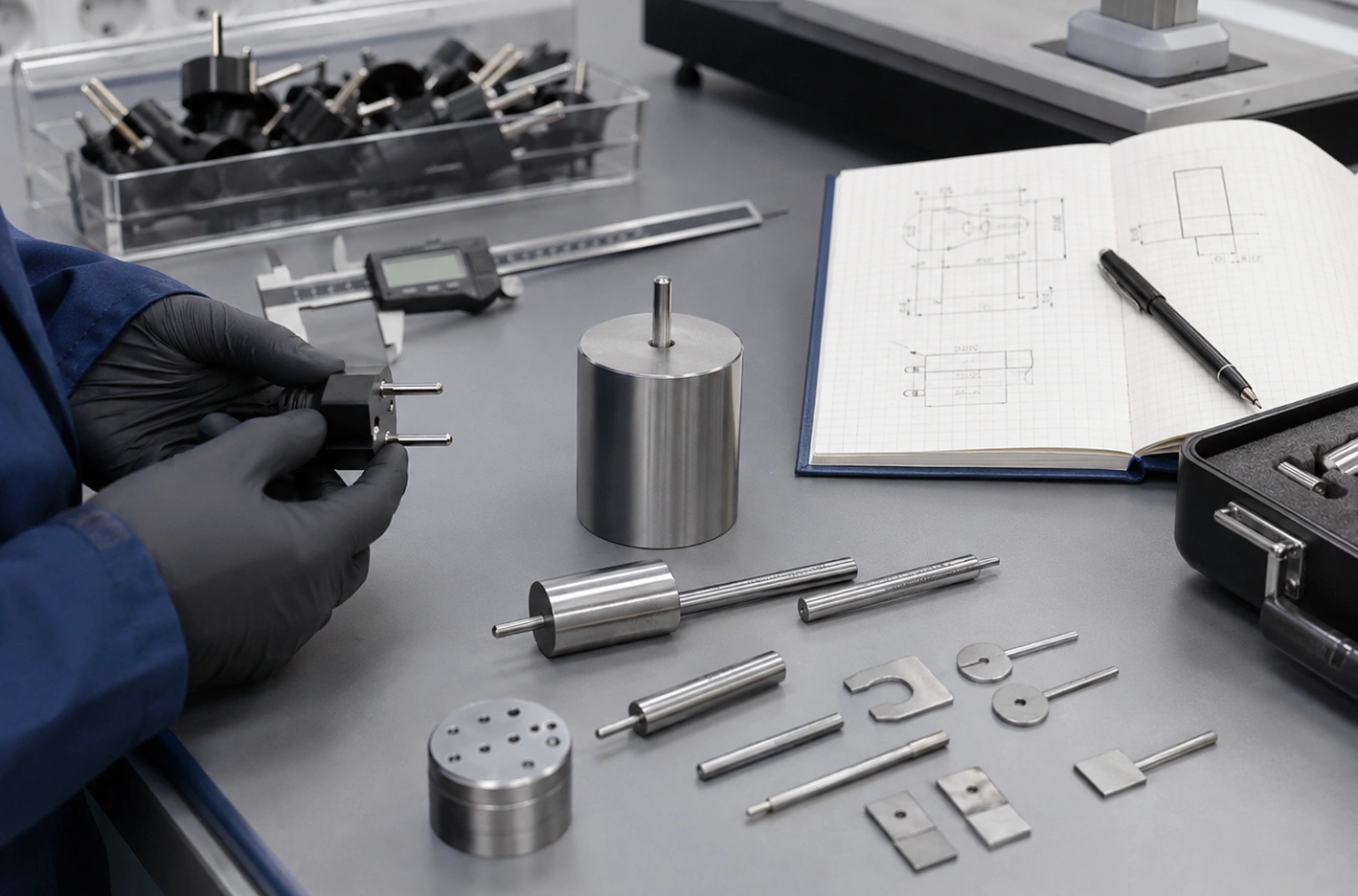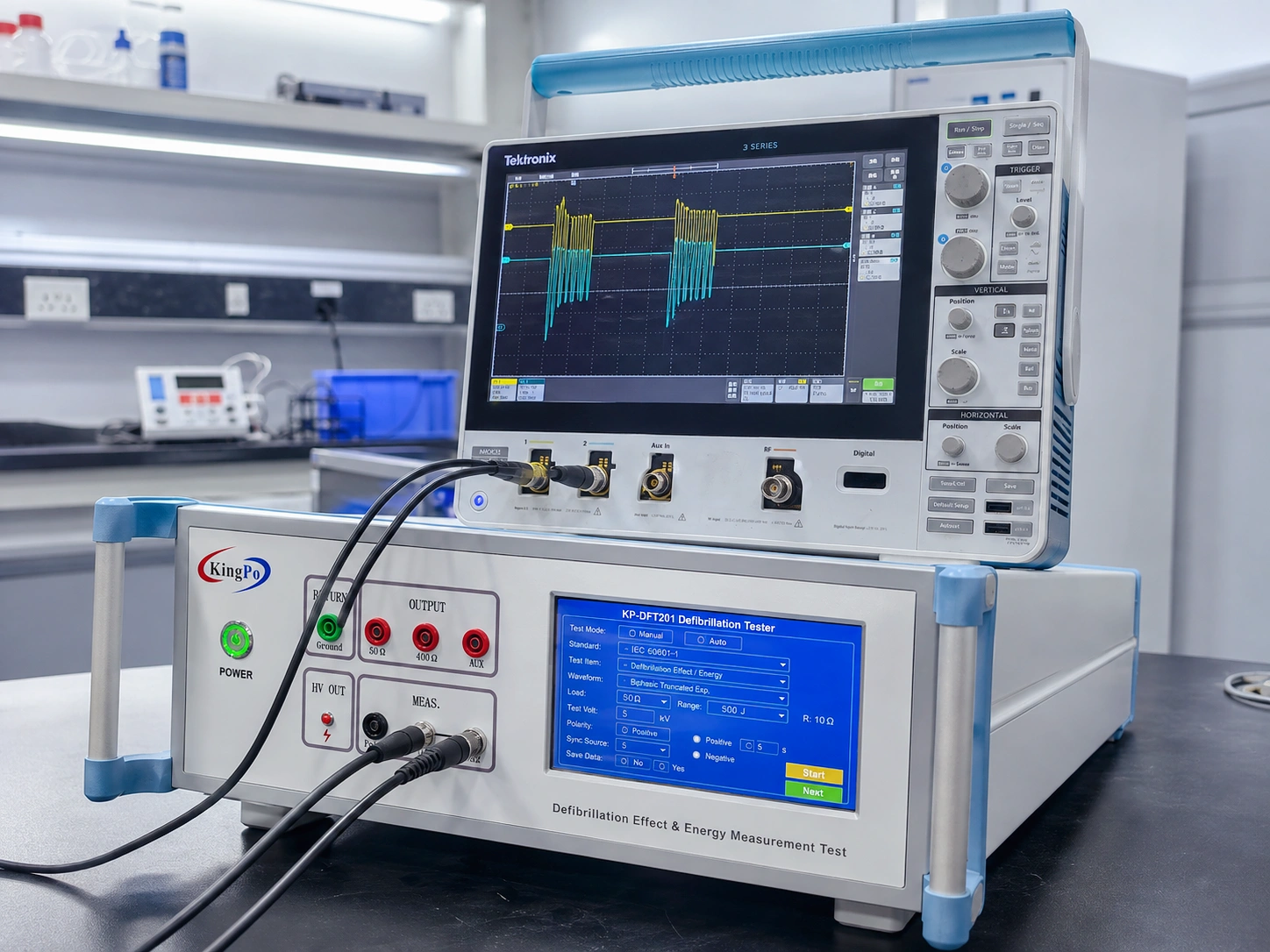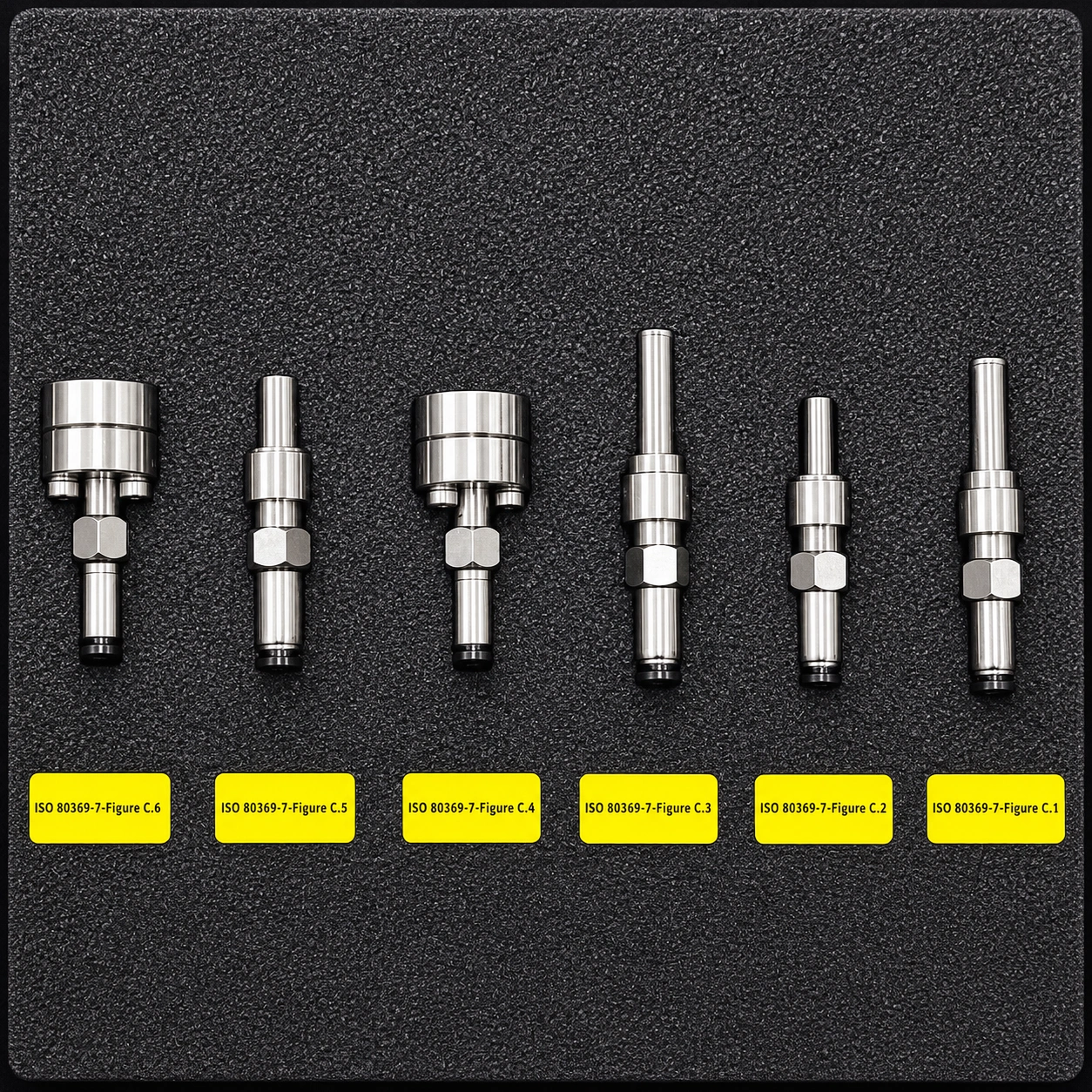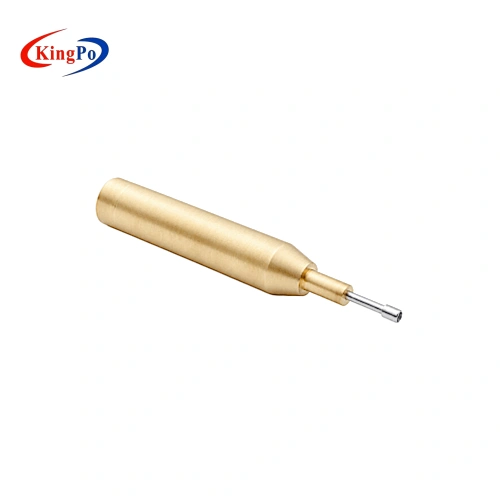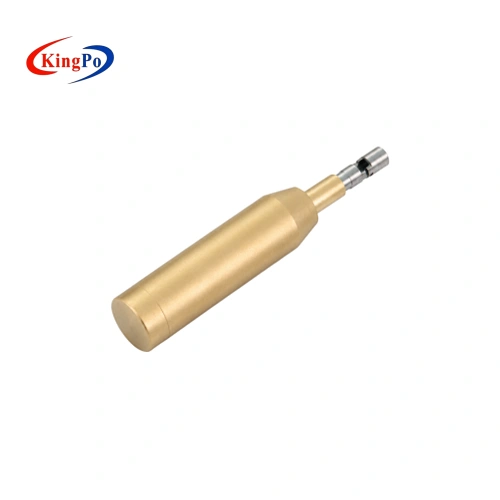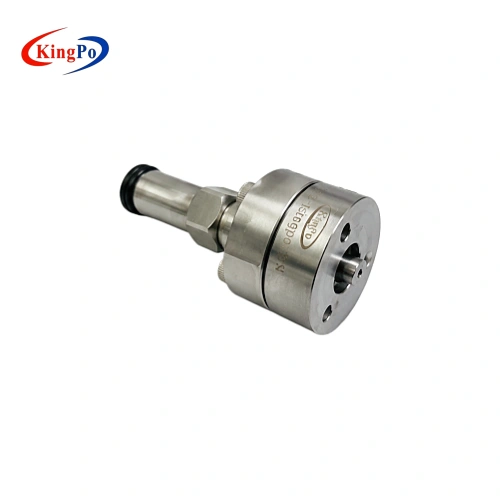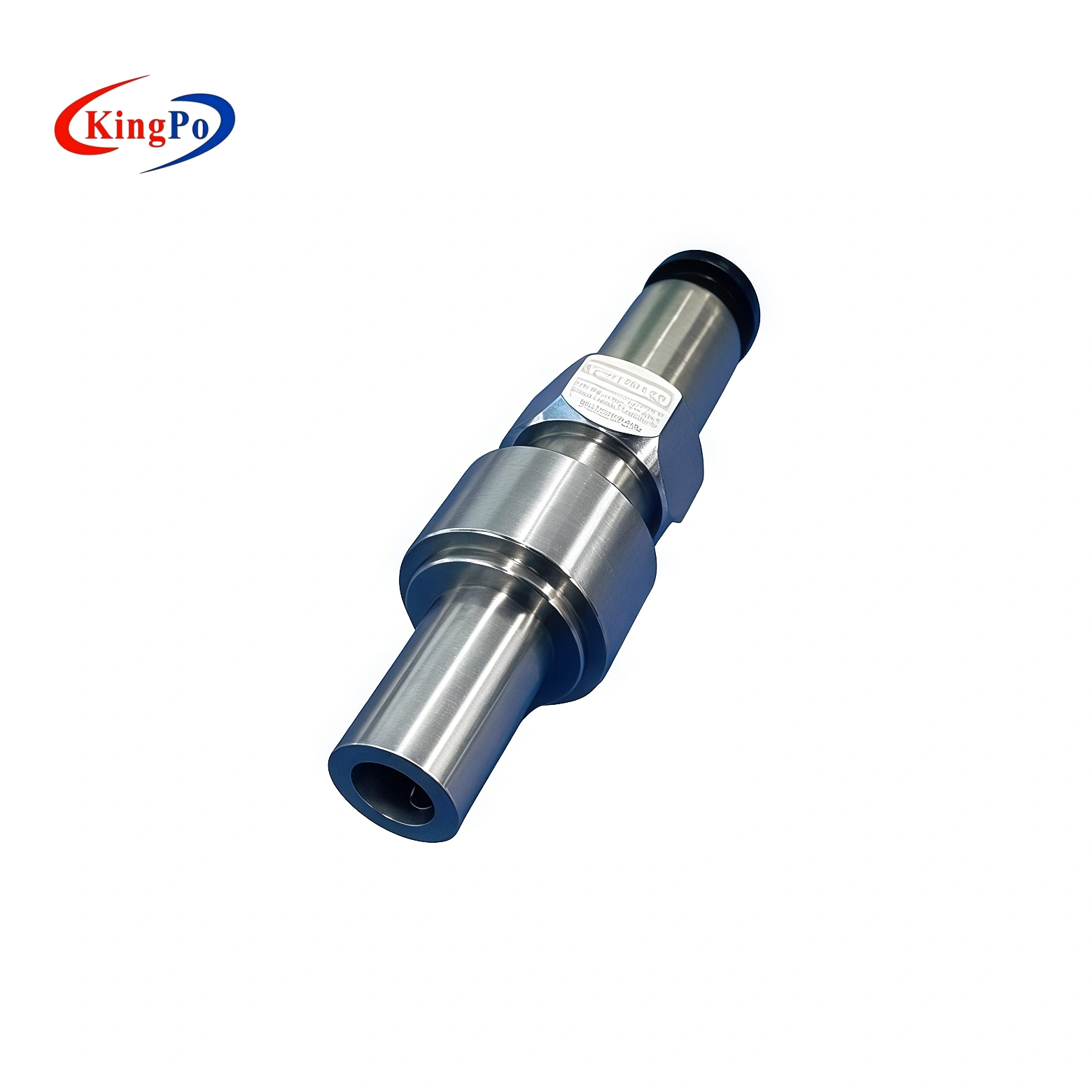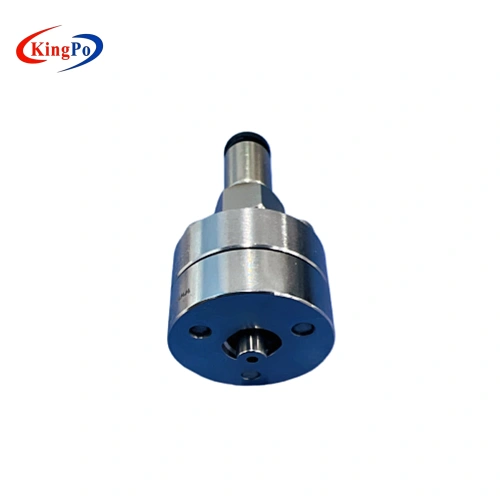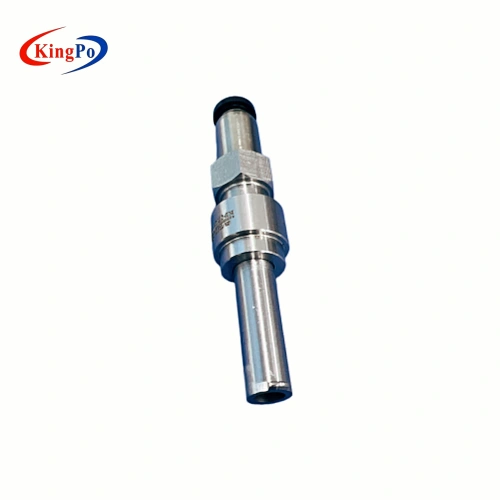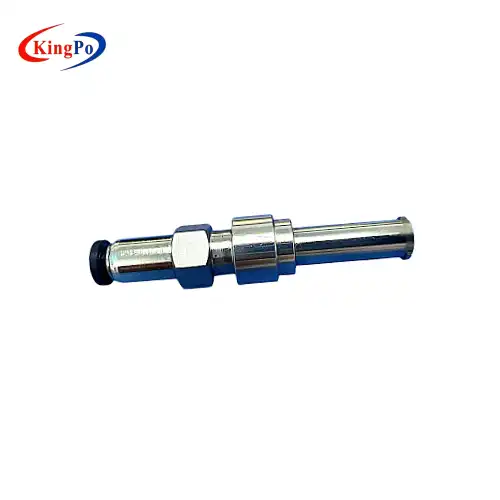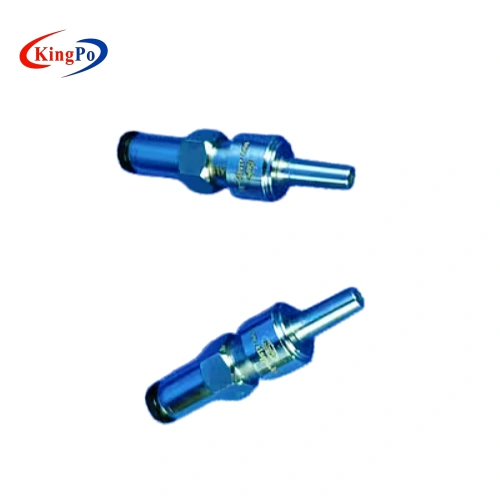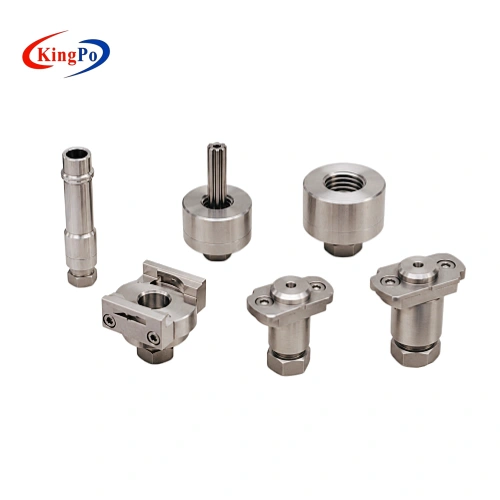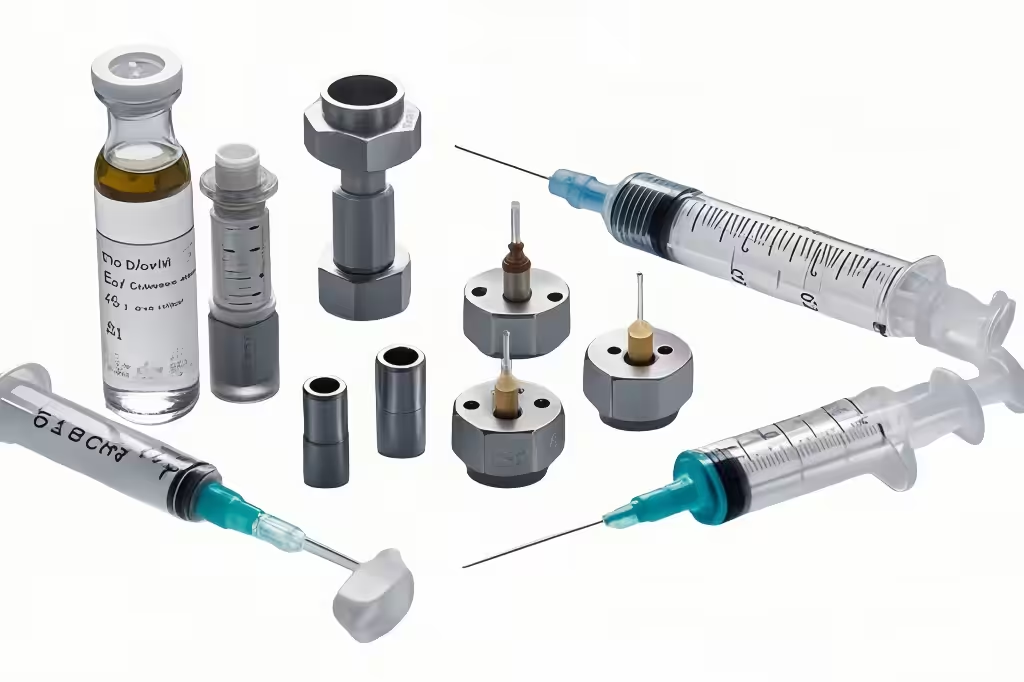
You want the highest level of safety for your patients and your facility. The Ultimate Guide to ISO 80369 Luer Gauge Testing gives you clear, current standards you can trust. KINGPO’s ISO 17025 calibration and advanced Luer Gauges ensure accurate results. See how strict requirements protect you:
|
Test Type |
Requirement/Details |
Minimum Performance |
|---|---|---|
|
Fluid Leakage |
Pressure decay or positive pressure method |
No leakage |
|
Sub-Atmospheric Air Leakage |
Vacuum application |
No leakage |
Choose the right tools that meet ISO 80369-7 Figure C.2 and ask yourself: Are you following ISO 80369?
Key Takeaways
-
ISO 80369 standards ensure safety by preventing misconnections in medical devices.
-
Use unique connectors for each application to reduce the risk of patient harm.
-
Regularly test luer connectors for leaks and compliance to maintain safety standards.
-
Document all testing procedures and results to prove compliance and track quality.
-
Train your team on ISO 80369 requirements to enhance awareness and reduce errors.
-
Choose KINGPO-approved tools for accurate testing and reliable results.
-
Implement a culture of safety by encouraging staff to report concerns and suggest improvements.
-
Stay updated with the latest ISO standards to ensure your facility remains compliant.
ISO 80369 Overview and Safety Impact
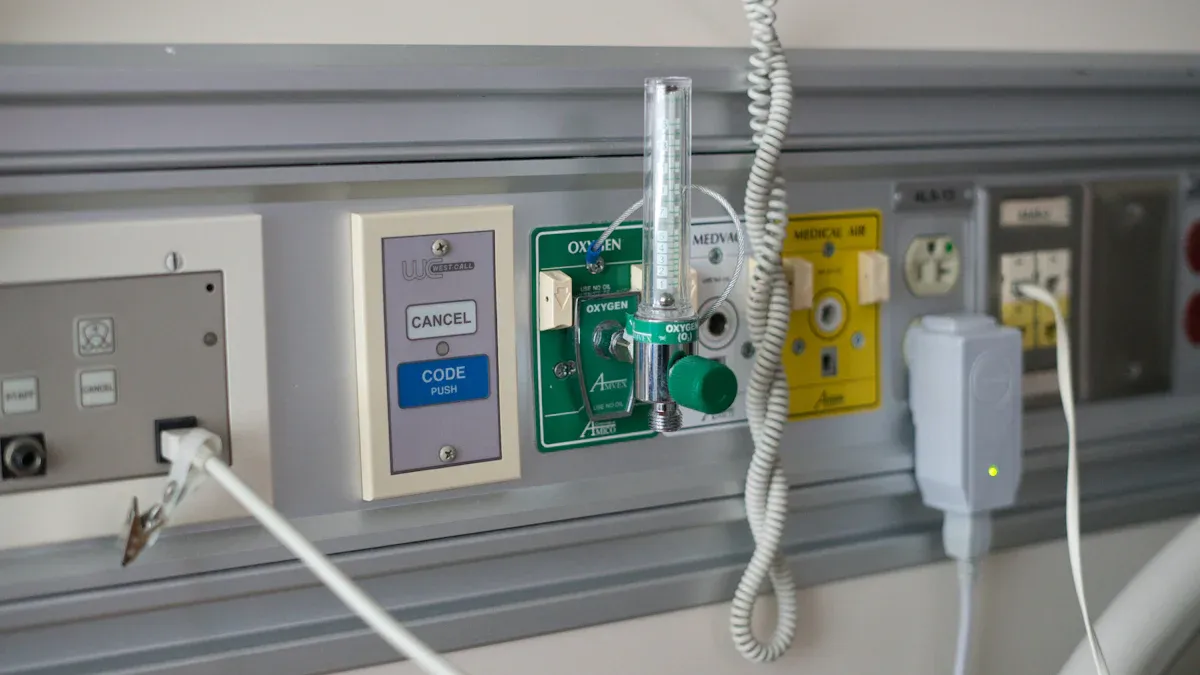
What Is ISO 80369?
You need to understand why the iso 80369 series matters for your facility. This set of international standards defines the requirements for small-bore connectors used in medical devices. These connectors, including luers, play a critical role in patient care. The iso 80369 standards cover a wide range of applications, from intravenous therapy to enteral feeding. You can see the scope and organization of the iso 80369 series in the table below:
|
ISO 80369 Standard |
Description |
|---|---|
|
ISO 80369-1 |
General Requirements and Overview |
|
ISO 80369-2 |
Breathing Systems and Driving Gases (Airway) |
|
ISO 80369-3 |
Enteral and Gastric (Stomach) |
|
ISO 80369-4 |
Urinary Collection (Urethra) – Postponed |
|
ISO 80369-5 |
Limb Cuff Inflation (Tourniquets and BP Cuffs) |
|
ISO 80369-6 |
Neuraxial (Spine) |
|
ISO 80369-7 |
Intravenous (Artery/Veins) |
|
ISO 80369-20 |
Common Test Methods |
You can trust that these standards represent over 20 years of global effort to improve safety and consistency in healthcare. The iso 80369 series sets out to eliminate confusion and ensure that each type of connector serves only its intended purpose.
Preventing Misconnections
You face real risks when using medical connectors. The risk of misconnection can lead to severe patient harm, including infection or even death. The iso 80369 standards directly address this danger. By introducing unique connector designs for each application, iso 80369 makes it much harder to connect incompatible devices. For example, the ENFit connector, part of iso 80369-3, prevents misconnections in enteral feeding. When you use ENFit syringes, you greatly reduce the chance of a misconnection during oral or enteral liquid administration.
Tip: Always verify that your connectors match the intended application. This simple step can save lives.
The iso 80369 standards have already shown a significant reduction in misconnections. You protect your patients and your reputation by following these guidelines.
Six Types of Luer Connections
You encounter many types of luers and small-bore connectors in daily practice. The iso 80369 series identifies six main categories, each with its own connector design:
-
Intravenous (IV) luers for arteries and veins
-
Enteral connectors for feeding tubes
-
Breathing system connectors for airway management
-
Limb cuff connectors for blood pressure and tourniquet devices
-
Neuraxial connectors for spinal procedures
-
Urinary connectors (pending implementation)
Each category uses a unique small-bore connector to prevent dangerous cross-connections. You must select the correct luer or connector for every procedure. This approach ensures that only compatible devices connect, reducing the risk of misconnection and improving patient safety.
When you follow iso 80369, you show your commitment to the highest safety standards. You also make compliance easier and protect everyone in your care.
Patient Safety Benefits
You want to protect your patients from preventable harm. The iso 80369 standards give you a proven way to do that. When you follow iso 80369, you reduce the risk of dangerous misconnections. You also help your team deliver safer care every day.
The iso 80369 series sets strict requirements for connectors. These requirements stop incompatible devices from connecting. You can trust that each connector under iso 80369 fits only with its intended system. This design keeps medication, fluids, and gases from reaching the wrong part of the body. You avoid tragic errors that can happen with older, universal connectors.
Note: The World Health Organization and leading safety groups recommend iso 80369 for all healthcare settings. You show your commitment to global best practices when you use these standards.
You see real benefits when you implement iso 80369 in your facility:
-
You lower the risk of medication errors.
-
You prevent cross-contamination between systems.
-
You protect vulnerable patients, such as infants and the elderly.
-
You make it easier for staff to follow safe procedures.
-
You meet the latest regulatory and accreditation requirements.
The iso 80369 standards also help you build a culture of safety. Your team learns to check connectors before every use. You encourage everyone to speak up if they see a mismatch. This teamwork leads to fewer mistakes and better outcomes.
Here is how iso 80369 improves patient safety in practice:
|
Safety Challenge |
How iso 80369 Solves It |
|---|---|
|
Misconnection of devices |
Unique connectors prevent mix-ups |
|
Fluid or gas misdelivery |
Only correct systems can connect |
|
Infection risk |
Single-use, standardized connectors |
|
Staff confusion |
Clear labeling and color coding |
You can see that iso 80369 does more than set technical rules. It gives you a framework for safer care. You gain peace of mind knowing that your equipment meets the highest safety standards. Your patients and their families trust you more when you use iso 80369.
If you want to lead in patient safety, you must make iso 80369 part of your daily practice. You will see fewer incidents, stronger compliance, and better patient outcomes. Choose iso 80369 and show your dedication to safety at every level.
The Ultimate Guide to ISO 80369 Luer Gauge Testing
Why Luer Gauge Testing Matters
You want to protect your patients and your reputation. The ultimate guide to iso 80369 luer gauge testing gives you the tools to do both. When you use iso 80369, you make sure that every luer lock connector and small-bore connector in your facility meets strict safety standards. You cannot afford to guess when it comes to patient safety. You need reliable test results that confirm your luers and connectors work as designed.
Every day, you handle medical devices that rely on precise connections. A single error with a luer lock connector can lead to serious harm. The ultimate guide to iso 80369 luer gauge testing shows you how to test each connector for leaks, fit, and durability. You learn how to spot problems before they reach the patient. You also gain confidence that your equipment will perform under pressure.
You know that not all connectors are the same. Some may look similar but fail to meet iso 80369 requirements. The ultimate guide to iso 80369 luer gauge testing helps you identify the right small-bore connectors for every application. You avoid costly mistakes and keep your facility iso 80369 compliant.
Tip: Test every luer lock connector before use. This simple habit can prevent dangerous misconnections.
Compliance and Regulatory Needs
You face strict rules from regulators and accreditation bodies. They demand that your facility follows iso 80369 for all small-bore connectors and luers. The ultimate guide to iso 80369 luer gauge testing explains what you must do to stay compliant. You learn how to document each test and prove that your connectors meet international standards.
Regulatory bodies require luer gauge testing for several reasons:
-
Patient harm has increased due to misconnections with luer connectors, causing the wrong delivery of medical solutions.
-
International standards like iso 80369 ensure the safety and reliability of medical devices.
-
The principle of “safety under single fault conditions” means that even one failure should not put patients at risk.
You cannot ignore these requirements. If you skip a test or use non-compliant connectors, you put your patients and your facility in danger. The ultimate guide to iso 80369 luer gauge testing gives you step-by-step instructions for every test. You learn how to check each luer lock connector, document your results, and respond to any failures.
You also need to show that your facility uses iso 80369 compliant connectors. Auditors and inspectors will ask for proof. The ultimate guide to iso 80369 luer gauge testing helps you prepare for these reviews. You can show your records and demonstrate your commitment to quality and safety.
Role of KINGPO in Testing
You want a partner who understands iso 80369 and the challenges you face. KINGPO leads the industry in luer gauge testing and calibration. You benefit from their expertise every time you use the ultimate guide to iso 80369 luer gauge testing. KINGPO’s team knows how to test every luer lock connector and small-bore connector to the highest standards.
KINGPO invests in advanced equipment and strict calibration methods. You get accurate, repeatable test results that you can trust. KINGPO’s labs meet iso 17025 requirements, so you know your tests are valid. You also receive support from experts who can answer your questions about iso 80369 and help you solve problems.
When you choose KINGPO, you show your commitment to safety and compliance. You make sure every luer, connector, and device in your facility meets iso 80369 standards. You also gain peace of mind knowing that your testing process is thorough and reliable.
Note: KINGPO’s dedication to iso 80369 compliant testing sets you apart as a leader in patient safety.
You do not have to navigate iso 80369 alone. The ultimate guide to iso 80369 luer gauge testing, backed by KINGPO’s expertise, gives you everything you need to protect your patients, your staff, and your reputation.
ISO 80369 Luer Gauge Testing Procedures

Preparation and Equipment
You want to start every test with the right preparation. The iso 80369 standards demand accuracy and consistency. You cannot afford to use the wrong tools or skip steps. When you follow the correct process, you protect your patients and your reputation.
KINGPO-Approved Tools
You need tools that meet iso 80369 requirements. KINGPO-approved equipment gives you confidence in every test. These tools include precision luer gauges, calibrated pressure devices, and certified measurement blocks. Each tool matches the exact specifications for small-bore connectors and luers. You avoid costly errors by using only approved equipment.
-
Precision luer gauges for dimensional checks
-
Pressure devices for leak and flow tests
-
Certified blocks for calibration
-
Automated testing of luer lock connectors for repeatable results
Tip: Always check that your equipment carries the KINGPO approval mark before you begin any test.
You can trust KINGPO tools to deliver reliable results. These tools help you meet iso 80369 and iso 80369-7 standards for every luer system in your facility.
Calibration Steps
You must calibrate your equipment before every test. Calibration ensures that your results match the strict tolerances set by iso 80369. Use certified reference blocks and follow the manufacturer’s instructions. Record each calibration in your logbook.
-
Inspect all tools for damage or wear.
-
Use certified blocks to set zero points.
-
Adjust gauges and pressure devices to match reference values.
-
Document calibration results for every tool.
-
Repeat calibration if you notice any drift or error.
Note: Regular calibration prevents false results and keeps your luer system compliant with iso 80369.
You show your commitment to safety when you follow these calibration steps. KINGPO’s automated testing of luer lock connectors also includes built-in calibration checks, so you can trust every test result.
Sample Handling
You must handle every sample with care. The iso 80369 standards require you to keep samples clean, dry, and free from contamination. Use gloves and store samples in sealed containers. Label each sample with the date, type of connector, and batch number.
-
Inspect each luer and connector for visible defects.
-
Clean samples with approved solutions.
-
Avoid touching the connection surfaces.
-
Store samples away from direct sunlight and moisture.
Proper sample handling ensures that your test results reflect the true quality of your connectors and luers. You reduce the risk of false failures and keep your facility compliant with iso 80369.
Dimensional Checks
Dimensional checks form the backbone of testing of luer systems. You must measure each connector and luer to confirm they meet iso 80369 requirements. Use precision gauges and follow the test methods described in iso 80369-7 and iso 80369-20.
Revised Dimensions and Tolerances
Iso 80369 sets strict limits for connector dimensions. You must check the outer diameter, inner diameter, and length of each luer and small-bore connector. Use the latest tables from iso 80369-7 to verify tolerances.
|
Dimension |
Standard Value (mm) |
Tolerance (mm) |
|---|---|---|
|
Outer Diameter |
4.00 |
±0.06 |
|
Inner Diameter |
2.50 |
±0.05 |
|
Length |
10.00 |
±0.10 |
If a connector falls outside these limits, you must reject it. Accurate dimensional checks prevent misconnections and ensure that every luer system in your facility is safe.
6% Luer Taper
Iso 80369 requires a 6% taper for all luer connectors. This taper ensures a secure fit and prevents leaks. You must measure the angle and confirm it matches the iso standard.
-
Use a taper gauge to check the angle.
-
Compare results to the iso 80369-7 requirements.
-
Record all measurements in your test log.
Alert: Even a small deviation from the 6% taper can cause leaks or connection failures.
You guarantee patient safety when you verify the 6% taper on every luer and small-bore connector. This step is essential for compliance and for building trust in your facility’s testing process.
By following these procedures, you meet the highest standards for testing of luer systems. You show regulators, auditors, and patients that you take iso 80369 seriously. You also make sure that every connector, luer, and luer system in your care performs as intended.
Leakage Testing Methods
You need to confirm that your connectors will not leak under real-world conditions. The iso 80369 standards require you to use two main methods for leakage testing. These methods help you find even the smallest leaks in your luer system. You protect your patients and your reputation when you follow these steps.
Pressure Decay Test
The pressure decay test gives you a fast and reliable way to check for leaks in your small-bore connectors. You apply a set pressure to your luer system and watch for any drop in pressure over a short period. If the pressure drops too much, you know there is a leak.
ISO 80369-7 specifies that Luer connectors should be tested for leakage using either the pressure decay test method or the positive pressure liquid leakage test method. The pressure decay test must not exceed a leak rate of 0.005 Pa*m3/sec at pressures between 300 kPa and 330 kPa over a duration of 15 to 20 seconds.
You must use precise gauges and follow the iso 80369-7 instructions. Set your pressure between 300 and 330 kPa. Hold this pressure for 15 to 20 seconds. If your connectors show a leak rate above 0.005 Pa m3/s, you must reject them. This test helps you catch problems before they reach your patients.
Positive Pressure Liquid Test
The positive pressure liquid test gives you another way to check for leaks in your luer system. You fill your connectors with a test liquid and apply pressure. You look for any drops or seepage around the connection points. Even a small leak can put your patients at risk.
You must use clean, compatible liquids and follow the iso 80369-7 process. This test shows you how your connectors perform under real use. You can trust your results when you use the right equipment and follow every step.
The pressure decay limit for leakage testing is set at 0.005 Pa m3/s, applied at pressures between 300-330 kPa for a period of 15-20 seconds.
You should always record your results and keep your test logs ready for inspection. These leakage testing methods help you meet iso 80369 and keep your facility safe.
Material Requirements
You cannot ignore the materials you use for your connectors and luers. The iso 80369 standards set strict rules for the strength and flexibility of every part in your luer system. You must choose materials that meet these requirements if you want to avoid failures and stay compliant.
Elastic Modulus Standards
Iso 80369 requires that the elastic modulus of materials used for connectors and luers must exceed 700 MPa. This rule applies to both tension and flexure tests. If your materials do not meet this standard, your connectors may bend, crack, or fail under pressure.
-
The elastic modulus of materials used for Luer connectors must exceed 700 MPa when tested in tension or flexure.
-
Some commonly used polymers, such as many polyethylenes, do not meet this elastic modulus requirement.
You must check your material certificates and test reports before you approve any new batch of connectors. You protect your patients and your facility when you use only approved materials for your small-bore connectors.
ASTM Testing Methods
You need to use the right test methods to confirm your materials meet iso 80369. ASTM standards give you clear steps for measuring elastic modulus and other properties. You should use ASTM D638 for tensile testing and ASTM D790 for flexural testing. These methods help you get accurate, repeatable results.
You must keep your test records and material certificates on file. Auditors and inspectors will ask to see proof that your connectors and luers meet iso 80369. You show your commitment to safety and quality when you follow these material requirements.
Documentation
You must document every test, measurement, and inspection you perform on your luer system. Iso 80369 requires you to keep detailed records for all connectors, luers, and small-bore systems. Good documentation protects you during audits and helps you track your quality over time.
You should include the following in your records:
-
Date and time of each test
-
Type and batch of connectors or luers tested
-
Test methods and equipment used
-
Calibration records for all tools
-
Test results, including pass/fail status
-
Name of the person performing the test
You should store your records in a secure, organized system. You make it easy to find information when you need it. You also show regulators and patients that you take iso 80369 seriously.
Tip: Review your documentation regularly. Update your records after every test and keep backup copies in a safe place.
You build trust and ensure compliance when you keep complete and accurate documentation for your luer system.
Key ISO 80369 Standards Explained
ISO 80369-7: Dimensions and Testing
You need to trust that your luers and small-bore connectors fit perfectly every time. ISO 80369-7 sets the rules for dimensions and testing. This standard makes sure your connectors work safely and reliably. You avoid confusion and reduce risks when you follow these requirements. ISO 80369-7 helps you achieve conformity and interchangeability. You can swap parts without worry because they meet strict measurements. You protect patients by ensuring devices fit securely and function as intended. You also streamline medical processes, making it easier to replace and use equipment. Manufacturers and providers benefit from a common language, which supports global commerce.
|
Requirement |
Description |
|---|---|
|
Conformity and Interchangeability |
Establishes specified dimensions for healthcare equipment, ensuring parts can be interchanged safely. |
|
Patient Safety |
Reduces risks of complications by ensuring devices fit securely and function properly. |
|
Streamlining Medical Processes |
Facilitates integration of devices into workflows, allowing for easy replacement and use. |
|
Facilitating Global Commerce |
Provides a standard language for manufacturers and providers, easing international trade. |
You gain peace of mind knowing your luer connectors meet ISO 80369 standards. You can trust your equipment to perform every time.
ISO 80369-20: Test Procedures
You must test your connectors to guarantee safety and compliance. ISO 80369-20 gives you clear procedures for luer gauge testing. You follow these methods to check for leaks, strength, and durability. You avoid mistakes and ensure your small-bore connectors meet the highest standards. ISO 80369-20 covers several test methods, each with its own difficulty level.
|
Test Method |
Difficulty Level |
|---|---|
|
Leakage by pressure decay |
Trivial |
|
Sub-atmospheric pressure air leakage |
Trivial |
|
Disconnection by unscrewing |
Trivial |
|
Resistance to separation from unscrewing |
Moderate |
|
Positive pressure liquid leakage |
Challenging |
|
Resistance to separation from axial load |
Challenging |
|
Resistance to overriding |
Challenging |
|
Stress Cracking (not modifiable for variable data) |
N/A |
You use these tests to confirm your connectors will not fail under real conditions. You protect patients and your facility by following ISO 80369-20 exactly. You also make sure your luers and small-bore connectors stay compliant with ISO 80369 standards.
Applying Standards in Practice
You see the impact of ISO 80369 standards every day in clinical and laboratory settings. You prevent misconnections between unintended devices. You keep patients safe by using connectors designed for specific medical applications. ISO 80369 standards define requirements for small-bore connectors, making sure devices for different uses cannot connect by mistake.
Annex B in ISO 80369-1 provides test methods to verify that connectors intended for different applications cannot be connected, which is essential for maintaining patient safety in healthcare environments.
You rely on ISO 80369 standards to reduce medical errors and improve outcomes. You use connectors that match the right application, from breathing systems to enteral feeding. You follow the guidelines for each part of ISO 80369.
|
Part |
Application Area |
Description |
|---|---|---|
|
1 |
General Requirements |
Establishes general requirements for small bore connectors for liquids and gases in healthcare applications. |
|
2 |
Breathing Systems |
Defines requirements for connectors used in breathing systems and driving gases. |
|
3 |
Enteral |
Specifies requirements for enteral (feeding tube) and gastric connectors. |
|
4 |
Urethral |
Outlines requirements for urethral and urinary connectors. |
|
5 |
Limb Cuff Inflation |
Details requirements for limb cuff inflation or non-invasive blood pressure connectors. |
|
6 |
Neuraxial |
Specifies requirements for neuraxial devices. |
|
7 |
Intravascular |
Defines requirements for intravascular or hypodermic connectors. |
-
ISO 80369 aims to prevent misconnections between unintended devices in healthcare.
-
It covers small-bore connectors used to connect medical equipment to patients.
-
Parts 2 to 7 address application categories with the highest risk of misconnection.
You build a safer environment by applying ISO 80369 standards. You make sure every luer and small-bore connector in your facility meets the right requirements. You lead your team to better patient safety and stronger compliance.
Ensuring Trust and Actionable Guidance
Expert Input and KINGPO’s Role
You want to trust the guidance you follow for testing luers and small-bore connectors. KINGPO brings you expert input at every step. Their team works with the latest iso 80369 standards and understands the challenges you face in your facility. You get support from professionals who test luer systems every day. KINGPO’s experts help you avoid mistakes and keep your testing process strong. They answer your questions and guide you through each iso requirement. You can rely on their advice to keep your connectors safe and compliant.
When you choose KINGPO, you show your commitment to patient safety and quality. You gain a partner who stands behind every luer and small-bore connector you test.
Verified, Up-to-Date Sources
You need information you can trust. The best way to stay current is to use verified sources for iso 80369 luer gauge testing. The most reliable standards come from international organizations and regulatory agencies. You should always check the latest updates before you test your connectors.
|
Standard |
Description |
|---|---|
|
ISO 80369-7 |
Connectors for intravascular or hypodermic applications, detailing dimensions and requirements for safe connections. |
|
ISO 80369-1 |
Requirements for verifying designs and dimensions of small-bore connectors to prevent misconnection. |
You see that iso 80369-7 is essential for testing luers used in medical devices. This standard helps you make sure your connectors meet strict safety and performance rules. The FDA also accepts iso 80369-7:2016 and older iso 594-1/-2 as consensus standards. You protect your patients by following these trusted sources.
-
The FDA has removed the deadline for accepting new medical device designs that do not comply with iso 80369-7.
-
The FDA continues to accept iso 594-1/-2 and iso 80369-7:2016 as consensus standards.
You keep your facility safe when you use the latest iso standards for all your luer and small-bore connector testing.
Making Standards Understandable
You want clear guidance, not confusing technical language. KINGPO makes iso 80369 easy to understand for everyone on your team. You get step-by-step instructions for testing luers and connectors. You learn how to check each small-bore connector for leaks, fit, and strength. KINGPO breaks down complex iso rules into simple actions you can follow.
Tip: Use checklists and visual guides to help your staff remember each step of the iso 80369 testing process.
You build confidence in your team when you make standards clear. Everyone knows how to test luers and small-bore connectors the right way. You reduce errors and improve patient safety. You also make audits and inspections easier because your records and procedures match iso requirements.
You can trust KINGPO to help you turn iso 80369 standards into practical steps. You get the tools and knowledge you need to keep your connectors safe and your facility compliant.
Common Pitfalls and Safety Risks
Testing Errors
You face many challenges when you test luer connectors for iso 80369 compliance. Testing errors can put your patients at risk and damage your reputation. You might use the wrong gauge or skip calibration steps. You may overlook small leaks or ignore dimensional checks. These mistakes can lead to faulty connectors entering your facility. You must pay attention to every detail during testing. You need to follow iso standards exactly. You should always use calibrated tools and document every result. You protect your patients when you avoid testing errors.
Tip: Double-check your equipment and procedures before every test. Small mistakes can have big consequences.
Non-Compliance Dangers
You cannot afford to ignore iso 80369 requirements. Non-compliance exposes your facility to serious risks. You may face regulatory penalties or product recalls. You could see patient injuries or even fatalities from misconnection incidents. The complexity of medical care increases the risk of errors. You must stay vigilant and keep your team trained on iso standards. You need to meet medical device compliance rules to avoid legal trouble and protect your patients.
Here is a table showing the dangers of non-compliance:
|
Risk Type |
Description |
|---|---|
|
Misconnections |
Can lead to patient injuries and fatalities due to incorrect connections. |
|
Increasing Complexity |
The risk of misconnections is growing due to the complexity of medical care. |
|
Patient Safety |
ISO 80369 standards aim to enhance patient safety by reducing these risks. |
You see that iso 80369 is not just a technical requirement. It is a safety standard that protects lives. You must follow iso guidelines to maintain medical device compliance and avoid costly mistakes.
How KINGPO Helps Avoid Mistakes
You want a partner who helps you avoid errors and stay compliant. KINGPO gives you the tools and support you need for iso 80369 testing. You receive compliant reference gauges that ensure dimensional accuracy. You detect non-conformities early and prevent faulty connectors from reaching patients. KINGPO’s functional tests guarantee seals under stress. You avoid clinical adverse events and keep your facility safe.
Here is how KINGPO supports your iso 80369 testing:
|
Evidence Description |
Impact on ISO 80369 Testing |
|---|---|
|
Compliant reference gauges provided by KINGPO |
Ensure dimensional accuracy and functional performance of Luer connectors, helping to detect non-conformities early. |
|
Early detection of non-conformities |
Reduces the risk of recalls and ensures compliance with regulatory requirements, such as FDA 21 CFR and EU MDR. |
|
Functional tests guarantee seals under stress |
Prevents clinical adverse events by ensuring proper performance under operational conditions. |
You gain confidence when you use KINGPO’s tools and expertise. You meet iso standards and achieve medical device compliance. You protect your patients and your reputation. You avoid common pitfalls and build a safer facility.
Best Practices
You want to keep your facility safe and compliant. You can achieve this by following proven best practices for luer gauge testing and connector management. These steps help you avoid mistakes, pass audits, and protect every patient.
1. Standardize Your Testing Process
Set up a clear routine for every test. Use checklists for each step. Make sure your team knows the correct order for preparation, calibration, testing, and documentation. Consistency leads to fewer errors and better results.
2. Train Your Team Regularly
You need to keep your staff up to date. Hold training sessions on the latest iso 80369 requirements. Use hands-on demonstrations and visual guides. Encourage questions and review common mistakes. Well-trained staff catch problems early and keep your testing process strong.
3. Use Only Approved Equipment
Choose tools that meet iso standards. Check for calibration stickers and approval marks before every use. Replace worn or damaged equipment right away. Reliable tools give you accurate results and build trust with auditors.
4. Document Everything
Keep detailed records for every test. Write down the date, time, batch number, and results. Store your records in a secure place. Good documentation helps you prove compliance and track trends over time.
5. Inspect Connectors Before Use
Look for cracks, discoloration, or other defects. Clean each connector with approved solutions. Reject any part that does not meet your standards. Careful inspection prevents failures and keeps patients safe.
6. Review and Update Procedures
Set a schedule to review your testing procedures. Update your process when new iso guidelines appear. Ask your team for feedback and look for ways to improve. Staying current shows your commitment to safety.
Tip: Create a quick-reference guide for your staff. Post it in your testing area so everyone can follow the right steps every time.
7. Foster a Culture of Safety
Encourage your team to speak up about concerns. Reward staff who spot problems or suggest improvements. A strong safety culture leads to fewer incidents and better patient outcomes.
Here is a summary table for quick reference:
|
Best Practice |
Why It Matters |
|---|---|
|
Standardize Testing |
Reduces errors, ensures consistency |
|
Train Regularly |
Keeps staff skilled and informed |
|
Use Approved Equipment |
Ensures accurate, reliable results |
|
Document Everything |
Proves compliance, tracks quality |
|
Inspect Before Use |
Prevents failures, protects patients |
|
Review Procedures |
Keeps you current with iso updates |
|
Foster Safety Culture |
Builds trust, reduces incidents |
You can lead your facility to higher standards by following these best practices. You show your dedication to quality and safety every day.
You want to lead your facility in safety and compliance. KINGPO stands with you every step of the way. Use this guide to strengthen your ISO 80369 Luer gauge testing process. For your next steps, follow these actions:
-
Show non-interconnectability with dimensional analysis and physical tests.
-
Compare connectors using Annex B.2 instructions.
-
Test mating surfaces if needed.
-
Confirm results with target reference connectors.
-
Review alternative designs for compliance.
-
Choose sample sizes based on risk and confidence.
Trust KINGPO to help you achieve the highest standards.
FAQ
What is ISO 80369 Luer gauge testing?
You use ISO 80369 Luer gauge testing to check if your connectors meet strict safety standards. This process ensures every connector fits, seals, and performs as required. You protect your patients and your facility by following these tests.
Why should you trust KINGPO for Luer gauge testing?
You trust KINGPO because their experts use ISO 17025-accredited labs and approved tools. KINGPO’s team delivers accurate, repeatable results. You gain peace of mind knowing your testing meets global standards.
How often should you test your Luer connectors?
You should test every new batch before use. Regular checks catch defects early. You also need to test after any design change or material switch. Consistent testing keeps your facility compliant and safe.
What happens if a connector fails ISO 80369 testing?
You must reject any connector that fails. Do not use it on patients. You should document the failure and investigate the cause. This action prevents unsafe devices from reaching your facility.
Which tools do you need for ISO 80369 testing?
You need precision Luer gauges, calibrated pressure devices, and certified measurement blocks. KINGPO-approved tools guarantee accuracy. Always check for calibration stickers before you start.
How does ISO 80369 prevent misconnections?
You use unique connector designs for each application. This approach stops incompatible devices from connecting. You lower the risk of medication errors and patient harm.
Where can you find the latest ISO 80369 standards?
You find the latest standards on the ISO website or through KINGPO’s resources. Always check for updates before testing. Using current standards keeps your facility compliant.
Can you get support if you have questions about testing?
You can contact KINGPO’s experts for help. They answer your questions and guide you through every step. You never have to face compliance challenges alone.