You rely on the 6% taper angle when using iso 80369-7:2021 luer connectors. This special shape helps iso 80369-7 connectors fit well and stop leaks in medical devices. You count on these connectors to keep patients safe and follow iso rules. The 6% taper gives you both safety and good use in each connection. You need to check every iso 80369-7 luer connector with exact tools like the Kingpo reference gauge. This step makes sure you follow iso 80369-7 and keep safety in all medical places.
Key Takeaways
- The 6% taper angle in ISO 80369-7:2021 luer connectors makes a tight fit. This stops leaks and keeps patients safe.
- Using a reference gauge, like the Kingpo gauge, is very important. It checks if luer connectors follow ISO rules for safe medical use.
- ISO 80369-7:2021 has strict rules for medical connectors. These rules lower the chance of mistakes and help devices work together everywhere.
- Regular testing and quality checks, like ‘go/no-go’ tests, help follow ISO rules. They make sure medical connections stay safe.
- Healthcare workers must keep up with ISO 80369-7 changes. This helps them keep medical devices safe and working well.
What is the 6% Luer Taper?
Geometry and Standardization
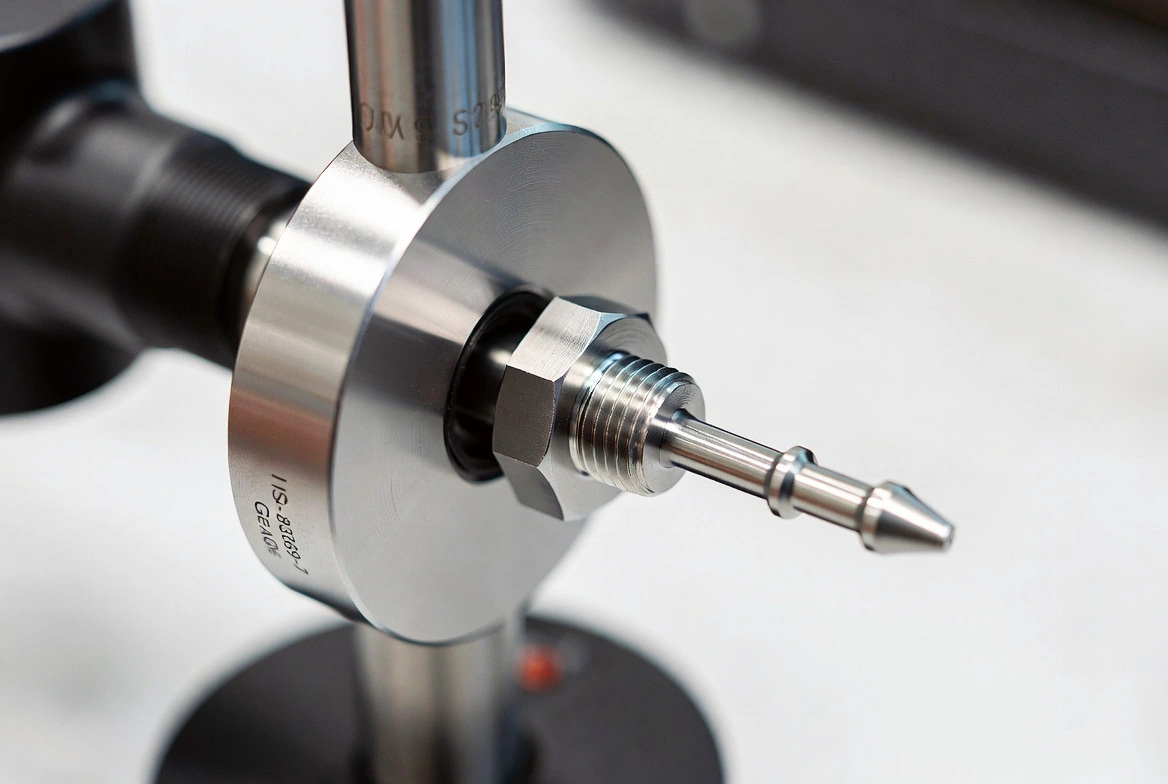
The 6% luer taper is used in many medical tools. This shape looks like a cone and helps parts fit tightly. The angle is always 6 percent. This shape makes sure all luer connectors work the same way. You see the luer taper in syringes and other devices. It helps parts fit smoothly and stops leaks. You can trust the luer taper because it follows strict rules. These rules come from ISO standards. You use the luer taper in syringes every day.
The luer taper helps make parts the same way each time. You get parts that fit together without trouble. The table below shows how standardization helps:
| Specification | Value |
|---|---|
| Luer Taper Angle | 6% |
| Thread Pitch Precision | ±0.0005 inches |
| Compliance Standard | ISO 594 |
You use these numbers to make sure all luer connectors match. The luer taper keeps syringes safe and working well.
Role in Medical Connectors
The luer taper is used in many medical connectors. It lets you connect syringes and tubes easily. You get a tight fit every time. The luer taper stops leaks and keeps medicine where it should go. You trust the luer taper to keep patients safe. You find the luer taper in slip and lock connectors. You use the luer taper in syringes and other tools. The luer taper makes your job easier. You know the luer taper keeps connectors safe and strong.
Why ISO 80369-7:2021 Standards Matter
Ensuring Leak-Free Medical Connections
You need medical connectors that do not leak. The iso 80369-7 standard sets strict rules for luer connectors. These rules say how big and what shape each connector should be. They also say how well each connector must work. You see these rules when you use syringes and other tools that must not leak. The 6% taper angle is very important. It helps make sure every connection is tight and safe.
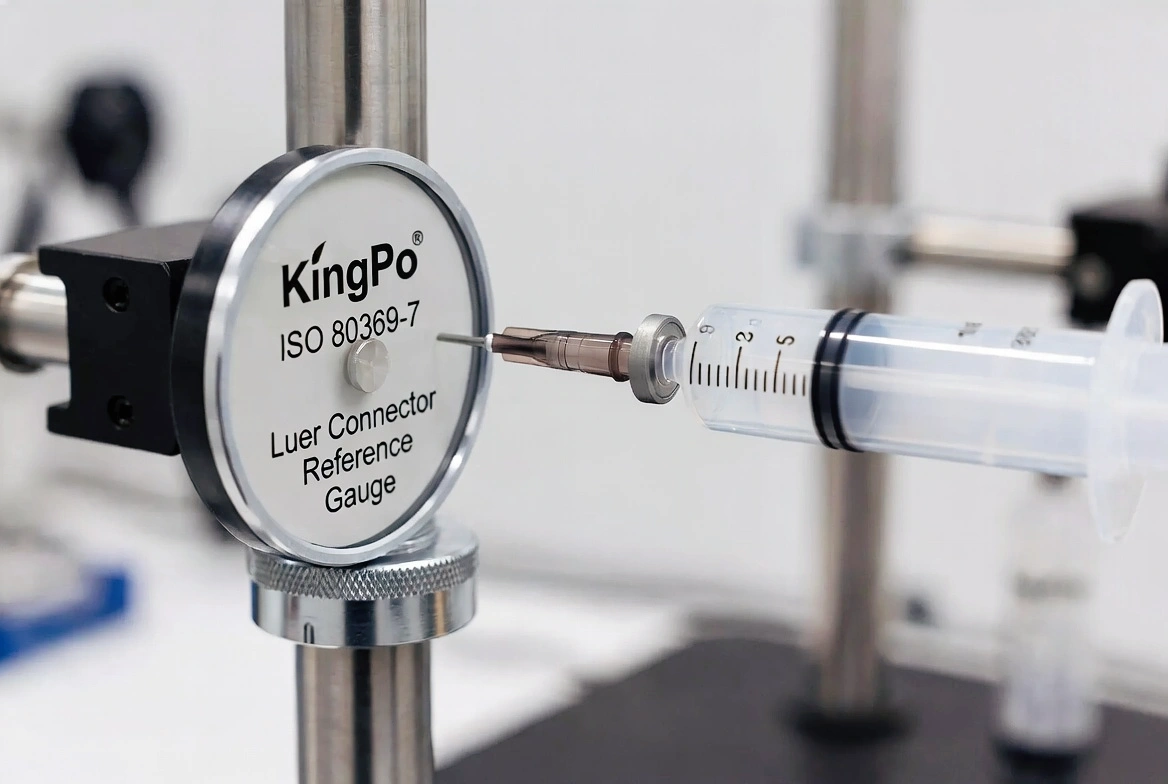
Leak-free connections keep patients safe and medicine in the right place. You can trust iso 80369-7 to help stop leaks and keep your work safe.
Here is how iso 80369-7:2021 sets the lowest requirements for luer connectors:
| Requirement | Specification |
|---|---|
| Inner male lumens maximum size | 8.3F or 0.114 inches |
| Compliance with dimensional tests | Required for all dimensions |
| Functional testing | Separate from dimensional testing |
| Tolerances | More strict than old standards |
| Testing method | Uses new VISION SYSTEM |
You use these rules to check every connector. This helps you make sure all syringes and luer connectors follow the iso 80369-7 standard. You get leak-free connections that keep patients safe.
Preventing Misconnections and Enhancing Safety
You want to stop mistakes when connecting medical devices. The iso 80369-7:2021 standard helps by making sure connectors only fit where they should. Luer connectors are made to fit only with the right parts. They do not fit with other types of connectors. This design helps stop dangerous mistakes.
The iso 80369-7 standard was made after mistakes caused harm. Now, you have clear rules that help you avoid these problems.
You can see how the standard stops leaks and mistakes in the table below:
| Evidence Description | Implication |
|---|---|
| ISO 80369 standards lower the chance of mistakes that hurt patients. | Lowers risk of leaks and wrong connections in medical devices. |
| New connector types in ISO 80369-7 have better sizes and limits. | Makes tighter seals and lowers the chance of leaks. |
| Luer locks make connections stronger and stop them from coming apart by accident. | Makes connections safer and lowers leak risks. |
You use these features every day. The iso 80369-7 standard gives you what you need to make safe, strong connections. You keep patients safe and make every procedure better.
Guaranteeing Global Compatibility
You use medical devices from many companies. The iso 80369-7 standard makes sure all these devices connect safely. You do not have to worry about parts not fitting or leaking. The standard sets the same rules for everyone, everywhere.
Here is how iso 80369-7 helps you get global compatibility:
| Evidence | Explanation |
|---|---|
| ISO 80369-7 gives one set of rules for luer connectors. | This helps make sure devices from different companies connect safely and work well together. |
| It lowers the risk of mistakes. | By making sure connectors only fit with the right parts, patient safety goes up, which is important for devices used around the world. |
| The standard works with older rules too. | This lets companies switch to the new rules without losing the ability to use old devices, making it easier for everyone. |
- ISO 80369-7 came out in October 2016 and replaced ISO 594-1 and 594-2.
- The FDA says you must follow iso 80369-7 for medical device luers used with patients.
You see these benefits when you use syringes and luer connectors from different brands. The iso 80369-7:2021 standard helps you make safe connections every time. You get leak-free connections and keep patients safe. The 6% taper angle is key to these safe connections, making sure every fit is tight and works well.
Reference Gauge and ISO Compliance
Verifying the 6% Taper
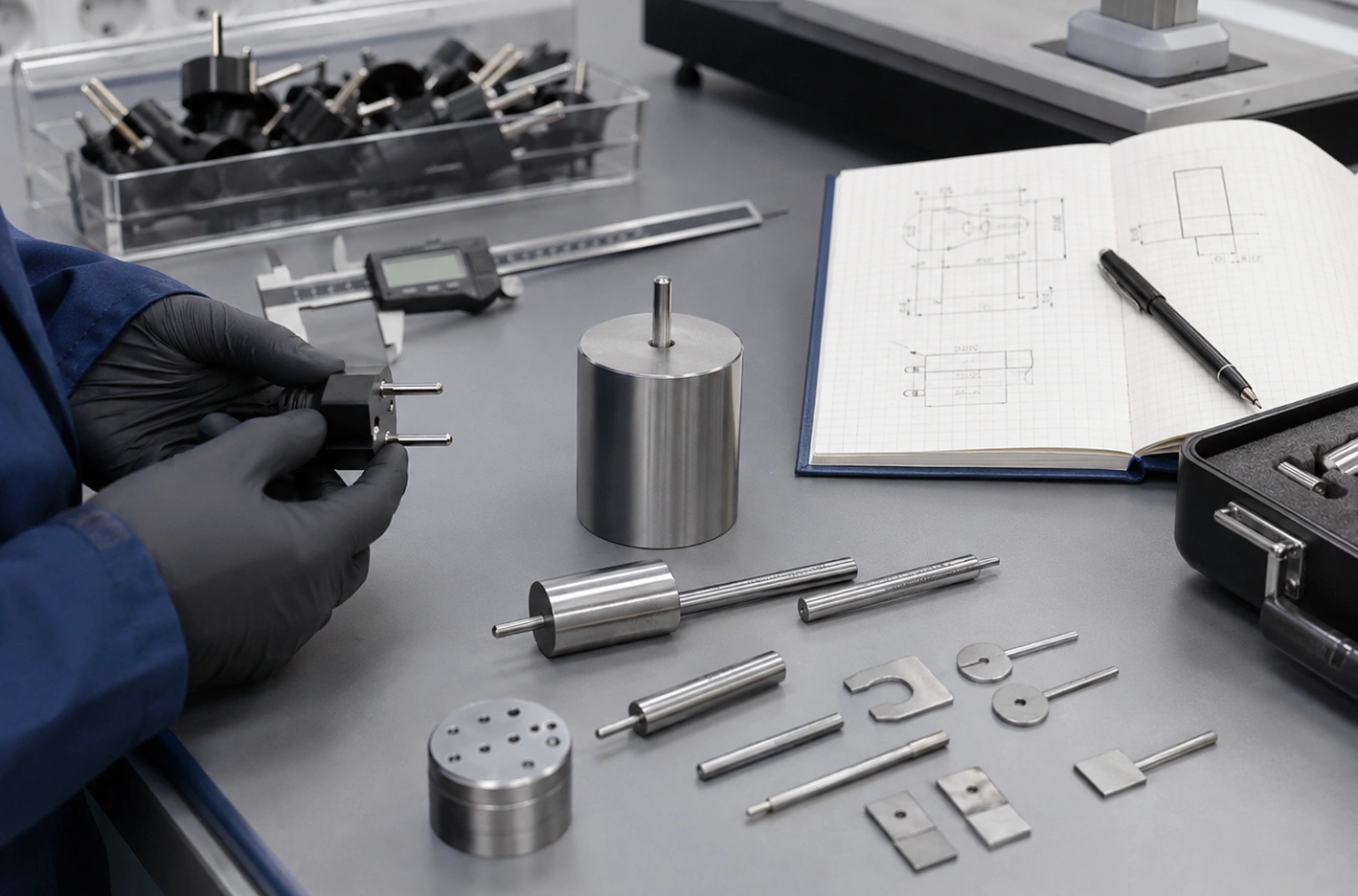
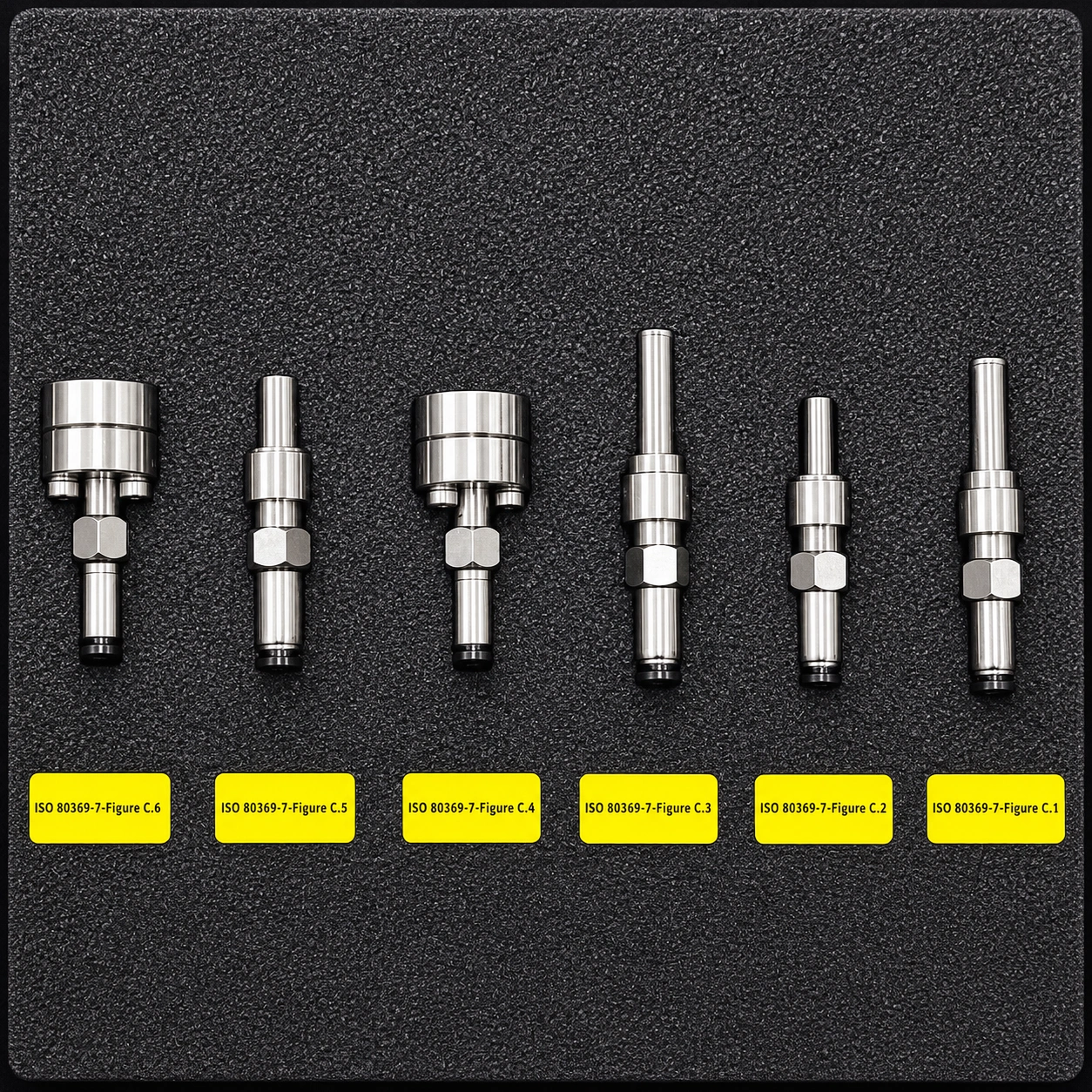
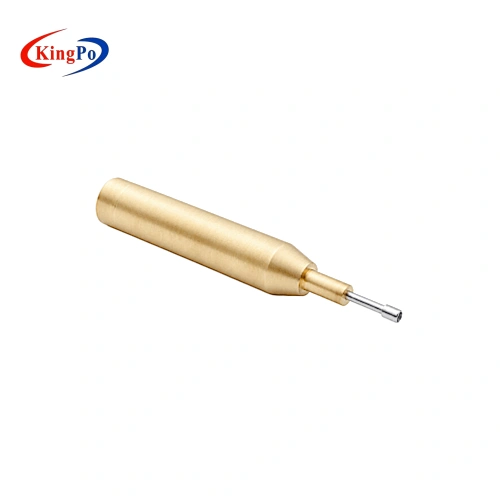
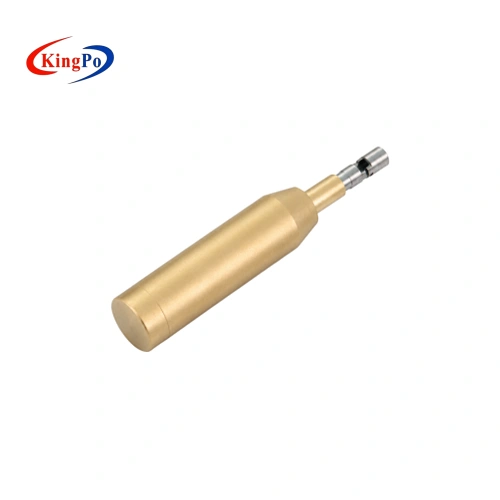
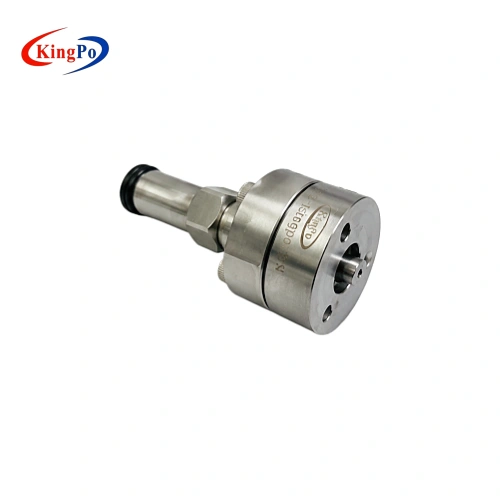
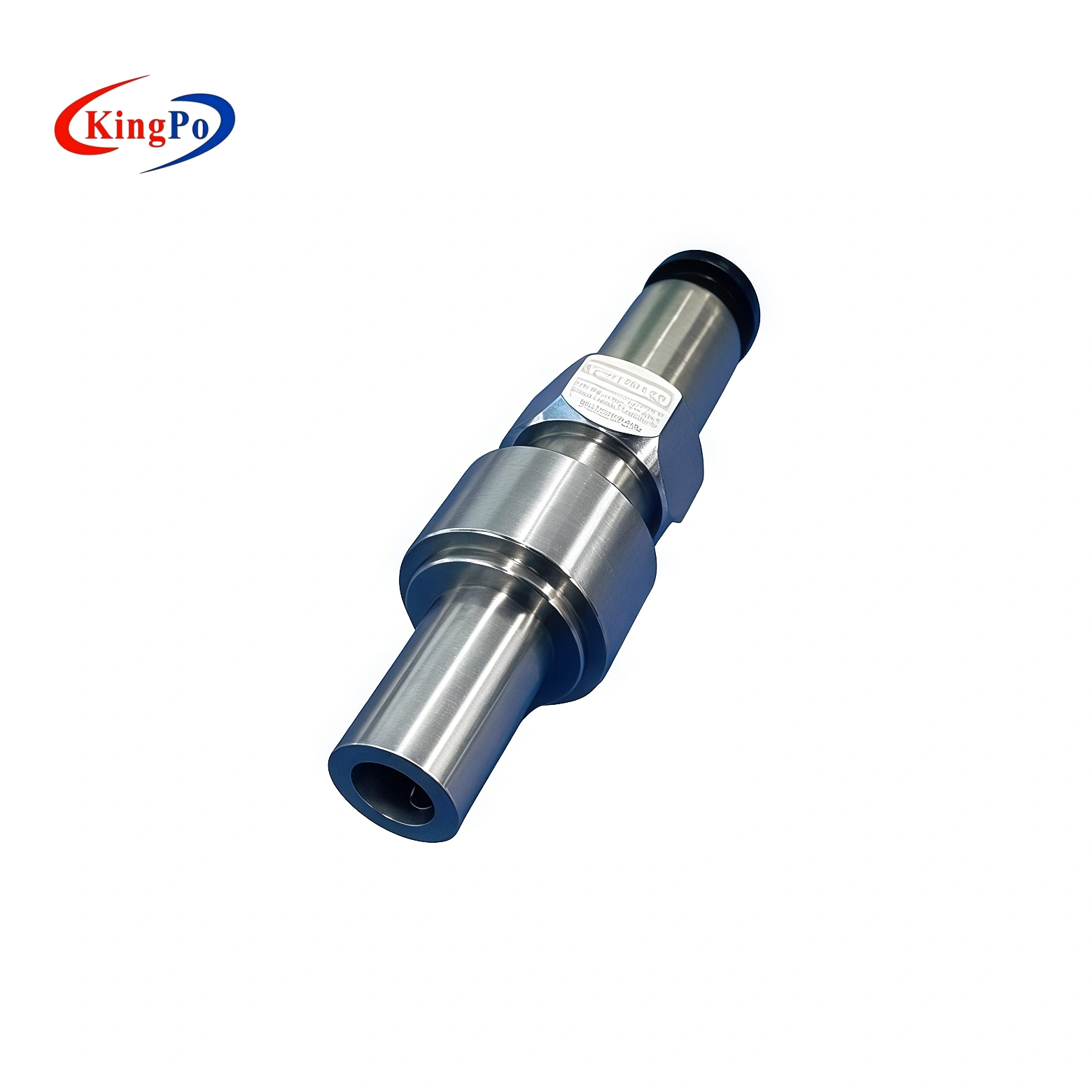
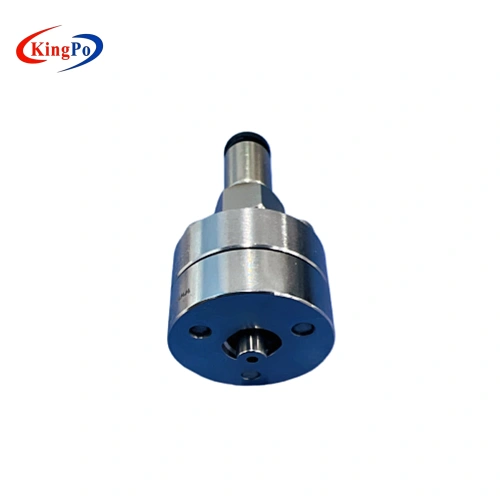
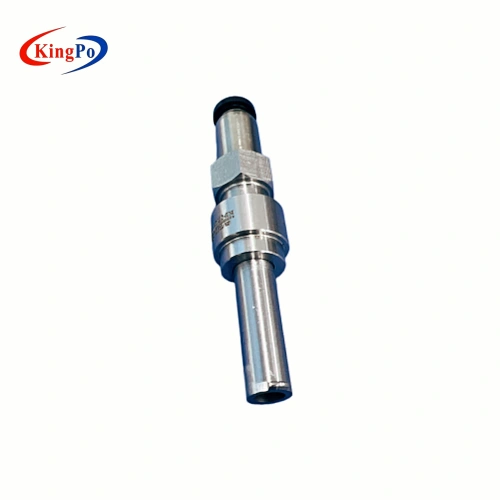
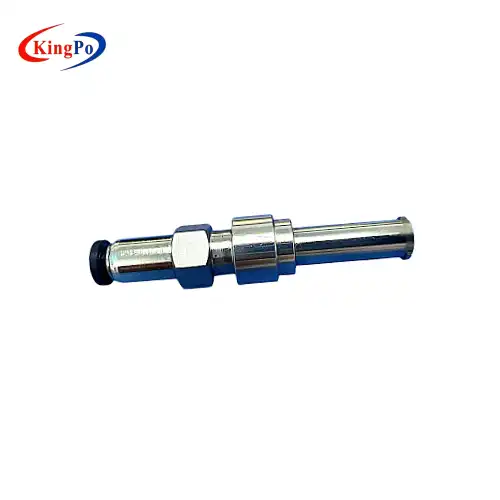
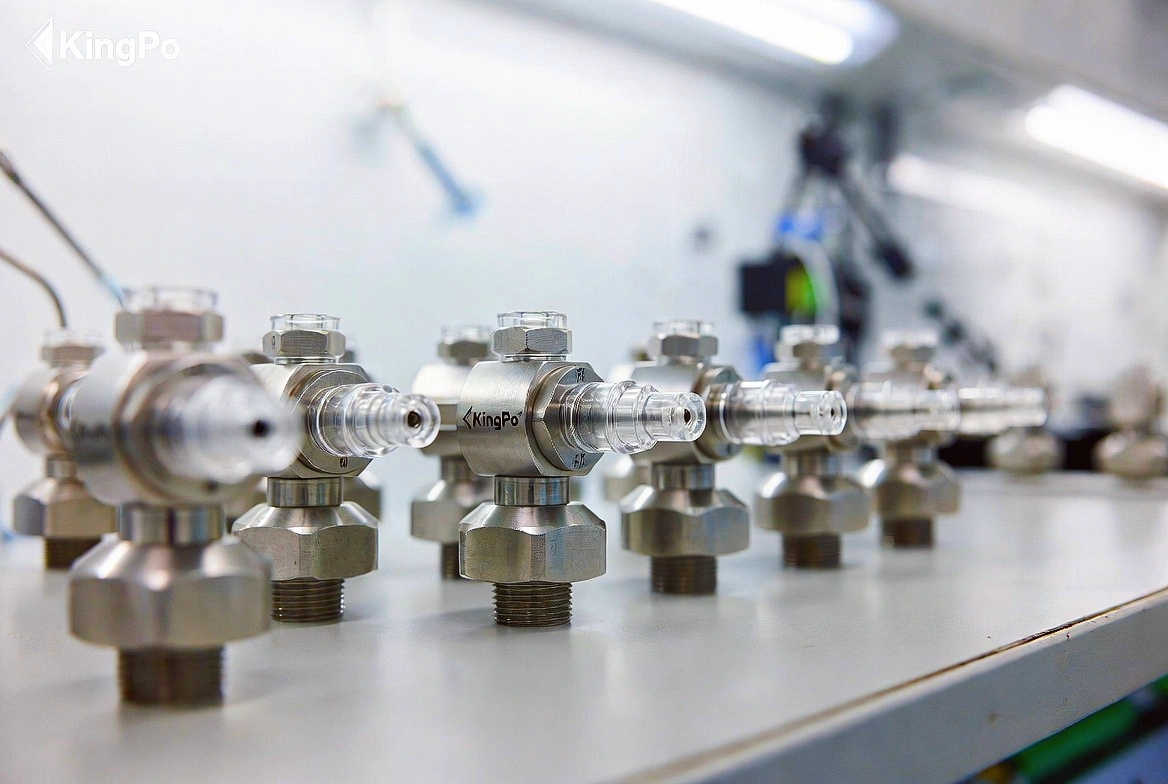
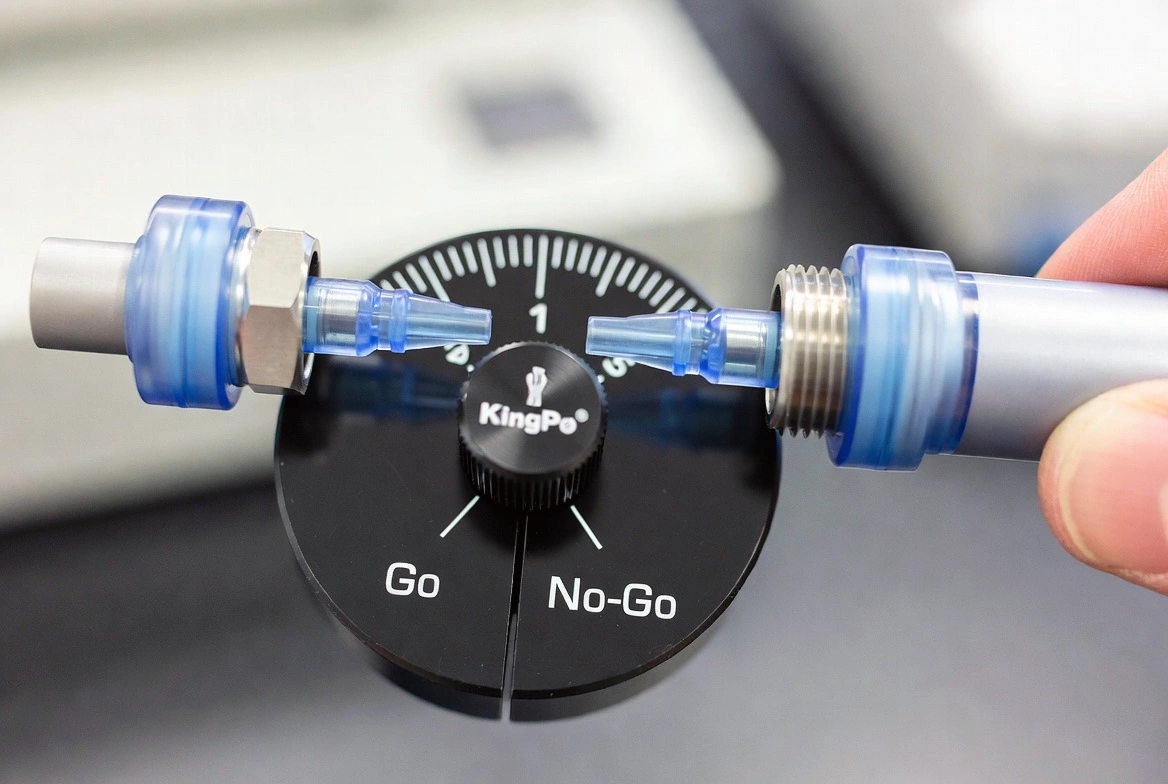
You must check each connector to meet iso 80369-7 rules. The 6% taper is the main part of the conical fitting system. You use a reference gauge, like the Kingpo iso 80369-7:2021 compliant luer connector reference gauge, to test if the connector matches the standard. This tool shows if the connector has the right shape and size for safe use.
You use the reference gauge for iso 80369-7 tests. The gauge has a perfect 6% taper, which is needed for safe fluid transfer and no leaks. You put the connector on the gauge. If it fits well, the connector meets iso 80369-7 rules. If it does not fit, you must fix it before using it in medical devices.
Calibration is needed for every reference gauge. You follow the newest iso 80369-7:2021 design rules when you calibrate. If you have an old gauge, you check if it still meets the new rules. If it does, you can keep using it. If not, you use the old size until you get a new gauge. The 2021 update gives more tolerance, so it is easier to make and test connectors without changing the results. This helps you keep your measurements right and your connectors safe.
You also need traceability for your gauges. Traceability means you can track every measurement back to a national standard. This helps you trust your measurements. You know your results are right because every step is checked and written down. This is important for iso rules and for following the law.
Quality Control in Medical Manufacturing
You want every medical connector to work the same way. You use iso 80369-7 reference connectors to check each part during production. The Kingpo reference gauge is made from strong steel and is calibrated to high standards. It has a pressure rating that matches real medical use. You can trust it to test connectors under stress, just like in real life.
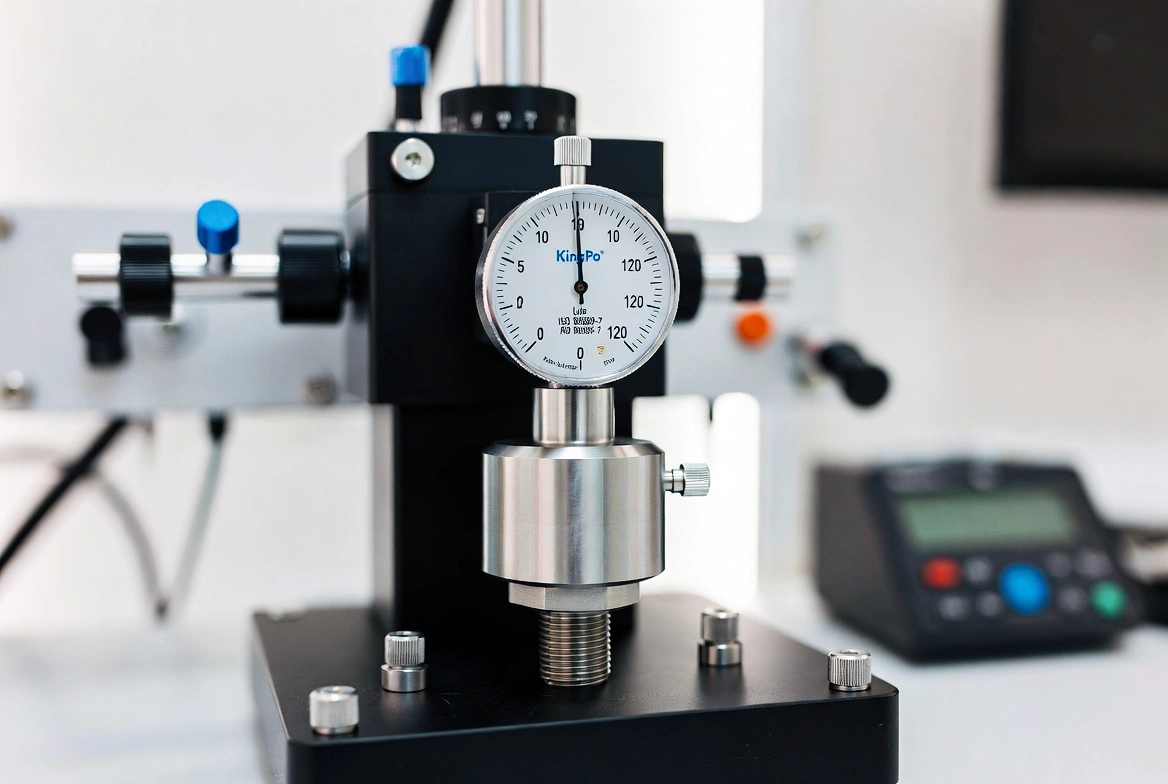
You use the ‘go/no-go’ test with your reference gauge. This means you check if the connector fits in the allowed range. If it passes, it is safe for medical use. If it fails, you do not use it. This easy test helps stop leaks and wrong connections.
You keep patients safe by using iso 80369-7 reference connectors for every test. You lower the risk of leaks and device problems.
Here is how ‘go/no-go’ testing helps you meet iso 80369-7 rules:
| Evidence Type | Description |
|---|---|
| Standard Reference | iso 80369-7:2021 gives you clear rules for connector size and performance. |
| Testing Method | ‘Go/no-go’ testing with reference gauges checks if connectors meet the standard. |
| Functional Testing | Early checks find problems before they reach patients. This keeps connections safe and strong. |
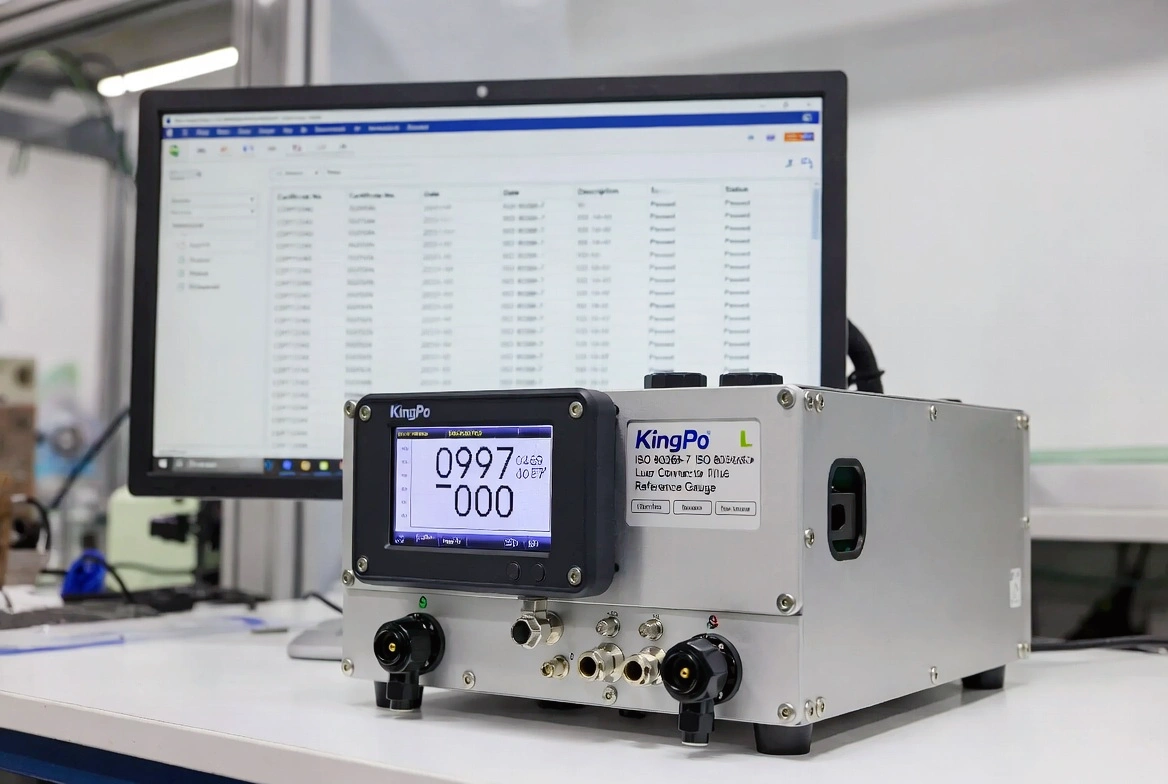
You must keep records of every test. This helps you show you follow iso rules and meet all needs. You use traceable calibration to prove your gauges are correct. This is important for audits and for your own quality checks.
You use iso 80369-7 reference connectors to make sure every connection is safe. You follow the conical fitting system for all your devices. This gives you safe connections and good fluid transfer. You know every connector will fit, seal, and work as it should. You keep your patients safe and your devices ready to use.
Risks of Non-Compliance in Medical Devices
You need iso 80369-7 to help your medical devices work right. If you do not follow this iso standard, leaks and failures can happen. Leaks may start if syringes or other devices do not have the correct 6 percent taper. This can make medicine spill out or let air get inside. You might see these problems in hypodermic or intravascular uses. When leaks happen, syringes might not give the right amount of medicine. This can put patients in danger.
Device failures can also happen if you ignore iso 80369-7. Devices that do not meet the iso standard might break or come apart during use. This can stop medicine from flowing or hurt patients. You must check every luer connector and device to make sure they follow iso rules. If you skip these checks, you could use unsafe syringes or other devices.
Leaks and failures can cause big problems for patients and for you as a healthcare worker.
Patient Safety and Regulatory Issues
You always need to keep patients safe. If you do not follow iso 80369-7, the chance of wrong connections goes up. These mistakes can hurt people or even cause death. This risk is higher as medical care gets more complicated. Devices that do not fit together right can make wrong connections, especially in hypodermic uses.
Here are some common risks if you do not follow iso 80369-7:
- Wrong connections that hurt or kill patients.
- More complicated care makes it easier for devices to not fit.
- Devices that do not follow iso rules can fail in hypodermic uses.
You can also get in trouble with the law or lose your good name. If your devices do not meet iso 80369-7, you might face rules from the government or legal problems. People may stop trusting your syringes or other devices if they are not safe.
| Risk Type | Description |
|---|---|
| Regulatory Action | You might get in trouble if your products are unsafe or do not fit right. |
| Legal Action | You could get sued by patients or others if your products fail. |
| Reputation Damage | People may stop trusting you if your products are unsafe or do not fit. |
You must always follow safety rules and use iso 80369-7 for all syringes and devices. This keeps patients safe and makes sure your devices are ready for hypodermic and other medical uses.
You know the 6% taper is very important for Luer connectors. The iso 80369-7:2021 standard tells you what rules to follow for each connector. You use the Kingpo reference gauge to check if connectors are made right. The new iso 80369-7 update has new material types and makes it easier to make connectors. Now, all medical devices must follow iso 80369-7 rules. You keep patients safe by using these rules and the right tools. Always focus on quality and learn about new iso changes.
- Recent changes in iso 80369-7:
- There are now two material types: Semi-Rigid and Rigid.
- The unscrewing torque range was changed.
- Tolerances are looser, so making connectors is easier.
- The deadline to follow the rules is now December 17th, 2023.
- Future trends:
- There will be more special connectors for different jobs.
- All devices must follow iso 80369-7 rules.
You help by following iso 80369-7 and using good tools for every test.
FAQ
What does the 6% taper mean for Luer connectors?
You see the 6% taper as the angle that lets Luer connectors fit tightly. This shape helps stop leaks and keeps connections safe in medical devices.
Why should you use a reference gauge like Kingpo?
You use a reference gauge to check if your connectors meet ISO 80369-7. The Kingpo gauge gives you a quick way to test for the right size and shape.
How does ISO 80369-7:2021 improve patient safety?
You lower the risk of leaks and wrong connections by following ISO 80369-7:2021. This standard helps you keep patients safe during medical treatments.
What is a ‘go/no-go’ test?
You use a ‘go/no-go’ test to see if a connector fits within allowed limits. If it passes, you know it is safe to use. If not, you must fix it.
Can you use connectors from different brands together?
Yes! ISO 80369-7:2021 makes sure connectors from different brands fit and work together. You get safe, leak-free connections every time.