When using medical connectors, it is essential to monitor surface roughness. The ISO 5356 medical device connector standards indicate that smooth surfaces help prevent issues such as platelet activation and particle generation. The table below illustrates how surface finishes can affect safety and compliance:
|
Component Type |
Required Surface Finish (Ra) |
Impact on Safety and Compliance |
|---|---|---|
|
Blood-contacting surfaces |
0.2-0.4 μm |
Prevents platelet activation |
|
Medication delivery components |
0.2-0.4 μm |
Prevents particle generation |
|
Fluidic connectors and valves |
0.4-0.8 μm |
Ensures proper sealing and reduces bacterial growth |
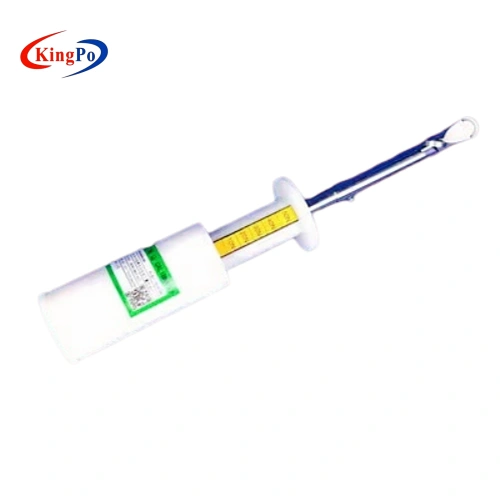
It is also important to understand that gauge and connector regulations differ. The ISO5356-1 22mm Gauge For Testing Anaesthetic And R and the ISO 5356-1:2015 Standard address this distinction. Neglecting surface roughness can lead to hygiene issues, increasing the risk of contamination and biofilm formation that may compromise safety. Always verify surface quality to ensure patient safety.
Key Takeaways
-
Smooth surfaces on medical connectors help stop leaks and infections. You should check for surface roughness between 0.2 and 0.4 μm to stay safe.
-
Rough surfaces can hold germs and make cleaning hard. Pick connectors with smooth finishes to lower infection risks.
-
Surface roughness changes how connectors fit together. Smoother surfaces cut down friction and keep connections strong.
-
Always make sure your suppliers give papers that show their products meet ISO 5356 standards. This helps keep things safe and follows the rules.
-
Watch out for rough surfaces or missing certificates. These signs can mean the product does not follow rules and may be unsafe.
Surface Roughness and Connector Safety

Surface Finish and Airtightness
It is important to look at surface finish when picking medical connectors. Smooth surfaces help make a tight seal. Tests in labs show that good surface quality means less roughness you can see and better shape accuracy. This is needed for airtight connections. If the surface is rough, air can move fast and tiny bits may break off. These bits can block the airway or make the seal weaker. How connectors are made, especially with new methods, can change how well they fit. The table below shows how different things affect airtightness:
|
Evidence Description |
Impact on Airtightness |
|---|---|
|
Surface quality optimization was performed using various materials under different parameters. |
Ensures low visual roughness and high dimensional consistency, crucial for airtight connections. |
|
The study evaluated particle detachment from printed tubes. |
High airflow conditions can lead to material particle detachment, affecting airtightness. |
|
Dimensional tolerance in Additive Manufacturing affects press fit reliability. |
Variability in manufacturing can impact the airtightness of connectors. |
You should check that connectors follow ISO 5356 standards to stop leaks.
Infection Control Risks
Surface roughness matters a lot for infection control. If a connector has grooves or gaps, it is harder to clean. Germs can hide in these spaces. You might not get rid of all germs when cleaning. Gaps between the seal and housing let bacteria get inside. Studies show about half of catheter infections come from hubs and connectors with germs. Picking connectors with smooth surfaces that meet ISO 5356 standards lowers infection risk.
-
Cleaning works best when the surface is smooth, and there are no grooves or gaps.
-
Gaps between the seal and housing can let germs in.
-
Catheter hubs and needleless connectors with germs cause about 50% of infections after insertion.
Secure Connections
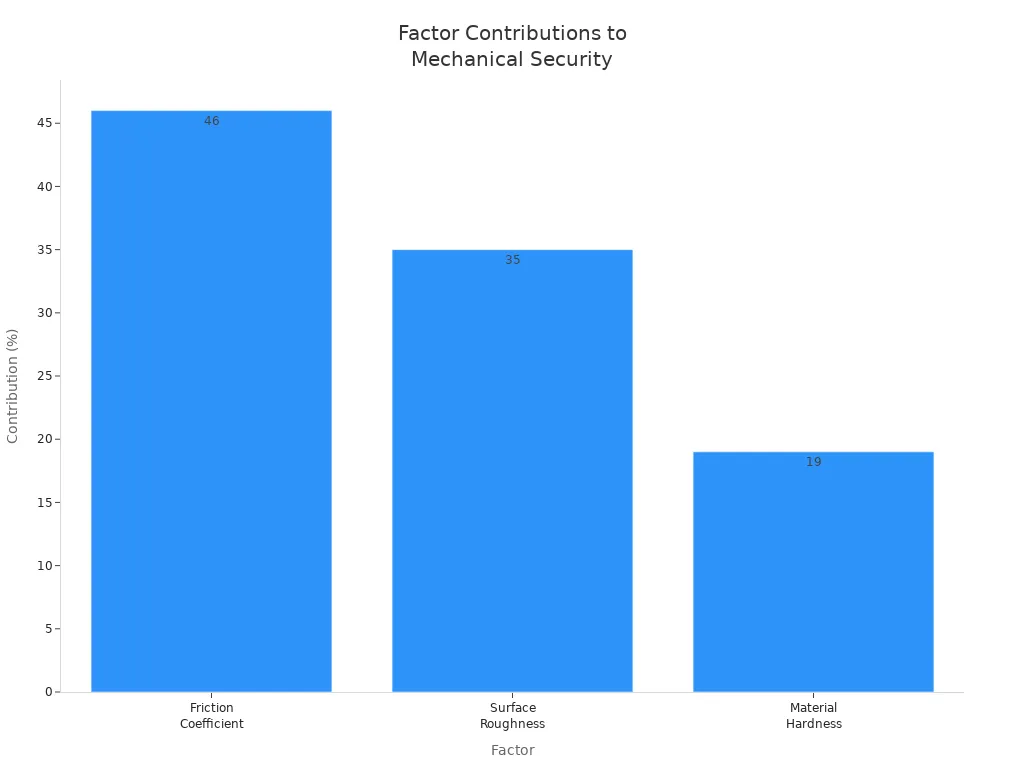
Connectors need to stay tight when used. Studies show surface roughness changes how well connectors hold together. Smoother surfaces lower friction and wear, so joints stay strong. If the surface is rough, there can be more movement and even rust. The chart below shows how surface roughness, friction, and hardness affect connector strength:
|
Factor |
Linear Coefficient |
Quadratic Coefficient |
Contribution (%) |
|---|---|---|---|
|
Friction Coefficient (μ) |
+1.06 |
-2.78 |
≈46% |
|
Surface Roughness (Ra) |
+0.024 |
-4.14 × 10⁻³ |
≈35% |
|
Material Hardness (HB) |
-1.01 × 10⁻³ |
N/A |
≈19% |
-
Surface roughness above 0.5 µm makes more movement and rust likely.
-
Smooth surfaces below 0.5 µm help stop galling and keep joints strong.
-
High roughness in stainless steel implants can cause more wear and metal bits to come off.
Always check that connectors meet ISO 5356 standards for safety and good performance.
ISO 5356 Medical Device Connector Standards: Surface Roughness Explained
Gauge vs. Connector Requirements
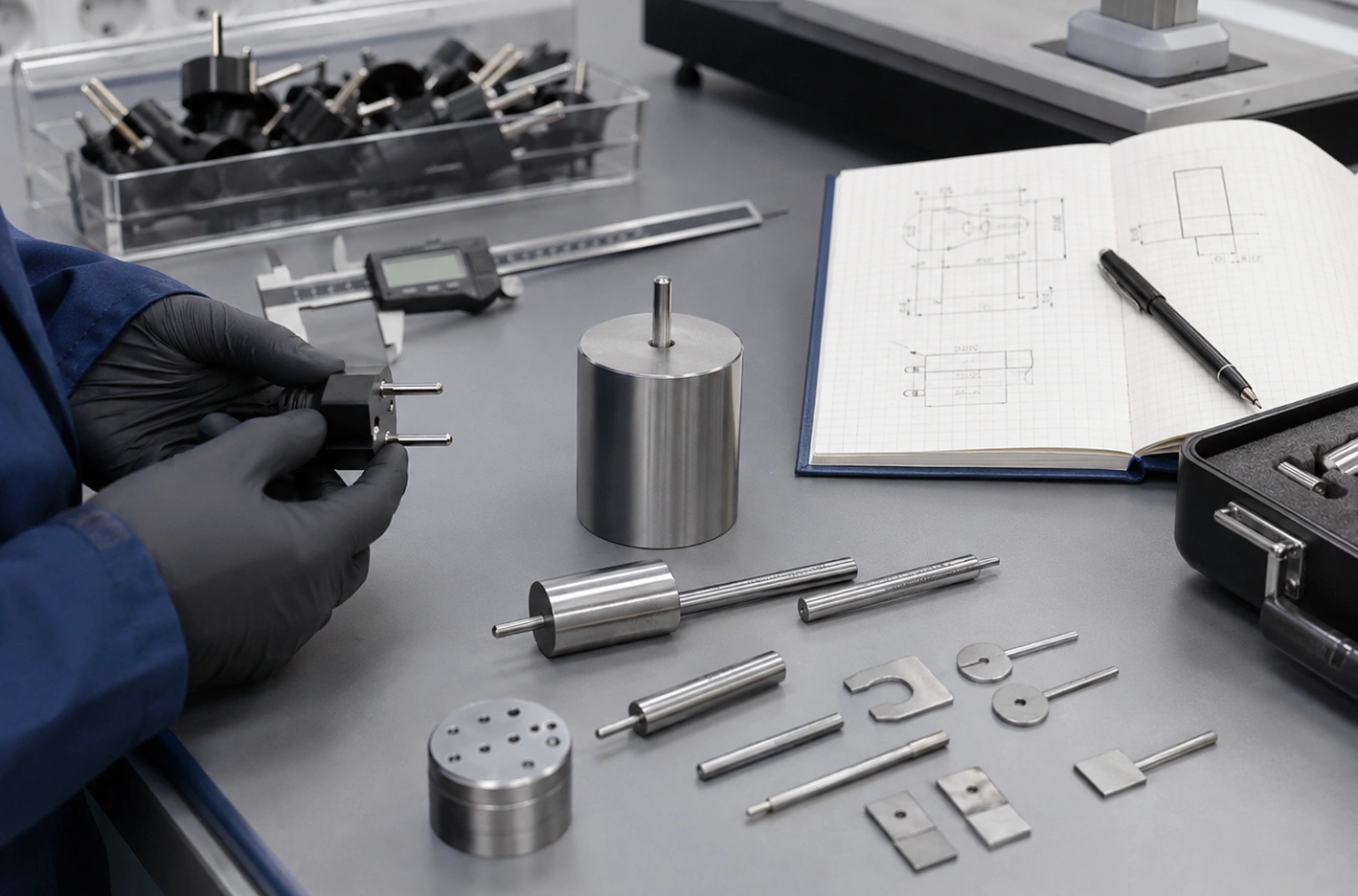
It is important to know the difference between gauge and connector rules in the ISO 5356 medical device connector standards. The standard says plug and ring gauges must have surface roughness of Rz ≤ 0.4 μm. This rule does not cover the connectors used in medical devices. Gauges are special tools for checking if connectors fit and seal correctly. Smooth gauges are very important. If a gauge is rough, it can give wrong test results. The ISO 5356 medical device connector standards focus on gauges because they help make sure every connector is safe and works well.
Tip: Always check if your supplier uses the right surface roughness for gauges, not just for connectors.
Validation Process
Gauges are used to test the size and shape of medical connectors. The ISO 5356 medical device connector standards require plug and ring gauges with the correct surface finish. When you test a connector, you join it with the gauge. If the connector fits and seals, it passes the test. The smooth gauge helps you see if the connector has the right shape and size. You can trust the results because the gauge does not scratch or harm the connector.
Today, new tools can measure surface roughness. Optical scanning and laser triangulation check the surface without touching it. These tools give fast and accurate results. They help you make sure gauges and connectors meet the ISO 5356 medical device connector standards. You can also use these tools to check if the surface is clean and ready for hospital use. Good surface quality keeps patients safe and helps with biocompatibility and sterilization.
Industry Misinterpretations
Many people in the industry confuse the rules for gauges and connectors. Some think the Rz 0.4 μm rule is for finished connectors. This is not correct. The ISO 5356 medical device connector standards set this rule only for plug and ring gauges. If you follow the wrong rule, you might waste time and money. You could also fail an audit or miss safety checks.
You should always read the standard carefully. Make sure your team knows the difference between gauge and connector rules. If a supplier says their connectors have Rz 0.4 μm, ask them to show proof for their gauges instead. This helps you avoid mistakes and keeps products safe for patients.
Note: Misunderstanding the standard can cause failed tests, product recalls, or even patient harm. Always double-check your compliance steps.
Risks of Non-Compliance
Leakage and Disconnection
If connectors do not meet ISO 5356 surface roughness rules, there are real dangers. Rough surfaces can let air or liquid leak out. Small gaps can cause these leaks. This can make medical devices stop working. Tubes might come apart while being used. Patients might not get enough oxygen or medicine. This can cause emergencies.
Tip: Always check if the connector feels smooth. Run your finger over it to find bumps or rough spots.
Certification and Recall Issues
Connectors that do not follow the rules can cause big trouble for your company. You might not pass important tests. Regulators can stop you from selling your products. Hospitals may send back your connectors if they find problems. You could have to recall your products. This costs a lot and can hurt your company’s name.
Here is a quick look at what can happen:
|
Risk |
Impact on You |
|---|---|
|
Failed certification |
Delays in product launch |
|
Product recalls |
High costs and lost trust |
|
Regulatory penalties |
Fines or sales bans |
Alert: Always ask your supplier for test reports and certificates. This helps you avoid expensive mistakes.
Real-World Examples
You can learn from real stories. In one hospital, a group of connectors failed because they were too rough. The connectors leaked during surgery. Staff had to change devices fast. This made care slower for patients.
In another case, a company had to recall thousands of connectors. The connectors did not pass ISO 5356 tests. The recall cost the company a lot of money.
-
Leaks and tubes coming apart can put patients in danger.
-
Recalls can hurt your company’s brand.
-
Following ISO 5356 standards keeps your products safe and trusted.
Ensuring Compliance and Verification
Supplier Documentation
You should ask your supplier for documents that prove they follow ISO 5356 standards. These papers help you check if the connectors and gauges are good. Look for certificates, test reports, and inspection data. These show the supplier tested the products and they pass the rules. You can also ask for calibration records for the gauges. Good suppliers will give you these papers quickly.
Tip: Make a checklist for every order. Check that you get all certificates and reports before you accept the shipment.
Testing Equipment
You need special tools to check surface roughness. Surface roughness testers are important for this job. Some testers use a diamond tip to touch the surface and measure roughness. This gives you exact numbers like Ra, Rz, Rq, and Rmax. Other testers use light or lasers and do not touch the surface. These testers are fast and good for fragile parts. Both types help you see if the connector or gauge is smooth enough.
You can join training programs to learn more about surface finish checks. Some classes teach why surface finish matters, how to use the tools, and how to read the results. You will learn about calibration and even 3D measurements. These classes help you feel more confident and do your job better.
-
Surface roughness testers (contact and non-contact)
-
Calibration methods and 3D measurement basics
Red Flags
Look for warning signs that a product does not follow the rules. If a supplier cannot give you certificates or test reports, be careful. If connectors feel rough or have scratches, they may not be safe. Missing calibration records or unclear data are also bad signs. Products that fail fit tests or leak during use are not compliant.
|
Red Flag |
What It Means |
|---|---|
|
No certificates or reports |
Possible non-compliance |
|
Rough or scratched surfaces |
Poor surface finish |
|
Failed fit or leak tests |
Unsafe for patients |
|
Missing calibration records |
Unreliable testing |
Alert: Always check for these red flags before you use or buy medical connectors. This keeps patients safe and helps you avoid costly mistakes.
You help keep patients safe by checking surface roughness. If you follow the right standards, your products can get approved. The table below shows how surface finish affects safety:
|
Application Type |
Surface Roughness Requirement |
Implications |
|---|---|---|
|
Surgical tools, implants |
Sterility, smooth contact with tissue |
You should always check the gauge surface finish. This step helps keep patients safe in many ways:
-
Devices meet quality standards.
-
Bacteria are less likely to stick to surfaces.
-
Problems during use are less likely.
A smooth finish means connectors are safer and can get certified.
FAQ
What is surface roughness in medical connectors?
Surface roughness means how smooth or bumpy a connector’s surface feels. You can measure it with special tools. A smoother surface helps keep connectors safe and clean.
Why does ISO 5356 focus on gauge surface finish?
ISO 5356 sets rules for gauge surfaces because gauges test if connectors fit and seal well. A smooth gauge gives you accurate test results. This keeps patients safe.
How can you check if a connector meets ISO 5356 standards?
You should ask your supplier for certificates and test reports. You can also use a surface roughness tester. Always check for smoothness by touch and look for any scratches.
What happens if you use a connector with a rough surface?
A rough connector can leak air or fluid. It can also trap germs. This puts patients at risk. You may also fail safety tests or face product recalls.
Do all medical connectors need the same surface finish?
No, different connectors need different finishes. For example, blood-contacting parts need a smoother finish than some fluidic connectors. Always check the ISO 5356 requirements for your product.