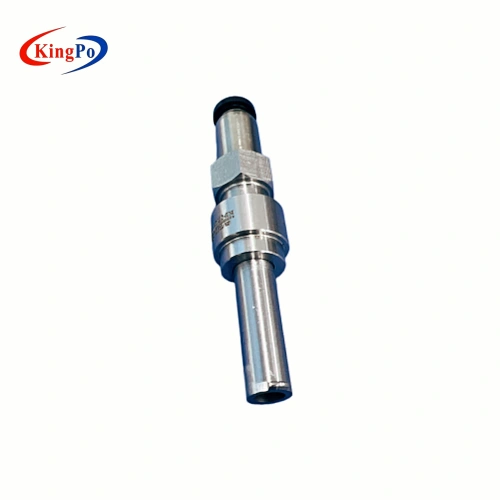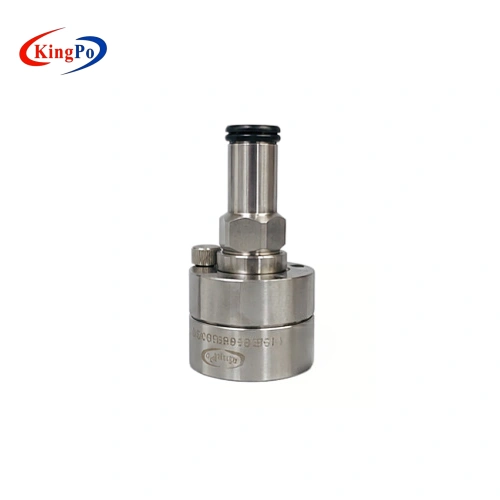
Vertical view of ISO 80369-7 Figure C.6 male reference connector
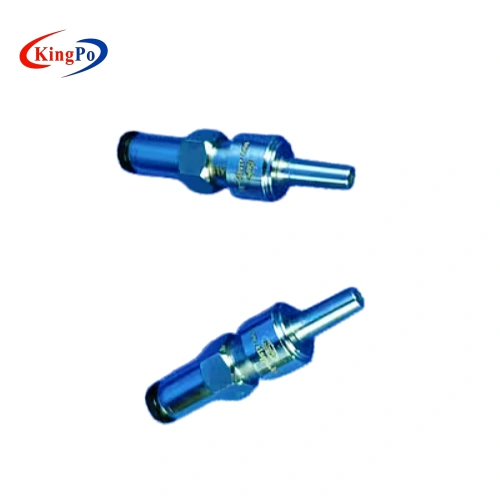
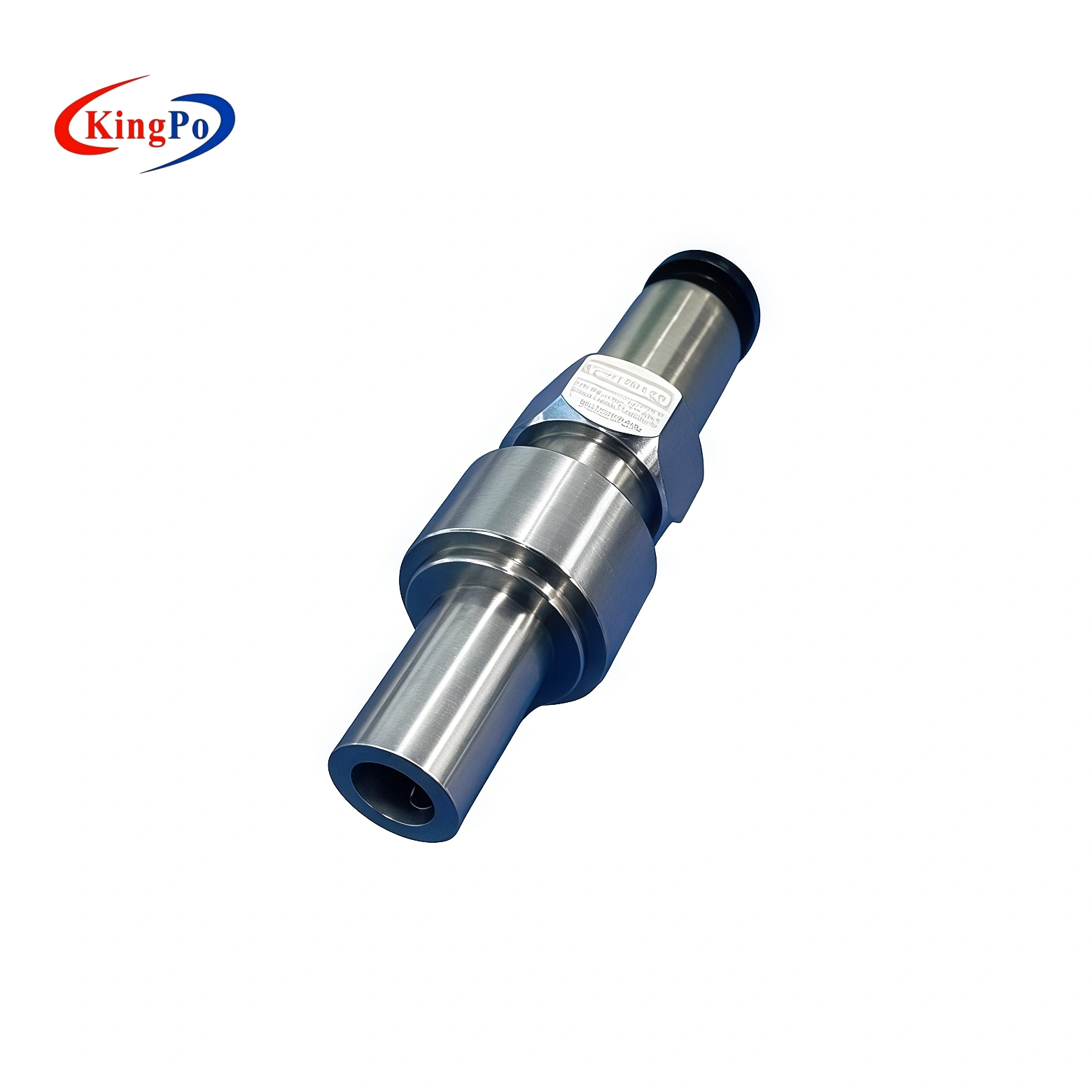
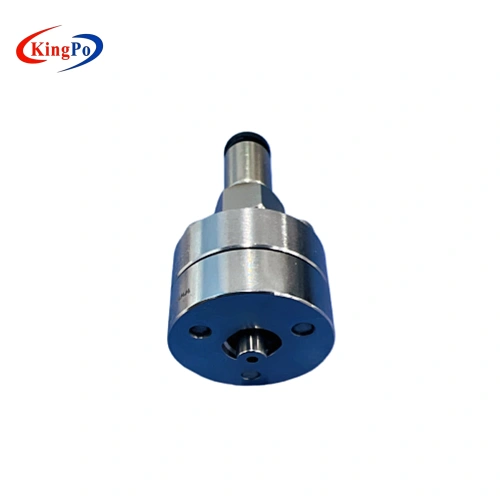
ISO 80369-7 Figure C.6 male reference connector shown in multiple product views
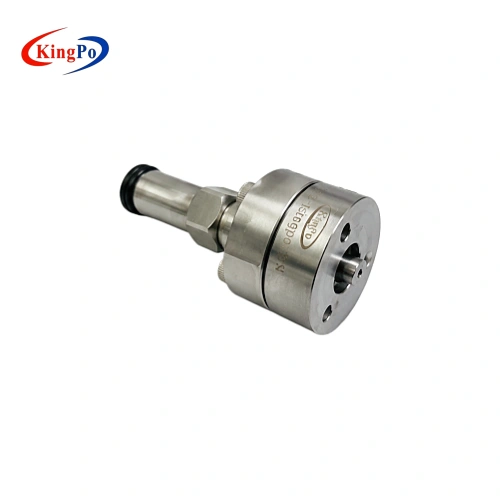
Angled front view of ISO 80369-7 Figure C.6 male reference connector
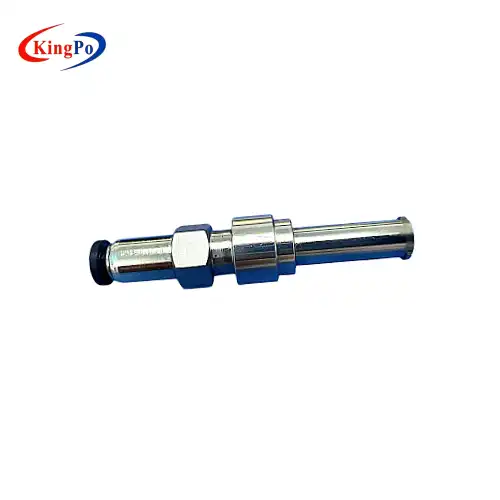
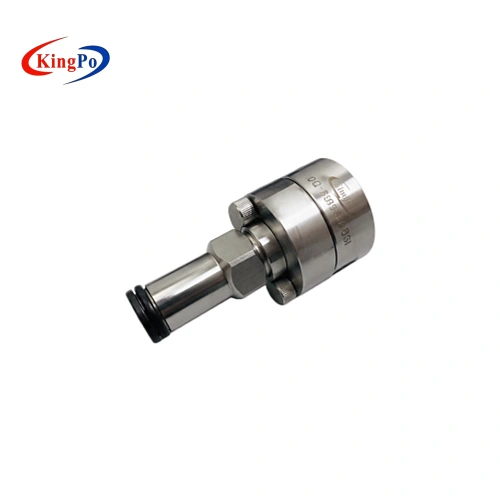
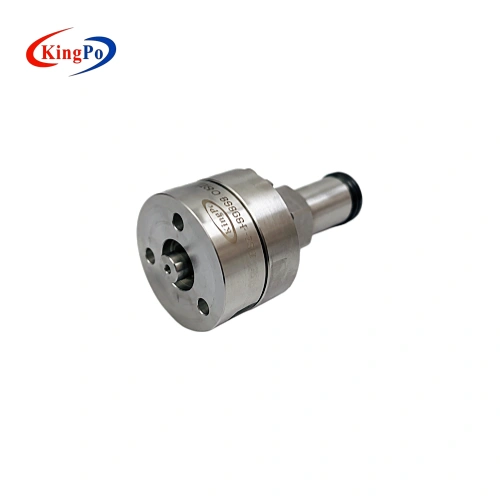
Angled rear product view showing the body structure and rear connection side of the Figure C.6 male reference connector.
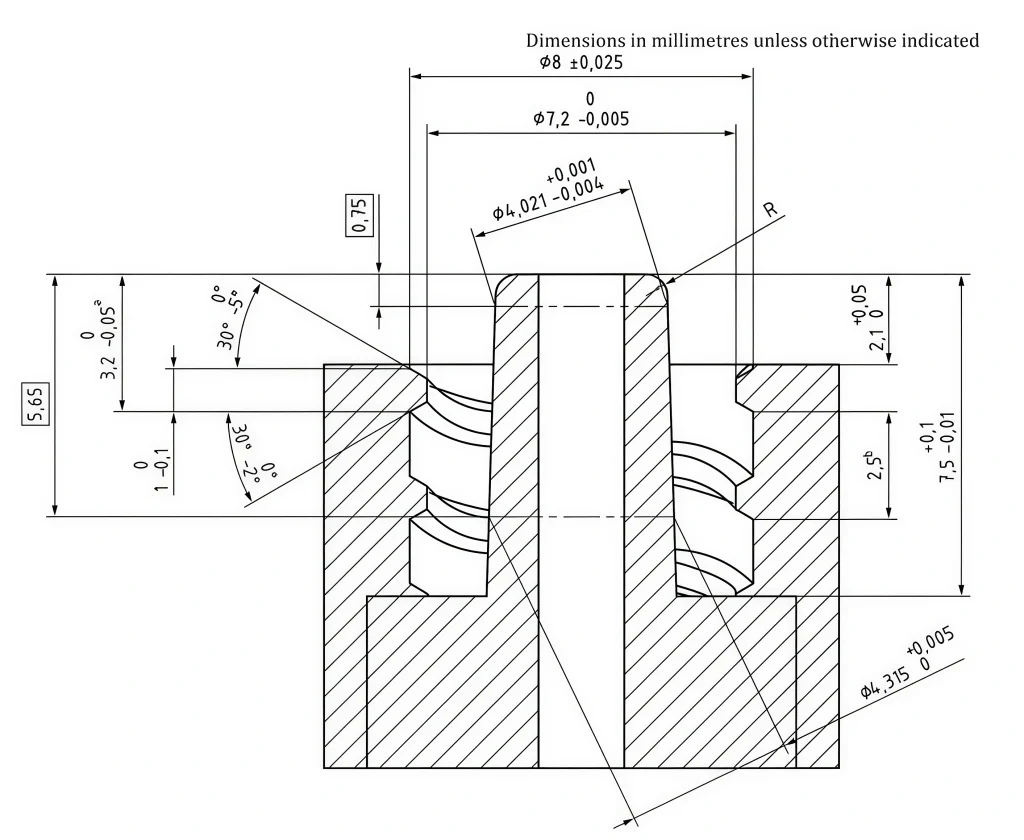
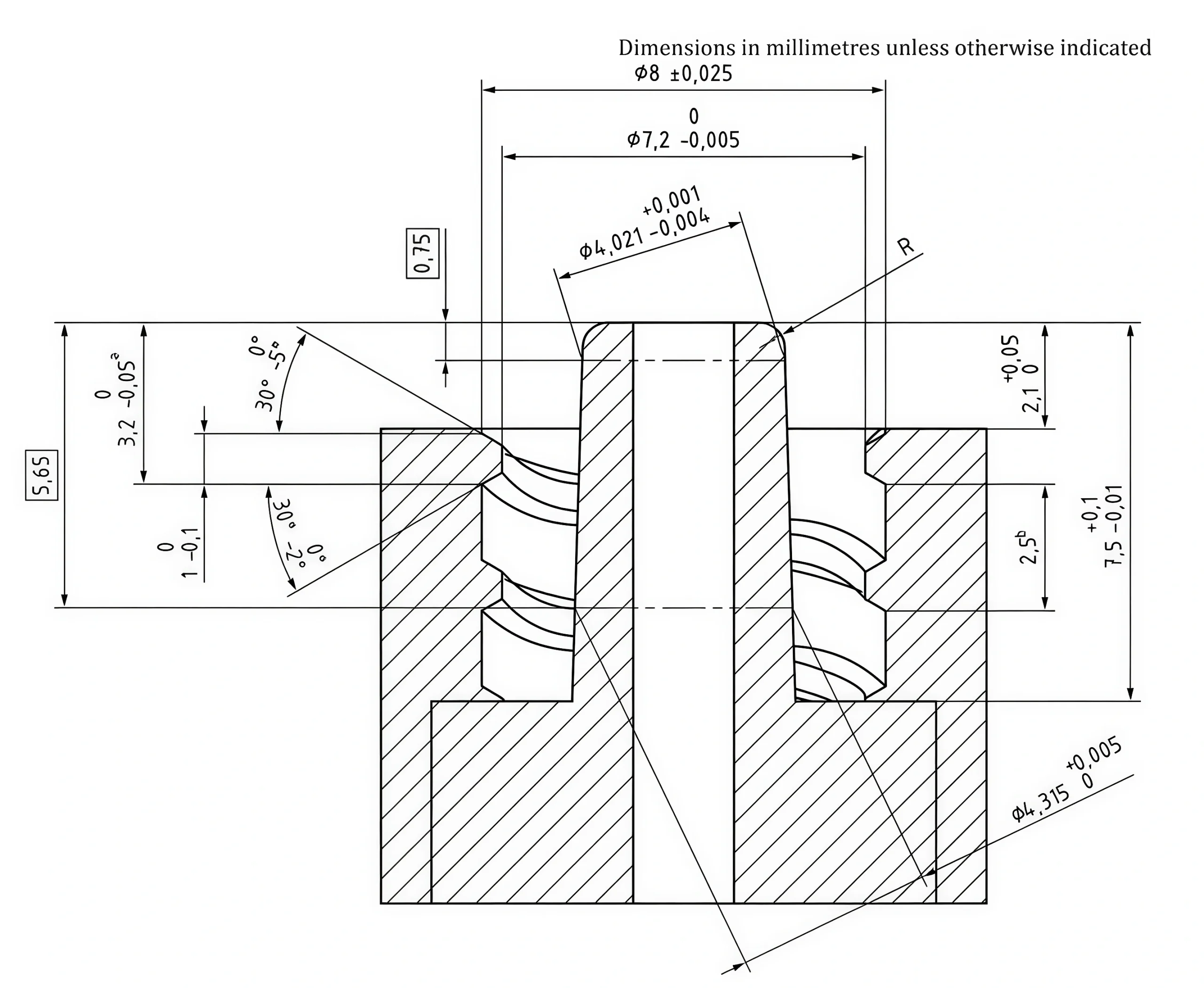
ISO 80369-7 Figure C.6 male reference connector drawing for female Luer lock connector testing
Vertical view of ISO 80369-7 Figure C.6 male reference connector
ISO 80369-7 Figure C.6 male reference connector shown in multiple product views
Angled front view of ISO 80369-7 Figure C.6 male reference connector
Angled rear product view showing the body structure and rear connection side of the Figure C.6 male reference connector.
ISO 80369-7 Figure C.6 male reference connector drawing for female Luer lock connector testing

ISO 80369-7 Figure C.6 Male Reference Connector

The ISO 80369-7 Figure C.6 Male Reference Connector is a standard reference connector used for testing female Luer lock connectors in intravascular and hypodermic medical device applications. It is mainly used in ISO 80369-7 related test configurations for separation from axial load and resistance to overriding.

  • Applicable Standard: ISO 80369-7 Figure C.6 / Annex C
  • Product Type: Male Reference Connector
  • Test Object: Female Luer lock connectors
  • Typical Test Applications: Separation from axial load and resistance to overriding
  • Connector Type: Male reference connector for female Luer lock connector testing
  • Thread Note: Double-start, right-hand thread of 2.5 mm pitch
  • Drawing Note: The distance from the tip of the male Luer lock connector to the first complete internal thread profile should follow the applicable Table B.3 dimension note
  • Supply Option: Individual Figure C.6 connector or part of the complete ISO 80369-7 Luer Gauge Set
  • Related Equipment: Used with applicable ISO 80369-20 test setups when performance testing is required

Product Overview

ISO 80369-7 Figure C.6 Male Reference Connector

The ISO 80369-7 Figure C.6 Male Reference Connector is used as a controlled mating component for evaluating female Luer lock connectors. According to the Figure C.6 drawing you provided, this connector is intended for test configurations related to separation from axial load and resistance to overriding.

This product should not be confused with the ISO 80369-7 Figure C.4 Male Reference Luer Lock Connector. C.4 and C.6 are both male reference connector pages, but their test focus and reference configurations are different. C.6 should be selected when the test procedure specifically requires the Figure C.6 male reference connector for female Luer lock connector testing.

The Figure C.6 connector is a precision reference component, not a complete test apparatus. For axial load or overriding resistance testing, it must be used with the appropriate fixture, force application system, measuring device and applicable ISO 80369 test procedure.

Key Drawing Notes

Based on the ISO 80369-7 Figure C.6 drawing you provided, this product is identified as a male reference connector for testing female Luer lock connector for separation from axial load and resistance to overriding.

Item Figure C.6 Note
Figure Number ISO 80369-7 Figure C.6
Reference Connector Type Male reference connector
Test Object Female Luer lock connectors
Test Purpose Separation from axial load and resistance to overriding
Thread Note Double-start, right-hand thread of 2.5 mm pitch
Key Distance Note Maximum distance from the tip of the male Luer lock connector to the first complete profile of the internal thread should follow the referenced Table B.3 dimension
Edge / Radius Note R is a radius or chamfer not to exceed 0.5 mm
Dimension Unit Millimetres unless otherwise indicated

ISO 80369-7 Figure C.6 male reference connector drawing for female Luer lock connector testing

Unlike C.4, the C.6 page should not over-emphasize leakage, stress cracking or non-interconnectable characteristic testing. Its independent value is the female Luer lock connector axial load separation and overriding resistance configuration.


How It Is Used and What It Tests

Typical Use Procedure

  1. Confirm that the sample is a female Luer lock connector and that ISO 80369-7 Figure C.6 is the required reference connector.
  2. Mate the female Luer lock sample with the Figure C.6 male reference connector.
  3. Install the assembled connection into the applicable ISO 80369 test setup.
  4. Apply the required axial load separation or overriding resistance test condition.
  5. Record the result according to the selected test procedure.
  6. After testing, clean and protect the connector to avoid thread damage, scratches or contamination.

Typical Test Applications

The Figure C.6 connector may be used in ISO 80369-7 test configurations related to:

  • Female Luer lock connector evaluation
  • Separation from axial load related test configurations
  • Resistance to overriding evaluation
  • Thread engagement and connector security assessment
  • Laboratory confirmation of female Luer lock mating performance
  • R&D or QC verification of Luer lock connector assemblies

The exact force, test direction, holding time and acceptance criteria should be confirmed according to the applicable ISO 80369-7 clause and ISO 80369-20 related test method. The Figure C.6 connector itself does not generate axial load or measure force.


Technical Features

  • Designed according to ISO 80369-7 Figure C.6 reference connector geometry
  • Male reference connector for female Luer lock connector testing
  • Intended for separation from axial load and resistance to overriding related configurations
  • Double-start, right-hand thread configuration according to the Figure C.6 drawing note
  • Precision-machined mating and thread engagement surfaces
  • Hardened steel or stainless steel configuration can be supplied according to product specification
  • Material information, dimensional confirmation or hardness confirmation can be provided where applicable
  • Available individually or as part of the complete ISO 80369-7 Luer Gauge Set
  • Suitable for R&D validation, laboratory testing and factory quality control
  • Can be used with suitable ISO 80369-20 test equipment when performance testing is required

Operation and Handling Notes

The Figure C.6 connector should be handled as a precision reference component.

  • Confirm the required figure number before testing.
  • Do not replace Figure C.6 with Figure C.4 unless the selected procedure clearly requires C.4.
  • Confirm whether the tested sample is a female Luer lock connector.
  • Check the thread engagement and mating surface condition before use.
  • Do not force the connector into an incompatible or damaged sample.
  • Keep the reference connector clean and free from visible scratches.
  • Avoid impact, corrosion or contamination during storage and use.
  • Store the connector in a protective case after testing.
  • Confirm documentation requirements before order placement if the connector will be used in a regulated laboratory environment.

Who Needs This Connector

Customer Type Typical Need
Female Luer lock connector manufacturers Female Luer lock connector separation and overriding evaluation
Syringe and needle manufacturers Luer lock connector security testing
IV cannula and infusion accessory manufacturers Luer lock mating performance verification
Medical device R&D teams Design validation of female Luer lock connector structures
Third-party testing laboratories ISO 80369-7 reference connector setup for customer samples
Factory QC laboratories Incoming inspection and production batch checking
Certification support teams Preparing suitable reference connectors before formal testing

This page is intended for users who already know they need the Figure C.6 male reference connector. Customers looking for several ISO 80369-7 reference connector configurations should refer to the complete ISO 80369-7 Luer Gauge Set.
Compliance & Regulatory Assurance

This ISO 80369-7 Figure C.6 Male Reference Connector is manufactured according to the Figure C.6 reference connector geometry for female Luer lock connector testing. It supports ISO 80369-7 related separation from axial load and resistance to overriding evaluations when used with the appropriate test setup and procedure.

KINGPO can provide product datasheet, material information, dimensional confirmation or hardness confirmation where applicable. Please confirm any documentation requirement before order placement.

Product Datasheet

ISO 80369-7 Figure C.6 Male Reference Connector

Download the PDF datasheet for product overview, key drawing notes, axial load separation, resistance to overriding and technical inquiry support.
Download Datasheet

Technical Inquiry & Expert Support

The ISO 80369-7 Figure C.6 Male Reference Connector is a standard reference connector manufactured according to the specified figure. To help KINGPO provide the correct item and supporting information, please include the following details when sending an inquiry:

  • Required product: ISO 80369-7 Figure C.6 Male Reference Connector
  • Quantity required
  • Whether you need this connector individually or as part of the complete ISO 80369-7 C.1–C.6 Luer Gauge Set
  • Your sample type, especially female Luer lock connector
  • Intended test application, such as separation from axial load or resistance to overriding
  • Whether related ISO 80369-20 test equipment is also required
  • Any documentation requirement, such as dimensional report, material information or hardness confirmation

KINGPO can help review your connector type and test purpose before quotation to confirm whether Figure C.6 is the correct reference connector for your ISO 80369-7 test setup.

Difference from Related ISO 80369-7 Gauges

Related Product Difference
ISO 80369-7 Figure C.4 Male Reference Luer Lock Connector Used for female Luer connector testing in the Figure C.4 configuration, including leakage, unscrewing separation, stress cracking or non-interconnectable characteristic related evaluations
ISO 80369-7 Figure C.6 Male Reference Connector Used for female Luer lock connector separation from axial load and resistance to overriding
ISO 80369-7 Figure C.2 Male Reference Luer Slip Connector Male Luer slip reference connector for testing female Luer connectors
ISO 80369-7 Male Plug Gauge Dimensional or fit-checking gauge; not the same as the Figure C.6 reference connector
ISO 80369-7 Luer Gauge Set Complete C.1–C.6 reference connector set
ISO 80369-20 Test Equipment Test apparatus used to apply leakage, air leakage, axial load or related test conditions

This distinction is important because C.6 should not be written as another C.4 page. C.6 is mainly tied to female Luer lock connector axial load separation and overriding resistance test configurations.

ISO 80369-7 Figure C.6 Male Reference Connector

FAQ

When should I choose ISO 80369-7 Figure C.6?
Choose Figure C.6 when your test procedure specifically requires a male reference connector for testing female Luer lock connectors for separation from axial load or resistance to overriding. It should not be selected only because the sample is a female Luer connector; the exact figure number must match the test configuration.
What is the main difference between Figure C.6 and Figure C.4?
Figure C.4 is a male reference Luer lock connector used in another female Luer connector test configuration. Figure C.6 is specifically identified for female Luer lock connector separation from axial load and resistance to overriding. They are not interchangeable unless the selected procedure clearly requires that configuration.
Is Figure C.6 the same as a male plug gauge?
No. Figure C.6 is an ISO 80369-7 Annex C reference connector used in test configurations. A male plug gauge is generally used for dimensional or fit checking. They serve different purposes and should not be treated as the same product.
What tests is Figure C.6 mainly used for?
Figure C.6 is mainly used in test configurations related to separation from axial load and resistance to overriding for female Luer lock connectors. The required force, fixture and evaluation method should be confirmed according to the applicable test procedure.
Does Figure C.6 perform axial load testing by itself?
No. Figure C.6 is only a reference connector. Axial load testing requires the appropriate test fixture, force application method and measuring device. The connector provides the reference mating interface for the sample during the test.
Can Figure C.6 be supplied as part of a complete ISO 80369-7 set?
Yes. The Figure C.6 connector can be supplied individually or as part of the complete ISO 80369-7 C.1–C.6 Luer Gauge Set. The full set is suitable for laboratories testing multiple Luer slip and Luer lock connector configurations.
What documentation can KINGPO provide?
KINGPO can provide product datasheet, material information, dimensional confirmation or hardness confirmation where applicable. If your laboratory requires specific documentation for procurement, internal quality control or test records, please confirm this before order placement.
What information should be provided before ordering?
Please provide the required product name, quantity, sample connector type, intended test application and documentation requirements. If you are not sure whether Figure C.6, C.4 or another ISO 80369-7 reference connector is required, KINGPO can help review the connector type and test purpose before quotation.

Related Products

Related News

The Ultimate Guide to ISO 80369 Luer Gauge Testing ensures your connectors meet safety standards, prevent misconnections, and maintain compliance with reliable testing procedures.

ISO 80369-7 Figure C.2 Male Luer Lock Reference Connector Our 80369-7 compliant Figure C.2 male luer reference connectors are precision-engineered […]

A LUER GAUGE checks medical device connectors for secure fit, preventing leaks and ensuring patient safety in clinical settings.
ISO 80369 test equipment checks medical connectors for compliance, preventing misconnections and ensuring patient safety in healthcare environments.

You rely on the 6% taper angle when using iso 80369-7:2021 luer connectors. This special shape helps iso 80369-7 connectors […]

Scroll to Top

Get A Free Quote Now !

Contact Form
If you have any questions, please do not hesitate to contact us.