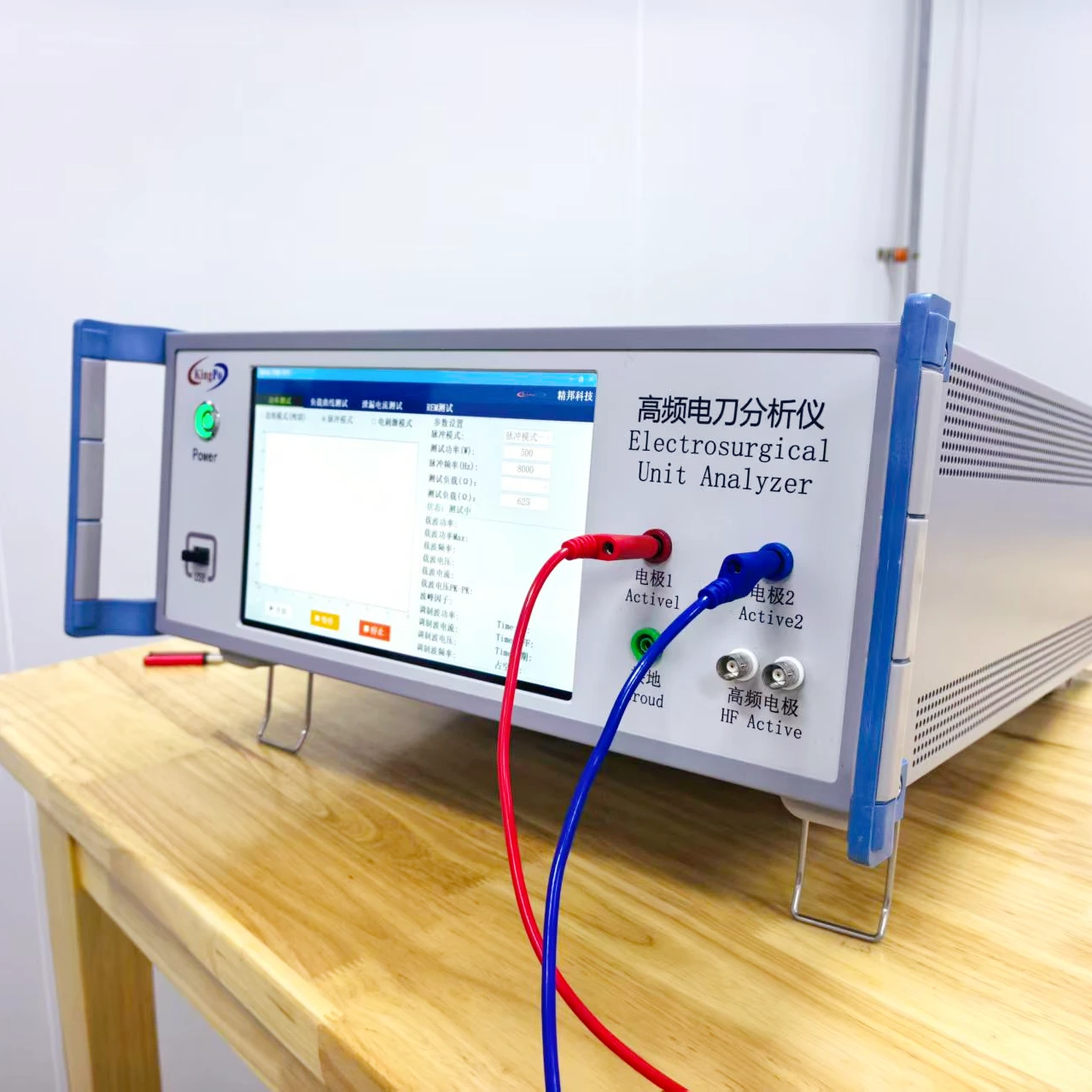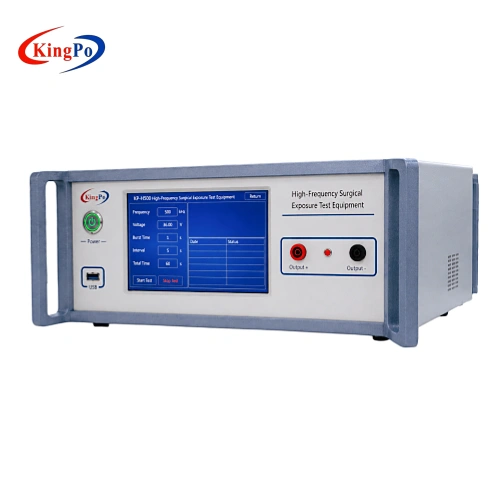
KINGPO KP-H500 active implantable medical device EMC test equipment shown from a right-side laboratory angle
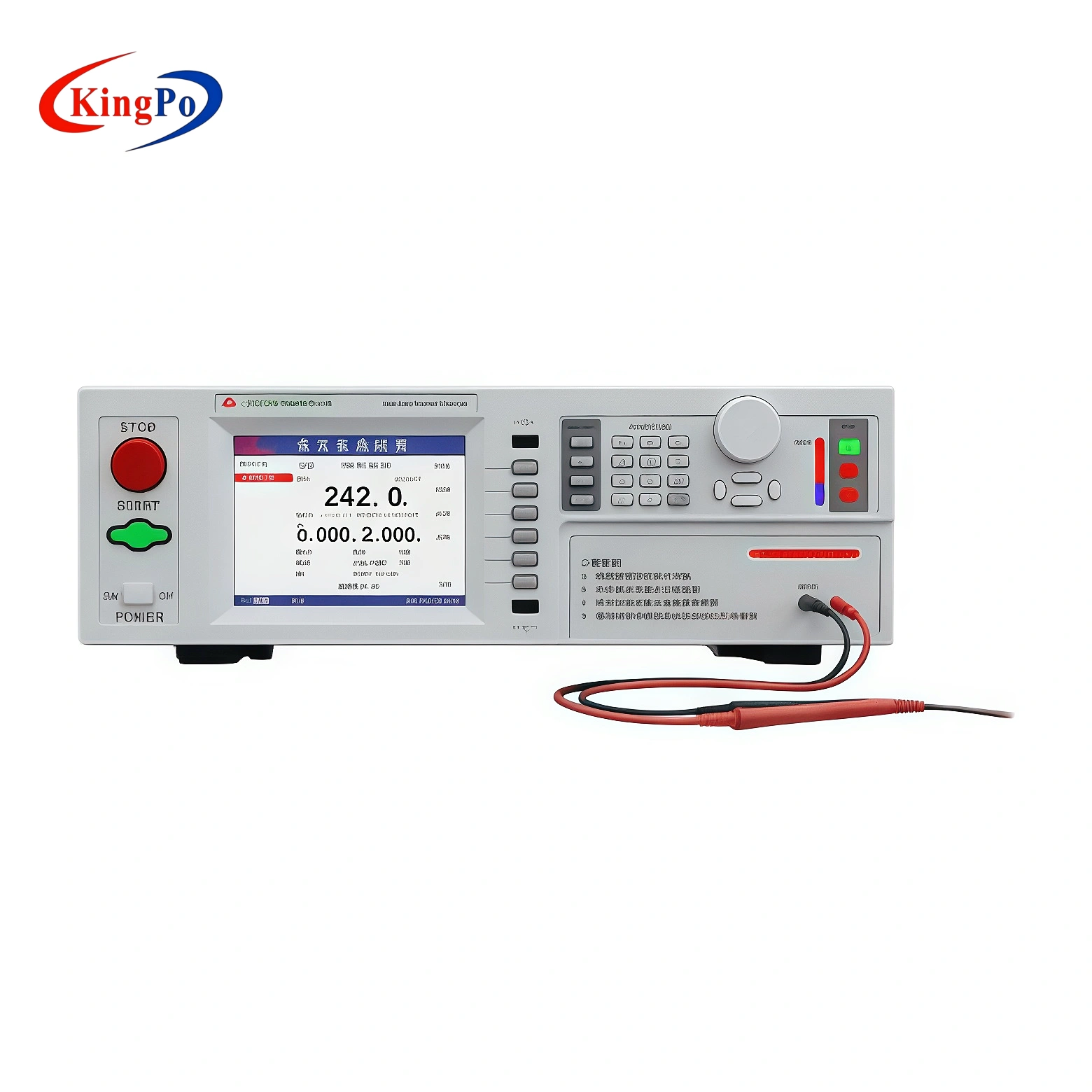
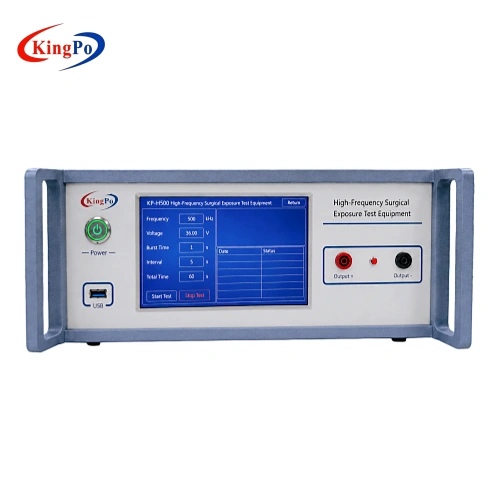
Front view of KINGPO KP-H500 500 kHz test equipment for ISO 14117 surgical exposure testing
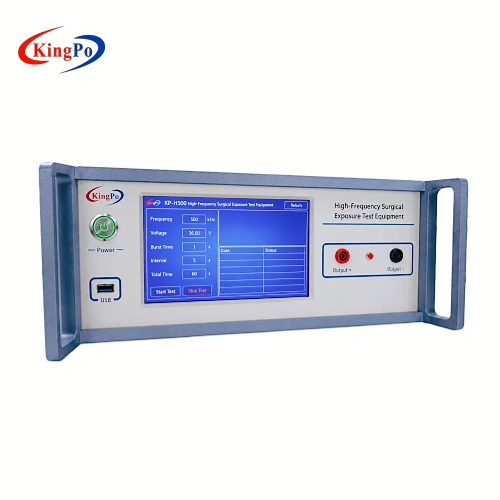
KP-H500 500 kHz high-frequency surgical exposure test generator with touchscreen control in the laboratory
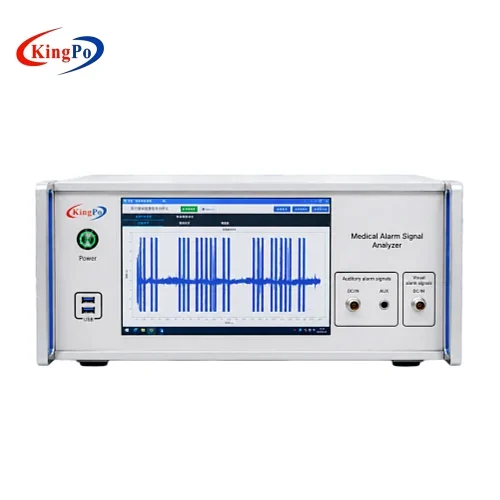
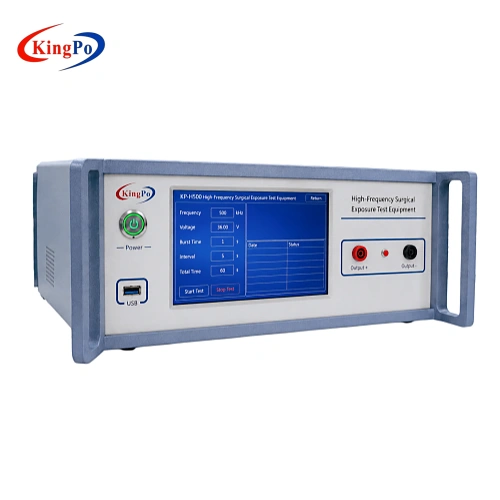
KINGPO KP-H500 ISO 14117 high-frequency surgical exposure test equipment in a medical EMC laboratory
KINGPO KP-H500 active implantable medical device EMC test equipment shown from a right-side laboratory angle
Front view of KINGPO KP-H500 500 kHz test equipment for ISO 14117 surgical exposure testing
KP-H500 500 kHz high-frequency surgical exposure test generator with touchscreen control in the laboratory
KINGPO KP-H500 ISO 14117 high-frequency surgical exposure test equipment in a medical EMC laboratory

ISO 14117 High-Frequency Surgical Exposure Test Equipment – 500 kHz Generator

The KINGPO KP-H500 High-Frequency Surgical Exposure Test Generator produces controlled 500 kHz electrical test signals for evaluating the response of active implantable medical devices to high-frequency surgical exposure. Depending on the selected test network and test program, it supports applications involving cardiac pacemakers, ICDs, CRT devices and implantable hearing systems under ISO 14117, ISO 14708 and related Chinese medical-device standards.

  • Primary Test Signal: 500 kHz sine wave
  • Frequency Accuracy: ≤ ±0.1%
  • Maximum Open-Circuit Output: ≥36 Vpp
  • Continuous Output Duration: ≥30 s
  • Test Modes: Continuous, burst and programmable timing modes
  • Typical DUTs: Implantable cardiac pacemakers, CRT-P, ICD, CRT-D and applicable cochlear implant systems
  • Control: Touchscreen and PC control
  • Optional Test Networks: KP-H500-1, KP-H500-2 and KP-H500-3
  • Typical Standards: ISO 14117, ISO 14708-6, ISO 14708-7, YY/T 1874, YY 0989.6 and YY 0989.7
  • Configuration: Test network and applicable standard edition should be confirmed before quotation

ISO 14117 Clause 6.1 High-Frequency Surgical Exposure Test Generator

Product Overview

High-frequency surgical equipment can introduce high-frequency electrical currents into a patient during treatment. For an active implantable medical device, this represents a potential electromagnetic disturbance that must be considered during safety and EMC evaluation.

The KP-H500 is designed to reproduce the specified electrical exposure in a controlled laboratory environment. Instead of performing a surgical procedure or testing an electrosurgical generator itself, the system generates a defined 500 kHz sinusoidal test signal and applies it to the device under test through a standard-specific resistance or interface network.

The purpose of the test is to determine whether exposure to the specified high-frequency signal causes unacceptable permanent changes in the implanted device and, where required by the applicable test method, whether the device can return to its intended operating condition after the exposure and subsequent programming or reactivation.

This makes the KP-H500 particularly relevant to manufacturers and laboratories working with active implantable cardiovascular devices and selected implantable hearing systems.
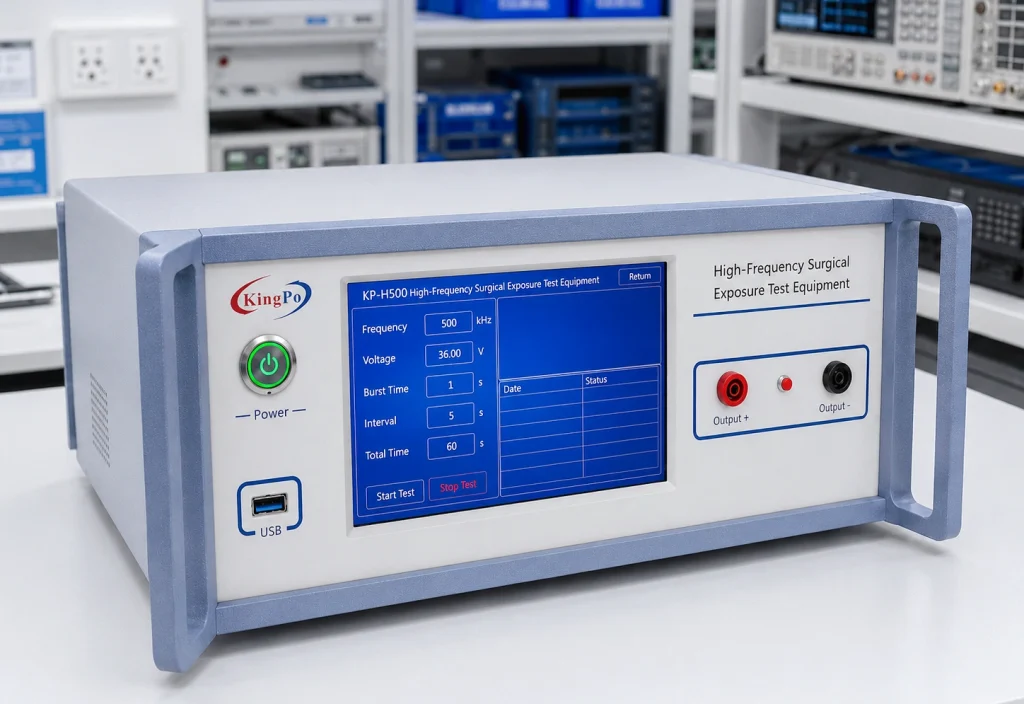
Front view of KINGPO KP-H500 500 kHz high-frequency surgical exposure test equipment with touchscreen control

Technical Specifications

Item Specification
Signal waveform Sine wave
Signal frequency 500 kHz
Frequency accuracy ≤ ±0.1%
Maximum open-circuit voltage Vpp ≥36 V
Continuous output duration ≥30 s
Test modes Continuous mode, burst mode, programmable mode
Programmable timing Burst duration, interval and total duration can be configured
Number of test cycles 1–999
Control Touchscreen and PC control
Power supply AC 220 V ±10%, 50/60 Hz
Dimensions 320 × 260 × 150 mm
Weight Approx. 2 kg
Test networks Optional; selected according to applicable device and standard

What Does the KP-H500 Actually Test?

The KP-H500 does not measure the output performance of an electrosurgical unit.

Instead, it is used on the other side of the safety problem: the active implantable medical device.

During a high-frequency surgical procedure, electrical energy from surgical equipment can create a disturbance that may couple into an implanted electronic system. The applicable standards therefore include tests intended to determine whether the implanted device can tolerate specified high-frequency surgical exposure without unacceptable permanent effects.

Typical devices considered in relevant test programs include:

  Implantable cardiac pacemakers
  CRT-P cardiac resynchronization devices
  Implantable cardioverter-defibrillators (ICDs)
  CRT-D devices
  Cochlear implant systems, where the applicable ISO 14708-7 test configuration is required

ISO 14117:2019 specifically defines EMC test methodologies for implantable cardiac pacemakers, implantable cardioverter-defibrillators and cardiac resynchronization devices.

ISO 14708-7:2019 covers active implantable devices used for electrical stimulation of the auditory pathways, including cochlear and auditory brainstem implant systems.

Test Principle

The test concept can be understood as a controlled electrical exposure test.

1

Connect the Device Under Test

The active implantable medical device is connected to the appropriate test network according to the applicable standard, device type and test clause.

Different resistor or interface arrangements are required for different implant systems. The external network is therefore an important part of the complete test configuration.

2

Generate the 500 kHz Test Signal

The KP-H500 generates a controlled sinusoidal signal at 500 kHz.

The generator uses digitally controlled frequency synthesis to establish the high-frequency waveform and allows the required test duration and exposure sequence to be programmed.
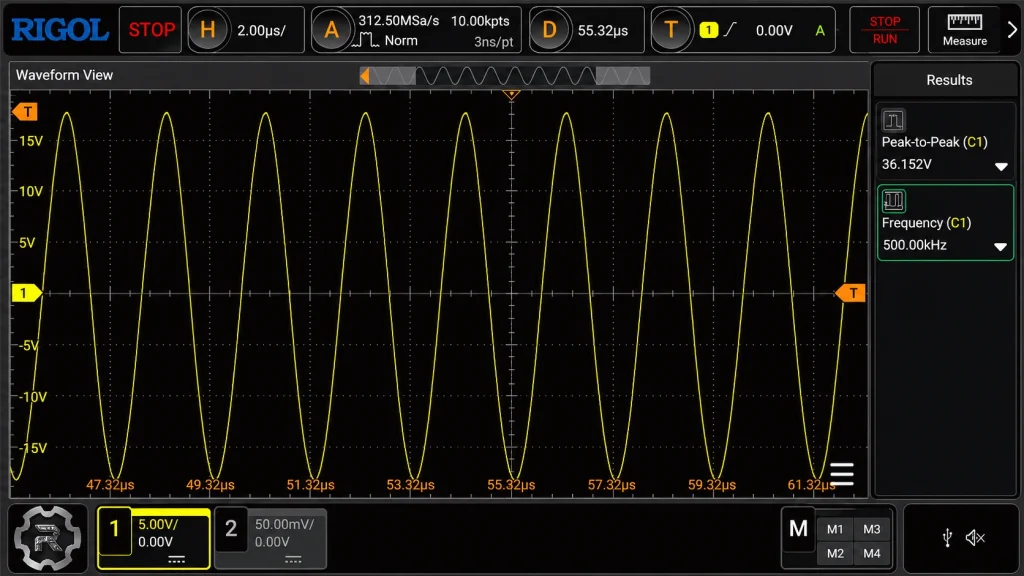
KP-H500 500 kHz continuous sine-wave output measured for ISO 14117 high-frequency surgical exposure testing

3

Apply the Required Exposure

Depending on the selected test program, the DUT may be exposed to:

  • A continuous high-frequency signal; or
  • Repeated high-frequency signal bursts separated by recovery periods.

4

Evaluate the DUT After Exposure

Following the specified test sequence, the laboratory evaluates the device according to the performance criteria of the applicable standard.

Depending on the device and test method, this can include checking whether:

  • The device has suffered permanent functional degradation
  • Programmed characteristics have changed
  • The device can be reactivated or reprogrammed as required
  • Its post-test operation remains consistent with the applicable acceptance criteria

The KP-H500 provides the electrical exposure required for the test; determination of conformity remains dependent on the applicable standard, DUT specification and laboratory evaluation procedure.

Supported Test Modes

Cardiac Device High-Frequency Exposure Mode

For the cardiac-device configuration described in the supplied documentation:

Frequency 500 kHz
Waveform Continuous sine wave
Open-circuit signal voltage 36 Vpp
Exposure duration 30 s continuous

This configuration is intended for testing associated with cardiac pacemakers, CRT-P devices and, with the appropriate DUT loading arrangement, ICD and CRT-D devices.

The supplied specification associates this mode with ISO 14117 / YY/T 1874 applications.
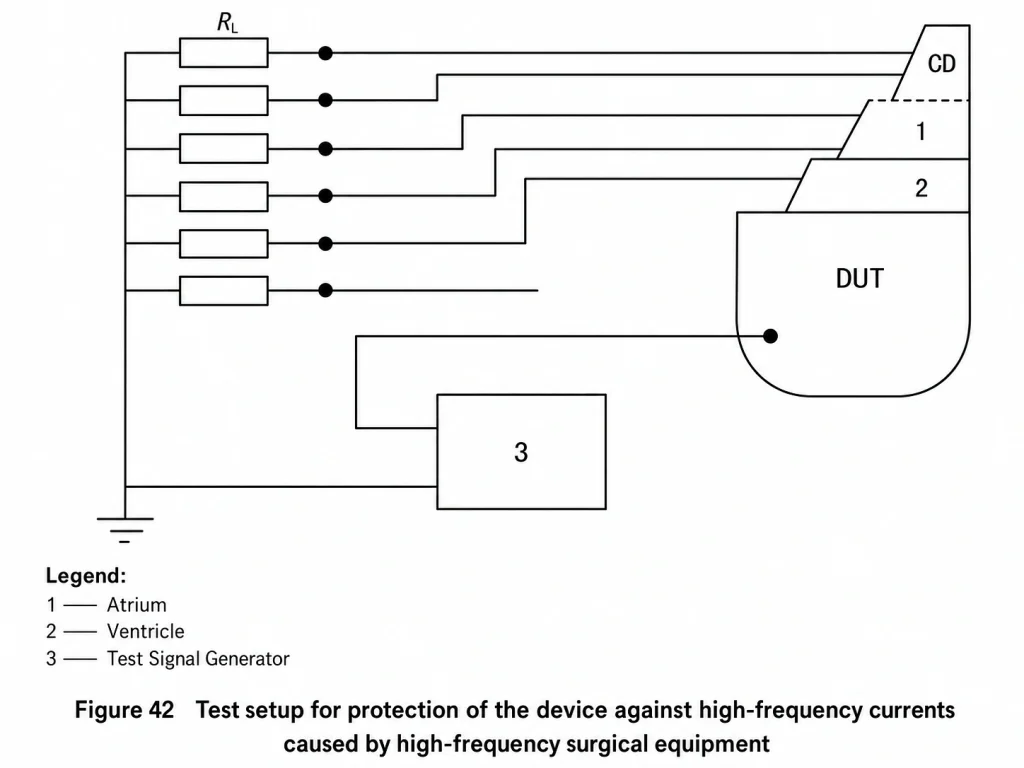
ISO 14117 cardiac implant high-frequency surgical exposure test setup for pacemaker, ICD and CRT device evaluation

Cochlear Implant Test Mode

The supplied KP-H500 specification also provides a test program intended for applicable ISO 14708-7 / YY 0989.7 applications:

Frequency 500 kHz
Waveform Sine wave
Open-circuit voltage 20 Vpp
Burst duration 1 s
Recovery interval 5 s
Number of bursts 10

The correct network, standard edition and applicable clause should be confirmed for the specific implant system before quotation or testing.
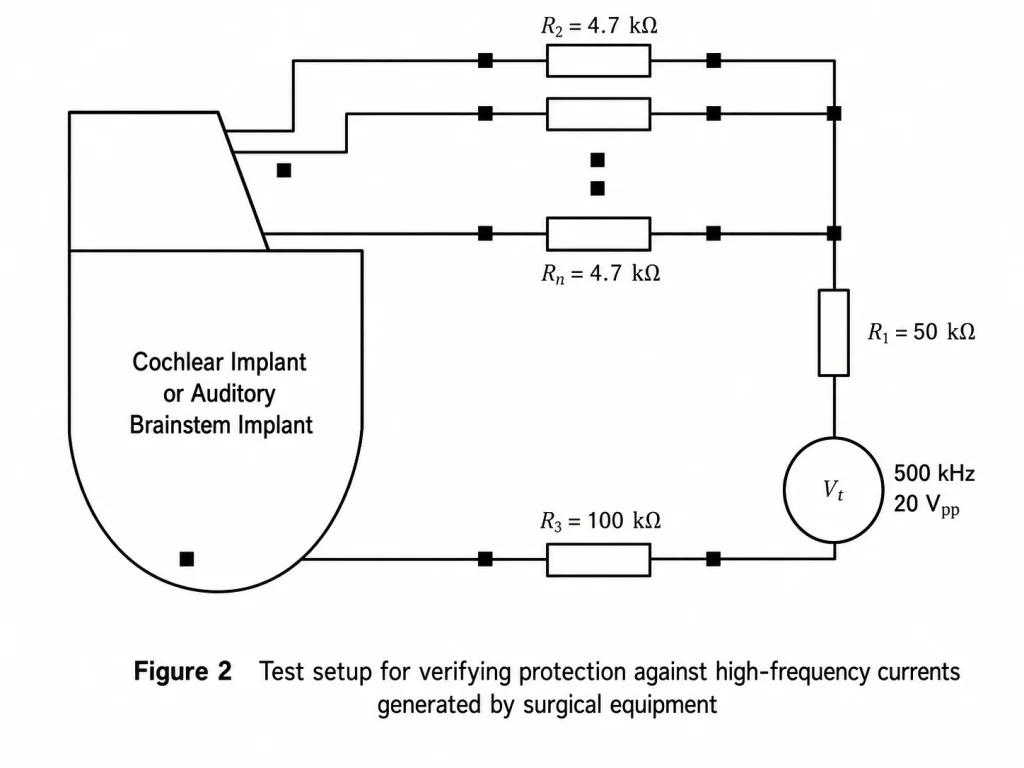
ISO 14708-7 cochlear implant high-frequency surgical exposure test setup with 500 kHz 20 Vpp signal network

Programmable Mode

For development, verification or project-specific test procedures, the KP-H500 also provides programmable timing control.

Depending on the selected configuration, users can define:

  • Signal burst duration
  • Interval between bursts
  • Total test duration
  • Number of test cycles

This allows the same generator platform to be configured around different defined test sequences without changing the basic 500 kHz signal-generation function.
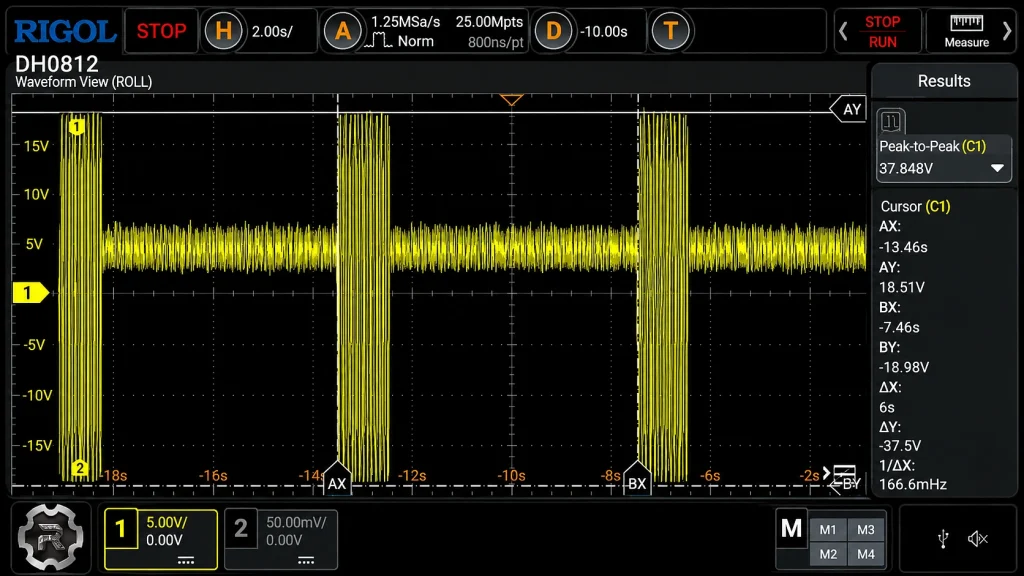
KP-H500 500 kHz burst-mode waveform for high-frequency surgical exposure test equipment

Test Network Configuration

A correct test network is essential because different types of active implantable medical devices use different interfaces, electrodes and electrical loading conditions.

The KP-H500 can therefore be supplied with different external test network boxes.

Network Intended Application
KP-H500-1 Test network for applicable YY 0989.7 / ISO 14708-7 implant hearing-system test arrangements
KP-H500-2 Test network for YY/T 1874 / ISO 14117 cardiac implant EMC applications
KP-H500-3 Test network for applicable YY 0989.6 / ISO 14708-6 applications
The network box should not be selected only by product name. The applicable standard edition, clause, DUT type and electrical interface should be checked before the system configuration is finalized.

Applicable Standards and Edition Considerations

The KP-H500 is intended to support test configurations associated with the following standards, depending on the selected network and test program:

ISO 14117:2019

Active implantable medical devices — Electromagnetic compatibility — EMC test protocols for implantable cardiac pacemakers, implantable cardioverter defibrillators and cardiac resynchronization devices

ISO 14117 includes test methodologies for evaluating the electromagnetic compatibility of active implantable cardiovascular devices and includes requirements addressing therapeutic electromagnetic environments. The 2019 edition remains current.

The KP-H500 specifically addresses the high-frequency surgical exposure application rather than representing a complete ISO 14117 EMC test system.

ISO 14708-6:2019

Applicable to implantable cardioverter-defibrillators, CRT-D devices and active implantable device functions intended to treat tachyarrhythmia. The 2019 edition remains current.

ISO 14708-7:2019

Applicable to active implantable medical devices intended to treat hearing impairment through electrical stimulation of the auditory pathways, including cochlear and auditory brainstem implant systems. The 2019 edition was reconfirmed in 2026.

Typical Laboratory Applications

The KP-H500 is suited to laboratory environments where repeatable high-frequency surgical exposure testing is required, including:

Active implantable medical device R&D laboratories
Pacemaker and cardiac rhythm management device manufacturers
ICD and CRT device manufacturers
Cochlear implant system manufacturers
Medical-device EMC laboratories
Third-party test laboratories
Product verification and type-test laboratories
Engineering teams performing pre-compliance or design verification

The programmable test modes are also useful during product development when engineers need to repeat a defined exposure sequence while investigating device behaviour before formal compliance testing.
Standards Compliance & Regulatory Considerations

  • The KP-H500 supports high-frequency surgical exposure testing for active implantable medical devices under applicable standards including ISO 14117, ISO 14708-6, ISO 14708-7, YY/T 1874, YY 0989.6 and YY 0989.7, depending on the selected test mode and test network. The applicable standard edition, clause and DUT type should be confirmed before quotation.
  • Documentation can be configured according to project requirements, including test configuration information, operating instructions, output verification, timing verification and requested calibration points. Third-party or accredited calibration requirements should be specified before order confirmation.

Technical Inquiry & Expert Support

Please provide the key project information below so we can confirm the appropriate KP-H500 configuration.

STANDARD
Applicable standard, edition and clause
DEVICE UNDER TEST
Pacemaker, CRT-P, ICD, CRT-D, cochlear implant or other AIMD
DUT INTERFACE
Input, output or electrode configuration
TEST REQUIREMENT
Required test mode, if already specified
CALIBRATION
Required calibration points
DOCUMENTATION
Third-party or accredited calibration requirement, if applicable
Based on this information, KINGPO will confirm the suitable generator mode, test network and documentation package before quotation.

High-Frequency Surgical Exposure Test Equipment

FAQ

What is the KP-H500 High-Frequency Surgical Exposure Test Equipment used for?
The KP-H500 is used to expose active implantable medical devices to a controlled 500 kHz high-frequency test signal so laboratories can evaluate their response to high-frequency surgical exposure. Typical applications include pacemakers, CRT devices, ICDs and, with the appropriate test configuration, selected implantable hearing systems. ISO 14117:2019 covers EMC testing of implantable cardiac pacemakers, ICDs and cardiac resynchronization devices.
Is the KP-H500 used to test an electrosurgical unit itself?
No. The KP-H500 tests the implantable medical device exposed to the interference, not the electrosurgical generator producing the surgical energy. If your requirement is to measure ESU output power, high-frequency leakage current, load curves, voltage/current or REM/CQM performance, use an IEC 60601-2-2 ESU Analyzer such as the KINGPO KP8850 instead. The KP8850 is specifically designed for electrosurgical-generator performance and safety measurements.
Does the KP-H500 perform all ISO 14117 EMC tests?
No. The KP-H500 is specifically intended for the high-frequency surgical exposure application within the ISO 14117 test framework; it should not be described as a complete ISO 14117 EMC test system. ISO 14117 contains additional EMC test methodologies, including other electromagnetic exposure conditions and protection against external defibrillation.
Which implantable medical devices can be tested with the KP-H500?
Depending on the selected standard and test network, the KP-H500 can support high-frequency surgical exposure testing for implantable cardiac pacemakers, CRT-P devices, ICDs, CRT-D devices and applicable cochlear implant systems. ISO 14117:2019 covers implantable cardiovascular devices including pacemakers, ICDs and cardiac resynchronization devices, while ISO 14708-7:2019 applies to active implantable devices that electrically stimulate the auditory pathways, including cochlear and auditory brainstem implant systems.
Why does the KP-H500 use a 500 kHz test signal?
The KP-H500 generates a 500 kHz sinusoidal signal because the applicable high-frequency surgical exposure test configurations supported by this equipment specify this test frequency. According to the supplied KP-H500 technical specification, the cardiac-device mode uses a 500 kHz continuous sine wave with a 36 Vpp open-circuit signal, while the applicable cochlear-implant configuration uses a 500 kHz, 20 Vpp burst-mode signal.
What is the difference between the 36 Vpp continuous mode and the 20 Vpp burst mode?
They are intended for different test configurations. For the cardiac-device configuration in the supplied documentation, the KP-H500 provides a 500 kHz, 36 Vpp continuous signal for 30 seconds. For the applicable ISO 14708-7 / YY 0989.7 implant-hearing-system configuration, the specification provides a 500 kHz, 20 Vpp signal applied in 1-second bursts with 5-second recovery intervals for 10 bursts. The applicable standard edition, clause and DUT type should always be confirmed before selecting the test program.
Do I need a separate test network for the KP-H500?
Yes. The high-frequency signal must be applied through the appropriate resistance or interface test network, and the required network depends on the applicable standard and implant type. The supplied KP-H500 documentation identifies different external networks for ISO 14117 / YY/T 1874, ISO 14708-7 / YY 0989.7 and ISO 14708-6 / YY 0989.6 related applications. One network should therefore not be assumed to cover every implantable device.
What information should I provide before ordering the KP-H500?
Provide the applicable standard and edition, test clause, DUT type, required test mode and DUT electrical interface before quotation. Also confirm whether the device is a pacemaker, CRT-P, ICD, CRT-D, cochlear implant or another active implantable device, and specify any required calibration points or third-party calibration documentation. This information allows KINGPO to confirm the correct 500 kHz generator mode, external test network and documentation package rather than selecting the system only by model number.

Related Products

Related News

Defibrillation electrode testing verifies whether disposable and multifunction electrode pads can maintain stable impedance, recover after a 360J shock, control […]

Choose a medical bed side rail strength tester for IEC 60601-2-52 by focusing on force range, accuracy, compliance, and safety features.

When selecting a defibrillator tester (also known as a defibrillator analyzer), biomedical engineers and clinical laboratories must focus on accuracy, […]

Comparing IEC 60601-2-34 and IEC 60601-2-25: A Technical Guide details device scope, testing, and compliance differences for medical device standards.
KINGPO’s Electrosurgical Unit analyzer ensures ESU safety and IEC 60601-2-2 compliance with precise testing, supporting patient protection and regulatory needs.
Ensure IEC 60601 compliance in 2026 with Defib-proof and Energy Reduction Tester for safer, faster medical device approval and reliable patient protection.

Essential equipment for residual voltage testing under IEC 60601-1, IEC 60335-1, IEC 61010-1, IEC 62368-1 and similar safety standards. 1. […]

External defibrillators are performance‑critical devices. According to KingPo manufacturing and metrology protocols, for third‑party calibration and certification laboratories—and for manufacturers’ […]

Scroll to Top

Get A Free Quote Now !

Contact Form
If you have any questions, please do not hesitate to contact us.