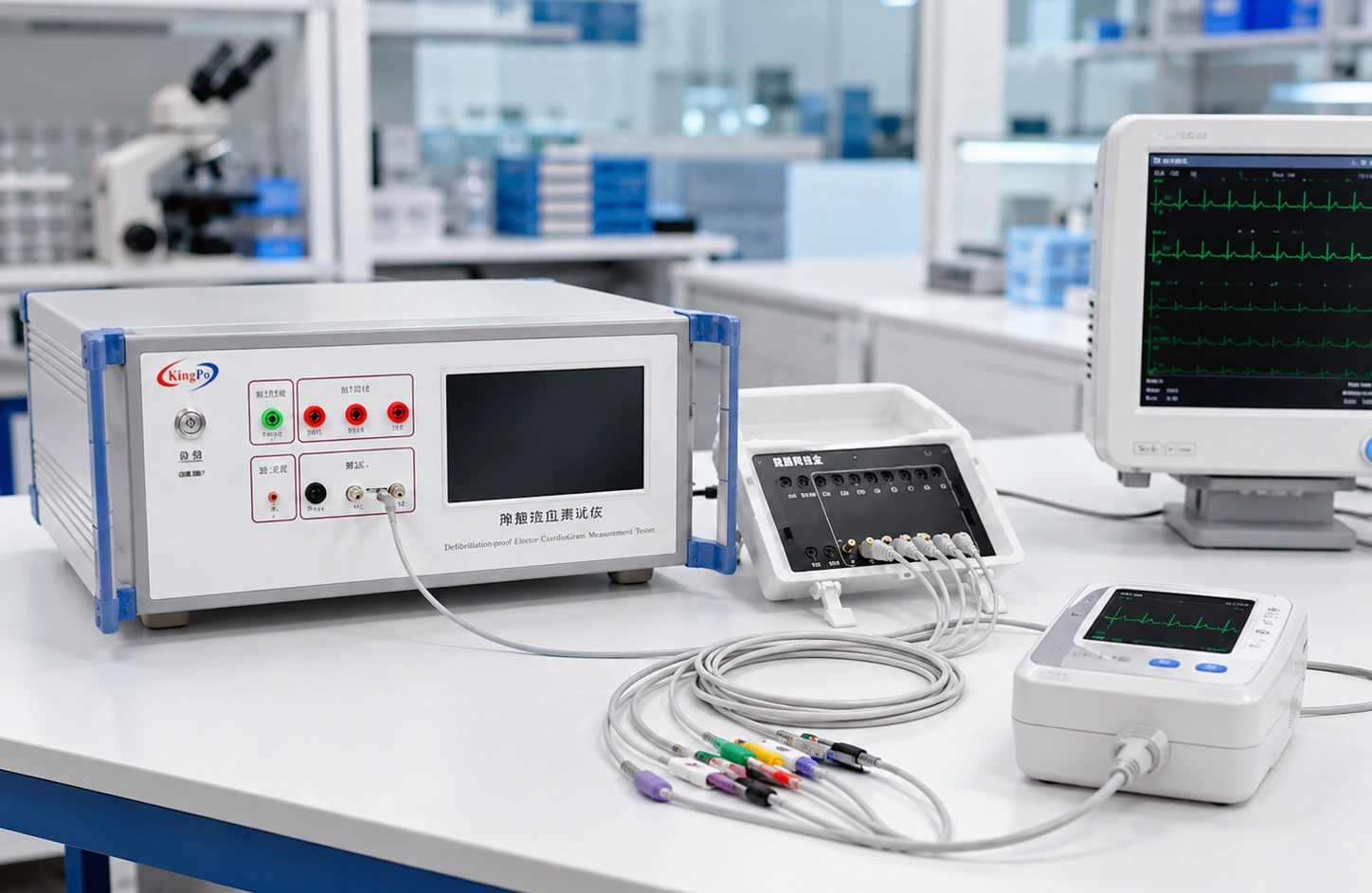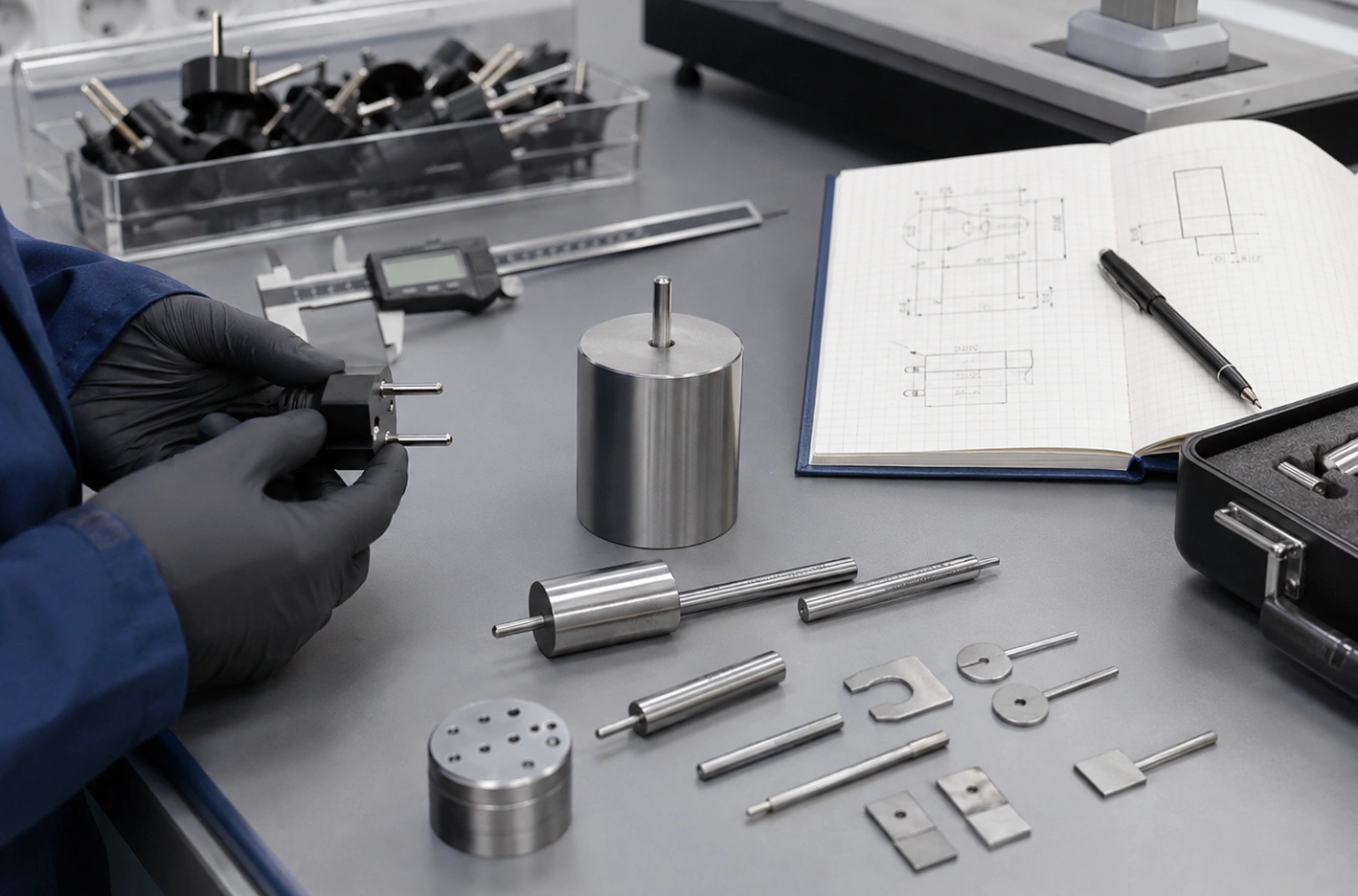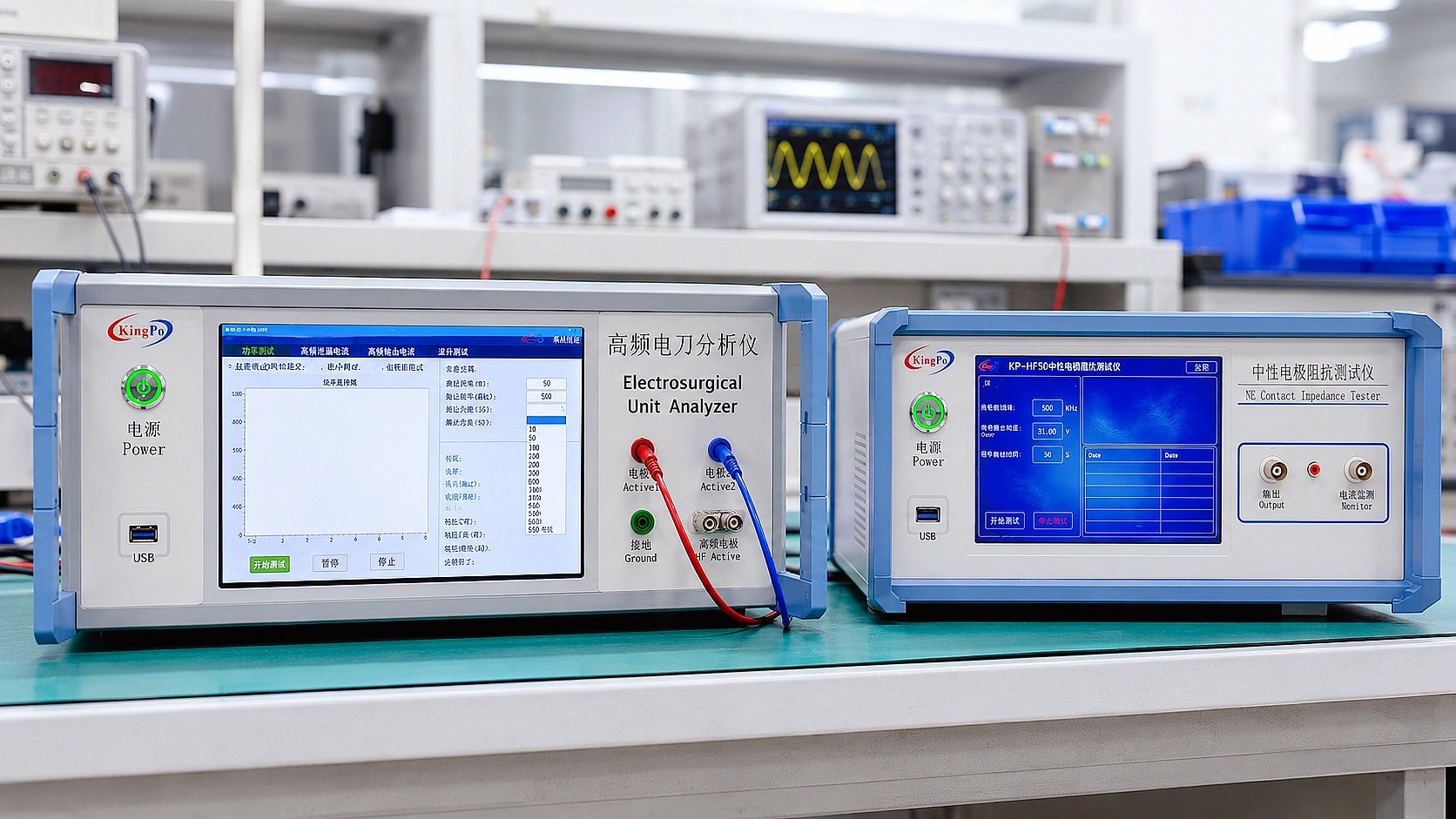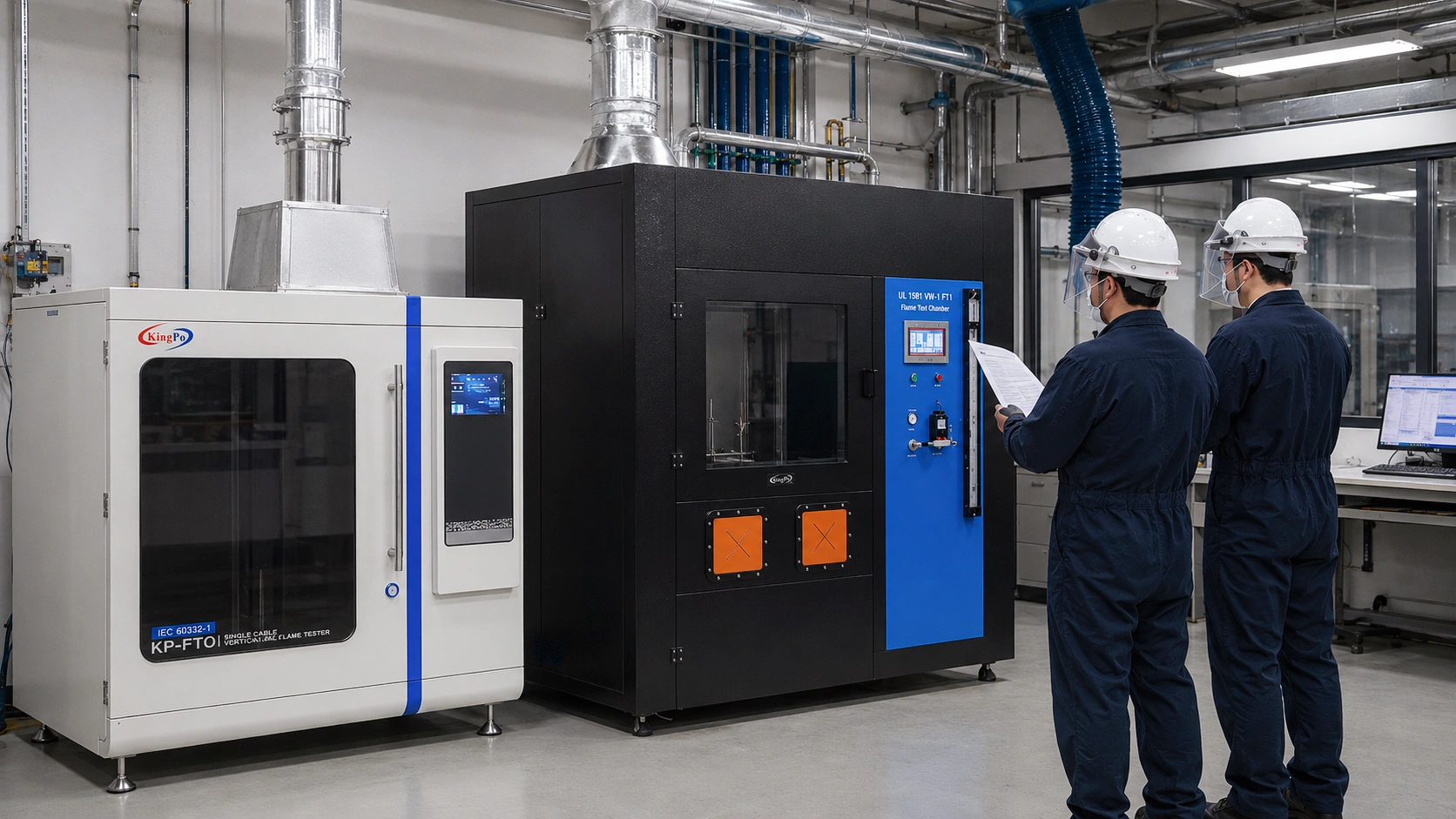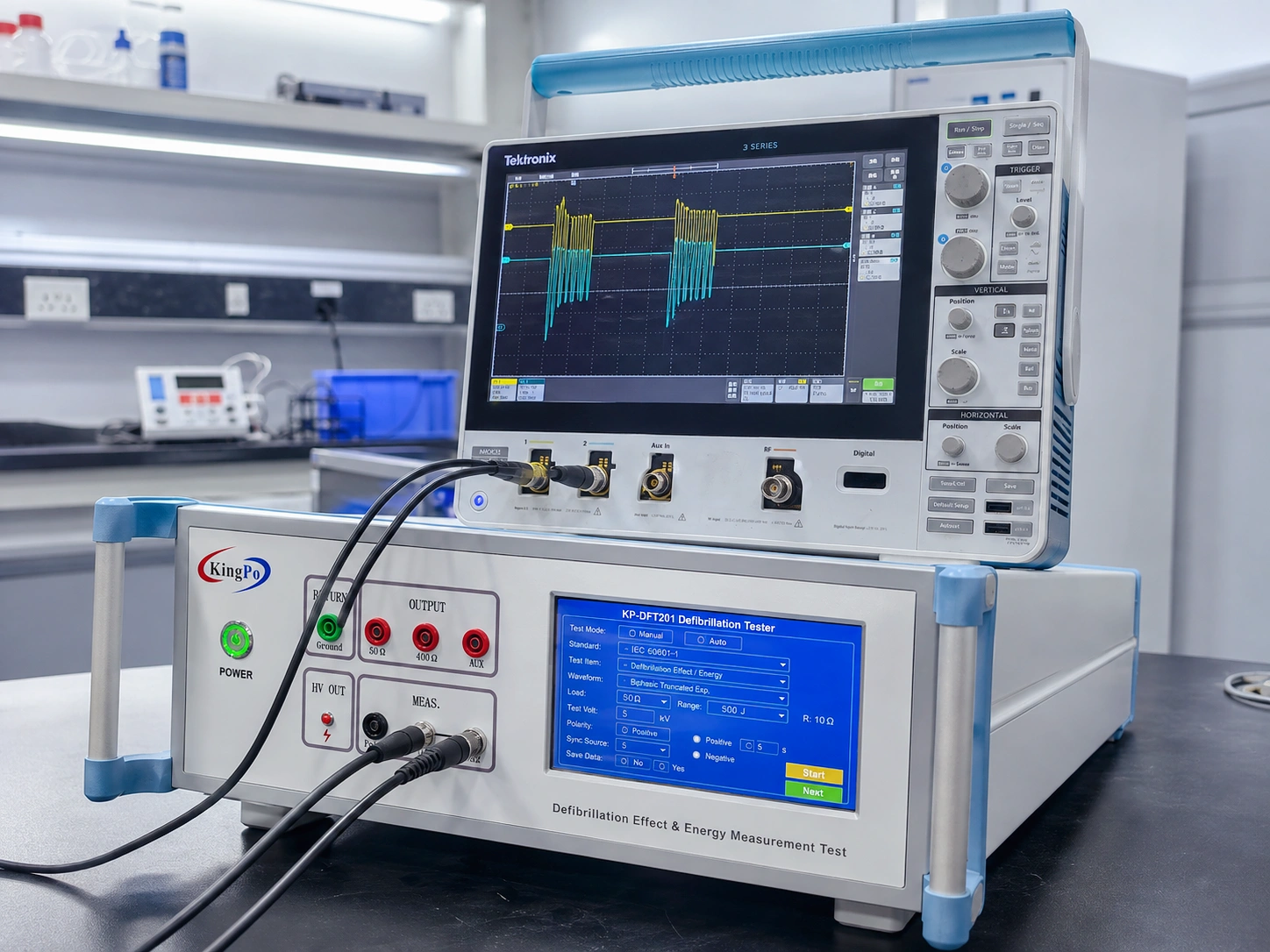
You demand the highest level of safety for patients relying on implantable medical devices. The KP-1230S dielectric strength tester delivers that assurance. This high-precision testing instrument meets ISO 27186:2020 and YY/T 0972-2016, setting a new benchmark in medical device safety. Its advanced test pulse capabilities support defibrillation resistance testing, crucial for devices used in emergency cardiac interventions. With unique safety features, this dielectric strength tester ensures reliable results for every medical application.
Explore the KP-1230S Now
Discover how the KP-1230S can enhance your medical device testing and ensure compliance with safety standards.
Key Takeaways
-
The KP-1230S dielectric strength tester meets ISO 27186:2020 and YY/T 0972-2016 standards, ensuring safety for implantable medical devices.
-
Advanced test pulse capabilities simulate real-world defibrillation events, providing reliable results for critical medical applications.
-
The tester features automatic shutoff and leakage detection, enhancing safety during high-voltage testing.
-
Load adaptability allows testing under various conditions, simulating human body impedance for accurate assessments.
-
A compact design makes the KP-1230S easy to integrate into any lab or production area, saving valuable space.
-
Consistent test results support compliance and certification efforts, helping avoid costly recalls.
-
User-friendly interface and quick setup streamline the testing process, reducing training time and errors.
-
Regular maintenance alerts and diagnostic tools ensure the tester remains in top condition for reliable performance.
Dielectric Strength Tester Overview
Key Features
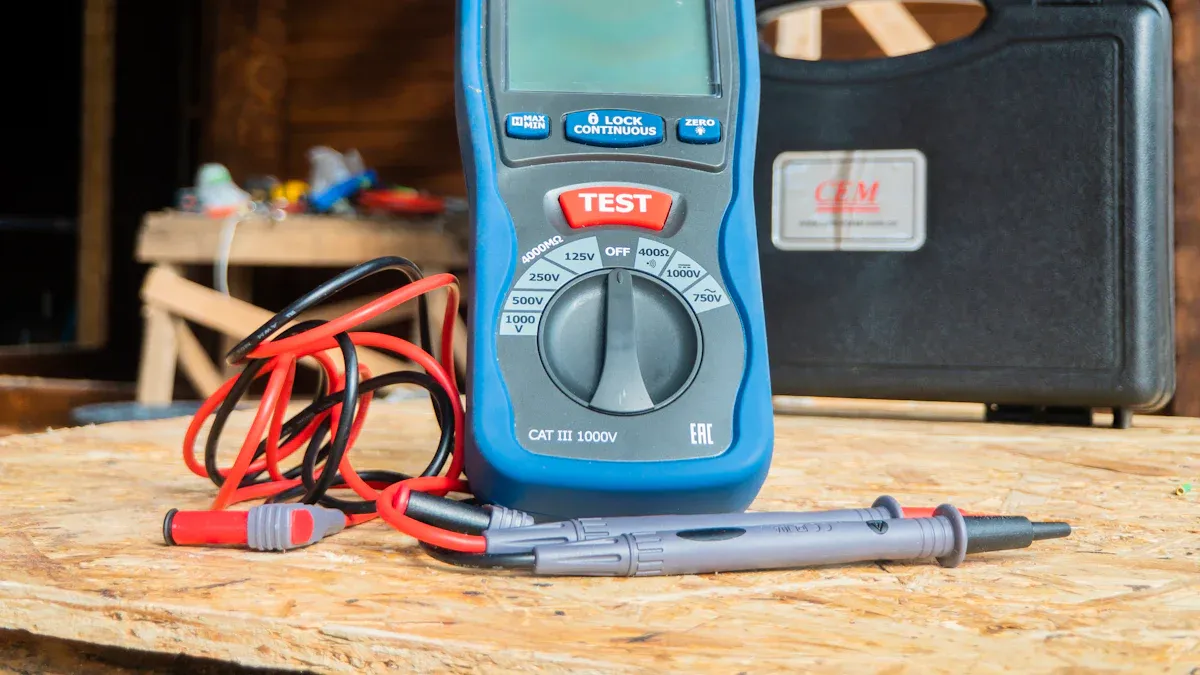
You need reliable equipment to ensure the safety and performance of implantable devices. The KP-1230S dielectric strength tester stands out with its advanced features. This equipment delivers precise test pulses that simulate real-world defibrillation events. You can trust its peak voltage output of 1.53 kV and rapid rise time of 1.4 μs to challenge your devices under the most demanding conditions. The dielectric strength tester uses a monophasic truncated exponential waveform, which matches the requirements for implantable cardiac equipment.
-
Generates accurate and repeatable test pulses for consistent results.
-
Adapts to different load conditions, simulating human body impedance.
-
Offers automatic shutoff and leakage detection for enhanced safety during testing.
-
Supports reprogramming verification, ensuring your equipment can recover after exposure to high-voltage pulses.
Note: The KP-1230S dielectric strength tester also functions as a dielectric loss tester, providing additional value for your laboratory or production line.
Application in Medical Device Test
You play a critical role in the development and certification of medical equipment. The KP-1230S dielectric strength tester supports you at every stage of the process. Use this equipment to conduct rigorous testing on quadripolar connector systems in active implantable devices. The dielectric strength tester evaluates whether your equipment can withstand defibrillation pulses without permanent damage. You can also verify that device settings remain recoverable after exposure to high-voltage events.
Testing with this equipment ensures compliance with ISO 27186:2020 and YY/T 0972-2016. You can rely on the dielectric strength tester for:
-
Research and development of new medical equipment.
-
Third-party certification and compliance testing.
-
Quality control in production environments.
-
Routine safety checks in clinical settings.
The dielectric strength tester and dielectric loss tester combination allows you to streamline your testing workflow. You can address both dielectric strength and dielectric loss requirements with a single piece of equipment.
Compact Design Benefits
You benefit from equipment that fits seamlessly into your workspace. The KP-1230S dielectric strength tester features a compact desktop design, making it easy to integrate into any laboratory or production area. You can move the equipment as needed, supporting flexible testing setups. The adjustable voltage range lets you tailor each test to your specific equipment requirements.
|
Feature |
Benefit for You |
|---|---|
|
Small footprint |
Saves valuable bench space |
|
Lightweight build |
Simplifies equipment relocation |
|
User-friendly interface |
Reduces training time |
|
Robust construction |
Ensures long-term reliability |
You can trust this equipment to deliver consistent testing performance in a variety of environments. The dielectric strength tester and dielectric loss tester functions combine to provide a comprehensive solution for your medical equipment testing needs.
Test Pulse Performance
Peak Voltage Output
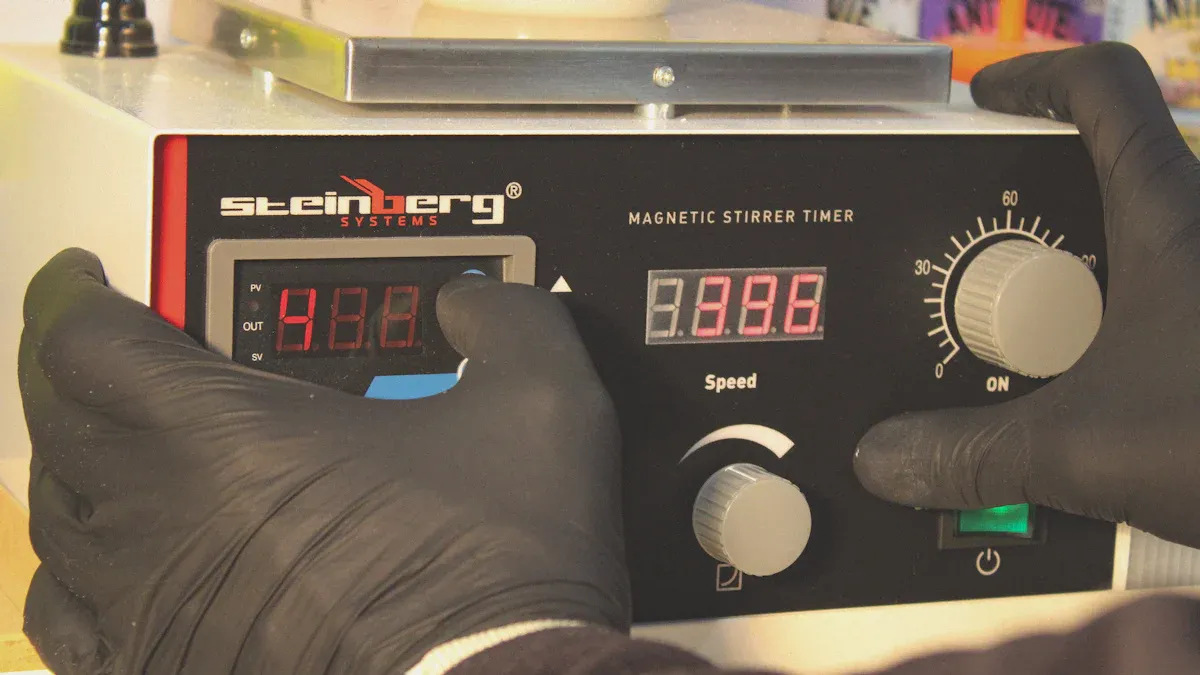
You rely on precise equipment to ensure your devices withstand demanding conditions. The KP-1230S delivers a peak voltage output of 1.53 kV, which supports rigorous test procedures for implantable medical devices. This high-voltage pulse generation capability allows you to simulate real-world defibrillation events. You can challenge your devices with controlled pulses that mirror clinical scenarios. The tester’s robust design ensures that each test produces consistent results, giving you confidence in your product’s durability.
Tip: Use the KP-1230S to verify that your devices meet regulatory requirements for high-voltage pulse generation. This approach helps you avoid costly recalls and ensures patient safety.
Rise Time and Waveform
You need to evaluate how your devices respond to rapid electrical changes. The KP-1230S features a rise time of just 1.4 μs, which enables you to conduct tests that replicate the sudden surges encountered during defibrillation. The tester generates a truncated exponential waveform, which closely matches the electrical profile specified in ISO 27186:2020 and YY/T 0972-2016. You can use this waveform to assess whether your devices maintain functionality after exposure to intense electrical pulses.
-
The truncated exponential waveform provides a realistic simulation of defibrillation therapy.
-
You can monitor device recovery and reprogramming after each test.
-
The rapid rise time ensures that your devices face the same conditions as in clinical practice.
|
Parameter |
Value |
|---|---|
|
Rise Time |
1.4 μs |
|
Waveform Type |
Truncated exponential waveform |
|
Peak Voltage Output |
1.53 kV |
Load Adaptability
You must account for the variability in human body impedance during testing. The KP-1230S offers load adaptability, allowing you to adjust the test conditions to match different patient profiles. This feature ensures that your devices undergo realistic high-voltage pulse generation scenarios. You can simulate a range of impedance values, which helps you identify potential weaknesses in your products.
Note: Load adaptability enhances the reliability of each test by providing a comprehensive evaluation of device performance under diverse conditions.
You can streamline your workflow by using the KP-1230S for both development and quality control. The tester’s ability to generate a truncated exponential waveform under varying loads ensures that your devices meet stringent safety standards. You gain peace of mind knowing that your products will perform reliably in real-world situations.
ISO 27186:2020 and YY/T 0972 Compliance
Standard Requirements
You must understand the standards that govern the safety of implantable devices. ISO 27186:2020 and YY/T 0972-2016 set strict guidelines for testing the dielectric strength of active implantable medical equipment. These standards require you to simulate real-world defibrillation events and verify that devices can withstand high-voltage pulses. You need to ensure that your equipment can recover its settings after exposure to these electrical surges.
The KP-1230S dielectric strength tester meets and often exceeds these requirements. You can generate monophasic truncated exponential waveforms that match the specifications in ISO 27186:2020. The device supports a peak voltage output of 1.53 kV and a rise time of 1.4 μs. These features allow you to conduct tests that reflect the actual conditions faced by implantable devices during defibrillation therapy. You gain confidence that your products will perform safely in clinical environments.
Note: Compliance with these standards is not optional. You must demonstrate that your devices can survive and recover from high-voltage events to receive regulatory approval.
Certification Process
You play a key role in the certification of medical devices. The process begins with a thorough review of the requirements in ISO 27186:2020 and YY/T 0972-2016. You must prepare your devices for a series of tests that evaluate their resilience to electrical stress. The KP-1230S provides the tools you need to complete this process efficiently.
During certification, you use the dielectric strength tester to apply controlled high-voltage pulses to your devices. You monitor their response and check for any permanent damage or loss of function. The tester allows you to verify that device settings can be restored through reprogramming after each test. You document the results and submit them as part of your certification package.
A successful certification process demonstrates that your devices meet international safety standards. You show regulators and customers that you prioritize patient safety and product reliability. The KP-1230S streamlines this process by providing accurate, repeatable testing that aligns with both ISO 27186:2020 and YY/T 0972-2016.
|
Certification Step |
How KP-1230S Supports You |
|---|---|
|
Test Preparation |
Adjustable voltage and waveform |
|
High-Voltage Application |
Precise pulse generation |
|
Device Recovery Assessment |
Reprogramming verification |
|
Documentation |
Consistent, traceable results |
Role in Third-Party Testing
You may rely on third-party organizations to validate your compliance with international standards. These independent labs use the KP-1230S to conduct insulation oil dielectric strength test procedures on active implantable medical devices. The tester generates the required monophasic truncated exponential waveforms, ensuring that every test matches the criteria set by ISO 27186:2020.
Third-party testers follow a clear process:
-
They set up the KP-1230S for insulation oil dielectric strength test scenarios.
-
They apply high-voltage pulses to your devices and observe their performance.
-
They evaluate resilience and recovery after exposure, using practical examples and step-by-step procedures.
-
They document the results for your certification records.
You benefit from objective, repeatable testing that supports your claims of compliance. Third-party validation adds credibility to your certification process and reassures regulators and customers. The KP-1230S ensures that every test meets the highest standards for medical device safety.
Tip: Partnering with accredited third-party labs can speed up your certification timeline and reduce the risk of delays.
You set a new benchmark for safety and reliability when you choose equipment that aligns with ISO 27186:2020 and YY/T 0972-2016. The KP-1230S gives you the confidence to bring innovative medical solutions to market.
Advanced Safety Mechanisms
When you conduct a test on implantable medical devices, you must prioritize safety at every stage. The KP-1230S dielectric strength tester includes advanced safety mechanisms that protect both your equipment and your team. These features help you maintain a secure environment while achieving accurate test results.
Automatic Shutoff
You need equipment that responds instantly to abnormal conditions. The KP-1230S features an automatic shutoff system that activates when it detects irregularities during a test. This mechanism prevents damage to your devices and reduces the risk of operator injury. You can focus on your work, knowing that the tester will halt the process if it senses unsafe voltage levels or unexpected current surges.
-
The automatic shutoff system monitors each test in real time.
-
It reacts within milliseconds to any deviation from preset parameters.
-
You avoid costly repairs and ensure consistent test outcomes.
Tip: Rely on the automatic shutoff to add an extra layer of safety to every test session.
Leakage Detection
You must identify even the smallest electrical leaks during a test. The KP-1230S includes a sensitive leakage detection feature that continuously scans for abnormal current flow. This system alerts you immediately if it finds any leakage, allowing you to stop the test and investigate the cause. Early detection helps you prevent equipment failure and maintain the highest safety standards.
|
Feature |
Benefit to You |
|---|---|
|
Continuous monitoring |
Detects leaks instantly |
|
Audible/visual alerts |
Notifies you right away |
|
Data logging |
Supports detailed analysis |
You can trust the leakage detection system to catch issues before they escalate. This proactive approach keeps your testing environment safe and your results reliable.
User Protection Systems
You play a vital role in every test, so your safety comes first. The KP-1230S incorporates multiple user protection systems designed to shield you from electrical hazards. Insulated connectors, safety interlocks, and clear warning indicators work together to minimize risk. You can handle the tester with confidence, knowing that these safeguards are always active.
-
Insulated connectors prevent accidental contact with live parts.
-
Safety interlocks ensure the tester operates only when all covers are secure.
-
Warning indicators provide clear visual cues during each test.
Note: Always follow recommended procedures and use personal protective equipment for maximum safety.
You benefit from a comprehensive approach to safety that covers every aspect of the test process. The KP-1230S gives you peace of mind, allowing you to focus on achieving accurate and repeatable test results.
Performance and Reliability
Consistency of Test Results
You need confidence that every test produces reliable results. The KP-1230S delivers this consistency by combining advanced electronics with precise control systems. Each time you use the dielectric loss tester, you can expect repeatable results, even when you change the device under test or adjust the parameters. This reliability helps you compare results across different batches and ensures that your testing process meets industry standards.
-
The dielectric loss tester records each test, so you can review results at any time.
-
You can trust the results to reflect the true performance of your medical devices.
-
Consistent results support your certification and compliance efforts.
Tip: Use the dielectric loss tester’s data logging feature to track results over time and identify trends in device performance.
Environmental Adaptability
You often face changing conditions in your lab or production area. The KP-1230S adapts to a wide range of environments, so you can continue testing without interruption. The dielectric loss tester maintains stable operation, whether you work in a climate-controlled lab or a busy manufacturing floor. You do not need to worry about temperature or humidity affecting your test results.
-
The dielectric loss tester compensates for environmental changes automatically.
-
You can run a test in different locations and still get accurate results.
-
The robust design protects the tester from dust and minor vibrations.
|
Environment |
Performance Impact |
Tester Response |
|---|---|---|
|
High humidity |
Minimal |
Stable results |
|
Temperature shifts |
Minimal |
Consistent testing |
|
Dusty workspace |
Minimal |
Reliable operation |
You can focus on your testing, knowing that the dielectric loss tester will deliver dependable results in any setting.
Quality Control Applications
You want to ensure that every product leaving your facility meets strict safety standards. The KP-1230S supports your quality control process by providing fast, accurate testing for every batch. You can use the dielectric loss tester to check each device’s dielectric strength and verify that it recovers after exposure to high-voltage pulses. This approach helps you catch issues early and maintain a high level of product quality.
-
The dielectric loss tester streamlines batch testing, saving you time and effort.
-
You can compare results from different production runs to spot inconsistencies.
-
Reliable results help you reduce recalls and build trust with your customers.
Note: Integrate the dielectric loss tester into your quality control workflow to ensure every device meets regulatory requirements before shipment.
You gain peace of mind when you rely on the KP-1230S for all your testing needs. The combination of consistent results, environmental adaptability, and efficient quality control makes this dielectric loss tester an essential tool for your operation.
Industry Standards Comparison

Insulating Oil Dielectric Strength Tester vs. KP-1230S
You may have experience with an insulating oil dielectric strength tester in traditional electrical testing. These testers measure the breakdown voltage of insulating oils used in transformers and other power equipment. While they serve a critical role in the electrical industry, they do not meet the specific needs of medical device testing. The KP-1230S dielectric strength tester addresses the unique requirements of implantable medical devices.
|
Feature |
Insulating Oil Dielectric Strength Tester |
KP-1230S Dielectric Strength Tester |
|---|---|---|
|
Application Focus |
Power equipment, transformer oils |
Implantable medical devices |
|
Test Waveform |
AC or DC |
Monophasic truncated exponential |
|
Peak Voltage Output |
Up to 100 kV (for oil) |
1.53 kV (medical standard) |
|
Load Adaptability |
Limited |
Simulates human body impedance |
|
Compliance with Medical Standards |
No |
Yes (ISO 27186:2020, YY/T 0972-2016) |
|
Safety Mechanisms |
Basic |
Advanced (auto shutoff, leakage detection) |
You see that an insulating oil dielectric strength tester cannot replicate the defibrillation pulses or simulate patient-specific conditions. The KP-1230S provides the specialized features you need for medical device safety.
Competing Models
You might compare the KP-1230S to other dielectric strength tester models on the market. Many general-purpose testers focus on industrial or laboratory applications. These models often lack the waveform control, load adaptability, and compliance features required for implantable device testing. Some testers only offer standard AC or DC outputs, which do not match the requirements of ISO 27186:2020.
When you evaluate competing models, consider these factors:
-
Does the tester generate the correct waveform for medical device testing?
-
Can it adapt to different load conditions, such as human body impedance?
-
Does it include advanced safety mechanisms for operator protection?
-
Is it certified for use in medical device compliance testing?
You need a solution that goes beyond the capabilities of an insulating oil dielectric strength tester or a generic industrial tester.
Unique Selling Points
You gain several advantages when you choose the KP-1230S dielectric strength tester for your facility:
-
Specialized for implantable medical device testing, not just general insulation.
-
Generates monophasic truncated exponential waveforms, as required by medical standards.
-
Offers load adaptability to simulate real patient conditions.
-
Includes advanced safety features, such as automatic shutoff and leakage detection.
-
Compact design fits easily into your lab or production area.
-
Supports compliance with ISO 27186:2020 and YY/T 0972-2016, streamlining your certification process.
Tip: Upgrade from a standard insulating oil dielectric strength tester to the KP-1230S to ensure your devices meet the highest safety standards in the medical field.
You set a new benchmark for reliability and patient safety when you use a dielectric strength tester designed for the demands of modern healthcare.
User Experience
Interface and Setup
You expect a seamless experience when you begin testing medical devices. The KP-1230S dielectric strength tester provides an intuitive interface that guides you through each step. The touchscreen display presents clear options, so you can select parameters quickly. You see real-time data as you conduct testing, which helps you monitor device performance and make adjustments as needed.
Setting up the KP-1230S takes only a few minutes. You connect your device using insulated leads and secure the test chamber. The system checks connections automatically and alerts you if anything needs attention. You can start testing with a single tap, which streamlines your workflow and reduces setup errors.
Tip: Use the built-in presets to match standard testing protocols. This feature saves time and ensures consistency across multiple sessions.
You benefit from a user-friendly layout that minimizes training time. The interface displays step-by-step instructions, so you never feel lost during testing. You can customize voltage, waveform, and load settings to fit your specific requirements. The KP-1230S supports both manual and automated testing modes, giving you flexibility for research, certification, or quality control.
|
Feature |
User Benefit |
|---|---|
|
Touchscreen controls |
Easy navigation |
|
Preset protocols |
Faster setup |
|
Real-time monitoring |
Immediate feedback |
|
Automated checks |
Enhanced safety |
Maintenance and Diagnostics
You need reliable equipment that stays in top condition. The KP-1230S simplifies maintenance with self-diagnostic tools and clear alerts. You receive notifications when routine maintenance is due, so you can keep the tester ready for every testing session. The system logs performance data, which helps you track usage and identify trends.
You can access diagnostic reports directly from the interface. These reports highlight any issues and suggest solutions. You replace consumables, such as leads or fuses, with guidance from the tester. The KP-1230S provides troubleshooting tips, so you resolve problems quickly and minimize downtime.
Note: Regular maintenance ensures accurate testing and extends the life of your equipment.
You appreciate the straightforward maintenance schedule. The tester reminds you to check calibration and update software. You can contact technical support through the interface if you need assistance. The KP-1230S keeps your testing process efficient and dependable.
-
Receive automatic alerts for maintenance tasks.
-
Access detailed diagnostic logs for troubleshooting.
-
Replace parts with step-by-step guidance.
-
Maintain consistent testing accuracy.
🛠️ You gain peace of mind knowing your equipment supports reliable testing every day.
You set new safety standards when you choose the KP-1230S dielectric strength tester. You gain confidence in compliance, advanced test features, and unmatched safety mechanisms. You protect patients and improve product reliability. Manufacturers, testing labs, and healthcare providers benefit from enhanced safety, streamlined certification, and consistent results. Upgrade your testing protocols to ensure the highest level of safety for every device.
-
Ensure compliance with industry safety standards
-
Enhance patient safety and device reliability
-
Streamline certification and quality control
Consider the KP-1230S for your next upgrade in medical device testing safety.
FAQ
What devices can you test with the KP-1230S?
You can test active implantable medical devices, including quadripolar connector systems. The KP-1230S supports cardiac rhythm management devices and other equipment requiring dielectric strength verification.
Does the KP-1230S meet international safety standards?
You ensure compliance with ISO 27186:2020 and YY/T 0972-2016. The KP-1230S meets these standards, supporting certification and regulatory approval for your medical devices.
How does the KP-1230S protect users during testing?
You benefit from automatic shutoff, leakage detection, and user protection systems. These features keep you safe and prevent equipment damage during high-voltage testing.
Can you adjust test parameters for different devices?
You can customize voltage, waveform, and load settings. The KP-1230S adapts to various device requirements, allowing you to simulate real-world conditions.
What maintenance does the KP-1230S require?
You receive automatic alerts for routine maintenance. The tester provides diagnostic logs and step-by-step guidance for replacing parts, ensuring reliable operation.
Is the KP-1230S suitable for third-party testing labs?
You can use the KP-1230S in third-party labs. It delivers consistent, traceable results for compliance certification and quality control applications.
How does the KP-1230S compare to traditional testers?
You gain specialized features for medical device testing. Unlike traditional insulating oil testers, the KP-1230S simulates patient conditions and meets medical standards.
What is the typical setup time for the KP-1230S?
You complete setup in minutes. The intuitive interface and automated checks streamline your workflow, reducing errors and saving time.