KP-6061C Medical Bed Load and Impact Test System for IEC 60601-2-52 related medical bed testing
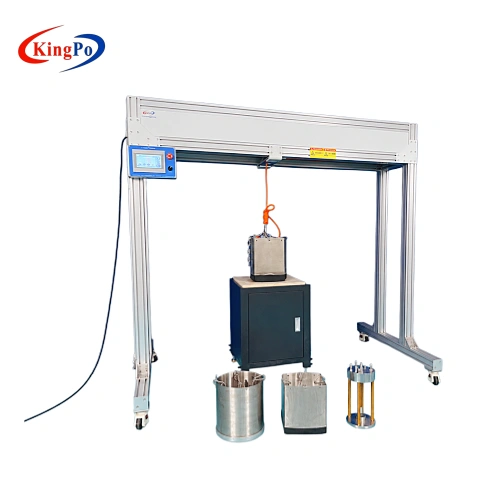
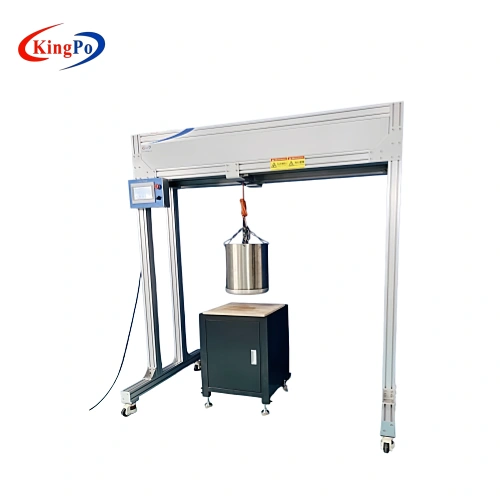
Front-right angle view showing the aluminum frame, control panel and loading=
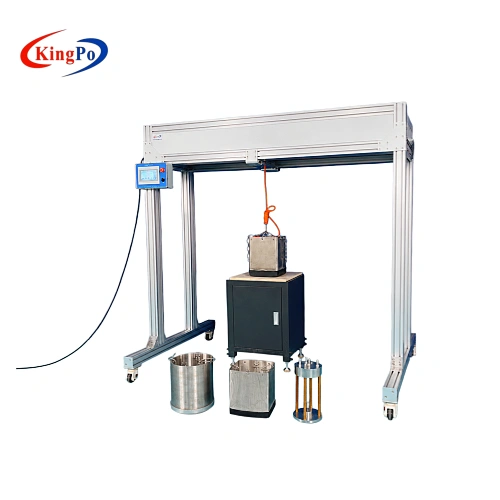
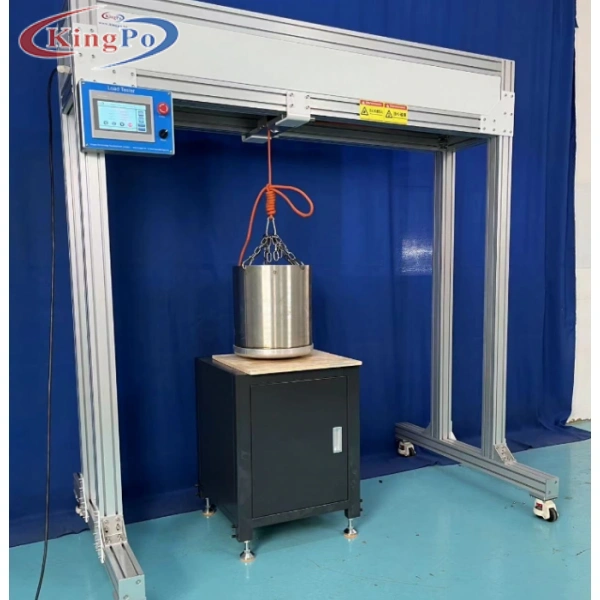
Front-left angle view of the IEC 60601-2-52 medical bed load and impact test system
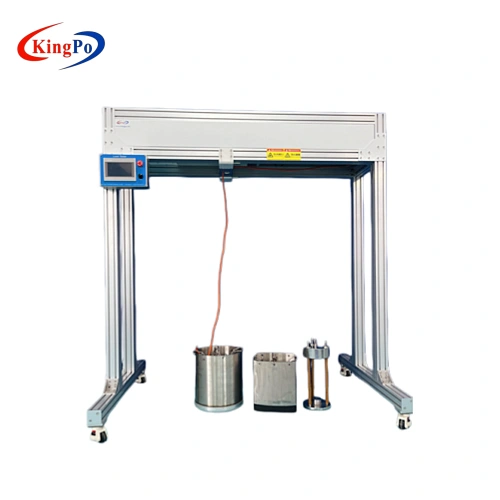
Front view of the medical bed load and impact test system with loading=
IEC 60601-2-52 Medical Bed Tester, Dynamic Forces due to Loading from Persons, Medical Beds Strength and Durability Tester
KP-6061C Medical Bed Load and Impact Test System for IEC 60601-2-52 related medical bed testing
Front-right angle view showing the aluminum frame, control panel and loading=
Front-left angle view of the IEC 60601-2-52 medical bed load and impact test system
Front view of the medical bed load and impact test system with loading=
IEC 60601-2-52 Medical Bed Tester, Dynamic Forces due to Loading from Persons, Medical Beds Strength and Durability Tester

IEC 60601-2-52 Medical Bed Load and Impact Test System

The Medical Bed Load and Impact Test System, model KP-6061C, is designed for dynamic loading, mattress support platform impact, body-weight load simulation and stability-related pressure loading tests for medical beds. It supports selected test methods related to IEC 60601-2-52, YY 9706.252-2021 and GB 9706.1-2020.

  • Model: KP-6061C
  • Related standards: IEC 60601-2-52, YY 9706.252-2021, GB 9706.1-2020
  • Test modules: Dynamic loading, mattress support impact, body-weight load simulation, stability pressure loading
  • Dynamic loading force: 0–1500 N
  • Impact height: 180 mm; adjustable range 0–300 mm
  • Maximum test sample size: 3000 × 1800 × 1500 mm
  • Control system: PLC + 7-inch touchscreen
  • Drive system: Servo motor + ball screw
  • Applications: Medical beds, hospital beds, nursing beds, rehabilitation beds

Medical Bed Load and Impact Test System Overview

Standards & Test Method Support

The KP-6061C is designed to support selected mechanical test methods for medical beds according to IEC 60601-2-52, YY 9706.252-2021 and GB 9706.1-2020.

The main test items include dynamic loading from persons, mattress support platform impact, body-weight dynamic load simulation and stability-related pressure loading. These functions help laboratories evaluate medical bed strength, durability and mechanical safety under controlled test conditions.

For projects involving the updated IEC 80601-2-52:2026 standard, clause-by-clause review is recommended before applying new-standard requirements to existing test equipment.

System Configuration

The KP-6061C integrates a servo-driven lifting mechanism, loading pad, impactor assembly, counterweight loading components, PLC control system and touchscreen interface in one aluminum profile frame. The system allows operators to select different test modules and set force, height and cycle parameters according to the selected test method.

Medical Bed Load and Impact Test System Specifications

Key Specifications
Item Specification
Model KP-6061C
Product Type Medical bed load and impact test system
Related Standards IEC 60601-2-52, YY 9706.252-2021, GB 9706.1-2020
Control System PLC + 7-inch touchscreen
Drive System Servo motor + ball screw
Frame Structure Aluminum profile frame
Power Supply AC 220 V, 50 Hz
Equipment Size 2050 × 1200 × 2100 mm
Maximum Test Sample Size 3000 × 1800 × 1500 mm
Typical Samples Medical beds, hospital beds, nursing beds

Test Modules

The system supports four main test modules: dynamic loading from persons, mattress support platform impact, body-weight dynamic load simulation and stability-related pressure loading. Each module is configured with corresponding loading tools, impact components or counterweight mechanisms to match different medical bed mechanical test requirements.

Test Function Parameters

Test Function Key Parameters Notes
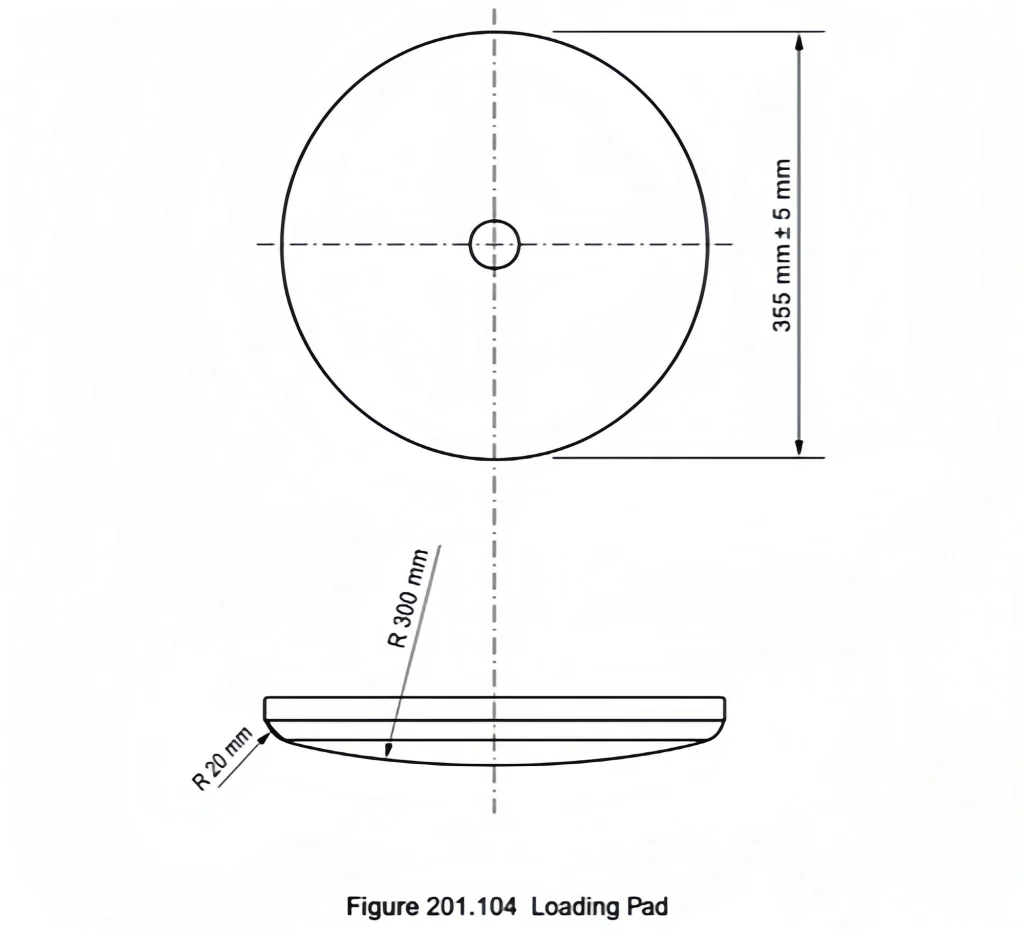
Dynamic Loading from Persons Force range: 0–1500 N; cycles: 0–99,999 adjustable Uses loading pad according to YY 9706.252-2021 Figure 201.104
Loading Pad Diameter: 355 mm For medical bed dynamic loading tests
Mattress Support Platform Impact Impact height: 180 mm; adjustable 0–300 mm; cycles: 0–99,999 adjustable For mattress support platform impact evaluation
Impactor Diameter: 200 mm; body weight: 17 kg; total weight: 25 kg Impact test module
Body-Weight Dynamic Load Simulation Load range: 0–1400 N; impact height: 0–300 mm adjustable; cycles: 0–9,999 Uses counterweight and hard foam model
Stability / Pressure Loading Force range: 0–1300 N; loading plane: 20 cm × 20 cm For stability-related pressure loading
Safety Protection Stroke protection and safety rope design Helps reduce risk during instability testing
Loading pad according to YY 9706.252 Figure 201.104 for medical bed dynamic loading test

Standards and Test Item Mapping

Related Standard / Clause Test Item KP-6061C Function
IEC 60601-2-52 Medical bed mechanical safety and durability related tests Medical bed load and impact testing
YY 9706.252-2021 201.9.8.3.3.1 Dynamic forces due to loading from persons Dynamic loading module
YY 9706.252-2021 Annex CC.2.2 Mattress support platform impact test Impact test module
GB 9706.1-2020 9.4.2.3 Instability test Stability / pressure loading module
GB 9706.1-2020 9.8.3.3 Dynamic load from human body weight Body-weight dynamic load module
IEC 80601-2-52:2026 Updated adult medical bed standard reference For future standard transition review


Testing Principle

The KP-6061C simulates mechanical loads and impact conditions that medical beds may experience during normal use and foreseeable handling.
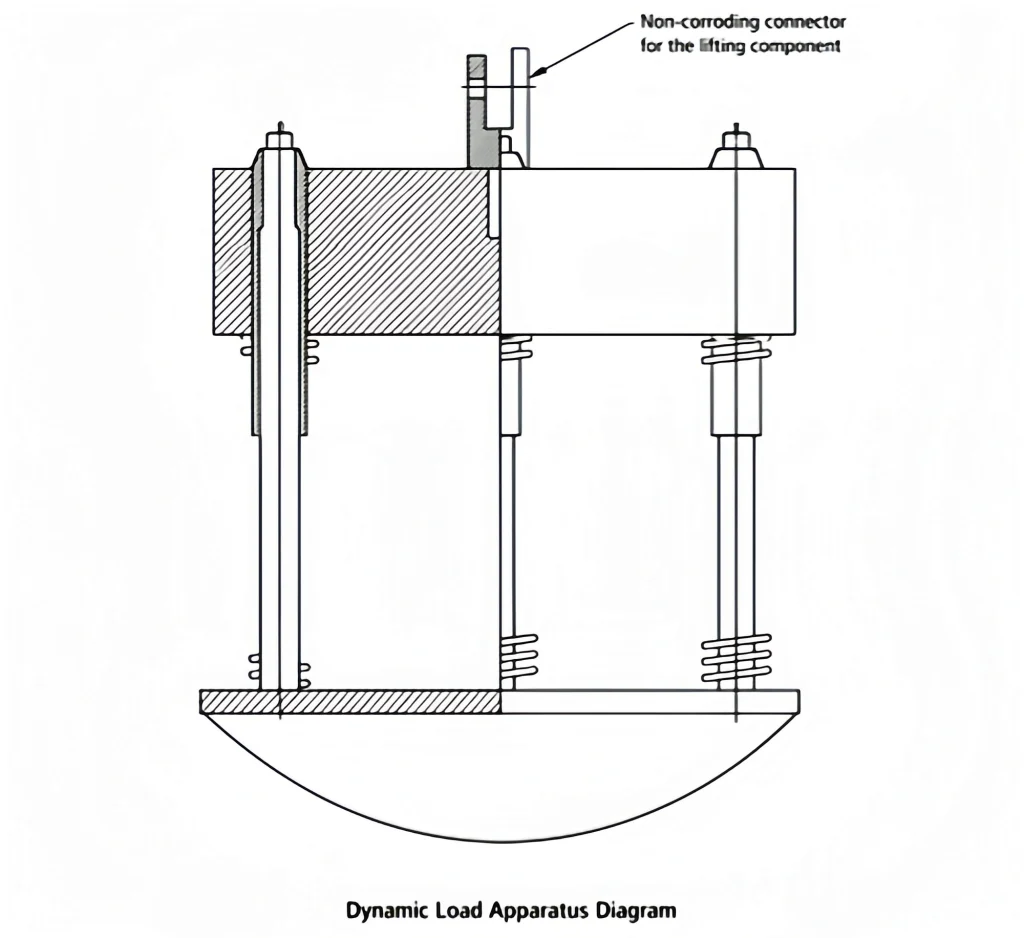
Body-weight dynamic load apparatus diagram for GB 9706.1 medical electrical equipment testing

Depending on the selected test module, the system can apply cyclic loading through a standard loading pad, drop a defined impactor onto the mattress support platform, simulate body-weight dynamic loading with counterweights, or apply pressure loading for stability-related evaluation.

The servo motor and ball screw drive helps provide controlled and repeatable force application. Test parameters such as force, impact height and cycle count can be set through the touchscreen interface, allowing operators to run standardized test sequences with stroke protection and safety control.
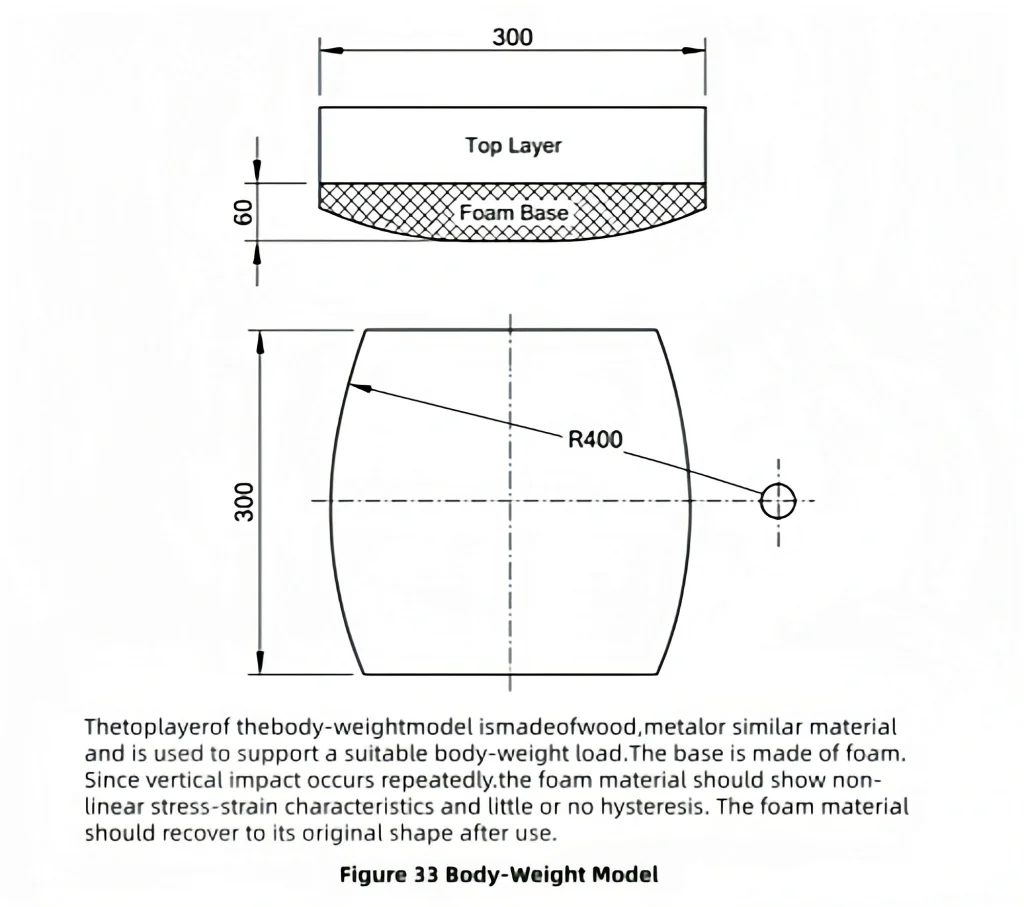
Body-weight load model diagram for medical bed dynamic load simulation

Test Accuracy and Operation Notes

To maintain consistent and repeatable test results, the following practices are recommended:

  • Confirm the correct position of the loading pad, impactor and fixture before each test series.
  • Verify the force sensor and loading mechanism before starting a new test batch.
  • Ensure the medical bed sample is properly positioned and secured on the test platform.
  • Set loading force, impact height and cycle count according to the selected test method and applicable standard clause.
  • Regularly inspect the servo drive, ball screw, safety rope and stroke protection system.

Applications and Laboratory Use

The KP-6061C is suitable for mechanical safety and durability testing of:

  • Medical beds
  • Hospital beds
  • Nursing beds
  • Rehabilitation beds
  • Adjustable medical bed structures
  • Bed frames with mattress support platforms

Typical use cases include production quality control, incoming inspection, R&D verification, type testing support and delivery documentation for medical bed manufacturers and testing laboratories.

Metrological Integrity and Validation

Before delivery, KingPo performs factory verification of key loading, motion and safety functions to confirm baseline operation.

Regular verification of force sensors, displacement measurement, loading fixtures and impact mechanisms is recommended to maintain repeatable test results. Calibration reports from qualified or CNAS-accredited laboratories can be arranged upon request, depending on the measurement items and project requirements.

Fixture customization and test report format adaptation are available according to the customer’s medical bed type, sample dimensions and laboratory workflow.

Download Product Documentation

Download the product document for the IEC 60601-2-52 Medical Bed Load and Impact Test System,
including product overview, related standards, test functions and technical specifications.

Technical Inquiry & Expert Support

KingPo offers the KP-6061C Medical Bed Load and Impact Test System for mechanical safety and durability evaluation of medical beds. Our engineering team can provide support for test setup, fixture customization, loading pad configuration, laboratory layout planning and standard clause interpretation.

To recommend the correct configuration, please provide the medical bed type, maximum bed size, required standard, target test items, preferred power supply and whether customized fixtures or test report format are required.

Referenced Standards

* IEC 60601-2-52 — Medical electrical equipment — Particular requirements for the basic safety and essential performance of medical beds

* YY 9706.252-2021 — 医用电气设备 第2-52部分:医用病床的基本安全和基本性能专用要求

* GB 9706.1-2020 — Medical electrical equipment — General requirements for basic safety and essential performance

* IEC 80601-2-52:2026 — Updated international standard context for adult medical beds

IEC 60601-2-52 Medical Bed Load and Impact Test System Detail Display

FAQ

What is the Medical Bed Load and Impact Test System used for?
The Medical Bed Load and Impact Test System is used to evaluate mechanical strength, durability and stability-related performance of medical beds. The KP-6061C supports dynamic loading from persons, mattress support platform impact, body-weight load simulation and pressure loading tests. It is suitable for medical bed manufacturers, testing laboratories and quality control departments working with IEC 60601-2-52, YY 9706.252-2021 and GB 9706.1-2020 related test methods.
Which standards are related to this medical bed test system?
The KP-6061C is designed to support selected test methods related to IEC 60601-2-52, YY 9706.252-2021 and GB 9706.1-2020. These standards cover medical bed safety, essential performance, mechanical loading and stability-related requirements. The system is not a certification service by itself; final compliance should be evaluated according to the full applicable standard, product design, risk management documentation and laboratory test procedure.
Can this system be used for IEC 60601-2-52 medical bed testing?
Yes. The Medical Bed Load and Impact Test System supports selected mechanical test applications related to IEC 60601-2-52 medical bed testing. It can be configured for dynamic loading, mattress support platform impact and body-weight simulation tests. Since IEC 60601-2-52 contains multiple requirements beyond mechanical testing, users should confirm the required clauses and test plan before selecting the final system configuration.
What types of medical beds can be tested with the KP-6061C?
The KP-6061C is suitable for medical beds, hospital beds, nursing beds, rehabilitation beds and bed frames with mattress support platforms. It is mainly intended for structures that require mechanical loading, impact and stability-related evaluation. Before quotation or configuration confirmation, customers should provide the bed type, maximum sample size, test items, target standard and any special fixture requirements.
What test modules are included in the KP-6061C system?
The KP-6061C integrates multiple test modules in one platform, including dynamic loading from persons, mattress support platform impact, body-weight dynamic load simulation and stability-related pressure loading. These functions help laboratories perform controlled and repeatable tests for medical bed strength and durability. Different modules use corresponding loading tools, impact components, counterweights or pressure-loading arrangements depending on the selected test method.
Is the loading force and impact height adjustable?
Yes. The KP-6061C is designed with adjustable test settings for different loading and impact requirements. According to the provided specification, the dynamic loading force, impact height and test cycles can be set according to the selected test method. Operators can use the PLC and touchscreen interface to configure parameters such as force, height and cycle count before running the test sequence.
Does the system include the loading pad for medical bed dynamic loading tests?
The KP-6061C specification includes a loading pad manufactured according to the relevant medical bed test figure referenced in YY 9706.252-2021. The loading pad is used for dynamic loading from persons and related body-weight loading simulations. Customers should confirm the required loading pad configuration, contact surface and fixture arrangement according to the target test clause and medical bed structure.
Can KingPo customize fixtures for different medical bed designs?
Yes. Fixture customization can be discussed according to the customer’s medical bed type, sample dimensions and target test items. Medical beds may differ in frame structure, mattress support platform, side components and loading positions. Providing drawings, product photos, maximum sample size and required standard clauses helps KingPo recommend a more suitable loading arrangement, fixture design and laboratory layout proposal.
What should customers provide before requesting a quotation?
To recommend the correct Medical Bed Load and Impact Test System configuration, customers should provide the medical bed type, maximum bed size, target standard, required test clauses, loading direction, expected test modules and local power requirements. If special fixtures, report format adaptation, calibration documents or laboratory layout support are needed, these requirements should also be mentioned during the inquiry stage.
Can calibration or verification documents be provided?
KingPo performs factory verification of key loading, motion and safety functions before delivery to confirm baseline operation. For measurement-related items, calibration reports from qualified or accredited third-party laboratories can be arranged upon request, depending on the project requirements and local regulations. Regular verification of force sensors, loading mechanisms, fixtures and safety devices is recommended to maintain stable and repeatable test results.

Related Products

Related News

Ensure IEC 60601 compliance in 2026 with Defib-proof and Energy Reduction Tester for safer, faster medical device approval and reliable patient protection.
IP Testing Equipment simulates dust and water exposure, ensuring products resist harsh environments and avoid failures by meeting global standards.

Essential equipment for residual voltage testing under IEC 60601-1, IEC 60335-1, IEC 61010-1, IEC 62368-1 and similar safety standards. 1. […]

Shan Chao 1 , Qiang Xiaolong 2 , Liu jiming 3 , Zhang Chao 3 . (1. Heilongjiang Institute for […]

Abstract Thermage, a non-invasive radiofrequency (RF) skin tightening technology, is widely used in medical aesthetics. With operating frequencies increasing to […]

Dynamic Compensation Implementation for High-Frequency Electrosurgical Unit Testing Using High-Frequency LCR or Network Analyzers Above MHz Shan Chao1, Qiang Xiaolong2, […]

Scroll to Top

Get A Free Quote Now !

Contact Form
If you have any questions, please do not hesitate to contact us.