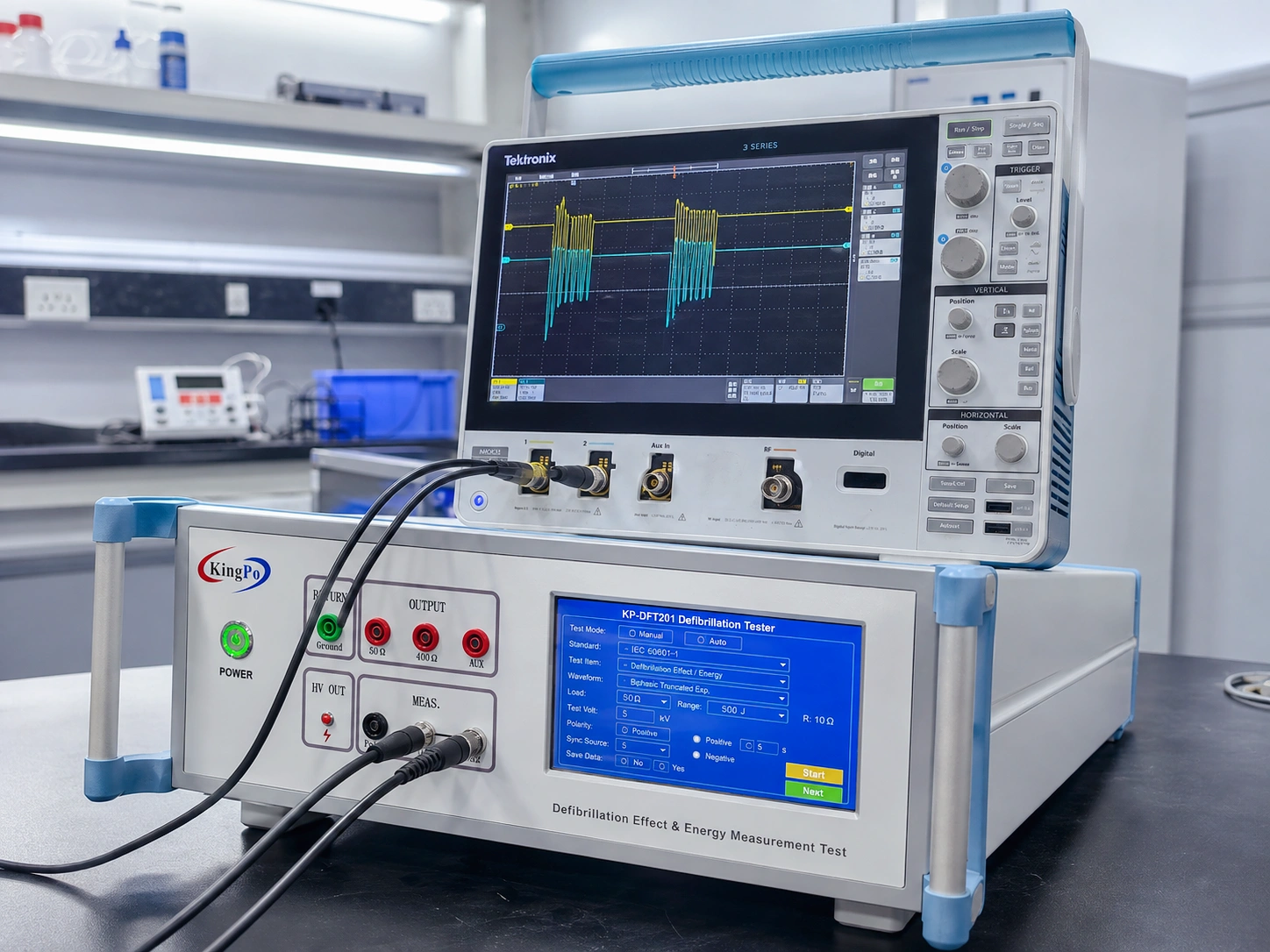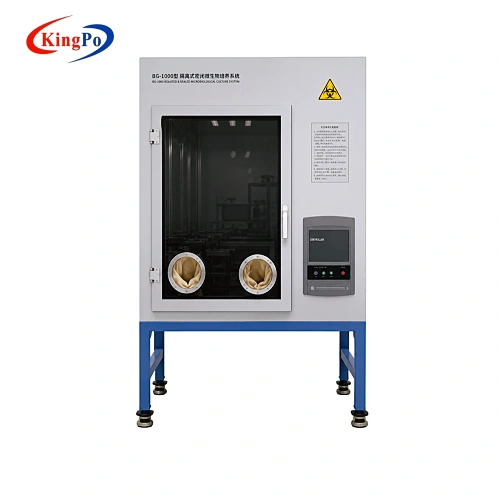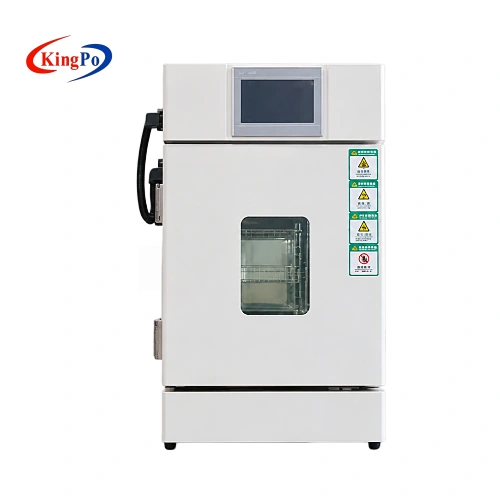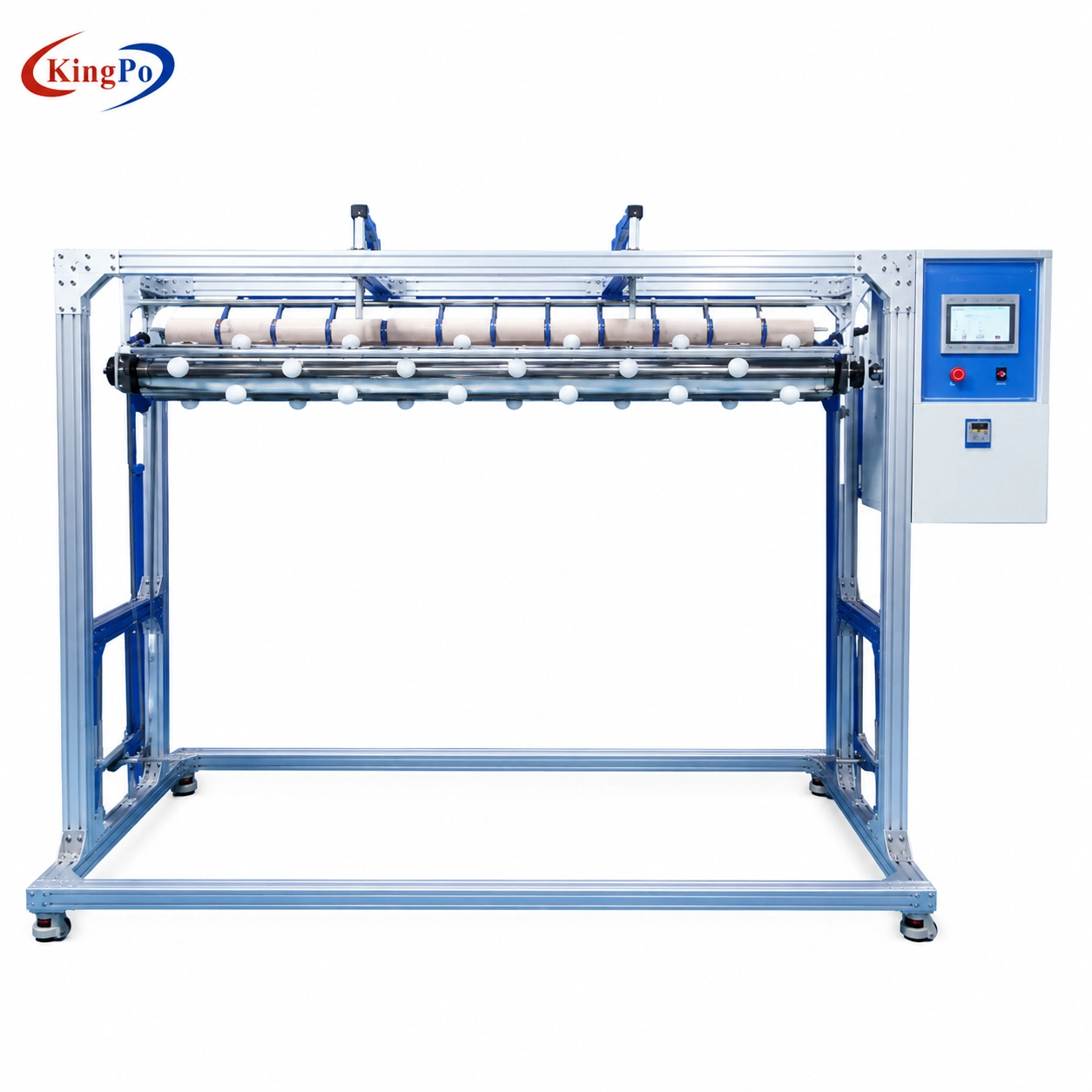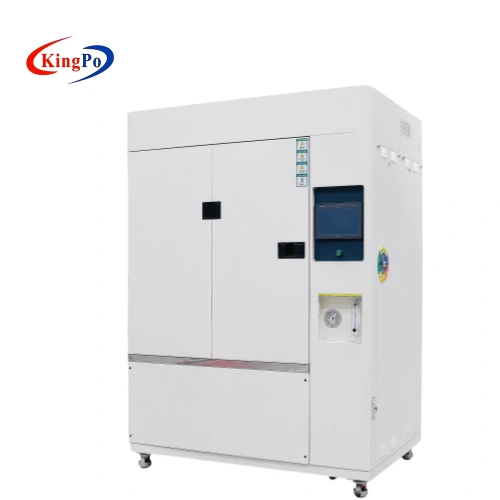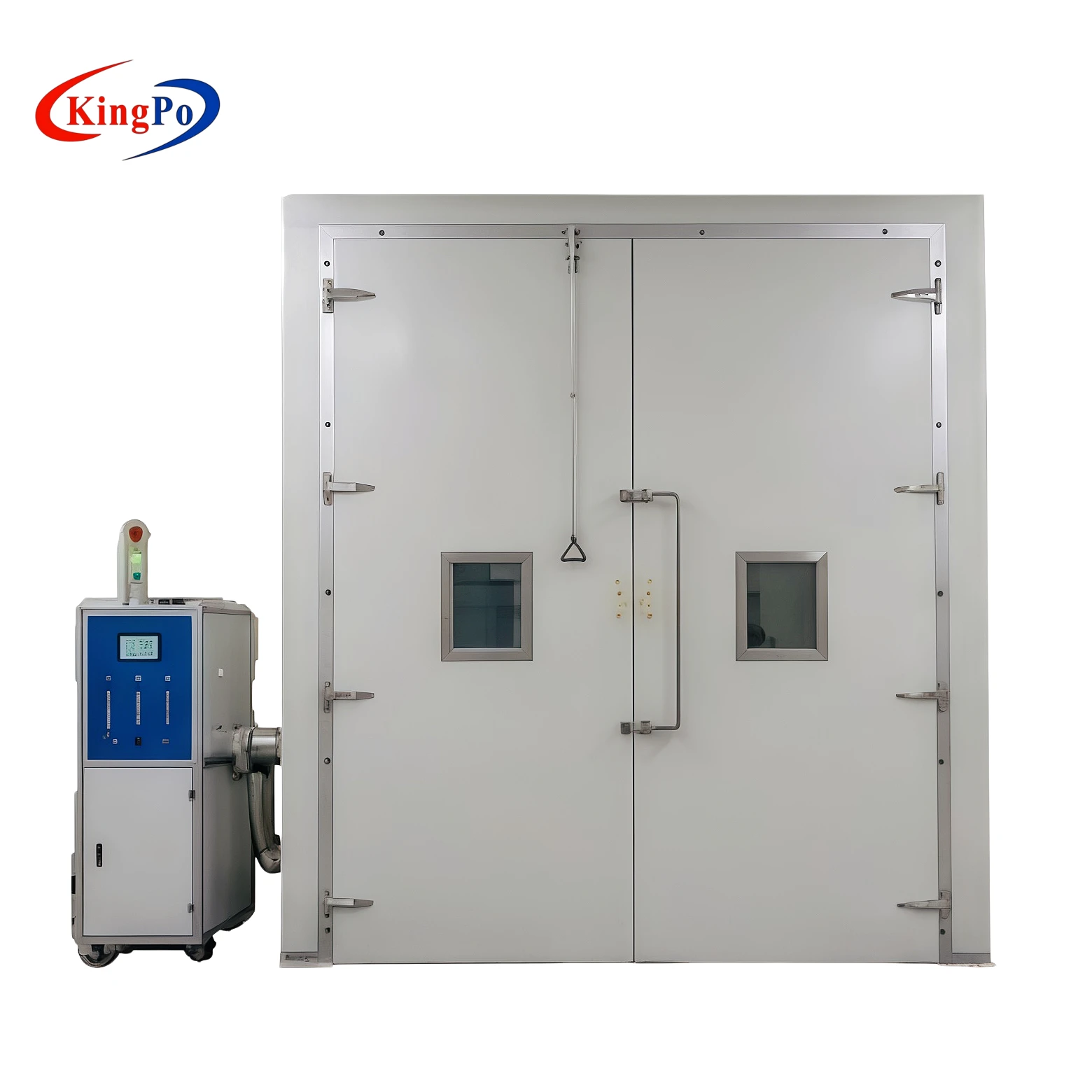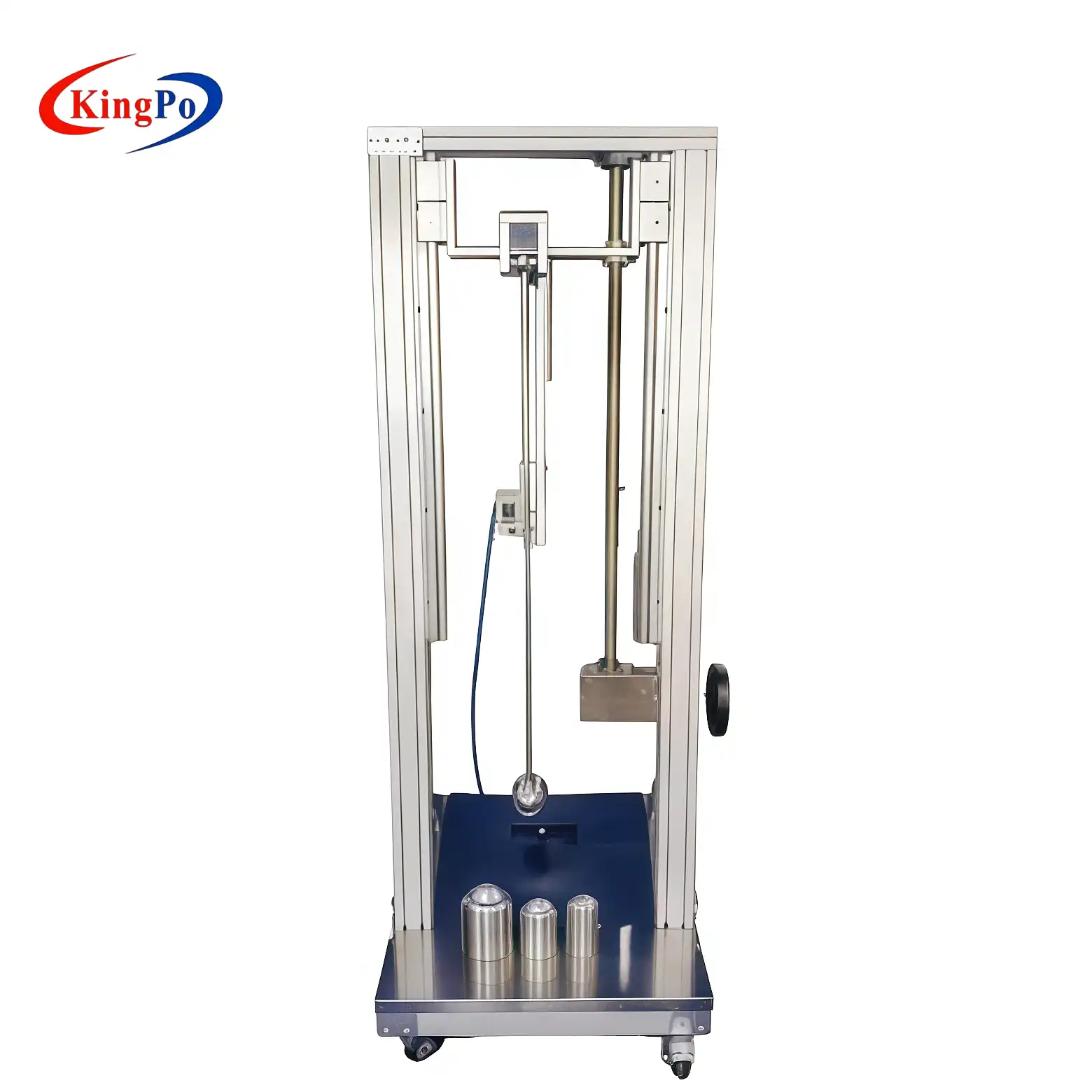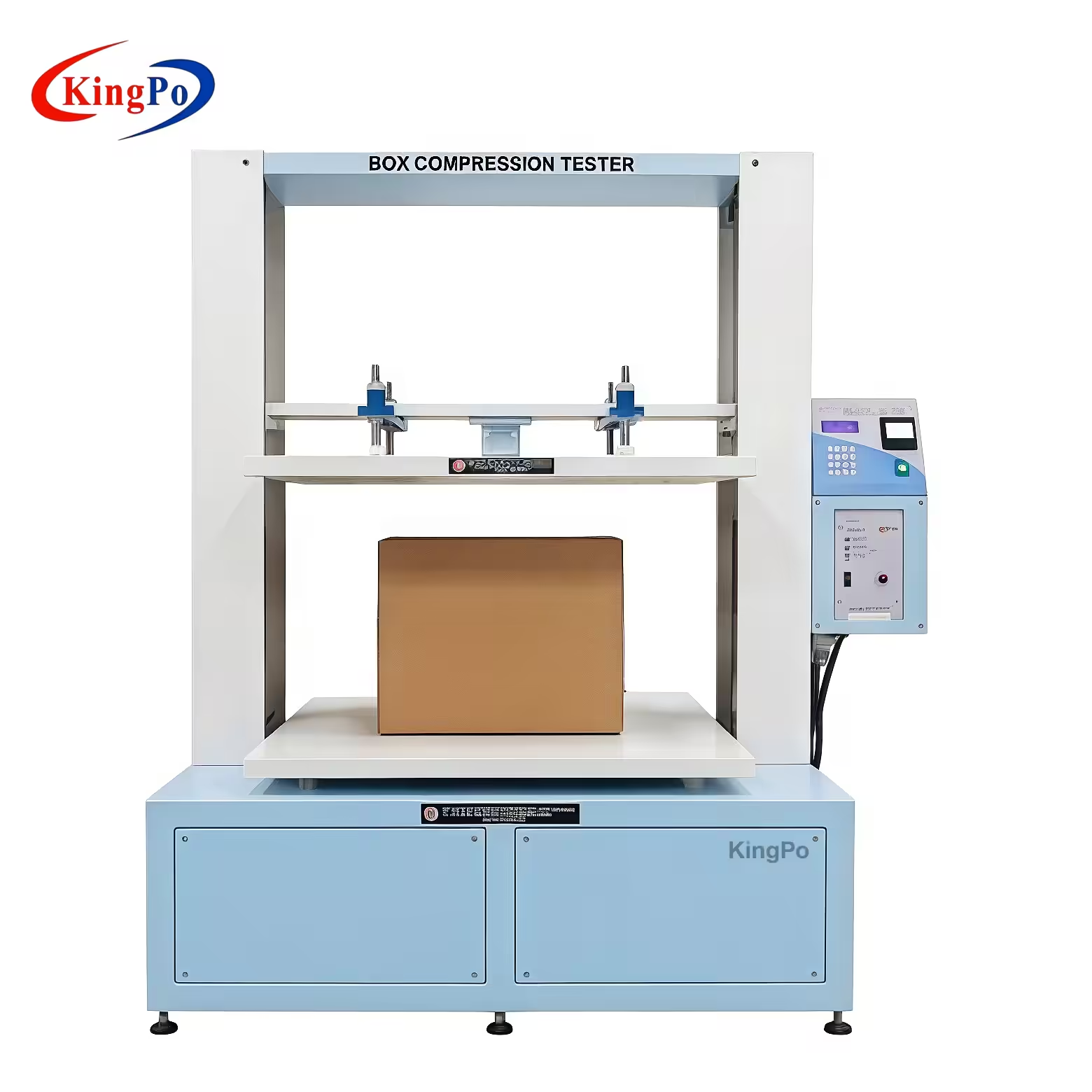
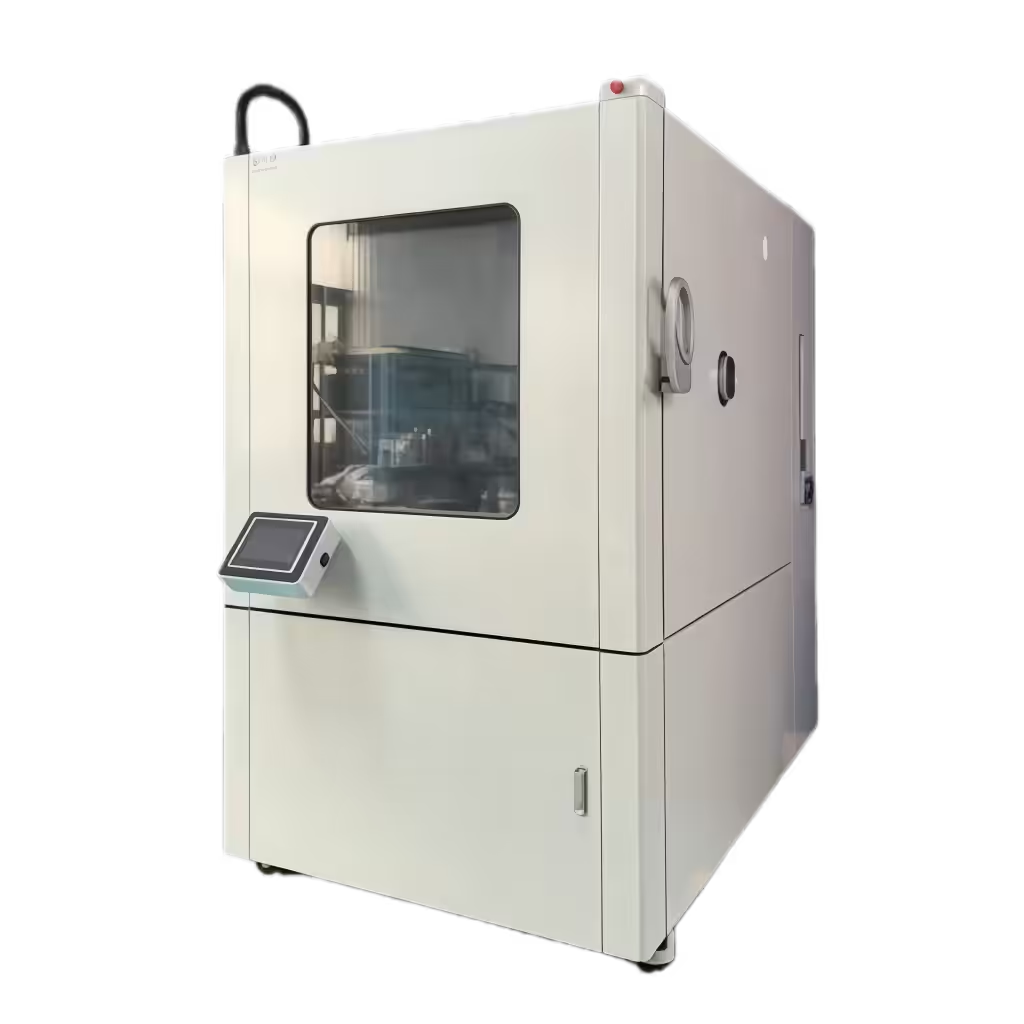
In the field of environmental reliability testing for electrical, electronic, and electromechanical products, the IEC 60068 series of standards provides globally recognized test methods to simulate real-world stresses such as temperature, humidity, vibration, and corrosion. Kingpo high-precision Environmental Test Chambers fully comply with IEC 60068-1, IEC 60068-2, and related parts, delivering repeatable, standardized, and energy-efficient testing solutions for laboratories, R&D teams, and quality control departments in consumer electronics, battery, EV charging, and appliance industries.
This in-depth guide explains the purpose, structure, key test methods, practical implementation, benefits, and recent developments of IEC 60068. Written with authority and clarity, it draws from official IEC publications and industry consensus to help engineers, quality professionals, and certification bodies apply the standard effectively.
What Is IEC 60068 and Why Does It Matter?
IEC 60068 defines a systematic framework for environmental testing of electrotechnical products. Its primary goal is to verify that components, equipment, and systems can withstand — or at least survive without unacceptable degradation — the environmental conditions encountered during transportation, storage, and operational life.
Key environmental stresses covered include:
- Extreme temperatures (cold and dry heat)
- Humidity and condensation
- Mechanical stresses (vibration, shock, acceleration)
- Corrosive atmospheres (salt mist, mixed flowing gas)
- Low air pressure, dust, water ingress, and solar radiation
By providing repeatable, internationally harmonized test methods, IEC 60068 enables:
- Objective comparison of product robustness
- Early identification of design weaknesses
- Compliance with market access requirements (CE marking, UL, CCC, automotive IATF 16949, etc.)
- Reduced field failure rates and warranty costs
The series has evolved continuously since the 1960s. Recent editions (especially in the 2023–2025 period) reflect advances in materials, lead-free processes, accelerated testing techniques, and emerging applications such as electric vehicles, 5G infrastructure, and renewable energy systems.
Structure of the IEC 60068 Series
The standard is organized into three main parts, forming a logical workflow from general principles to detailed execution and supporting information.
IEC 60068-1: General and Guidance
This foundational document (latest edition: IEC 60068-1:2013, stable until at least 2027) outlines:
- Standard atmospheric conditions for measurements and tests
- Definitions (e.g., heat-dissipating vs. non-heat-dissipating specimens)
- The environmental test tailoring process — a critical methodology that allows users to customize severity levels based on the product’s expected life cycle and real deployment environment
- Guidance on test sequence, preconditioning, recovery periods, and acceptance criteria
Tailoring is especially valuable: instead of applying blanket severities, users analyze mission profiles (transport → storage → operation) and select appropriate parameters, avoiding over-testing (costly) or under-testing (risky).
IEC 60068-2: Tests
This is the largest and most frequently referenced part, containing dozens of individual test methods (over 80 published, with some consolidated or withdrawn over time). Each test is designated as “Test X” (e.g., Test A: Cold, Test B: Dry heat).
Recent major updates include:
- IEC 60068-2-1:2025 (7th edition) — Cold tests
- IEC 60068-2-2:2025 (6th edition) — Dry heat tests
- IEC 60068-2-30:2025 (4th edition) — Damp heat, cyclic
- IEC 60068-2-78:2025 (3rd edition) — Damp heat, steady state
These revisions incorporate improved figures, clarified procedures for heat-dissipating specimens, updated severity tables, and better alignment with modern reliability expectations.
IEC 60068-3: Supporting Documentation and Guidance
These auxiliary publications provide background, calculation methods, and best practices:
- IEC 60068-3-1: Supporting documentation for cold and dry heat tests
- IEC 60068-3-4: Wet heat guidance
- IEC 60068-3-5 / -3-6: Confirmation of performance of temperature / climatic chambers
- IEC 60068-3-8: Selecting vibration tests
- IEC 60068-3-11: Calculation of uncertainty in climatic chambers
These documents ensure laboratories achieve traceable, reproducible results compliant with ISO/IEC 17025 accreditation requirements.
Kingpo Environmental Test Chambers for IEC 60068 Compliance
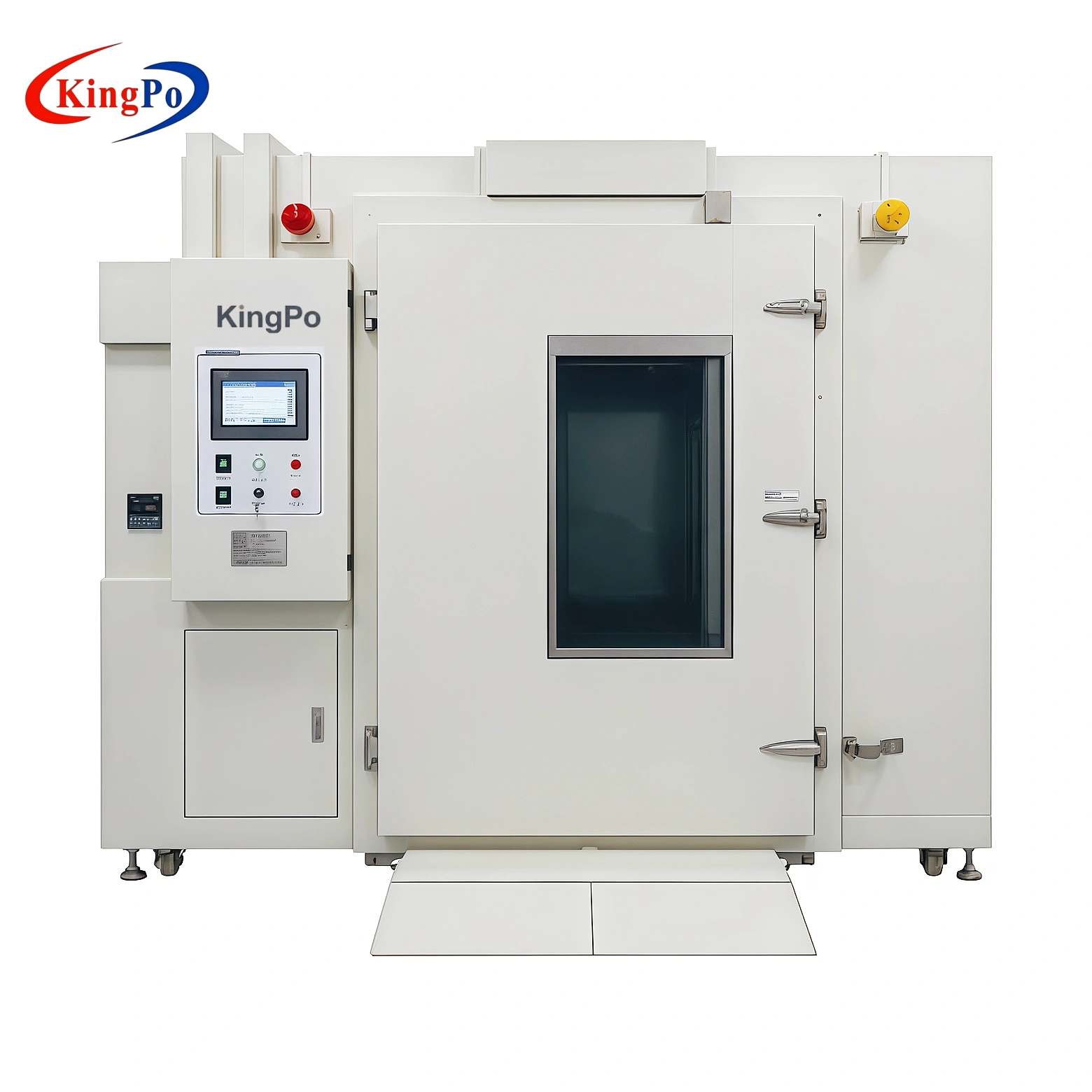
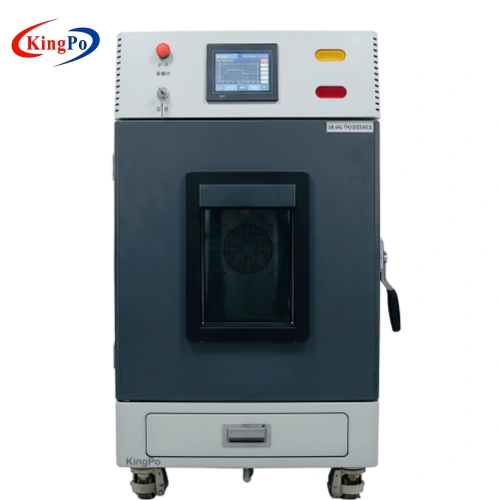
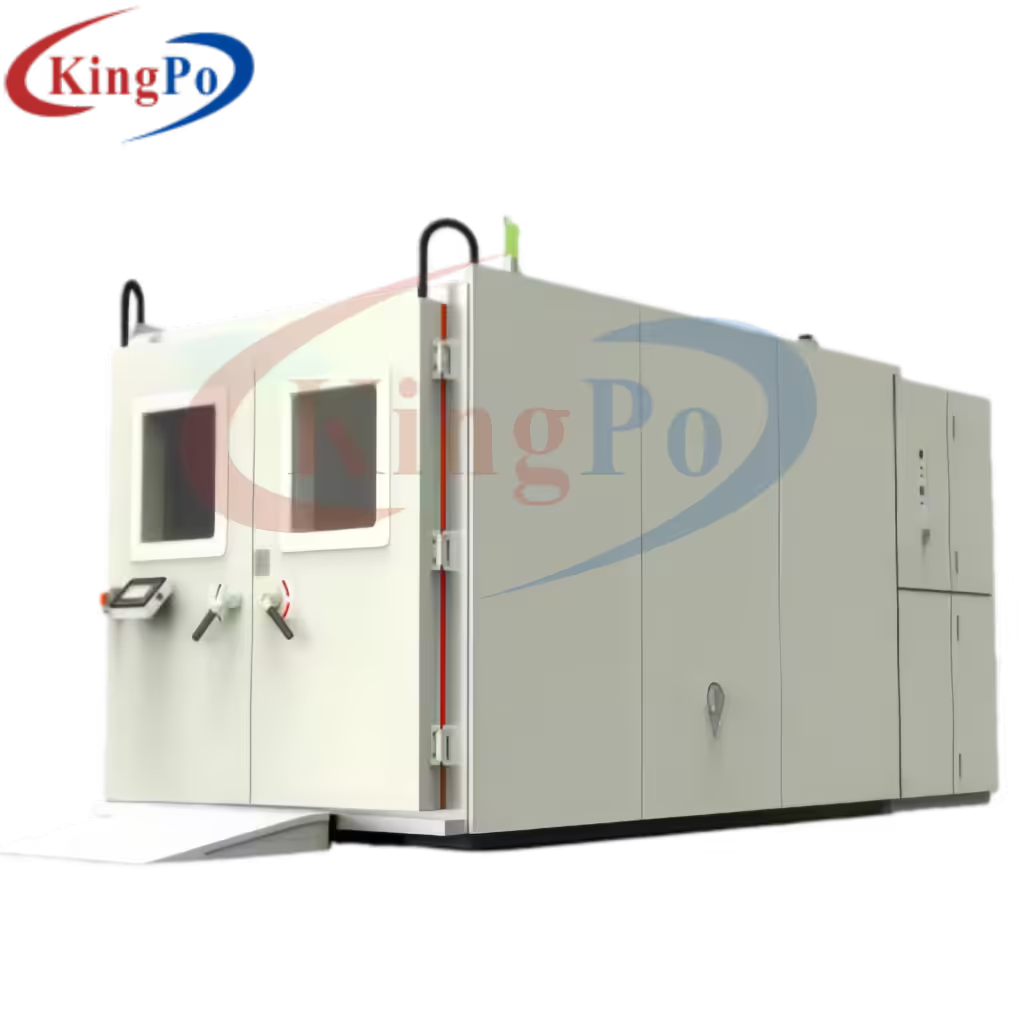
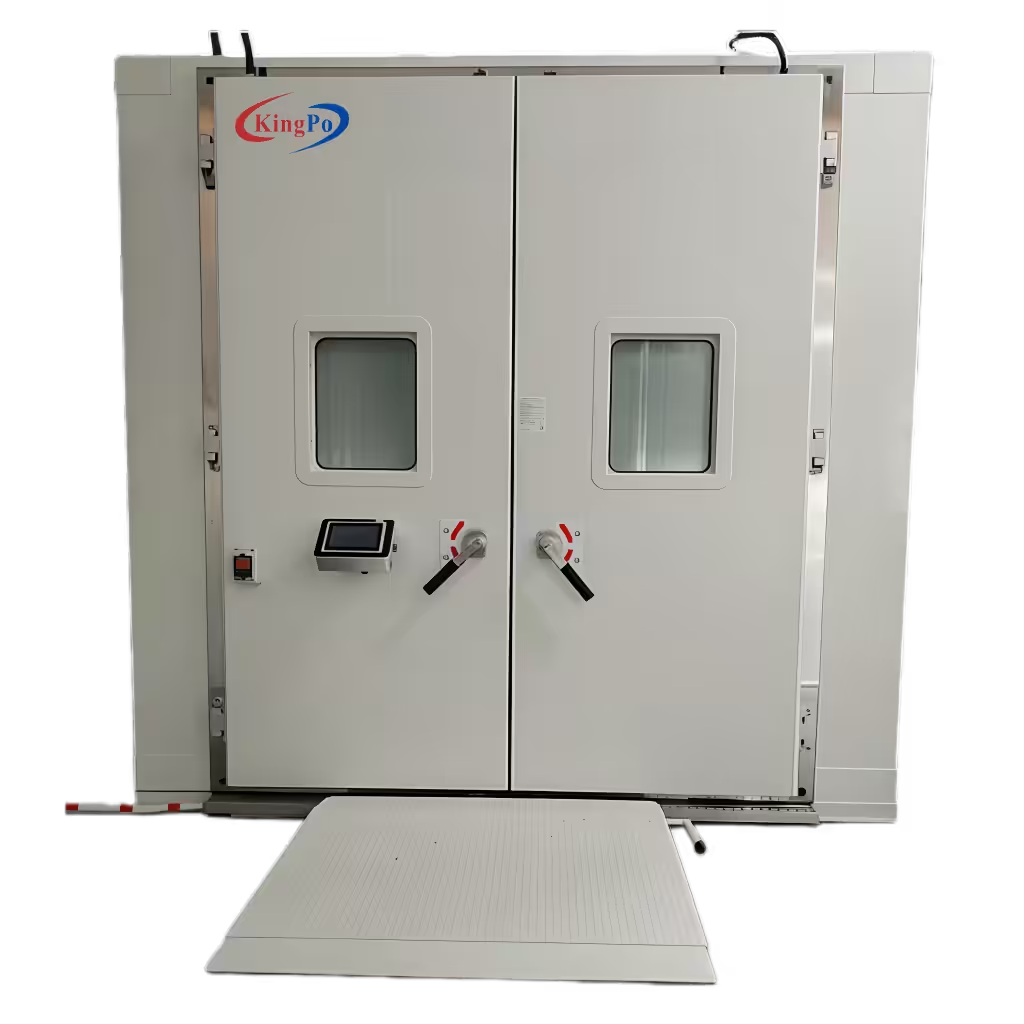
Kingpo Technology Development Limited, with over 20 years of independent R&D expertise, designs and manufactures a full range of Environmental Test Chambers that strictly meet IEC 60068 series requirements. Our chambers feature high temperature/humidity uniformity, precise vibration and shock control, corrosion testing capabilities, and advanced PLC-based data acquisition systems with real-time monitoring and automatic report generation.
Key advantages include:
- Energy-saving regenerative technology reducing operational costs by up to 50%
- Multi-layer safety protection and calibration traceability (supporting CNAS/ISO 17025)
- Customizable configurations for temperature cycling, humidity, vibration, and combined environmental stresses
- Long-term stability proven in 24/7 laboratory use across leading EV, battery, and electronics manufacturers
These features ensure your IEC 60068 testing delivers accurate, repeatable results while minimizing downtime and maintenance.
For complete technical specifications, model options, and application cases of Kingpo IEC 60068-compliant Environmental Test Chambers, please visit: https://www.dgkingpo.com/product/iec60068-temperature-and-humidity-chamber/
Key Test Methods in IEC 60068-2
Below are the most commonly applied tests, grouped by stress type, with purpose, typical severities, and application examples.
Temperature Tests
- IEC 60068-2-1 Test A: Cold Assesses low-temperature performance (operation, transport, storage). Severities: –65 °C to –10 °C, durations 2–96 hours. Variants: Ab (non-heat-dissipating, gradual), Ad/Ae (heat-dissipating, with power-on). Common in automotive ECUs, outdoor telecom gear, and high-altitude electronics.
- IEC 60068-2-2 Test B: Dry heat Evaluates high-temperature endurance. Severities: +70 °C to +180 °C (or higher for special cases), durations 2–672 hours. Used for engine-bay modules, solar inverters, and desert-deployed equipment.
- IEC 60068-2-14 Test N: Change of temperature Simulates rapid thermal cycling (e.g., day-night transitions or transport shock). Methods: Na (two-chamber transfer), Nb (single-chamber ramp), Nc (cyclic). Temperature differentials up to 100 K, cycles 1–100.
Humidity Tests
- IEC 60068-2-30 Test Db: Damp heat, cyclic (12 h + 12 h cycle) Reproduces condensation and breathing effects in diurnal cycles. Typical: 25 °C → 55 °C, 93–95 % RH, 2–56 cycles. Widely used for consumer electronics and outdoor enclosures.
- IEC 60068-2-78 Test Cab: Damp heat, steady state Long-term high-humidity exposure without condensation. Common: 40 °C / 93 % RH or 85 °C / 85 % RH, 4–56 days. Critical for tropical markets and medical devices.
- IEC 60068-2-38 Test Z/AD: Composite temperature/humidity cyclic Aggressive combined cycle including cold stages for accelerated stress.
Mechanical Tests
- IEC 60068-2-6 Test Fc: Vibration (sinusoidal) Detects resonance and fatigue from rotating machinery. Frequency range 10–500(–2000) Hz, acceleration 0.5–20 g.
- IEC 60068-2-64 Test Fh: Vibration, broadband random Realistic simulation of transportation or operational random vibration. PSD profiles (e.g., 0.01–1 (m/s²)²/Hz), duration per axis 1–16 hours.
- IEC 60068-2-27 Test Ea: Shock Half-sine pulses 15–100 g, 0.5–30 ms duration. For drop, collision, or handling simulation.
- IEC 60068-2-75 Test Eh: Hammer tests Impact resistance of enclosures.
Corrosive and Other Environmental Tests
- IEC 60068-2-11 Test Ka: Salt mist Continuous salt fog (5 % NaCl, 35 °C), 2–1000 hours.
- IEC 60068-2-52 Test Kb: Salt mist, cyclic Alternating salt fog + damp heat for marine-like exposure.
- IEC 60068-2-60 Test Ke: Flowing mixed gas corrosion Industrial pollutants (H₂S, NO₂, Cl₂, SO₂).
- IEC 60068-2-68 Test L: Dust and sand Blowing dust/sand abrasion and sealing checks.
- IEC 60068-2-5 Test Sa: Simulated solar radiation Thermal and photochemical effects.
Practical Implementation and Best Practices
Successful application follows these steps:
- Define the product’s environmental mission profile (reference IEC 60721 classification series).
- Tailor severities using IEC 60068-1 guidance.
- Select test sequence (climate tests usually precede mechanical to avoid masking failures).
- Use accredited laboratories with calibrated chambers (temperature uniformity ±0.5–2 °C, vibration force adequacy).
- Perform pre- and post-test functional/parametric measurements.
- Document results including photos, data logs, and measurement uncertainty.
Common pitfalls:
- Incorrect heat-dissipating classification → wrong temperature stabilization
- Inadequate fixture rigidity in vibration/shock tests
- Skipping recovery periods before final measurements
Benefits and Industry Applications
Adopting IEC 60068 delivers measurable value:
- Reliability improvement — field failure reductions of 30–70 % in many cases
- Cost efficiency — tailored testing avoids unnecessary severity
- Market access — satisfies global regulatory and customer requirements
- Risk mitigation — composite testing (climate + mechanical) better replicates reality
Major sectors relying on IEC 60068:
- Automotive (ECUs, sensors, batteries)
- Consumer & IT (smartphones, servers)
- Aerospace & defense
- Rail & marine
- Renewable energy (inverters, chargers)
- Medical devices
Recent Developments and Future Trends
As of 2026, TC 104 continues active revision:
- Multiple Part 2 tests updated in 2025 (cold, dry heat, cyclic damp heat, steady-state damp heat)
- Focus on accelerated methods, composite stresses, and sustainability (lead-free compatibility, extreme climates)
- Emerging interests: hydrogen-related environments, very wide temperature ranges, long-duration vibration history replication (e.g., IEC 60068-2-85)
Digital twins, AI-driven failure prediction, and integration with virtual qualification are gaining traction to complement physical testing.
Conclusion: Building Products That Endure
IEC 60068 is far more than a checklist — it is a disciplined engineering approach to turning environmental uncertainty into quantifiable confidence. By mastering its principles and applying them thoughtfully, manufacturers create safer, longer-lasting, and more competitive products.
For the most accurate implementation, always consult the latest editions directly from the IEC Webstore. Laboratories, certification bodies, and industry consortia can provide tailored support for specific product categories.
By combining in-depth understanding of IEC 60068 standards with Kingpo’s proven environmental testing solutions, laboratories can effectively identify design weaknesses early, improve product reliability, and accelerate international certification.
For complete technical specifications, model options, and application cases of Kingpo IEC 60068-compliant Environmental Test Chambers, please visit: https://www.dgkingpo.com/product/iec60068-temperature-and-humidity-chamber/