For medical device manufacturers, R&D engineers and testing laboratories, selecting the correct ISO 80369-7 Luer gauge or reference connector is an important step before connector verification. A wrong gauge selection may lead to an unsuitable mating interface, unclear test setup or repeated communication during quotation.
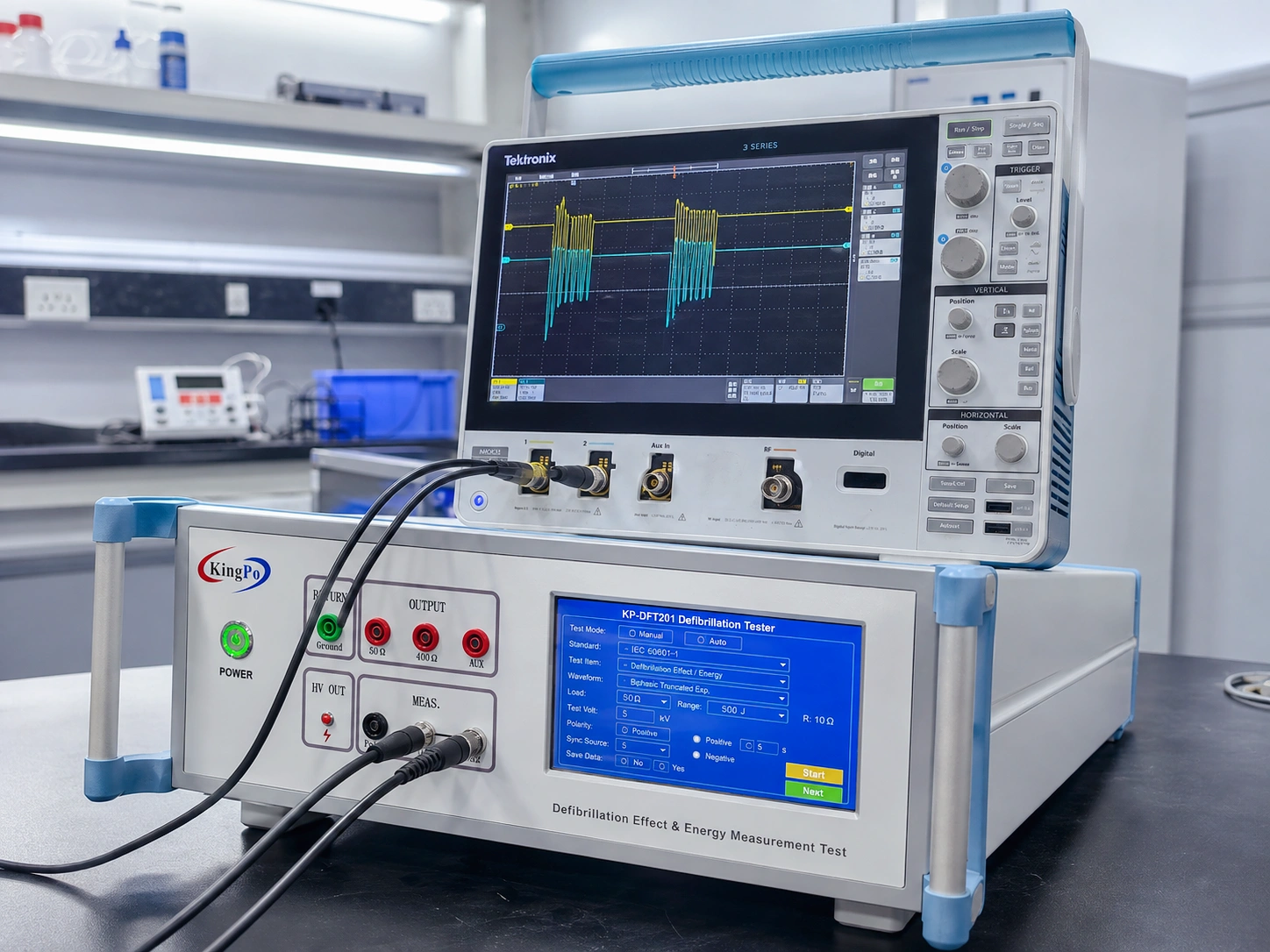
This guide explains how to choose between ISO 80369-7 Luer Gauge Set, Figure C.1 to C.6 reference connectors, Male Plug Gauge and Female Ring Gauge. It also explains when related ISO 80369-20 test equipment is required for leakage, air leakage or axial load testing.
Key Takeaways
- ISO 80369-7 Luer gauges and reference connectors are used for Luer connector verification, reference mating and dimensional / fit checking.
- Figure C.1 to C.6 reference connectors are different from Male Plug Gauge and Female Ring Gauge.
- Male Luer samples usually require female reference connectors or the Female Ring Gauge.
- Female Luer samples usually require male reference connectors or the Male Plug Gauge.
- Functional tests such as liquid leakage, subatmospheric air leakage and axial load testing usually require ISO 80369-20 test equipment.
What Is an ISO 80369-7 Luer Gauge Set?
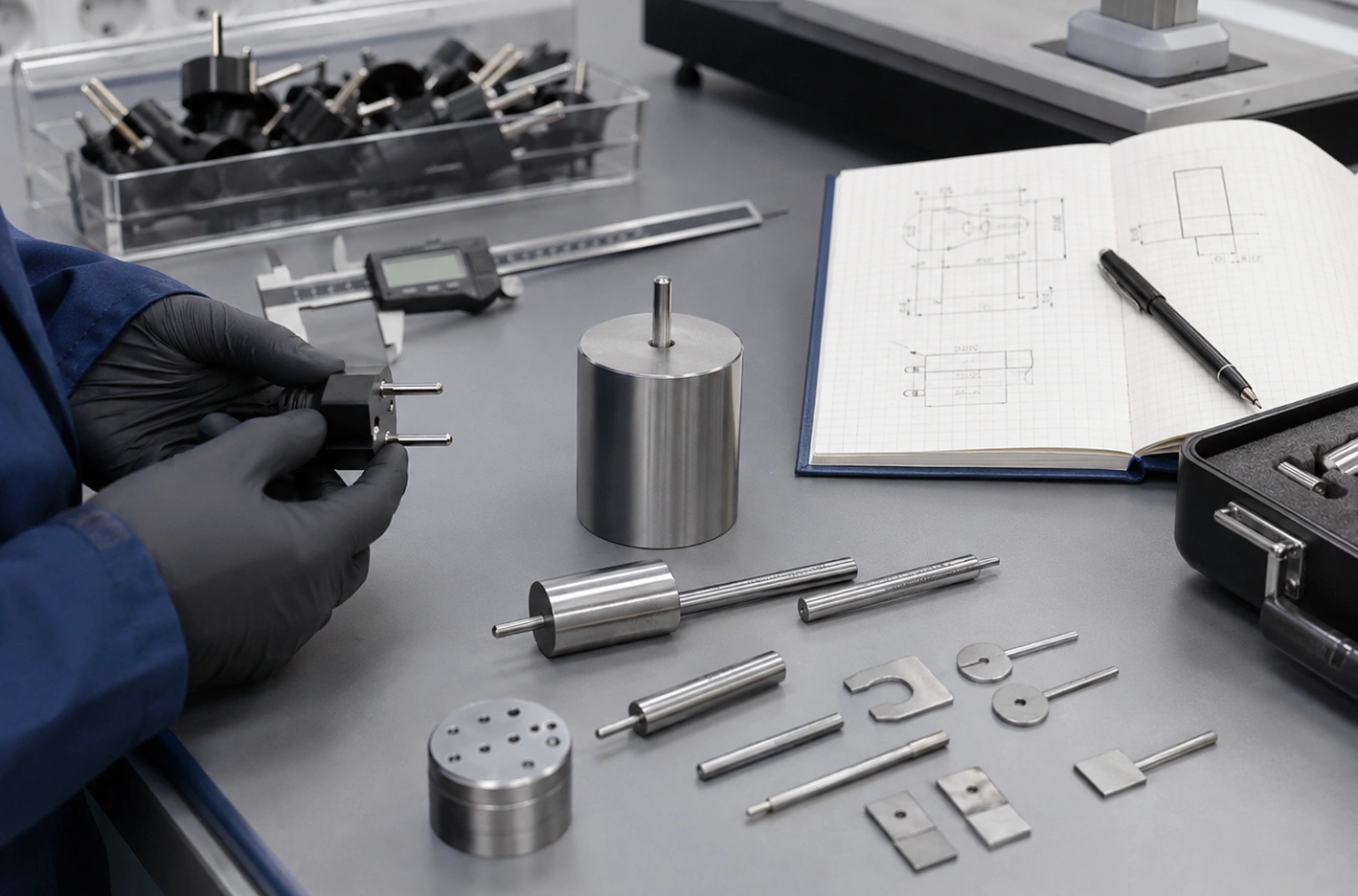
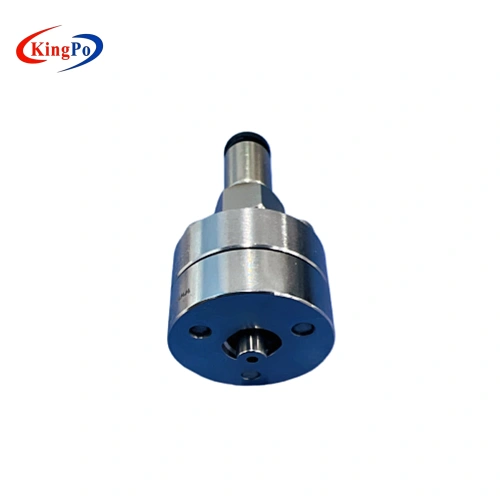
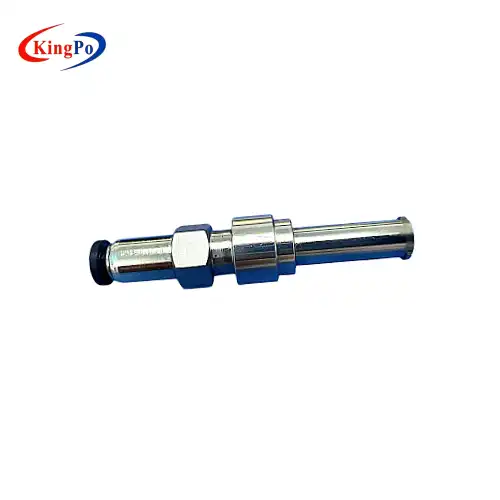
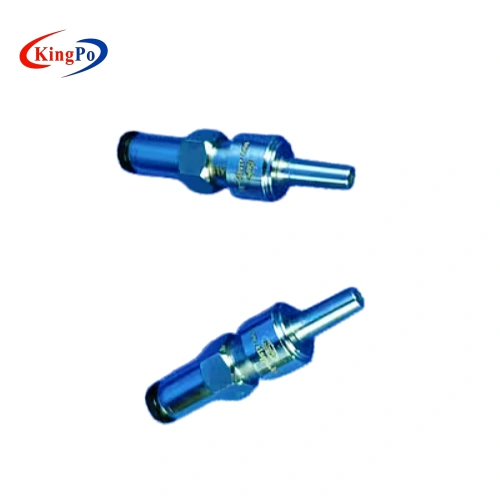
An ISO 80369-7 Luer Gauge Set is a group of reference connectors and dimensional gauges used to support Luer connector verification. It is commonly used by medical device manufacturers, quality laboratories and third-party testing organizations working with Luer slip and Luer lock connector samples.
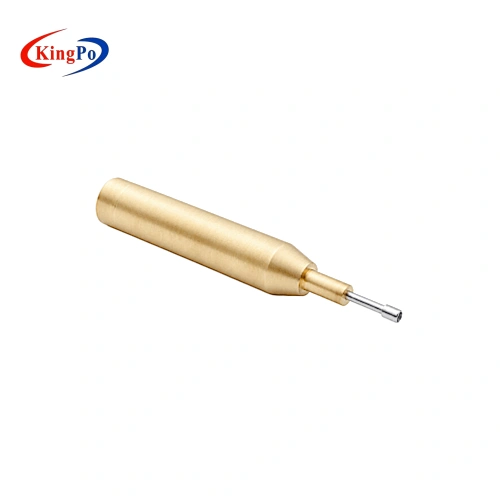
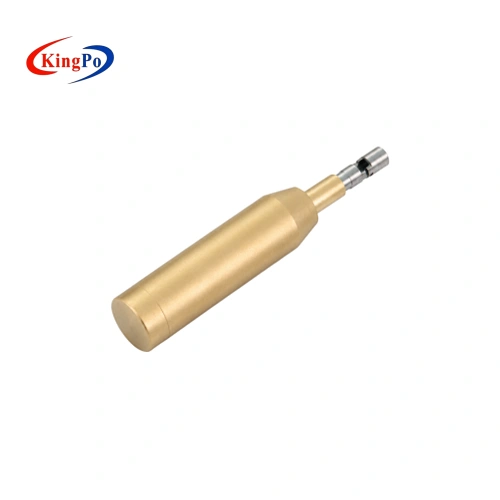
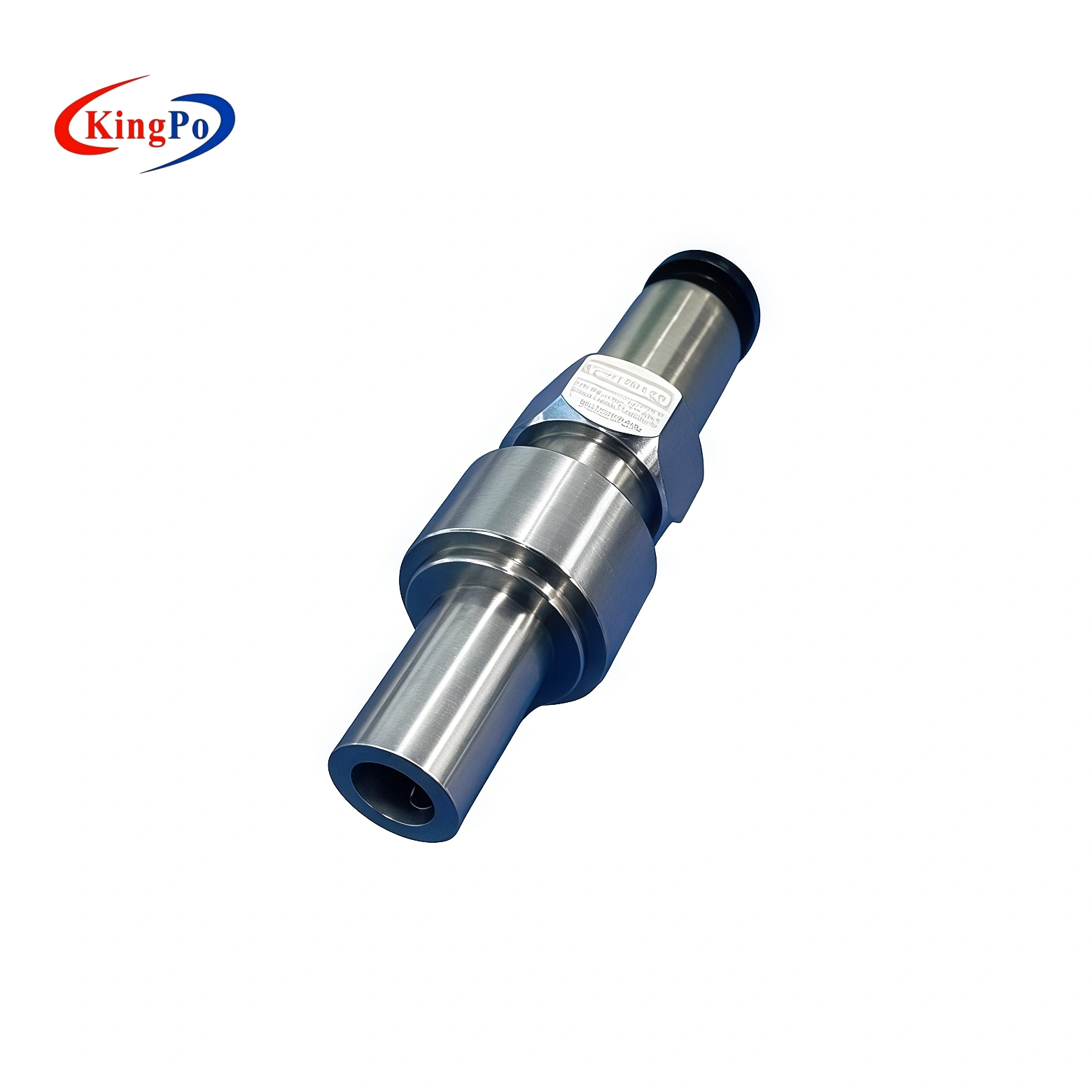
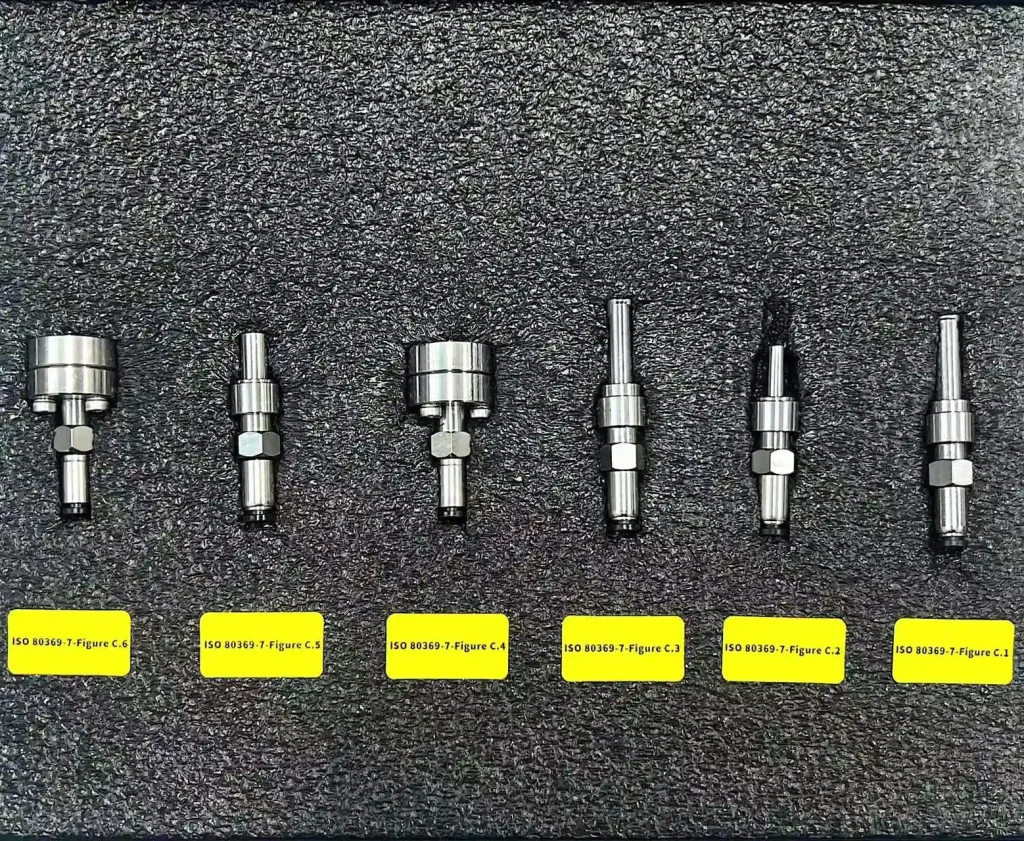
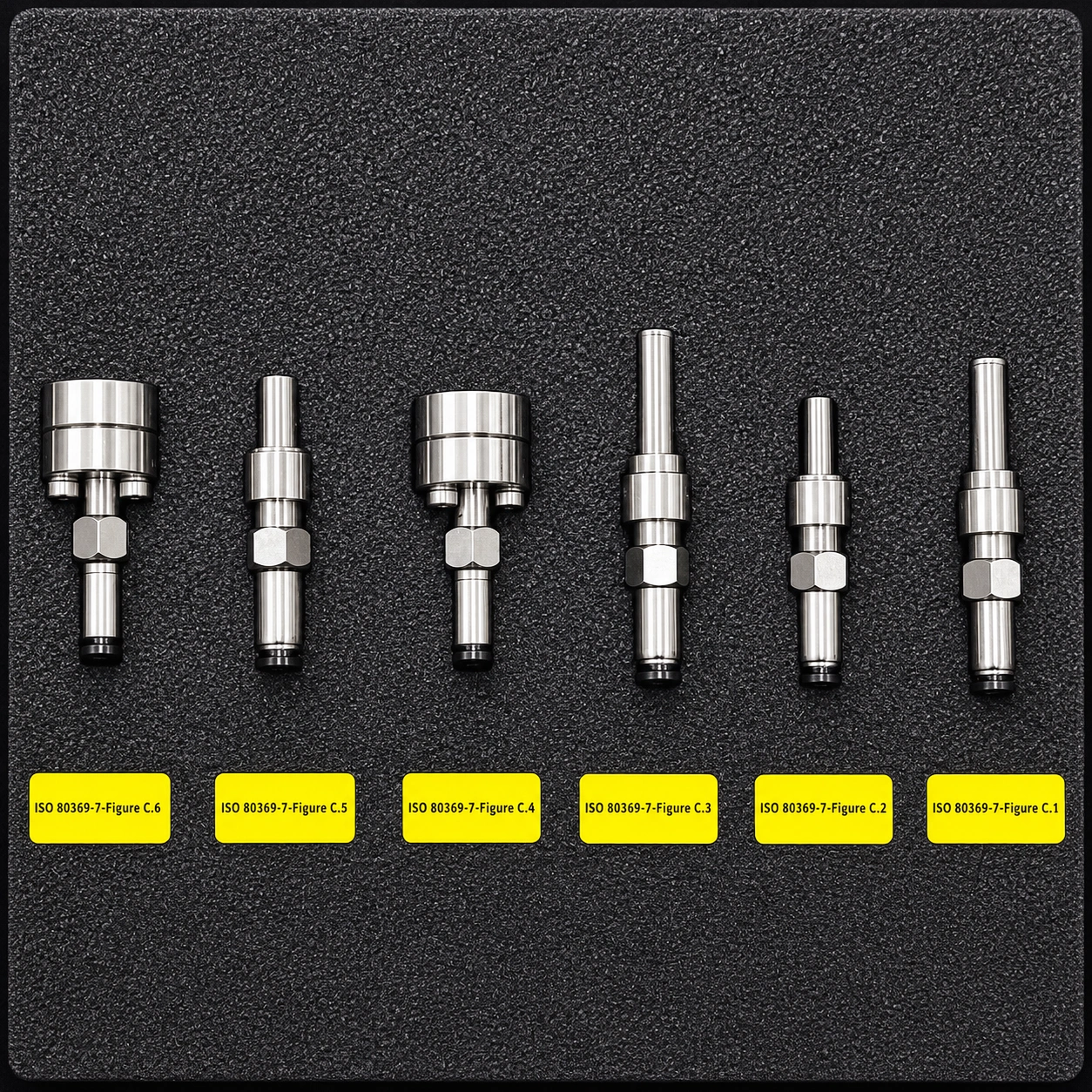
A practical set may include ISO 80369-7 Figure C.1 to Figure C.6 reference connectors, as well as Male Plug Gauge and Female Ring Gauge. These items can be supplied individually or as a configured set according to the customer’s sample type, test purpose and documentation requirement.
The important point is that an ISO 80369-7 Luer gauge set is not a complete leakage or axial load test system by itself. It provides reference mating parts and dimensional checking tools. When a test method requires pressure, vacuum or force, appropriate ISO 80369-20 test equipment should also be selected.
Why the 6% Luer Taper Matters in Gauge Selection
Luer connectors are not simple straight cylindrical fittings. Their mating condition depends on the 6% Luer taper geometry. Small differences in taper shape, insertion depth, surface contact and connector structure may affect fit, sealing behavior and separation performance.
This is why visual similarity is not enough when selecting a gauge or reference connector. The laboratory should first confirm whether the sample is male or female, whether it is Luer slip or Luer lock, and whether the purpose is dimensional checking, reference mating or functional performance testing.
For basic dimensional / fit verification, a Male Plug Gauge or Female Ring Gauge may be suitable. For specified test configurations, the correct ISO 80369-7 Figure C reference connector should be selected. For leakage or mechanical loading tests, ISO 80369-20 equipment may also be required.
Reference Connectors vs Plug / Ring Gauges
One common selection mistake is to treat all Luer gauges as the same type of tool. In practice, ISO 80369-7 reference connectors and plug / ring gauges serve different purposes.
| Item Type | Correct Understanding | Typical Use |
|---|---|---|
| ISO 80369-7 Figure C.1 to C.6 Reference Connectors | Reference mating parts used in specific test configurations | Used when the sample must be connected to a defined male or female reference connector |
| ISO 80369-7 Male Plug Gauge | Dimensional and fit verification gauge for female Luer connectors | Used to check whether a female Luer connector fits the expected Luer geometry |
| ISO 80369-7 Female Ring Gauge | Dimensional and fit verification gauge for male Luer connectors | Used to check whether a male Luer connector fits the expected Luer geometry |
| ISO 80369-20 Test Equipment | Functional performance test equipment | Used for liquid leakage, air leakage, axial load and other performance-related tests |
For procurement and laboratory setup, this distinction is important. A reference connector helps create the correct mating interface. A plug or ring gauge helps with dimensional / fit verification. A leakage or axial load test still requires the correct ISO 80369-20 test equipment and fixture configuration.
How to Choose the Right ISO 80369-7 Gauge or Reference Connector
The first question should not be “which gauge is the most complete?” but “what sample needs to be tested?” Connector gender, Luer slip / Luer lock structure and test purpose should be confirmed before selecting the gauge or reference connector.
| Your Sample / Test Need | Recommended KINGPO Item | Typical Purpose |
|---|---|---|
| Male Luer connector | Figure C.1, Figure C.3, Figure C.5 or Female Ring Gauge | Reference mating or dimensional / fit verification for male Luer connectors |
| Female Luer connector | Figure C.2, Figure C.4, Figure C.6 or Male Plug Gauge | Reference mating or dimensional / fit verification for female Luer connectors |
| Male Luer dimensional check only | ISO 80369-7 Female Ring Gauge | Basic dimensional and fit verification of male Luer connectors |
| Female Luer dimensional check only | ISO 80369-7 Male Plug Gauge | Basic dimensional and fit verification of female Luer connectors |
| Liquid leakage, air leakage or axial load testing | ISO 80369-20 test equipment with suitable ISO 80369-7 reference connector | Functional performance testing using pressure, vacuum or force conditions |
What Is Included in a Practical ISO 80369-7 Luer Gauge Set?
A complete or configured Luer gauge set may include the following individual reference connectors and gauges. The final supply scope should be confirmed according to the customer’s test method, sample type and documentation requirement.
| Item | Main Use | Test Object |
|---|---|---|
| ISO 80369-7 Figure C.1 Female Reference Luer Lock Connector | Female Luer lock reference connector used in specific test configurations | Male Luer connectors |
| ISO 80369-7 Figure C.2 Male Reference Luer Slip Connector | Male Luer slip reference connector used in specific test configurations | Female Luer connectors |
| ISO 80369-7 Figure C.3 Female Reference Connector | Female reference connector for male Luer lock connector testing | Male Luer lock connectors |
| ISO 80369-7 Figure C.4 Male Reference Luer Lock Connector | Male Luer lock reference connector used in female Luer connector test configurations | Female Luer connectors |
| ISO 80369-7 Figure C.5 Female Reference Luer Slip Connector | Female Luer slip reference connector used in male Luer connector test configurations | Male Luer connectors |
| ISO 80369-7 Figure C.6 Male Reference Connector | Reference connector for female Luer lock connector separation and overriding related tests | Female Luer lock connectors |
| ISO 80369-7 Male Plug Gauge | Dimensional and fit verification gauge | Female Luer connectors |
| ISO 80369-7 Female Ring Gauge | Dimensional and fit verification gauge | Male Luer connectors |
When ISO 80369-20 Test Equipment Is Also Required
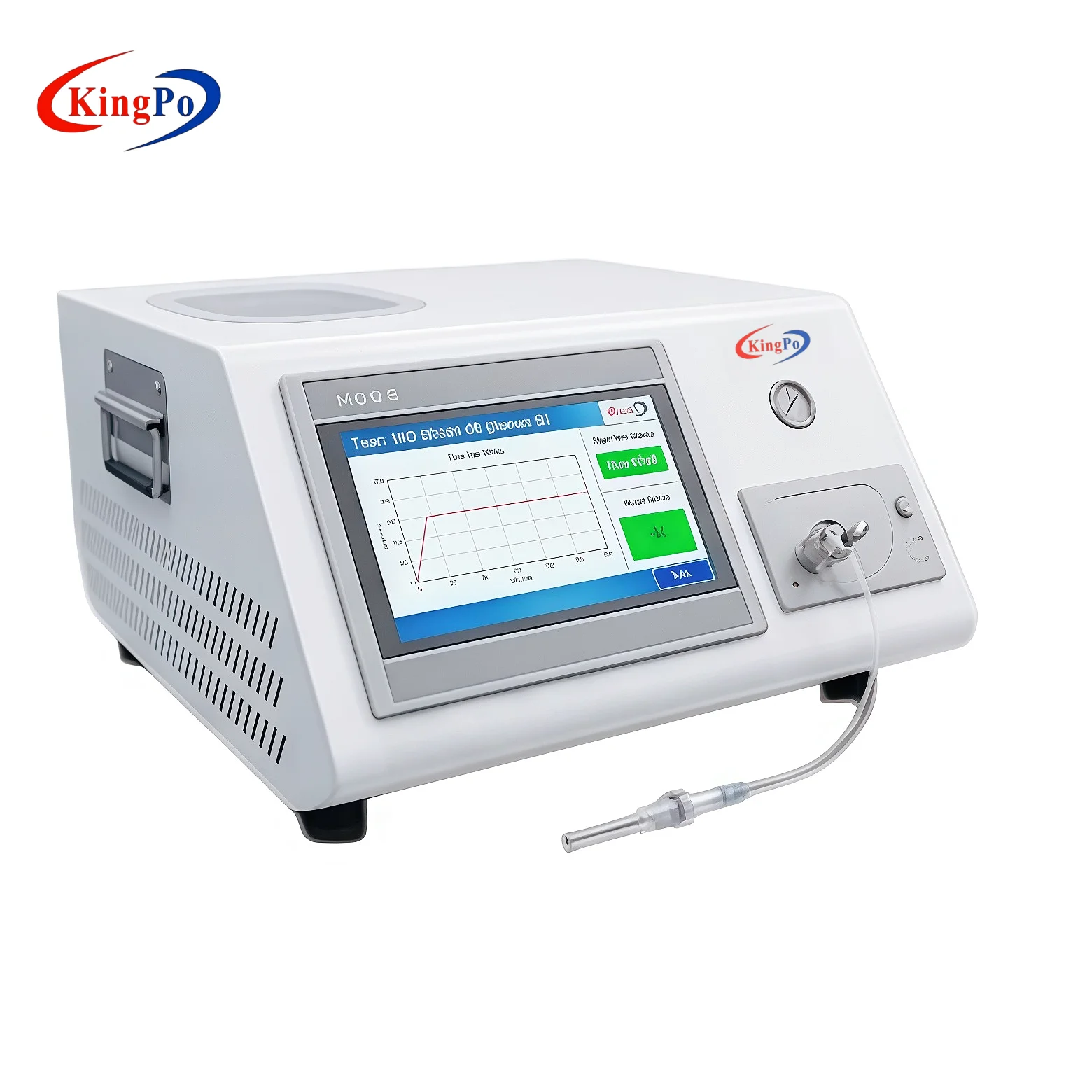
ISO 80369-7 gauges and reference connectors are often used together with ISO 80369-20 test equipment. ISO 80369-7 helps define the Luer connector interface and reference mating parts, while ISO 80369-20 provides common test methods for small-bore connector performance verification.
If the test requires pressure, vacuum or force, the appropriate ISO 80369-20 tester should be selected. The Luer gauge or reference connector may still be required as part of the fixture or mating configuration.
| Related ISO 80369-20 Equipment | Test Purpose | Typical Use |
|---|---|---|
| ISO 80369-20 Liquid Leakage Tester | Annex B / Annex C liquid leakage testing | Used for checking liquid leakage performance of medical small-bore connectors under specified pressure-related test conditions |
| ISO 80369-20 Annex D Air Leakage Tester | Subatmospheric air leakage testing | Used for evaluating connector air leakage performance under negative-pressure / subatmospheric conditions |
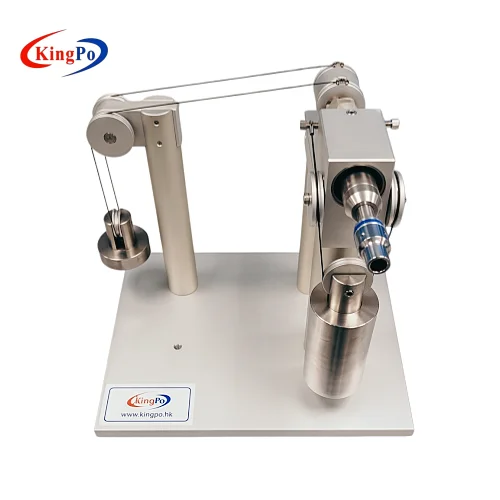
| ISO 80369-20 Annex F Axial Load Tester | Axial load separation testing | Used for checking mechanical retention and separation behavior of medical small-bore connector assemblies under axial force |
| ISO 80369-20 Medical Small-Bore Connector Test Equipment | ISO 80369-20 test equipment selection | Series page for selecting liquid leakage, air leakage and axial load test equipment according to the required test scope |
Common Selection Mistakes in ISO 80369-7 Projects
Most selection problems happen because the product is chosen before the test purpose is fully confirmed. The following mistakes are common during procurement and laboratory setup.
| Common Mistake | Why It Matters | Better Selection Logic |
|---|---|---|
| Using Male Plug Gauge as a replacement for a Figure C reference connector | The Male Plug Gauge is mainly for dimensional / fit verification of female Luer connectors | Confirm whether the test requires a reference connector or only a dimensional check |
| Only saying “Luer connector” without identifying male or female sample | Reference connector selection depends on sample gender | Confirm male / female connector structure before quotation |
| Ignoring Luer slip or Luer lock structure | Slip and lock connectors may require different mating parts or fixtures | Confirm connector structure and test method before selecting the item |
| Assuming the gauge set performs leakage testing | Leakage tests require pressure, vacuum or test equipment control | Select suitable ISO 80369-20 equipment when functional testing is required |
| Not confirming documentation needs | Laboratory projects may require datasheet, dimensional confirmation or calibration-related documents | Confirm documentation scope before order placement |
Engineering Checklist Before Quotation
Before requesting a quotation, it is helpful to prepare the following information. This reduces the risk of selecting the wrong reference connector, dimensional gauge or test equipment configuration.
- Applicable standard and test scope: ISO 80369-7, ISO 80369-20 or both
- Sample type: male Luer connector, female Luer connector or assembled connector
- Connector structure: Luer slip, Luer lock or special connector design
- Test purpose: reference mating, dimensional check, liquid leakage, air leakage, axial load, stress cracking, non-interconnectivity or other verification
- Required item: individual connector, selected gauges or complete Luer Gauge Set
- Required Figure C connector, if already specified by the test procedure
- Whether ISO 80369-20 test equipment is also required
- Sample drawing, photos or interface dimensions, if available
- Required documentation, such as datasheet, dimensional confirmation, material information, hardness information or calibration-related documents
As a manufacturer of ISO 80369-7 reference connectors and related ISO 80369-20 test equipment, KINGPO usually reviews the connector gender, Luer slip / lock structure, intended test item and documentation scope before recommending a gauge, reference connector or tester configuration. This helps reduce mismatch between the purchased item and the actual laboratory test requirement.
Need Help Selecting the Correct Luer Gauge?
Please send KINGPO your connector type, sample gender, Luer slip / Luer lock structure, test purpose, sample drawing or photos, and documentation requirements.
Our team can help confirm whether your project requires ISO 80369-7 reference connectors, Male Plug Gauge, Female Ring Gauge, a complete Luer Gauge Set, or related ISO 80369-20 liquid leakage, air leakage or axial load test equipment.
Request Luer Gauge Configuration SupportFAQ
1. What is the main purpose of an ISO 80369-7 Luer Gauge Set?
The main purpose is to support Luer connector verification through reference mating and dimensional / fit checking. A configured set may include Figure C.1 to C.6 reference connectors, Male Plug Gauge and Female Ring Gauge according to the customer’s sample and test scope.
2. Can one gauge be used for all Luer connector samples?
No. The correct gauge or reference connector depends on the connector gender, Luer slip / Luer lock structure and test purpose. Male and female Luer connector samples usually require different reference connector configurations.
3. What is the difference between Figure C.1 to C.6 and Male Plug / Female Ring gauges?
Figure C.1 to C.6 are reference connectors used in defined test configurations. Male Plug Gauge and Female Ring Gauge are mainly dimensional / fit verification tools. They help check connector geometry but should not be treated as complete performance test equipment.
4. Does the ISO 80369-7 Luer Gauge Set perform leakage testing?
No. Leakage testing requires suitable ISO 80369-20 test equipment and fixture configuration. The ISO 80369-7 gauge or reference connector may be used as part of the mating interface, but it does not create pressure, vacuum or leakage test conditions by itself.
5. When should a laboratory select ISO 80369-20 test equipment?
ISO 80369-20 equipment should be selected when the test involves liquid leakage, subatmospheric air leakage, axial load or other performance-related test conditions. The exact tester depends on the required test method and connector sample configuration.
6. Why is the 6% Luer taper important?
The 6% Luer taper affects how the male and female connector surfaces contact each other. If the taper geometry, insertion condition or mating interface is not suitable, dimensional fit, leakage behavior or separation performance may be affected.
7. Can the ISO 80369-7 Luer Gauge Set be supplied as individual items?
Yes. KINGPO can supply individual reference connectors or gauges, such as Figure C.2, Figure C.6, Male Plug Gauge or Female Ring Gauge, depending on the customer’s sample type and test plan.
8. What information is needed before quotation?
Please provide the applicable standard, connector gender, Luer slip or Luer lock structure, test purpose, sample drawings or photos, required documentation and whether ISO 80369-20 test equipment is also required.
9. Can KINGPO help match the gauge set with leakage or axial load testers?
Yes. KINGPO can help review the test method and sample configuration to confirm whether the project requires ISO 80369-7 reference connectors, dimensional gauges, ISO 80369-20 liquid leakage equipment, Annex D air leakage equipment or Annex F axial load equipment.