If you are trying to choose the right 3 phase plug in Australia, start with three things: pin count, current rating, and where the plug will be used.
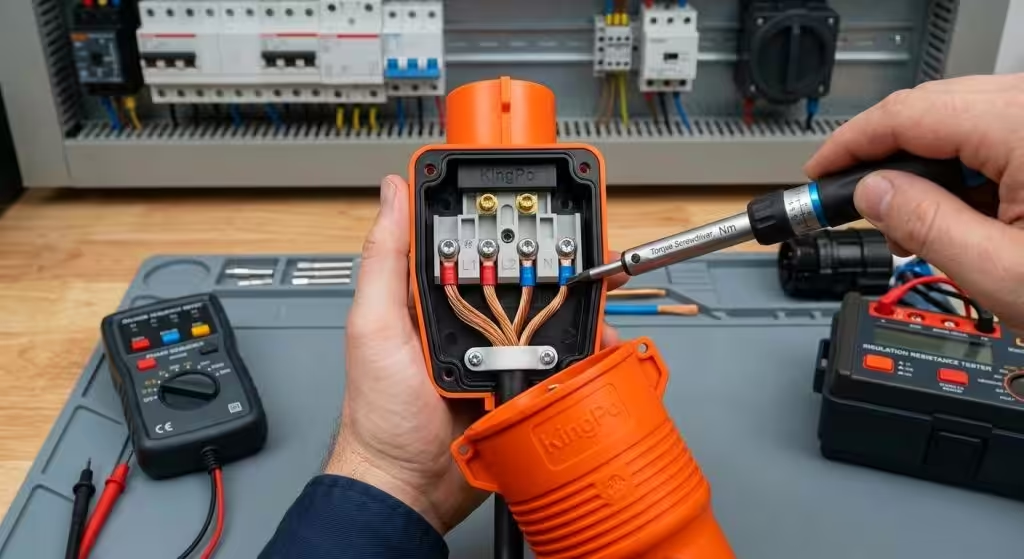
For most industrial jobs, the choice comes down to a 4-pin or 5-pin plug. A 4-pin plug is usually used when the equipment only needs three active phases and earth. A 5-pin plug is used when the equipment also needs neutral, which is common for machines with control circuits, indicator lights, auxiliary outlets, or mixed single-phase loads.
This KINGPO guide explains the common Australian 3 phase plug types, how 4-pin and 5-pin plugs differ, what 10A to 63A ratings usually mean, and what to check before choosing a plug for industrial, workshop, construction, or laboratory use.
Quick Answer: What Is a 3 Phase Plug in Australia?
A 3 phase plug in Australia is an industrial power connector used for equipment that runs on a three-phase electrical supply. It is commonly used with machinery, pumps, compressors, welders, HVAC equipment, generators, and temporary power distribution systems.
The two most common types are:
- 4-pin 3 phase plug:three active phases plus earth
- 5-pin 3 phase plug:three active phases plus neutral and earth
In simple terms, use a 4-pin plug when the equipment does not need neutral. Use a 5-pin plug when the equipment needs neutral for control power, lighting, auxiliary circuits, or single-phase functions inside the machine.
Key Takeaways
- A 4-pin plug has L1, L2, L3, and Earth.
- A 5-pin plug has L1, L2, L3, Neutral, and Earth.
- Common current ratings include 10A, 20A, 32A, 40A, 50A, and 63A.
- Australian three-phase systems are commonly around 400V line-to-lineand 230V line-to-neutral.
- The plug, socket, cable, breaker, and equipment load must match.
- Phase rotation matters because it can make motors run in the wrong direction.
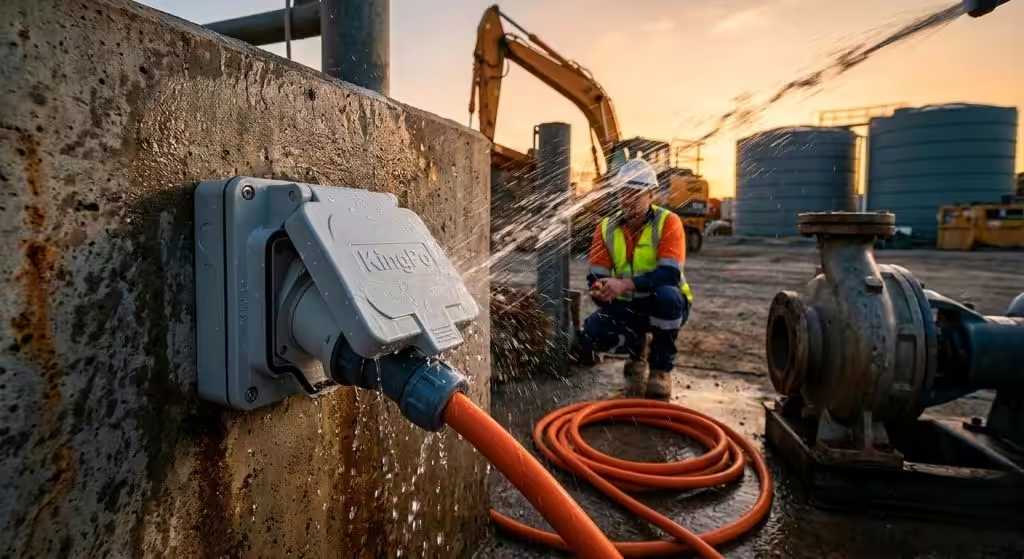
- Outdoor, wet, dusty, or wash-down areas need the right IP-rated plug and socket system.
- Manufacturers and test labs may need plug/socket test equipment to verify mechanical, electrical, thermal, and IP protection performance.
- Electrical installation and wiring should always be checked by a qualified electrician.
4-Pin vs 5-Pin 3 Phase Plugs
The easiest way to understand the difference is this:
A 4-pin plug does not have neutral.
A 5-pin plug has neutral.
That one extra pin makes a big difference.
4-Pin 3 Phase Plug
A 4-pin 3 phase plug normally includes:
- L1
- L2
- L3
- Earth
This type is often used for balanced three-phase equipment, especially motors. For example, a pump, compressor, fan, or simple three-phase machine may only need the three active phases and earth.
A 4-pin plug is a good fit when the equipment does not need any line-to-neutral power inside the machine.
5-Pin 3 Phase Plug
A 5-pin 3 phase plug normally includes:
- L1
- L2
- L3
- Neutral
- Earth
This type is more flexible because it provides neutral. That matters when the equipment has control circuits, PLC power supplies, indicator lights, internal lighting, auxiliary sockets, or other single-phase loads.
In many workshops and industrial sites, 5-pin plugs are preferred because they reduce the need for workarounds and make the connection more useful for mixed-load equipment.
Simple Comparison Table
| Plug Type | Conductors | Neutral Included? | Common Use |
| 4-pin 3 phase plug | L1, L2, L3, Earth | No | Motors, pumps, compressors, fans |
| 5-pin 3 phase plug | L1, L2, L3, Neutral, Earth | Yes | Machinery with controls, lighting, PLCs, or auxiliary circuits |
What Current Rating Do You Need?
Australian 3 phase plugs are available in different current ratings. The right rating depends on the equipment load, cable size, protection device, duty cycle, and installation environment.
Here is a simple way to think about it.
| Current Rating | Typical Use | Notes |
| 10A | Small three-phase equipment | For lighter loads only |
| 20A | Workshop machines, small compressors, portable equipment | Common in light industrial use |
| 32A | Larger workshop equipment, HVAC, pumps, machinery | One of the more common industrial ratings |
| 40A / 50A | Larger machines and temporary site power | Requires proper cable and protection selection |
| 63A | Heavy-duty equipment and distribution | Used for higher-load industrial applications |
Do not choose the plug by appearance alone. A plug that “looks about right” can still be wrong for the equipment. Always check the rating marked on the plug, socket, cable, and equipment nameplate.
Australian 3 Phase Voltage: What Should You Expect?
In Australia, three-phase power is commonly described as about 400V between phases and about 230V from phase to neutral.
That means:
- Line-to-line voltageis measured between two active phases.
- Line-to-neutral voltageis measured between one active phase and neutral.
This is why a 5-pin plug can be useful. It gives the equipment access to both three-phase power and line-to-neutral power, as long as the installation is designed for it.
Before connecting equipment, confirm the actual site voltage, phase sequence, earth continuity, and protective device arrangement. These checks should be done by qualified electrical personnel.
Why Phase Rotation Matters
Phase rotation is one of those details that can cause a real problem if it is ignored.
Three-phase motors depend on the order of the phases. If L1, L2, and L3 are connected in the wrong sequence, the motor may run backward. That can damage pumps, compressors, fans, conveyors, and other rotating equipment.
Before running the machine, check:
- Phase sequence
- Line-to-line voltage
- Earth continuity
- Insulation condition
- Correct plug and socket rating
- Neutral connection, if required
- Cable clamping and strain relief
If the motor runs in the wrong direction, do not guess or swap wires randomly. Have a qualified electrician check and correct the phase sequence.
IP Rating: Indoor, Outdoor, Dusty, or Wet?
A 3 phase plug used in a clean indoor workshop does not face the same conditions as one used outdoors, on a construction site, in a food plant, or in a wash-down area.
That is why IP rating matters.
Before choosing a plug and socket, ask:
- Will it be used indoors or outdoors?
- Will it be exposed to rain?
- Will it be used in a wash-down area?
- Is the area dusty, sandy, or humid?
- Will the plug be exposed to oil, chemicals, or cleaning agents?
- Will it be connected and disconnected often?
- Is the plug likely to be stepped on, pulled, dropped, or hit?
For wet or dusty environments, the IP rating should be suitable for the complete plug-and-socket connection. It is not enough to check only the plug body.
AS/NZS 3123 and Industrial Plug Applications
AS/NZS 3123 is commonly associated with industrial plugs, socket-outlets, cable couplers, and appliance couplers used in Australia and New Zealand.
For industrial use, the plug and socket system should be selected based on more than just pin layout. The complete connection should match the rated voltage, rated current, wiring configuration, earthing requirement, cable size, mechanical environment, and exposure to dust or water.
Typical products and installations may need checks related to:
- Marking and identification
- Pin arrangement and dimensions
- Protection against electric shock
- Earthing connection
- Terminal strength
- Cable anchorage
- Mechanical strength
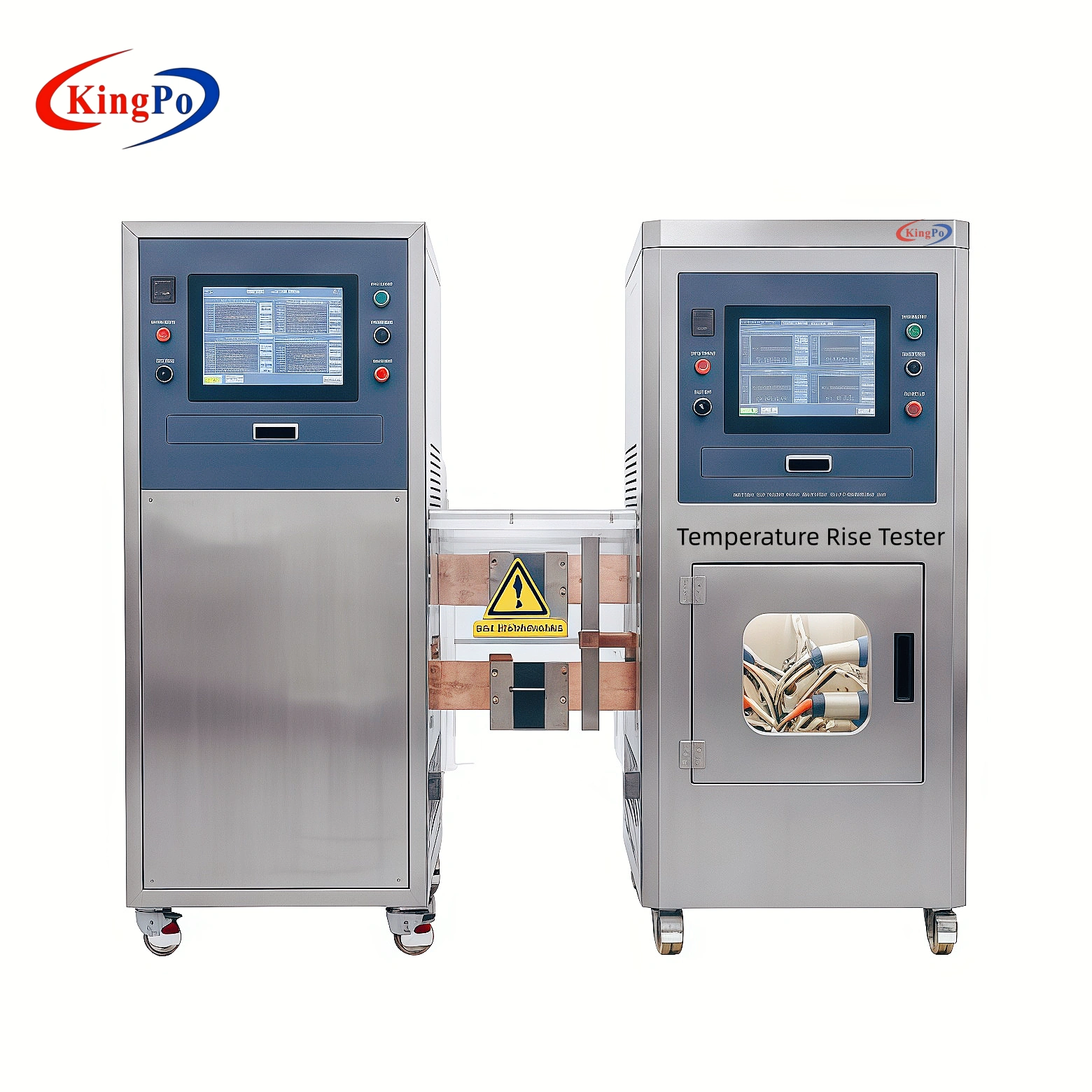
- Temperature rise
- Insulation resistance
- Electric strength
- Resistance to heat, fire, and tracking
- IP protection against dust and water
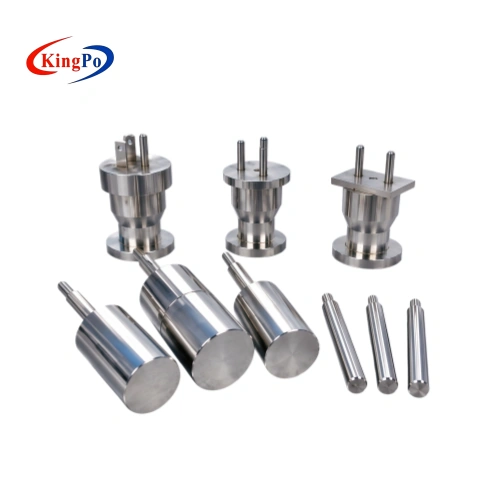
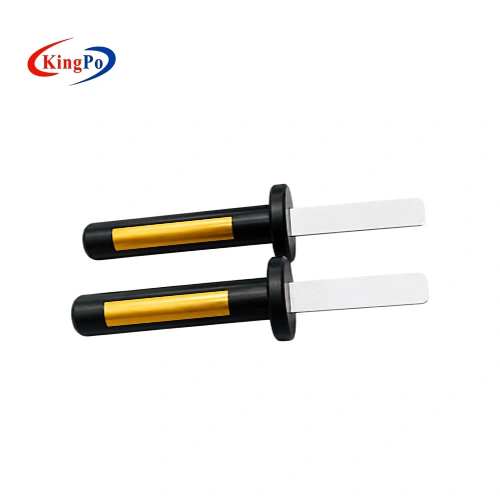
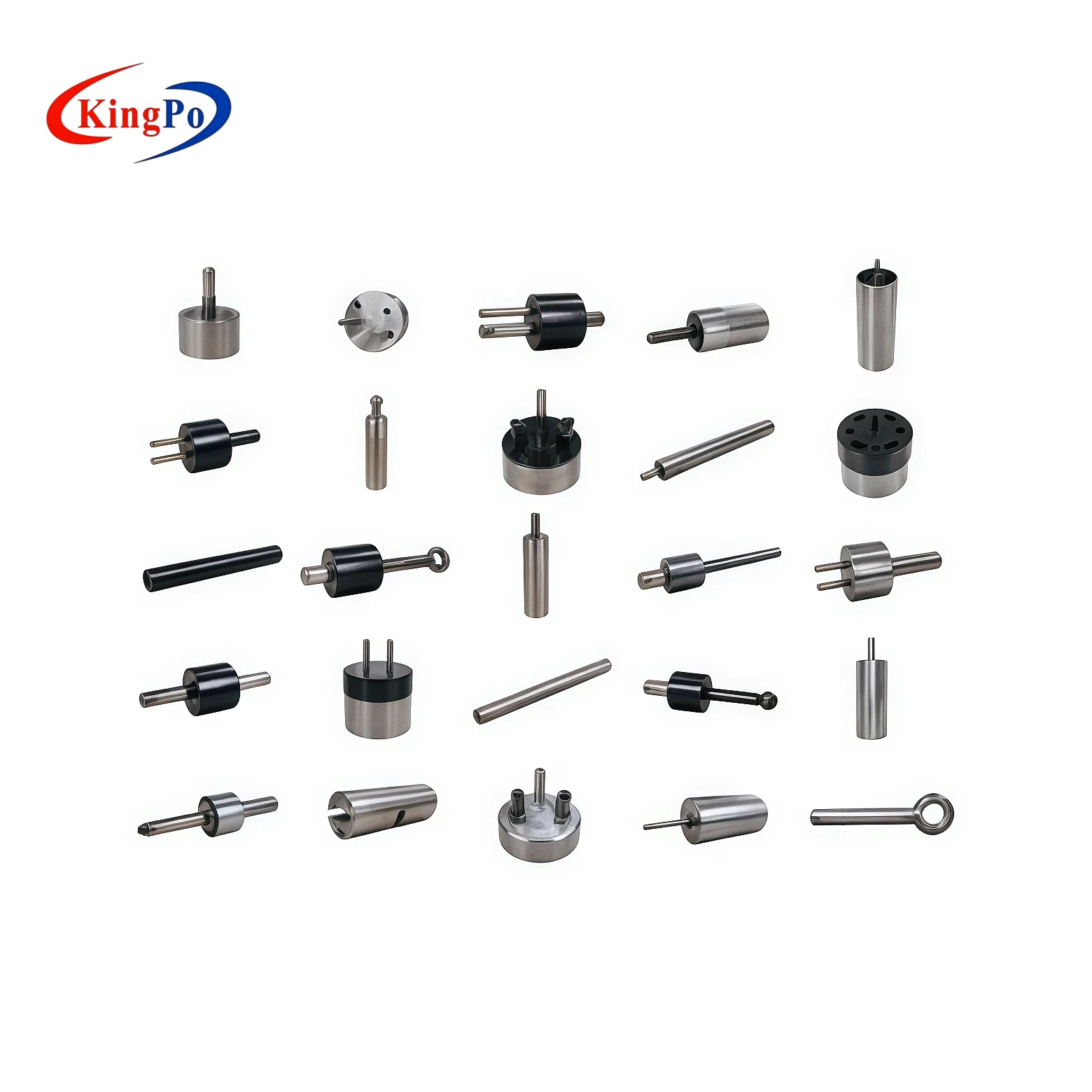
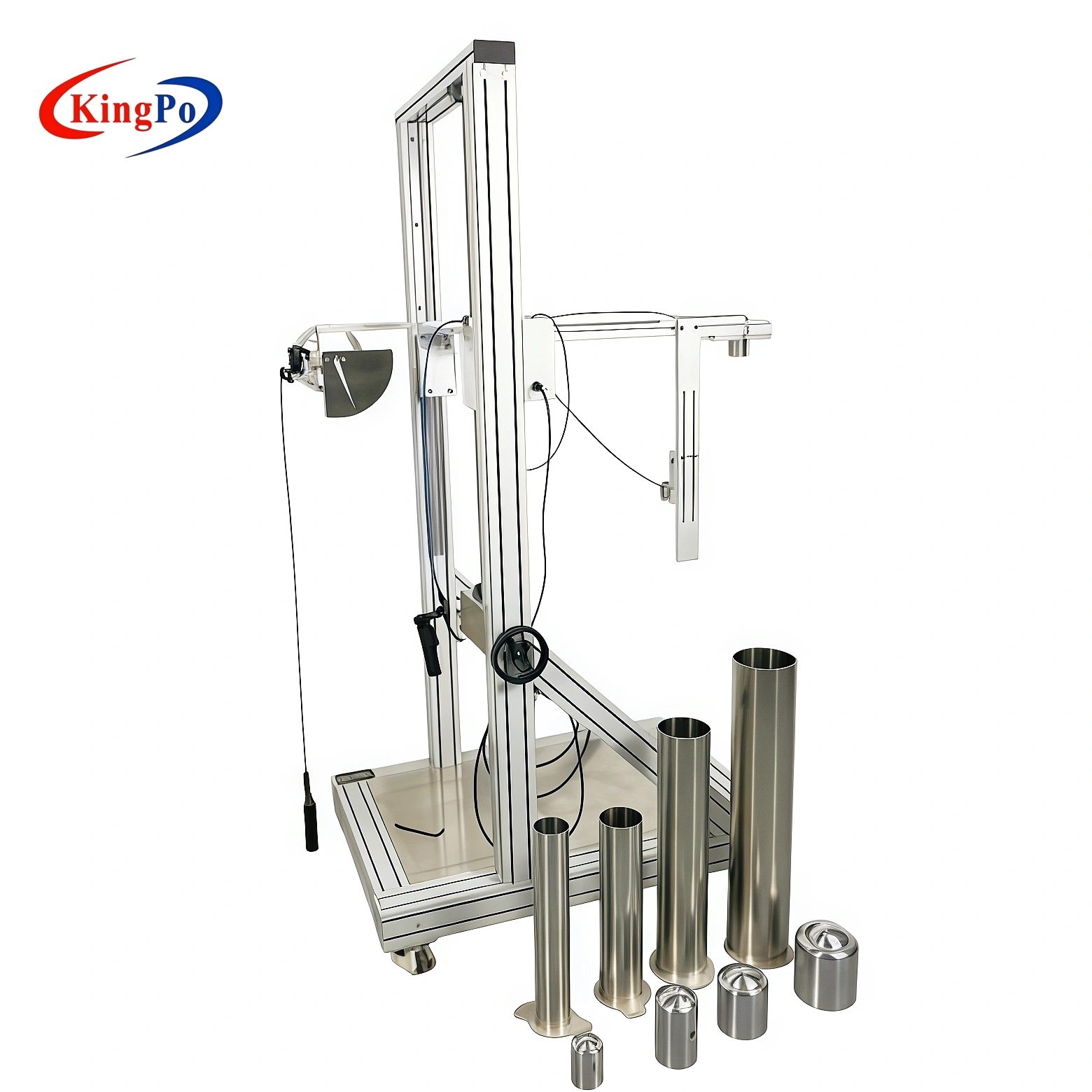
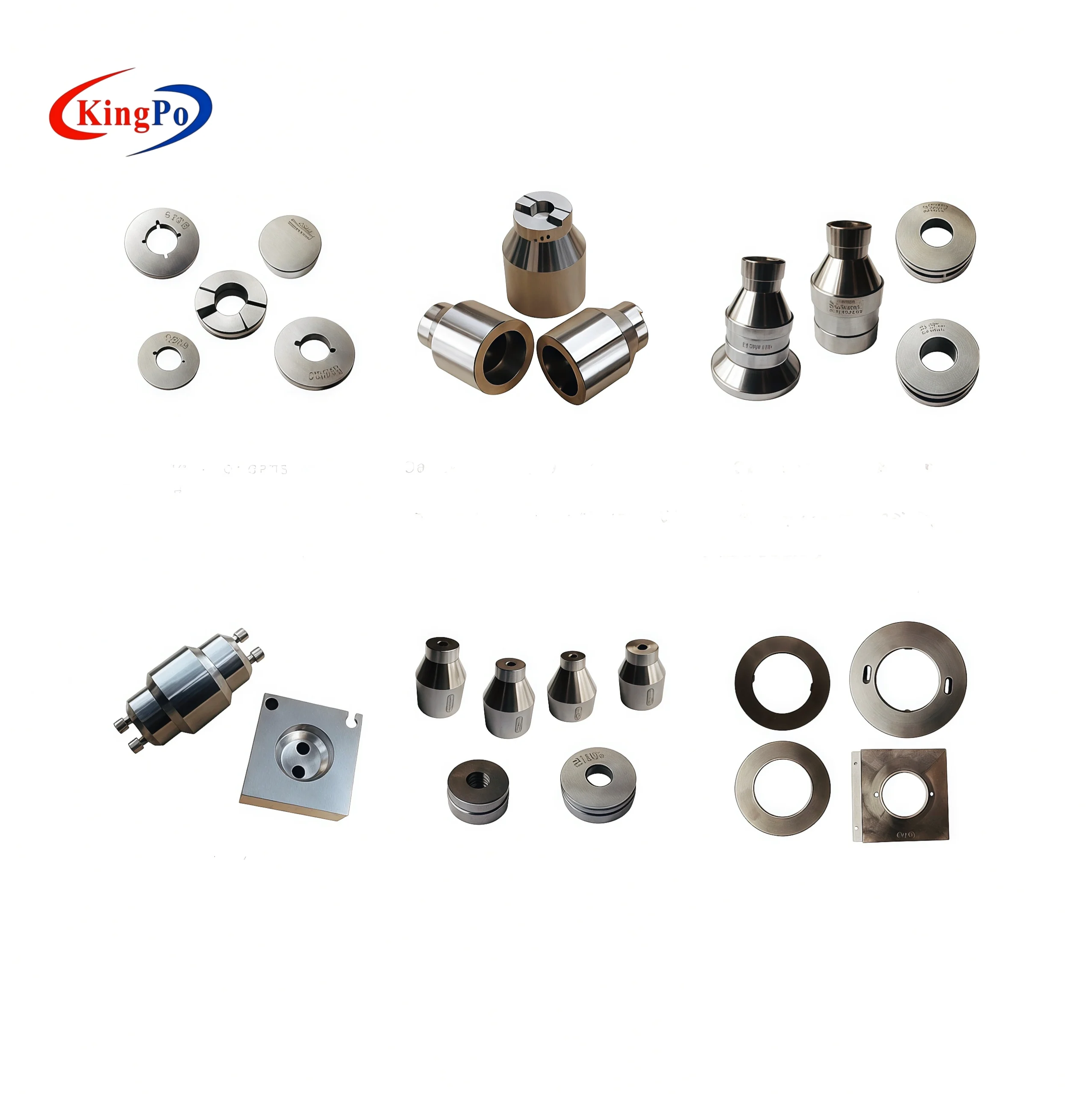
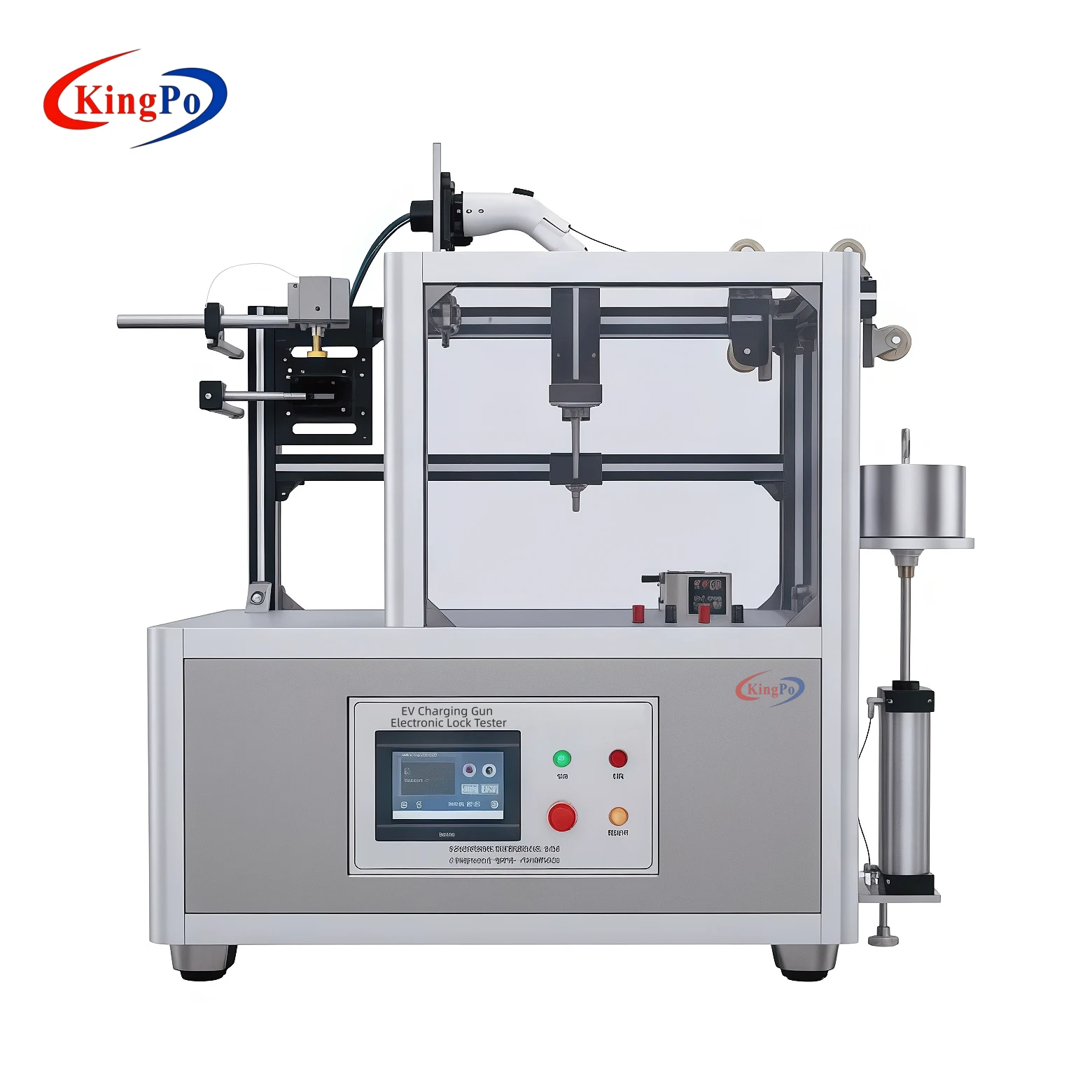
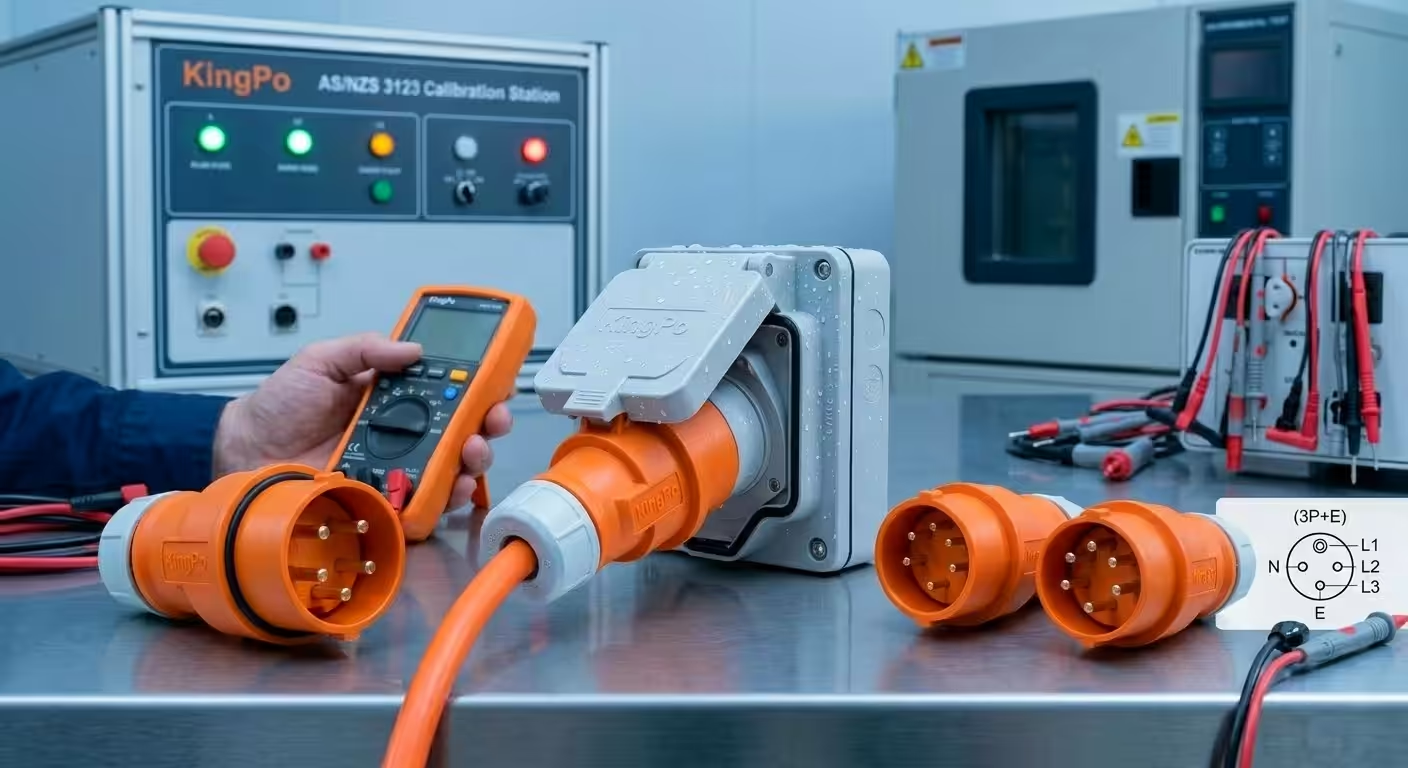
KINGPO supports manufacturers, inspection bodies, and laboratories with test equipment used for plug, socket, connector, electrical safety, mechanical strength, and IP protection evaluation.
How to Choose the Right 3 Phase Plug
Choosing the right plug is not complicated, but it does need a step-by-step check.
1. Check the Equipment Nameplate
Look for voltage, current, frequency, phase, power rating, and wiring requirements. The nameplate should be the starting point.
2. Decide Whether Neutral Is Needed
If the equipment only needs three-phase power and earth, a 4-pin plug may be suitable.
If the equipment needs neutral for control circuits, lighting, auxiliary outlets, or line-to-neutral loads, use a 5-pin plug.
3. Match the Current Rating
The plug, socket, cable, and circuit protection must work as a system. A higher-rated socket does not make an undersized cable or incorrect plug safe.
4. Check the Work Environment
Indoor workshop use, outdoor use, wash-down use, and construction site use may require different plug materials and IP ratings.
5. Confirm Cable Size and Termination
Poor termination is a common cause of overheating. Loose terminals, damaged conductors, weak strain relief, or undersized cable can create serious safety risks.
6. Verify Phase Rotation
For motors and rotating equipment, confirm the phase sequence before operating the machine under load.
Common Mistakes to Avoid
Mistake 1: Using a 4-Pin Plug When the Machine Needs Neutral
A 4-pin plug does not provide neutral. If the machine needs neutral, use the correct 5-pin configuration.
Mistake 2: Treating Earth as Neutral
Never use earth as a neutral conductor. Earth and neutral have different safety functions and must not be used interchangeably.
Mistake 3: Choosing by Plug Shape Only
Industrial plugs can look similar, especially to non-specialists. Always check the current rating, voltage rating, pin configuration, and markings.
Mistake 4: Ignoring Phase Rotation
Wrong phase rotation can make motors run backward. That can damage equipment quickly.
Mistake 5: Forgetting the Environment
A plug that works well in a dry workshop may not be suitable for outdoor, dusty, wet, or wash-down conditions.
Mistake 6: Overlooking Cable Anchorage
A good plug connection is not only about electrical contact. The cable must also be properly clamped and protected from pulling force.
For Manufacturers and Test Labs
If you manufacture, import, test, or inspect industrial plug and socket products, you may need to verify more than the product appearance.
Typical test and inspection items can include:
- Dimensional checks
- Terminal strength
- Cable anchorage
- Earthing continuity
- Insulation resistance
- Electric strength
- Temperature rise
- Mechanical endurance
- Heat resistance
- Fire resistance
- Tracking resistance
- IP dust or water protection
KINGPO provides electrical safety, plug/socket, connector, and IP protection test equipment for manufacturers, laboratories, and inspection organizations that need to evaluate products according to applicable standards and customer requirements.
If you are building a test plan for Australian industrial plugs, 3 phase sockets, appliance couplers, or related connector products, KINGPO can help review the test purpose, product structure, applicable standard, and required test equipment configuration.
Related KINGPO Test Equipment
Depending on the plug or socket product design, related test equipment may include:
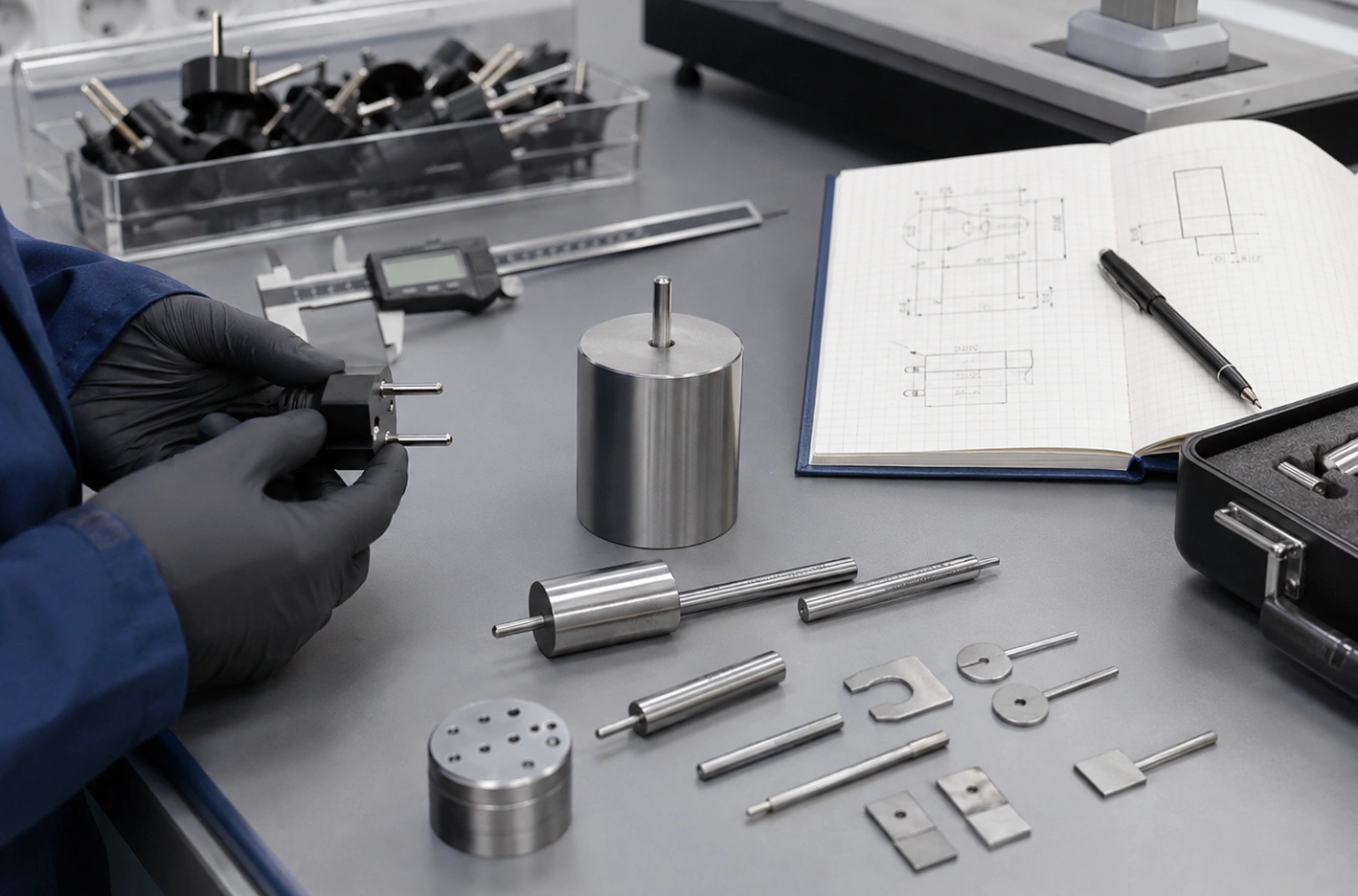
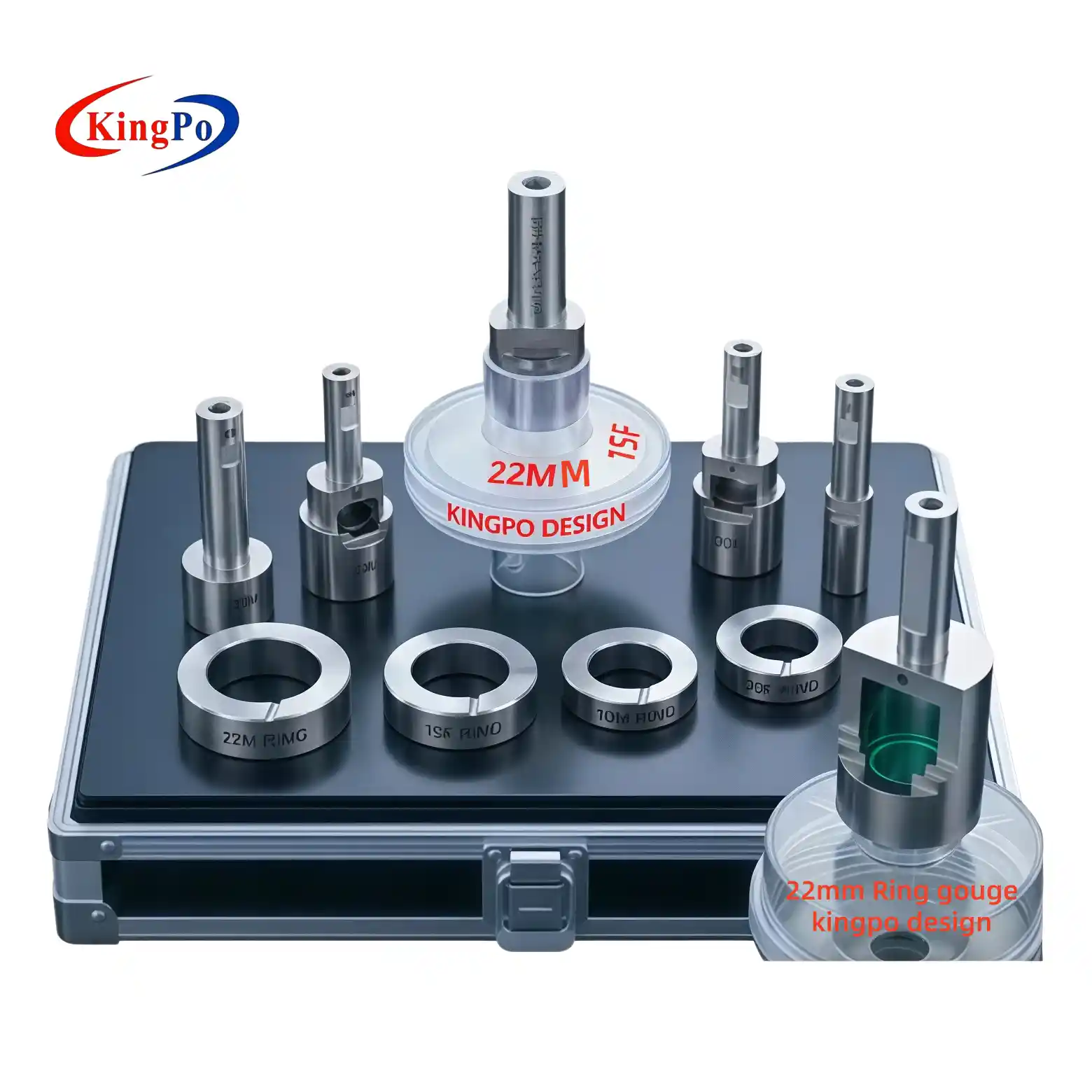
- Plug and socket gauge
- Plug socket tester
- Cable anchorage test equipment
- Terminal strength test equipment
- Temperature rise test system
- Electric strength tester
- Insulation resistance tester
- Glow wire test apparatus
- Tracking test apparatus
- IP dust test equipment
- IP water spray test equipment
- Mechanical strength and impact test equipment
The exact configuration should be confirmed according to the applicable standard, rated current, rated voltage, plug/socket structure, test sample size, and laboratory test procedure.
FAQ
What is the difference between a 4-pin and 5-pin 3 phase plug?
A 4-pin 3 phase plug has three active phases and earth. A 5-pin plug has three active phases, neutral, and earth. Use 4-pin when neutral is not needed. Use 5-pin when the equipment needs neutral for controls, lighting, auxiliary outlets, or single-phase loads.
Do I need a 4-pin or 5-pin 3 phase plug?
If the machine only needs three-phase power and earth, a 4-pin plug may be enough. If the machine needs neutral, choose a 5-pin plug. When in doubt, check the equipment wiring diagram and nameplate, then confirm with a qualified electrician.
What is a 32A 3 phase plug used for?
A 32A 3 phase plug is commonly used for larger workshop equipment, pumps, compressors, HVAC equipment, and industrial machinery. The exact use depends on the equipment load, cable size, duty cycle, and circuit protection.
Can I plug a 4-pin machine into a 5-pin socket?
In some installations, a correctly wired 4-pin plug may be used with the correct matching socket arrangement, but this depends on the connector system and site wiring. Do not assume compatibility by appearance. The connection should be checked by qualified personnel.
Can I use earth instead of neutral?
No. Earth must not be used as neutral. If neutral is required, the equipment should use the correct 5-pin configuration with a properly wired neutral conductor.
What voltage is Australian three-phase power?
Australian three-phase power is commonly around 400V line-to-line and 230V line-to-neutral. The actual supply should be measured and confirmed at the installation site.
Why does a 3 phase motor run backward?
A three-phase motor may run backward if the phase sequence is wrong. This is why phase rotation should be checked before running motors, pumps, compressors, fans, or conveyors.
What IP rating should I choose for a 3 phase plug?
The right IP rating depends on the environment. Dry indoor workshops may need less protection than outdoor sites, wash-down areas, food plants, or dusty industrial areas. Choose a plug and socket system suitable for the actual exposure.
Are Australian 3 phase plugs the same as IEC 60309 plugs?
Not always. Australian industrial plug systems and IEC 60309-type connectors may appear in different applications, but they should not be treated as automatically interchangeable. Always confirm the standard, rating, configuration, and site requirements.
Does KINGPO provide test equipment for plug and socket products?
Yes. KINGPO provides test equipment for plug/socket, connector, electrical safety, mechanical strength, temperature rise, cable anchorage, glow wire, tracking, and IP protection tests. The required equipment should be selected according to the applicable standard, product design, rated current, rated voltage, and laboratory test procedure.
How do I know if a 3 phase plug is safe?
Check the rating, markings, pin configuration, cable condition, terminal tightness, earth continuity, insulation condition, IP suitability, and phase sequence. For installed equipment, inspection should be done by qualified electrical personnel.
KINGPO Technical Support
Need help selecting test equipment for plug and socket products?
KINGPO can help review your product structure, applicable standard, test purpose,
and required equipment configuration. Contact us for technical support before
building your test plan. For industrial plug and socket dimensional checks, you can also
review our
IEC 60309 Gauge Set Full Compliance Kit
.
“`