KINGPO SUCCESSFUL CASE / AUTOMOTIVE TESTING
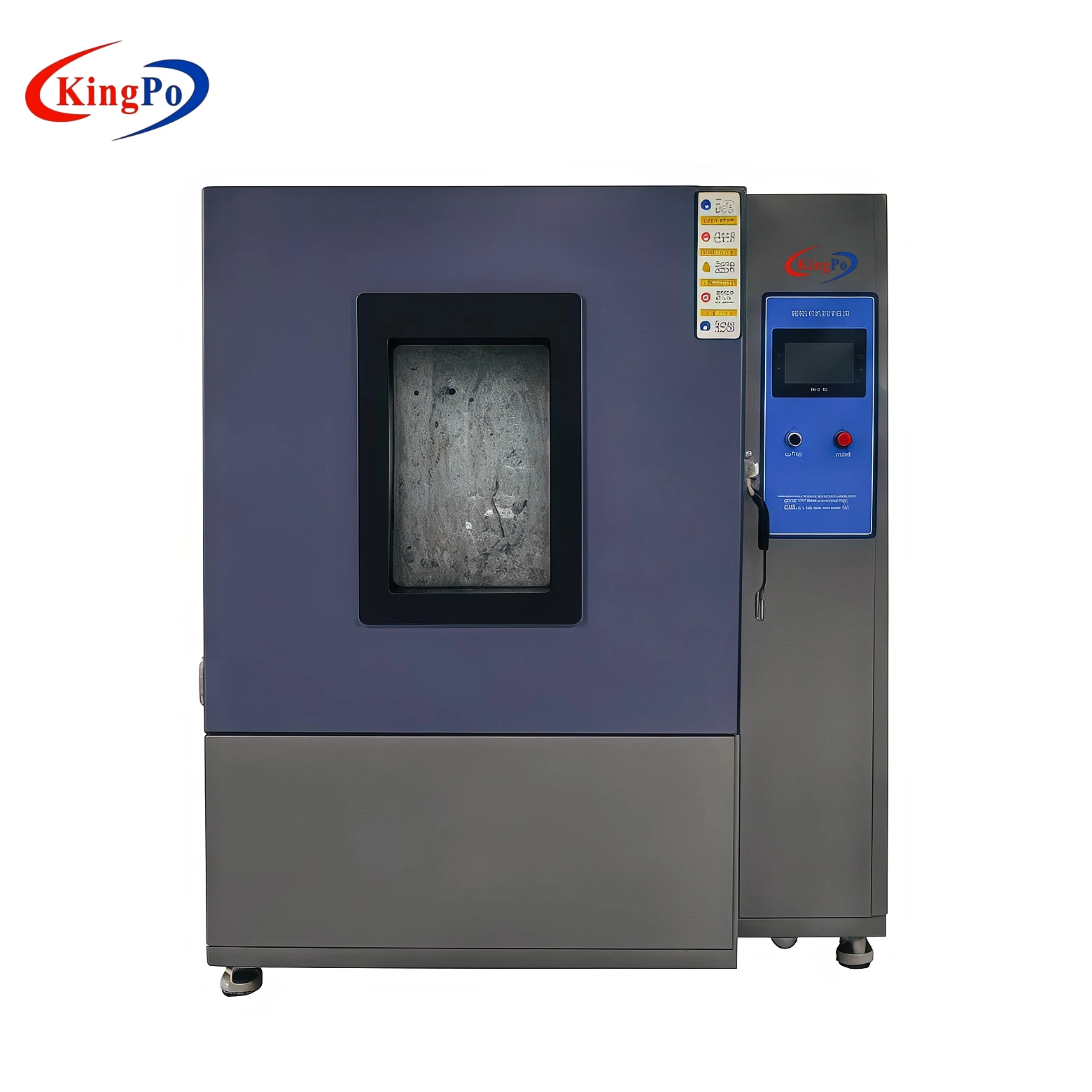
A KP-JIS27-1500 dust suspension testing system configured for automotive electrical and electronic component dust resistance evaluation.
Project Destination: Indonesia
Equipment Model: KP-JIS27-1500
Applicable Standard: JIS D 0207
Testing Method: F2 Dust Suspension Test
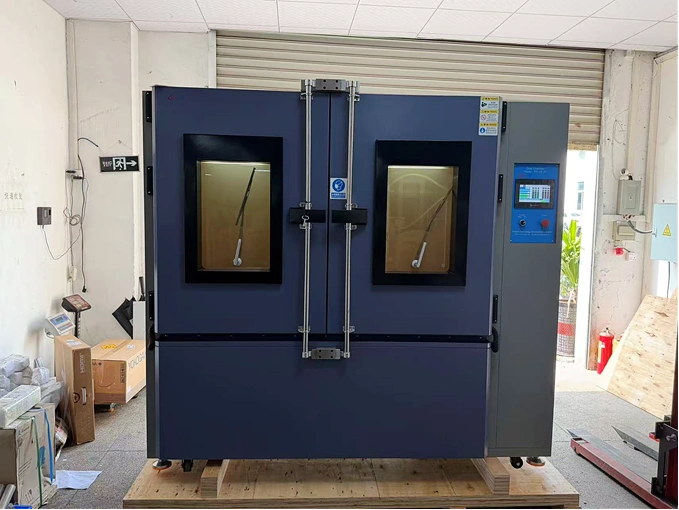
KingPo Technology Development Limited has shipped a KP-JIS27-1500 JIS D0207 Dust Test Chamber to an automotive testing organization in Indonesia. The equipment is configured to support dust resistance testing of automotive electrical and electronic components using the F2 dust suspension method described in JIS D 0207.
Environmental testing plays an important role in evaluating the durability and reliability of components exposed to demanding operating conditions. For automotive applications, airborne dust may affect mechanical assemblies, electrical connections and the protective performance of component enclosures.
This project features a large-capacity dust testing chamber with a 1500 × 1000 × 1000 mm internal workspace, dust concentration monitoring, programmable testing intervals and an intelligent PLC control system. The equipment configuration is intended to provide the laboratory with a dedicated platform for controlled automotive dust exposure testing.
01 / PROJECT BACKGROUND
Dust Resistance Testing for Automotive Components
Automotive electrical and electronic components are used in environments where they may encounter road dust, airborne particles and other contaminants during normal vehicle operation.
Depending on the component design and installation location, dust exposure can present several potential concerns. Fine particles may enter insufficiently protected enclosures, accumulate around internal mechanisms or interfere with electrical interfaces. Such exposure can influence component performance and long-term reliability.
Dust resistance evaluation is therefore relevant to the development and qualification of automotive equipment, especially when manufacturers need to assess the protective performance of housings, covers, seals and related assemblies.
For automotive testing organizations, carrying out repeatable dust exposure procedures requires more than a sealed enclosure. The testing equipment must provide a suitable dust suspension arrangement, specimen accommodation, exposure-time settings and a means of monitoring important test conditions.
The Indonesian project involves a JIS D 0207 F2 dust suspension testing configuration. The supplied system provides the equipment features required to establish the specified dust exposure environment and support laboratory evaluation of automotive components.
02 / TEST STANDARD
Understanding the JIS D 0207 F2 Dust Suspension Method
JIS D 0207 is a Japanese Industrial Standard concerning dust and moisture testing for automotive parts. This project focuses specifically on the F2 dust suspension test arrangement identified in the supplied equipment specification.
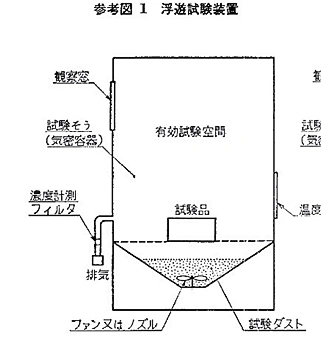
The F2 method involves exposing a specimen to suspended dust within an enclosed testing space. Rather than simply depositing dust onto a stationary sample, the test chamber uses airflow to disperse particles and maintain the intended dust suspension environment.
In the KingPo KP-JIS27-1500 configuration, multiple air-blowing nozzles are installed at the bottom of the inner chamber. Compressed air passes through these nozzles, causing test dust to become suspended inside the workspace.
A dust concentration measuring instrument is incorporated into the configuration to support monitoring and adjustment of the dust suspension conditions. Airflow can be adjusted according to the measured concentration and the applicable test requirements.
Key F2 Test Parameters
Test Method: JIS D 0207 F2
Dust Suspension: Compressed-air nozzle arrangement
Test Dust: JIS Class 6 or Class 8, according to the selected procedure
Specified Dust Concentration: ≥ 3,000 mg/m³
Exposure Control: Programmable test duration and dust-blowing intervals
These conditions make the air distribution system, dust measurement arrangement and chamber construction important elements of the equipment design.
It is also important to distinguish JIS D 0207 F2 testing from other dust testing procedures, including those used for IP5X and IP6X classification under IEC 60529. Different standards may specify different equipment arrangements, dust materials, exposure procedures and acceptance criteria. Compliance with one procedure should not automatically be interpreted as compliance with another.
03 / KINGPO TESTING SOLUTION
KP-JIS27-1500 Dust Test Chamber Configuration
For this Indonesia project, KingPo supplied the KP-JIS27-1500 dust chamber with a 1500 mm-wide internal workspace and an F2 dust suspension testing arrangement.
The equipment combines an enclosed testing compartment with a compressed-air dust suspension system, monitoring instruments and a PLC-based control interface. The design supports controlled operation while providing access for specimen placement, observation and routine laboratory use.
3.1 Dust Suspension and Airflow Arrangement
The chamber uses multiple compressed-air nozzles positioned in the lower part of the enclosed test space. During operation, compressed air is supplied to the nozzle arrangement to disperse dust particles and create suspended-dust conditions.
Dust concentration measurement supports adjustments to the airflow and exposure environment. The arrangement is intended to meet the F2 dust concentration requirements identified for the selected test procedure.
3.2 PLC Control and Test Programming
The supplied equipment incorporates a Mitsubishi PLC together with a 7-inch Weinview touchscreen. This provides an operating interface for the dust testing system and allows laboratory personnel to configure the specified test parameters.
Operators can set the overall test duration as well as dust-blowing and pause intervals. These programmable functions support test procedures that require controlled exposure periods rather than continuous manual operation.
3.3 Chamber Construction and Material Selection
The inner testing compartment is constructed using stainless steel, while the external chamber structure uses painted steel panels.
This construction provides an enclosed specimen testing workspace with a durable interior surface. The chamber is equipped with viewing windows and cleaning wipers, allowing operators to observe the interior without unnecessarily opening the test enclosure.
3.4 Specimen Placement and Testing Access
An adjustable stainless steel shelf supports specimens inside the chamber. According to the project specification, the shelf has a maximum loading capacity of 50 kg.
The system also includes internal lighting and a 100 mm cable access port. These features provide additional flexibility when arranging test specimens or routing connections required for a particular laboratory setup.
3.5 Pressure Balancing and Safety
An air and dust filtration assembly is provided in the chamber wall to help maintain atmospheric pressure balance between the inner workspace and the surrounding environment.
The equipment specification also includes electrical power abnormality protection monitoring and an electronic temperature and humidity measuring instrument suitable for the dusty test environment.
04 / EQUIPMENT SPECIFICATIONS
Technical Specifications of the Supplied Dust Chamber
The following information is based on the documented KP-JIS27-1500 configuration for the Indonesia project. Specifications for other dust chamber models or custom configurations may differ.
| Parameter | Specification |
|---|---|
| Equipment Model | KP-JIS27-1500 |
| Applicable Standard | JIS D 0207 |
| Test Method | F2 Dust Suspension Test |
| Internal Workspace | 1500 × 1000 × 1000 mm (W × D × H) |
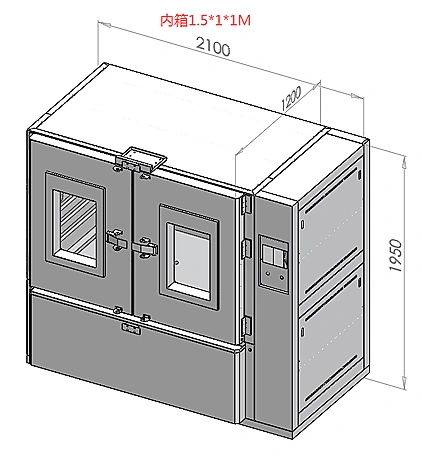
| Approximate External Dimensions | 2100 × 1200 × 1950 mm |
| Specified Test Dust | JIS Class 6 or Class 8 |
| F2 Dust Concentration | ≥ 3,000 mg/m³ |
| Specified Test Temperature | 20 ± 15°C |
| Specified Relative Humidity | 45–85% RH |
| Inner Chamber Material | Stainless Steel |
| Outer Chamber Material | Painted Steel |
| Sample Shelf Capacity | 50 kg |
| Control System | Mitsubishi PLC |
| Operator Interface | 7-inch Weinview Touchscreen |
| Cable Access Port | 1 × 100 mm |
| Power Supply | AC 220 V, 50 Hz, 2 kW |
| Compressed Air Requirement | 0.2–0.6 MPa, Dry Compressed Air |
| Air Connection | 8 mm Air Tubing |
Technical note: The listed temperature and humidity values refer to the specified test environment. The project documentation does not establish that the chamber provides active temperature or humidity regulation.
05 / LABORATORY CONSIDERATIONS
Laboratory Installation and Operating Considerations
When planning to install a dust testing chamber, laboratories should consider not only the equipment dimensions but also the supporting utilities, specimen handling requirements and environmental conditions specified for the test.
Available Laboratory Space
The KP-JIS27-1500 has approximate external dimensions of 2100 × 1200 × 1950 mm. Adequate space should be reserved for equipment positioning, door access, specimen loading and maintenance activities.
The internal workspace measures 1500 × 1000 × 1000 mm, allowing laboratories to evaluate whether the chamber can accommodate the intended components and any necessary specimen fixtures.
Electrical and Pneumatic Utilities
The documented configuration requires an AC 220 V, 50 Hz power supply with a specified equipment rating of 2 kW.
The laboratory must also provide dry compressed air at 0.2–0.6 MPa through an 8 mm air connection. This supply is necessary for operation of the dust suspension arrangement.
Sample Arrangement and Test Preparation
Before carrying out a test, operators should verify that the specimen dimensions and weight are suitable for the chamber. The adjustable sample shelf supports loads up to 50 kg, according to the equipment specification.
The selected dust classification, exposure duration, sample arrangement and evaluation criteria should be determined from the applicable test standard and the laboratory’s approved test procedure.
For specimens requiring electrical connections or monitoring during exposure, the available cable access port may be relevant to the test setup. The final arrangement should be reviewed with reference to the specimen and test requirements.
06 / EQUIPMENT PACKAGING & SHIPMENT
Equipment Preparation and International Shipment to Indonesia
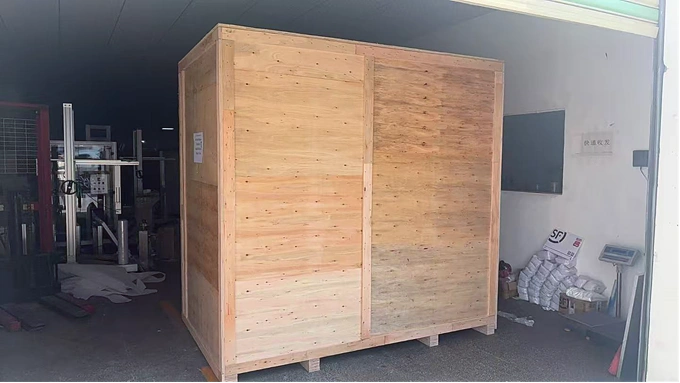
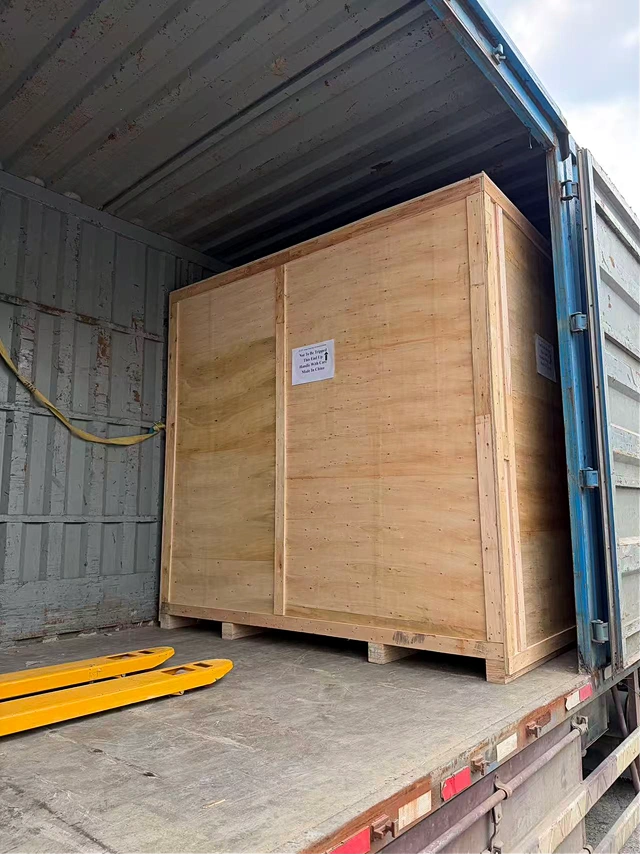
Following equipment preparation, the KP-JIS27-1500 JIS D0207 Dust Test Chamber was packed in a protective wooden crate for transportation to the customer project in Indonesia.
Large environmental testing chambers require careful consideration during handling and packaging. Their enclosed structures, observation windows, control cabinets and associated components must be taken into account when preparing equipment for transportation.
The documented project includes photographs of the completed dust chamber, the protective wooden packaging and the loading process. These provide a visual record of the physical equipment supplied and the shipment preparation activities.
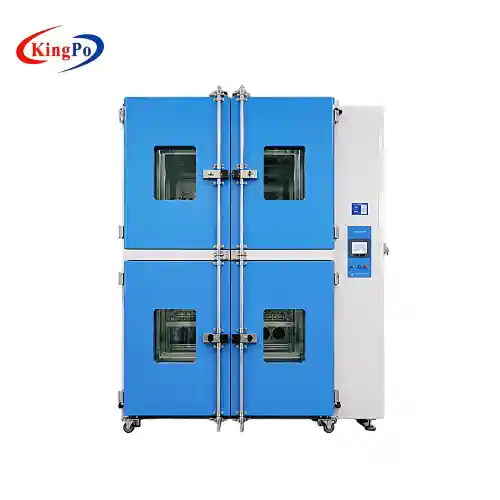
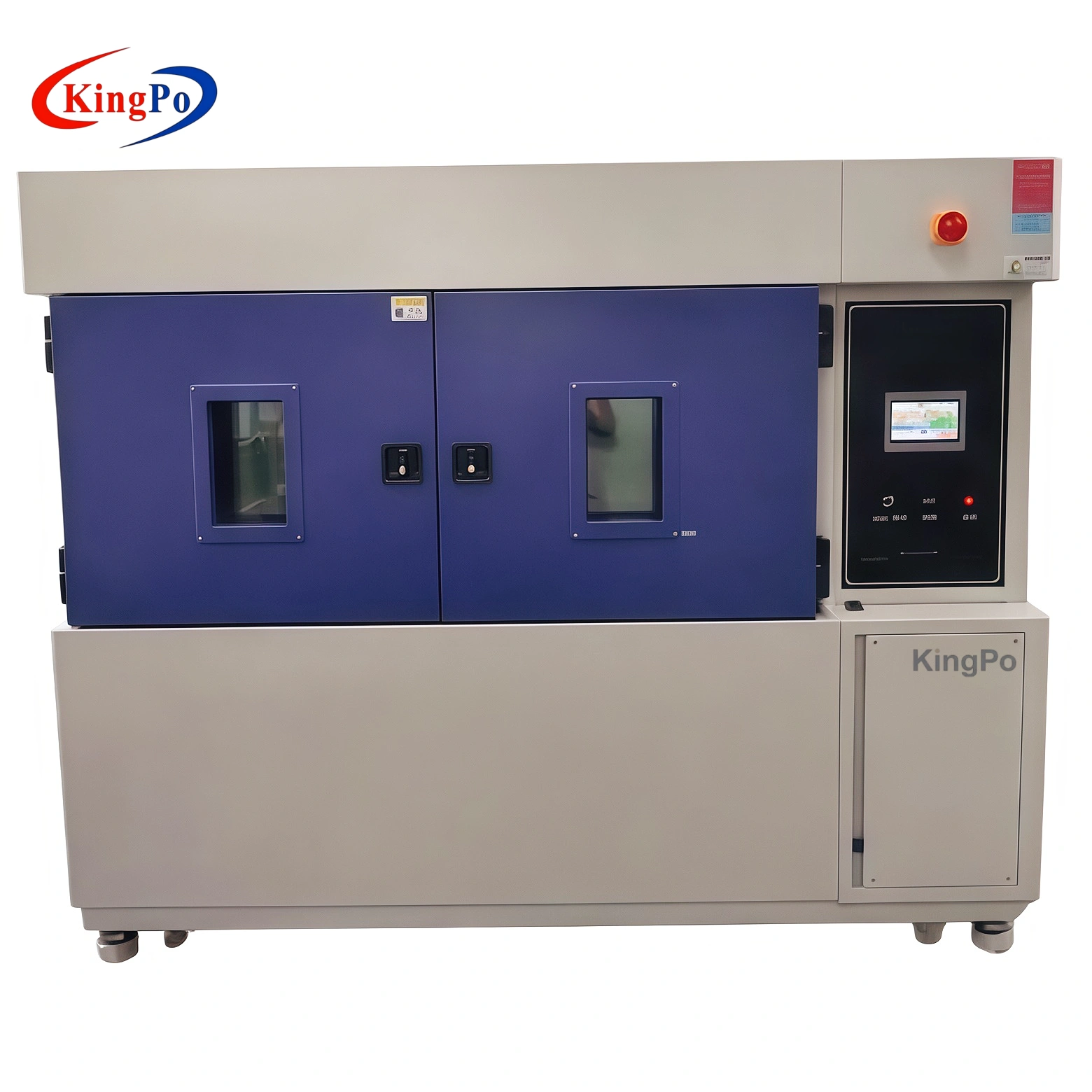
The supplied chamber features a double-door front arrangement with viewing windows and a side-mounted control section. Its large size makes appropriate transport preparation an important part of the international equipment supply process.
The available project records establish equipment preparation, packaging and shipment. They do not provide separate evidence of on-site commissioning, customer acceptance testing or completed dust resistance test results at the Indonesian laboratory.
07 / ENGINEERING VALUE
What This Project Demonstrates
The Indonesia project provides an example of a KingPo dust testing chamber configuration intended for automotive testing organizations working with JIS D 0207 F2 requirements.
From an engineering perspective, several aspects of the project are particularly relevant to laboratories planning similar environmental testing applications.
Dedicated F2 Dust Suspension Configuration
The bottom-mounted nozzle arrangement and dust concentration measuring instrument support the specified JIS D 0207 F2 test approach.
Large Specimen Workspace
The 1500 × 1000 × 1000 mm test space and adjustable sample support provide accommodation for suitable automotive components and assemblies.
Programmable Operation
The Mitsubishi PLC and touchscreen support configuration of test duration and dust-blowing intervals.
Laboratory-Oriented Equipment Features
Observation windows, internal lighting, a cable access port and pressure-balancing assembly address practical aspects of dust chamber use.
Documented International Shipment
The project includes physical equipment, packaging and loading records associated with shipment to Indonesia.
These documented details illustrate how equipment configuration, standard requirements and laboratory operating considerations come together in a specific automotive environmental testing project.
08 / FREQUENTLY ASKED QUESTIONS
Frequently Asked Questions About JIS D0207 Dust Testing
What is the purpose of a JIS D0207 dust test chamber?
A JIS D0207 dust test chamber provides a controlled environment for exposing automotive components to dust conditions specified by the applicable test method. It can be used to support evaluation of enclosure protection and component performance after dust exposure.
How does the F2 dust suspension method work?
The F2 arrangement uses airflow to suspend test dust inside an enclosed chamber. In the KP-JIS27-1500 configuration, bottom-mounted compressed-air nozzles generate dust suspension, while a measuring instrument supports dust concentration monitoring and adjustment.
What dust concentration is specified for this equipment?
The supplied equipment documentation identifies an F2 dust concentration requirement of at least 3,000 mg/m³. Actual test settings must follow the selected procedure and its requirements.
What size of specimen can the chamber accommodate?
The chamber has an internal workspace of 1500 × 1000 × 1000 mm and an adjustable sample shelf rated for loads up to 50 kg. The suitability of an individual specimen also depends on its geometry, fixture arrangement and the required test clearances.
Does JIS D 0207 testing automatically provide an IP5X or IP6X rating?
No. JIS D 0207 F2 and IEC 60529 IP5X/IP6X involve different test requirements and assessment methods. A product’s IP rating cannot be established solely from its exposure to the JIS D 0207 F2 procedure.
09 / RELATED TESTING EQUIPMENT
Explore KingPo Environmental Testing Solutions
The appropriate dust testing chamber configuration depends on the applicable test standard, testing method, sample size, dust material and laboratory utilities.
KingPo provides testing equipment solutions for automotive electrical and electronic components, product environmental testing and related laboratory applications.
Related equipment and resources:
JIS D0207 Sand Dust Test Chamber
Environmental Test Chamber Equipment
Equipment specifications may vary according to model and project configuration. Refer to the applicable specification when selecting a chamber.
Conclusion: A JIS D0207 Dust Testing Solution for Indonesia
The shipment of the KP-JIS27-1500 JIS D0207 Dust Test Chamber to Indonesia represents a documented KingPo equipment supply project for automotive environmental testing.
Designed around the F2 dust suspension principle, the chamber combines dust concentration monitoring, programmable operation, a large specimen workspace and practical laboratory features.
For automotive testing organizations evaluating dust resistance requirements, selecting a chamber with an appropriate test method, specimen capacity and laboratory utility configuration is an important step toward establishing a suitable testing capability.
KINGPO / TECHNICAL CONSULTATION
Need a Dust Test Chamber for Automotive Components?
If your laboratory is planning JIS D 0207 dust testing or another environmental testing application, contact KingPo to discuss the applicable standard, specimen dimensions and required equipment configuration.
Share your testing requirements with our team to review a suitable equipment solution.