Skip image slider
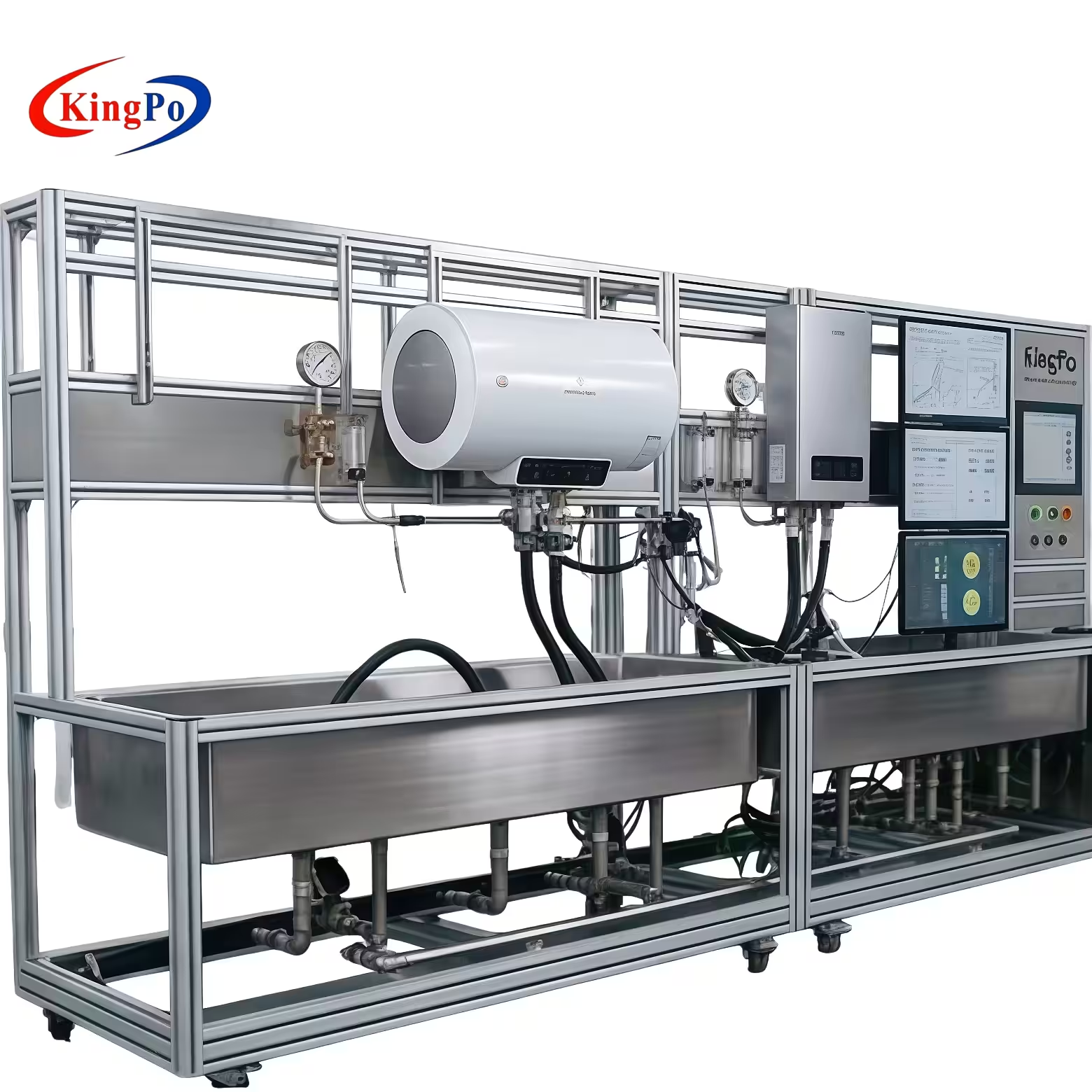
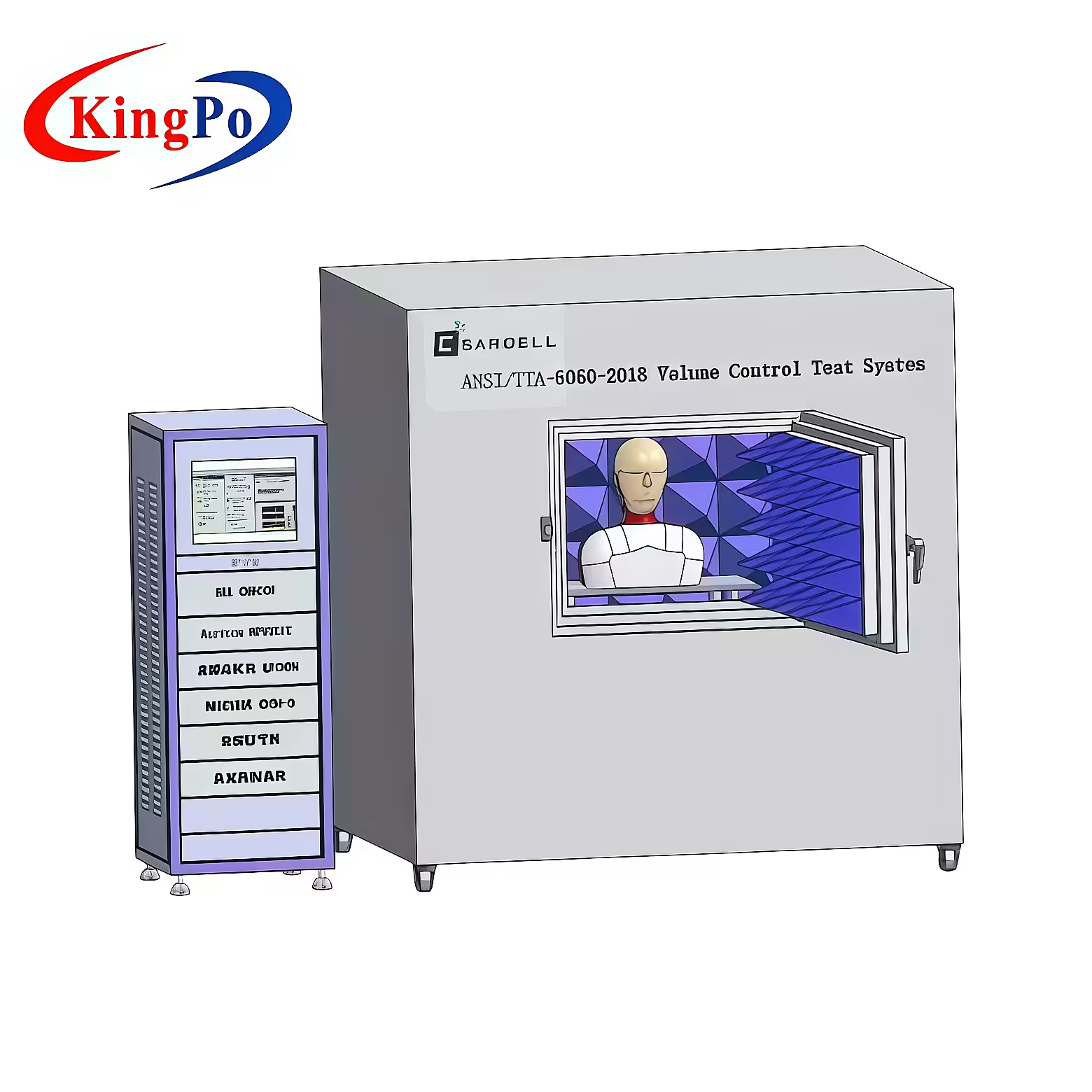
Thermal Shock Test Chamber – KingPo Ice Water Splash Thermal Shock Testing Equipment for Automotive Parts
Thermal Shock Test Chamber – KingPo Precision Spray System Simulating Ice Water Thermal Shock on Vehicle Components
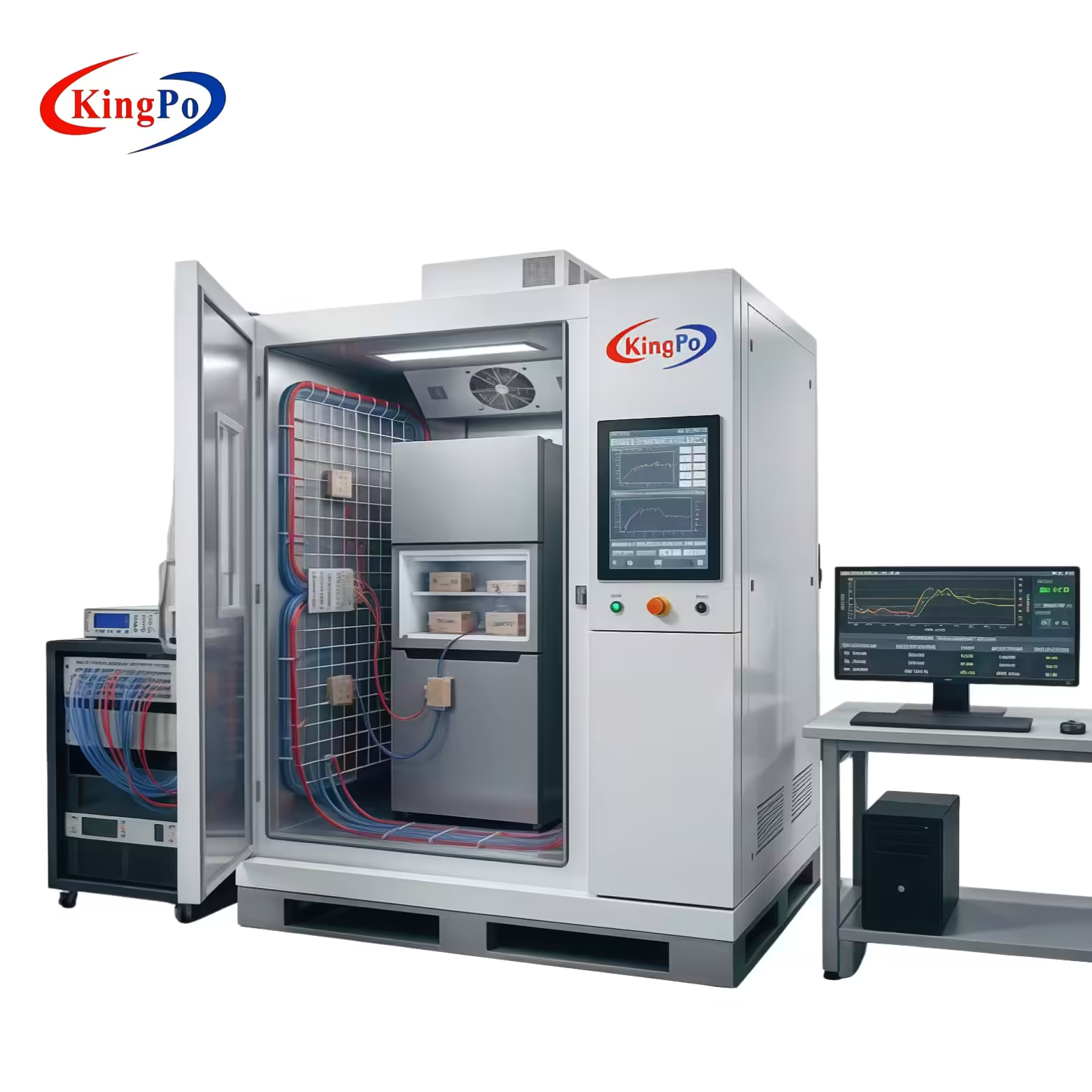
Thermal Shock Test Chamber Control Panel – KingPo 7-inch Touchscreen with Real-Time Temperature, Flow and Cycle Monitoring
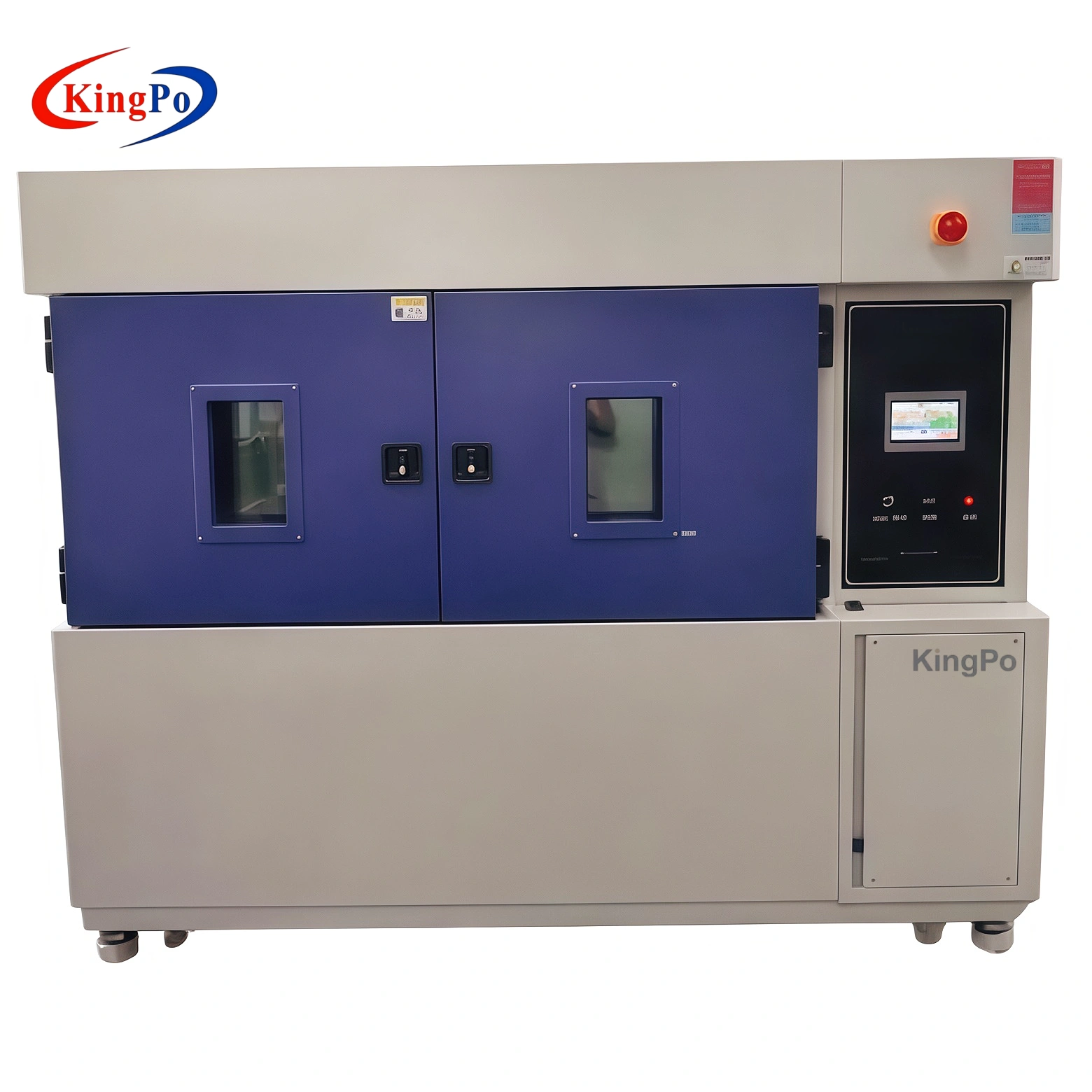
Thermal Shock Test Chamber – KingPo Robust Chamber with Turntable for Automotive Parts Thermal Shock Testing

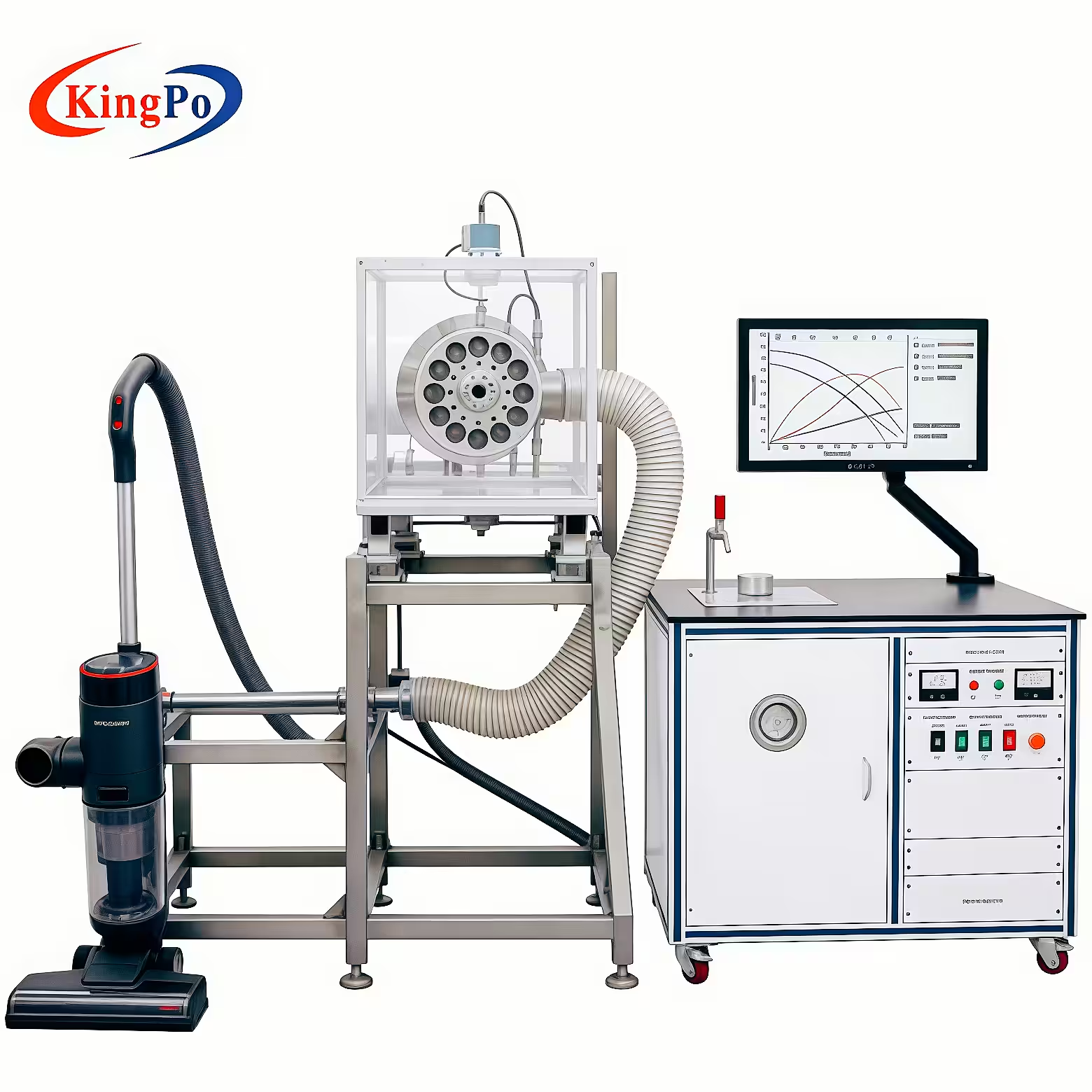
Thermal Shock Test Chamber – LV 124 K-12 Ice Water Splash Thermal Shock Testing Equipment for Automotive Parts

Thermal Shock Test Chamber – LV 124 K-12 compliant ice water splash thermal shock test chamber simulates abrupt cooling by ice water on heated automotive components to verify function and seal integrity after thermal shock.

  • Standard Compliance: MBN LV 124-2 Clause 14.11 – thermal shock test chamber
  • Test Cycles: 100 cycles (0–9999 presettable)
  • Holding Time at Tmax: 1 h or until DUT temperature is stable
  • Conversion Duration: <20 s (manual conversion between storage and splash temperature)
  • Test Liquid: Tap water containing 3% Arizona dust by weight
  • Water Temperature: 0~+4°C
  • Water Flow: 3–4 L / 3 s (jetting process)
  • Spray Distance: 300–350 mm (spray width exceeds DUT width)
  • Test Bench: φ60 cm diameter, 50 kg load capacity, height adjustment 20 cm
  • Control System: PLC with 7-inch color touchscreen
  • MOQ: 1
  • Delivery Period: 40 working days

Thermal Shock Test Chamber Description

Product Overview

Automotive electrical and electronic components can experience sudden temperature changes when cold water comes into contact with surfaces heated by vehicle operation. Such exposure can generate thermal stress in component housings, seals, connectors and internal assemblies, potentially affecting their mechanical integrity and electrical functionality.

The KingPo LV 124 K-12 Ice Water Splash Thermal Shock Test Chamber reproduces this environmental condition through controlled heating followed by cold-water splash exposure. The system supports automotive thermal shock testing according to the relevant requirements of LV 124 K-12 and MBN LV 124-2.

The equipment integrates an insulated heating chamber, ice water preparation and spray delivery system, adjustable DUT test bench and PLC-based control system. Programmable exposure cycles support component development, environmental validation and quality evaluation under repeatable test conditions.

Technical Specifications

Test Conditions and Performance

Parameter Specification
Primary Test Method Thermal shock with splash water (K-12)
Applicable Test References LV 124 K-12; MBN LV 124-2
Standard Test Cycles 100 cycles
Programmable Cycle Range 0–9999 cycles
Holding Time at Tmax 1 h or until DUT temperature is stable
Conversion Duration <20 s (manual conversion)
Test Liquid Tap water containing 3% fine Arizona dust by weight
Splash Water Temperature 0°C to +4°C
Splash Duration 3 s
Water Discharge 3–4 L per splash/nozzle
Nozzle-to-DUT Distance 300–350 mm
Spray Coverage Across the full DUT width

Chamber Construction and Control

Parameter Specification
Internal Chamber Dimensions 1000 × 1000 × 1000 mm (D × W × H)
External Dimensions Approx. 1200 × 1500 × 1950 mm
Heating Temperature Range RT +10°C to +160°C
Chamber Interior Material SUS304 stainless steel
DUT Test Bench Diameter Ø600 mm
Maximum Test Bench Load 50 kg
Test Bench Height Adjustment 200 mm
Control System PLC
Operation Interface 7-inch color touchscreen
Safety Protection Leakage, overload, short-circuit and grounding protection
Power Supply AC 380 V, 50/60 Hz

KingPo LV 124 K-12 ice water splash thermal shock test chamber with heating chamber and water cooling system for automotive component testingLV 124 K-12 thermal shock test chamber and ice water cooling system.

Test Principle and Procedure

Ice Water Splash Thermal Shock

The K-12 thermal shock test simulates the rapid cooling of heated automotive components when exposed to splash water, such as during driving through puddles.

The temperature difference between the heated component and cold water produces thermal expansion and contraction within the DUT. Repeated exposure can reveal weaknesses associated with material interfaces, housing structures, seals and electrical connections.

The test evaluates the ability of the component to maintain its required functionality after sudden cooling.

Test Procedure

01   DUT Installation

Install the component in its specified vehicle mounting orientation. Arrange the test fixture, electrical connections and monitoring equipment required for the DUT operating condition.

02   Heating

Heat the DUT to the specified maximum test temperature (Tmax) and maintain the required temperature condition before splash exposure.

03   Ice Water Splash

Apply cold water at 0°C to +4°C for 3 seconds. The specified water discharge is 3–4 L per splash/nozzle, with the nozzle positioned 300–350 mm from the DUT.

04   Cycle Repetition

Repeat the heating and splash sequence according to the selected test program. The standard K-12 procedure specifies 100 cycles, while the equipment permits cycle settings from 0 to 9999.

05   DUT Evaluation

Evaluate electrical functionality, physical condition and relevant failure characteristics according to the component test plan and applicable acceptance criteria.

DUT Operating Conditions

The operating state of the DUT depends on whether the component normally operates under electrical load during vehicle driving conditions.

  • Operating Mode II.a: Applied throughout the test when the component is not operated under load during the relevant driving condition.
  • Operating Modes II.a and II.c: Alternated according to the applicable test sequence for components operated under load during driving.

The required operating sequence and switching intervals are determined by the applicable automotive test specification.

Engineering Note

DUT temperature may differ from chamber air temperature because of component thermal mass, mounting conditions and internal heat generation. Temperature stabilization should be evaluated at the relevant DUT measurement location.

System Architecture and Components

Heating Chamber

The heating chamber provides the elevated-temperature environment required before the DUT is exposed to cold water.

The chamber has a 1000 × 1000 × 1000 mm internal workspace, a heating temperature range of RT +10°C to +160°C and a SUS304 stainless steel interior. The insulated structure helps maintain the required thermal environment during the heating stage.

KingPo LV 124 K-12 thermal shock test chamber interior showing the stainless steel test workspace and splash water test arrangement
Stainless steel test workspace and DUT splash exposure arrangement.

Ice Water Cooling and Spray Delivery

The water cooling system prepares the liquid for the cold-water splash stage. The spray system directs water toward the heated DUT under controlled temperature, volume and exposure conditions.

The nozzle arrangement provides a spray width greater than the DUT width, with the distance between the nozzle and specimen set within 300–350 mm.

For test programs using Arizona dust, the liquid preparation and mixing arrangement must maintain the specified medium composition throughout splash exposure.

Adjustable DUT Test Bench

The chamber incorporates a circular DUT support platform with a diameter of 600 mm, a load capacity of 50 kg and a height adjustment range of 200 mm.

The adjustable platform facilitates specimen positioning relative to the spray nozzle and allows fixtures to be arranged for the required exposure direction.

KingPo automotive LV 124 K-12 ice water splash thermal shock tester showing heating chamber and integrated equipment arrangement
Thermal shock chamber construction and integrated test equipment.

PLC Control and Test Data Monitoring

The chamber uses a PLC control system with a 7-inch color touchscreen for test parameter configuration, operating sequence control and monitoring.

Test Parameter Settings

The control interface provides access to the main temperature, splash and timing parameters:

  • Temperature Control: Heating chamber temperature, target temperature and ice water temperature.
  • DUT Temperature Monitoring: Display of the DUT temperature measurement channel.
  • Water Splash Settings: Splash flow, exposure duration and associated timing parameters.
  • Cycle Programming: Preset cycle count and current test progress.
  • Operating Commands: Heating, cooling, test start, test stop and alarm handling.
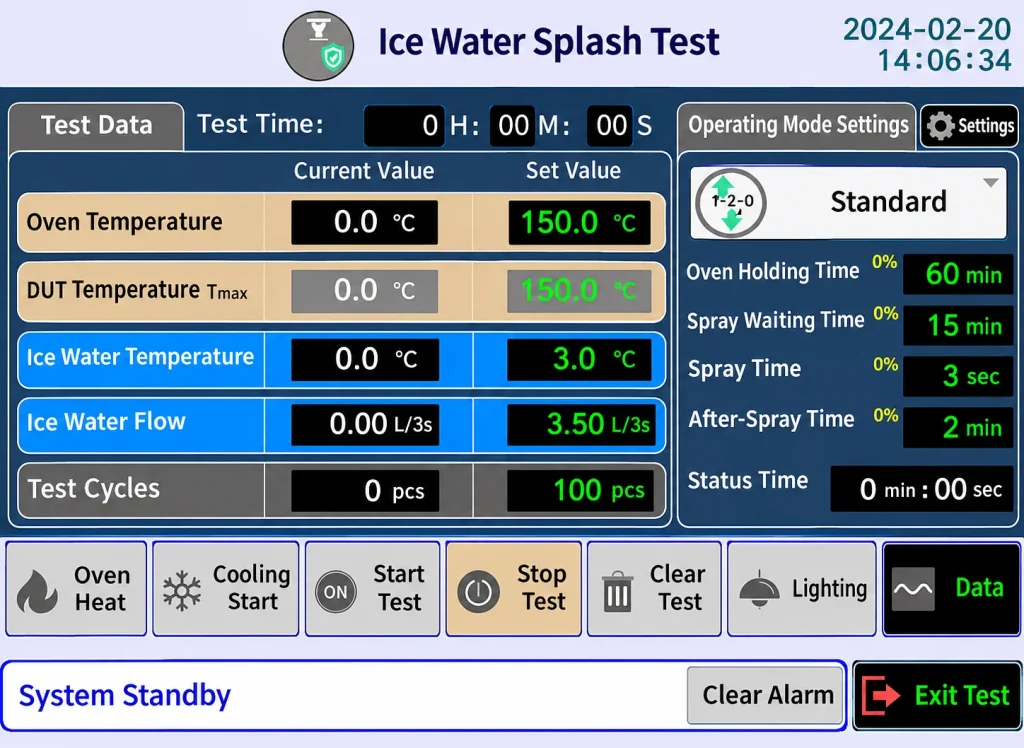
KingPo LV 124 K-12 ice water splash test chamber control interface displaying oven temperature, water temperature, splash flow and test cycle settings.
Touchscreen interface for heating temperature, splash conditions, timing and cycle settings.

Temperature Curves and Test Monitoring

The graphical monitoring interface displays the principal environmental test parameters during the thermal shock sequence.

Available monitoring channels include:

  • Heating chamber temperature
  • Ice water temperature
  • DUT temperature
  • Splash water flow

Temperature and flow curves help operators observe test conditions and identify changes during heating and splash exposure.

Where the DUT requires powered functional testing, external electrical measurement or diagnostic equipment can be incorporated into the laboratory test setup.
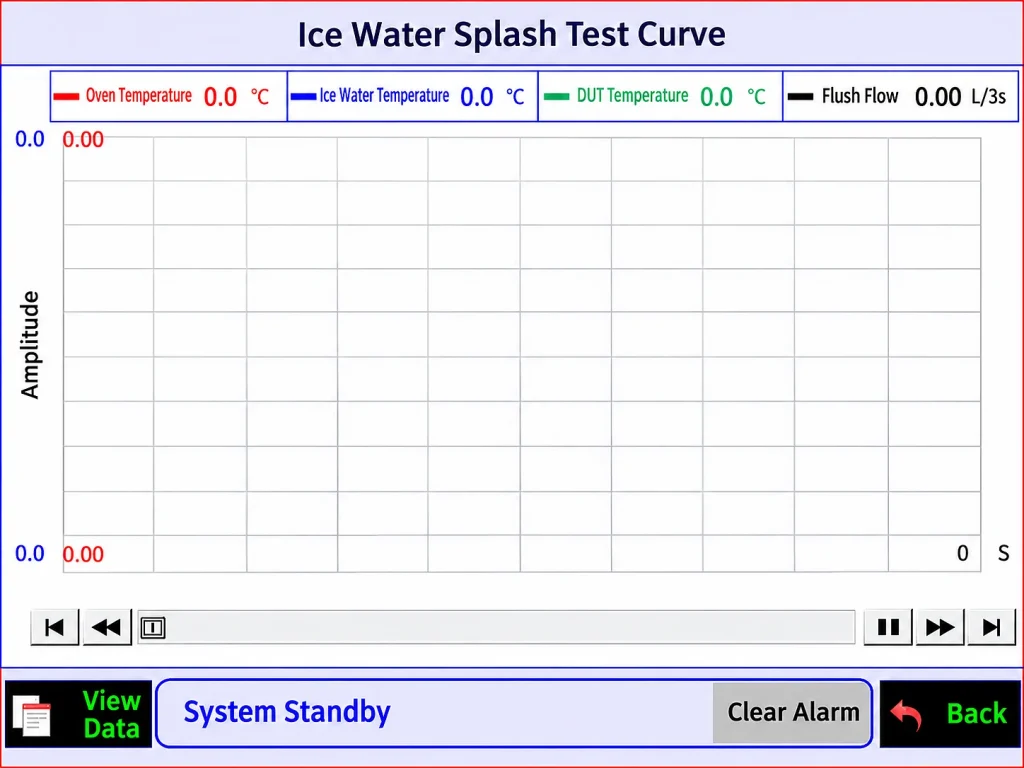
KingPo LV 124 K-12 thermal shock test chamber monitoring interface showing temperature curves and ice water splash flow data for automotive component testing.
Temperature and water flow monitoring interface for ice water splash thermal shock testing.

Applicable Standards and Test Scope

The chamber supports splash water thermal shock testing of automotive electrical and electronic components according to the applicable vehicle manufacturer and component qualification requirements.

Test Reference Test Method Application
LV 124 K-12 Thermal Shock With Splash Water Functional evaluation of heated automotive electrical and electronic components after rapid cooling by water splash.
MBN LV 124-2 Automotive splash water thermal shock testing Environmental exposure testing of vehicle components under defined heating, splash and DUT operating conditions.

K-12 Splash Water Test Conditions

The K-12 procedure involves heating the DUT to Tmax, followed by cyclic cold-water splash exposure. The splash must cover the required width of the component.

For the K-12 test using fine Arizona dust, the liquid consists of tap water with a 3% dust concentration by weight, with continuous mixing during testing.

The relevant test program defines the DUT operating modes, heating conditions, spray arrangement and functional evaluation requirements. The installation position should reproduce the component’s intended vehicle mounting configuration.

Other environmental tests, including thermal shock immersion (K-13), require different test arrangements and are outside the splash-only K-12 procedure.

For further technical information, see the LV 124 K-12 thermal shock testing guide.

Test Setup and DUT Compatibility

DUT Dimensions and Mounting

The available workspace must accommodate the specimen, mounting fixtures and the required splash nozzle clearance.

The chamber has internal dimensions of 1000 × 1000 × 1000 mm and a circular DUT support platform measuring 600 mm in diameter. The maximum test bench load is 50 kg.

DUT mounting should reproduce the relevant vehicle installation position, including covers, protective structures and the orientation of surfaces exposed to water splash.

Spray Direction and Coverage

The splash nozzle is positioned 300–350 mm from the DUT. The spray arrangement must cover the specified exposure area without interference from the fixture or surrounding structures.

For large or irregularly shaped components, fixture design and nozzle positioning are important to achieving the required splash distribution.

Electrical Connections and DUT Monitoring

Some automotive components must operate during all or part of the thermal shock sequence. These tests may require an external power supply, load simulation, communication connection or functional measurement instrument.

The DUT electrical setup should support the required operating modes without obstructing the water splash path.

Environmental parameter monitoring and DUT functional evaluation are separate activities. Electrical measurements and acceptance limits are established according to the component’s test specification.

Typical Applications

Ice water splash thermal shock testing is used for automotive components exposed to rapid changes in surface temperature during vehicle operation.
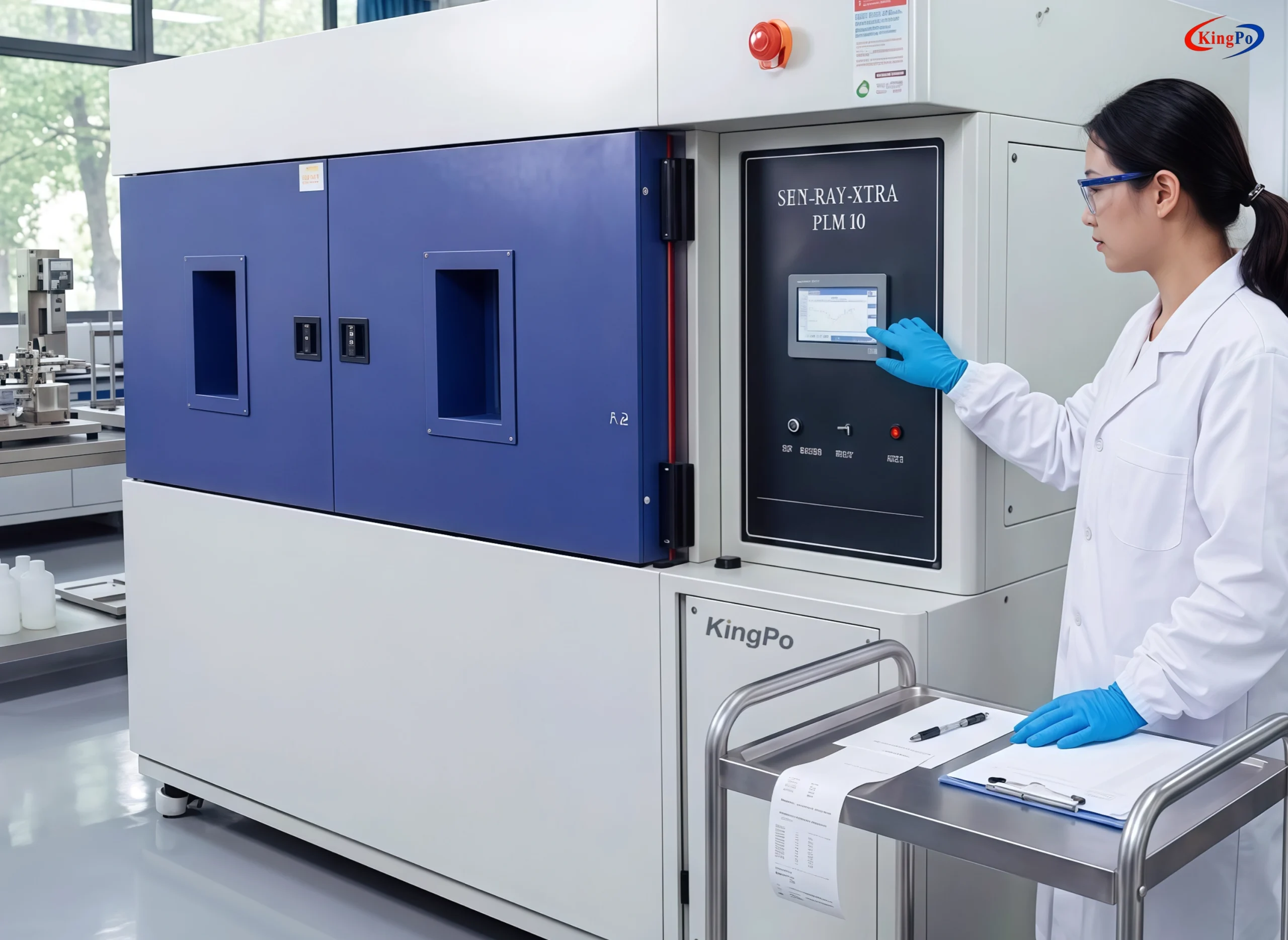
Automotive Electronic Control Units (ECUs)

Evaluation of ECU enclosures, electrical interfaces and functional performance following abrupt cold-water exposure.

Automotive Sensors

Thermal shock testing of sensor assemblies, protective housings and sealing interfaces.

Electrical Connectors and Junction Assemblies

Investigation of water ingress susceptibility and electrical continuity after rapid temperature changes.

Vehicle Electronic Modules and Actuators

Environmental validation of assemblies combining electronic circuits, protective housings and mechanical interfaces.

Automotive R&D and Testing Laboratories

Component design verification, environmental qualification, supplier testing and thermal shock failure analysis.

KingPo LV 124 K-12 ice water splash thermal shock test chamber for automotive electronic component environmental reliability testing
LV 124 K-12 ice water splash thermal shock test chamber for automotive component environmental validation.

Compliance & Regulatory Assurance

This equipment is strictly designed and manufactured in accordance with MBN LV 124-2 Clause 14.11 for ice water splash thermal shock testing of automotive parts. It simulates exposure of components to splash water as occurs when driving through puddles, thereby ensuring long-term reliability and safety in automotive applications.

For a detailed technical explanation of LV 124 tests, including K-12 thermal shock with splash water, refer to the LV 124 Technical Information Sheet published by Weiss Technik.

Technical Inquiry for LV 124 K-12 Thermal Shock Test Chamber

To confirm whether the KingPo LV 124 K-12 Ice Water Splash Thermal Shock Test Chamber is suitable for your automotive component testing requirements, please provide the following information:

  • Applicable Standard: LV 124, MBN LV 124-2 or the required automotive OEM test specification, including its edition.
  • DUT Information: Component type, dimensions, mass, mounting orientation and available technical drawings.
  • Thermal Conditions: Maximum test temperature, holding time and required temperature stabilization method.
  • Splash Requirements: Water composition, temperature, volume, duration, nozzle distance and exposure direction.
  • Test Program: Required cycles, DUT operating modes and functional evaluation requirements.
  • Laboratory Conditions: Available power supply, installation space and any external DUT monitoring requirements.

KingPo Technology Development Limited can review the submitted test requirements and DUT drawings to determine the appropriate chamber arrangement, fixture requirements and applicable equipment configuration.

Thermal Shock Test Chamber Detail Display

Thermal Shock Test Chamber FAQs

What is the purpose of the Thermal Shock Test Chamber?
This chamber is designed to simulate the real-world scenario of automotive components being exposed to splash water while driving through puddles in winter. It verifies that the part maintains its function after abrupt cooling by ice water, evaluating seal integrity, thermal expansion resistance, and the risk of water ingress or mechanical cracking caused by sudden temperature shock.
How many cycles are performed in the standard test?
The standard test consists of 100 cycles. Each cycle includes heating the DUT to the specified maximum temperature (Tmax), holding it until stable, then applying a 3-second ice-water splash.
What is the conversion duration between heating and splashing?
The transition from storage temperature to splash temperature is completed in less than 20 seconds, closely replicating the abrupt cooling effect experienced in actual driving conditions.
Which standard does the LV 124 K-12 thermal shock test chamber comply with?
The equipment is fully compliant with MBN LV 124-2 2013-08 Version 2.2 Clause 14.11, which is the German automotive OEM standard for ice water splash thermal shock testing of vehicle components.
What is the conversion duration between heating and splashing?
The transition from storage temperature to splash temperature is completed in less than 20 seconds, closely replicating the abrupt cooling effect experienced in actual driving conditions.
How many cycles are performed in the standard test?
The standard test consists of 100 cycles. Each cycle includes heating the DUT to the specified maximum temperature (Tmax), holding it until stable, then applying a 3-second ice-water splash.
What is the holding time at maximum temperature?
The DUT is held at Tmax for 1 hour or until the internal temperature is fully stable, ensuring the component reaches thermal equilibrium before the sudden cooling phase.
What is the composition of the test liquid?
The test liquid is tap water mixed with 3% Arizona dust by weight. This mixture simulates realistic road contaminants and provides a more representative evaluation of seal performance under dirty water splash conditions.
What is the water flow rate during the splashing process?
The flow rate is 3–4 L per 3 seconds (jetting process), with the spray width designed to exceed the full width of the DUT for complete coverage.
What is the water temperature range during splashing?
Water temperature is strictly controlled between 0 °C and +4 °C to simulate ice-cold winter splash water, which is critical for accurate thermal shock testing.

Related Products

Related News

KINGPO SUCCESSFUL CASE / AUTOMOTIVE TESTING A KP-JIS27-1500 dust suspension testing system configured for automotive electrical and electronic component dust […]

Choose the right IPX8 water immersion test chamber by focusing on compliance, reliability, and features that match your product’s water resistance requirements.
IPX8 waterproof testing verifies products endure continuous water immersion, following IEC 60529 and ISO 20653 standards for reliable performance.

Key Takeaways A professional water splash test chamber accurately simulates rain, splashing water, and ice-water thermal shock, ensuring products meet […]

Abstract / Technical Summary Our LV 124 K-12 thermal shock test chamber is a specialized ice water splash thermal shock […]

IP testing equipment checks product resistance to dust and water, ensuring safety, reliability, and compliance with industry standards from KingPo.

Abstract / Technical Summary A professional rain spray test chamber is the essential equipment for conducting JIS D0203 automotive waterproof […]

IP ratings and IEC 60529 standard define equipment protection against dust and water, ensuring safety, compliance, and suitability for diverse environments.
Scroll to Top

Get A Free Quote Now !

Contact Form
If you have any questions, please do not hesitate to contact us.