Abstract
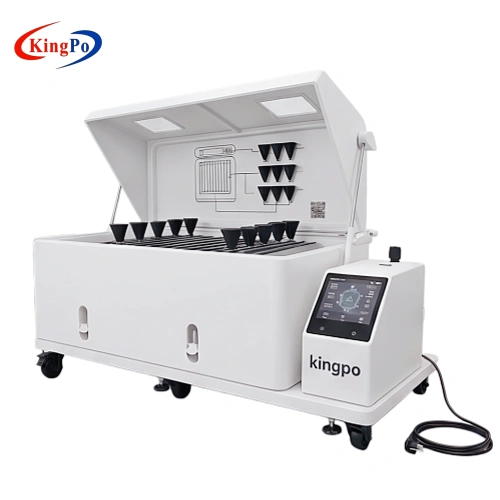
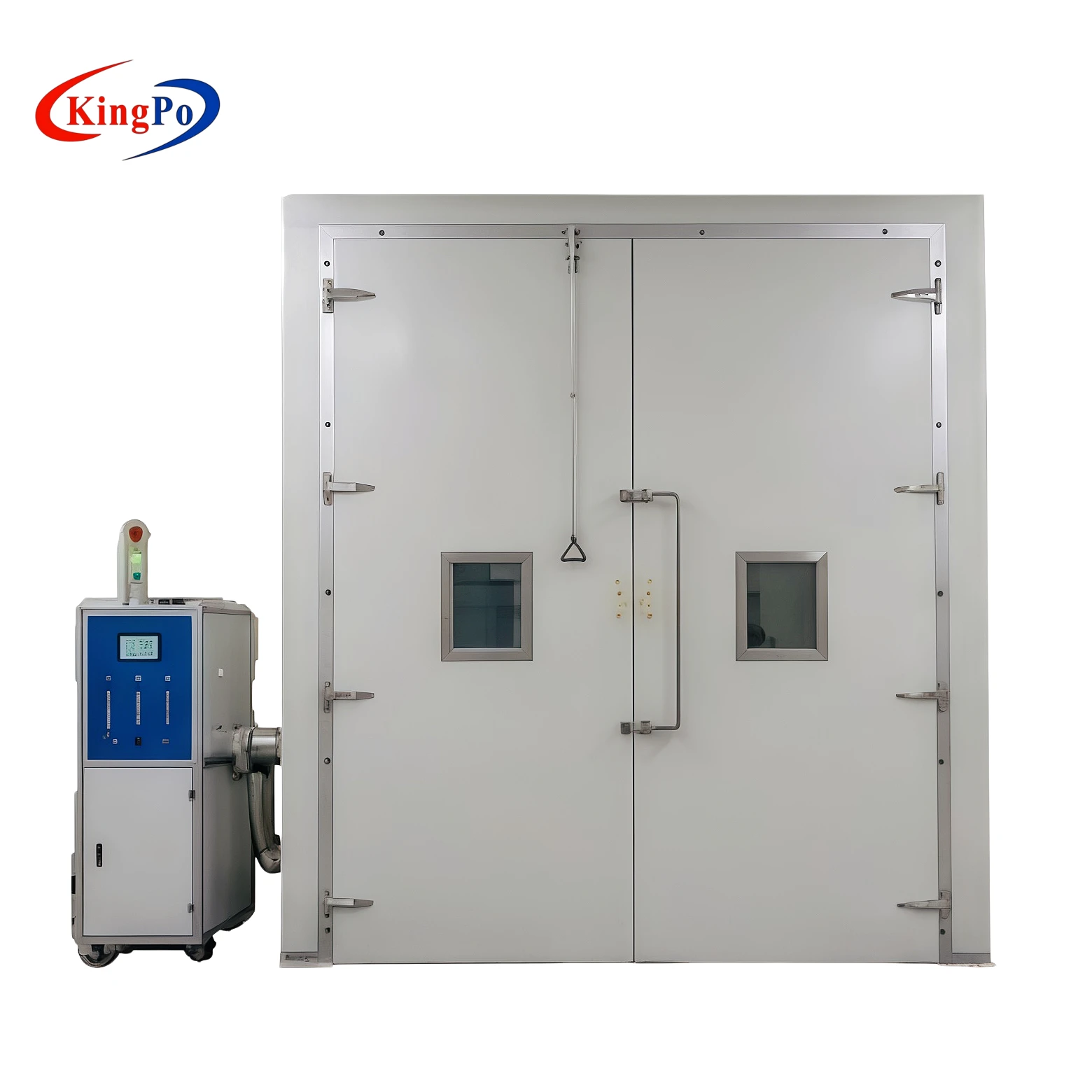
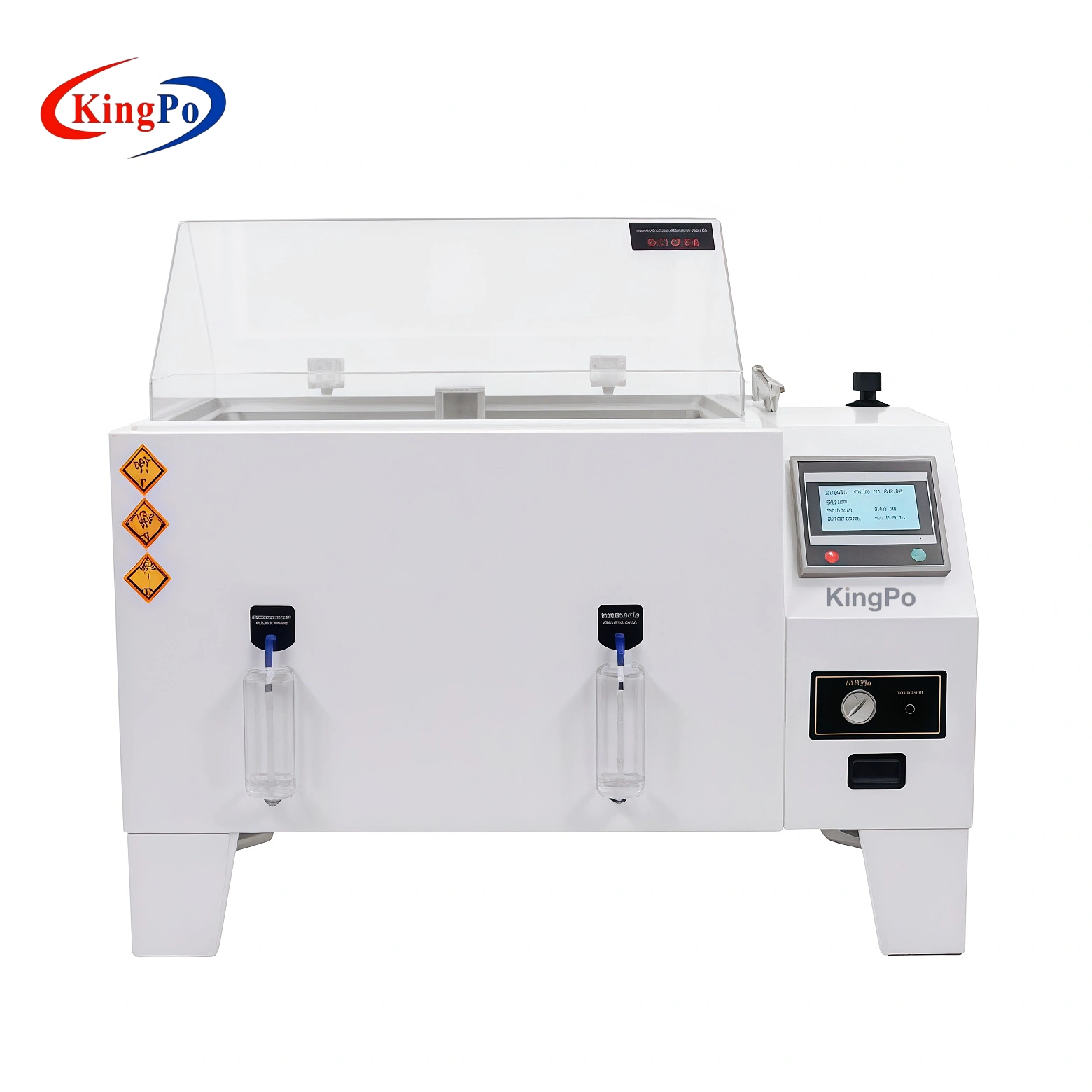
The IEC 60068-2-1 cold test is one of the most critical environmental reliability tests for electronic components, batteries, and EV charging equipment. Many laboratories struggle with temperature non-uniformity, condensation issues, and test specimen damage during low-temperature exposure. Kingpo high-precision Environmental Test Chambers deliver exceptional temperature uniformity (±0.5°C to ±1°C), rapid cooling rates, and advanced anti-condensation technology, helping laboratories achieve reliable and repeatable results in full compliance with IEC 60068-2-1:2025.
Introduction
In today’s competitive market, product reliability under extreme cold conditions is no longer optional. From consumer electronics and lithium batteries to EV charging connectors and medical devices, manufacturers must prove their products can withstand low temperatures during storage, transportation, and operation.
The IEC 60068-2-1 standard specifies cold tests (Test A) to evaluate the ability of specimens to function or survive at low temperatures. However, many laboratories report inconsistent test results, failed specimens, or prolonged testing cycles. These issues often stem from equipment limitations rather than product design flaws.
This article analyzes the most common problems encountered during IEC 60068-2-1 cold testing and provides practical solutions, with a focus on how advanced Environmental Test Chambers can help laboratories achieve accurate, efficient, and compliant results.
Why IEC 60068-2-1 Cold Test Becomes a Common Laboratory Challenge
Laboratories frequently face the following difficulties when performing cold tests:
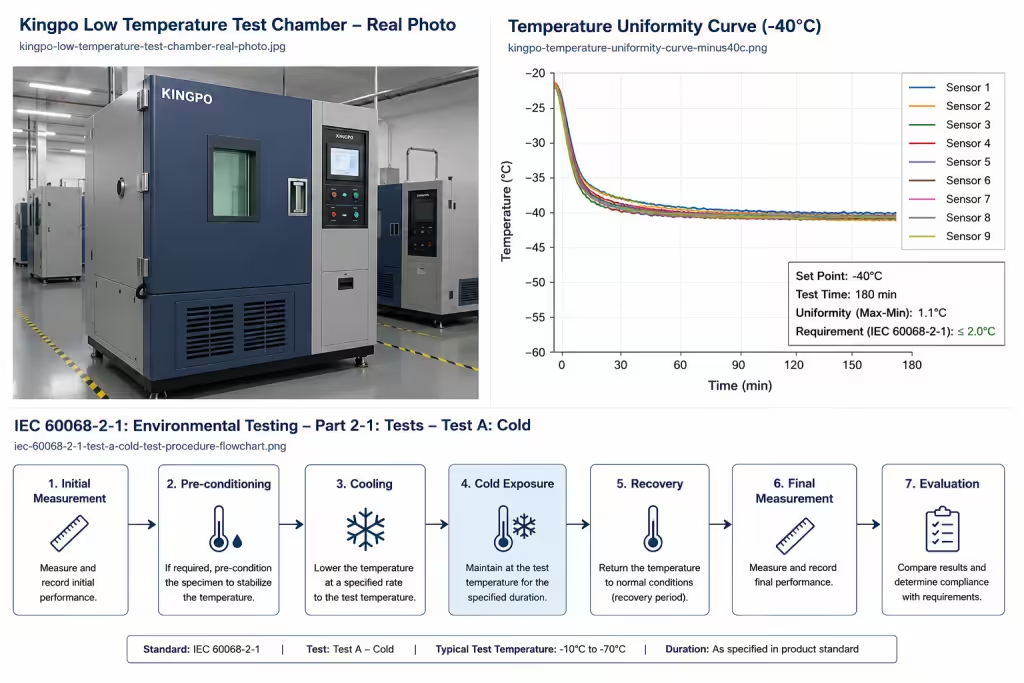
- Temperature inside the chamber is not uniform, causing different parts of the specimen to experience varying conditions
- Condensation forms on the specimen surface when temperature rises too quickly after the cold soak
- Specimens suffer mechanical damage or electrical failure due to thermal shock
- Test duration is excessively long because of slow cooling rates
- Data repeatability is poor, leading to repeated tests and certification delays
According to IEC 60068-2-1:2025, the cold test requires precise control of temperature, stabilization time, and recovery conditions. Any deviation in chamber performance can invalidate the entire test.
Common Failures in Cold Testing and Their Root Causes
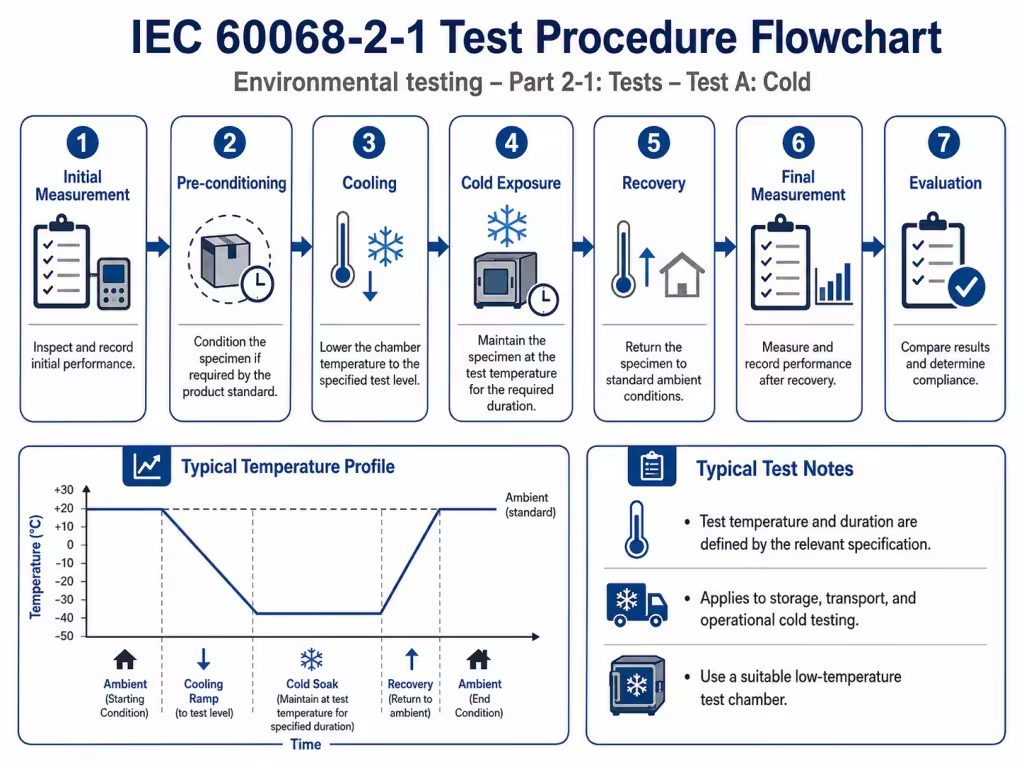
1. Temperature Non-Uniformity Many chambers struggle to maintain temperature variation within ±2°C across the working space. This is especially problematic for large specimens or when multiple samples are tested simultaneously. Non-uniformity often leads to false failures or overly optimistic results.
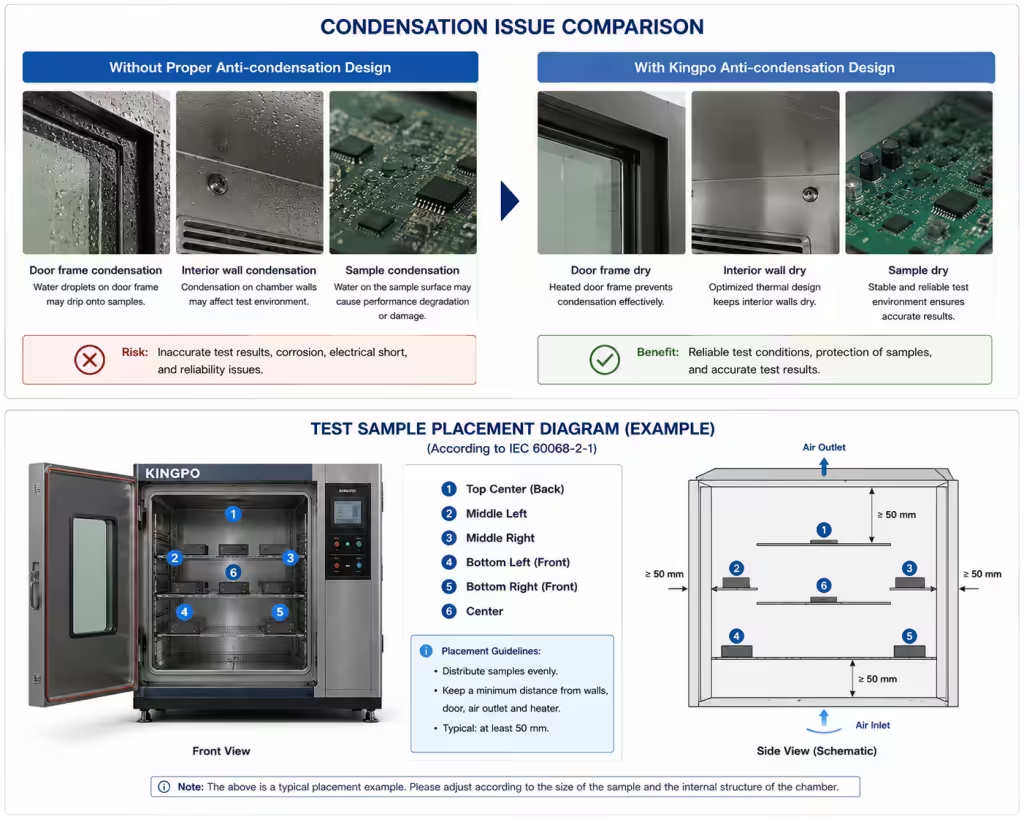
2. Condensation and Moisture Issues After the cold exposure period, if the chamber temperature rises too rapidly, moisture from the air condenses on the cold specimen surface. This can cause corrosion, short circuits, or misleading test outcomes.
3. Thermal Shock Damage Some chambers lack proper control over temperature change rates, causing sudden thermal stress that damages sensitive components (especially in batteries and electronic modules).
4. Long Stabilization and Recovery Times Low cooling capacity forces laboratories to wait longer for the chamber to reach the target temperature and stabilize, significantly extending overall test time.
Kingpo Environmental Test Chambers Advantages for IEC 60068-2-1 Cold Testing
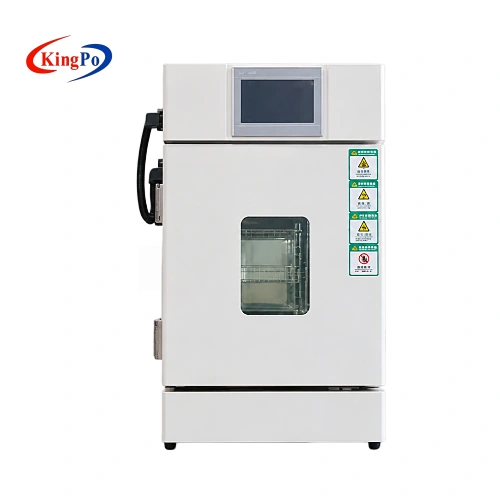
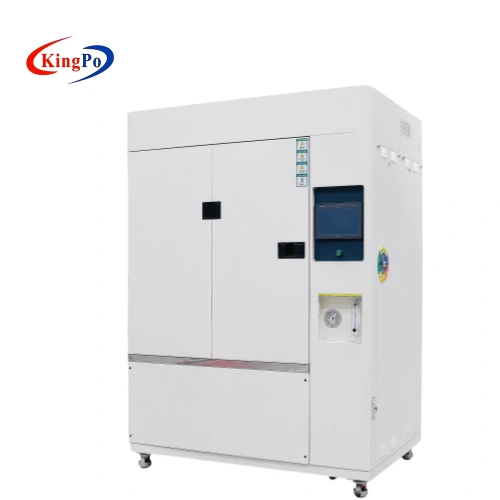
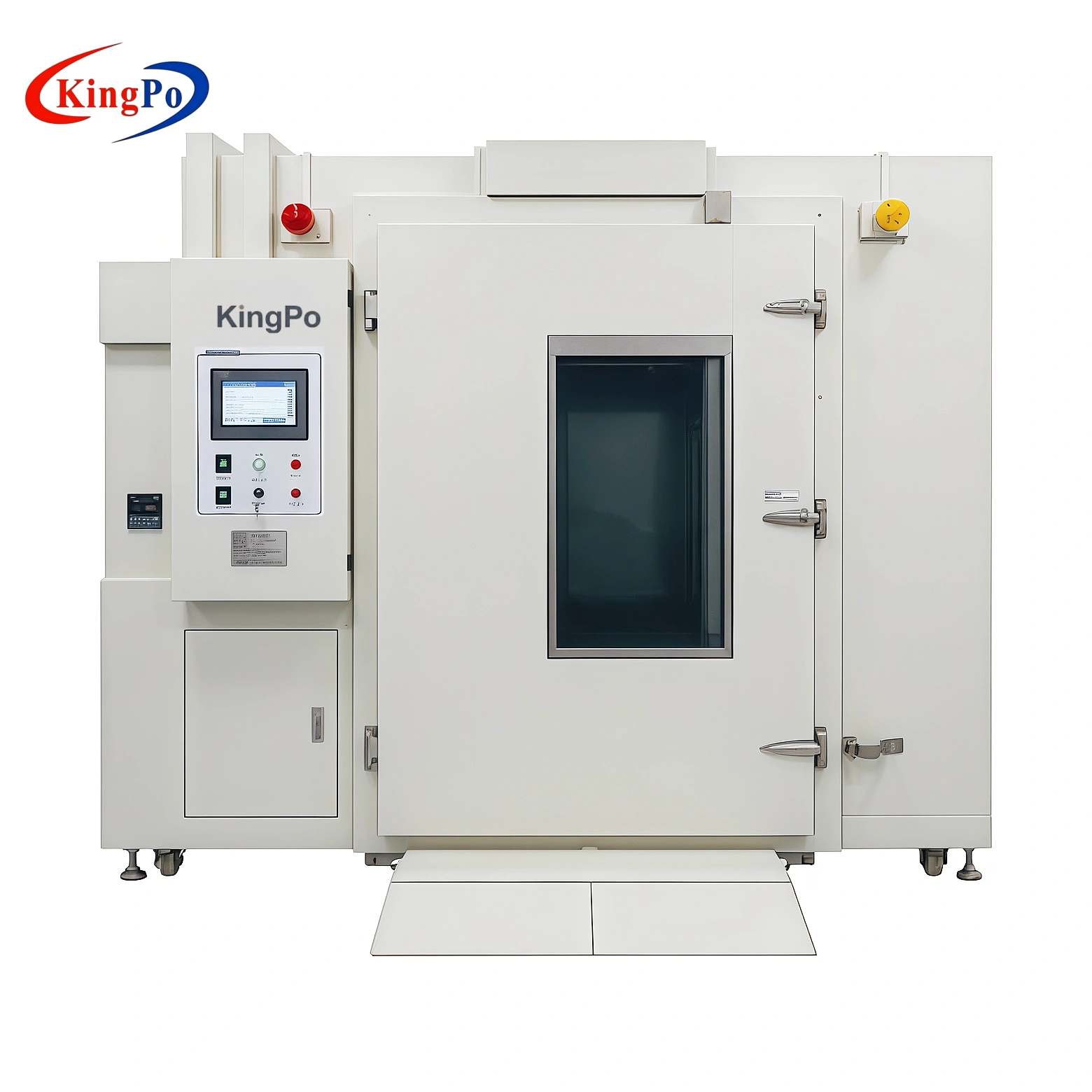
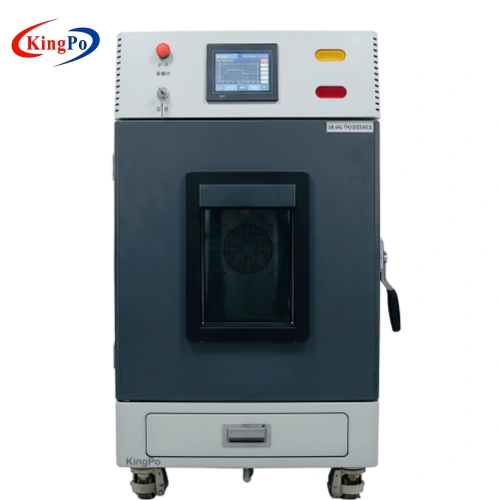
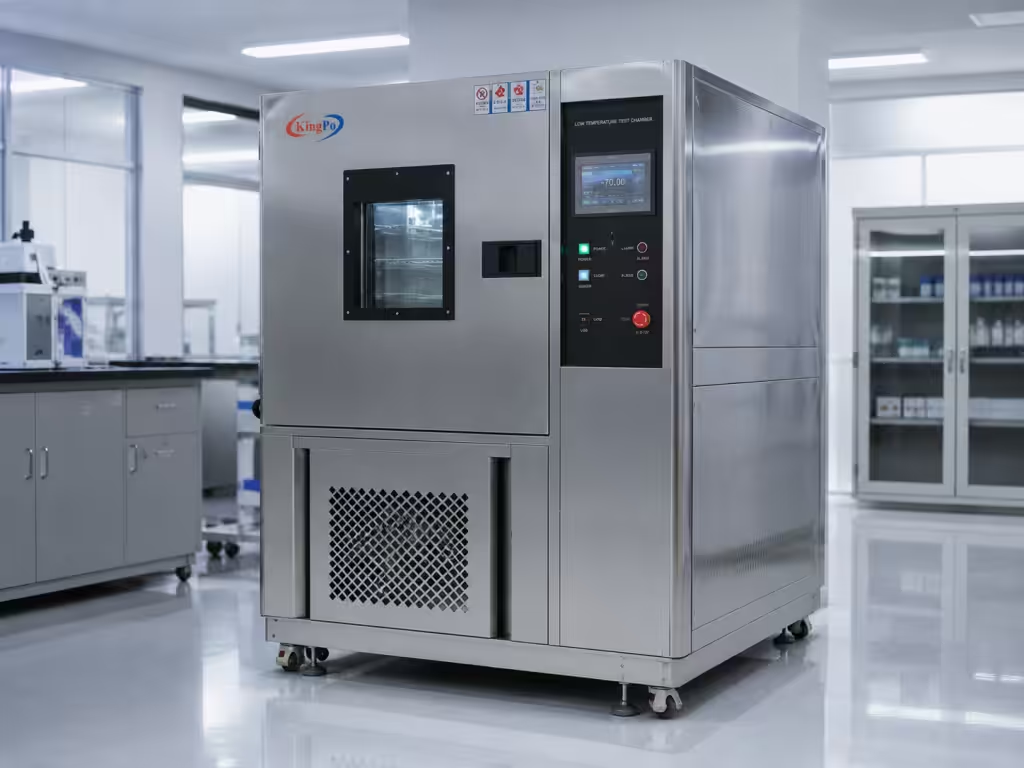
Kingpo Technology Development Limited, with over 20 years of independent R&D expertise in environmental testing equipment, has developed a full range of high-performance Environmental Test Chambers specifically optimized for IEC 60068 standards. All core technologies — including the precision temperature control system, anti-condensation algorithm, and energy recovery module — are independently developed by Kingpo’s in-house engineering team, ensuring superior long-term stability and reliability compared to assembled equipment.
Key advantages for cold testing include:
- Wide Temperature Range: Standard models reach -70°C (optional -80°C), fully covering IEC 60068-2-1 requirements
- Excellent Temperature Uniformity: ±0.5°C to ±1°C across the entire workspace, even with large loads
- Rapid Cooling Rate: Up to 5°C/min (or higher in customized models), significantly reducing test duration
- Advanced Anti-Condensation System: Programmable humidity control and gradual temperature recovery to prevent moisture damage
- High-Precision PLC Control + Data Logging: Real-time monitoring, automatic stabilization detection, and compliance-ready test reports
- Energy-Efficient Design: Regenerative cooling technology reduces power consumption by up to 40%
These features allow laboratories to perform IEC 60068-2-1 cold tests with higher accuracy, better repeatability, and lower operational costs while benefiting from Kingpo’s proven 20+ years of specialized experience in environmental testing solutions.
Step-by-Step Guide to Successful IEC 60068-2-1 Cold Testing
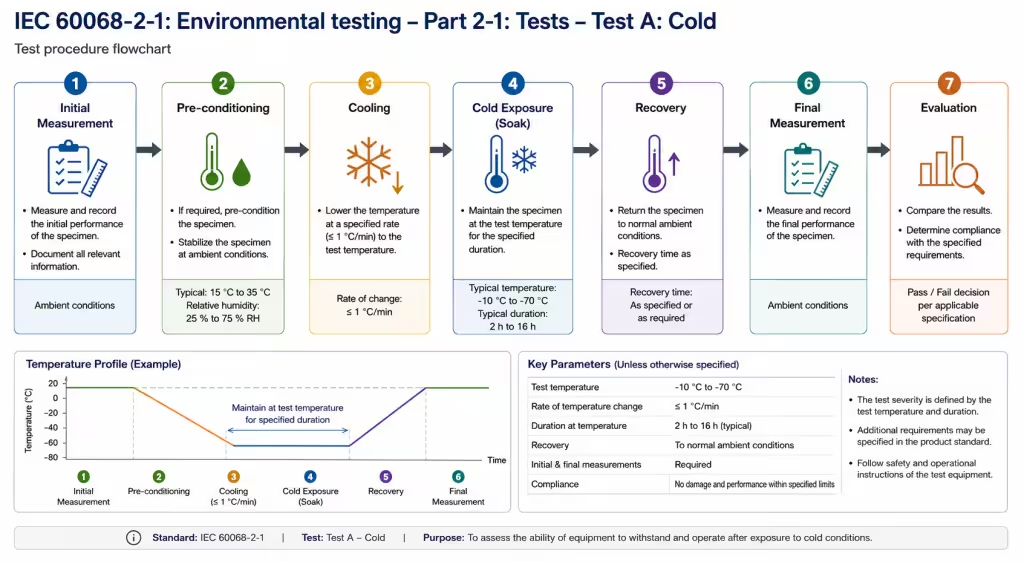
- Pre-Test Preparation Verify specimen condition and initial measurements. Ensure the chamber has been calibrated within the last 12 months.
- Temperature Setting Set the target temperature according to the product specification (commonly -25°C, -40°C, or -55°C). Allow sufficient stabilization time (minimum 2–4 hours depending on specimen size).
- Loading and Positioning Place specimens with adequate spacing. Avoid blocking airflow. Use Kingpo’s optional specimen racks for optimal uniformity.
- Cold Soak Duration Follow the standard’s recommended exposure time (usually 2h, 16h, 72h, or 96h). Monitor temperature stability continuously.
- Recovery Phase Use controlled temperature rise (maximum 1–2°C/min) to prevent condensation. Kingpo chambers can automatically manage this process.
- Post-Test Inspection Perform final measurements and visual inspection. Document any anomalies immediately.
- Data Analysis & Reporting Use the chamber’s built-in software to generate standardized reports that meet certification body requirements.
Conclusion Performing reliable IEC 60068-2-1 cold tests requires both deep understanding of the standard and high-performance testing equipment. With over two decades of independent R&D, Kingpo Environmental Test Chambers combine precision engineering, advanced control systems, and proven reliability to help laboratories overcome common challenges and deliver consistent, compliant results.
For the complete IEC 60068 Environmental Testing Standards Overview and more application cases, please visit our Pillar Page: https://www.dgkingpo.com/iec-60068-environmental-testing-overview-guide/
Need help selecting the right model for your cold testing requirements? Contact the Kingpo technical team today for professional advice and customized solutions.