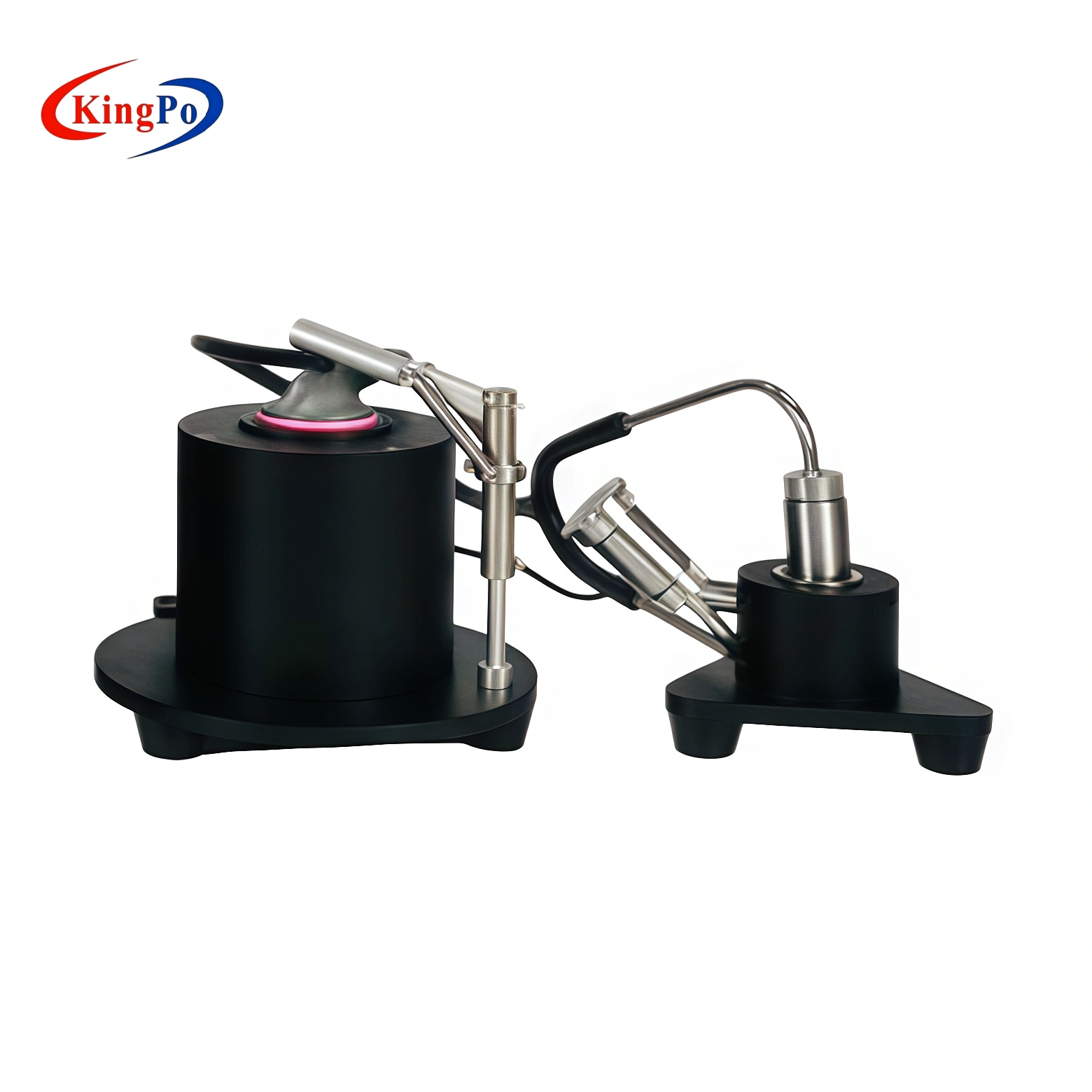
Sound-amplifying stethoscope acoustic test installation with test source and artificial ear
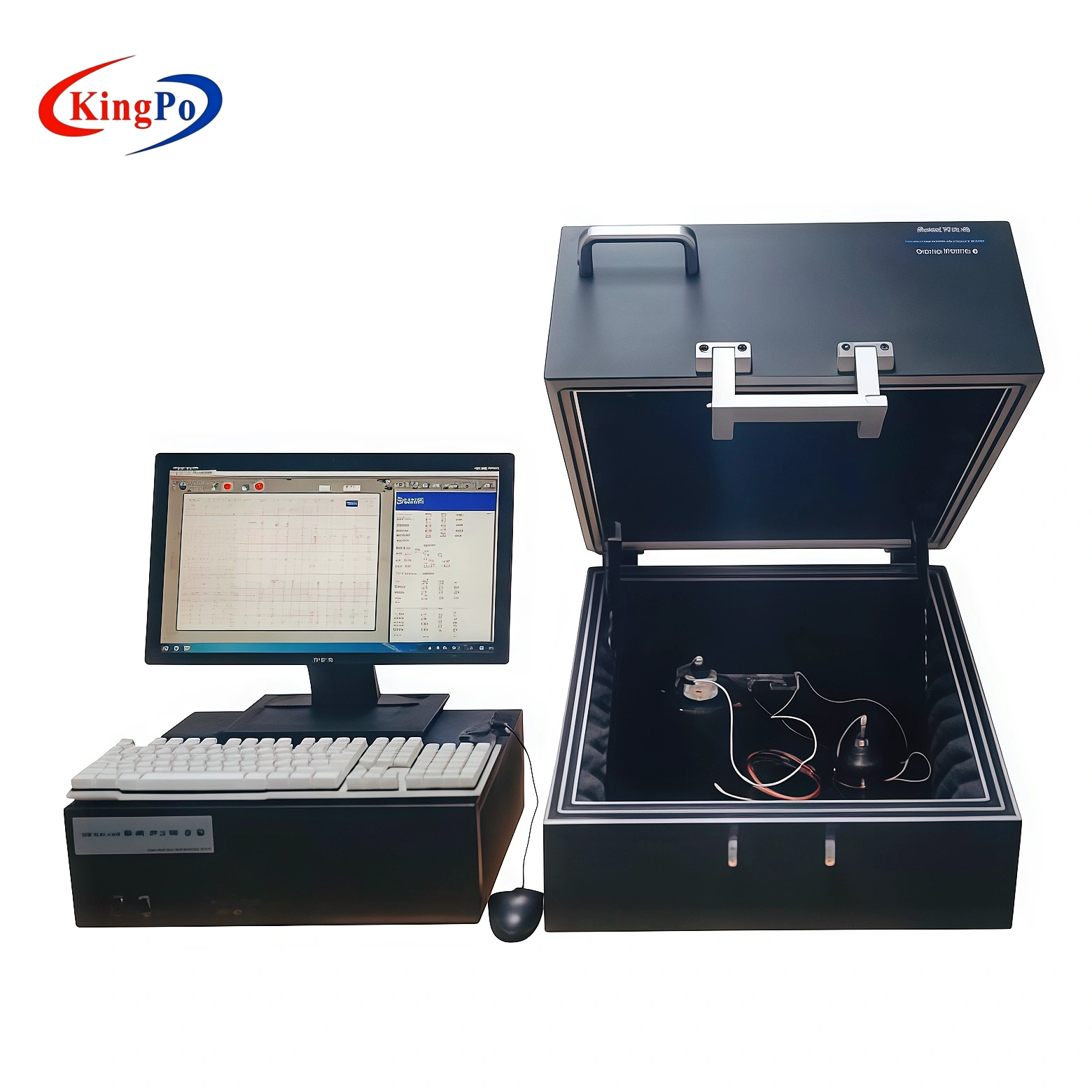
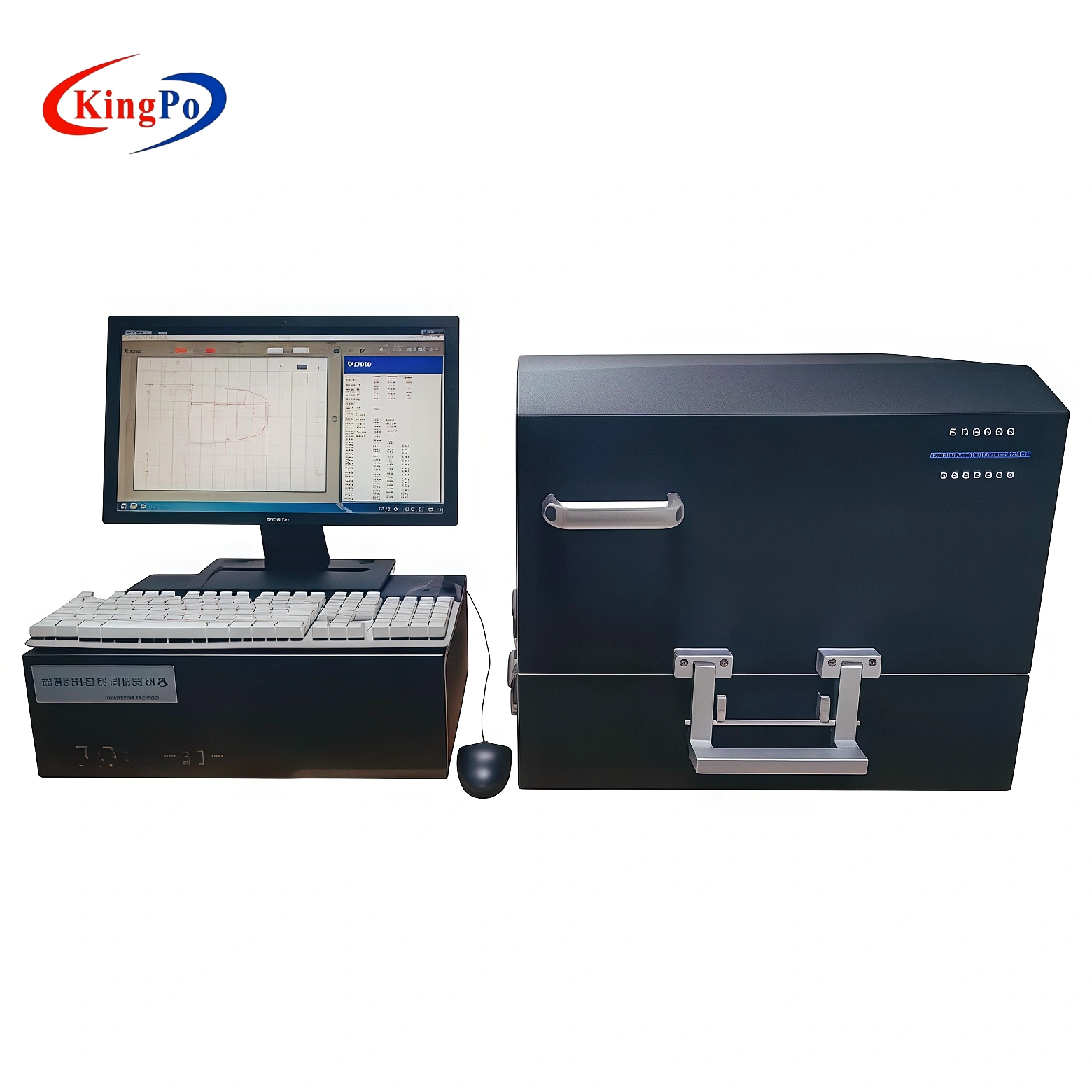
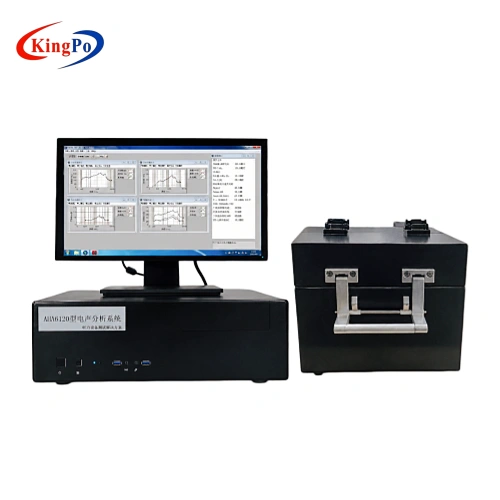
Stethoscope Acoustic Test System with electroacoustic analyzer and open acoustic test box
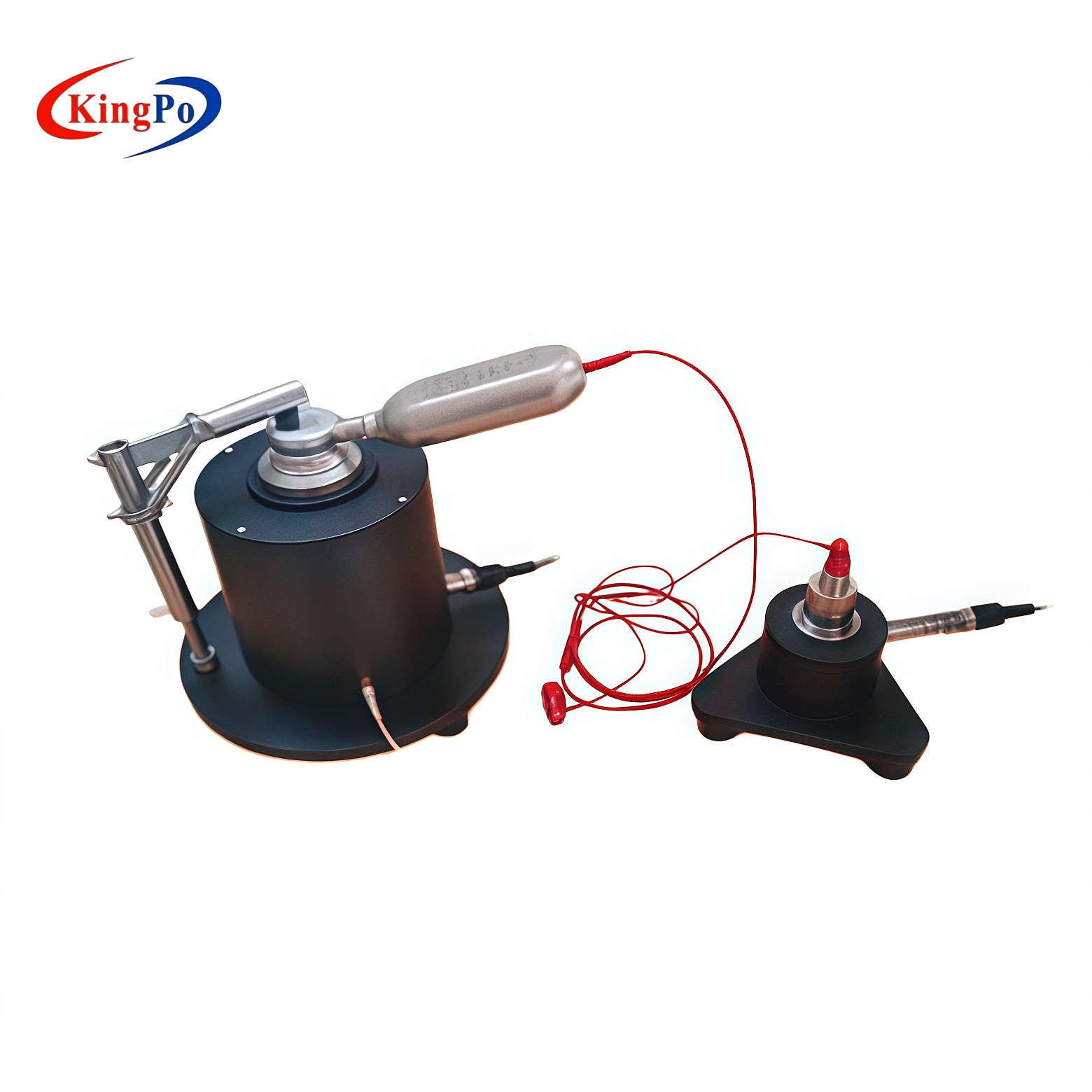
Traditional stethoscope acoustic test installation with 2 cc coupler and test sound source
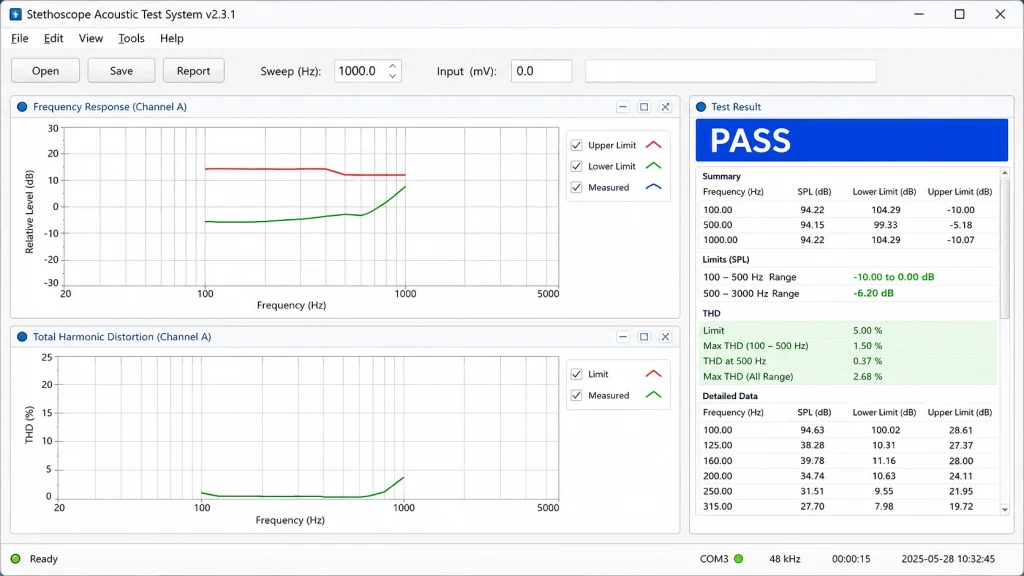
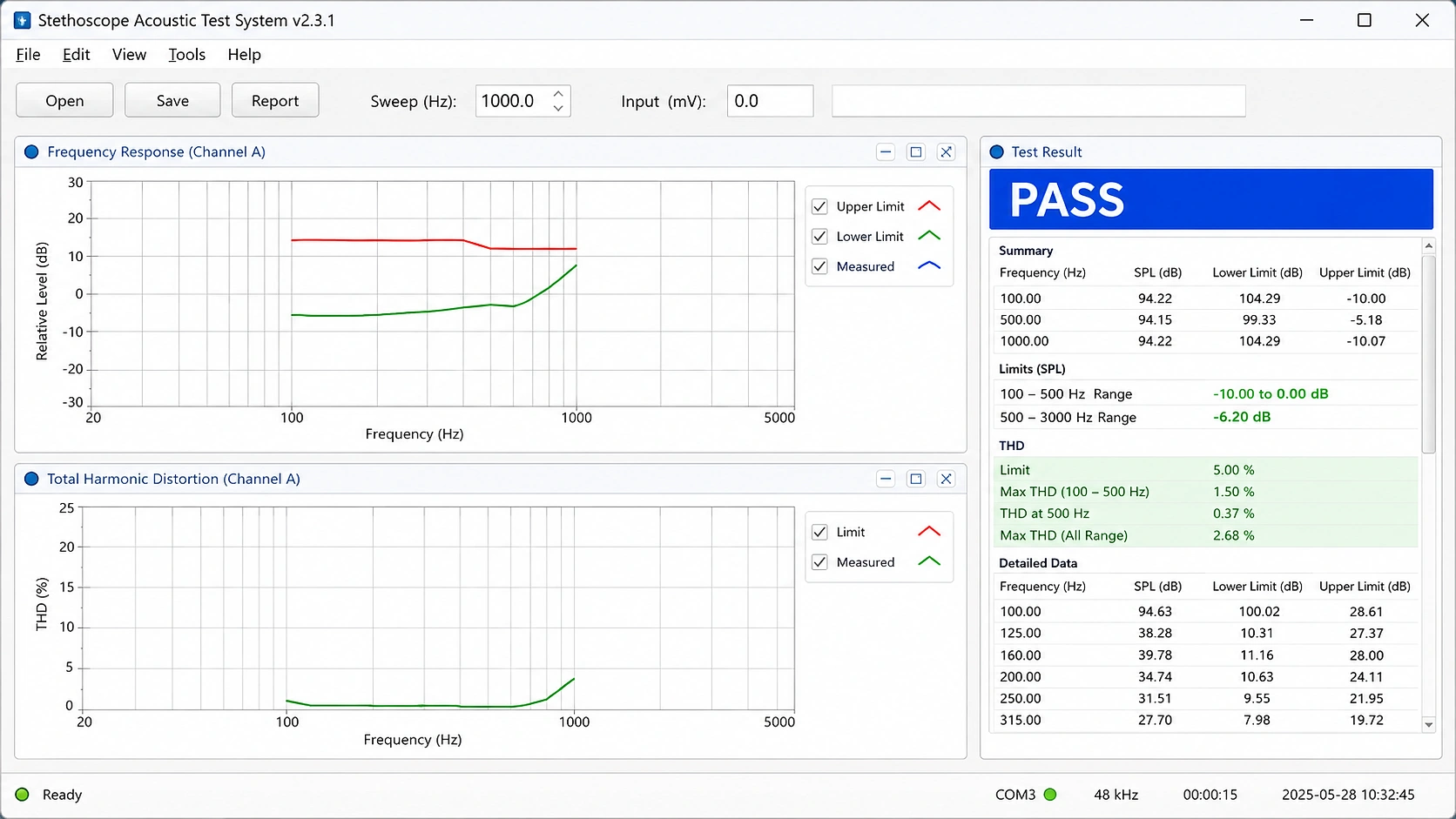
Stethoscope acoustic test software interface showing PASS result and acoustic measurement curves
Sound-amplifying stethoscope acoustic test installation with test source and artificial ear
Stethoscope Acoustic Test System with electroacoustic analyzer and open acoustic test box
Traditional stethoscope acoustic test installation with 2 cc coupler and test sound source
Stethoscope acoustic test software interface showing PASS result and acoustic measurement curves

Stethoscope Acoustic Test System

The Stethoscope Acoustic Test System is designed for acoustic performance testing of medical stethoscopes, including traditional stethoscopes and sound-amplifying stethoscopes. It provides a controlled electroacoustic measurement setup for evaluating sound attenuation, output sound pressure level, harmonic distortion and equivalent input noise.

  • Designed for medical stethoscope acoustic performance testing
  • Suitable for traditional and sound-amplifying stethoscopes
  • IEC 61672-1 compliant sound level measurement
  • Measures sound attenuation curve and acoustic transmission performance
  • Supports output sound pressure level measurement
  • Supports harmonic distortion testing for sound-amplifying stethoscopes
  • Supports equivalent input noise evaluation
  • Uses electroacoustic analysis system with dedicated stethoscope test software
  • Works with test sound source, artificial ear / 2 cc coupler and acoustic test box
  • Supports 1/3 OCT point-frequency measurement
  • Measurement can be triggered by mouse, keyboard or foot switch
  • Suitable for R&D, production QA, batch inspection and laboratory testing

Product Overview

A medical stethoscope is used to listen to sounds from the heart, lungs and other organs. Although the structure of stethoscopes has developed over time, the basic acoustic path still includes the chestpiece, sound transmission tube and earpiece.

For stethoscope manufacturers, acoustic quality cannot be judged only by appearance or manual listening. A stethoscope may look acceptable but still have excessive sound attenuation, unstable output level, high distortion or poor noise performance.

The Stethoscope Acoustic Test System provides a structured test method for evaluating these acoustic characteristics. It helps users compare product designs, verify batch consistency, support quality inspection and generate measurable acoustic performance data.

IEC 61672-1 Sound Level Measurement

The acoustic measurement section of the system is designed around IEC 61672-1 compliant sound level measurement. This makes the system suitable for measuring sound pressure level and acoustic transmission behavior in a controlled stethoscope test setup.

During testing, the system measures both the sound source output level and the sound pressure level at the stethoscope earpiece side. The software then calculates the attenuation value between the two levels to evaluate the stethoscope’s sound transmission performance.

Stethoscope-specific test methods may also refer to YY/T 1035-2021 and YY 91035-1999 when required by the customer’s internal procedure or target market.

What the System Tests

Sound Attenuation Curve

Evaluates how much sound is reduced through the stethoscope acoustic path.

Output Sound Pressure Level

Measures the sound pressure level delivered to the earpiece side.

Harmonic Distortion Curve

Evaluates distortion performance of sound-amplifying stethoscopes.

Equivalent Input Noise

Checks internal noise performance of sound-amplifying stethoscopes.

Frequency Response Behavior

Helps compare acoustic performance at different test frequencies.

Typical Test Purpose

Supports design comparison, batch verification and laboratory acoustic evaluation.

Test Principle

The system uses an electroacoustic analysis platform with dedicated stethoscope test software. A test sound source generates controlled acoustic output, while the artificial ear / 2 cc coupler measures the sound pressure level at the stethoscope earpiece side.

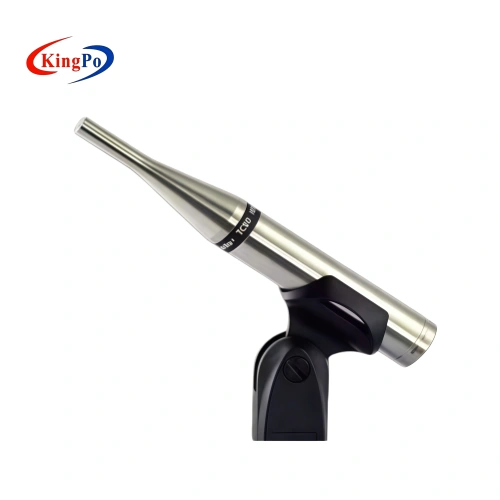
The sound source microphone is used to calibrate the test sound source so that it reaches the required sound pressure level at different frequencies. The software then measures the sound source output level and the stethoscope earpiece output level by point-frequency method.

The difference between these two levels is used to calculate the attenuation value. This attenuation value is the key basis for evaluating the acoustic transmission performance of the stethoscope.

For sound-amplifying stethoscopes, the system can also support harmonic distortion and equivalent input noise testing. Because this type of test is sensitive to environmental noise, testing should be performed in an acoustic test box or anechoic room when required.

System Composition

Measurement and Analysis Unit

  • Electroacoustic analysis system
  • Stethoscope test software
  • Sound pressure type test microphone
  • Sound calibrator

Acoustic Test Fixtures

  • Test sound source
  • Artificial ear / 2 cc coupler
  • Semi-in-ear adapter
  • Acoustic test box

Operation and Accessories

  • Monitor, keyboard and mouse
  • Optional foot switch
  • Connection cables
  • System operation accessories

Measurement Functions

Sound Attenuation Measurement Measures the level difference between sound source output and earpiece output.
Output SPL Measurement Measures output sound pressure level at the stethoscope earpiece side.
Harmonic Distortion Test Used for sound-amplifying stethoscope evaluation.
Equivalent Input Noise Test Used to evaluate internal noise of sound-amplifying stethoscopes.
Measurement Method 1/3 OCT point-frequency method.
Measurement Trigger Mouse, keyboard or foot switch.
Instrument Noise < -75 dBV, Z-weighting.

Technical Specifications

Acoustic and Signal Specifications

Test Sound Source AH6156 test sound source
Test Sound Source Frequency Range 20 Hz to 8 kHz
Electrical Signal Input Frequency Range 20 Hz to 20 kHz
Electrical Signal Input Amplitude Range 25 dB to 130 dB
Microphone Reference Sensitivity 50 mV/Pa, 1/3 OCT
Electrical Signal Output Frequency Range 20 Hz to 20 kHz
Electrical Signal Output Amplitude Range 1 mV to 10 V RMS
Output Sound Pressure Level 60 dB and 94 dB

Coupler and Acoustic Environment

Coupler / Artificial Ear AWA6161 or AWA6161A
Equivalent Coupler Volume 2 cm³
Acoustic Test Box AH8585 test box
Recommended Test Environment Acoustic test box or anechoic room for sound-amplifying stethoscope testing

Power, Environment and Dimensions

Power Supply 220 V / 50 Hz AC
Operating Temperature 0 °C to 40 °C
Relative Humidity 20% to 90% RH
Atmospheric Pressure 86 kPa to 106 kPa
Main Unit Dimensions 440 mm × 325 mm × 151 mm
Acoustic Test Box Dimensions 500 mm × 470 mm × 430 mm
Main Unit Weight Approx. 8 kg
Acoustic Test Box Weight Approx. 27.5 kg

Stethoscope acoustic test software interface showing PASS result and acoustic measurement curves

Note: The software interface is shown for reference. Test items, data display, report format and pass/fail criteria may vary according to the selected system configuration, stethoscope type and customer test method.

Traditional Stethoscope Testing

For traditional stethoscopes, the main test purpose is to evaluate sound transmission performance. The system measures the output level of the test sound source and the sound pressure level at the stethoscope earpiece side, then calculates the attenuation value.

  • Sound attenuation curve testing
  • Product design comparison
  • Batch consistency inspection
  • Incoming or outgoing quality control
  • Acoustic transmission performance verification

Sound-Amplifying Stethoscope Testing

Sound-amplifying stethoscopes include electronic gain circuits, so their acoustic evaluation is more complex than that of passive traditional stethoscopes.

In addition to sound attenuation and output sound pressure level, the system can support harmonic distortion and equivalent input noise testing. An acoustic test box or anechoic room is recommended for stable and repeatable measurement.

Typical Applications
Medical stethoscope manufacturers
Electronic stethoscope manufacturers
Medical device testing laboratories
Acoustic measurement laboratories
R&D departments
Production quality control teams
Incoming and outgoing inspection
Technical documentation support

Compliance & Regulatory Assurance

The Stethoscope Acoustic Test System is designed for medical stethoscope acoustic performance testing, including sound attenuation, output sound pressure level, harmonic distortion and equivalent input noise measurement.

The system uses IEC 61672-1 compliant sound level measurement to support repeatable acoustic evaluation of traditional and sound-amplifying stethoscopes. Stethoscope-specific test methods may also refer to YY/T 1035-2021 and YY 91035-1999 when required by the customer’s internal procedure or target market.

Product Documentation Download

Download the Stethoscope Acoustic Test System datasheet for product overview, IEC 61672-1 sound level measurement reference, test principle, system configuration, technical specifications and typical applications.

Technical Inquiry & Expert Support

To recommend the right configuration, please share your stethoscope type, required test items and intended testing purpose.KingPo can help review the acoustic test requirements and suggest a suitable setup for R&D, production quality control or laboratory testing.

Type of Stethoscope

Traditional, sound-amplifying or electronic stethoscope.

Required Tests

Sound attenuation, output SPL, harmonic distortion or equivalent input noise.

Test Environment

Acoustic test box, anechoic room or customer’s existing laboratory setup.

Documentation Needs

Calibration certificate, test report, curve record or customized data format.

For special stethoscope structures or customized test methods, please provide product photos, drawings or test documents before quotation.

Stethoscope Acoustic Test System

FAQ

What is the Stethoscope Acoustic Test System used for?
The system is used to evaluate the acoustic performance of medical stethoscopes. It can measure sound attenuation, output sound pressure level, harmonic distortion and equivalent input noise, helping manufacturers and laboratories verify whether a stethoscope transmits sound consistently and effectively.
Can the system test both traditional and electronic stethoscopes?
Yes. The system can be configured for traditional passive stethoscopes as well as sound-amplifying or electronic stethoscopes. Traditional stethoscopes are mainly evaluated for sound transmission and attenuation, while sound-amplifying stethoscopes may also require harmonic distortion and equivalent input noise testing.
How does the system measure stethoscope sound attenuation?
The system measures the sound level generated by the test sound source and the sound pressure level received at the stethoscope earpiece side. The difference between these two values is calculated as the attenuation value, which is used to evaluate the acoustic transmission performance of the stethoscope.
Why is IEC 61672-1 important for this system?
IEC 61672-1 is related to sound level measurement performance. For this system, IEC 61672-1 compliant sound level measurement helps provide a reliable basis for measuring sound pressure level and evaluating acoustic transmission behavior in a controlled stethoscope test setup.
What is the purpose of the artificial ear or 2 cc coupler?
The artificial ear / 2 cc coupler provides a controlled acoustic coupling condition at the stethoscope earpiece side. It helps the system measure the output sound pressure level more consistently, instead of relying on subjective listening or unstable manual positioning.
Is an acoustic test box required?
An acoustic test box is strongly recommended when testing sound-amplifying or electronic stethoscopes, because these products are more sensitive to environmental noise. For traditional stethoscopes, the need for an acoustic test box depends on the test method, laboratory environment and required measurement repeatability.
What test items should be selected for a traditional stethoscope?
For a traditional stethoscope, the main test item is usually sound attenuation or acoustic transmission performance. Depending on the test procedure, output sound pressure level and frequency-related response behavior may also be evaluated.
What additional tests are needed for sound-amplifying stethoscopes?
Sound-amplifying stethoscopes may require harmonic distortion testing and equivalent input noise evaluation in addition to sound attenuation and output sound pressure level measurement. These tests help evaluate the performance of the electronic amplification circuit and internal noise behavior.
Can the system be used for production quality control?
Yes. The system is suitable for R&D verification, batch comparison, production quality control and outgoing inspection. It helps manufacturers replace subjective listening checks with repeatable acoustic measurement data.
What information should be confirmed before ordering?
Customers should confirm the type of stethoscope, required test items, test environment, coupler or fixture requirements, report format, calibration needs and delivery scope. For customized stethoscope structures, product photos, drawings or test method documents are recommended before quotation.

Related Products

Related News

Abstract The IEC 60068-2-1 cold test is one of the most critical environmental reliability tests for electronic components, batteries, and […]

Impulse test generator features for IEC 62368-1: dual waveforms, adjustable voltage, and safety controls make compliance and electrical testing simple.

IP (Ingress Protection) ratings are enclosure protection standards developed by the International Electrotechnical Commission (IEC), primarily assessing the ability of […]

Shan Chao 1 , Qiang Xiaolong 2 , Liu jiming 3 , Zhang Chao 3 . (1. Heilongjiang Institute for […]

Compare top IEC 62368-1 test equipment brands and models for labs. Find out which offers the best accuracy, reliability, usability, and support.

The 83rd International Electrotechnical Commission (IEC) General Assembly, held in Shanghai, China from October 14 to 25, 2019, marked a […]

Technical Insight for IEC 60601-2-2 High-Frequency Surgical Equipment Testing High-frequency electrosurgical units (ESU) operate in the radio frequency range above […]

Scroll to Top

Get A Free Quote Now !

Contact Form
If you have any questions, please do not hesitate to contact us.