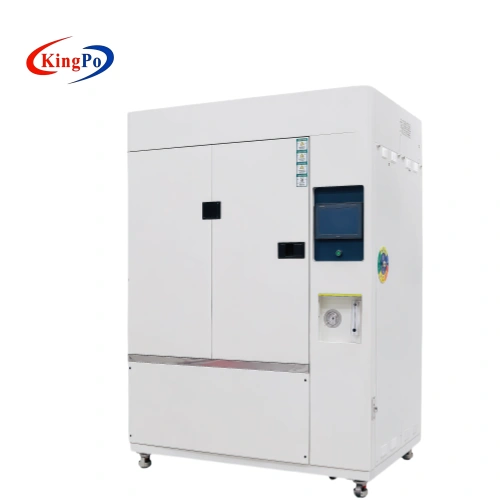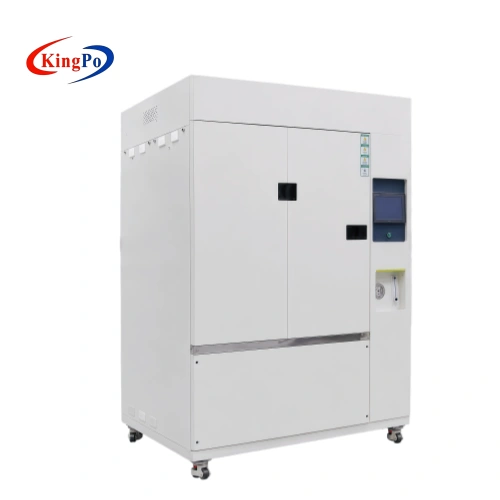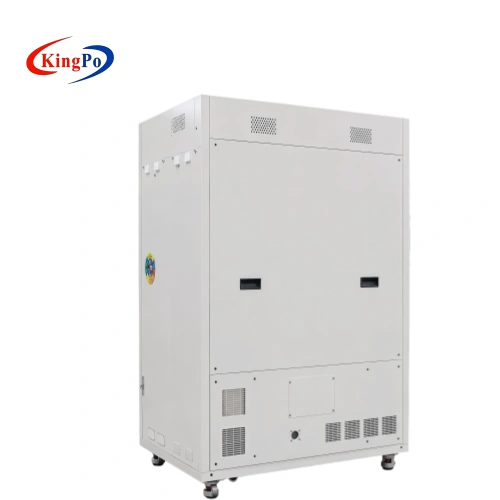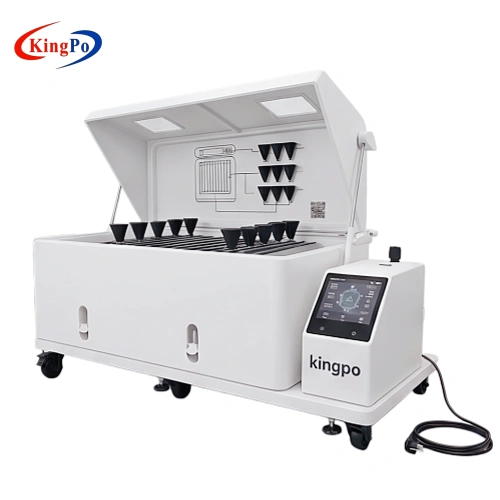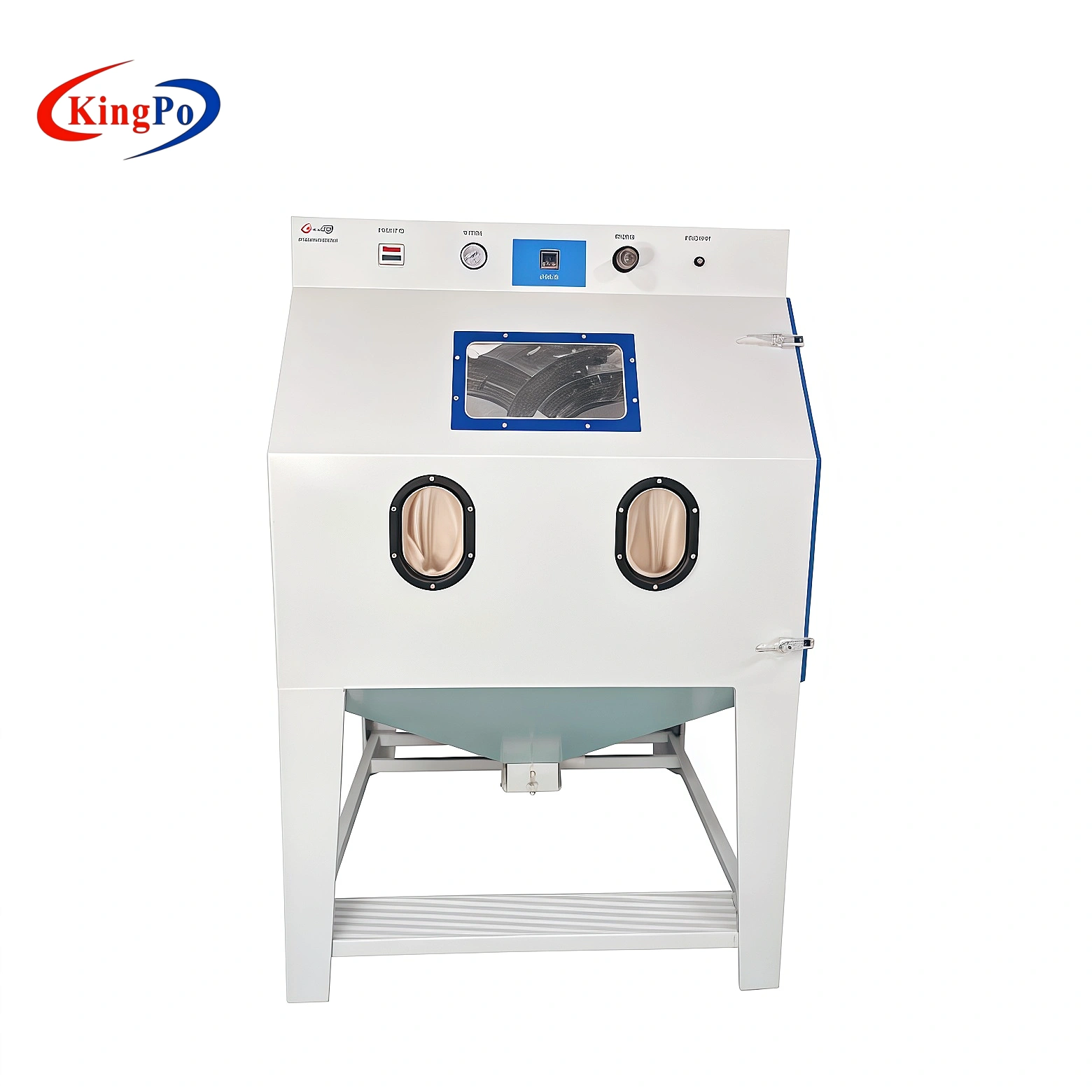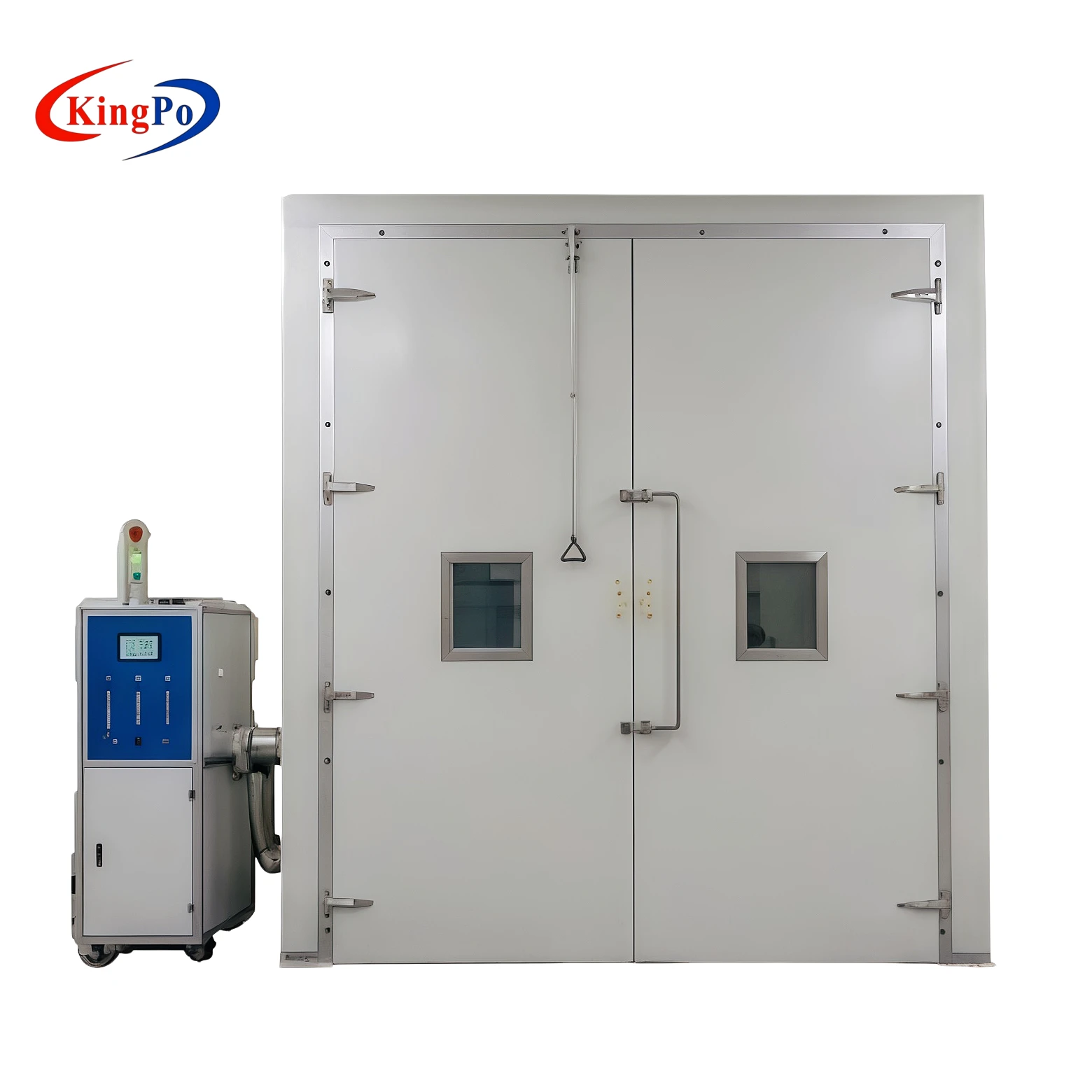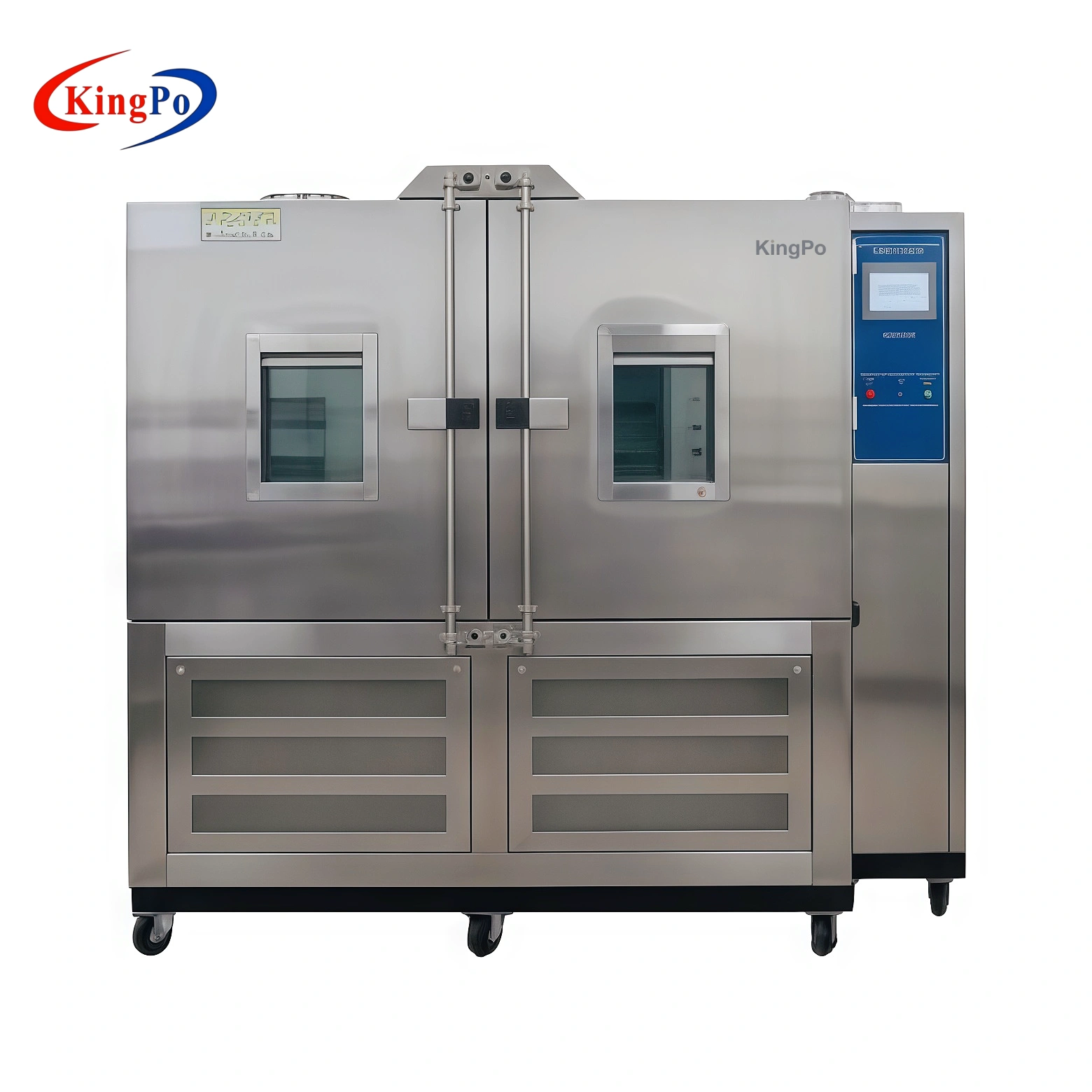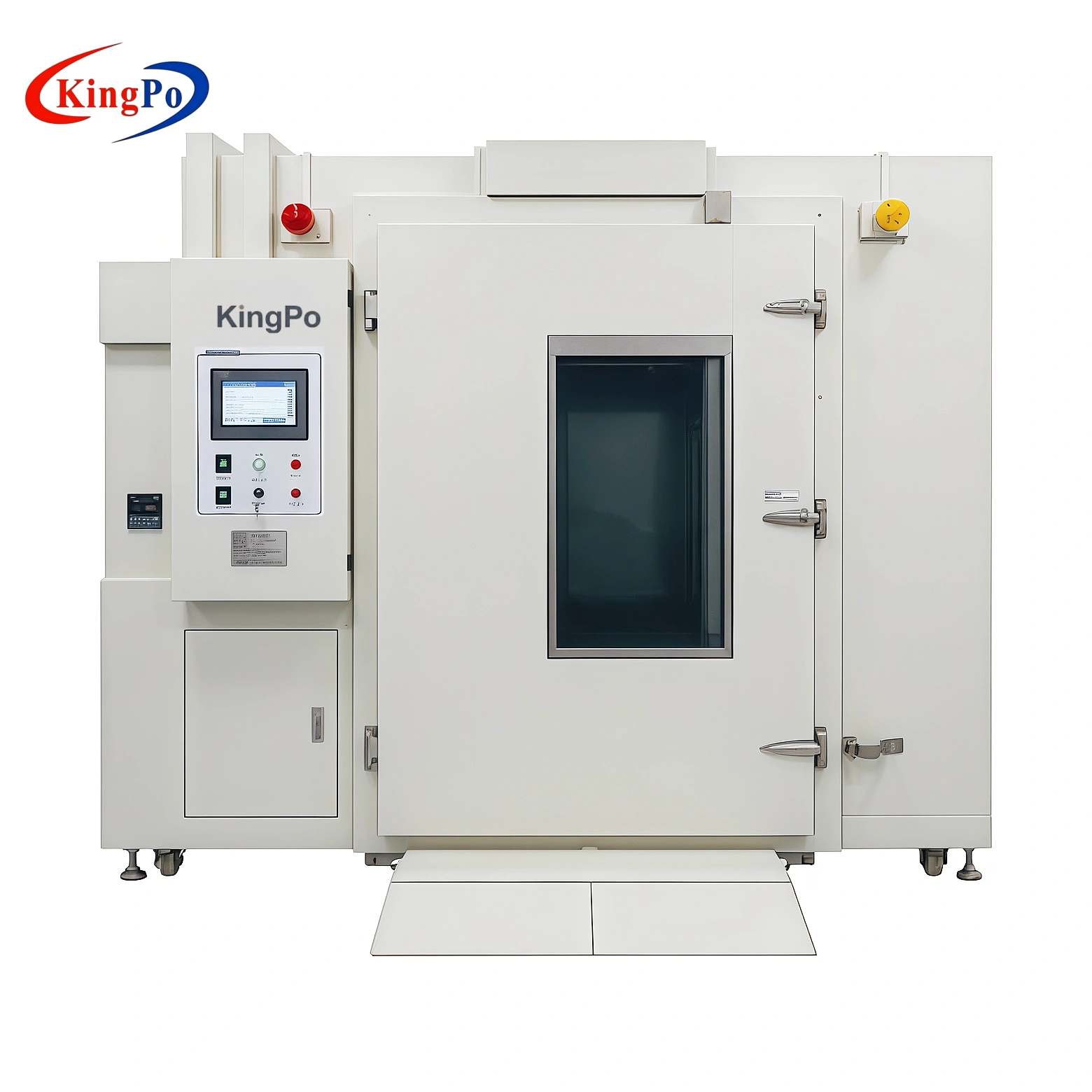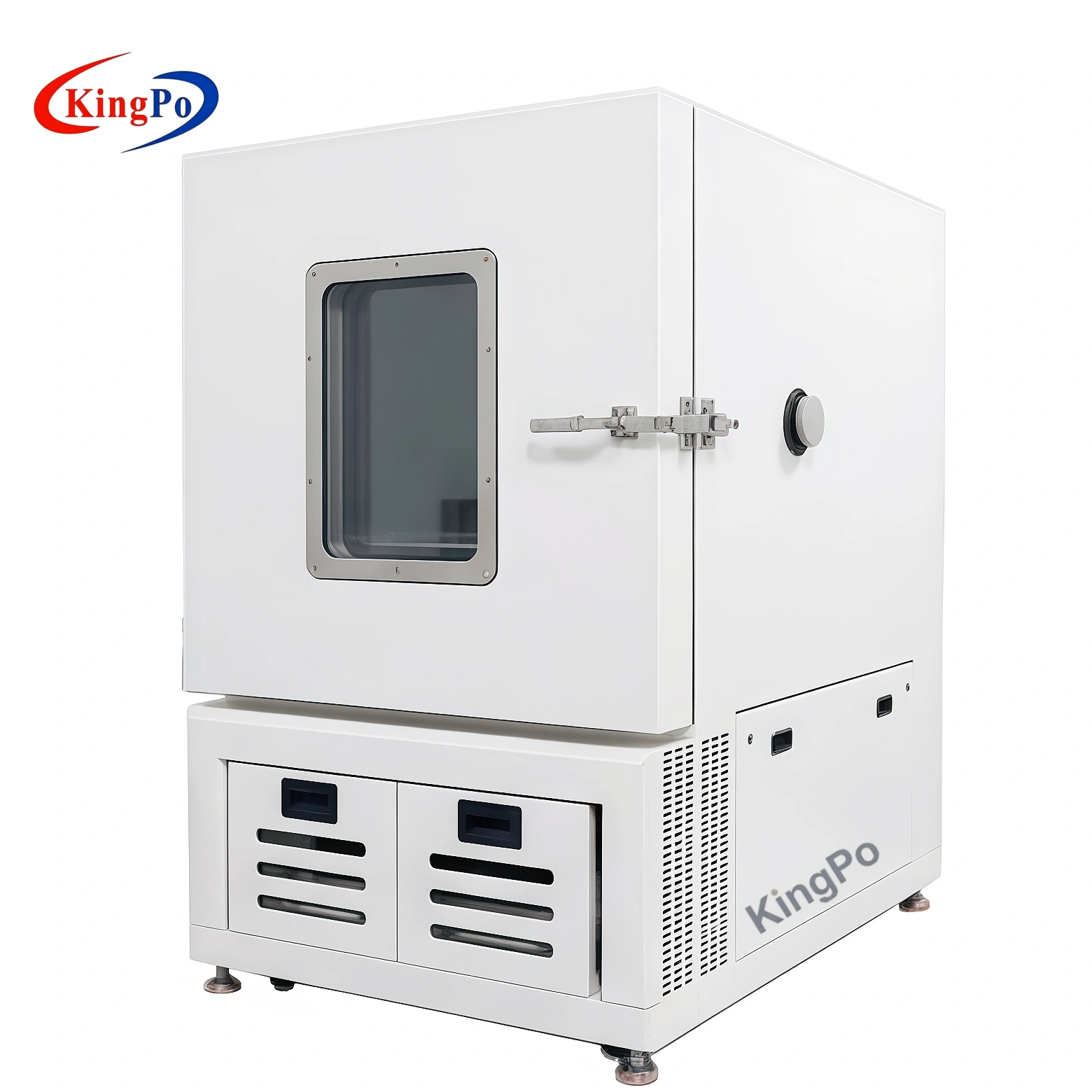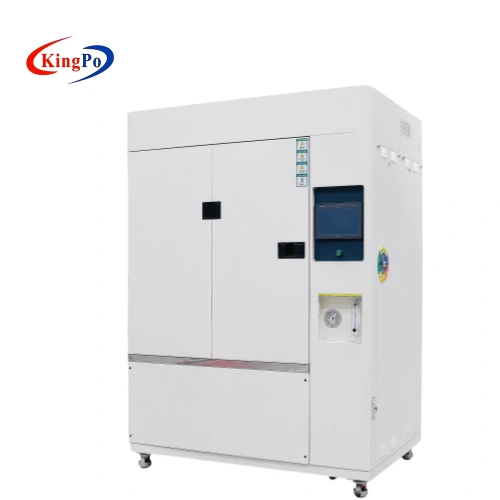
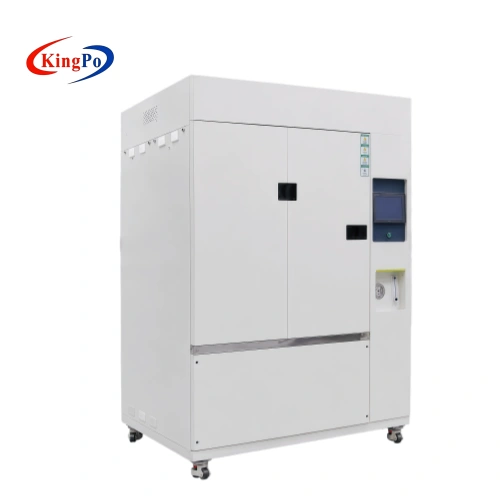
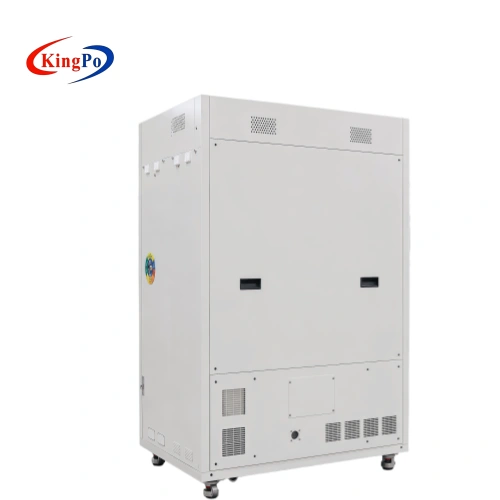
The Carbon Arc Weathering Test Chamber is designed to evaluate how non-metallic materials perform under simulated outdoor weathering conditions. By combining carbon arc light exposure with temperature, humidity and water spray control, the chamber helps reproduce common aging factors such as sunlight, heat, moisture and rain in a repeatable laboratory process.
The chamber can be configured for carbon arc weathering procedures related to ASTM G152 and legacy ASTM G23-type exposure methods, depending on the required material standard and laboratory test procedure. It is suitable for routine quality control, material comparison, product development and accelerated durability verification.
Typical aging effects evaluated with this equipment include color fading, yellowing, surface cracking, chalking, gloss reduction, embrittlement and coating adhesion loss. These results help users compare material durability, screen formulations and verify whether a product is suitable for long-term outdoor or high-exposure applications.
With integrated environmental control, programmable exposure cycles and durable chamber construction, the Carbon Arc Weathering Test Chamber provides a practical solution for laboratories and manufacturers that need stable and repeatable carbon arc weathering tests.
Applicable Standards and Test Method
The Carbon Arc Weathering Test Chamber is designed for sunshine carbon arc lamp exposure tests used in accelerated weathering evaluation of non-metallic materials. It can be configured according to the customer’s applicable material standard, exposure cycle, black panel temperature, humidity condition, spray mode and evaluation criteria.
ASTM G23 was traditionally used for carbon arc light-exposure apparatus. For current carbon arc exposure equipment, ASTM G152 covers open flame carbon arc light apparatus, while ASTM G153 covers enclosed carbon arc light apparatus. This chamber uses a sunshine carbon arc lamp and open flame carbon arc configuration, so ASTM G152 and legacy ASTM G23-type methods should be considered during test configuration.
Final test settings should always follow the customer’s required standard version, product specification and laboratory procedure. Before testing, users should confirm the exposure cycle, specimen preparation method, evaluation criteria and any special requirements for material comparison or quality control.
Technical Specifications
Core Test Conditions
| Item | Specification |
|---|---|
| Light source | Sunshine carbon arc lamp |
| Carbon arc type | Open flame carbon arc type |
| Chamber temperature | 40–70°C |
| Black panel temperature | 63±3°C or 83±3°C |
| Humidity condition | 50±5% RH at 63±3°C black panel temperature |
| Spray cycle | Programmable dry, general rain and heavy rain cycles |
| Spray volume | 2.10±0.10 L/min at 1.0 kgf/cm² nozzle pressure |
| Test cycle duration | Up to 60 hours, using 4 sets of carbon rods per cycle |
Chamber Structure and Control
| Item | Specification |
|---|---|
| Inner chamber material | SUS304 stainless steel |
| Insulation material | PU foam insulation |
| Control system | PLC touchscreen |
| Control mode | Closed-loop automatic control |
| Temperature regulation | Electric control gate for intake and exhaust adjustment |
| Safety design | UV protection window and power failure memory function |
| Typical applications | Plastics, rubber, coatings, paints, textiles and other non-metallic materials |
Testing Principle
The Carbon Arc Weathering Test Chamber accelerates material aging by exposing specimens to ultraviolet and visible light generated by sunshine carbon arc lamps. The test environment combines light exposure, elevated temperature, controlled humidity and periodic water spray to reproduce common outdoor weathering factors inside a laboratory chamber.
During operation, specimens are exposed to carbon arc light and heat while the chamber maintains the required black panel temperature and humidity condition. Programmable spray cycles can be used to simulate rain or moisture exposure, helping accelerate photochemical degradation, surface oxidation, color change and physical property deterioration.
After testing, users can observe and compare material changes such as fading, yellowing, surface cracking, chalking, embrittlement, gloss reduction, adhesion loss and mechanical strength decrease. The results help manufacturers evaluate weathering resistance, compare material formulations and verify product durability before outdoor use.
Applications and Materials
The Carbon Arc Weathering Test Chamber is used to evaluate the weathering resistance and long-term durability of non-metallic materials exposed to simulated sunlight, heat, humidity and rain. It is suitable for plastics, rubber, coatings, paints, textiles, synthetic leather, automotive materials, outdoor consumer products, construction materials and electrical or electronic product housings.
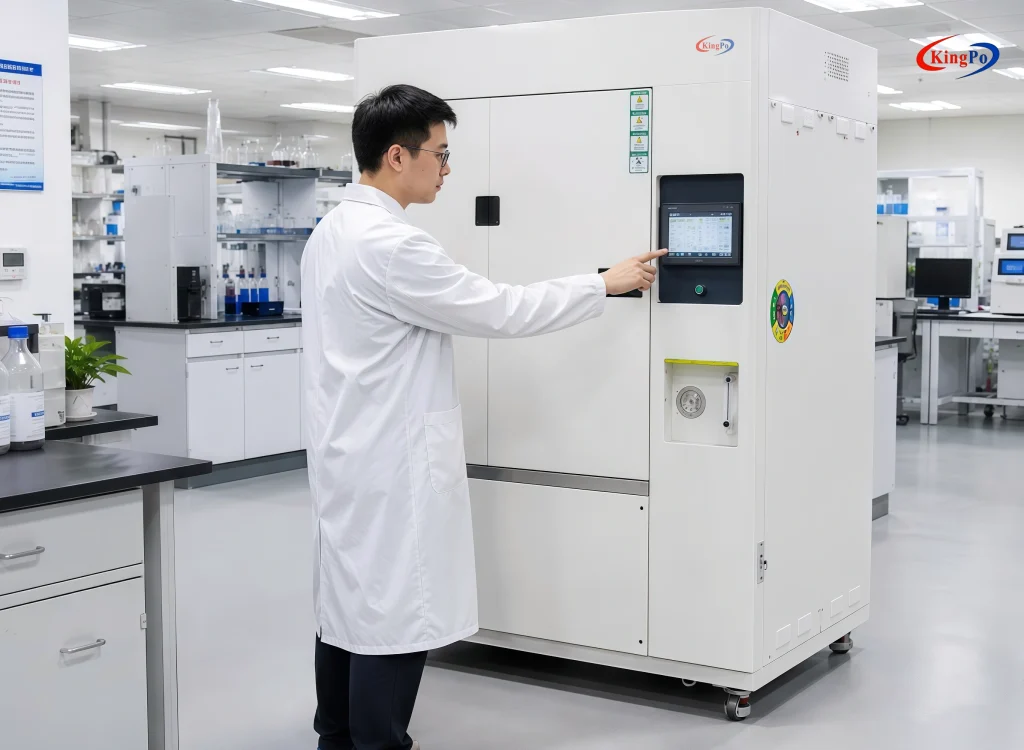
During testing, users can observe and compare typical aging effects such as color fading, yellowing, surface cracking, chalking, gloss reduction, coating adhesion loss, embrittlement, mechanical property degradation and overall weathering resistance. These results help manufacturers and laboratories screen materials, compare formulations, verify product durability and support routine quality control before outdoor application.
Typical applications include material aging evaluation, weathering resistance comparison, R&D formulation screening, incoming material inspection, product durability verification and laboratory quality control for outdoor-use materials.
Key Features
The Carbon Arc Weathering Test Chamber integrates sunshine carbon arc exposure, temperature control, humidity regulation and programmable water spray in one system. Its open flame carbon arc configuration supports ASTM G152 and legacy ASTM G23-type weathering methods, while the PLC touchscreen control, closed-loop operation, durable stainless steel chamber, UV protection window and power failure memory help improve test stability, operation convenience, safety and long-term laboratory reliability.
Operation and Maintenance Notes
Proper operation and maintenance are important for stable and repeatable carbon arc weathering results. Operators should select the correct test procedure, confirm the required black panel temperature, humidity and spray cycle, and prepare specimens according to the applicable material standard.
Carbon rods should be replaced according to the specified test cycle to maintain stable light output. The specimen rack, inner chamber and spray nozzles should be cleaned regularly to prevent contamination and uneven spray distribution. The black panel thermometer, temperature sensor and humidity sensor should also be checked and calibrated periodically according to the laboratory quality system.
Water quality and spray pressure should be controlled during operation. Poor water quality, blocked nozzles or incorrect spray pressure may affect the repeatability of weathering results. Overloading the specimen rack should be avoided to ensure uniform exposure to light, heat and moisture.
Maintenance Checklist
Replace carbon rods according to the specified test cycle
Clean the inner chamber, specimen rack and spray nozzles regularly
Check spray pressure, water flow and water quality before testing
Verify black panel thermometer position and calibration
Calibrate temperature and humidity sensors periodically
Avoid overloading the specimen rack to maintain uniform exposure