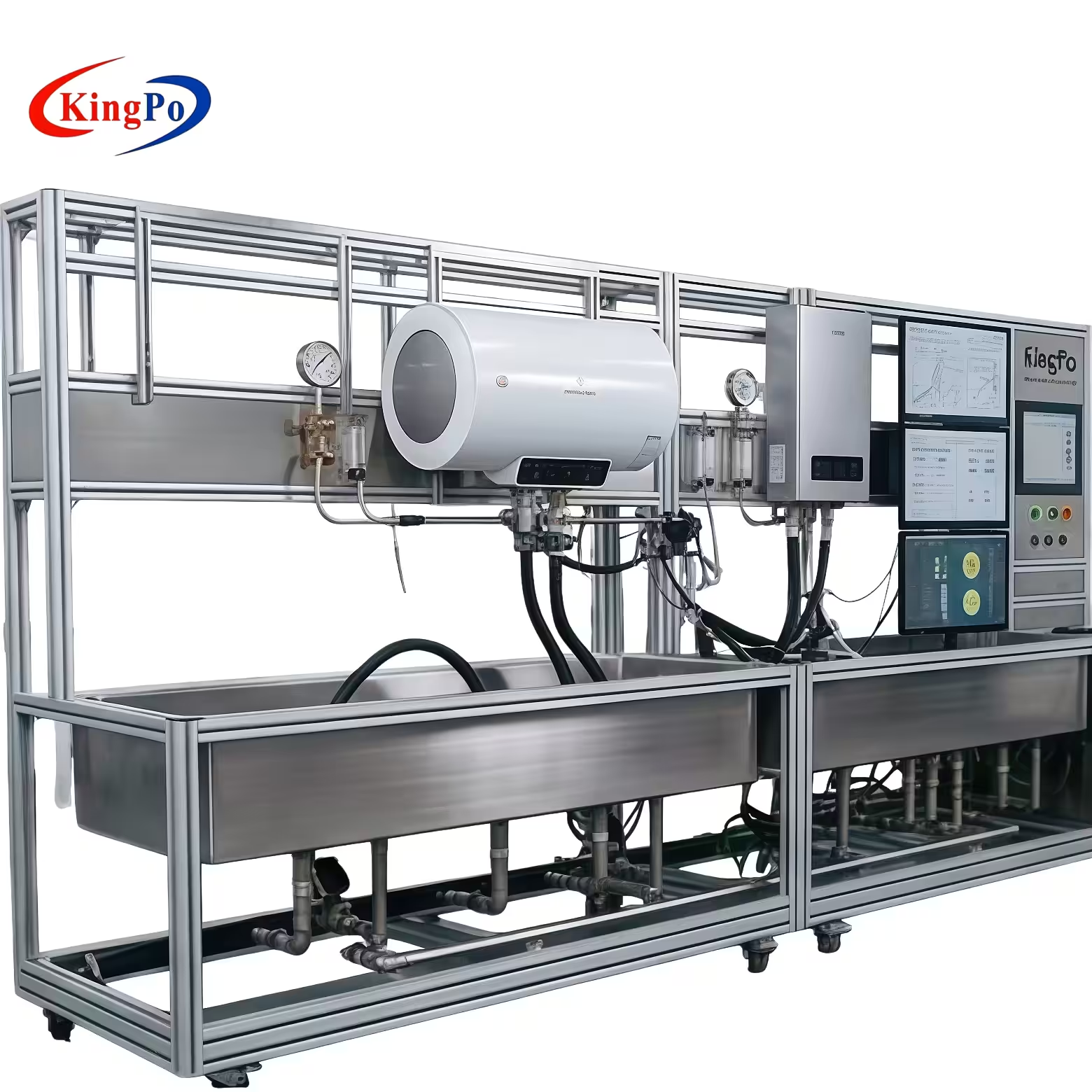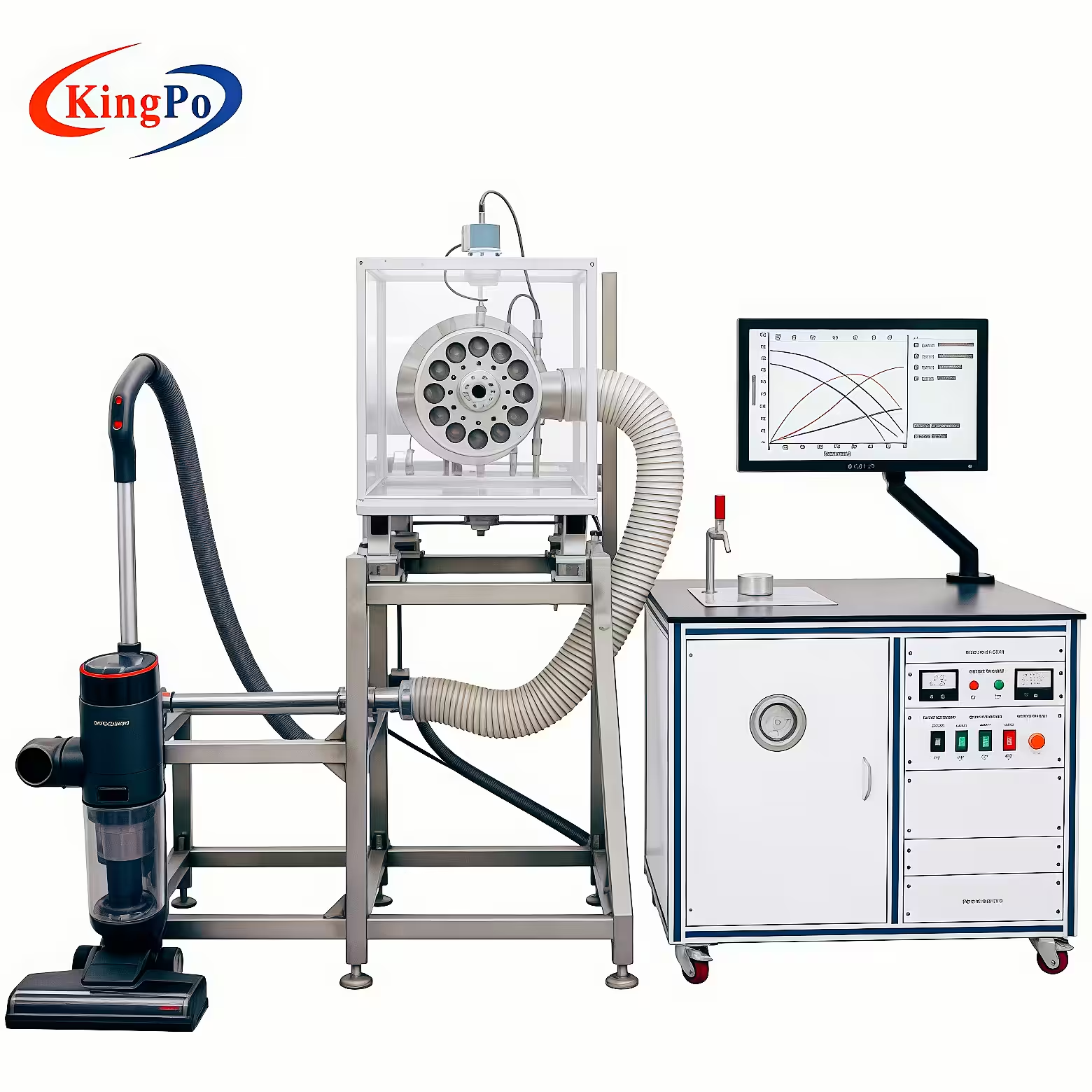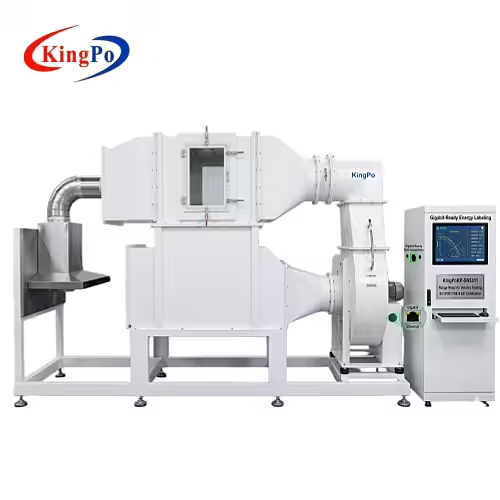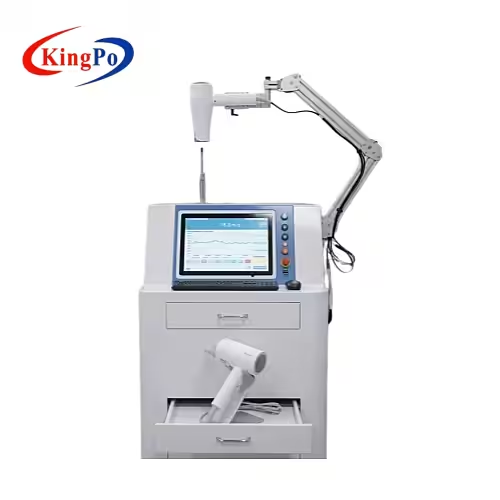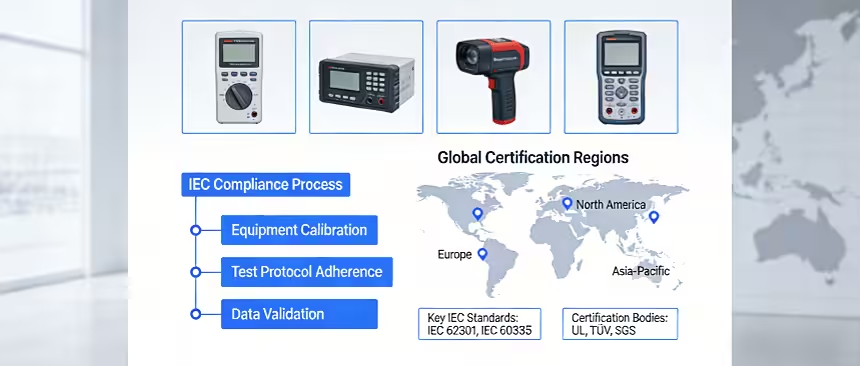
Abstract & Technical Summary
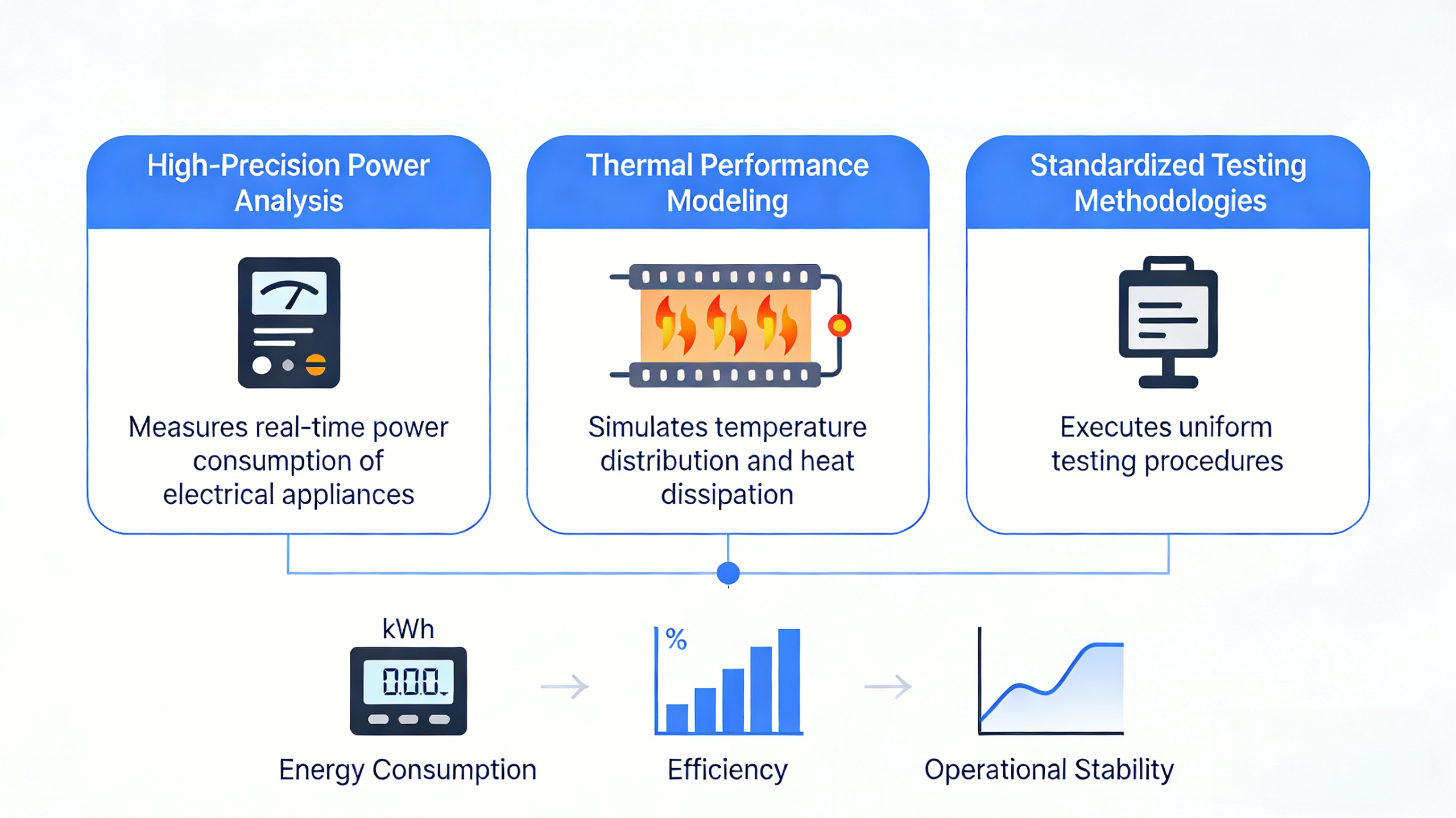
Energy efficiency testing systems integrate high-precision power analysis, thermal performance modeling, and standardized testing methodologies to enable comprehensive evaluation of energy consumption, efficiency, and operational stability in electrical appliances. These systems serve not only as measurement tools but also as critical infrastructures for performance optimization, compliance validation, and global certification readiness. By combining real-time data acquisition, environmental simulation, and automated curve generation, modern testing platforms ensure repeatable, traceable results that meet stringent international requirements while supporting product development and quality assurance in competitive markets.
The Essence of Energy Efficiency Testing: Beyond Measurement
Energy efficiency testing is often misunderstood as simple power measurement. However, from an engineering perspective, it is a multi-variable process involving electrical, thermal, and environmental interactions that directly influence real-world appliance performance.
A complete testing framework typically includes the following dimensions:
| Dimension | Measurement Scope | Engineering Significance |
|---|---|---|
| Electrical Parameters | Voltage, current, power factor | Input stability and baseline energy behavior |
| Energy Consumption | Total and cycle-based energy usage | Core metric for efficiency classification |
| Thermal Performance | Heating efficiency, heat loss | Determines real-world performance |
| Time Factors | Heating duration, standby time | Impacts user experience and efficiency |
| Environmental Conditions | Temperature, humidity, airflow | Affects repeatability and accuracy |
System Architecture and Core Technologies
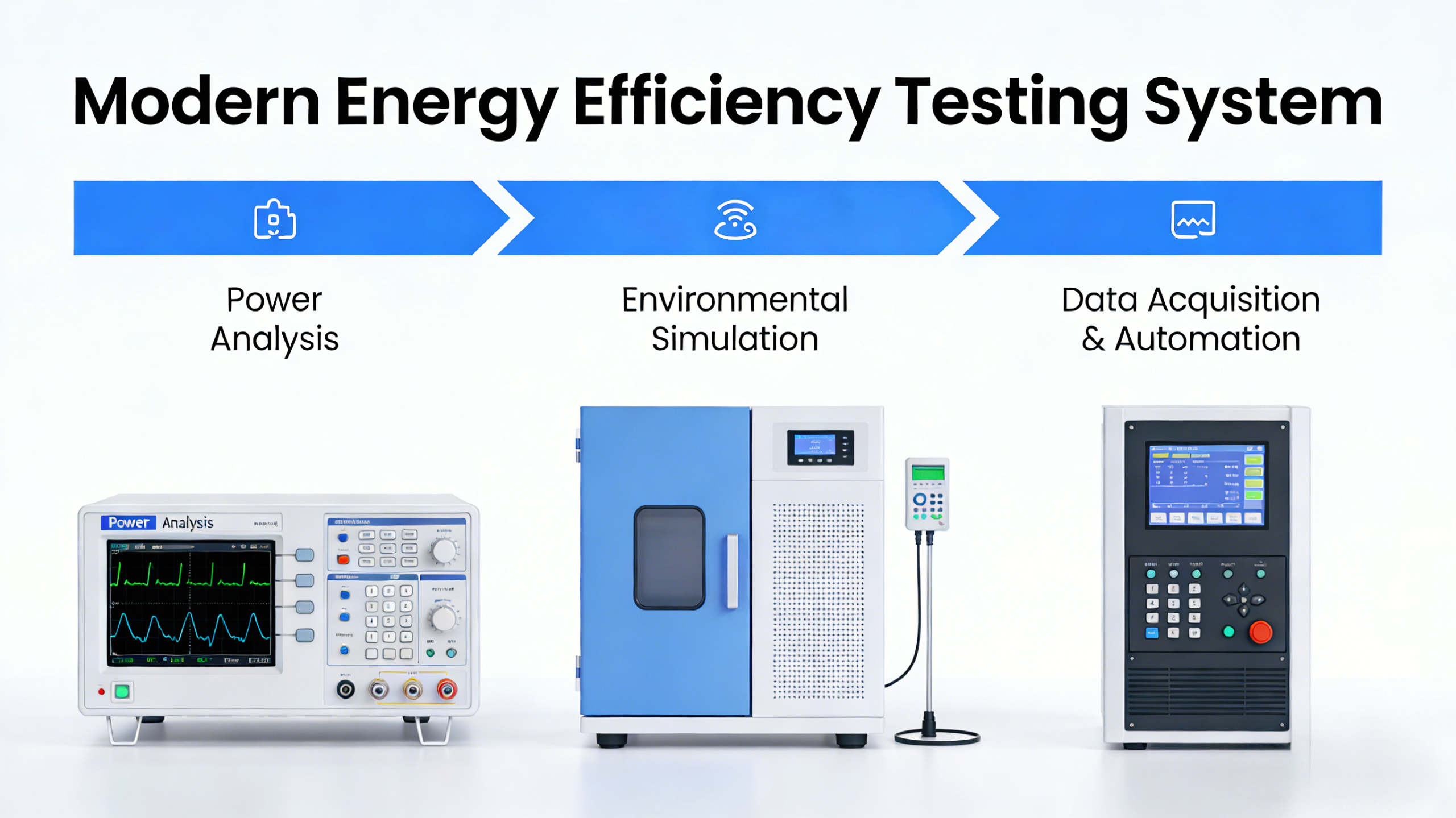
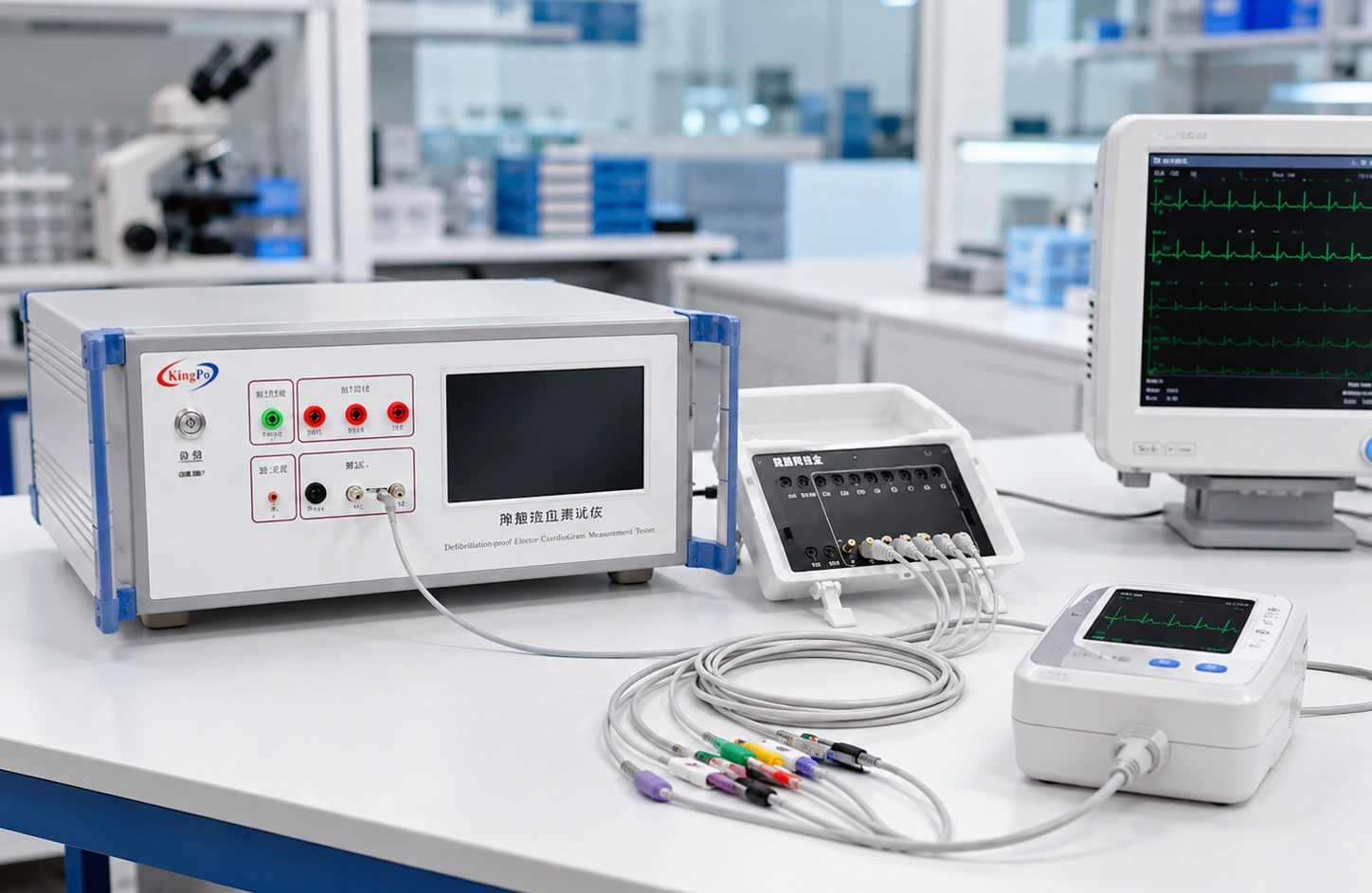
Modern energy efficiency testing systems consist of three integrated subsystems: power analysis, environmental simulation, and data acquisition & automation.
Power Analysis System (Core Measurement Unit)
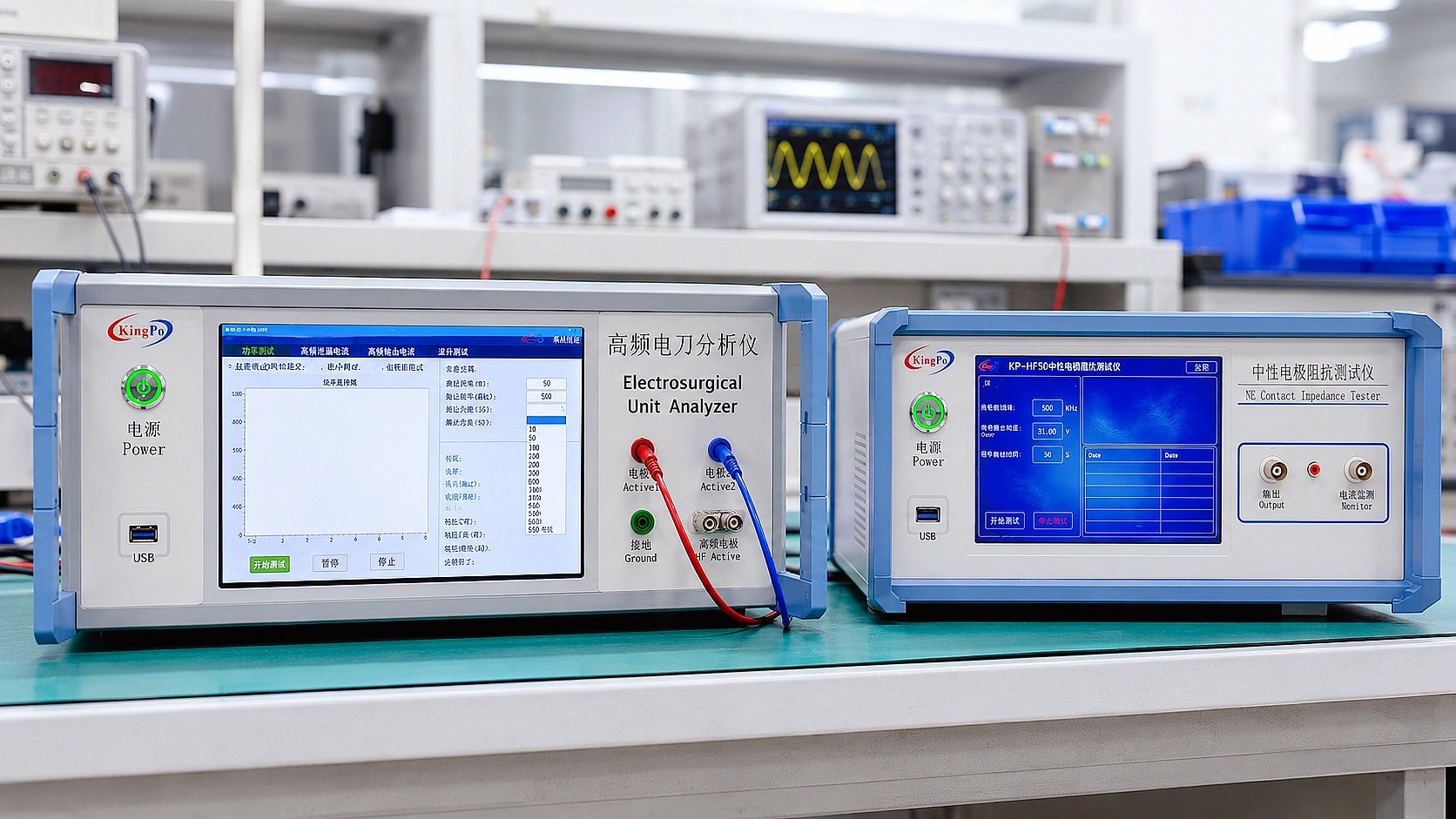
The power analyzer is the heart of the system. Its accuracy and sampling capability directly determine measurement reliability.
| Parameter | Function | Engineering Requirement |
|---|---|---|
| Voltage | Input stability | High linear accuracy |
| Current | Load behavior | Wide dynamic range |
| Power Factor | Efficiency indicator | Precise phase calculation |
| Energy | Total consumption | Long-term stability |
Environmental Simulation System (Critical for Test Validity)
Environmental control plays a decisive role in ensuring repeatable results.
| Parameter | Standard Range | Impact |
|---|---|---|
| Temperature | 15–30°C | Affects thermal efficiency |
| Humidity | 45–75% RH | Influences electrical stability |
| Airflow | Minimal disturbance | Alters heat dissipation |
Why Do Energy Efficiency Test Results Become Inconsistent or Fail Certification?
- Environmental variation — even ±2°C or ±5% RH can introduce 3–8% error in thermal efficiency.
- Measurement limitations — sensor zero drift, low sampling rates, or power factor errors distort non-linear loads.
- Operational inconsistencies — timing errors, incorrect load setup, or manual data entry cause poor repeatability.
- Standard misinterpretation — skipping preheating phases or incorrect test cycles leads to non-compliance.
Engineering Solutions: Implement controlled environments (±1°C stability), high-sampling-rate analyzers (≥1 kHz), automated procedures, and standardized SOPs. For detailed environmental control guidelines in appliance testing, see the U.S. Department of Energy’s Energy Star Laboratory Guide (government resource).
Data Acquisition and Automation Systems
Modern testing systems rely on integrated DAQ and automation technologies.
| Function | Purpose | Benefit |
|---|---|---|
| Real-time acquisition | Capture dynamic changes | Prevents data loss during transients |
| Automated control | Ensure standardized procedures | Eliminates operator variability |
| Data logging | Enable traceability | Full audit trail for certification |
| Report generation | Improve efficiency | Reduces manual post-processing |
How Does Automation Improve Accuracy and Reliability?
Automation eliminates human-induced variability — one of the primary sources of inconsistency in traditional testing methods. Manual testing often suffers from operator-dependent variations, timing inaccuracies, and incomplete data recording. Automated systems execute predefined test procedures with precise timing control, ensuring that all conditions are consistently applied. Additionally, they enable high-frequency data acquisition and full data logging, preventing data loss and ensuring compliance with audit requirements.
Explore our Spark Tester for automated safety testing integration in battery applications.
4. IEC Standards and Testing Logic
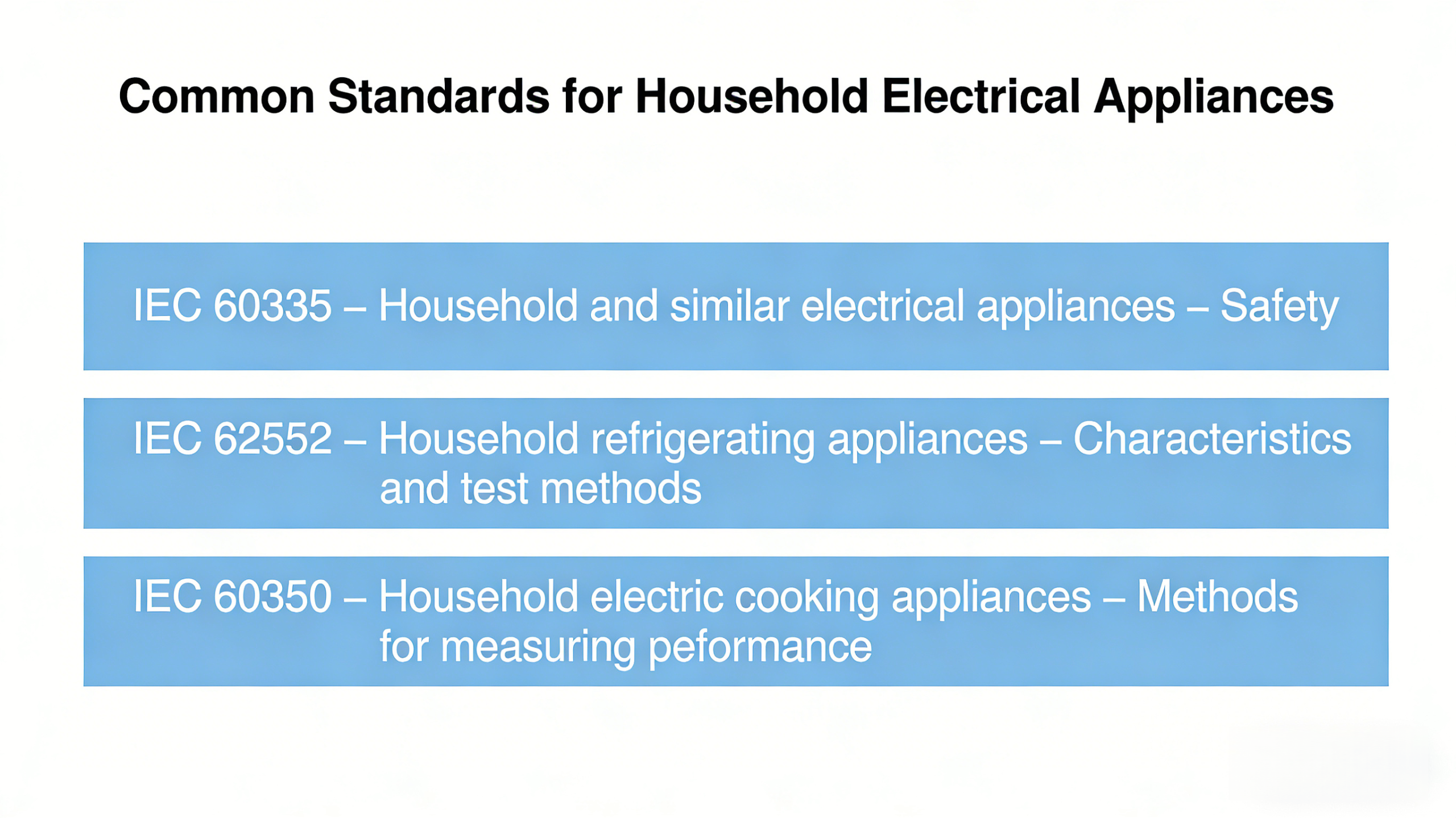
Common standards include:
- IEC 60335 – Household and similar electrical appliances – Safety
- IEC 62552 – Household refrigerating appliances – Characteristics and test methods
- IEC 60350 – Household electric cooking appliances – Methods for measuring performance
Core Purpose of These Standards Standards are not merely limit-setting documents. They standardize testing conditions, procedures, and data structures. This ensures results from different laboratories are comparable and trustworthy.
For in-depth analysis of IEC 60335 testing methodologies, see the IEEE Xplore paper “Performance Evaluation of Household Appliances under IEC 60335” (technical research from a respected institution).
5. Calibration: The Foundation of Data Credibility
How to Properly Calibrate an Energy Efficiency Testing System Calibration establishes a traceable reference chain from certified standards to final results. It includes electrical channels (voltage, current, power) calibrated across multiple points, dynamic response testing for transient loads, and system-level calibration (sensors + DAQ + software).
Why Do Errors Persist After Calibration?
Extended calibration intervals, mismatched environments, or lack of system-level calibration.
Best Practice: Combine periodic calibration (every 3–6 months) with routine verification. NIST Special Publication 250-29 provides detailed guidance on electrical measurement traceability in appliance testing labs (U.S. government resource).
6. Application Scenarios and System Selection
How to Select the Right Testing System System selection should be based on application requirements rather than cost alone.
| Scenario | Priority Criteria | Recommended System Features |
|---|---|---|
| Certification labs | Accuracy & stability | ≤0.2% accuracy, ≥1 kHz sampling |
| R&D | Data flexibility | Multi-standard compatibility, customizable |
| Production lines | Automation & efficiency | Automated procedures, high throughput |
7. How to Improve Certification Success Rates
Improving certification success requires a systematic approach rather than relying on a single test.
- Conduct pre-compliance testing to identify issues early
- Follow IEC standards strictly with full traceability (raw data, calibration records, SOPs)
- Use automated systems to minimize variability
Key Insight: Certification success is ensured through a standardized, controlled testing system — not through testing alone.The European Commission’s Ecodesign Directive technical documentation provides practical guidance on improving certification outcomes for household appliances (government resource).
This guide provides a comprehensive engineering perspective on energy efficiency testing systems, emphasizing precision, traceability, and compliance readiness for global markets. For tailored system recommendations or calibration support aboot vacuum cleaner air performance testing System,feel free to contact us.