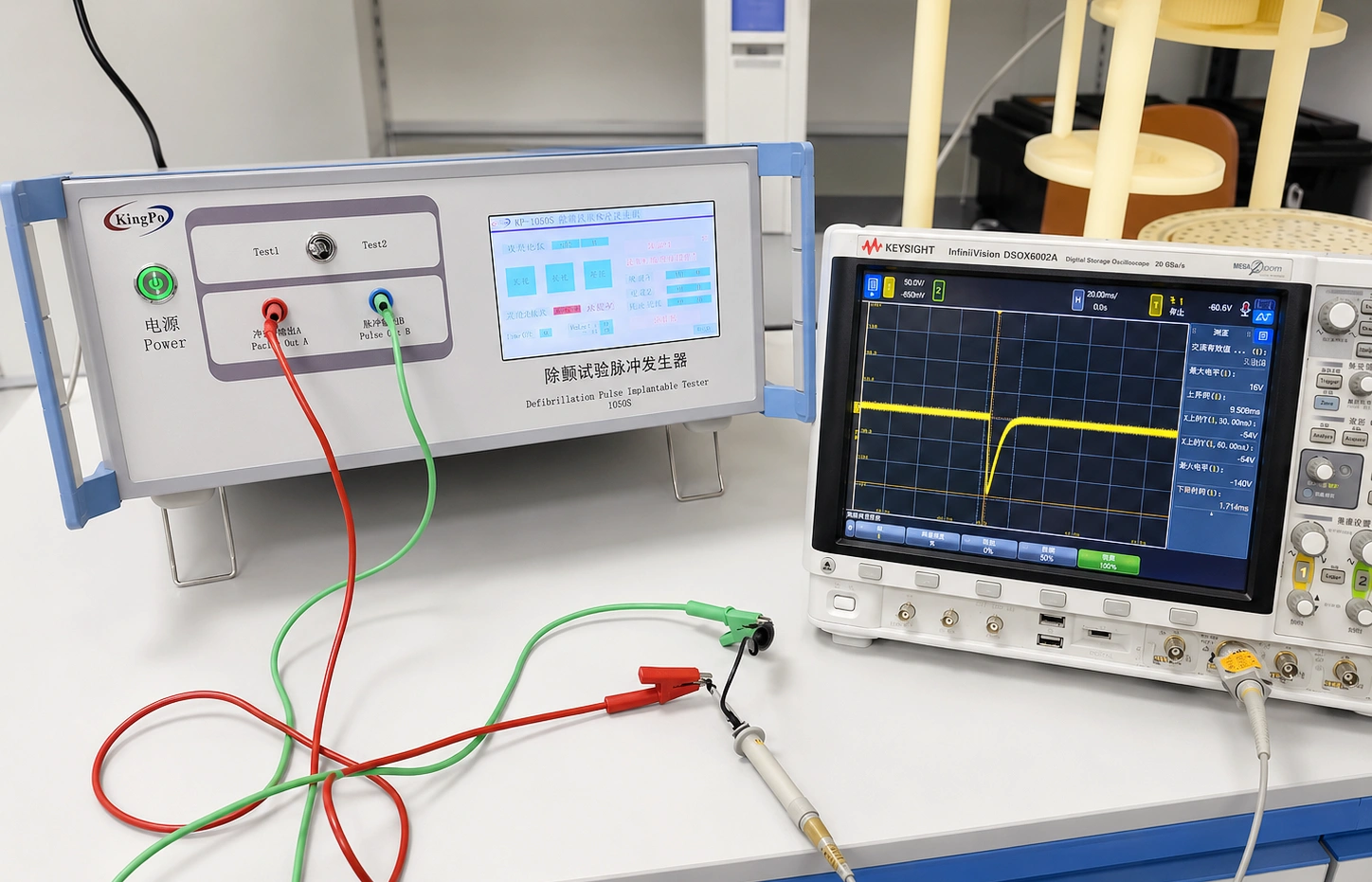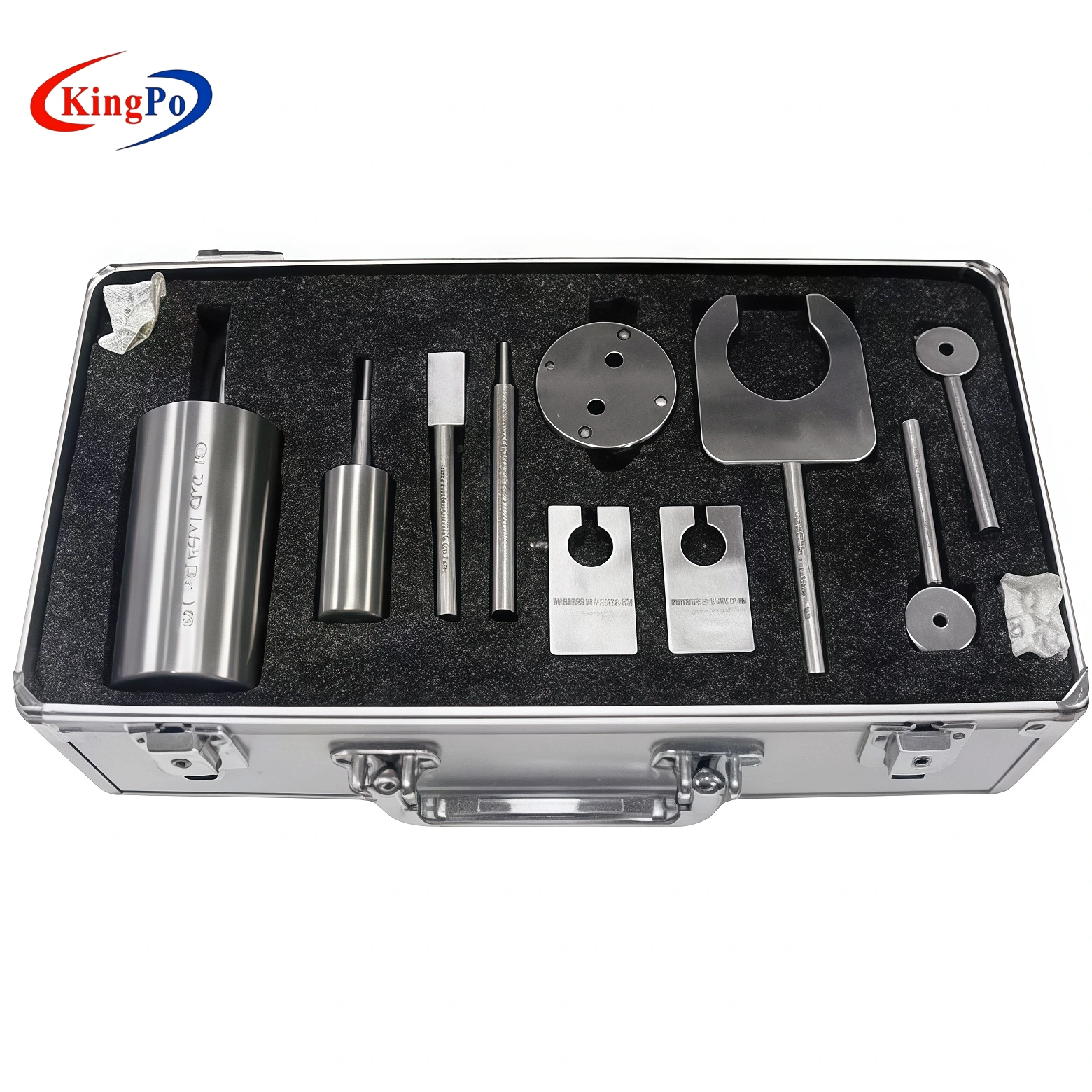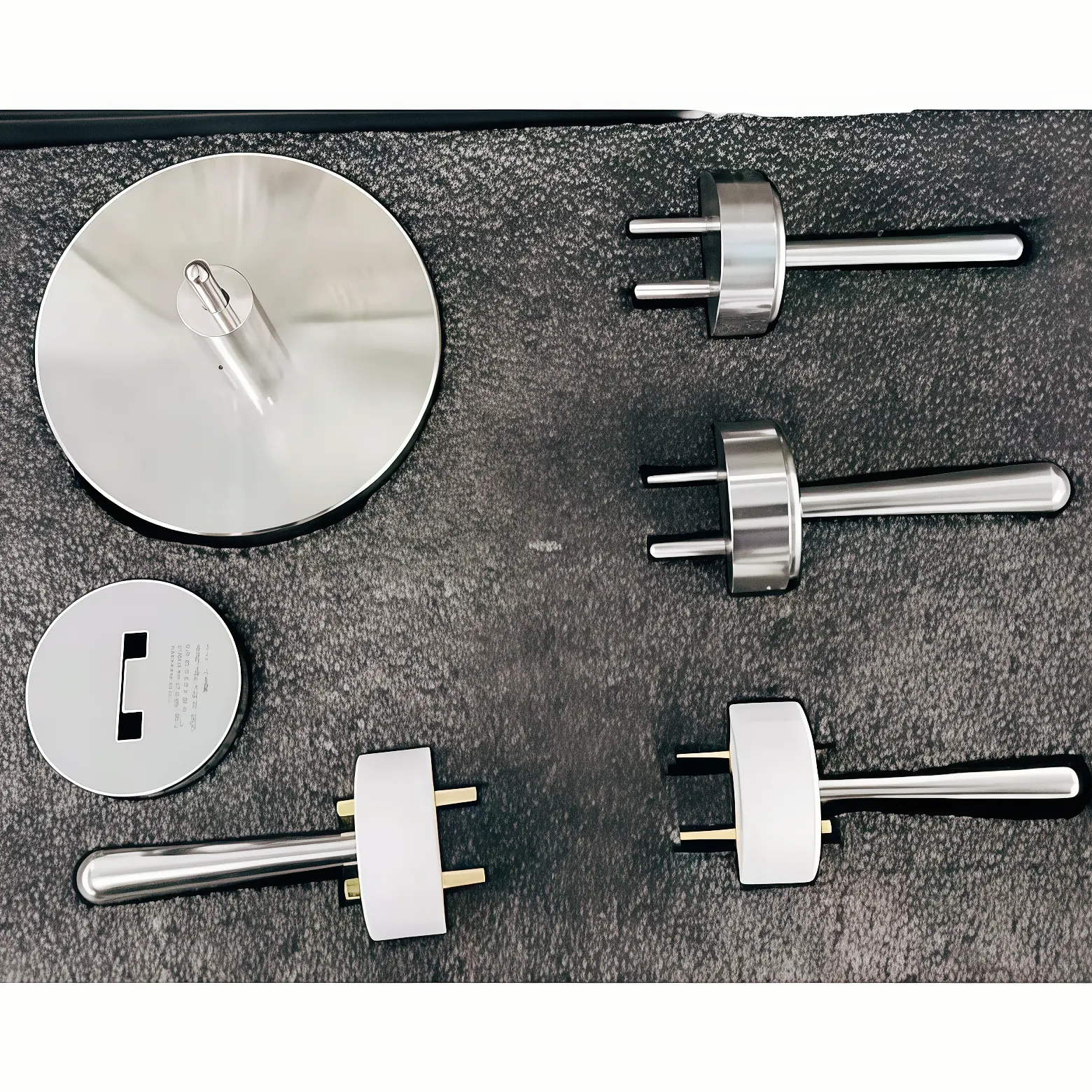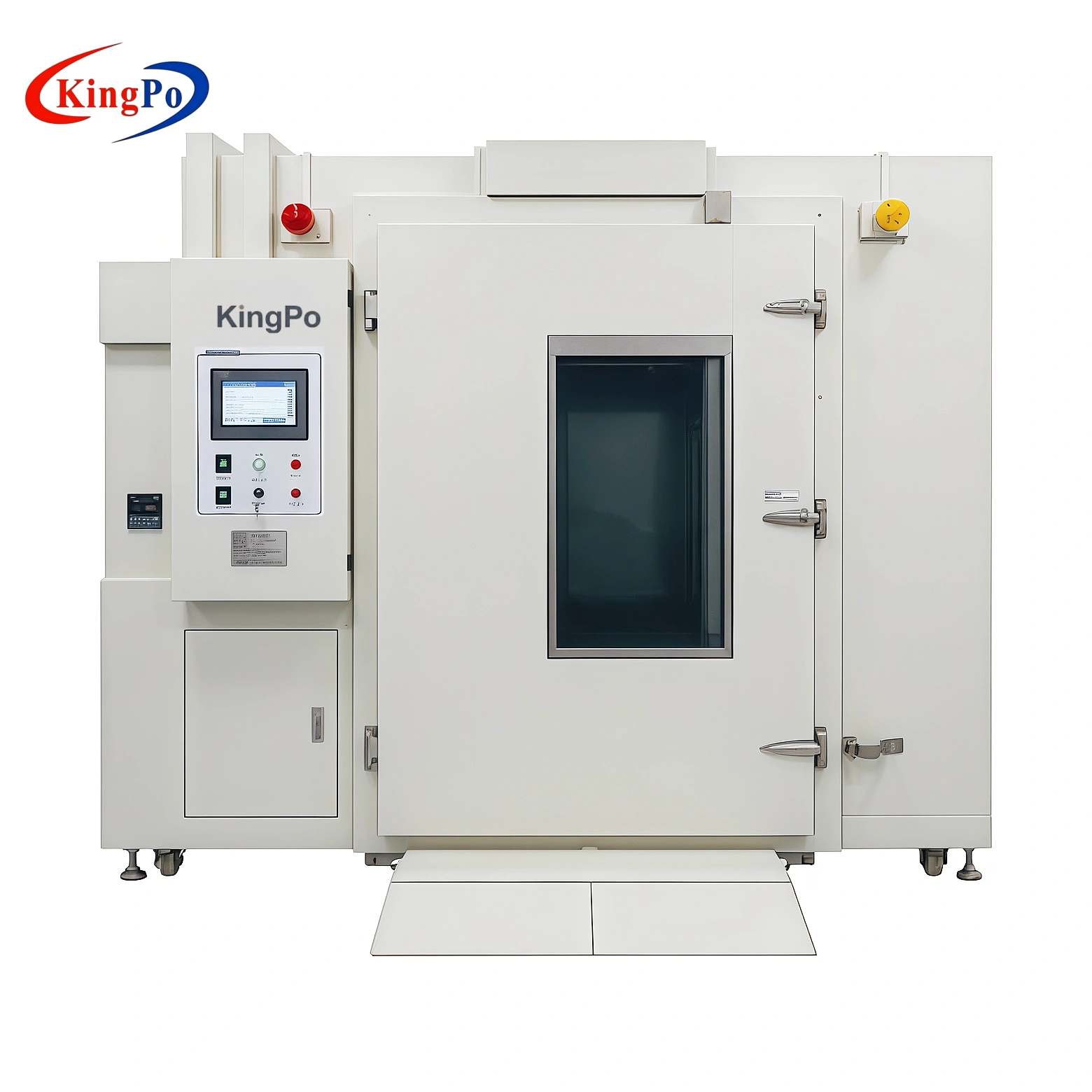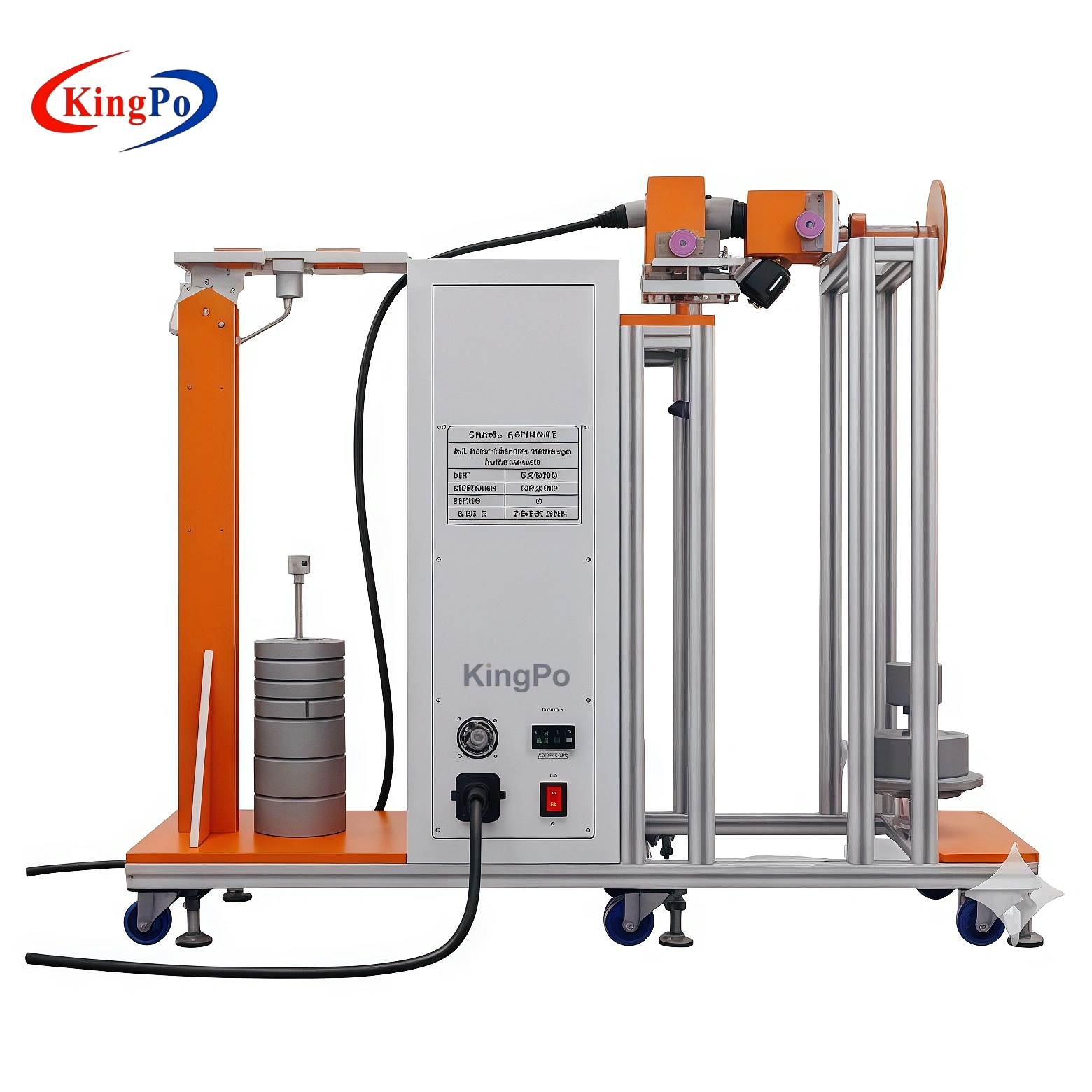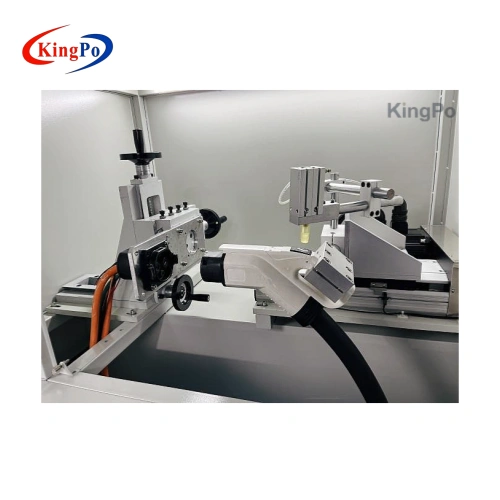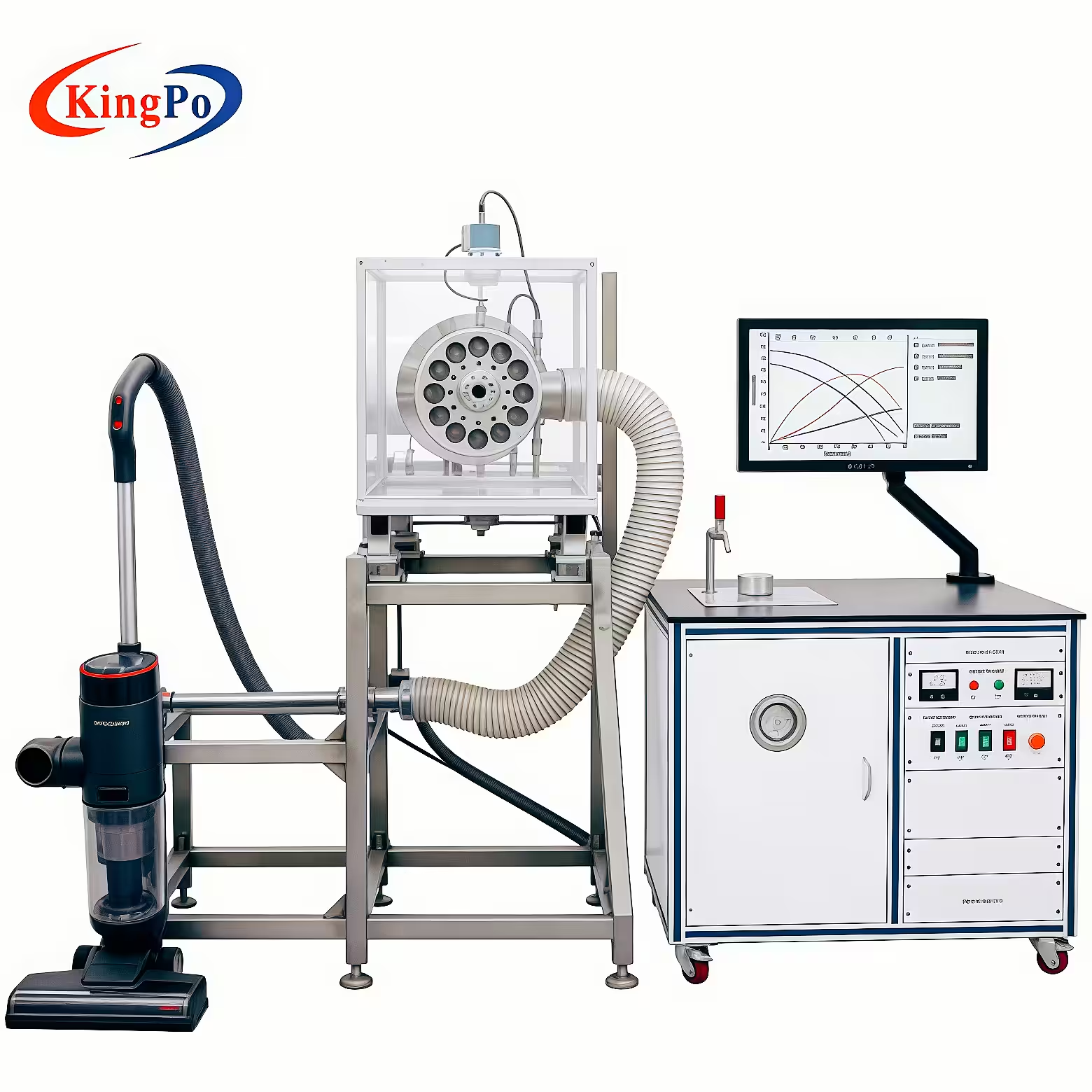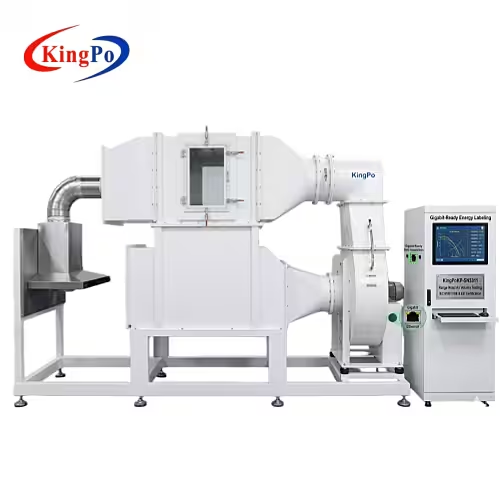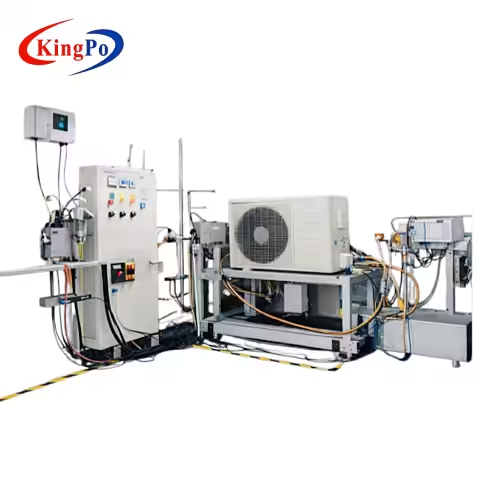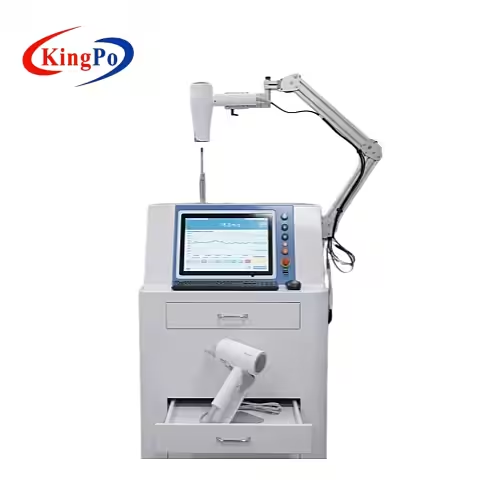
You can achieve IEC 61855 compliance for hair dryers with ease when you use IEC 61855 Automatic Airflow Performance Measurement. Automatic testing streamlines your process, reduces manual effort, and delivers consistent results every time. With KINGPO’s Dryer Air Volume Test Equipment, you gain advanced automation, intelligent PLC control, and precise hot-wire anemometer scanning.
|
Feature |
Impact on Compliance Testing |
|---|---|
|
Boosts accuracy and efficiency |
|
|
Intelligent PLC and computer-based operation |
Ensures precise data collection |
|
Stable servo-driven mechanisms |
Delivers reliable, repeatable results |
You get accuracy, efficiency, and standardized reports. Follow a structured approach and make IEC 61855 Automatic Airflow Performance Measureme simple for your team.
Key Takeaways
-
Achieve IEC 61855 compliance easily with automatic airflow measurement, reducing manual effort and ensuring consistent results.
-
Use KINGPO’s Dryer Air Volume Test Equipment for advanced automation, precise data collection, and reliable performance testing.
-
Familiarize yourself with IEC 61855 requirements to save time and avoid costly mistakes during compliance testing.
-
Follow a structured approach to measure airflow accurately, ensuring your hair dryer meets consumer expectations.
-
Automate testing processes to save time, reduce human error, and improve the efficiency of your compliance efforts.
-
Regularly calibrate your equipment to maintain accuracy and prevent compliance failures.
-
Train your staff on the equipment and procedures to enhance consistency and confidence in testing results.
-
Perform routine maintenance on your testing equipment to ensure reliability and extend its lifespan.
IEC 61855 Compliance Essentials
Standard Overview
You need a clear understanding of IEC 61855 to achieve compliance for your hair dryers. This international standard sets the foundation for testing and evaluating the performance of household hair styling appliances. IEC 61855 Automatic Airflow Performance Measurement gives you a reliable method to assess airflow, temperature, and other critical parameters. The standard ensures that every test follows a consistent procedure, so you can trust the results.
Tip: Familiarize yourself with the main requirements before starting any compliance testing. This saves time and prevents costly mistakes.
Here’s a quick look at the key requirements outlined in IEC 61855:
|
Key Requirement |
Description |
|---|---|
|
Measurement of airflow |
Introduces a method for measuring the airflow of hair dryers. |
|
Temperature profile measurement |
Adds methods for measuring the temperature profile of the outlet air. |
|
Anion emission concentration |
Introduces a method for measuring the anion emission concentration. |
|
Service life test |
Introduces a service life test for hair dryers and similar appliances. |
Airflow Performance Criteria
You must meet specific airflow performance criteria to comply with IEC 61855 Automatic Airflow Performance Measurement. The standard defines how to measure the total air volume and wind speed using advanced equipment. You need to scan the airflow grid and record only the points that reach the minimum speed requirement. This process ensures that your hair dryer delivers consistent performance and meets consumer expectations.
-
Use a hot-wire anemometer to capture accurate wind speed data.
-
Scan the outlet grid in precise increments for comprehensive coverage.
-
Record and analyze only the data points that meet the minimum threshold.
If you follow these steps, you guarantee that your product meets the airflow benchmarks set by IEC 61855.
Safety and Quality Benchmarks
Safety and quality matter most when you test hair dryers. IEC 61855 Automatic Airflow Performance Measurement helps you verify that your appliances operate safely and efficiently. The standard includes temperature profile measurement and service life tests, so you can confirm that your product withstands daily use and maintains safe operating temperatures.
Note: Consistent testing not only ensures compliance but also builds trust with your customers.
You gain a competitive edge by meeting these benchmarks. Your products stand out for reliability, safety, and performance. You also reduce the risk of recalls and negative reviews, which protects your brand reputation.
Why Automatic Airflow Measurement Matters
You want your hair dryer testing process to be fast, reliable, and easy. Automatic airflow measurement gives you that advantage. When you use IEC 61855 Automatic Airflow Performance Measurement, you unlock a new level of confidence in your results. Let’s explore why automation is the smart choice for your compliance testing.
Benefits of Automation
Automation transforms your testing process. You no longer need to rely on manual readings or guesswork. Instead, you get consistent, objective data every time.
Accuracy and Repeatability
You need accurate results to meet international standards. Automatic systems use advanced sensors and precise scanning to capture every detail. The hot-wire anemometer in KINGPO’s Dryer Air Volume Test Equipment scans the airflow grid in small increments. This method ensures you measure every part of the airflow, not just a few random spots.
-
You get the same results, test after test.
-
You eliminate the risk of missing important data points.
-
You can trust your measurements for R&D, type approval, and quality checks.
Tip: Consistent accuracy helps you avoid costly retests and speeds up your certification process.
Efficiency Gains
You save valuable time with automation. Manual testing can take hours and often requires multiple staff members. Automatic systems handle the scanning, data collection, and calculations for you.
-
You can test more products in less time.
-
You reduce downtime between tests.
-
You free up your team to focus on other important tasks.
Here’s a quick comparison:
|
Manual Testing |
Automatic Testing |
|---|---|
|
Time-consuming |
Fast and efficient |
|
Prone to errors |
Consistent and reliable |
|
Labor-intensive |
Minimal manual intervention |
Reducing Human Error
Human error can lead to failed tests and wasted resources. Automatic airflow measurement removes this risk. The system follows the same procedure every time, so you don’t have to worry about mistakes.
-
You avoid errors in data recording.
-
You prevent misinterpretation of results.
-
You ensure every test meets IEC 61855 requirements.
When you automate, you build trust in your results and your brand. Customers and regulators see your commitment to quality.
You can achieve compliance with less stress and more confidence. Choose automation and let technology do the hard work for you.
Equipment Overview

When you want to achieve reliable results for IEC 61855 Automatic Airflow Performance Measurement, you need equipment that delivers precision and consistency. KINGPO’s Dryer Air Volume Test Equipment gives you a complete solution for airflow testing. This system combines advanced sensors, intelligent automation, and user-friendly controls to make your compliance process simple and effective.
Explore Our Dryer Air Volume Test Equipment
Discover how our advanced testing solution can enhance your compliance and efficiency.
Hot-Wire Anemometer System
You get high accuracy with the hot-wire anemometer system. This sensor measures airflow velocity at every point on a 200×200 mm grid, moving in 5 mm increments. The servo motor-driven mechanism scans the entire airflow area, so you capture every detail. Only the points that meet the minimum speed requirement count toward your total air volume calculation. This method ensures you never miss critical data.
Here’s a quick look at the main components that make this system so effective:
|
Component |
Description |
|---|---|
|
PLC Intelligent Control System |
Enables automated testing, real-time monitoring, and report generation. |
|
Specimen Mounting Fixture |
Ensures proper alignment of the hair dryer outlet with the airflow measurement plane. |
|
Automatic Moving Mechanism |
Uses a servo motor for precise movement of the anemometer to scan airflow areas. |
|
High Precision Hot-Wire Anemometer |
Measures airflow velocity with high accuracy. |
|
Specimen Power Supply Unit |
Provides the necessary power supply to the hair dryer during testing. |
You can trust this setup to deliver repeatable and standardized results for R&D, type approval, and quality inspection.
Automation and Control Features
You control every aspect of the test with the intelligent PLC system and touch-screen interface. The equipment automates the scanning, data collection, and calculations. You can operate the system remotely, which keeps the airflow field undisturbed and improves test integrity. The adjustable specimen fixture helps you position each hair dryer perfectly, so every test follows the same procedure.
-
You save time with automated routines.
-
You reduce manual errors.
-
You ensure every test meets IEC 61855 requirements.
Data Recording and Export
You benefit from automatic data recording and real-time monitoring. The system captures every airflow measurement and stores it for easy access. You can generate standardized test reports with one touch. These reports can be printed or exported, making compliance documentation simple and efficient.
|
Feature |
Description |
|---|---|
|
Automatic Data Recording |
The system automatically records airflow data, ensuring accuracy and reducing human error. |
|
Report Generation |
Generates standardized airflow test reports that can be printed or exported for compliance. |
|
Real-time Monitoring |
Provides real-time monitoring of airflow performance, enhancing traceability during testing. |
|
Remote Start Functionality |
Allows for testing without operator interference, maintaining the integrity of the airflow field. |
You get full traceability and confidence in your results. This makes audits and certification processes much easier.
Choose KINGPO’s Dryer Air Volume Test Equipment to simplify your IEC 61855 Automatic Airflow Performance Measurement. You will boost your lab’s efficiency, accuracy, and compliance with every test.
IEC 61855 Automatic Airflow Performance Measurement Steps
Preparation and Setup
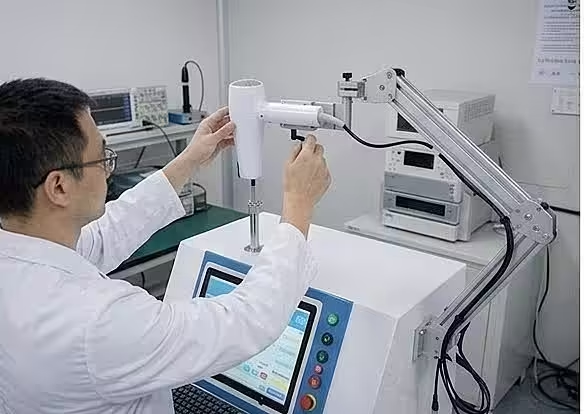
You set the stage for accurate results by preparing your workspace and equipment. Start by placing KINGPO’s Dryer Air Volume Test Equipment on a stable surface in a controlled environment. Make sure the area is free from drafts and obstructions. This helps you maintain consistent airflow conditions.
Next, mount the hair dryer securely using the adjustable specimen fixture. Align the outlet with the airflow measurement grid. Double-check the power supply connection to the hair dryer. Select the desired operating mode on the dryer, such as high or low speed.
Power on the system. The intuitive touch-screen interface guides you through the setup. Enter the test parameters, including grid size and scanning increments. KINGPO’s PLC control system takes over from here, ensuring every detail is set for IEC 61855 Automatic Airflow Performance Measurement.
Tip: Always verify the model and serial number of your equipment before starting. This ensures traceability and supports compliance documentation.
Measurement Procedure
You begin the test with a single touch. The PLC system activates the servo motor, which moves the hot-wire anemometer across the 200×200 mm grid in precise 5 mm steps. The anemometer captures wind speed at each point, focusing only on those that meet the minimum threshold of 24 m/min.
KINGPO’s equipment automates the entire process. The system scans the airflow area, collects data, and calculates total air volume without manual intervention. You do not need to reposition the sensor or record values by hand. The remote operation feature allows you to start the test from a distance, keeping the airflow field undisturbed.
You watch real-time data appear on the display. The system highlights valid measurement points and compiles the results instantly. This automation guarantees repeatable, standardized outcomes for every test.
You save time and eliminate human error. Automation ensures every test follows the IEC 61855 protocol exactly.
Data Analysis and Reporting
You move seamlessly from measurement to analysis. The system automatically records all airflow data and stores it securely. You can review the results on the touch-screen or export them for further analysis.
To generate a compliance report, follow these steps:
-
Confirm the equipment’s make and model from the nameplate.
-
Check if your model appears in the approved directory.
-
Record the airflow performance rating using the model details.
-
Note the required airflow as specified on your certificate of compliance.
-
Determine and record the rated power consumed at the relevant airflow.
-
If needed, use linear interpolation to find the exact power value.
-
Calculate power consumed per airflow unit.
-
If required, record the sensible recovery efficiency rating.
The system compiles this information into a standardized report. You can print or export the report for audits, certification, or internal records. This process makes IEC 61855 Automatic Airflow Performance Measurement simple, transparent, and reliable.
With KINGPO’s automated solution, you gain full traceability and confidence in your compliance journey. You deliver results that regulators and customers trust.
Common Pitfalls
When you aim for IEC 61855 compliance, you want to avoid mistakes that can slow down your process or lead to failed tests. Understanding the most common pitfalls helps you stay ahead and ensures your airflow performance measurement remains accurate and reliable.
Calibration Errors
You must calibrate your equipment regularly to guarantee precise results. If you skip calibration or use outdated reference standards, your airflow readings can drift. This leads to inconsistent data and possible compliance failures. Always follow the manufacturer’s calibration schedule. Use certified calibration tools and document every calibration event.
Tip: Set reminders for routine calibration. This simple step keeps your equipment in top condition and your results trustworthy.
A well-calibrated system gives you confidence in every test. You avoid costly retests and protect your reputation for quality.
Incomplete Data Collection
You need complete data to meet IEC 61855 requirements. Missing even a few measurement points can cause inaccurate total air volume calculations. This often happens when operators rush the process or overlook grid points. KINGPO’s automated system scans every point on the grid, but you should always verify that the test parameters match the standard.
-
Double-check grid size and scanning increments before each test.
-
Confirm that the system records all valid data points.
-
Review the test summary to ensure no gaps exist.
If you collect full data sets, you ensure your reports stand up to audits and certification reviews.
Misinterpretation of Results
You want to interpret your airflow measurement data correctly. Misreading results can lead to wrong conclusions about product performance. To prevent this, you should understand the setup and visualization methods used during testing. For example, if you use smoke or fog to visualize airflow, make sure you:
-
Choose the right smoke-generating materials for clear visibility.
-
Use consistent smoke generation equipment for repeatable results.
-
Inject smoke at the correct angle to show true airflow patterns.
-
Optimize lighting and camera angles for clear video evidence.
Note: Clear visualization helps you and your team see exactly how air moves through the dryer. This reduces confusion and supports accurate reporting.
When you follow these strategies, you avoid misinterpretation and deliver results that regulators and customers trust. You build a reputation for precision and reliability in every compliance test.
Streamlining Compliance
You want to make IEC 61855 compliance as smooth as possible. You can achieve this by focusing on three key areas: automating routine tasks, training your staff, and maintaining your equipment. When you streamline these steps, you boost your lab’s productivity and ensure every test meets the highest standards.
Automating Routine Tasks
You can save time and reduce stress by automating repetitive tasks. KINGPO’s Dryer Air Volume Test Equipment handles scanning, data collection, and report generation for you. You do not need to spend hours on manual measurements or paperwork. The system’s PLC control and touch-screen interface let you set up tests quickly and run them with a single touch.
Tip: Use the remote operation feature to start tests without disturbing the airflow field. This keeps your results accurate and your process efficient.
Here’s how automation transforms your workflow:
-
You eliminate manual data entry.
-
You reduce the risk of human error.
-
You generate standardized reports instantly.
-
You can test more products in less time.
When you automate, you free up your team to focus on quality improvement and innovation.
Staff Training
You need a well-trained team to get the most from your automated equipment. Make sure every operator understands how to use the system and follow IEC 61855 procedures. KINGPO’s user-friendly interface makes training simple, even for new staff members.
You can use these strategies to build a skilled team:
-
Schedule regular training sessions.
-
Provide hands-on practice with the equipment.
-
Review the IEC 61855 standard together.
-
Encourage questions and feedback.
Note: Confident staff members make fewer mistakes and deliver better results. Invest in training to maximize your equipment’s value.
A knowledgeable team helps you maintain consistency and pass audits with ease.
Regular Maintenance
You must keep your equipment in top condition to ensure reliable results. Regular maintenance prevents unexpected downtime and extends the life of your investment. KINGPO’s Dryer Air Volume Test Equipment is built for durability, but routine checks keep it performing at its best.
Follow this simple maintenance checklist:
-
Calibrate sensors according to the manufacturer’s schedule.
-
Inspect the servo motor and moving parts for smooth operation.
-
Clean the specimen fixture and airflow grid after each use.
-
Update software when new versions become available.
|
Maintenance Task |
Frequency |
Benefit |
|---|---|---|
|
Sensor Calibration |
Monthly/Quarterly |
Ensures measurement accuracy |
|
Mechanical Inspection |
Monthly |
Prevents breakdowns |
|
Cleaning |
After Each Use |
Maintains test integrity |
|
Software Updates |
As Released |
Adds new features, fixes bugs |
Consistent maintenance protects your results and your reputation. You can trust your data and focus on growing your business.
By automating tasks, training your staff, and maintaining your equipment, you create a seamless path to IEC 61855 compliance. You set your lab apart as a leader in quality and efficiency.
You can achieve reliable results and meet every requirement with IEC 61855 Automatic Airflow Performance Measurement. When you use KINGPO’s advanced system, you automate each step, from setup to report generation. You save time, reduce errors, and ensure your data stands up to audits. KINGPO’s expertise in automated airflow testing gives you accurate, repeatable outcomes and ongoing support. Choose a structured, automated process to boost your compliance and efficiency.
FAQ
What is IEC 61855 and why does it matter for hair dryers?
IEC 61855 sets the global standard for testing hair dryer performance. You need to follow it to ensure your products meet safety and quality benchmarks. Compliance builds trust with customers and opens doors to international markets.
How does automatic airflow measurement improve compliance?
Automatic airflow measurement gives you precise, repeatable results. You avoid manual errors and speed up your testing process. This technology helps you meet IEC 61855 requirements with less effort and more confidence.
Why should I choose KINGPO’s Dryer Air Volume Test Equipment?
You get advanced automation, accurate data, and easy operation. KINGPO’s system handles scanning, data collection, and reporting. You save time, reduce errors, and ensure every test meets the standard.
Can I export test reports for audits or certification?
Yes, you can. The equipment generates standardized reports you can print or export. This feature makes audits and certification reviews simple and stress-free.
How often should I calibrate the equipment?
You should calibrate the system regularly, following the manufacturer’s schedule. Routine calibration keeps your results accurate and ensures you stay compliant with IEC 61855.
Is the system easy for new staff to learn?
Absolutely! The touch-screen interface and automated features make training quick and simple. Your team can start testing with confidence, even if they are new to the process.