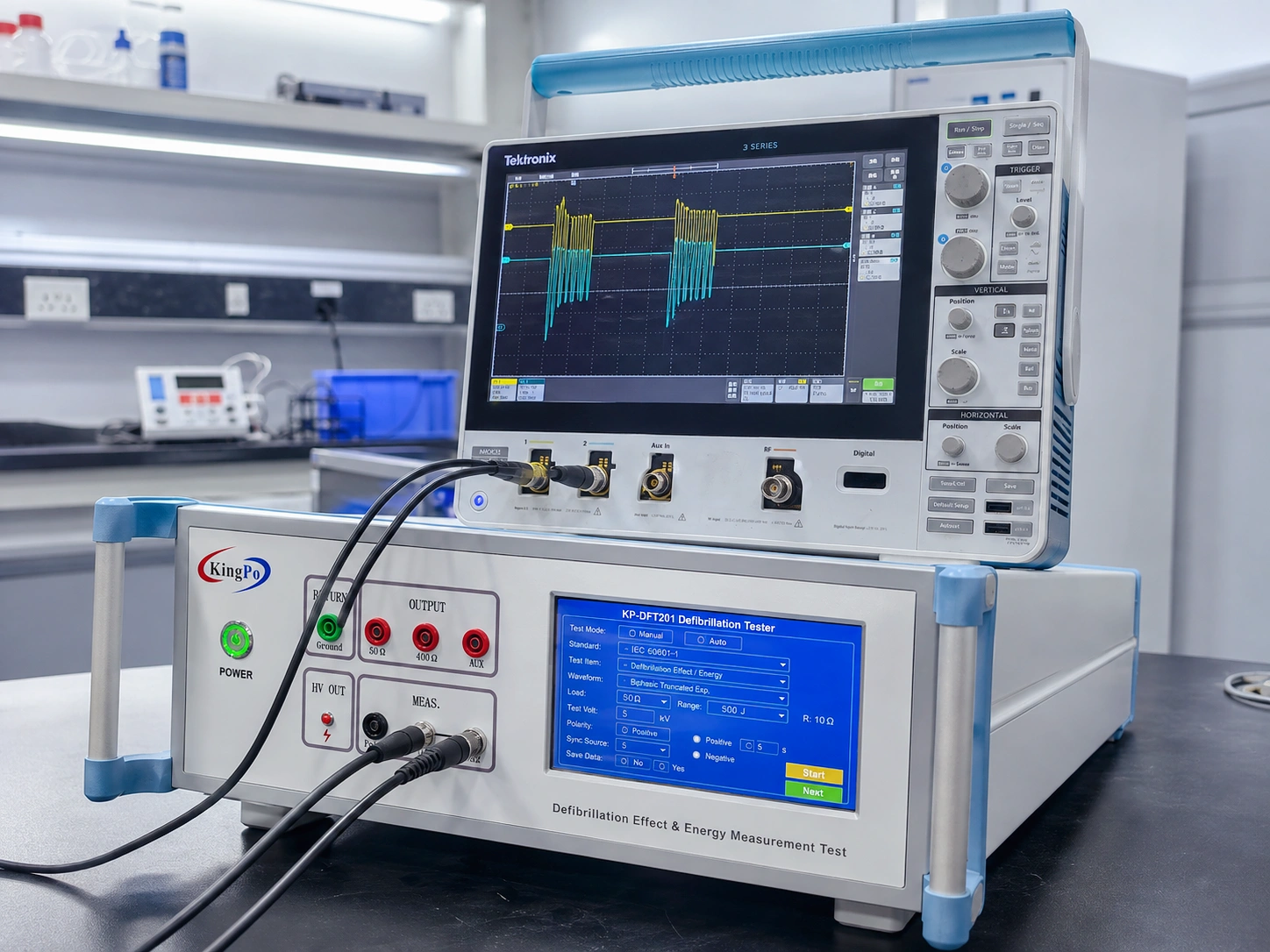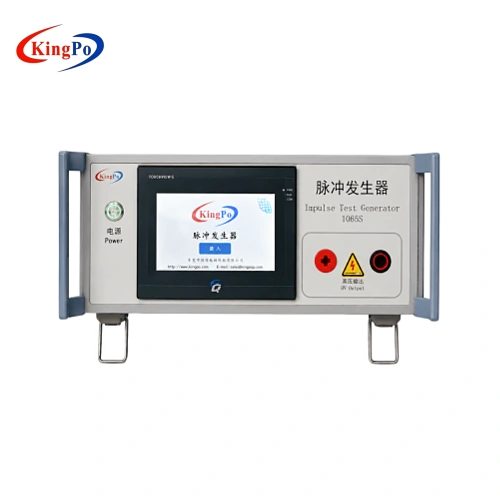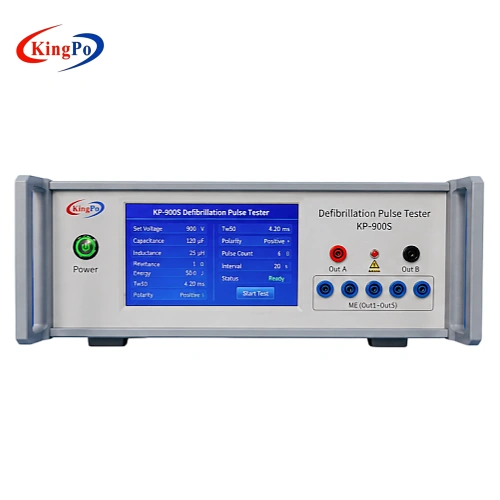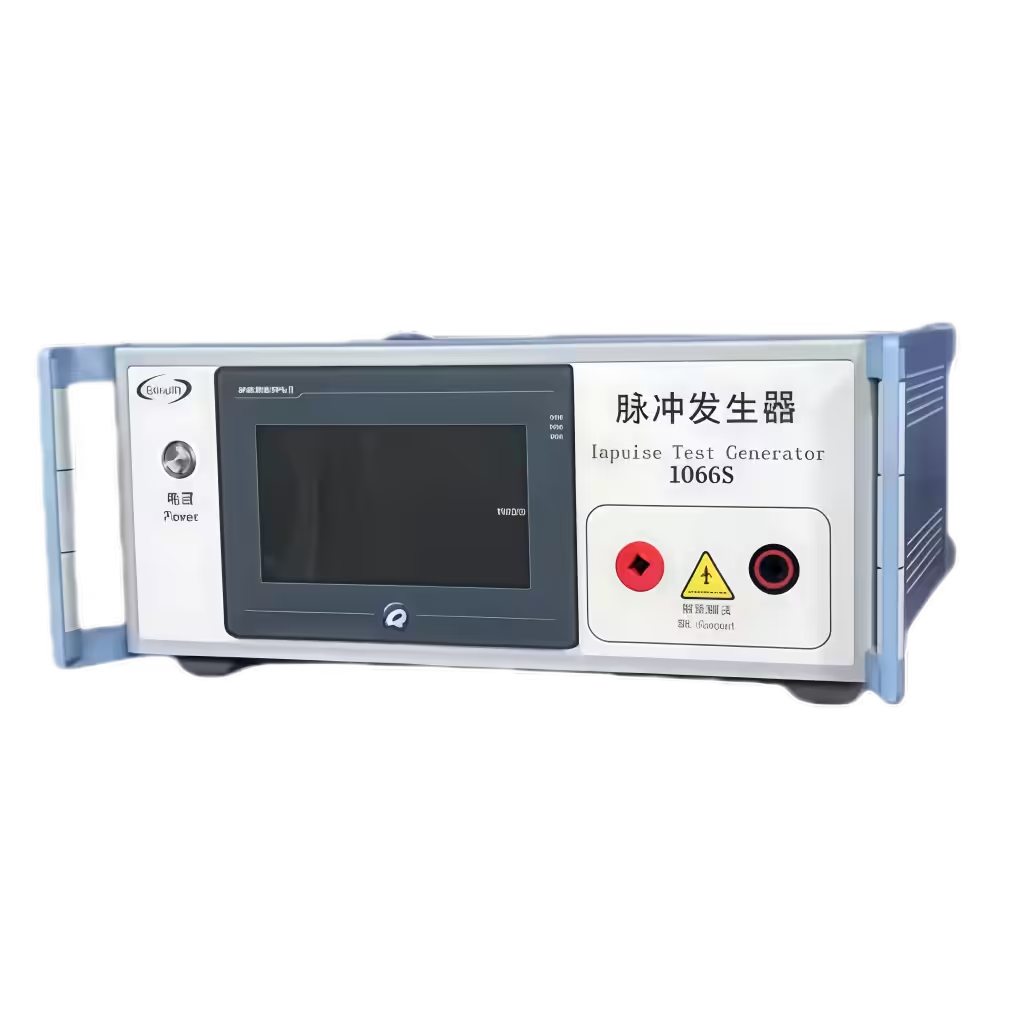
Imagine you work with smart home devices or 5G routers. You need to make sure each product can handle electrical surges and stay safe. A pulse voltage generator helps you create real-world electrical conditions for testing. You can check if your products meet strict standards like IEC 62368-1. This tool lets you find problems before products reach customers.
Key Takeaways
-
Pulse voltage generators copy real electrical situations. You can use them to see how your products react to voltage changes.
-
You can change settings like pulse width and amplitude. This helps you make tests that fit your product’s needs.
-
Automated voltage pulse testers make testing faster. They let you check many products quickly and well.
-
Doing stress tests with pulse generators often makes people trust your brand. You can show your products are safe and work well for customers.
-
Pulse generators have safety features to keep people and machines safe. Always look at the safety settings before you start tests.
Pulse Voltage Generator Basics
Definition and Functions
A pulse generator helps you see how devices act when voltage changes quickly. You use a pulse voltage generator to make short bursts of electricity. These bursts copy things like lightning or power surges. When you test with a pulse generator, you watch how your ICT products respond. This tool helps you find weak spots before they cause trouble.
You can set the pulse generator to make different kinds of pulses. Sometimes you need a quick pulse. Other times you need a slow one. The pulse voltage generator lets you change the shape and timing of each pulse. This helps you match your test to what your product might face.
Key Features in ICT Testing
When you test ICT products, you need tools that give you results you can trust. A pulse generator is special because you can change important settings like:
-
Pulse width
-
Pulse delay
-
Pulse amplitude
These controls help you make the right test for each product. You use the pulse generator to check if your device is safe. You also make sure your product can handle real electrical stress.
Pulse generators are more accurate than many other testing tools. You can see this in how they deal with measurement uncertainty:
|
Measurement Uncertainty Contribution |
Description |
|---|---|
|
Impedance Mismatch Correction |
Fixes differences between devices to make tests better. |
|
Type A Uncertainty |
Comes from doing tests many times to show results are good. |
With a pulse generator, you get good data every time. You can trust your results when you use this tool for ICT testing.
Role in ICT Development
Real-World Signal Simulation
It is important to know how your ICT products work in real life. A pulse voltage generator helps you make signals like those your devices see every day. When you use pulsed power applications, you can test how your equipment handles sudden voltage changes. This matters for things like 5G routers and IoT devices.
-
Telecom providers use pulsed power applications to test network equipment. They check if signals stay strong and clear.
-
You can make controlled pulses that act like real data traffic. This lets you see if your equipment works well in busy networks.
-
Pulsed power technology is important for 5G systems. It helps you test timing and synchronization. These are needed for fast and steady connections.
With pulsed power applications, you can check your devices before selling them. You can trust the results because the tests use real signals. This helps you stop problems before your products are used.
Tip: Using pulsed power applications early in development saves time and money. You find issues before they turn into big problems.
Stress and Reliability Testing
You want your products to last and keep people safe. Stress testing with pulsed power applications helps you find weak spots. When you use a pulse voltage generator, you send strong, short bursts of electricity into your product. This shows how your device acts in tough situations.
Pulse voltage generators, like surge generators, help you find failure points in smart home devices. They make overvoltage pulses that stress the device. You can watch how your device reacts to these hard tests. This helps you spot design problems. You can test different parts to check insulation and system isolation. Careful pulsed power applications help you find weaknesses before your products reach users.
Pulsed power technology also lets you test many products quickly. You can use pulsed power applications on production lines to check each unit for safety and reliability. This keeps your quality high and your customers happy.
Note: Regular stress testing with pulsed power applications helps you build trust in your brand. Customers know your products are safe and reliable.
Automated Voltage Pulse Tester in Compliance
Meeting IEC 62368-1 Standards
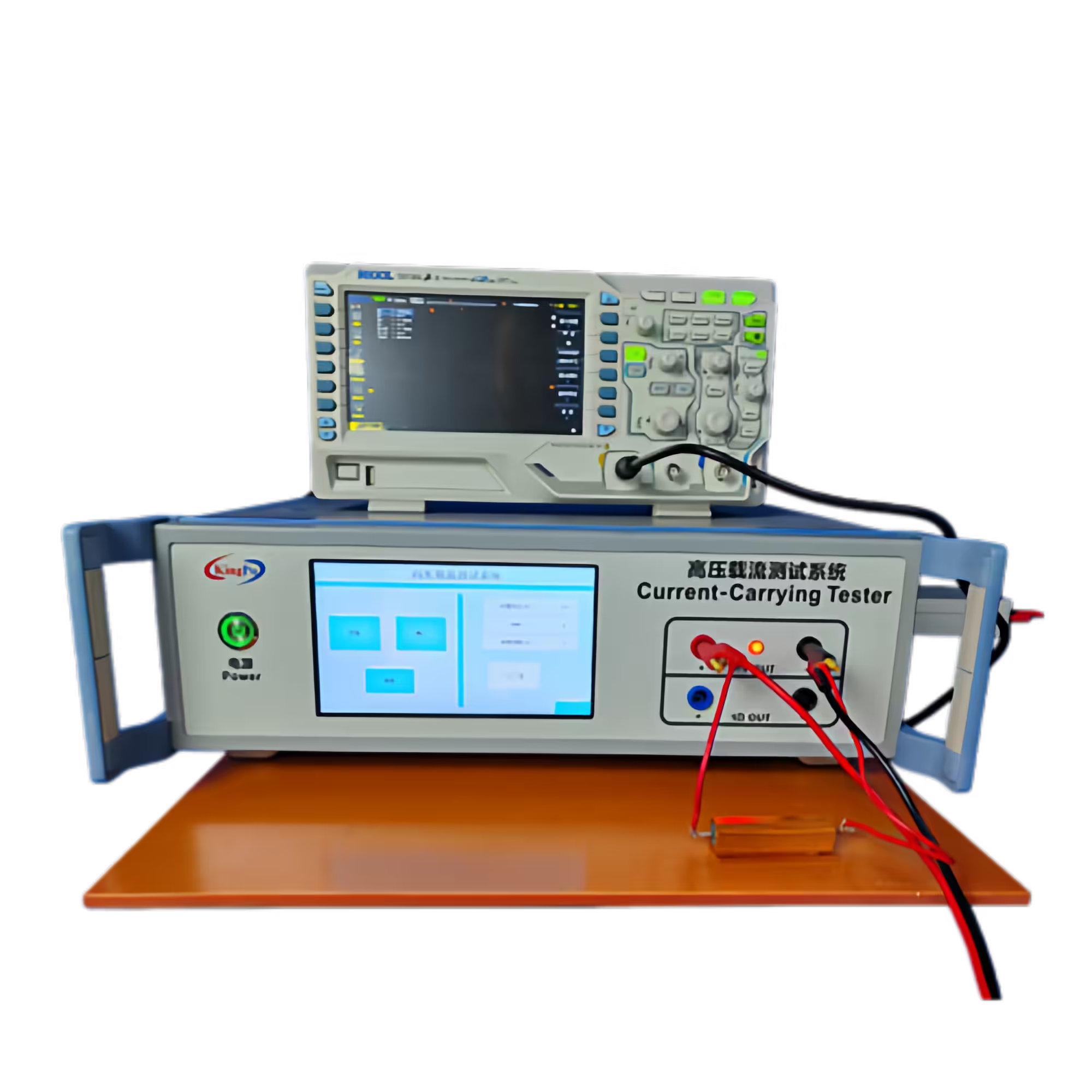
You must make sure your ICT products are safe. The IEC 62368-1 standard tells you what is needed for safety. This rule is for things like routers and smart TVs. An automated voltage pulse tester helps you follow these rules. The KP-1065S pulse voltage generator is a good tool for this. You can use it to test antennas, as the IEC 62368-1 Annex D.2 says. This device makes very exact 10/700µs pulses and strong DC signals. You use a big touchscreen and a controller to run it. Safety tools like over-voltage protection and an emergency stop keep you safe.
Here is how the KP-1065S automated voltage pulse tester helps you follow the rules:
|
Feature |
Description |
|---|---|
|
Compliance Standard |
IEC 62368-1 |
|
Functionality |
Simulates lightning and transient voltage conditions |
|
Test Pulse Waveforms |
Uses specific waveforms for electrical safety testing |
|
Control System |
Panasonic PLC programmable controller |
|
User Interface |
7-inch color touch screen with bilingual menu |
|
Safety Features |
Over-voltage protection for safety and reliability |
|
Application |
Used in labs and manufacturing enterprises |
You can trust this tester to check insulation and do high-voltage tests. It gives you clear reports and tells you if your product passes or fails. This makes it easy to follow the rules.
Enhancing Testing Efficiency
You want your tests to be quick and work well. An automated voltage pulse tester lets you test many products fast. You can use saved test plans and start tests with a few taps. This saves you time and helps you make fewer mistakes. You get full reports for every test. These reports help you check quality and look at data.
With an automated voltage pulse tester, you can:
-
Check if parts work right and find ones that do not.
-
Test how modules act with real signals and see if they work.
-
Find problems like bad soldering or parts that are not in place.
-
Keep track of data and reports, so you can see results and get better.
-
Find faults fast, so you do not waste time fixing things.
Automated voltage pulse testers also help you meet world rules. You can test for waterproofing, IP rating, and chemical resistance. You make sure your products can handle hard situations. Top companies use these testers to check quality.
Tip: If you use an automated voltage pulse tester on your line, you can always give customers safe and good products.
Safety and Long-Term Value
Operator and Equipment Protection
You must keep yourself and your equipment safe during ICT testing. Modern pulse voltage generators have many safety features built in. These devices use strong insulation to protect you. If one layer breaks, another layer still keeps you safe from electric shock. Some models use triple insulated wire. This wire has three layers that work together as a strong shield.
There are smart safety systems that stop tests fast if something goes wrong. Instant trip protection stops the test when it finds bad insulation. This keeps your equipment from getting damaged. Microprocessor controls help lower mistakes and make sure tests run safely.
To stay safe, you should always do these things:
-
Ground the generator the right way
-
Use tools with insulation
-
Wear safety gear
-
Stay far enough away from the device
-
Follow the instructions from the manufacturer
Pulse voltage generators also help protect against electrical problems. They use transient voltage suppression to keep your systems safe. By testing for these problems, you can find weak spots in your hardware and software before they cause trouble.
Tip: Always check your safety features before you start a test. This easy step helps keep you and your devices safe.
Consistent Performance Over Time
You want your testing equipment to work well every time. Pulse voltage generators give you steady results. They use strong insulation and smart controls to keep tests the same. Automated tests end with a safety discharge period. This makes sure the device is ready for the next test.
These generators help you find problems early. You can trust the results because the device keeps the same settings and pulse shapes for every test. This means you get good data, even after many uses.
When you use a pulse voltage generator, you make your work safer and more reliable. You protect your team, your equipment, and your products. Over time, this leads to better quality and fewer surprises in the field.
You need a voltage pulse generator for each part of ICT work. Voltage pulse testing helps you follow safety rules. These tools help keep your team safe. Using voltage pulse checks makes your job quicker. Voltage pulse systems give steady results every time. Testers help you find weak spots in products. This equipment lets you test lots of items. Machines show if your product is strong enough. Devices help you meet important standards. These solutions protect your company’s name. Units work well in labs and factories. Features help you save time on tests. Controls are simple to use for everyone. Records help you keep track of each test. Settings help keep things safe during testing. Results are easy to understand and clear. These tools work with new technology. Testers like the KP-1065S help you make better products. Testing with voltage pulses helps you feel confident.
FAQ
What is a high voltage pulse generator and why do you need it?
A high voltage pulse generator helps you test devices. It shows how things act when voltage changes fast. This tool checks if products stay safe during surges. You can trust the results from this equipment.
How does a voltage regulator help in ICT product testing?
A voltage regulator keeps voltage steady during tests. It protects your devices from getting hurt. You get good results with a voltage regulator. You can use it for safe and repeatable tests.
Can you use a high voltage pulse generator for pulsed x-ray generation?
You can use a high voltage pulse generator for pulsed x-ray generation. This helps you study materials and test electronic parts. The generator gives short, strong bursts of energy.
What is the role of voltage control in pulsed ion beam annealing?
Voltage control sets the right energy level for pulsed ion beam annealing. It helps you change the beam strength. This makes sure your process works well and results stay the same.
How do you measure high voltage safely during tests?
You use special tools to check high voltage levels. Always connect your voltage regulator and pulse generator the right way. Wear safety gear and follow instructions. This keeps you safe and your results correct.
Tip: Always check your voltage regulator settings before you start any test.
|
Application |
Equipment Needed |
|---|---|
|
Pulsed power systems |
|
|
Voltage stability testing |
|
|
High voltage measurement |
Safety tools |