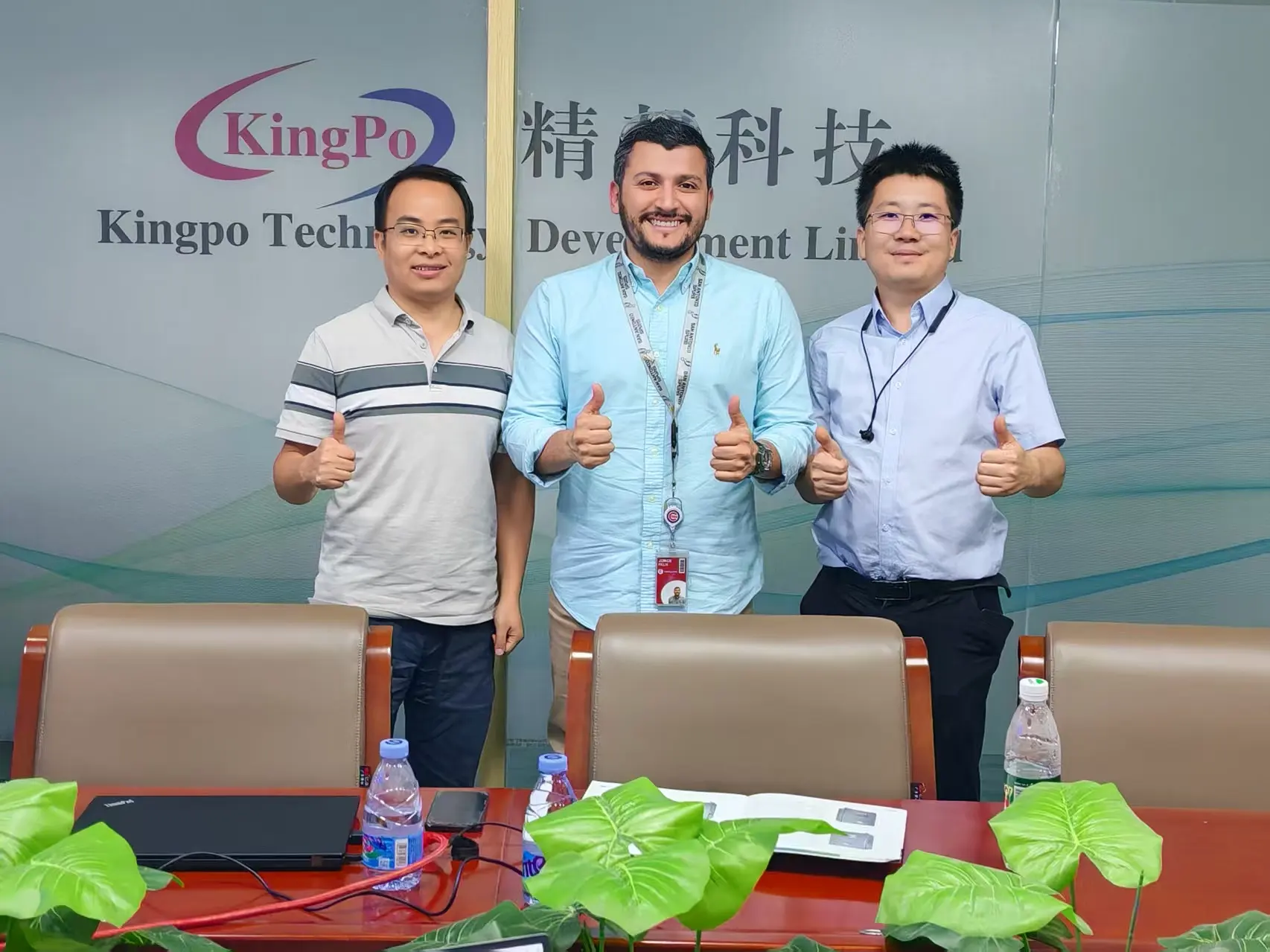
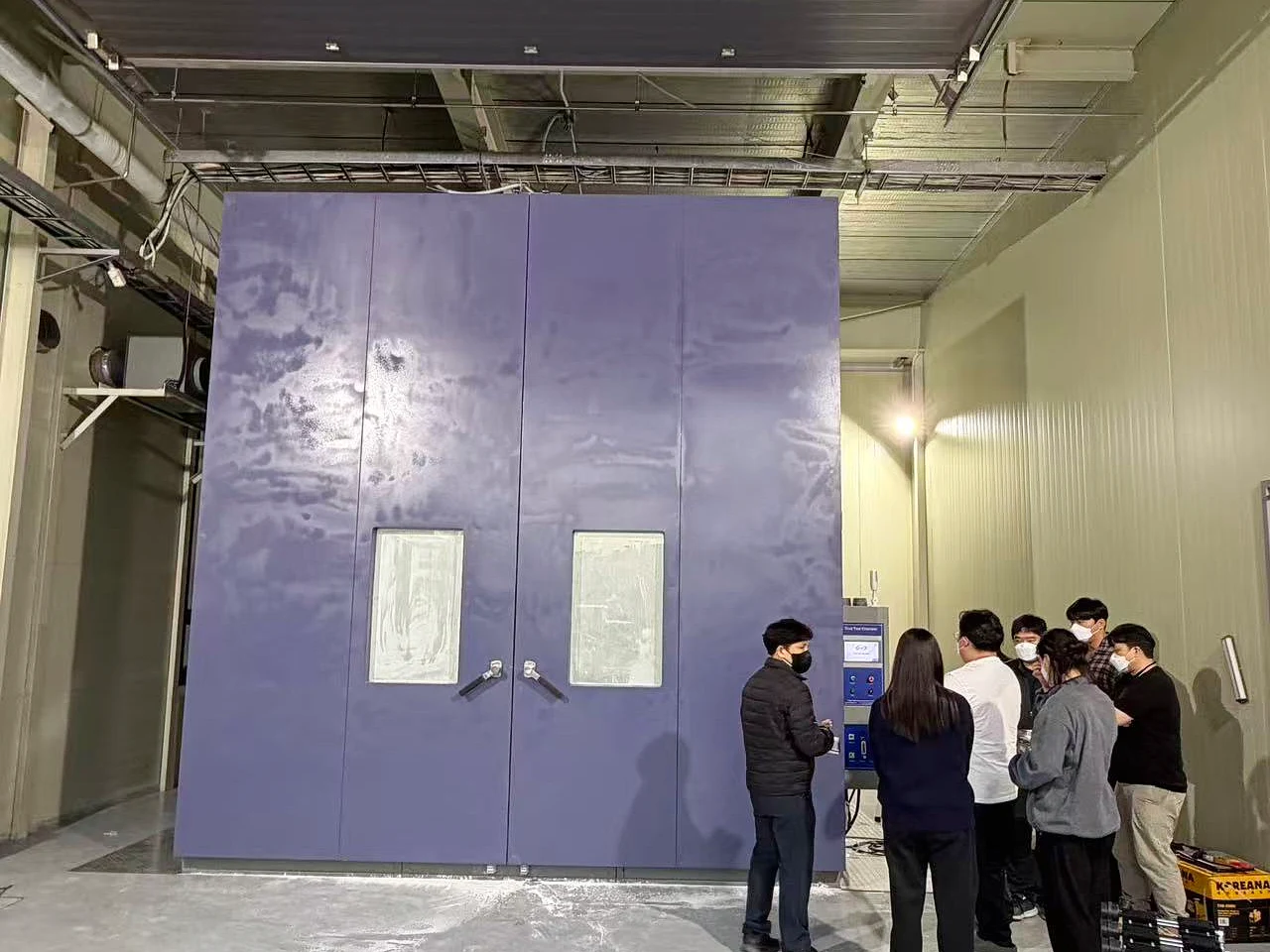
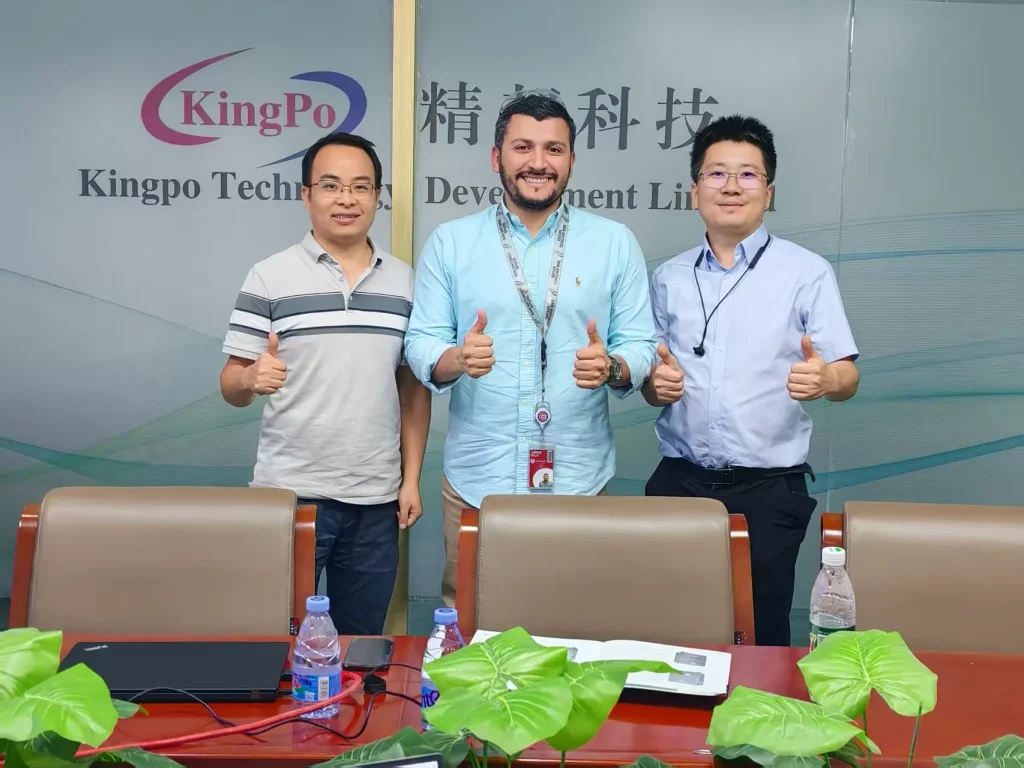
KINGPO recently welcomed a team from UL Mexico to our facilities in Dongguan, China. The visit included tours of our R&D center in Songshan Lake and manufacturing facility in Dalang, providing an opportunity for the team to learn more about KINGPO’s engineering capabilities, testing equipment and manufacturing operations.
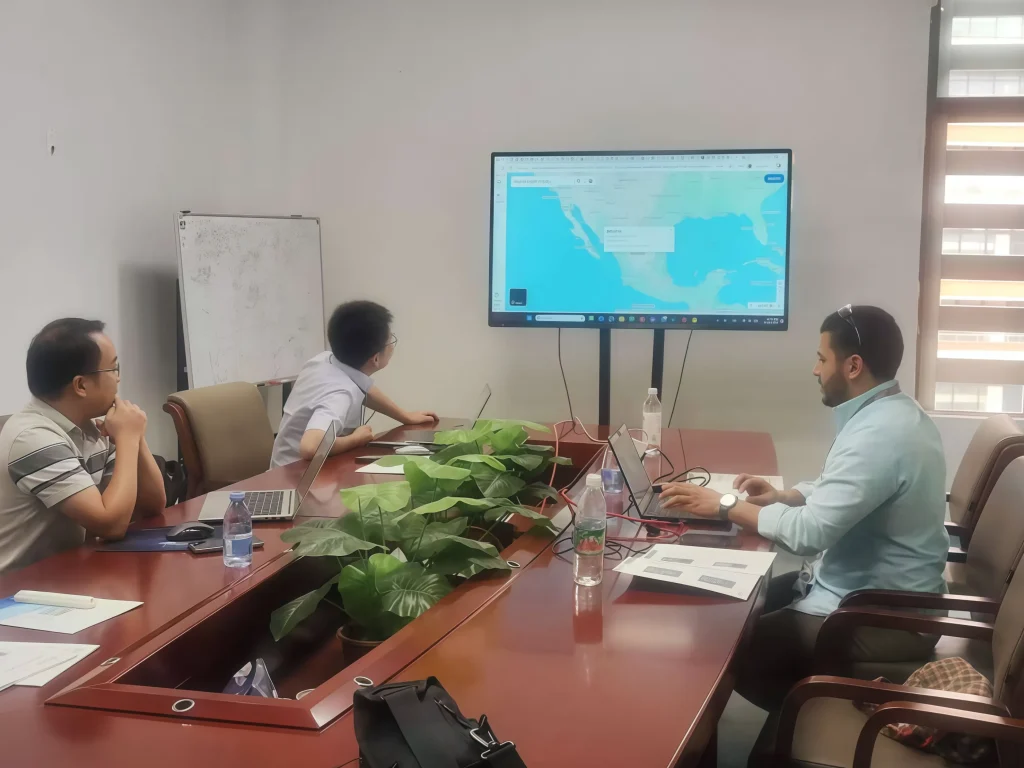
In addition to the facility tours, both teams took part in technical discussions covering testing applications and equipment requirements. Automotive ingress protection testing was a key area of interest, particularly the evaluation of dust and water protection for vehicle components and electrical enclosures.
The visit brought together two teams with experience in the testing industry and provided a valuable opportunity to exchange technical perspectives, understand application needs and explore possibilities for future cooperation.
Visiting KINGPO’s R&D Center
At KINGPO’s R&D center in Songshan Lake, the UL Mexico team learned more about our approach to testing equipment development, engineering design and customized testing solutions.
For testing laboratories, selecting suitable equipment involves more than matching a product to a protection rating. The test method, specimen dimensions, installation conditions, operating state and evaluation criteria all need to be considered in relation to the applicable standard and the intended application.
These considerations are particularly important in automotive testing, where electrical and electronic components may be exposed to dust, rain, road spray, high-pressure cleaning and changing environmental conditions throughout their service life.
The technical exchange provided an opportunity to discuss these application requirements and the role of specialized testing equipment in evaluating the protection performance of automotive components.
Automotive IP Testing: From Dust Protection to High-Pressure Water Jets
Ingress Protection (IP) testing is an important part of evaluating the protection provided by electrical equipment enclosures against the entry of foreign objects, including dust, and the effects of water ingress.
In automotive applications, the relevant requirements depend on the component, its installation location, the expected exposure conditions and the manufacturer’s specifications. Connectors, lighting assemblies, sensor housings, electronic control units and other electrical enclosures may require different combinations of dust and water protection tests.
Two areas of particular relevance to automotive IP testing are dust ingress testing and water ingress testing.
Dust Ingress Testing: IP5X and IP6X
Dust testing evaluates the ability of an enclosure to limit the entry of dust under specified test conditions. This is particularly relevant to vehicle components installed in areas exposed to road dust, airborne particles and other contaminants.
Under the IEC 60529 IP code system, IP5X refers to dust-protected enclosures, while IP6X refers to dust-tight enclosures. These ratings have different acceptance requirements and should not be treated as equivalent.
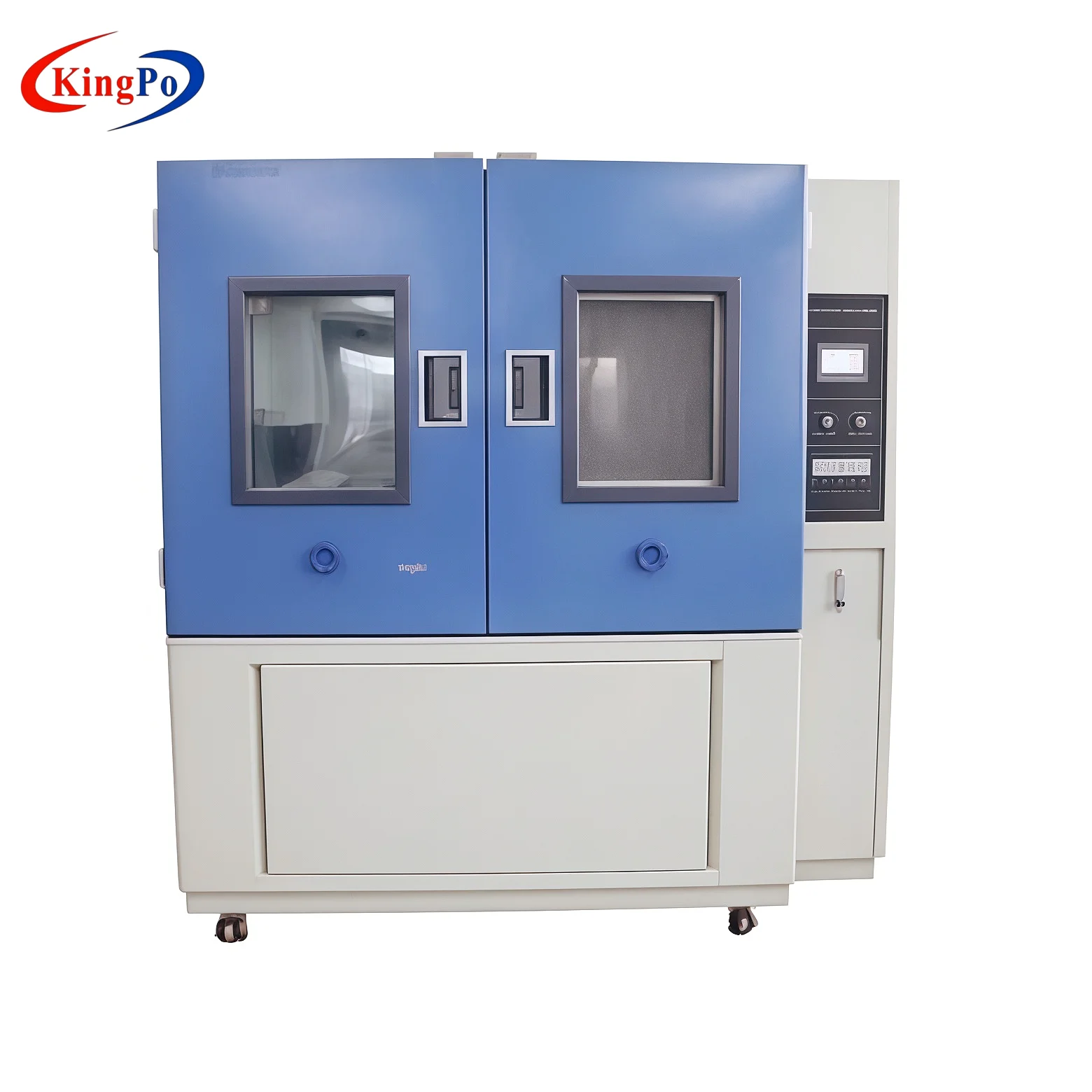
A dust test system may incorporate a controlled test chamber, dust circulation arrangements, specimen mounting fixtures and, where required by the applicable test method, provisions for pressure-differential testing. The required configuration depends on the protection rating and the relevant standard.
Test planning also needs to consider the specimen’s openings, cable entries, connectors, seals and other potential ingress paths. Following exposure, the specimen is evaluated against the applicable acceptance criteria to determine whether dust ingress has occurred and whether it affects the protected equipment.
For automotive applications, ISO 20653 provides a dedicated framework for the degrees of protection of road-vehicle electrical equipment. Its automotive-specific designations include K-designated protection ratings, which should be distinguished from ratings specified under IEC 60529.
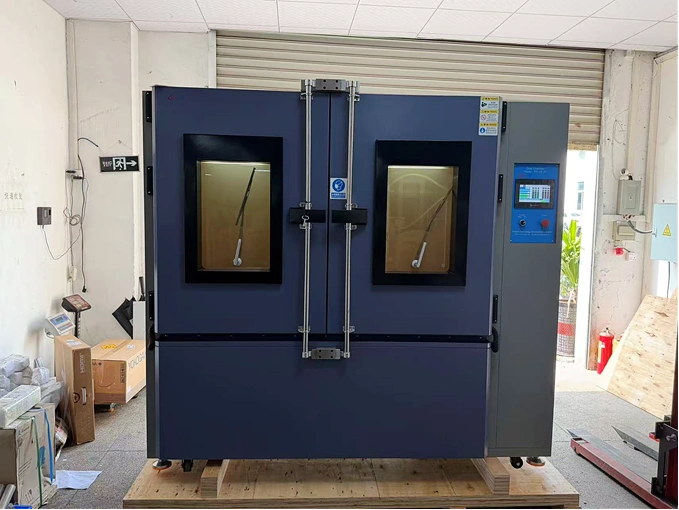
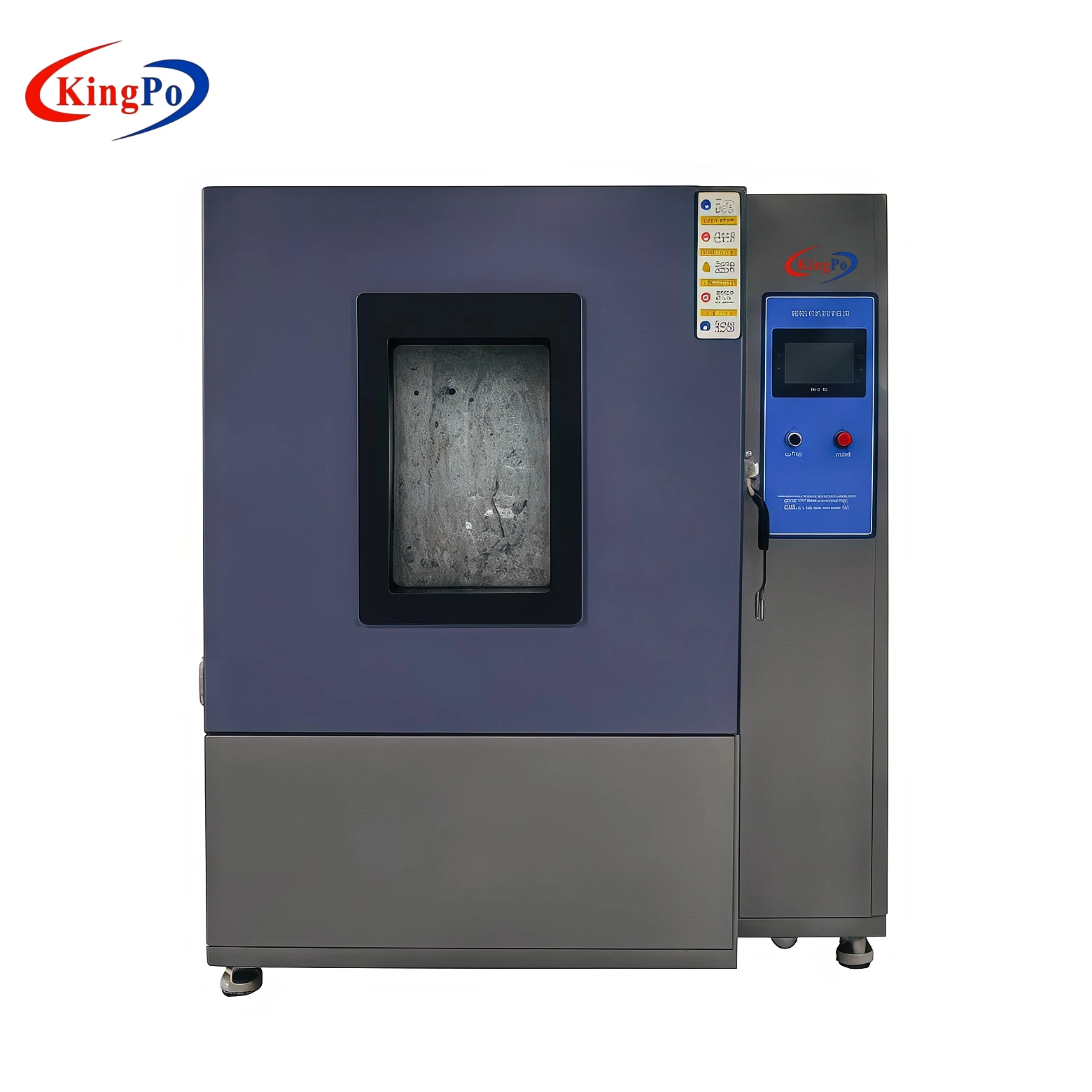
For laboratories evaluating dust ingress protection, KINGPO provides an IP5X/IP6X dust test chamber for relevant enclosure testing applications. Equipment configuration should be selected according to the intended test method, specimen dimensions and applicable standard.
Water Ingress Testing: IP56, IPX6 and IPX9K
Water ingress testing evaluates an enclosure’s resistance to water exposure under defined conditions. Depending on the intended application, testing may involve dripping water, spraying, powerful water jets, immersion or specialized high-pressure water-jet methods.
IP56 combines IP5X dust protection with IPX6 protection against powerful water jets. It is therefore relevant where both dust ingress and strong water-jet exposure need to be evaluated.
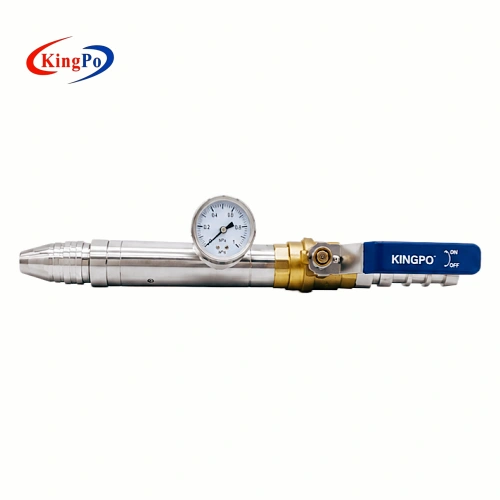
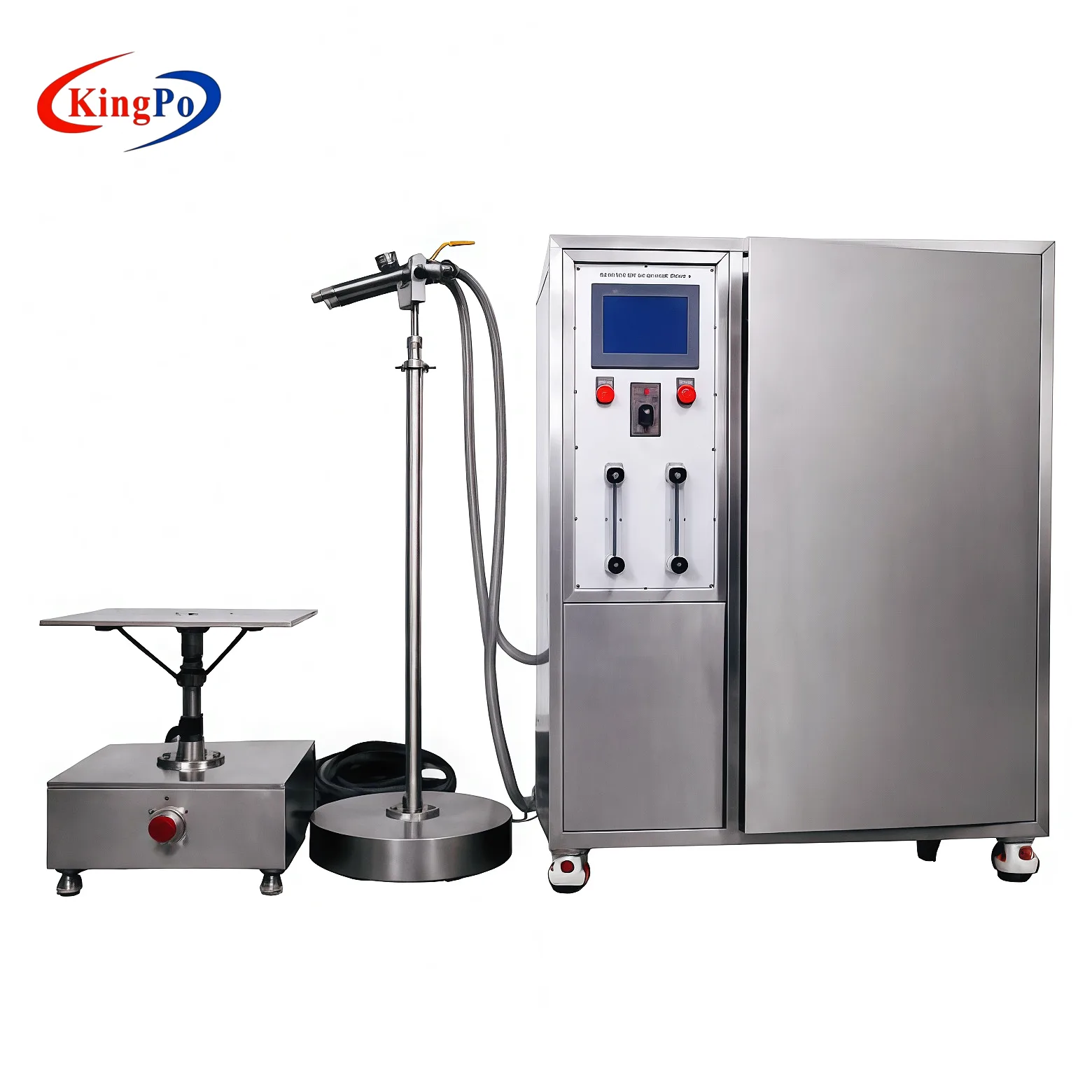
IPX5/IPX6 water-jet testing equipment is used for the corresponding water-jet test methods. The required test conditions and configuration must follow the applicable standard.
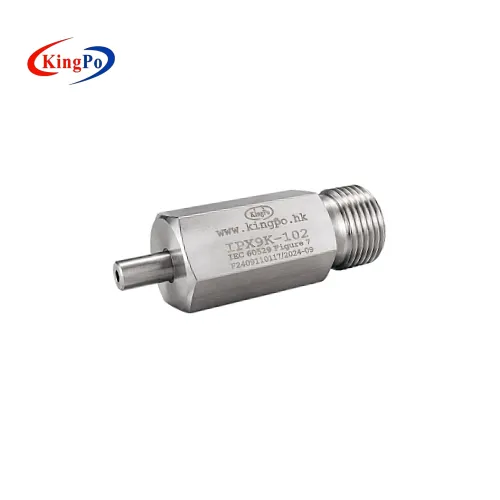
IPX9K, meanwhile, is associated with automotive high-pressure, high-temperature water-jet testing. It is used to assess whether an enclosure can withstand demanding water exposure, including conditions associated with vehicle cleaning. The test method specifies the relevant spray conditions and specimen exposure requirements.
Although IPX9K is often discussed alongside other water protection ratings, it represents a distinct test method rather than simply a higher version of IPX6. A component’s required rating must be determined from its applicable product specification, vehicle manufacturer’s requirements and relevant testing standard.
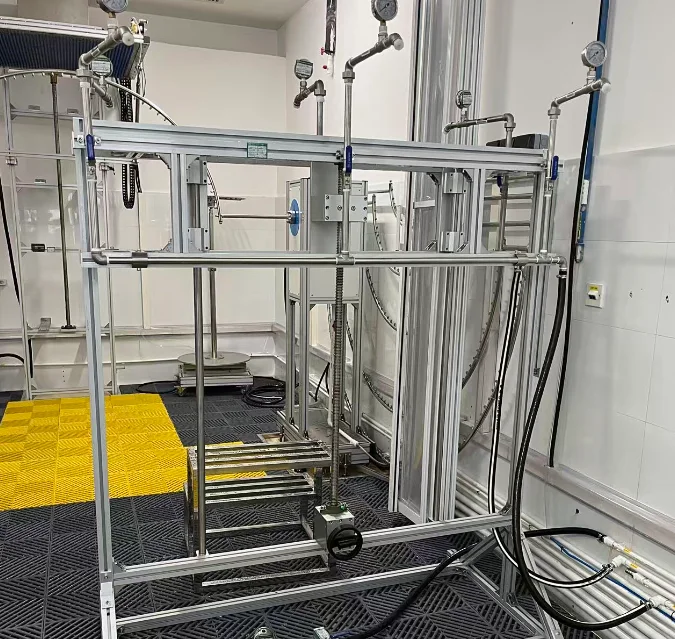
For road-vehicle electrical equipment, ISO 20653:2023 is an important reference. The standard addresses IP code designations, protection requirements and the corresponding test methods. Its requirements for automotive-specific K-designated ratings should be considered when selecting and configuring the test equipment.
Test Equipment Configuration and Evaluation
Reliable IP testing depends on the relationship between the test method, the equipment configuration and the specimen being evaluated.
For dust testing, relevant considerations may include chamber dimensions, dust circulation, specimen placement, pressure conditions where applicable and the prescribed exposure period. For water-jet testing, the configuration may need to account for water pressure, flow rate, temperature, nozzle arrangement, spray direction, specimen positioning and exposure duration, as specified by the applicable method.
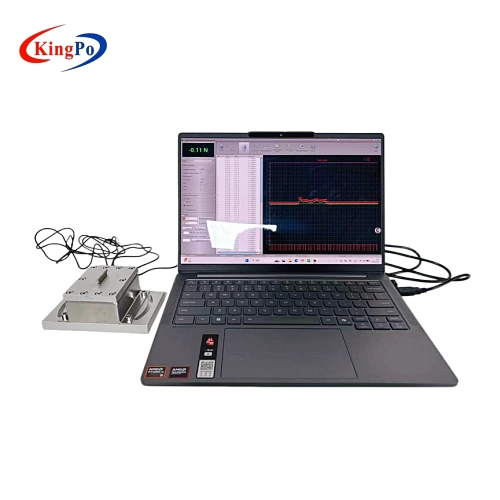
The specimen’s mounting arrangement and operating state may also affect the test setup. Where required, post-test evaluation can include inspection for water or dust ingress, examination of sealing interfaces and verification of the equipment’s functionality against the defined acceptance criteria.
These details are important when planning a laboratory’s testing capability, particularly when the laboratory needs to accommodate different component sizes, protection ratings and automotive test requirements.
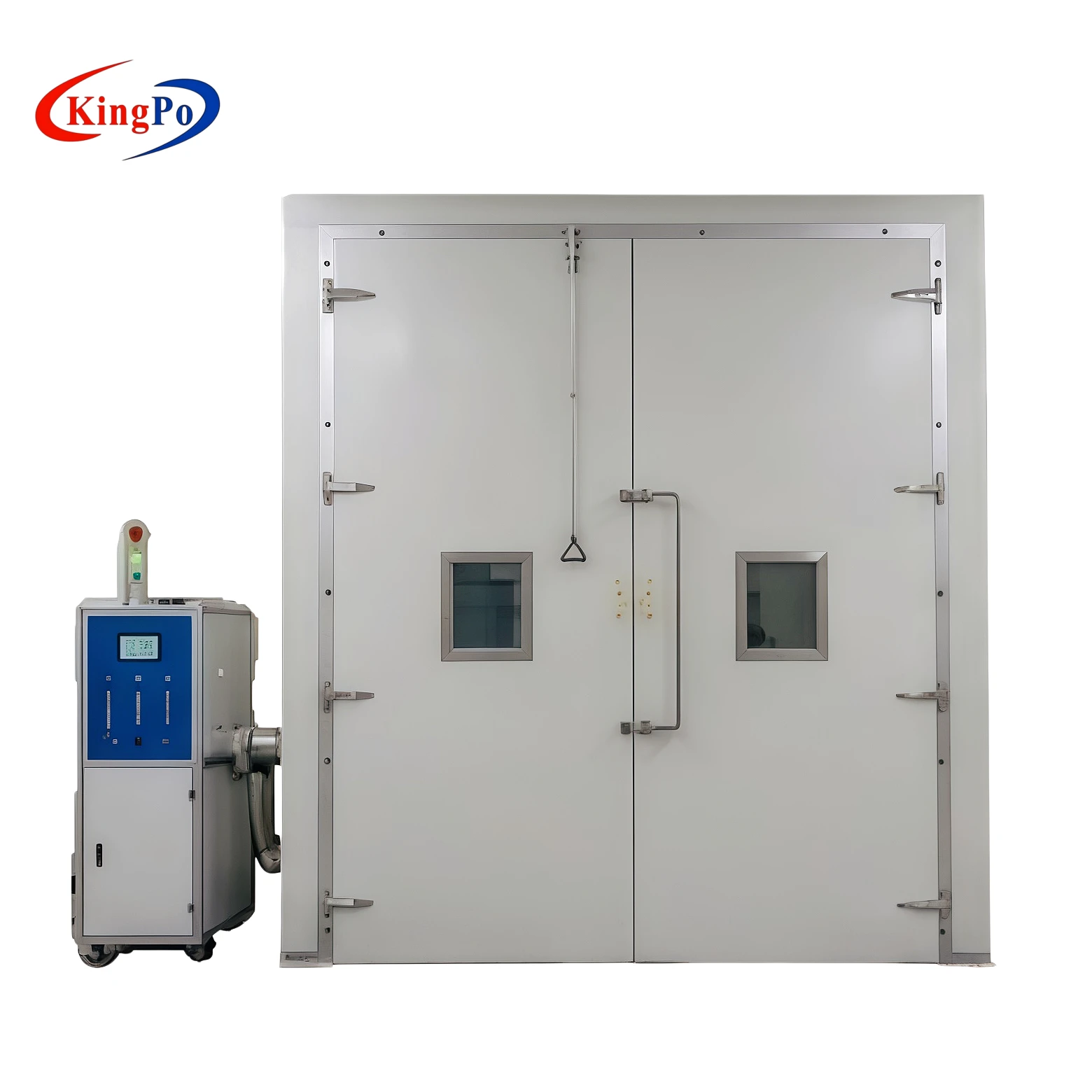
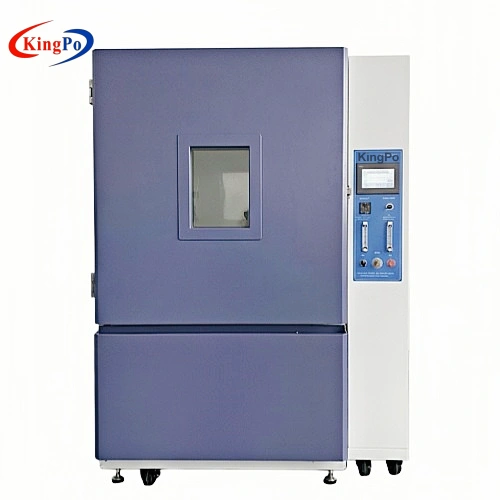
KINGPO develops and supplies testing equipment for IP protection testing, including dust and water ingress testing applications. Our work focuses on providing equipment solutions that align with the required test methods and practical laboratory needs. The appropriate configuration depends on the intended application, specimen characteristics and applicable standards.
A Closer Look at KINGPO’s Manufacturing Facility
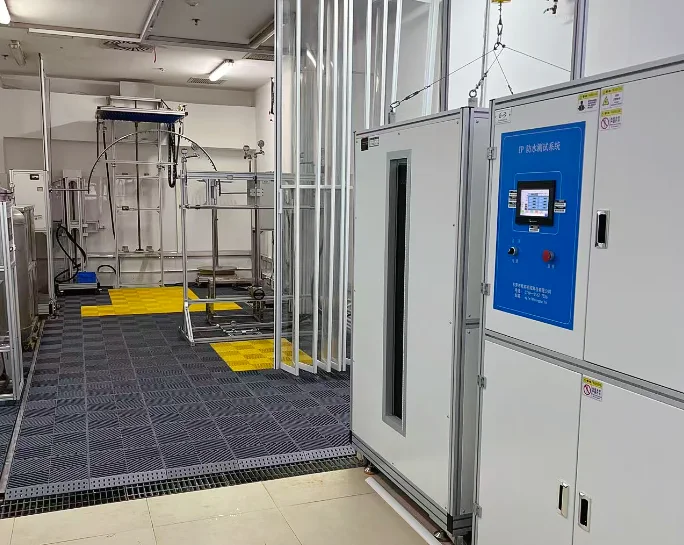
Following the R&D center tour, the UL Mexico team visited KINGPO’s manufacturing facility in Dalang, Dongguan.
The factory visit provided an opportunity to learn more about our production environment, equipment assembly and manufacturing processes. Seeing both the R&D center and manufacturing facility offered a broader view of how engineering development and production operations come together in our testing equipment business.
For specialized laboratory equipment, engineering design and manufacturing need to work closely together. Equipment configuration, mechanical construction, control systems and the practical requirements of laboratory operation all contribute to the suitability of a test system for its intended application.
We value opportunities to introduce our facilities to industry partners and exchange perspectives on the requirements of professional testing laboratories.
Building on Our International Cooperation with UL
KINGPO has supplied IP testing equipment to UL teams and facilities in Guangzhou, Suzhou, Hong Kong, New Zealand and the United States.
These collaborations form part of our experience supporting IP testing applications across different locations and laboratory environments. We value the relationships established through this work and the opportunities to provide equipment for testing applications in different markets.
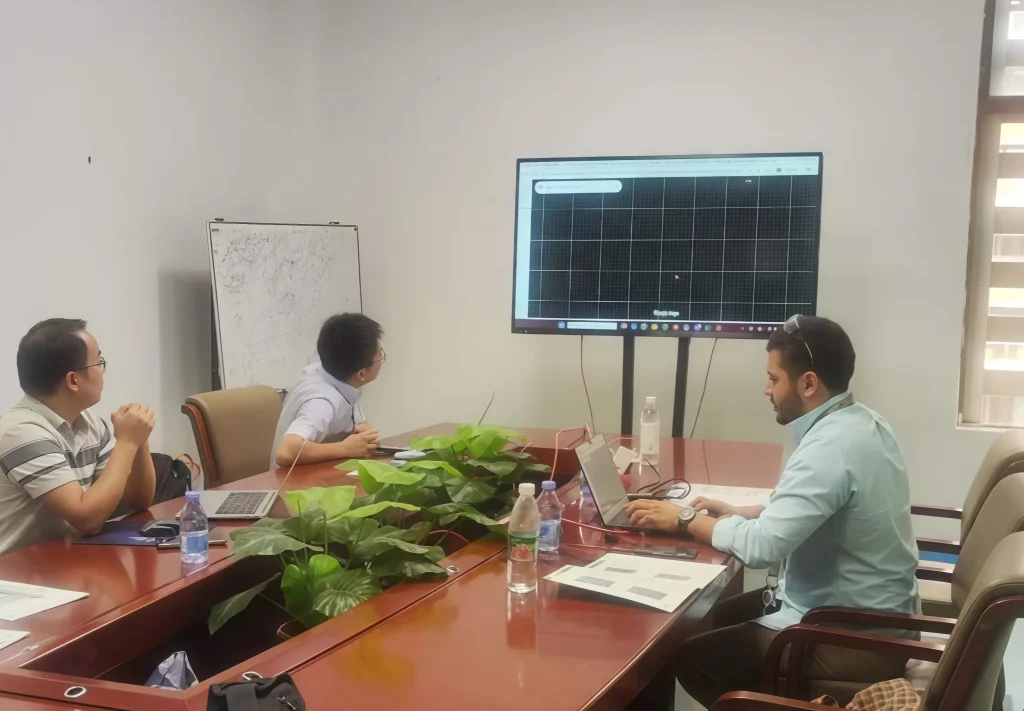
The visit from UL Mexico provided another opportunity to exchange technical knowledge and learn more about automotive testing requirements. The team’s interest in KINGPO’s IP testing equipment made the discussion particularly relevant to our work in dust and water ingress protection testing.
We believe that a clear understanding of test requirements, practical engineering solutions and effective communication are important foundations for supporting laboratories and their testing activities.
Looking Ahead to Future Cooperation
We sincerely appreciate the UL Mexico team’s visit to KINGPO and the time spent touring our facilities and exchanging technical perspectives.
The visit was a valuable opportunity to strengthen communication, learn more about automotive IP testing applications and explore areas of mutual interest. We look forward to continuing these discussions and identifying opportunities for future cooperation in automotive dust and water protection testing, as well as other relevant testing fields.
KINGPO remains committed to developing practical testing equipment solutions and supporting laboratories and industry partners worldwide. Building on our existing cooperation with UL teams in multiple regions, we look forward to the possibility of working more closely with UL Mexico and achieving mutually beneficial results in the future.