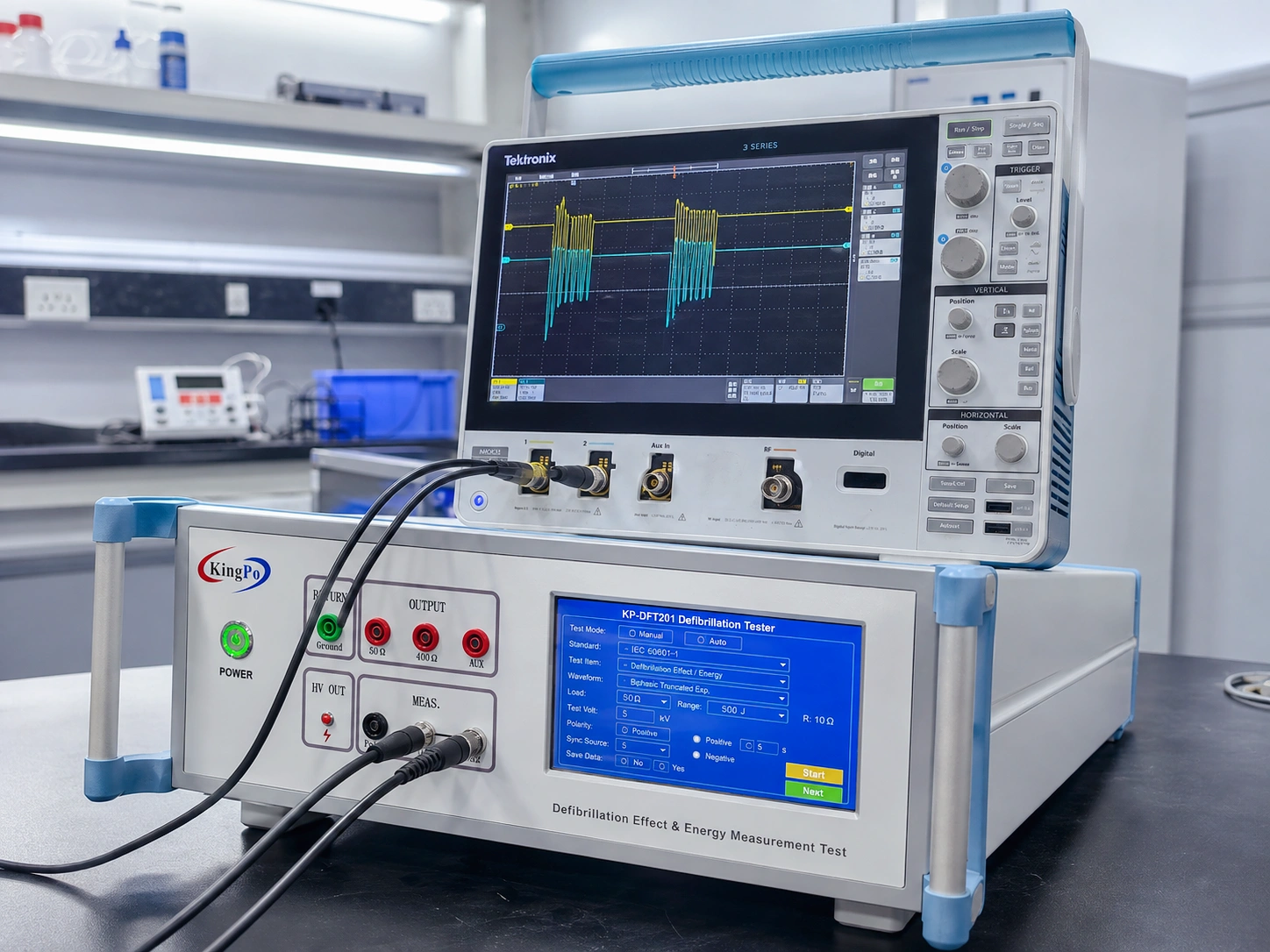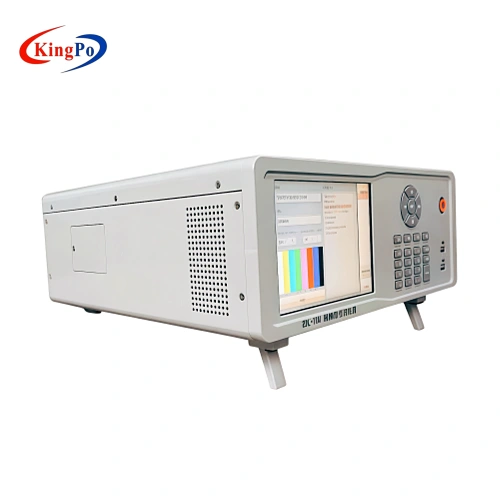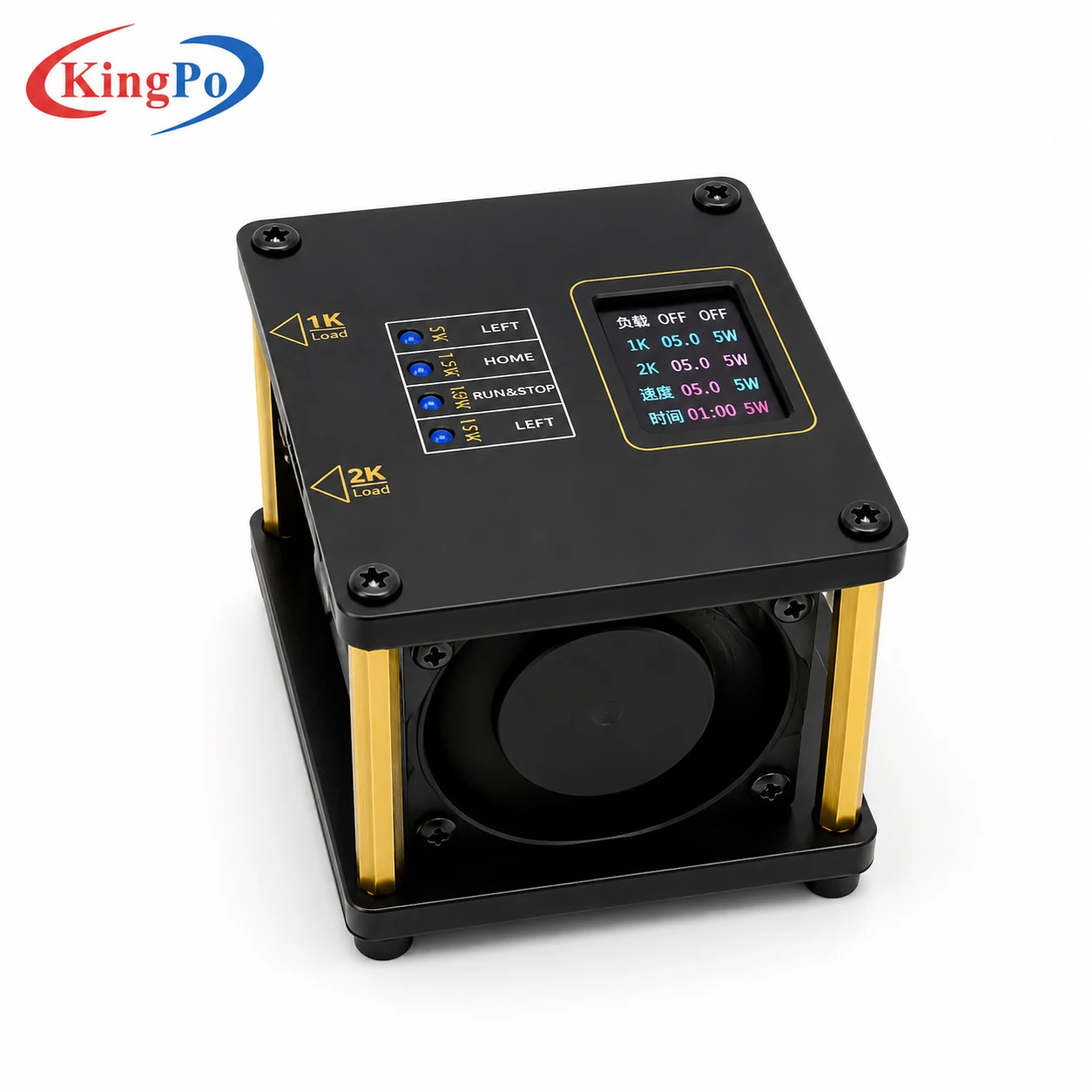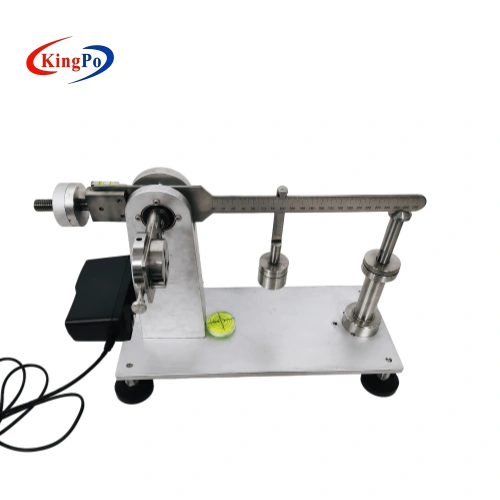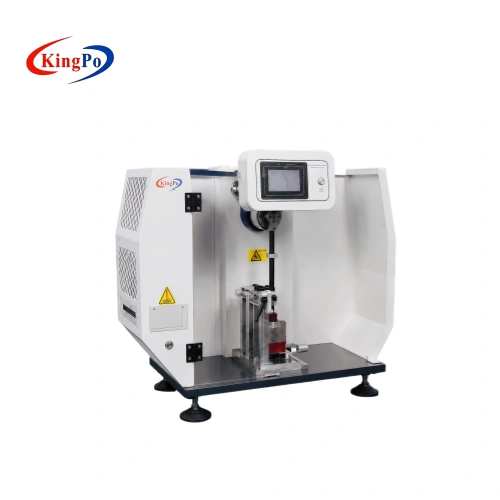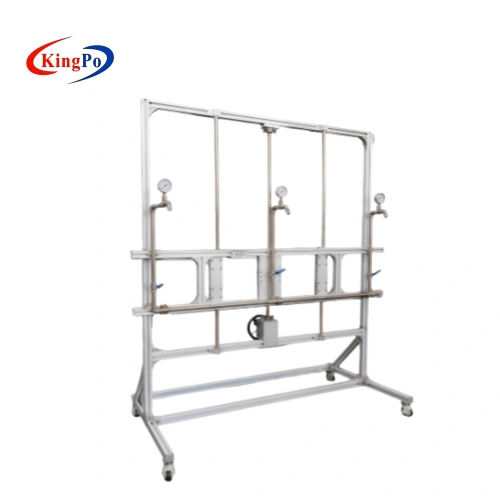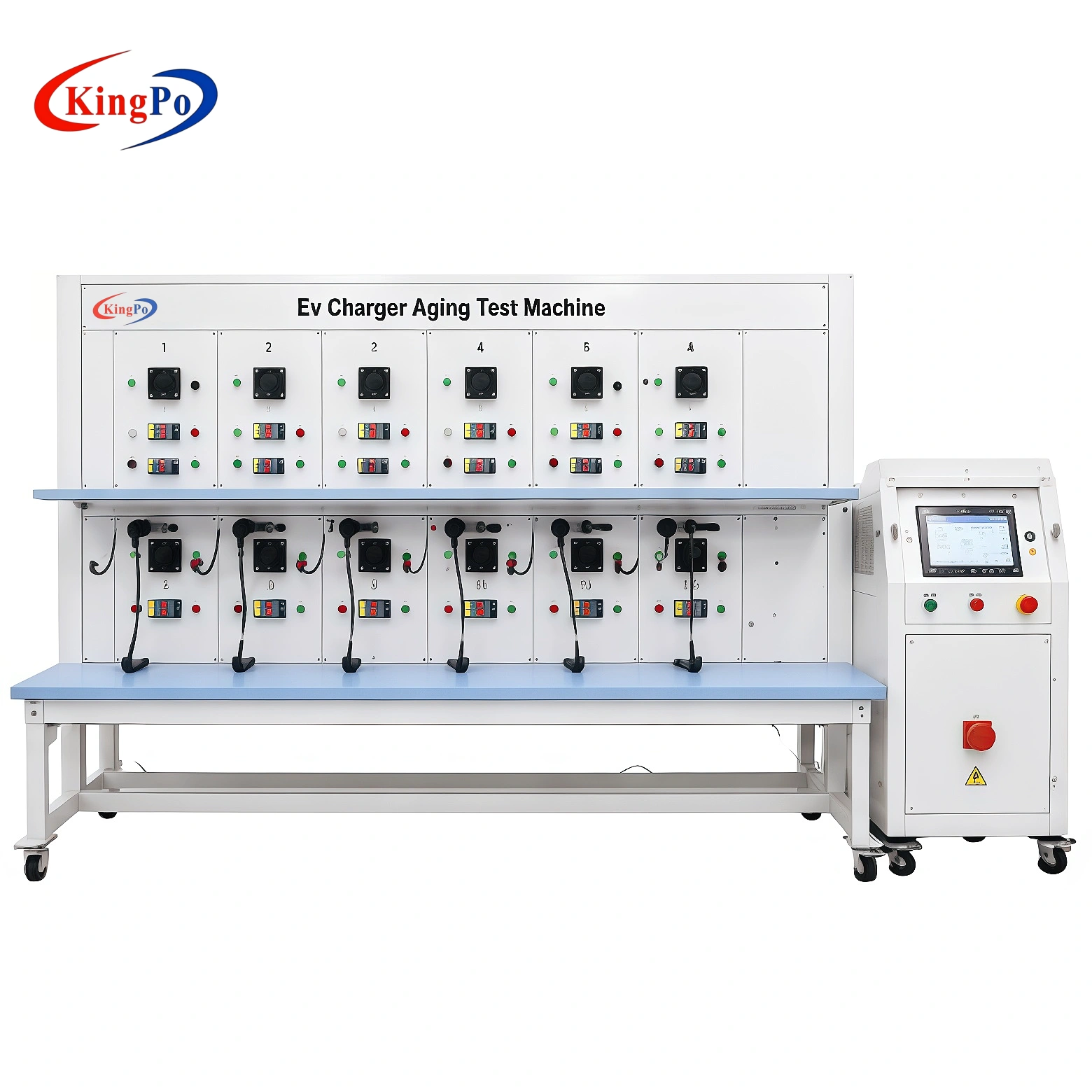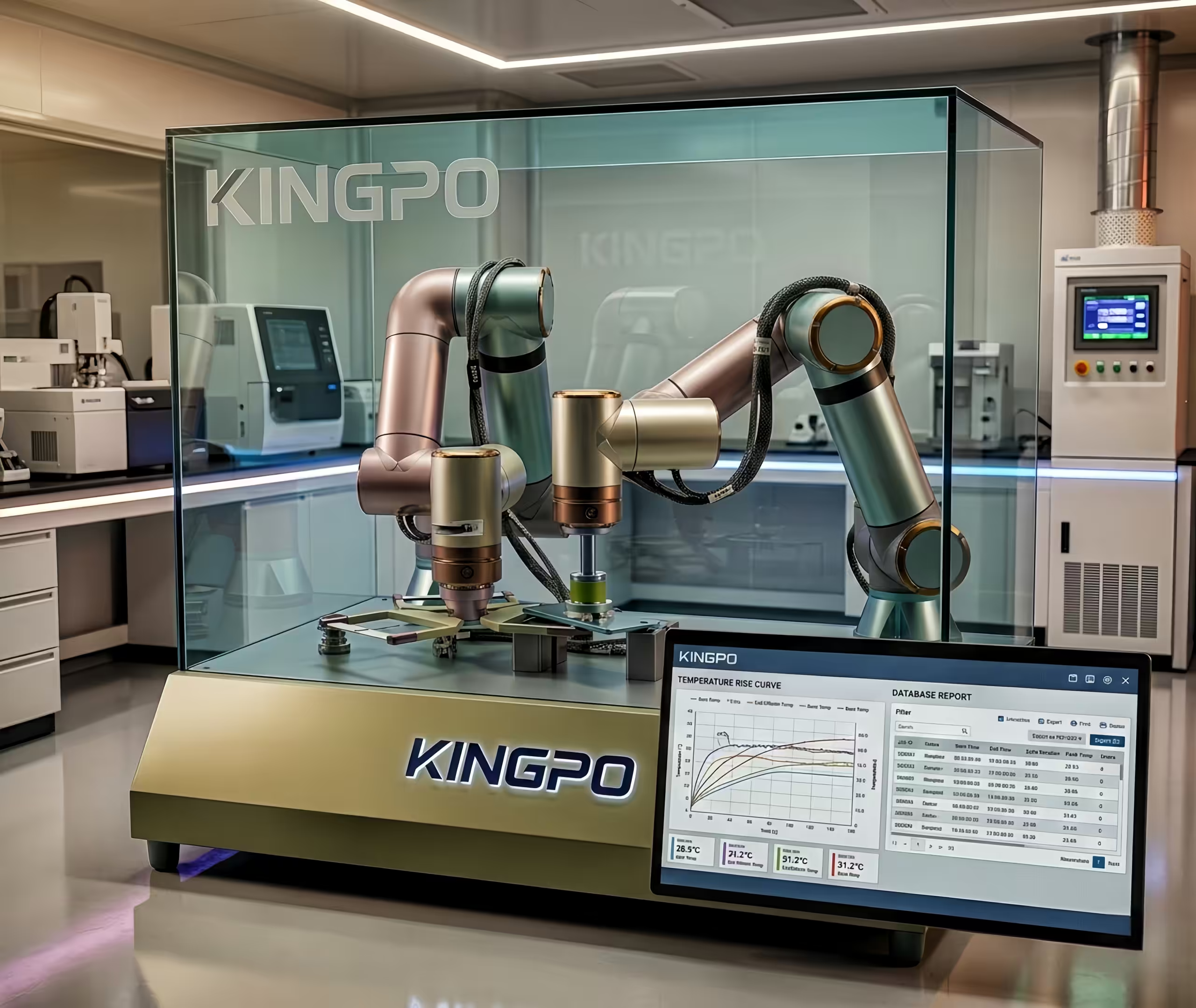
Wireless Power Test Equipment gives you the tools to keep wireless charging devices safe. Real-time temperature monitoring plays a key role in stopping dangerous overheating. When you use advanced systems, you can spot problems before they cause harm.
-
Early detection of high temperatures helps you prevent equipment failures and fire hazards.
-
Continuous monitoring lets you act quickly when risks appear.
-
Alarms warn you if temperatures go above safe levels, so you can avoid high-temperature incidents.
You face new safety challenges as wireless power systems grow more common. Modern test equipment helps you meet strict safety standards and protect users.
Key Takeaways
-
Use Wireless Power Test Equipment to monitor temperatures in real-time. This helps prevent overheating and ensures device safety.
-
Adopt a hazard-based approach as outlined in IEC 62368-1. Identify potential risks early to protect users from harm.
-
Implement over-temperature protection features in your devices. This can trigger alarms and stop tests to avoid dangerous situations.
-
Utilize automated testing and data logging to streamline compliance processes. This saves time and helps catch thermal risks early.
-
Classify energy sources in your devices according to IEC 62368-1. This determines the necessary safeguards to keep users safe.
IEC 62368-1 Safety Requirements
Hazard-Based Approach
You need to understand how IEC 62368-1 changes the way you look at safety. This standard uses a hazard-based approach. You focus on finding possible dangers before they cause harm. You do not wait for accidents to happen. You look for risks in every part of your device, including wireless charging systems. You protect users from energy sources inside your products. This method helps you stay ahead of problems and keeps your devices safer.
The hazard-based approach is proactive. You identify hazards and use strategies to reduce risks. Earlier standards reacted to incidents. IEC 62368-1 helps you prevent them.
Key Compliance Tests
You must follow several steps to meet IEC 62368-1 safety requirements. These steps help you check for hazards and make sure your wireless charging devices are safe. The table below shows the main safety requirements:
|
Safety Requirement |
Description |
|---|---|
|
Identify energy sources |
Recognize the energy sources within the product. |
|
Measure energy levels |
Assess the energy levels produced by the source. |
|
Determine hazards |
Evaluate if the energy produced is hazardous. |
|
Classify energy sources |
Classify the energy source into Class 1, 2, or 3. |
|
Energy transfer |
Identify how energy may be transferred into the body of product. |
|
Safeguard schemes |
Choose safeguards to protect users and reduce fire hazards. |
|
Effectiveness of safeguards |
Test safeguards under different conditions. |
You use Wireless Power Test Equipment to measure energy levels and check for overheating. You log data and test safeguards to make sure they work in real-world situations.
Energy Source Classification
You must classify energy sources in your wireless charging devices. IEC 62368-1 uses three classes. Each class has its own rules for safety. The table below explains these classes:
|
Energy Class |
Characteristics |
Safeguard Requirements |
|---|---|---|
|
Class 1 |
Not painful, may be detectable; ignition unlikely |
No safeguard required for ordinary persons |
|
Class 2 |
Painful but not injurious; ignition possible |
At least one safeguard is required for ordinary persons |
|
Class 3 |
Capable of causing injury; ignition likely |
Multiple safeguards required; must not be accessible under a single fault condition |
You check the energy class to decide how many safeguards you need. You use test equipment to make sure your device stays in the safe range. You protect users from pain, injury, and fire hazards.
Wireless Power Test Equipment for Thermal Safety
J-Type Thermocouple Technology
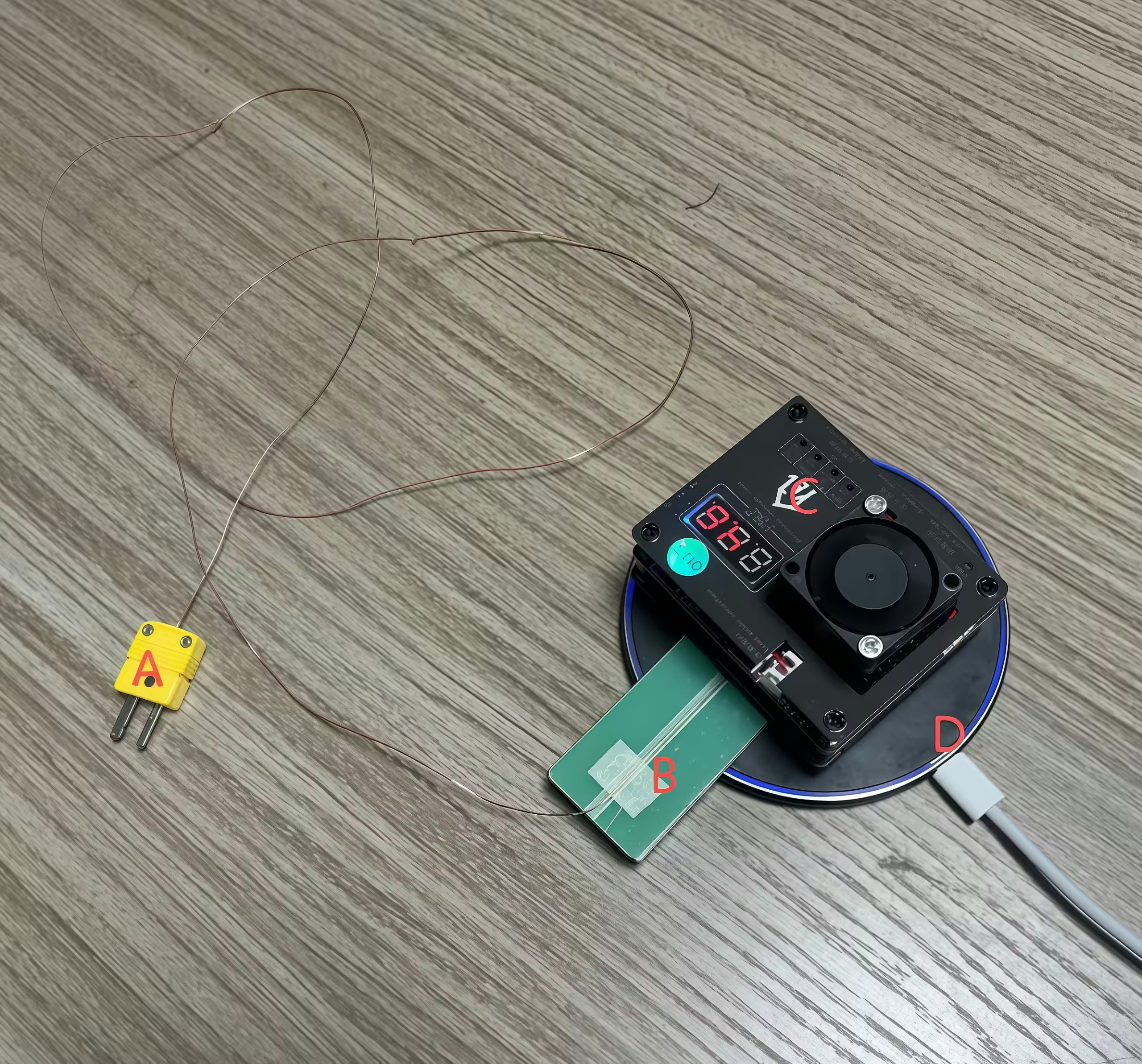
You need accurate temperature readings to keep wireless charging devices safe. J-Type thermocouples give you this accuracy. These sensors measure both surface and internal hotspot temperatures. You can trust the results because J-Type thermocouples have a high tolerance. The table below shows how J-Type thermocouples compare to other types:
|
Thermocouple Type |
Standard Limits of Error |
Special Limits of Error |
|---|---|---|
|
J |
±2.2°C or ±0.75% |
±1.1°C or ±0.4% |
KingPo’s Wireless Power Test Equipment uses J-Type thermocouples with a ±1.1°C tolerance. This means you can detect even small changes in temperature. You get reliable data for every test. This level of precision helps you meet the strict requirements of IEC 62368-1 Edition 3, CE, and UL standards.
Real-Time Temperature Monitoring
You must watch temperatures as they change during wireless charging. Real-time monitoring lets you see problems as soon as they start. KingPo’s system records data from multiple points at once. You can track both surface and hotspot temperatures. The equipment covers a wide temperature range, so you can test many types of devices.
Industry benchmarks show that response times for temperature changes range from about 1.13 to 2.63 seconds under varying loads. The table below gives you a clear view:
|
Load Condition |
Response Time (s) |
Temperature Change Response Time (s) |
|---|---|---|
|
Varying Loads |
1.56 to 2.92 |
1.13 to 2.63 |
|
Increased Network Load |
2.3 to 6.8 |
N/A |
Fast response times help you catch overheating before it becomes dangerous. You can use the data logging feature to create detailed reports for certification and audits. This makes it easier to prove your device meets safety standards.
Over-Temperature Protection
You need strong safeguards to prevent device failures. Over-temperature protection is a key feature in Wireless Power Test Equipment. When the system detects high heat, it can trigger alarms or stop the test. This keeps your devices and your team safe.
-
Qi-certified wireless chargers slow down charging if they get too hot.
-
The system uses thermal insulation to keep batteries safe from hot charging coils.
-
Over-temperature protection helps you avoid fires and equipment damage.
KingPo’s equipment includes an emergency stop button. You can halt tests instantly if you see a problem. This adds another layer of safety during testing.
Tip: Always use over-temperature protection and emergency stop features during every test. These tools help you avoid costly mistakes and keep your lab safe.
Supporting Compliance and Quality
Wireless Power Test Equipment helps you meet global safety standards. The table below lists key features that support compliance:
|
Feature |
Description |
|---|---|
|
J-Type Thermocouple |
High-accuracy probe for precise temperature monitoring |
|
Temperature Range |
Wide coverage for measuring charging hotspots |
|
Data Logging |
Real-time recording of multiple temperature points |
|
Test Chamber |
Stable environment for consistent and repeatable results |
|
Safety |
Over-temperature protection and emergency stop for enhanced safety |
You can use this equipment in research and development. It helps you validate thermal performance early in the design process. You can also use it for certification and quality control. Thermal validation reduces heat dissipation and improves device safety. When you optimize receiver efficiency, you lower heat generation. This makes your products safer and more reliable.
-
Thermal validation helps you minimize heat in wireless power systems.
-
You can improve receiver efficiency and reduce heating during operation.
-
Early testing leads to safer products and faster certification.
Wireless Power Test Equipment gives you the tools you need to build safe, high-quality wireless charging devices. You can meet IEC 62368-1, CE, and UL standards with confidence.
Streamlining Compliance Processes
Automated Testing and Data Logging
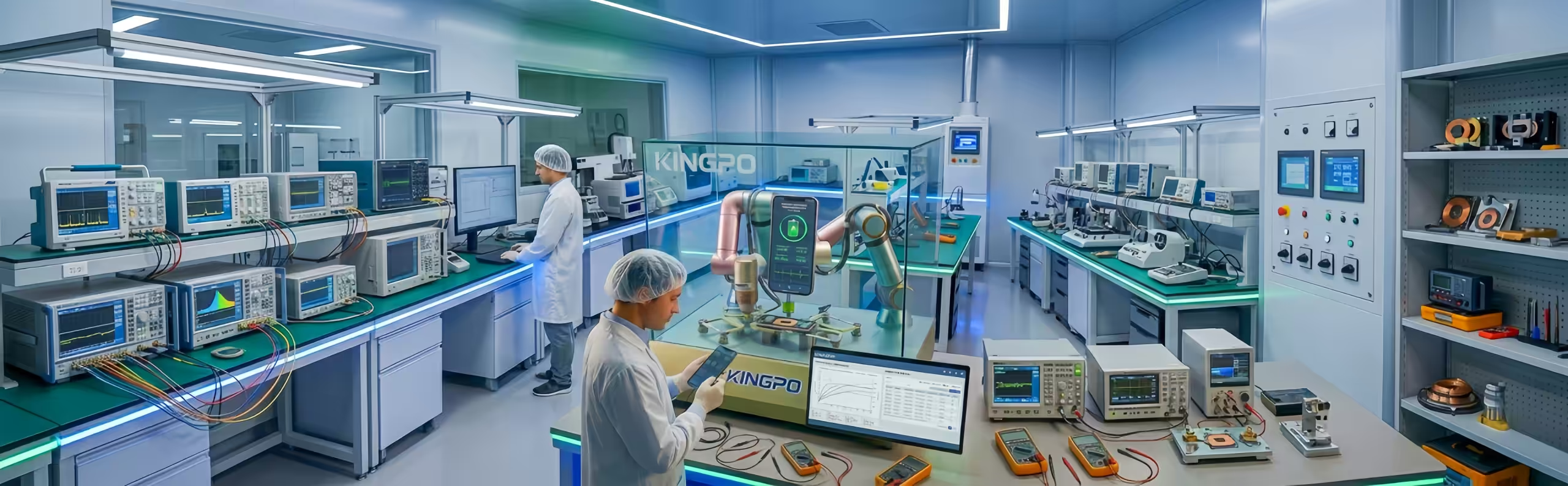
You can make your compliance process easier by using automated testing and data logging. Wireless Power Test Equipment records temperature data from many points at once. You do not need to write down results by hand. The system saves every reading in real time. You can review the data later and spot trends or problems. Automated logs help you create reports for certification and quality checks. You can use these records to show your device meets safety standards.
Tip: Automated data logging helps you find thermal risks early. You can fix issues before they become bigger problems.
Reducing Certification Timelines
You can speed up certification by following smart strategies. These steps help you avoid delays and get your product approved faster:
-
Include certification requirements in your design phase. You learn what tests you need before you start building.
-
Test your device at key stages. You catch problems early and avoid surprises during final certification.
-
Outsource specialized tasks if needed. Experts can help you solve tough challenges and keep your project moving.
You save time when you plan ahead and test often. You can use Wireless Power Test Equipment to check thermal safety throughout development.
Supporting Regulatory Audits
You must prepare for regulatory audits by keeping good records. Auditors look for clear documentation. You can use the features in your test equipment to organize your reports. The table below shows what auditors value most:
|
Requirement |
Description |
|---|---|
|
Test Setup Drawings |
Include at least one drawing or photo showing the test setup for each test. |
|
Technical Report |
Provide details about the applicant, certifications, and equipment specs. |
|
Compliance Data |
Show measurements and test results that prove compliance with FCC rules. |
You can integrate test equipment into your product development. You keep records from the start. You identify and fix thermal risks early. You build safer devices and make audits easier.
Wireless Power Test Equipment makes IEC 62368-1 compliance easier for you. You gain safer products and faster certification by using advanced thermal monitoring. Features like Foreign Object Detection, continuous temperature checks, and the Qi2 Magnetic Power Profile help you prevent overheating and improve energy efficiency.
-
Foreign Object Detection stops power transfer when metallic objects appear.
-
Continuous monitoring limits power if temperatures rise.
-
Qi2 Magnetic Power Profile solves misalignment safety issues.
You can start adopting these solutions to boost safety and streamline your wireless power development.
FAQ
What is IEC 62368-1 and why does it matter for wireless charging?
IEC 62368-1 is a safety standard for audio, video, and ICT equipment. You must follow it to ensure your wireless charging devices are safe from hazards like overheating.
How does real-time temperature monitoring help with compliance?
You can spot dangerous temperature rises as they happen. This lets you act fast to prevent overheating and keep your device within safe limits.
Why should you use J-Type thermocouples in testing?
J-Type thermocouples give you accurate temperature readings. You can trust the data when checking for hot spots or surface heat during wireless charging tests.
What features should you look for in wireless power test equipment?
Look for:
Multi-point data logging
Wide temperature range
Over-temperature protection
Emergency stop button
These features help you meet safety standards and protect your devices.