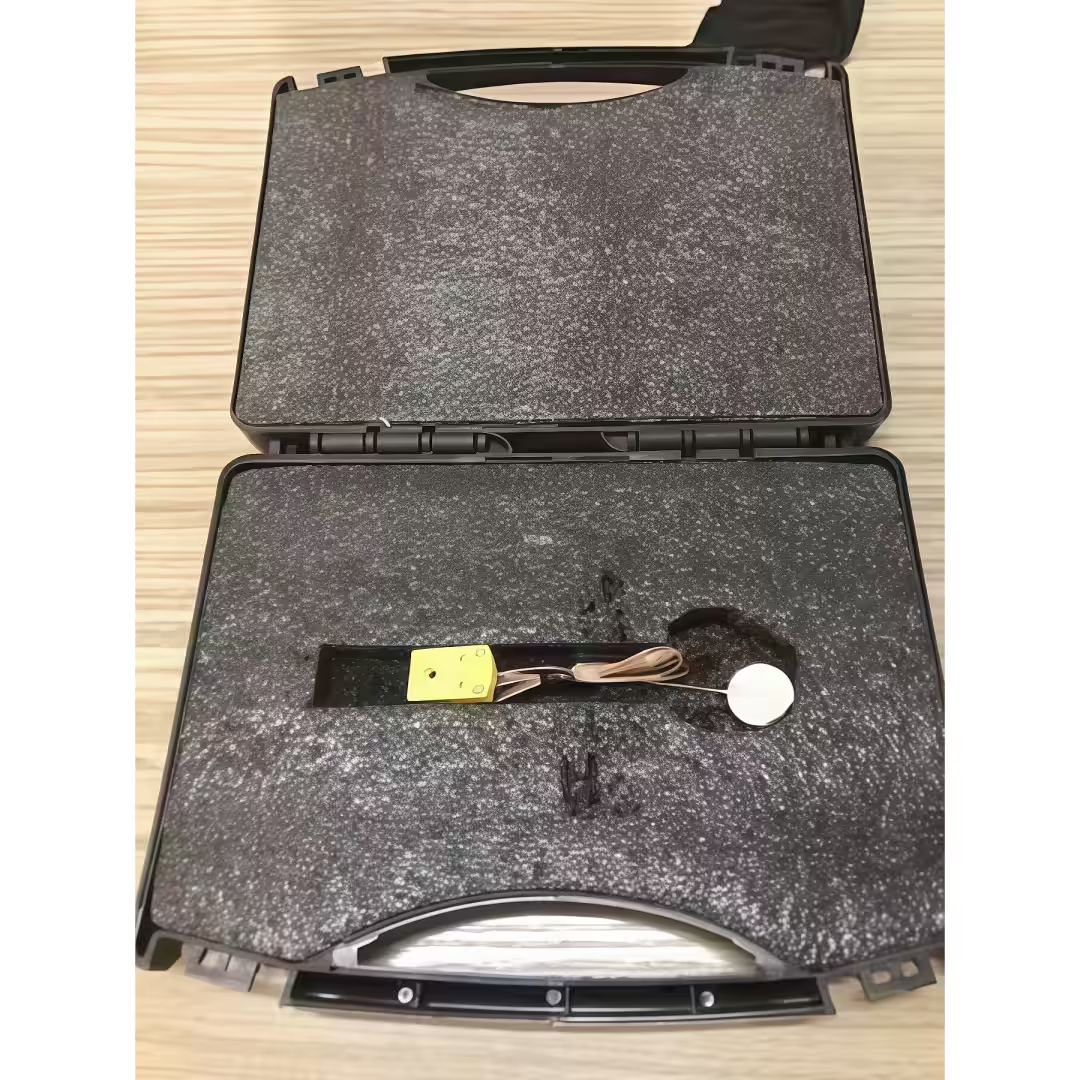
KP-368W wireless power receiver for IEC 62368-1 Clause 9.6 FOD temperature rise testing
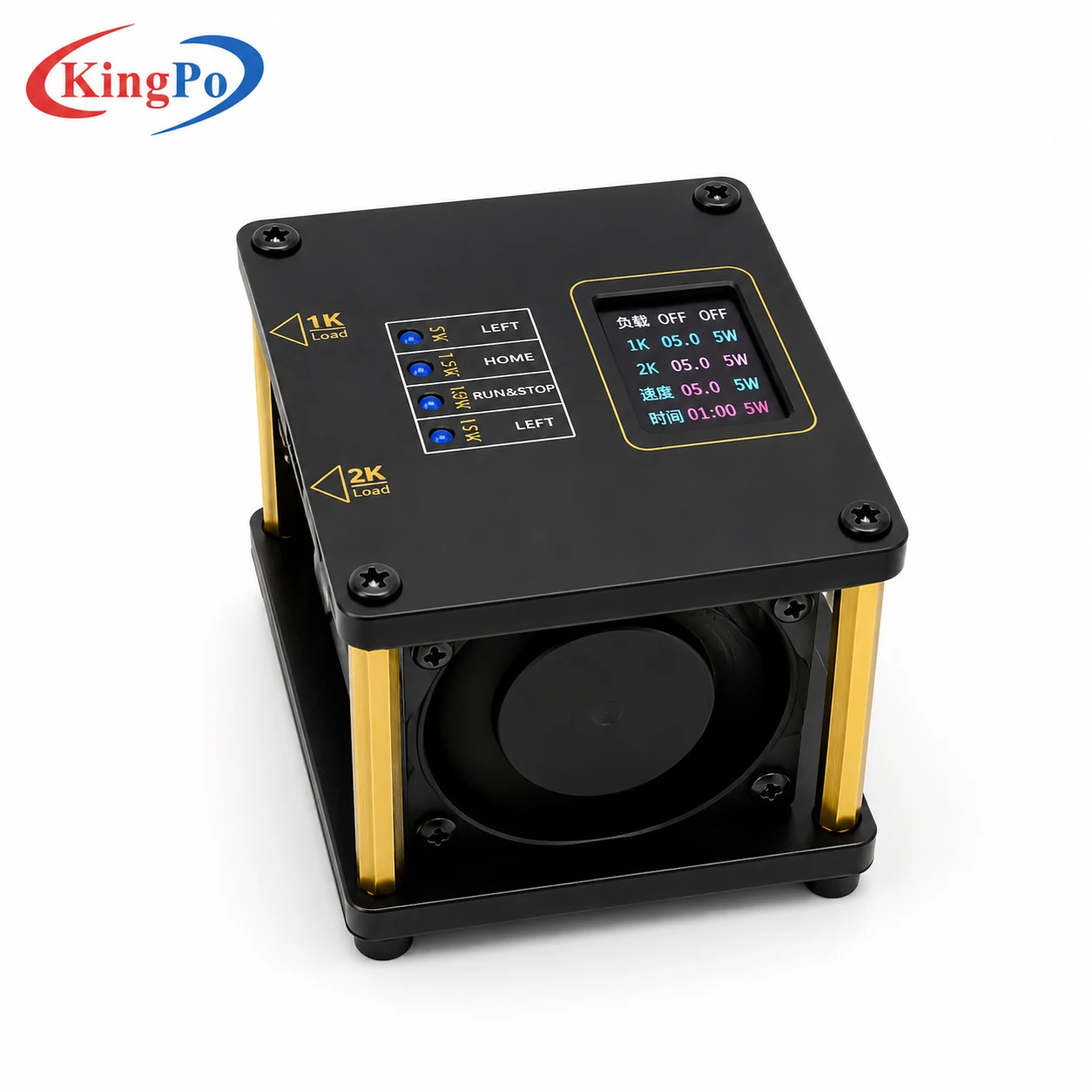
Front view of KP-368W wireless power receiver and load simulator for IEC 62368-1 wireless transmitter testing
KP-368W wireless power receiver for IEC 62368-1 Clause 9.6 FOD temperature rise testing
Front view of KP-368W wireless power receiver and load simulator for IEC 62368-1 wireless transmitter testing

IEC 62368-1 Clause 9.6 Wireless Power Receiver for FOD Temperature Rise Testing

The KP-368W is an IEC 62368-1 Clause 9.6 wireless power receiver used for wireless power transmitter FOD temperature rise testing. It provides receiver/load simulation for evaluating metallic foreign object heating under defined receiver positions and power levels.

It is suitable for safety laboratories, certification preparation, R&D verification and wireless charger manufacturers requiring repeatable IEC 62368-1 test conditions.

    • Applicable Standard: IEC 62368-1 Clause 9.6
    • Test Type: FOD temperature rise test
    • Function: Wireless power receiver and load simulator
    • Test Conditions: No receiver, contact, 2 mm and 5 mm spacing
      Power Levels: 15 W, 10 W, 7.5 W, 5 W and external load
    • Input Range: 4.5–9 V, 0–3 A
      Impedance Range: 1.5 Ω–9999.9 Ω
    • Recognition Mode: QC2.0 / QC3.0
    • Typical DUT: Wireless power transmitters and wireless chargers

Product Overview

In IEC 62368-1 Clause 9.6 testing, the wireless power transmitter is the DUT, while the KP-368W works as the receiver/load-side device. It helps create controlled receiver-side operating conditions so engineers can evaluate how the transmitter responds when metallic foreign objects are placed on or near the charging surface.

The receiver condition is important because foreign object heating behavior may change when the receiver is absent, in direct contact with the object, or separated by defined distances such as 2 mm or 5 mm. By selecting the required power level and load condition, the KP-368W supports repeatable comparison during R&D testing, pre-compliance evaluation and laboratory verification.

This product should be used together with the required foreign metallic objects, spacing accessories and temperature measurement instruments according to the applicable IEC 62368-1 edition and laboratory test procedure.

Technical Specifications

Main specifications are organized below for quick laboratory and purchasing review.

Model KP-368W
Applicable Standard IEC 62368-1 Edition 3, Clause 9.6
Usage Wireless charge / wireless power transmitter FOD temperature rise testing
Input Voltage 4.5–9 V
Voltage Resolution 0.01 V
Voltage Accuracy ±(0.2% + 1 digit)
Input Current 0–3 A
Current Resolution 0.001 A
Current Accuracy ±(0.8% + 3 digits)
Impedance Range 1.5 Ω–9999.9 Ω
Temperature Range -10℃ to 100℃
Time Range 0–99H59M59S
Frequency 2 Hz
Recognition Mode QC2.0 / QC3.0
Power Levels 15 W / 10 W / 7.5 W / 5 W / external loads
Weight 118 g

Specifications are based on the KP-368W configuration. Please confirm the applicable standard edition, transmitter power rating, receiver condition and accessory requirements before quotation.
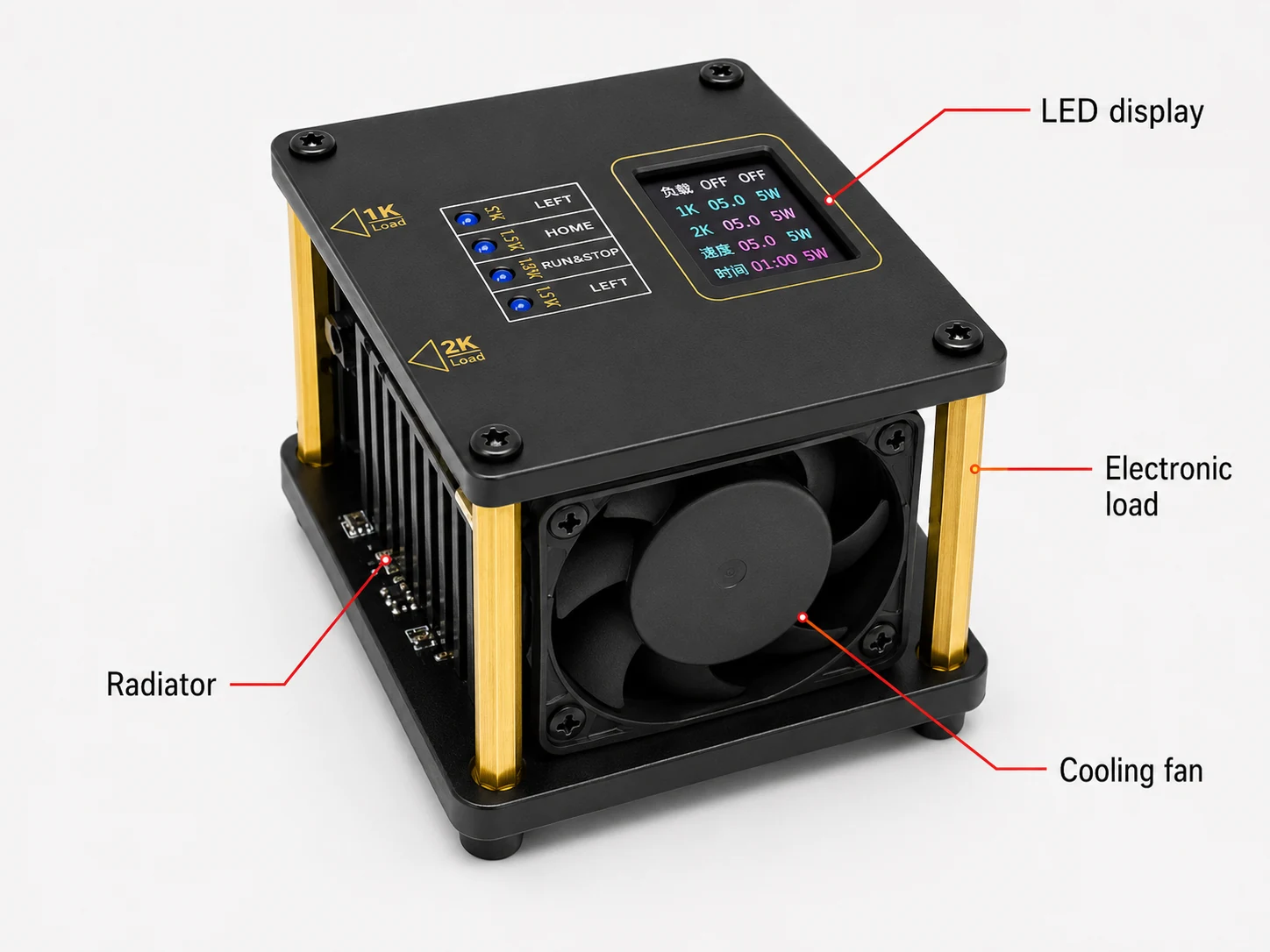
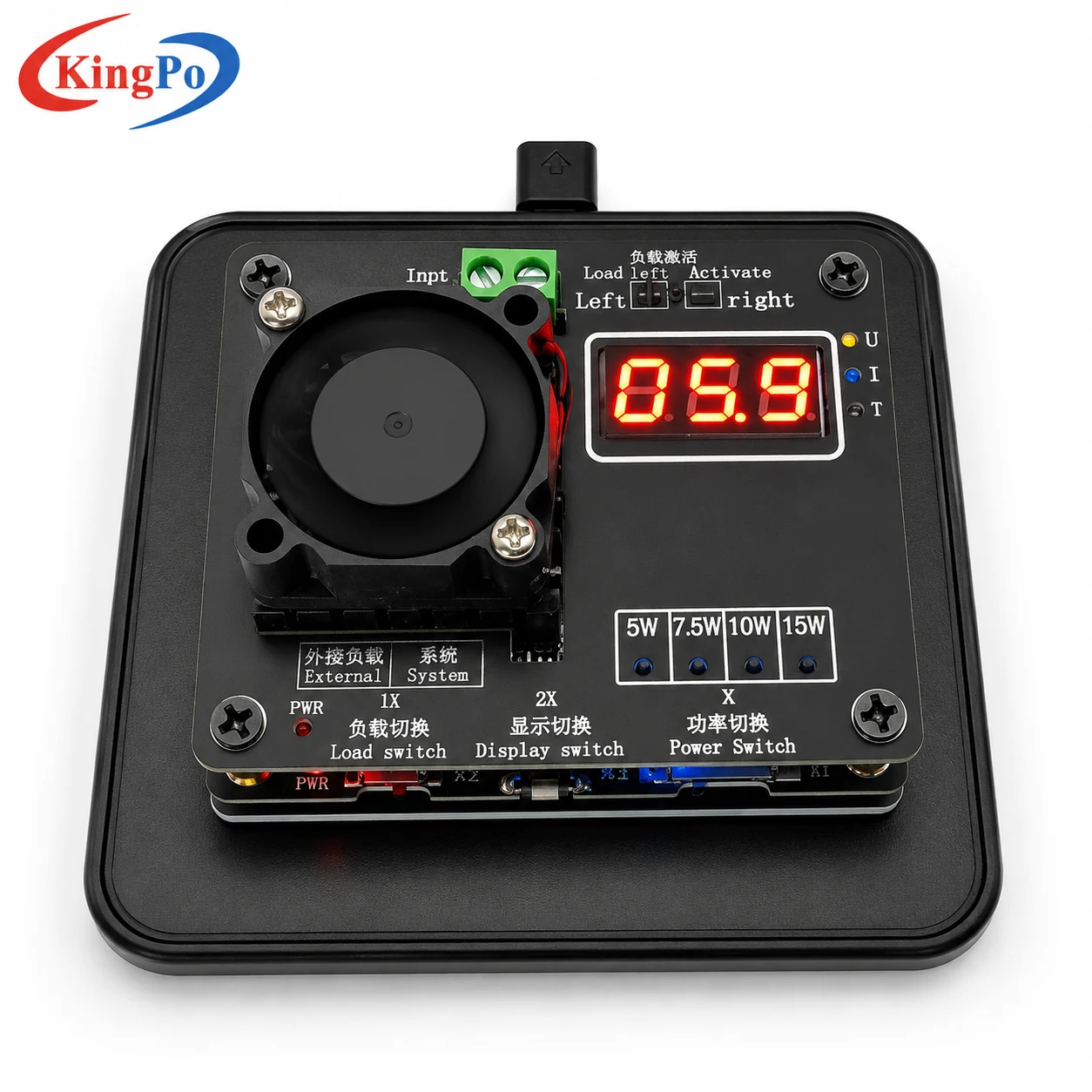
IEC 62368-1 FOD test equipment showing LED display, cooling fan, radiator and electronic load structure

What This Wireless Power Receiver Does in the Test Setup

Receiver and Load Simulation

The KP-368W works as the receiver/load-side device in the IEC 62368-1 Clause 9.6 test setup, helping engineers create repeatable receiver-side operating conditions.

Power and Load Configuration

The device supports 15 W, 10 W, 7.5 W, 5 W and external load conditions for wireless power transmitter evaluation under different rated power requirements.

Receiver Position Support

It can be used for test arrangements involving no receiver, receiver contact, 2 mm spacing and 5 mm spacing conditions, depending on the laboratory procedure.

QC Recognition and Monitoring Reference

QC2.0 / QC3.0 recognition, temperature range and time reference functions help support wireless charging behavior checks during R&D and pre-compliance evaluation.

IEC 62368-1 Clause 9.6 Test Arrangement

In a typical IEC 62368-1 Clause 9.6 wireless power transmitter test, the transmitter is evaluated with metallic foreign objects and receiver positions. The transmitter is normally operated at the required test power condition while the temperature of foreign objects is monitored.

Receiver Absent

Foreign Object Without Receiver

A metallic foreign object is placed on the transmitter without the receiver. This condition checks whether the transmitter can detect the object or prevent unsafe heating when no valid receiver is present.

Direct Contact

Receiver in Direct Contact

The receiver is placed in direct contact with the foreign object. This arrangement evaluates the heating behavior when the receiver and foreign object are close together on the charging surface.

2 mm Spacing

Receiver Positioned 2 mm Away

The receiver is positioned 2 mm from the metallic foreign object. This condition simulates a small separation between the receiver and the object during wireless power transfer.

5 mm Spacing

Receiver Positioned 5 mm Away

The receiver is positioned 5 mm from the foreign object. This condition helps evaluate whether unsafe temperature rise may still occur under a larger separation distance.

The transmitter should be operated under the required test power condition according to the applicable standard edition and laboratory test plan.

Why IEC 62368-1 Clause 9.6 Testing Is Required

IEC 62368-1 Clause 9.6 focuses on the safety risks associated with wireless power transmitters. During wireless charging, metallic foreign objects placed on or near the charging surface may be heated by the electromagnetic field. The test helps evaluate whether the transmitter can control this heating risk under defined receiver and foreign object conditions.

Metallic Foreign Object Heating Risk

Coins, rings, keys, metal foils or other conductive objects may be accidentally placed on the charging surface and become heated if power transfer is not properly controlled.

FOD and Power Control Verification

The test helps check whether the transmitter can identify abnormal foreign object conditions, reduce output power, stop power transfer or limit unsafe temperature rise.

Receiver Position Conditions

Different receiver positions, including no receiver, direct contact, 2 mm spacing and 5 mm spacing, help evaluate heating behavior under foreseeable use scenarios.

Compliance Preparation

Manufacturers can use this test during product development, FOD adjustment and pre-compliance verification before formal certification testing.
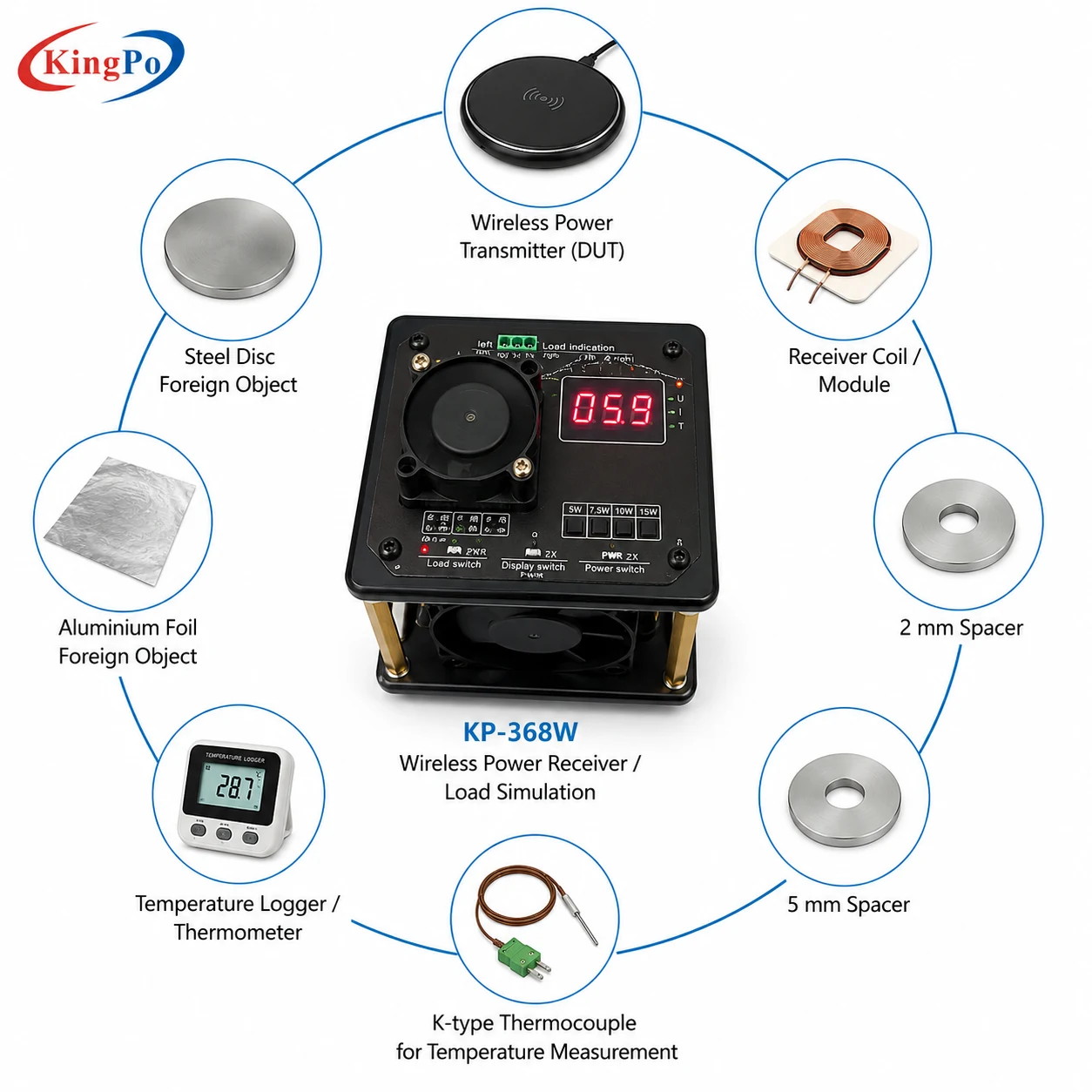
IEC 62368-1 Clause 9.6 wireless power transmitter FOD test setup with receiver, spacers, foreign objects and temperature measurement accessories

Typical Applications

Certification Laboratory Testing

Used as receiver/load-side equipment for IEC 62368-1 Clause 9.6 wireless power transmitter test arrangements.

Manufacturer R&D Verification

Supports wireless charger development, FOD response checking, load behavior verification and pre-compliance preparation.

FOD Function Evaluation

Helps evaluate metallic foreign object heating behavior when the receiver is absent, in contact, or positioned at defined spacing distances.

Wireless Charger Safety Assessment

Suitable for wireless power transmitters, wireless chargers and ICT/AV products with wireless charging functions.

Difference from Related FOD Test Equipment

The KP-368W should be understood as the receiver/load-side device in the IEC 62368-1 Clause 9.6 wireless power transmitter test setup. A complete FOD temperature rise test may also require metallic foreign objects, spacing accessories and temperature measurement instruments.

KP-368W Wireless Power Receiver

Provides receiver/load simulation for checking wireless transmitter behavior under Clause 9.6 test conditions.

Foreign Metallic Objects

Simulate conductive objects such as steel disk, aluminium ring or aluminium foil that may be heated by the transmitter.

Spacers for Receiver Positioning

Used to control receiver distance from the foreign object, such as 2 mm and 5 mm spacing conditions.

Temperature Measurement Accessories

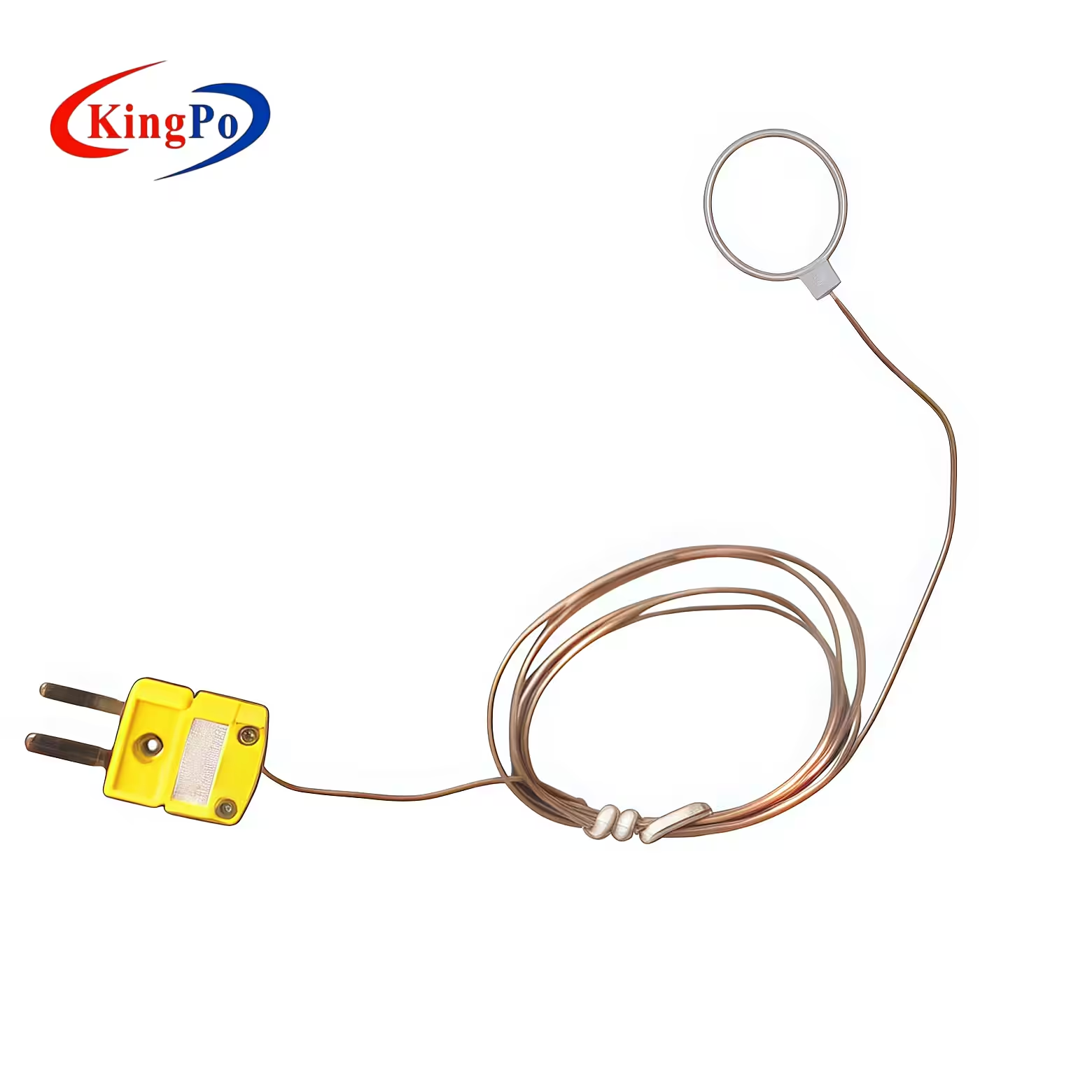
Thermocouples, thermometers or data loggers may be required to monitor temperature rise during the FOD test.
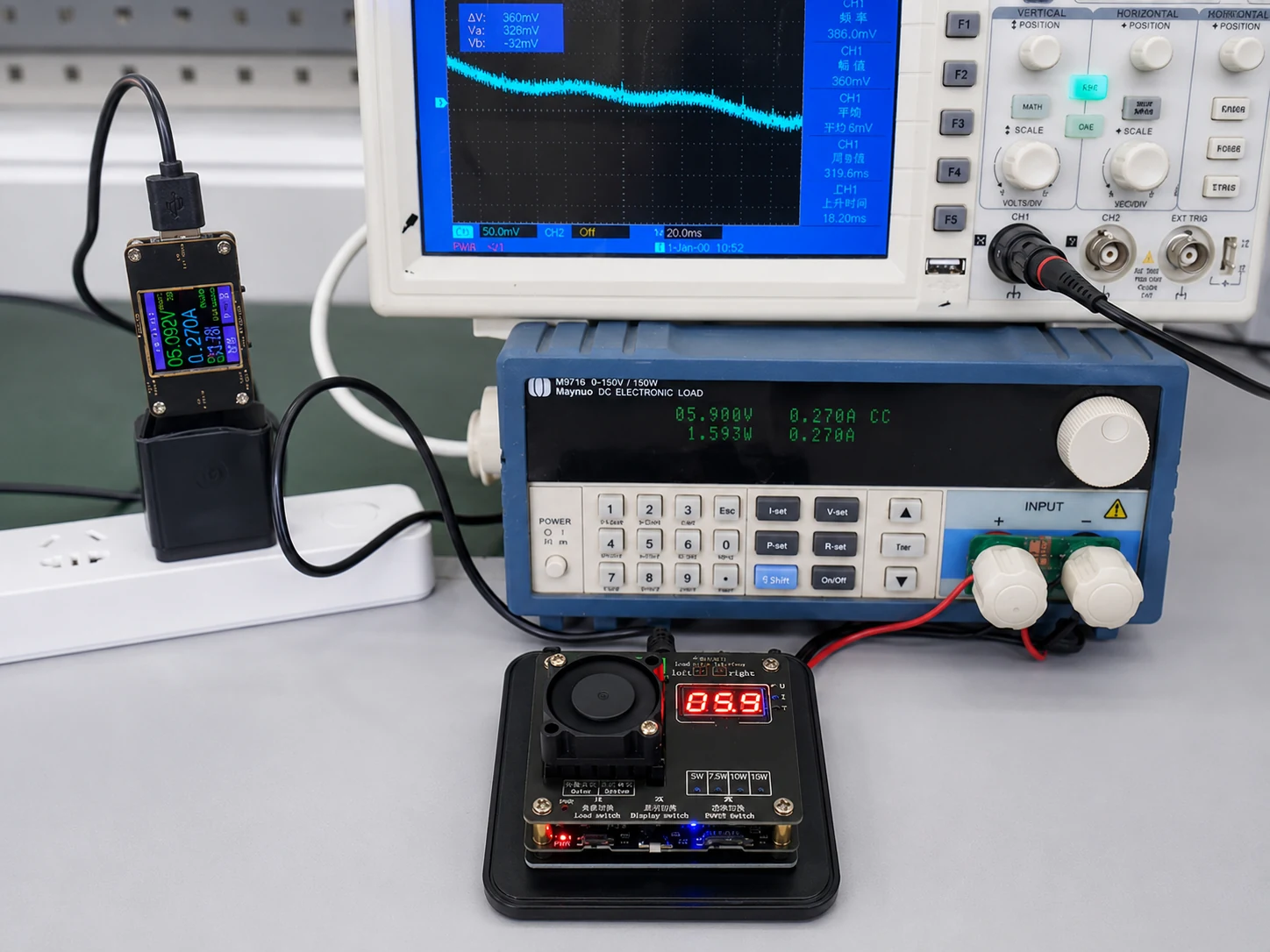
Laboratory setup for IEC 62368-1 wireless power receiver FOD temperature rise testing with electronic load and oscilloscope

Configuration Notes Before Quotation

IEC 62368-1 Clause 9.6 testing may require different accessories depending on the product under test and the laboratory procedure. To recommend the correct configuration, please confirm the following information before quotation.

Information to Confirm Why It Matters
Applicable standard edition Confirms whether the test plan follows the required IEC 62368-1 version and Clause 9.6 interpretation.
Wireless transmitter rated power Determines the suitable receiver/load condition and required power level.
Required receiver arrangement Confirms whether no receiver, contact, 2 mm spacing or 5 mm spacing conditions are needed.
Foreign metallic objects Confirms whether steel disk, aluminium ring, aluminium foil or other defined objects are required.
Temperature measurement method Confirms whether thermocouple, thermometer, data logger or an existing lab system will be used.
Documentation requirement Helps prepare product specification, inspection record or calibration-related support if required.

Compliance & Regulatory Assurance

  • The KP-368W is designed for IEC 62368-1 Clause 9.6 wireless power transmitter FOD temperature rise testing. It helps laboratories and manufacturers verify receiver/load conditions, foreign object heating behavior and wireless charging safety performance during R&D, pre-compliance and laboratory evaluation.
  • Before ordering, the applicable standard edition, transmitter power rating, receiver arrangement, foreign object type, temperature measurement method and documentation requirements should be confirmed. Technical datasheets and configuration support can be provided according to project needs.

IEC 62368-1 Clause 9.6 Wireless Power Receiver Datasheet

KP-368W datasheet with FOD temperature rise test setup, receiver/load simulation details, technical specifications and IEC 62368-1 Clause 9.6 configuration notes.

Technical Inquiry & Expert Support

KingPo supplies the KP-368W Wireless Power Receiver for IEC 62368-1 Clause 9.6 FOD temperature rise testing. Our engineering team can help confirm whether the receiver/load setup, power level and accessories match your test requirement.

Please Provide the Following Information

Applicable standard:
IEC 62368-1 Clause 9.6
Test object:
Wireless power transmitter or wireless charger
Test requirement:
FOD temperature rise evaluation
Power level:
15 W, 10 W, 7.5 W, 5 W or external load
Receiver arrangement:
No receiver, contact, 2 mm spacing or 5 mm spacing
Foreign object:
Steel disk, aluminium ring, aluminium foil or specified metallic object
Temperature measurement:
Thermocouple, thermometer or data logger
Quantity and timeline:
Required quantity, delivery schedule and quotation deadline

Based on this information, KingPo can provide configuration confirmation, documentation support and quotation for your IEC 62368-1 Clause 9.6 wireless power transmitter FOD temperature rise test setup.

IEC 62368-1 Clause 9.6 Wireless Power Receiver

FAQ

What is the KP-368W wireless power receiver used for?
The KP-368W is used as a receiver/load-side device in IEC 62368-1 Clause 9.6 wireless power transmitter testing. It helps simulate receiver operating conditions during FOD temperature rise evaluation, allowing laboratories and manufacturers to check how a wireless power transmitter behaves when metallic foreign objects and receiver positions are involved.
Is this device the product under test?
No. The KP-368W is not the wireless power transmitter being tested. It works as the receiver and load simulation device in the test setup. The actual DUT is usually a wireless power transmitter, wireless charger, or ICT/AV product with wireless charging function.
Which standard does this wireless power receiver support?
The KP-368W is designed for IEC 62368-1 Clause 9.6 related wireless power transmitter FOD temperature rise testing. Before ordering, customers should confirm the applicable IEC 62368-1 edition, test procedure, transmitter power rating, receiver arrangement, and whether additional accessories are required for their laboratory setup.
What does FOD temperature rise testing evaluate?
FOD temperature rise testing evaluates whether metallic foreign objects placed on or near a wireless power transmitter may become overheated during power transfer. The test helps check whether the transmitter can detect abnormal conditions, reduce power, stop power transfer, or otherwise limit unsafe temperature rise.
What receiver positions are typically involved in Clause 9.6 testing?
Typical test arrangements may include no receiver, receiver in direct contact with the foreign object, and receiver positioned at defined spacing distances such as 2 mm and 5 mm. The exact arrangement should be confirmed according to the applicable standard edition and the laboratory test plan.
Does the KP-368W include the metallic foreign objects?
The KP-368W should be understood as the wireless power receiver and load simulation device. Metallic foreign objects such as steel disc, aluminium ring, aluminium foil, or other defined objects may be required separately depending on the test plan. Customers should confirm the required accessories before quotation.
Can this device be used for wireless charger R&D testing?
Yes. The KP-368W can be used during wireless charger development, FOD function adjustment, load behavior checking, and pre-compliance evaluation. It helps engineers create repeatable receiver-side test conditions before sending the product for formal IEC 62368-1 safety testing.
Does the test setup require temperature measurement accessories?
In many IEC 62368-1 Clause 9.6 FOD temperature rise tests, temperature measurement accessories may be needed to monitor metallic foreign objects during testing. These may include thermocouples, thermometers, or data loggers. The required temperature measurement method should be confirmed with the laboratory procedure.
What information should be provided before requesting a quotation?
Please provide the applicable standard edition, wireless transmitter rated power, required power level, receiver arrangement, foreign object requirement, spacing condition, temperature measurement method, documentation requirement, quantity, and project timeline. This helps KingPo confirm whether the KP-368W alone is sufficient or whether a complete FOD test setup is needed.
Is the KP-368W suitable for certification laboratories?
Yes. The KP-368W is suitable for certification laboratories and safety test engineers who need a receiver/load simulation device for IEC 62368-1 Clause 9.6 wireless power transmitter testing. The final configuration should be confirmed according to the laboratory’s test method, accessory requirements, and documentation needs.

Related Products

Related News

Quick Answer Leakage current testing devices are used to measure unintended current that may flow from live parts, insulation systems, […]

Wireless Power Test Equipment enables real-time monitoring and safeguards, ensuring IEC 62368-1 compliance for safer wireless charging devices.
Three Vertical Bar Signal Generator streamlines IEC 62368-1 compliance by ensuring accurate display testing and reliable safety certification.
Compare KINGPO Salt Spray Test Chamber Economy Model with leading brands for corrosion testing accuracy, reliability, standards compliance, and value.
Pink noise balances sound energy for relaxation and sleep. See how a pink noise generator works and why it’s gentler than white noise for daily use.
TNV circuits differ by voltage limits, insulation, and safety needs. Compare TNV-1, TNV-2, and TNV-3 circuits and learn safe testing principles.

Abstract & Technical Summary IEC 62368-1 foreign object detection (FOD) testing assesses wireless power transmitter safeguards against excessive metal object […]

IEC 62368-1 safety standard transition: key compliance steps, UL 62368-1 differences, and what manufacturers must do for global market access.
Scroll to Top

Get A Free Quote Now !

Contact Form
If you have any questions, please do not hesitate to contact us.