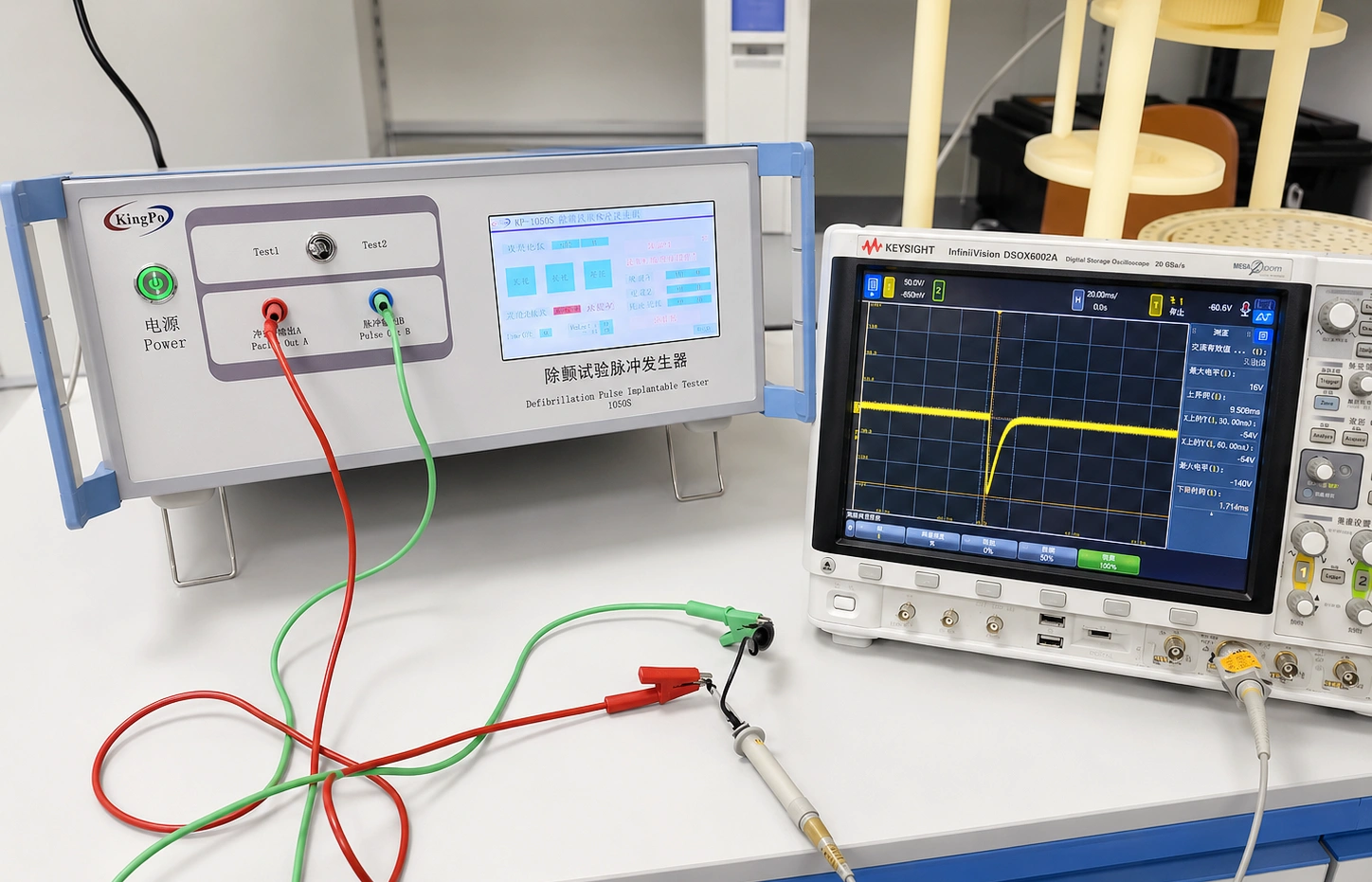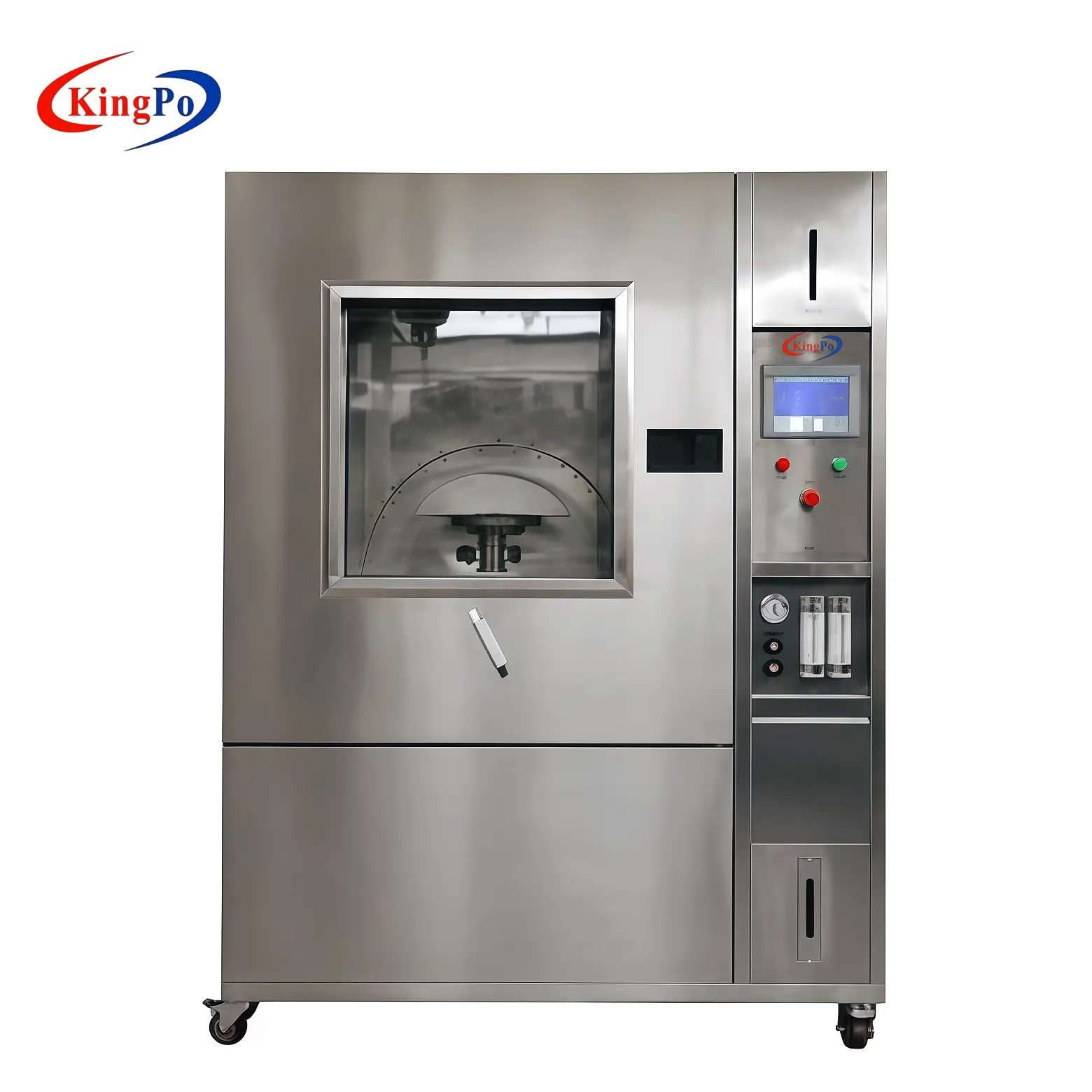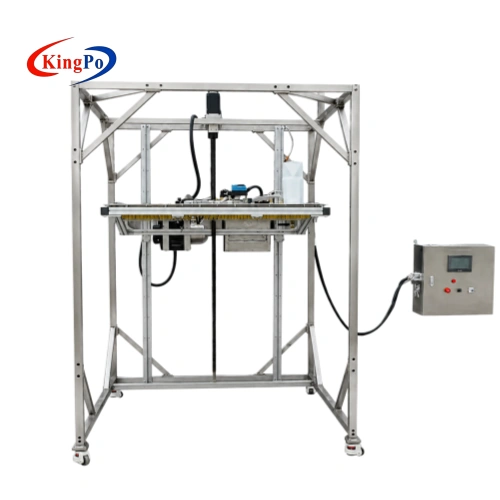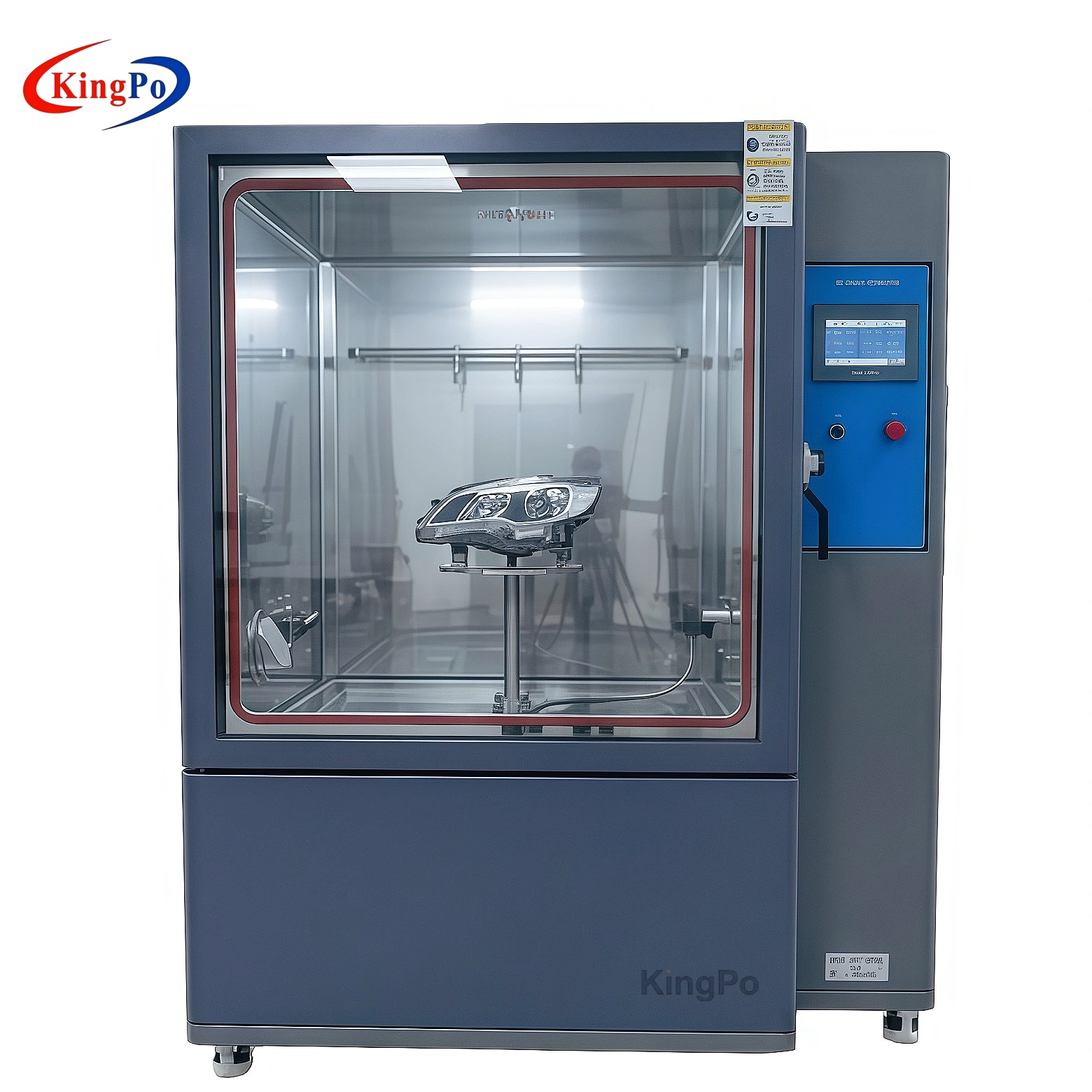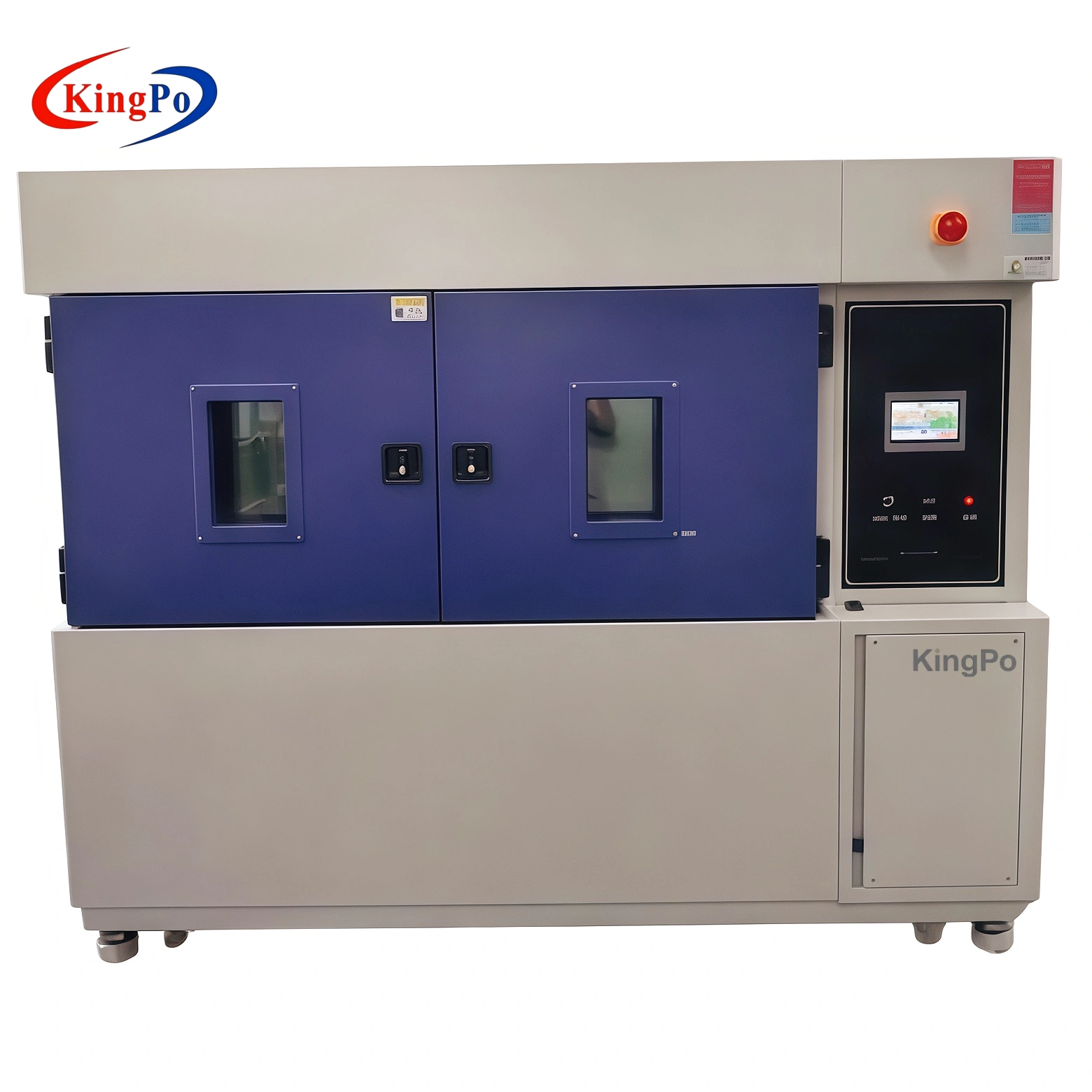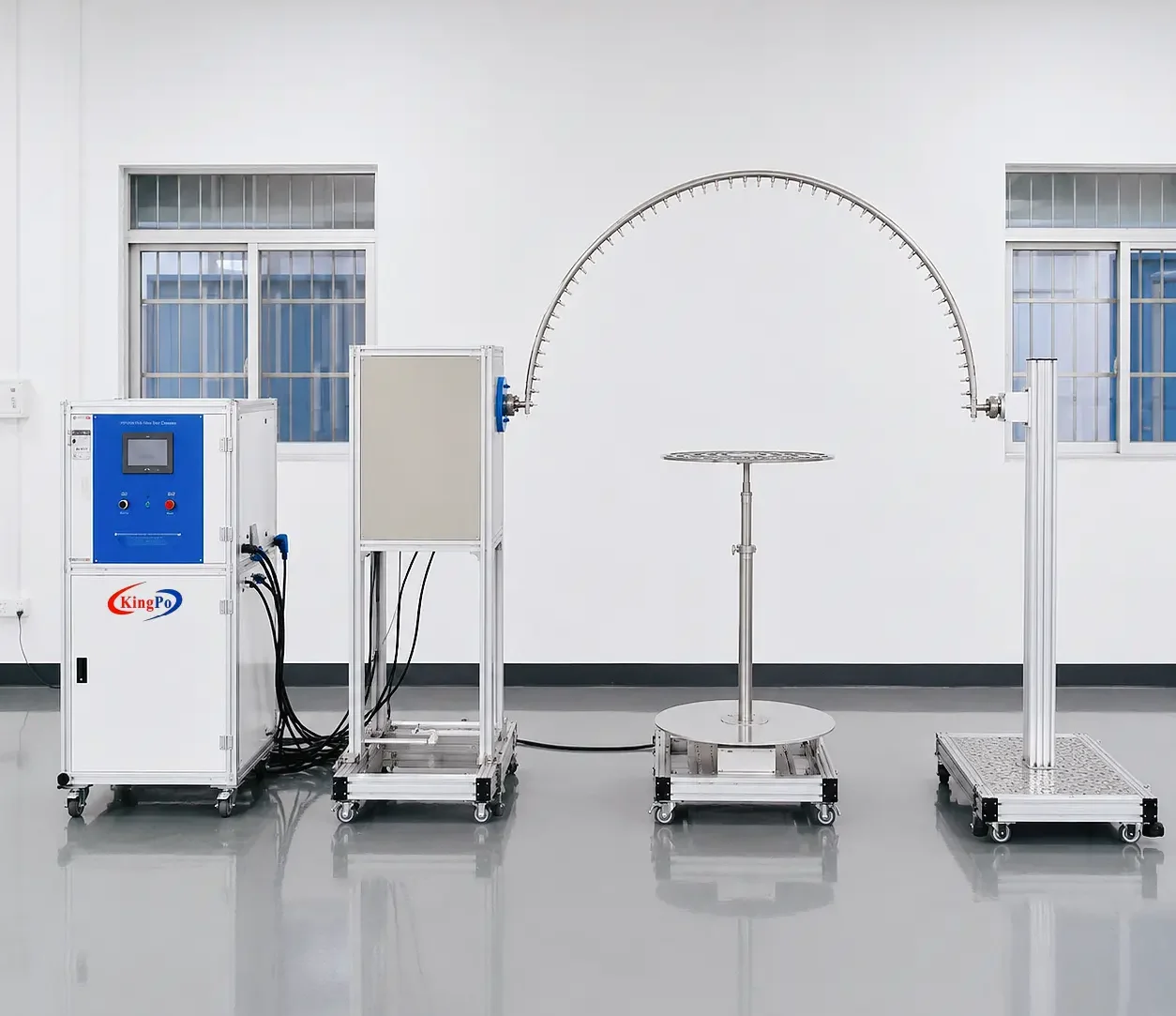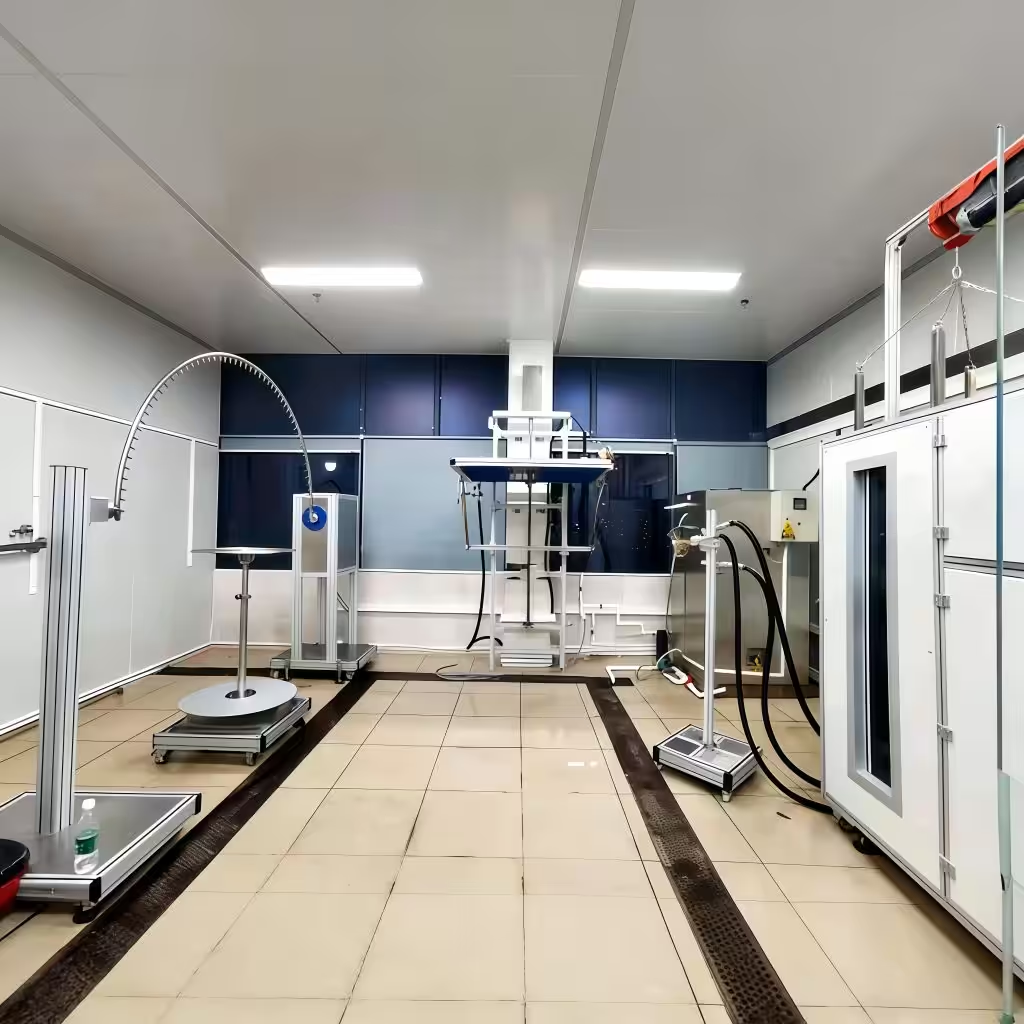
I rely on ip testing equipment to see how products handle real-world challenges like dust and water. This type of testing plays a major role in keeping products safe and reliable. For example, ip testing equipment helps medical devices resist moisture and dust that might cause them to fail. I notice that a strong IP rating builds trust with customers and lowers maintenance costs by catching weak points early. When I choose ip testing equipment from KingPo, I know I am working with a trusted provider. Their solutions help me make sure products meet the highest standards. Using ip testing equipment gives me confidence in product performance and quality.
Key Takeaways
-
IP testing equipment checks how well products resist dust and water, ensuring safety and reliability.
-
A strong IP rating builds consumer trust and reduces maintenance costs by identifying weaknesses early.
-
Different industries require specific IP ratings; for example, medical devices often need higher ratings than consumer electronics.
-
Regular IP testing during product development helps catch issues early, saving time and money.
-
KingPo offers a wide range of IP testing equipment tailored for various applications, ensuring accurate results.
-
Compliance with international standards like IEC 60529 is crucial for product safety and market access.
-
High IP ratings can provide a competitive edge, attracting customers and investors by showcasing product reliability.
-
KingPo’s customer support and training ensure users can effectively operate their testing equipment.
IP Testing Equipment Overview
What Is IP Testing Equipment?
I use IP testing equipment to check how well products can resist dust and water. This equipment helps me simulate real-world conditions that products face every day. I rely on these tests to make sure devices stay safe and reliable, even in tough environments. When I work with IP testing equipment, I can see how a product handles rain, dust storms, or even being submerged in water. I know that manufacturers depend on these tests to improve their designs and catch problems before products reach customers.
I often see several main components in IP testing equipment. Each part plays a key role in the testing process. Here is a table that shows the main components and their functions:
|
Component |
Function |
|---|---|
|
Simulate exposure to water to evaluate resistance against water intrusion. |
|
|
Dust Test Chambers |
Simulate exposure to dust to assess the product’s ability to prevent dust ingress. |
|
Compliance Testing |
Ensures products meet international standards like IEC 60529 for reliability and safety. |
|
Consumer Trust |
Provides verifiable protection ratings to enhance consumer confidence in product reliability. |
When I use these chambers, I can test everything from smartphones to industrial machines. I know that IP testing equipment gives me the data I need to improve product quality and safety.
What Does IP Mean?
I often get asked what “IP” stands for in IP testing. IP means Ingress Protection. This code tells me how well a device can keep out dust and water. The International Electrotechnical Commission (IEC) defines this system under the IEC 60529 standard. I use this standard to measure the level of protection a product offers.
An Ingress Protection rating (IP) is essential for ensuring that electrical equipment complies with the international standard, protecting it from environmental hazards like water, dust, and debris.
When I look at IP ratings, I see two numbers after the letters “IP.” The first number shows the level of protection against solid objects like dust. The second number shows the level of protection against water. I use these ratings to compare products and choose the right one for each environment.
Here are some key points about IP ratings:
-
The IP ratings are defined in the international standard EN 60529.
-
They establish the degree of protection against intrusion from foreign objects and moisture.
-
This includes protection against high pressure and solid foreign objects.
I always check the IP rating before I recommend a product for outdoor or industrial use. I know that a higher rating means better protection.
Why IP Ratings Matter
I believe that IP ratings matter because they give me a clear way to measure product durability. When I see a high IP rating, I know the product can handle tough conditions. Manufacturers use IP rating testing to make sure their products meet customer needs and pass safety checks. I trust IP testing to reveal weak spots in a design before the product goes to market.
Many industries require specific IP ratings for their products. For example, I see IP68 used in smartphones for water resistance. Industrial control panels often need IP65 to protect against dust and water jets. Automotive sensors use IP67 to survive outdoor conditions. Food processing equipment may need IP68 or IP69K for high-pressure cleaning.
Here is a table that shows common IP ratings, what they mean, and where I usually find them:
|
IP Rating |
Description |
Typical Applications |
|---|---|---|
|
IP44 |
Protected against solid objects larger than 1 mm and splashing water |
Household appliances, lighting fixtures |
|
IP54 |
Dust-protected and resistant to splashes of water |
Industrial equipment, outdoor electronics |
|
IP65 |
Dust-tight and protected against low-pressure water jets |
Outdoor lighting, security cameras |
|
IP67 |
Dust-tight and protected against immersion in water up to 1 meter for 30 minutes |
Smartphones, wearables |
|
IP68 |
Dust-tight and designed for continuous immersion in water |
High-end waterproof devices, outdoor equipment |
I use IP rating testing to make sure products meet these requirements. I know that IP ratings help build consumer trust and reduce the risk of product failure. When I see a product with a strong IP rating, I feel confident recommending it for harsh environments. I also know that meeting IPXX ratings can open new markets for manufacturers.
How IP Testing Works
Testing Principles
I use IP testing to simulate real-world environmental factors that products face every day. When I test for dust ingress and water ingress, I recreate conditions like dust storms, heavy rain, and even submersion. I rely on these tests to see how products perform outside the lab. Multi-parameter IP tests help me evaluate how devices handle dust, water, temperature, and mechanical stress at the same time. Real-world simulation testing lets me see if products can endure dust accumulation, water splashes, and extreme temperature changes. I know that dust test chambers are essential for determining reliability and durability in dusty environments. These chambers help me identify weak points and improve product design.
I always remind myself that IP testing ensures products perform reliably in the field, not just under laboratory standards.
Here is a table that shows how different testing methodologies simulate environmental conditions:
|
Testing Methodology |
Description |
|---|---|
|
Multi-parameter IP tests |
Evaluate simultaneous exposure to dust, water, temperature, and mechanical stress. |
|
Real-world simulation testing |
Recreates environmental stresses such as dust storms and heavy rain. |
|
Dust test chambers |
Assess product reliability and performance under dusty conditions. |
Common Methods
I use several common methods to test for dust ingress and water ingress. Each method helps me understand how products resist environmental hazards.
Dust Testing
I place products in dust chambers with calibrated dust to assess their resistance. I watch for dust accumulation inside the enclosure and check if the device still works. Dust ingress testing helps me see if seals and gaskets are effective. I use this method for electronics, industrial machines, and automotive parts. Dust test chambers simulate real-world conditions, so I can evaluate reliability and performance. I know that dust ingress can cause malfunctions, so I pay close attention to the results.
Water Testing
I use different water ingress testing methods to check how products handle moisture. Spray and jet testing simulates rain and splashes. I rely on kinetic energy transfer and impact force to see if water penetrates the enclosure. Immersion testing subjects the device to hydrostatic pressure, following Pascal’s law. I check for direct leakage and breathing. Dripping water testing evaluates resistance to dripping water under specified conditions. Driving rain tests assess protection against heavy rain. I use these methods for smartphones, outdoor equipment, and medical devices.
Here is a table that summarizes the most widely used methods for IP testing in industrial settings:
|
Testing Method |
Description |
|---|---|
|
Dust Ingress Testing |
Involves placing the item in a dust chamber with calibrated dust to assess dust resistance. |
|
Tests the enclosure’s resistance to dripping water under specified conditions. |
|
|
Immersion Testing |
Evaluates the enclosure’s ability to withstand submersion in water for a certain duration. |
|
Driving Rain Tests |
Assesses the enclosure’s protection against heavy rain conditions. |
Standards and Compliance
I always follow strict standards to ensure compliance with regulations. IP testing classifies protection levels against solid objects and liquids. The IP code consists of two digits: the first for solids and the second for liquids. I rely on standards like IEC 60529, EN 60529, and ISO 20653 to guide my testing. Compliance with standards ensures reliability of electrical equipment in various environments. I also check ANSI/NEMA 250 and UL 50 for North American markets. CSA C22.2 No. 94 and AS/NZS 60529 are important for Canada and Australia.
Here is a table that shows the main standards for IP testing and compliance:
|
Standard |
Description |
|---|---|
|
IEC 60529 |
Degrees of Protection Provided by Enclosures (IP Code) |
|
ANSI/IEC 60529 |
Degrees of Protection Provided by Enclosures (IP Code) |
|
ANSI/NEMA 250 |
Enclosures for Electrical Equipment (1000 Volts Maximum) |
|
UL 50 |
Enclosures for Electrical Equipment, Non-Environmental Considerations |
|
CSA C22.2 No. 94 |
Special Purpose Enclosures Industrial Products |
|
EN 60529 |
Degrees of Protection Provided by Enclosures (IP Code) |
|
AS/NZS 60529 |
Degrees of Protection Provided by Enclosures (IP Code) |
-
I always make sure my testing meets compliance requirements for each market.
-
Compliance with standards helps me guarantee product safety and reliability.
-
I know that proper IP testing ensures products meet regulatory demands and perform well in harsh environments.
Types of IP Testing Equipment
KingPo Product Range
I have explored many options for ip test equipment, but KingPo stands out for its wide selection. KingPo offers specialized chambers for dust and water testing. I can find rain test chambers, dust test chambers, and immersion tanks in their catalog. Each type of equipment targets a specific aspect of ingress protection. For example, I use their dust chambers to check how well products resist fine particles. Their water spray and jet systems help me evaluate resistance to rain and splashes. I also see that KingPo provides advanced models with programmable controls, which makes my testing process more efficient. When I need to test products for different industries, I rely on KingPo’s flexible solutions.
Key Features
When I select ip test equipment, I focus on features that ensure accurate and reliable results. I always check for proper calibration, since it guarantees precise measurements. I pay attention to the setup process, because a good setup leads to consistent outcomes. I also follow operational best practices to keep my tests safe and effective. Here is a table that summarizes the most important features I consider:
|
Feature |
Description |
|---|---|
|
Calibration |
Ensures accurate measurements for ingress protection evaluation. |
|
Setup |
Proper setup is crucial for reliable testing results. |
|
Operational Best Practices |
Following best practices enhances the reliability and safety of the tests. |
I use dust test chambers to prevent small particles from damaging sensitive components. This approach improves the reliability and safety of the products I test. I know that choosing equipment with these features helps me meet industry standards and deliver trustworthy results.
Choosing the Right Equipment
I always start by assessing the environmental conditions my products will face. I look at exposure to dust, water, temperature extremes, and mechanical impacts. Different industries require different levels of protection. For example, medical devices often need higher ip ratings than consumer electronics. I balance the level of protection with my budget, since higher ratings can increase costs. I also consider the standards that apply to my industry. By matching the right ip test equipment to my application, I make sure my products stay safe and reliable in real-world conditions.
Tip: I recommend reviewing your product’s intended environment before selecting test equipment. This step helps you avoid over- or under-specifying your needs.
I trust KingPo to provide the right solutions for my testing requirements. Their range and features make it easy for me to find equipment that fits my application and budget.
Ingress Protection Testing Applications
Industries Using IP Testing
I see many industries rely on ingress protection testing to keep their products safe and reliable. I often work with companies that need to protect their equipment from dust, water, and other harsh elements. Here are some of the main industries I notice using ingress protection testing:
-
Outdoor and industrial applications need high ingress ratings to survive extreme weather.
-
Packaging environments with dust and washdown procedures require strong ingress protection, sometimes up to IP69K.
-
Medical device manufacturers use ingress protection testing to ensure equipment stays sterile and safe.
-
Automotive companies test sensors and electronics for ingress to prevent failures on the road.
-
Consumer electronics brands want to guarantee their devices resist dust and water in daily use.
I always recommend an IP rating of at least 55 to 68 for environments with dust and water jets. For total dust-proofing and immersion, I look for IP68. Outdoor environments often need the highest ingress protection, so I choose dust-tight enclosures.
Products That Need IP Testing
I test many types of products for ingress protection. Each product has its own requirements based on where and how it will be used. I use ingress protection testing to make sure these products meet industry standards and customer expectations. Here is a table that shows common products and their typical ingress ratings:
|
Industry |
Example Products |
|---|---|
|
Consumer Electronics |
Smartphones, tablets, wearables (e.g., IP68 rating) |
|
Industrial Equipment |
Control panels (e.g., IP65 rating) |
|
Automotive Industry |
Sensors (e.g., IP67 rating) |
|
Medical Devices |
Surgical instruments, diagnostic equipment |
I know that smartphones and wearables need high ingress protection to survive drops in water or dusty pockets. Industrial control panels must resist dust and water jets. Automotive sensors face rain, mud, and road debris, so I check for strong ingress protection. Medical devices require ingress protection to prevent contamination.
Real-World Use Cases
I have seen ingress protection testing make a big difference in real-world situations. I remember testing outdoor security cameras for a city project. The cameras needed to work in rain, snow, and dust storms. I used ingress protection testing to confirm they met IP68 standards. The cameras stayed reliable all year.
I also worked with a packaging plant that washed down its machines every day. I recommended ingress protection testing for their control panels. After testing, the panels passed IP69K, so they handled both dust and high-pressure water.
In the automotive industry, I tested sensors for a new electric car. The sensors needed to survive mud, rain, and road salt. Ingress protection testing showed they could handle IP67 conditions. The car passed all safety checks.
I always trust ingress protection testing to reveal weak points before products reach customers. This process helps me deliver safe, reliable solutions for every industry.
Benefits of IP Testing Equipment
Product Quality and Safety
I always want to deliver products that last. When I use IP testing equipment, I can check if my products resist dust and water. This testing helps me find weak spots before customers do. I remember testing a batch of outdoor sensors. The IP tests showed that the seals failed after heavy rain. I fixed the design and retested. The new version passed, and I felt confident sending it to market.
IP testing equipment lets me measure how well my products handle real-world challenges. I can simulate rain, dust storms, or even full immersion. This process helps me make sure my products stay safe and reliable. I know that a product with a strong IP rating will work longer and need fewer repairs. Customers trust products that survive tough conditions.
Tip: I always recommend regular IP testing during product development. Early testing saves time and money by catching problems before production.
Regulatory Compliance
I need to meet strict standards in many industries. IP testing equipment helps me follow rules set by organizations like the IEC and UL. These standards protect users and make sure products work safely. I use IP testing to check if my products meet the right IP code for each market.
Here is a table that shows why regulatory compliance matters:
|
Benefit |
Description |
|---|---|
|
Legal Approval |
Products must meet standards to be sold legally. |
|
Customer Confidence |
Certified products build trust with buyers. |
|
Fewer Recalls |
Meeting standards reduces the risk of recalls. |
I always check the latest regulations before launching a new product. Passing IP tests means I can sell my products in more countries. I avoid costly delays and keep my reputation strong.
Market Advantage
I see that a high IP rating gives me a clear edge over competitors. When I secure a strong IP rating, I can protect my innovations and own a specific market segment. This makes it harder for others to copy my designs. I notice that partners and investors prefer working with companies that have strong IP protection. They see my products as reliable and unique.
-
I can enter new markets with confidence because my patents and IP ratings deter competition.
-
Distributors and customers trust my brand more when they see strong protection.
-
Investors view my company as more scalable and investable.
-
Competitors must innovate around my patents, which creates barriers to entry.
I use IP testing equipment to prove my products are tough and trustworthy. This reputation helps me grow my business and attract new opportunities.
Note: A strong IP rating is not just a technical detail. It is a powerful tool for building a successful brand.
Why Choose KingPo
KingPo Advantages
I choose KingPo because their IP testing equipment stands out in the market. I see that KingPo designs their products with both accuracy and durability in mind. Their chambers and test systems give me consistent results every time. I trust their equipment to meet strict industry standards. I also notice that KingPo offers a wide range of models. This helps me find the right solution for any product, from small electronics to large industrial machines.
I value the flexibility KingPo provides. I can customize test parameters to match my needs. Their equipment supports different IP ratings, so I can test for dust, water, or both. I appreciate that KingPo’s systems are easy to operate. The user interface is clear, and I can set up tests quickly. I save time and reduce errors during my testing process.
I believe that choosing KingPo means investing in quality and peace of mind.
Customer Support
I know that reliable customer support makes a big difference. KingPo gives me help when I need it most. Their team answers my questions about installation, calibration, and maintenance. I can reach out by phone or email and get a fast response. I feel confident because KingPo provides detailed manuals and training materials. This support helps me use the equipment correctly and avoid mistakes.
When I face a technical issue, KingPo’s engineers guide me step by step. They offer remote troubleshooting and, if needed, on-site service. I appreciate their commitment to keeping my lab running smoothly. I also get updates about new features and best practices. This ongoing support helps me stay ahead in my field.
-
Quick response times
-
Clear instructions and training
-
Expert technical assistance
I trust KingPo to stand behind their products and support my work at every stage.
Innovation and Reliability
I see that KingPo leads the way in innovation and reliability. They hold several utility model patents for their IP testing equipment. These patents show that KingPo invests in new technology and better designs. I also notice that KingPo meets international standards for quality and safety. Their certifications include ISO9001, ISO14001, and environmental management systems. This gives me confidence that their products are built to last.
Here is a table that highlights some of KingPo’s certifications and patents:
|
Certification or Patent |
Number |
Validity Period |
|---|---|---|
|
ISO Quality Management System Certification |
04616Q12497R0S |
2016-07-23 to 2018-09-15 |
|
Utility Model Patent |
5104031 |
2016-04-06 to 2026-04-05 |
|
Utility Model Patent |
5102489 |
2016-04-06 to 2026-04-05 |
|
Utility Model Patent |
5103618 |
2016-04-06 to 2026-04-05 |
|
Utility Model Patent |
5102853 |
2016-04-06 to 2026-04-05 |
|
SGS Qualified Supplier |
201909170031 |
2019-08-03 to 2020-08-03 |
|
CMMI Level 3 |
3092 |
2019-06-06 to 2020-03-27 |
|
Environmental Management System Certification |
16425E30494R0S |
2025-05-26 to 2028-05-25 |
|
Occupational Health and Safety Management Certification |
16425S30426R0S |
2025-05-26 to 2028-05-25 |
|
Quality Management System Certification |
16425Q30837R0S |
2025-05-26 to 2028-05-25 |
I rely on KingPo’s proven track record. Their focus on innovation means I get advanced features and reliable performance. Their certifications show that they care about quality, safety, and the environment.
When I use KingPo’s IP testing equipment, I know I am working with a partner who values progress and trust.
IP67 Testing and Getting Started
What Is IP67 Testing?
I often get questions about what makes IP67 testing unique. This process checks if a product can keep out dust and survive temporary immersion in water. I use IP67 testing to make sure devices stay safe in tough environments. The test has two main parts. First, I check if dust can enter the enclosure. Then, I see if the product works after being under water for a short time. I rely on these tests to confirm that products meet strict safety standards.
Here is a table that explains the technical requirements and procedures for IP67 testing:
|
Aspect |
Description |
|---|---|
|
Dust-Tight Protection |
Evaluates the enclosure’s ability to prevent dust entry, ensuring internal components remain dust-free. |
|
Temporary Immersion Protection |
Assesses the product’s ability to withstand immersion in water at specified conditions (1 meter depth for 30 minutes). |
|
Testing Procedure |
Involves controlled dust and water immersion tests to validate the IP67 rating. |
I know that passing IP67 testing means a product can handle both dust and water. This gives me confidence in its reliability.
How to Begin with KingPo
When I start a new project, I want the process to be smooth. I choose KingPo because they make it easy to get started with IP testing. I follow these steps:
-
I contact KingPo to discuss my product and testing needs.
-
I review their equipment options and select the right model for my application.
-
I ask for a demonstration or sample test to see the equipment in action.
-
I place my order and schedule delivery.
KingPo’s team helps me at every step. They answer my questions and guide me through the selection process. I appreciate their clear communication and expert advice.
Tip: I always share details about my product’s environment and use case. This helps KingPo recommend the best testing solution.
Installation and Support
I know that proper installation is key to accurate results. KingPo provides detailed instructions and support during setup. Their engineers help me install the equipment and make sure everything works correctly. I receive training on how to operate and maintain the system.
If I have a problem, I reach out to KingPo’s support team. They respond quickly and help me solve any issues. I also get updates about new features and best practices. This ongoing support keeps my testing process reliable.
-
Ensures maximum equipment safety against dust and water ingress.
-
Enhances reliability in environments with dust and moisture.
-
Builds consumer confidence in product safety and functionality.
I trust KingPo to help me succeed with every test.
I see IP testing equipment as a key tool for building reliable products. KingPo gives me advanced solutions, strong support, and proven quality. I trust their equipment to help me meet industry standards and customer needs. If you want to improve your product’s safety, I suggest reaching out to KingPo. You can request a demo or schedule a consultation to get started.
Ready to boost your product’s protection? Contact KingPo today!
FAQ
What does IP stand for in IP testing?
IP stands for Ingress Protection. I use this rating to show how well a product resists dust and water. The two numbers after “IP” tell me the level of protection.
How often should I perform IP testing?
I test products during development and before launching them. I also retest when I change materials or designs. Regular testing helps me catch problems early.
Can I test any product with KingPo equipment?
I can test most electronic devices, industrial machines, and consumer products. KingPo offers different chambers for dust and water. I always check the product size and test requirements first.
What is the difference between IP65 and IP67?
IP65 means the product resists dust and low-pressure water jets. IP67 means it is dust-tight and can survive immersion in water up to 1 meter for 30 minutes. I choose the rating based on the product’s environment.
Do I need special training to use IP testing equipment?
KingPo provides training and clear manuals. I learned to operate the equipment quickly. Their support team helps me with setup and troubleshooting.
How long does a typical IP test take?
Test time depends on the rating. For example, an IP67 immersion test lasts 30 minutes. Dust tests may take several hours. I always follow the standard procedures.
Why should I choose KingPo for IP testing?
I trust KingPo for their reliable equipment, strong support, and innovative features. Their solutions help me meet industry standards and improve product quality.
Can IP testing help my product meet international standards?
Yes. I use IP testing to ensure my products comply with IEC, UL, and other global standards. This helps me sell products in more markets.