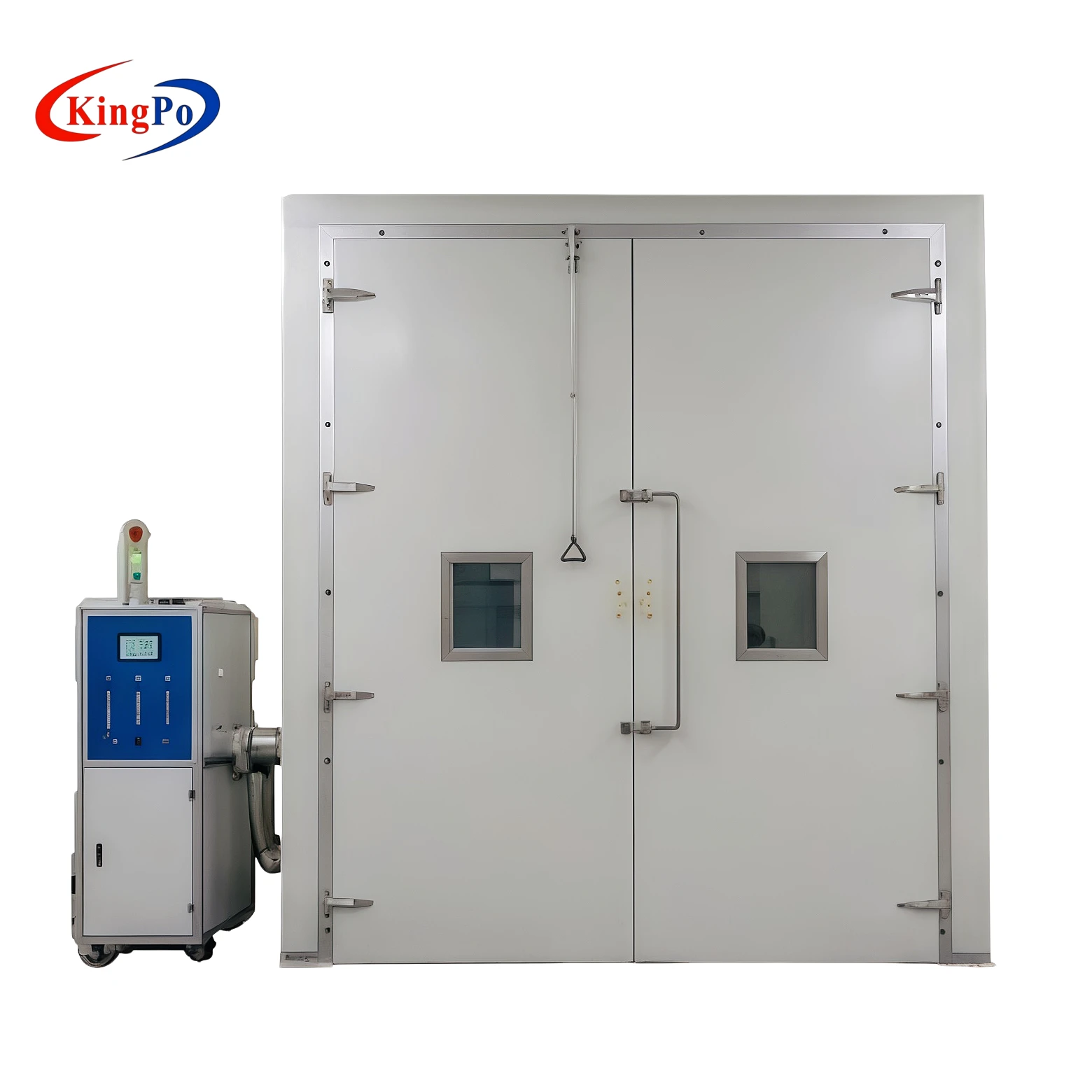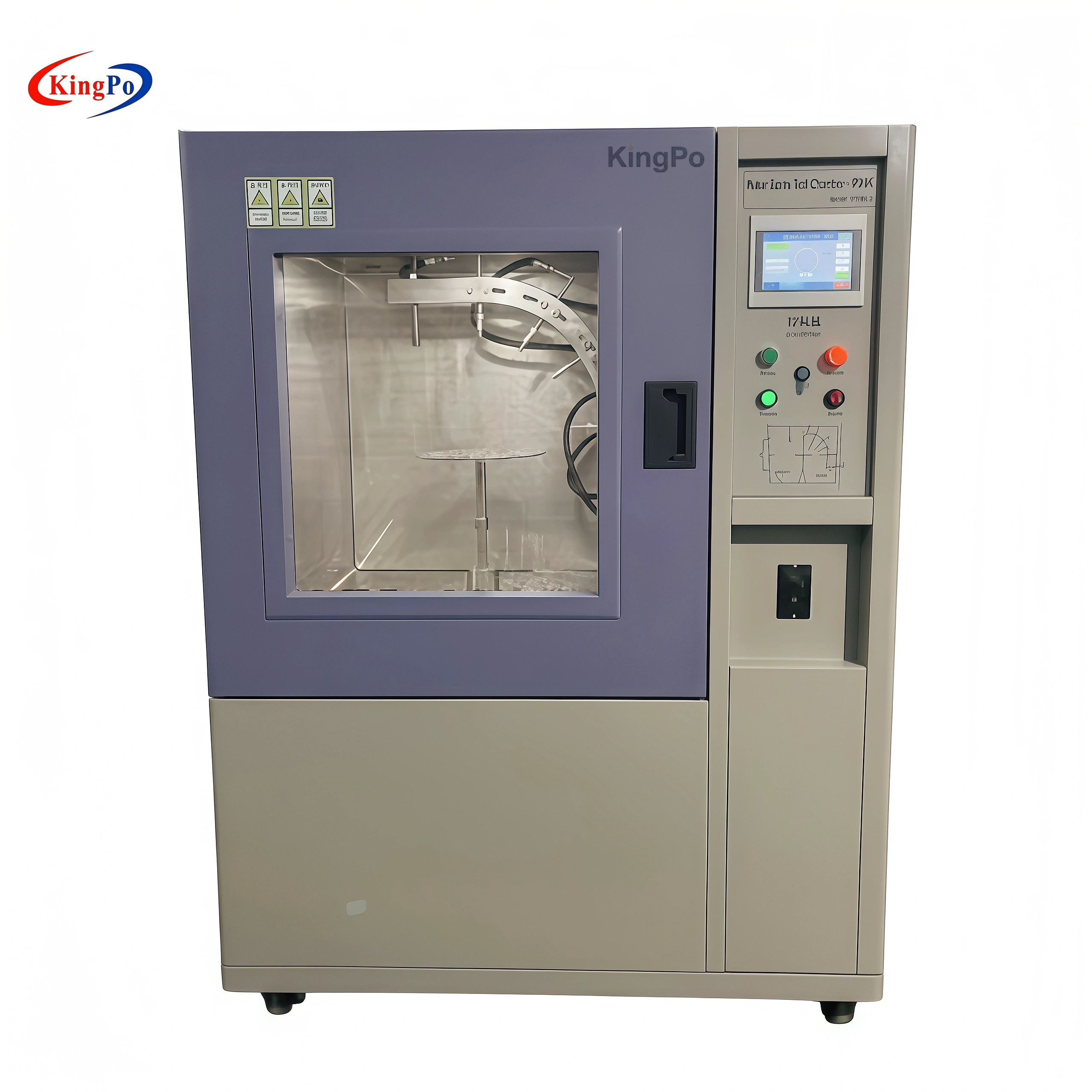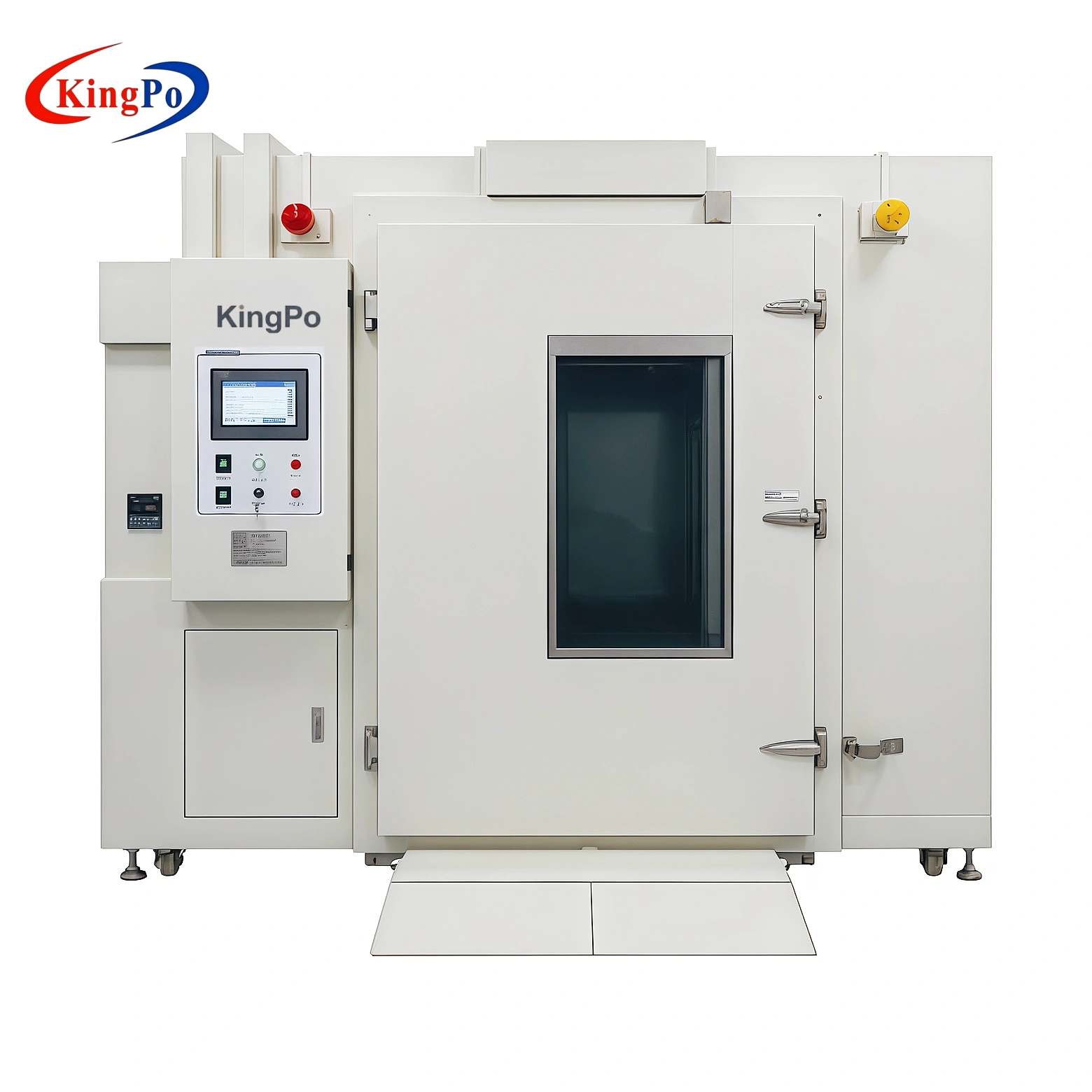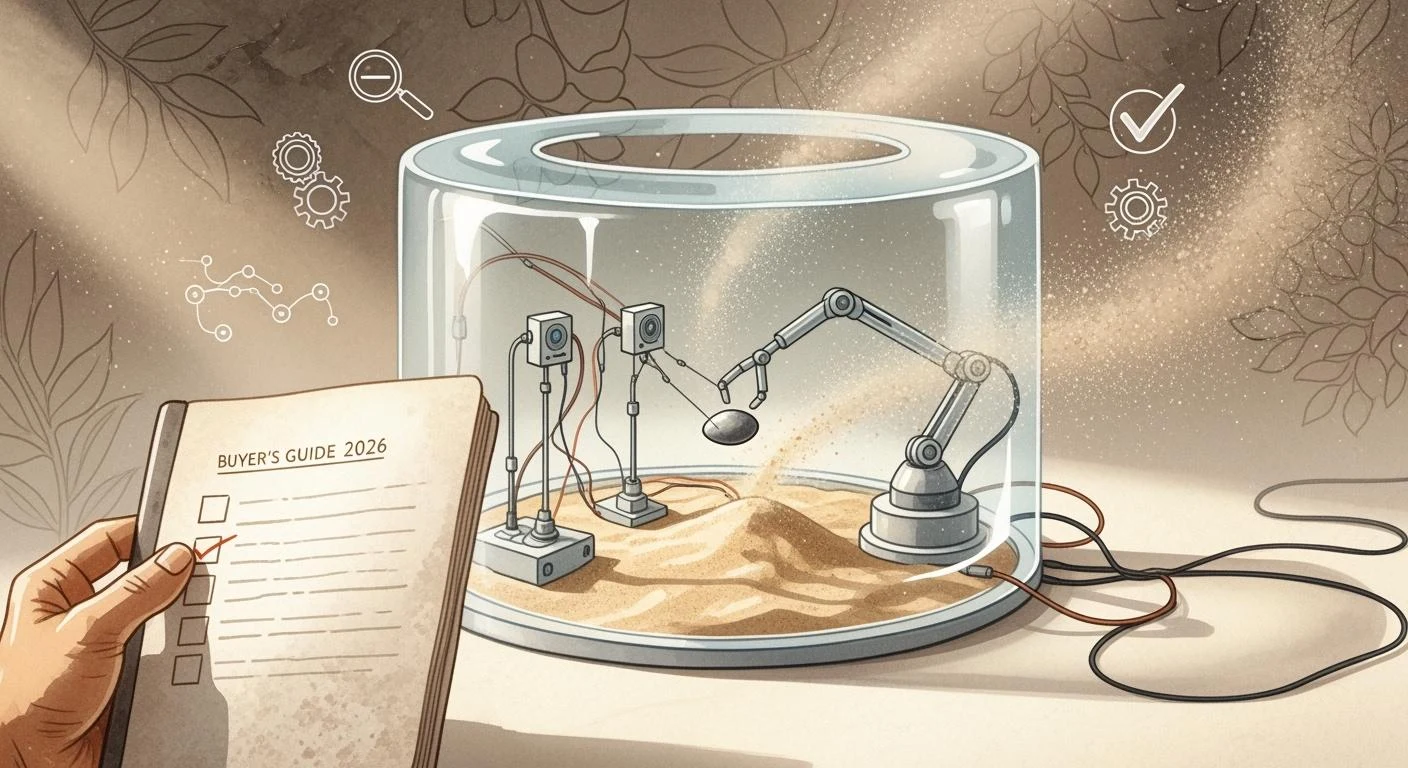
KingPo blowing sand and dust test chambers are widely used for evaluating the dust ingress protection performance of various products according to IEC 60529, MIL-STD-810 and other international standards.
This comprehensive guide explains the full blowing sand and dust environmental test chambers test procedure, including test conditions, dust types, test steps, and acceptance criteria for IP5X and IP6X ratings.
Are you searching for a chamber that can handle real-world dust exposure and meet strict industry standards? In 2026, many buyers like you focus on accurate particle simulation, precise temperature control, and easy automation when choosing sand and dust testing equipment. The market, valued at nearly $2.9 billion, keeps growing as industries demand reliable products. KingPo stands out as a trusted leader, offering advanced systems that help you maintain product quality and stay ahead of evolving requirements.
Key Takeaways
-
- Choose the right size and capacity for your sand and dust chamber to ensure accurate testing of your products.
- Look for precise temperature and humidity control features to simulate real-world conditions effectively.
- Ensure uniform dust distribution with advanced particle dispersion mechanisms for reliable test results.
- Select chambers with automation and monitoring options to streamline testing and improve efficiency.
- Verify compliance with industry standards like
- and ISO 20653 to ensure product safety and reliability.
- Consider the build quality and materials used in the chamber for durability and ease of maintenance.
- Explore customization options to adapt the chamber to your evolving testing needs and future requirements.
- Invest in a chamber with strong technical support and warranty coverage to protect your investment and ensure smooth operation.
What is Blowing Sand and Dust Test?
The blowing sand and dust test chambers simulate harsh environmental conditions where fine dust and sand particles are blown at high velocity toward the test specimen. This test is critical for products used in desert, mining, automotive, and outdoor applications.
Our blowing sand and dust environmental test chambers are designed to meet the strict requirements of IEC 60529 IP5X and IP6X, providing accurate and repeatable test results.
Choosing a Sand and Dust Chamber
Key Buyer Considerations
Selecting the right sand and dust chamber can make a big difference in your product testing process. You want a chamber that not only meets your current needs but also adapts to future requirements. Here are the most important factors to consider:
-
-
- Size and Capacity: Choose a chamber that fits the products you plan to test. If you work with large automotive parts or multiple samples, make sure the chamber has enough space.
- Temperature and Humidity Control: Look for precise control over temperature and humidity. The KingPo sand and dust test chamber offers a wide range from -90°C to 200°C, with high accuracy. This helps you simulate real-world conditions.
- Particle Dispersion Mechanism: Uniform dust distribution is essential. KingPo uses advanced dust circulation systems to ensure every part of your sample faces the same conditions.
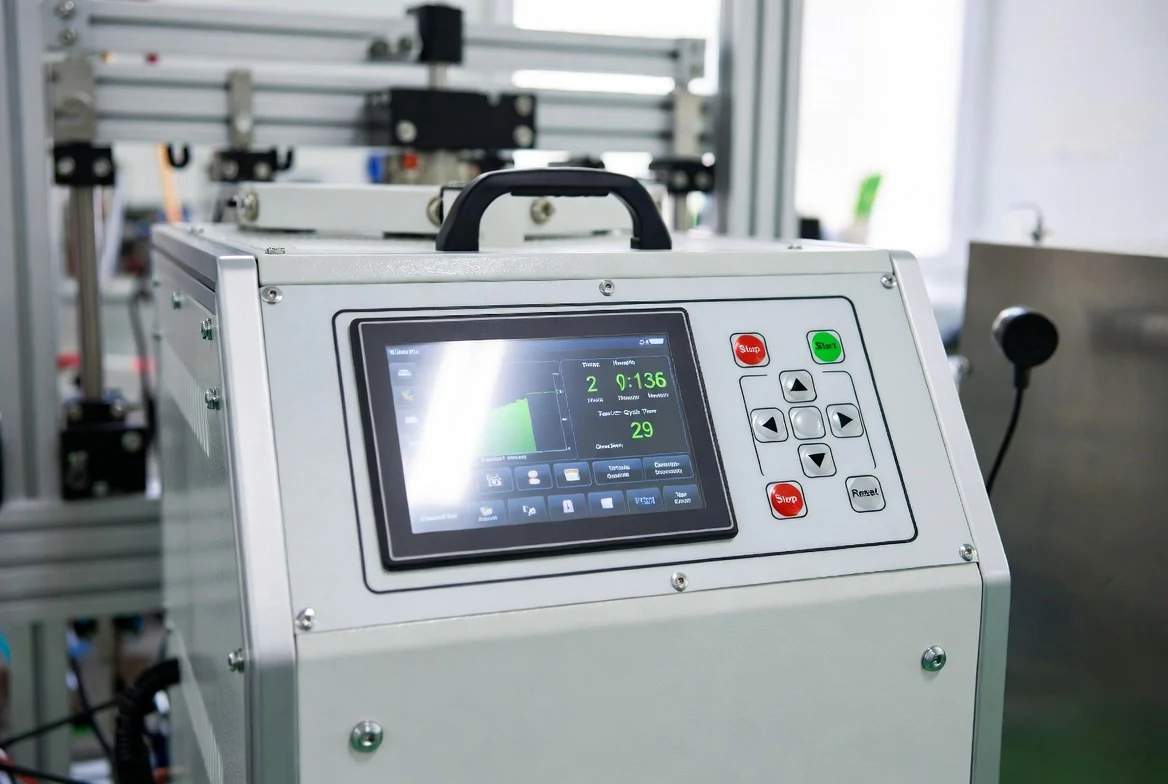
- Automation and Monitoring: Modern sand and dust chambers should have programmable controls and data logging. KingPo’s touch screen system lets you automate tests and monitor results in real time.
- Maintenance and Support: Easy maintenance saves time and money. KingPo builds chambers with durable SUS304 stainless steel and provides strong technical support, including installation and calibration.
- Compliance with Standards: Always check if the chamber meets standards like IEC 60529 and ISO 20653. KingPo chambers help you achieve IP5X and IP6X ratings, which are vital for many industries.
-
Chamber Capabilities
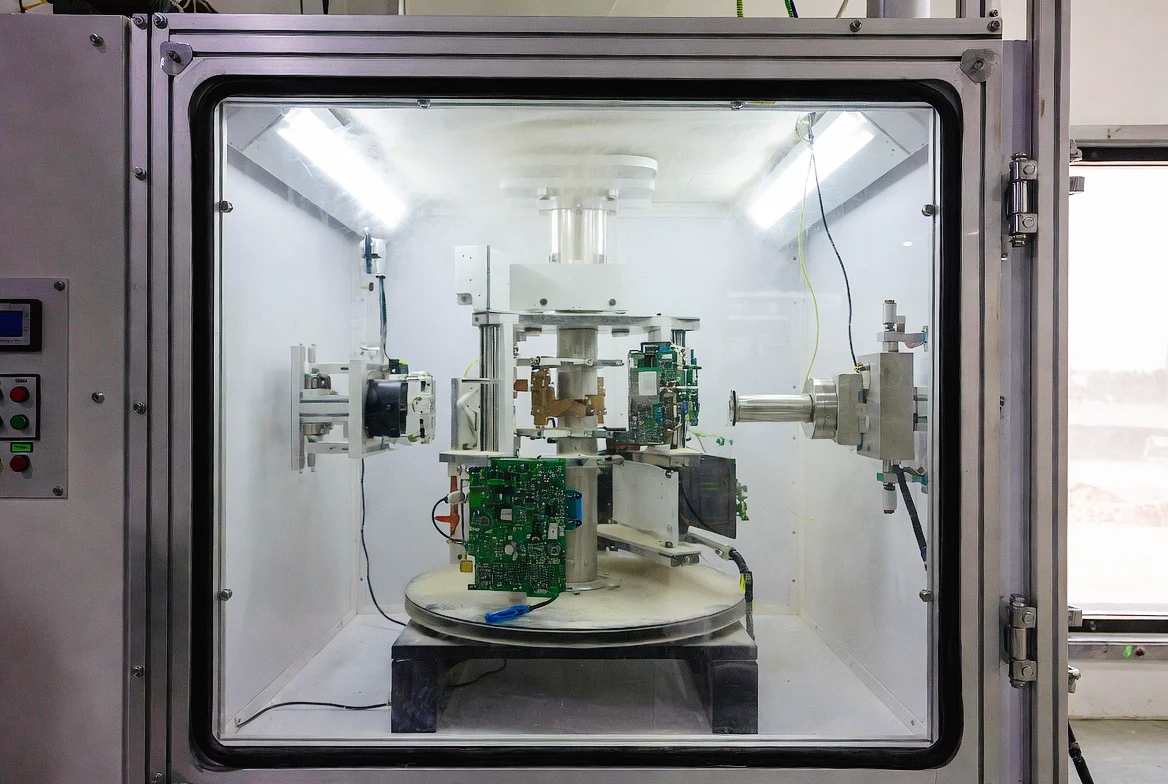
You need a sand and dust chamber that delivers reliable results. Focus on chambers with accurate temperature control, uniform dust flow, and strong safety features. KingPo includes leakage, overload, and fan overheat protection in every chamber. These features protect both your samples and your team.
Future-Proof Features
Technology changes quickly. Choose a chamber with flexible programming, digital integration, and options for customization. KingPo offers modular designs and integration support, so your chamber can grow with your needs. This helps you stay ready for new testing standards and product types.
Common Mistakes
Many buyers overlook key details when choosing a sand and dust chamber. Some select a chamber that is too small or lacks the right controls. Others forget to check for compliance with industry standards. You should also avoid skipping support and maintenance options. Reliable brands like KingPo provide strong after-sales service, which keeps your chamber running smoothly. Take time to review all features and ask for demonstrations before making your decision.
What Is a Sand and Dust Chamber
Definition and Function
You may wonder what makes sand and dust chambers so important for product testing. These chambers are specialized equipment that let you recreate harsh sand and dust conditions inside a laboratory. You can use them to see how your products perform when exposed to real-world environments, such as deserts or construction sites. The main purpose is to check if your products can resist dust, sand, and other fine particles that might cause damage or failure.
Here is a simple table to help you understand their definition and main functions:
| Definition | Functions |
|---|---|
| Sand and dust test chambers are specialized testing equipment designed to replicate real-world sand and dust conditions in a controlled laboratory environment. | They enable precise testing and evaluation of products’ ability to withstand harsh conditions, simulating damage caused by sandstorm weather to various products. |
You will find these chambers essential if you want to test automotive parts, electronics, or any device that needs to survive in dusty places.
How Sand and Dust Chambers Work
Sand and dust chambers use advanced systems to simulate real-life environmental challenges. You can control the size and amount of dust particles, the length of the test, and even the temperature and humidity inside the chamber. This helps you match the test to the actual conditions your product will face.
Here is how the process usually works:
-
-
- Particle Size and Concentration: You set the particle size and concentration to match what your product will experience outside.
- Test Duration: You choose how long the test runs, making sure it reflects real exposure times.
- Temperature and Humidity: You adjust these settings to see how your product handles different climates.
- Vibration and Mechanical Stress: You can add vibration or stress to make the test even more realistic.
-
Many industries follow standards like MIL-STD-810, which includes methods for “Blowing Dust” and “Blowing Sand.” These methods help you check if your equipment can survive in extreme environments, such as deserts.
Importance in Testing
You need sand and dust chambers to make sure your products are reliable and safe. These chambers help you find weak spots and design flaws before your products reach customers. They also help you meet industry standards and stay competitive.
Here is a quick look at why these chambers matter:
| Benefit | Explanation |
|---|---|
| Enhanced Product Reliability | Testing helps identify weaknesses and design flaws, improving durability and reliability. |
| Compliance with Industry Standards | Ensures adherence to regulations, meeting customer expectations and maintaining competitiveness. |
| Realistic Condition Simulation | Replicates harsh environments to assess product performance under actual conditions. |
If you want to ensure your products pass dust ingress test chambers and meet global standards, you should use sand and dust testing as part of your quality control process. This step protects your reputation and gives your customers confidence in your products.
Tip: Using sand and dust chambers early in your design process can save you time and money by preventing costly failures later.
Benefits of Sand and Dust Testing
Product Reliability
You want your products to last, even in tough environments. Sand and dust testing helps you find out if your products can survive real-world conditions. When you use a sand and dust chamber, you can see how dust, sand, and fine particles affect your devices or parts. This process gives you a clear view of any weak spots or design flaws. You can fix these issues before your products reach customers.
Here are some ways sand and dust testing improves reliability:
-
-
- You identify weaknesses and design flaws, which makes your products stronger.
- You meet industry standards, so your test results are trusted.
- You reduce risks by finding problems early, which saves you time and money.
- You build customer confidence because your products work in harsh conditions.
- You gain a competitive advantage by proving your products can handle tough environments.
-
Tip: Reliable products lead to fewer returns and better reviews from your customers.
Compliance and Standards
You need to make sure your products meet global standards. Sand and dust testing helps you achieve this goal. Many industries require you to follow strict rules for product safety and performance. A sand and dust chamber lets you test your products according to these standards.
Here is a table of important international standards for sand and dust testing:
| Standard | Category |
|---|---|
| MIL-STD-810 Method 510 | Military |
| IEC 60529 | Ingress Protection |
| IEC 60068-2-68 | Environmental |
| SAE J575 | Automotive |
When you follow these standards, you show that your products are safe and reliable. You also make it easier to sell your products in different countries. Passing a dust chamber test proves that your products can resist dust and sand, which is important for many markets.
Reducing Failures
You want to avoid costly failures and recalls. Sand and dust testing helps you do this by finding problems before your products leave the factory. You can test how well your products keep out dust and sand. If you find a problem, you can fix it right away.
This process reduces the chance of failures in the field. Your customers get products that work as promised. You save money on repairs and replacements. You also protect your brand’s reputation. Using sand and dust testing as part of your quality control plan gives you peace of mind and helps your business grow.
Applications of Sand and Dust Chambers
Automotive Components
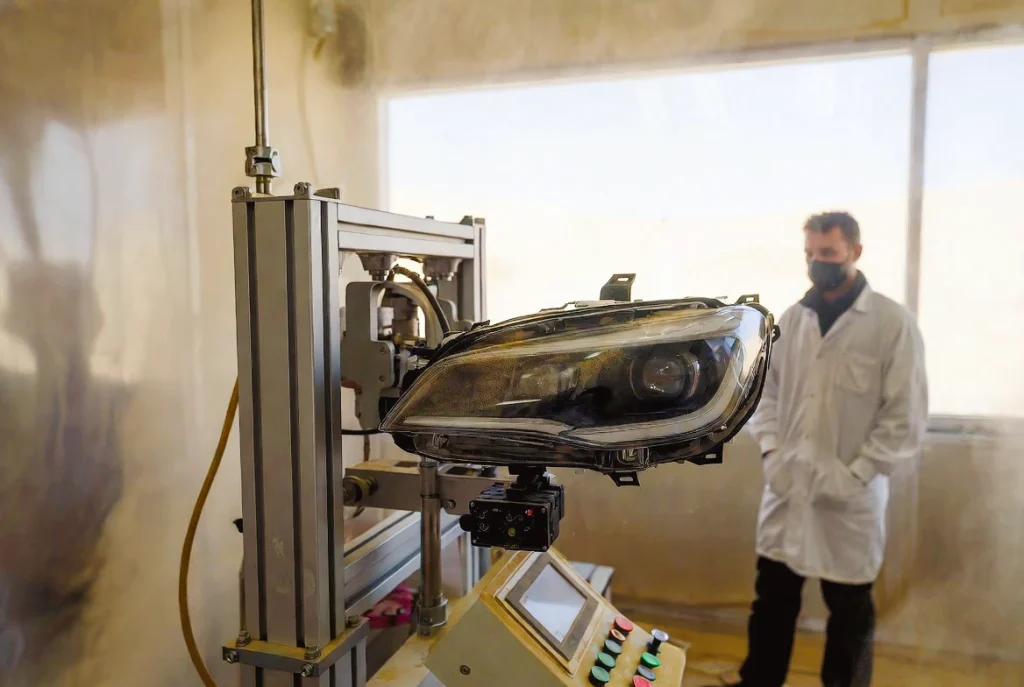
You rely on sand and dust chambers to test automotive parts for durability and safety. These chambers help you simulate harsh environments, such as deserts or construction sites, where dust can affect vehicle performance. Manufacturers use sand and dust testing to ensure that critical sensors, lighting systems, and HVAC units work reliably.
Here is a table showing which automotive components most frequently require sand and dust chamber testing and why:
| Component Type | Vulnerability Description |
|---|---|
| Critical Sensors | Susceptible to dust-related performance degradation affecting signal integrity and processing accuracy. |
| Automotive Lighting Systems | Dust accumulation reduces light transmission efficiency and compromises safety system image quality. |
| Heating, Ventilation, and Air Conditioning | Dust can clog filters and reduce airflow efficiency, impacting air quality in passenger compartments. |
You can see that sand and dust exposure threatens both safety and comfort. Testing these components in a dustproof test box helps you identify weaknesses before vehicles reach the market.
Note: Early testing prevents costly recalls and builds trust with your customers.
Electronics and Devices
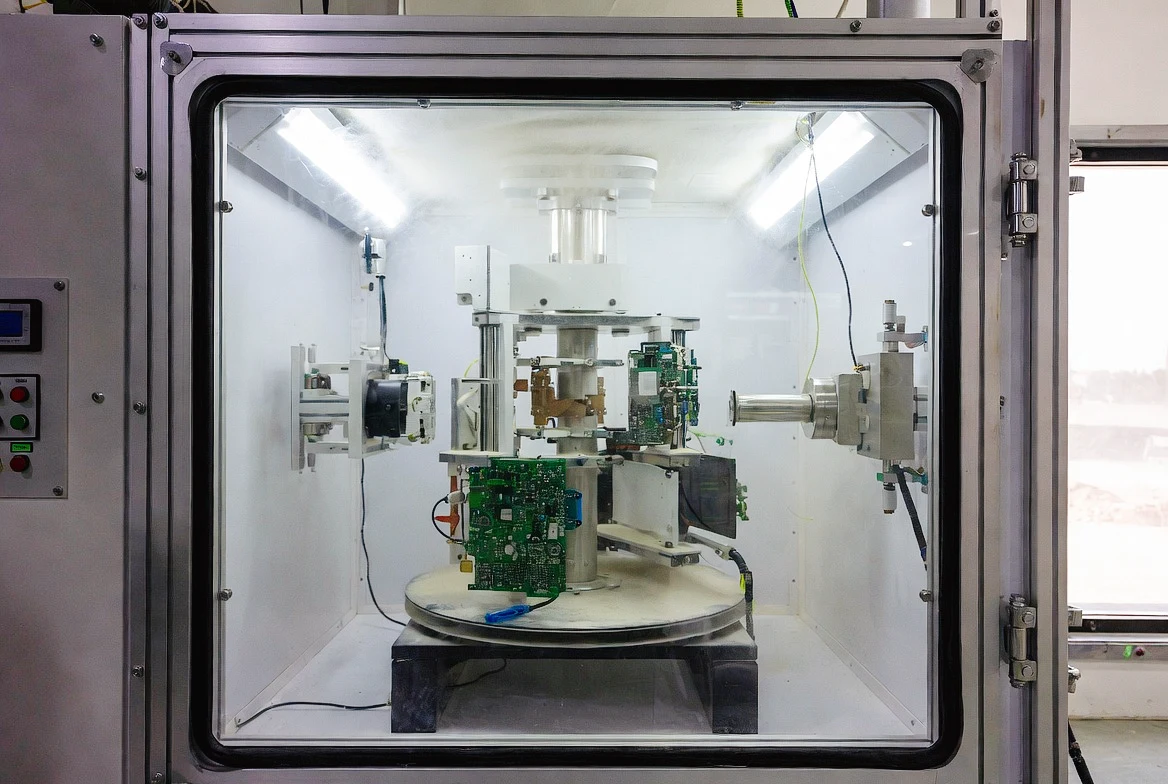
You want your electronics to work in any environment. Sand and dust chambers allow you to test devices for dust ingress, which is vital for reliability. The process involves placing the device in a controlled chamber, sealing it, and applying dust particles of specific sizes.
Manufacturers use two main types of particles for testing:
-
-
- Fine Dust (≤ 75 µm) – Simulates airborne particles that can infiltrate seals and gaskets.
- Coarse Sand (150–850 µm) – Represents larger particles that may cause wear or block moving parts.
-
During testing, you observe whether dust enters the device. This method evaluates the effectiveness of the casing and seals. Sand and dust testing simulates natural dust accumulation, helping you confirm that devices will function reliably in dusty environments.
Testing for dust ingress is crucial for electronics used outdoors or in industrial settings. You assess the device’s ability to prevent dust from entering, which maintains operational integrity and extends product life.
Tip: Reliable electronics reduce maintenance costs and improve user satisfaction.
Aerospace and Defense
You need sand and dust chambers to test aerospace and defense equipment for extreme conditions. These applications require unique testing protocols to match real-world challenges.
Here are the main requirements for sand and dust testing in aerospace and defense:
-
-
- Particle Size and Concentration – Match the conditions the product will face.
- Test Duration – Reflect expected exposure times.
- Temperature and Humidity – Control these factors for realistic results.
- Vibration and Mechanical Stress – Simulate additional challenges.
-
You must follow strict standards, such as ISO 20653 and MIL-STD-810G, which specify methods for dust and water ingress protection and environmental testing. Sand and dust testing ensures that equipment performs reliably in harsh environments, such as deserts or battlefields.
Alert: Meeting these standards is essential for safety and mission success.
You use sand and dust chambers to verify that automotive, electronic, and aerospace products can withstand real-world dust exposure. This testing protects your reputation and ensures product reliability.
Industrial Equipment
You depend on industrial equipment to keep your operations running smoothly. Dust and sand can cause serious problems for machines in factories, construction sites, and processing plants. If you want to make sure your equipment lasts longer and works better, you need to test it in conditions that match the real world. Sand and dust chambers help you do this by creating a controlled environment where you can see how your machines handle dust exposure.
When you use a dustproof test box, you can check for weak spots in your equipment. This process helps you find design flaws before they lead to breakdowns. You can improve the durability and reliability of your machines by making changes based on test results. Reliable equipment means less downtime and fewer repairs.
You also need to follow industry standards. Many companies require you to prove that your equipment can handle dusty environments. Sand and dust testing lets you show that your machines meet these rules. This helps you avoid problems with regulators and keeps your business running without delays.
Testing your equipment early helps you spot problems before they become serious. You can fix issues before they cause failures or recalls. This reduces your risk and saves you money in the long run. Customers trust your products more when they know you test them carefully.
Here are some key benefits of sand and dust testing for industrial equipment:
-
-
- You improve product reliability by finding and fixing weaknesses.
- You meet industry standards, which helps with compliance and market access.
- You reduce the risk of failures and costly recalls.
- You build customer trust by proving your equipment is tough.
- You gain a competitive edge by showing your machines can handle harsh conditions.
-
Many industries use sand and dust chambers to test pumps, motors, control panels, and conveyor systems. These machines often work in places with high dust levels. If dust gets inside, it can cause overheating, block moving parts, or damage electrical systems. Testing helps you make sure your equipment keeps working, even in tough environments.
Tip: Regular sand and dust testing can extend the life of your industrial equipment and lower your maintenance costs.
By investing in proper testing, you protect your business and give your customers confidence in your products.
Sand and Dust Chamber Buyer’s Guide
Size and Capacity
Product Fit
You need to choose a sand and dust chamber that matches the size of your products. If you test large items, like automotive headlights or engine parts, you need a chamber with enough space. For electronics, you want a chamber that fits circuit boards and enclosures. The right fit ensures accurate results and protects your samples.
Here is a table to help you match chamber size to your industry:
| Industry | Recommended Size and Capacity Options |
|---|---|
| Automotive | Chambers must accommodate large components like headlights and engine parts. |
| Defense & Military | Larger chambers replicate battlefield conditions for testing equipment durability. |
| Electronics & Semiconductors | Must fit circuit boards and enclosures to test for dust resistance. |
| Renewable Energy Sector | Evaluate solar panels and wind turbine components against dust accumulation and erosion. |
You should always check the internal dimensions of the sand and dust chamber before you buy. This step helps you avoid problems during testing.
Installation Needs
You must consider where you will install your sand and dust chamber. Measure your lab or testing area to make sure the chamber fits. Check the doorways and pathways for easy delivery and setup. You also need to think about power supply and ventilation. Some chambers require special electrical connections or exhaust systems.
KingPo provides installation support to help you set up your chamber safely and efficiently. You can ask for a site assessment before you buy. This service ensures your chamber works well in your space.
Tip: Plan your installation early to avoid delays and extra costs.
Control Features
Programmable Systems
Modern sand and dust chambers use advanced control systems. You can program test cycles to run automatically. This feature saves you time and reduces human error. KingPo chambers include a touch screen interface for easy programming. You can set test duration, dust flow, temperature, and humidity with just a few taps.
Automated test cycles help you repeat tests with the same settings every time. This consistency improves your results and supports quality control.
-
-
- Particle size control lets you match test conditions to industry standards.
- Automated cycles make your testing process faster and more reliable.
-
Monitoring Options
You need to monitor your tests in real time. KingPo sand and dust chambers offer data logging and live monitoring. You can track temperature, humidity, and dust concentration during each test. The system stores this data for later review.
Real-time monitoring helps you spot problems quickly. You can adjust settings if needed and keep detailed records for compliance. Many industries require you to document your test results. KingPo’s monitoring options make this easy.
Note: Reliable monitoring protects your samples and supports accurate reporting.
Compliance
Standards (IEC, ISO, MIL-STD)
You must choose a sand and dust chamber that meets international standards. These standards ensure your test results are accepted worldwide. The most important standards include:
-
-
- IEC 60529: Sets rules for dust penetration testing and ingress protection (IP) ratings.
- ISO 20653: Focuses on road vehicles and their protection against dust and water.
- MIL-STD-810: Used by the military for environmental testing, including blowing dust and sand.
-
Meeting these standards helps you sell your products in global markets. It also shows your customers that you care about quality and safety.
Certification
You should look for a sand and dust chamber from a certified manufacturer. KingPo holds ISO9001 and CE certifications. These certifications prove that KingPo follows strict quality and safety rules. Certified chambers make it easier for you to pass audits and meet regulatory requirements.
Always ask for documentation when you buy a chamber. Keep these records for your quality system and customer reviews.
Alert: Certification protects your business and builds trust with your clients.
Build Quality
Materials
You want your sand and dust chamber to last for years. The materials used in construction play a big role in durability. KingPo builds chambers with SUS304 stainless steel. This material resists corrosion and stands up to harsh testing conditions. You also get airtight enclosures and transparent viewing windows. These features help maintain a controlled environment inside the chamber. You can adjust temperature, humidity, and dust concentration to match real-world conditions. Strong materials and smart design keep your chamber reliable and safe.
Tip: Stainless steel chambers are easier to clean and maintain. They also protect your samples from contamination.
Maintenance
You need a chamber that is easy to maintain. Regular maintenance keeps your equipment running smoothly. KingPo designs chambers with accessible panels and simple cleaning routines. You can reach all parts of the chamber without trouble. The touch screen control system helps you monitor performance and spot issues early. You get alerts for maintenance tasks, such as filter changes or system checks. This reduces downtime and saves money.
Here is a quick checklist for maintenance:
-
-
- Clean the viewing window and chamber walls regularly.
- Check and replace filters as needed.
- Inspect seals for wear and tear.
- Review system alerts and logs for any issues.
-
Note: Scheduled maintenance extends the life of your chamber and ensures accurate test results.
Customization
Modular Options
You may need a chamber that fits your unique testing needs. KingPo offers modular designs. You can add or remove features based on your requirements. For example, you can choose different dust generators, extra monitoring sensors, or larger test spaces. Modular options let you upgrade your chamber as your business grows. You do not have to buy a new chamber every time your needs change.
| Modular Feature | Benefit |
|---|---|
| Extra Dust Generators | Simulate different environments |
| Larger Test Spaces | Test bigger products |
| Additional Sensors | Improve monitoring accuracy |
Alert: Modular chambers help you stay flexible and ready for new testing standards.
Integration
You want your chamber to work with other systems in your lab. KingPo supports integration with digital data platforms and automated workflows. You can connect the chamber to your quality control software. This makes it easy to track test results and share data with your team. Integration improves efficiency and helps you meet compliance requirements.
You can also link your chamber to remote monitoring tools. This lets you check test progress from anywhere. You save time and reduce errors by automating data collection.
Tip: Integrated systems make reporting and audits faster and more accurate.
Energy Efficiency
Power Use
You need to consider how much energy your chamber uses. Efficient chambers save money and reduce environmental impact. KingPo designs chambers with optimized power systems. You get precise temperature control without wasting energy. The chamber uses smart sensors to adjust power based on test needs. This keeps energy use low and protects your budget.
Here is a table showing how energy-efficient features help:
| Feature | How It Saves Energy |
|---|---|
| Smart Sensors | Adjust power automatically |
| Efficient Heating/Cooling | Reduce energy waste |
| Programmable Cycles | Run only when needed |
Note: Lower power use means lower operating costs and a smaller carbon footprint.
Eco Features
You want your testing process to be environmentally friendly. KingPo includes eco features in its chambers. You get systems that minimize dust emissions and use recyclable materials. The chamber’s design reduces waste and supports sustainable practices. You can choose options like energy-saving modes and low-impact filters.
Eco features help you meet environmental regulations and show your commitment to sustainability. Customers and partners value companies that care about the planet.
Tip: Eco-friendly chambers improve your reputation and help you attract new clients.
Support and Service
Warranty
You need to protect your investment when you buy a sand and dust chamber. Warranty coverage gives you peace of mind. KingPo offers warranty options that cover parts and labor for a set period. This coverage ensures your equipment stays in good condition. If something goes wrong, you can get repairs or replacements without extra cost. You should check the warranty terms before you buy. Look for coverage that matches your testing needs and expected usage.
Tip: A strong warranty helps you avoid unexpected expenses and keeps your testing schedule on track.
Technical Support
You want reliable technical support for your sand and dust chamber. KingPo provides comprehensive support services. You can contact experts for help with installation, calibration, and troubleshooting. User-friendly features make operation easier, but you may still need guidance. Technical support helps you solve problems quickly. You get answers to your questions and step-by-step instructions. This support keeps your chamber running smoothly and ensures accurate dust chamber test results.
-
-
- Installation assistance
- Calibration guidance
- Troubleshooting help
- User manuals and training
-
Note: Good technical support reduces downtime and improves your testing efficiency.
Cost and Value
Investment
You need to understand the factors that influence the price of a sand and dust chamber. The cost depends on size, features, and materials. Larger chambers cost more because they use more materials and offer bigger test spaces. Advanced particulate dispersion systems add to the price, but they improve dust distribution. Compliance with testing standards increases value and ensures your chamber meets industry requirements. Durable materials like stainless steel raise the price, but they make the chamber last longer. Automation and control systems enhance usability and add to the overall expense.
Here is a table showing the main factors that affect cost and value:
| Factor | Description |
|---|---|
| Chamber Volume and Test Space Dimensions | Larger chambers increase material and manufacturing costs. |
| Particulate Dispersion System | Advanced systems ensure uniform dust distribution, affecting model pricing. |
| Compliance with Testing Standards | Certified chambers command higher prices due to validation requirements. |
| Material Construction | Durable materials like stainless steel increase costs but enhance longevity. |
| Automation and Control Systems | Enhanced usability features add to the overall expense of the chambers. |
Alert: Investing in a high-quality chamber saves money in the long run by reducing maintenance and replacement costs.
Hidden Costs
You should look for hidden costs before you make a purchase. Some chambers require special installation or extra accessories. Maintenance and calibration may add to your expenses. You might need software updates or replacement filters. KingPo offers transparent pricing and support to help you plan your budget. Ask for a full cost breakdown so you know what to expect.
-
-
- Installation fees
- Maintenance costs
- Calibration services
- Software updates
- Replacement parts
-
Tip: Reviewing all costs helps you avoid surprises and manage your investment wisely.
Standards and Compliance
Major Standards
You need to understand the main standards before you select a sand and dust chamber. These standards help you prove that your products can resist dust and sand in real-world conditions. Each standard sets clear rules for how to test and what results you need. Here is a table that shows the most important standards for sand and dust chamber testing:
| Standard | Description |
|---|---|
| IEC 60529 | Degrees of Protection Provided by Enclosures (IP Code). Used for sand and dust chamber tests. |
| ISO 20653 | Road vehicles – Degrees of Protection (IP-Code). Focuses on electrical equipment protection. |
| DIN EN 60068-2-68 | Environmental Testing—Part 2: Dust and Sand. Covers methods for environmental test chambers. |
You will often see IP5X and IP6X ratings. These ratings show how well your product keeps out dust. Many industries also use MIL-STD-810 for military equipment. This standard includes tests for blowing dust and sand.
Global Market Requirements
You must meet different requirements if you want to sell your products worldwide. Many countries accept IEC and ISO standards. Some regions have extra rules for automotive or defense products. You should check the standards for each market before you start testing.
Tip: Meeting global standards helps you reach more customers and avoid delays at customs.
You need to test your products for at least 8 hours to meet IP5X and IP6X. During the test, you must monitor the inside of your device for dust. This process proves that your sand and dust chamber can simulate real conditions and that your products are ready for tough environments.
Ensuring Compliance
You must follow a clear process to show that your products meet the standards. Start by keeping detailed records of every test. Certification bodies will check your test procedures, calibration records, and results. You should use an accredited lab for independent verification.
-
-
- Keep full documentation for each test, including test setup and results.
- Make sure your sand and dust chamber has up-to-date calibration records.
- Ask for certification from a trusted body to support your claims.
- Use independent labs for extra proof if you need regulatory approval.
-
Note: Good documentation and certification protect your business and build trust with your customers.
You can use these steps for all environmental test chambers, not just sand and dust models. Careful records and third-party checks help you pass audits and sell your products in more markets.
Trends in Sand and Dust Testing
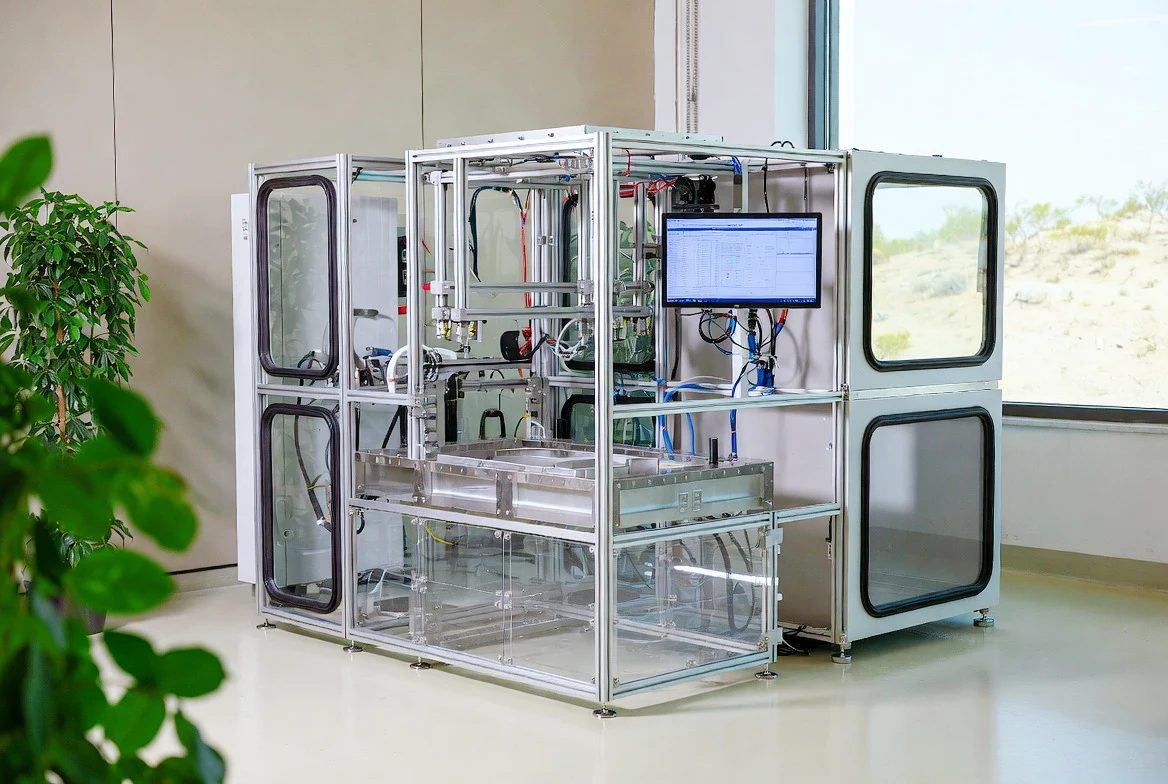
Automation and Smart Controls
You see rapid changes in how test chambers operate. Automation and smart controls now play a major role in making your testing process more efficient and reliable. You can use advanced sensors to monitor every part of your test in real time. Artificial intelligence helps you predict when maintenance is needed and sets the best test parameters for your products. These features save you time and reduce errors.
Here is a table showing the latest trends and features in automation and smart controls:
| Trend/Feature | Description |
|---|---|
| Advanced Sensors | Integration for precise monitoring and automated reporting. |
| Artificial Intelligence | Used for predictive maintenance and optimized test parameters. |
| Energy Efficiency | Designs utilizing sustainable materials for reduced impact. |
| Real-time Data Analytics | Enhances testing precision and operational efficiency. |
| Modular Configurations | Allows for customized testing solutions. |
You can choose modular configurations to match your unique needs. These upgrades help you keep up with new testing standards and product types.
Digital Integration
You benefit from digital integration in many ways. Modern sand and dust chambers use AI and machine learning to improve accuracy and speed. You can automate test cycles, which reduces testing time by 40-60%. This means you finish more tests in less time. Digital systems also make your data more reliable. You get accurate results that help you make better decisions.
Here is a table that explains how digital integration improves your testing:
| Evidence Type | Description |
|---|---|
| AI and Machine Learning Integration | Enhances testing accuracy and efficiency through advanced algorithms. |
| Impact on Testing Time | Automation reduces testing time by 40-60%, improving overall efficiency. |
| Data Reliability | Improved data reliability due to advanced technologies, leading to more accurate results. |
You can store and share your test data easily. This makes it simple to track results and show compliance during audits.
Sustainability
You need to think about the environment when you choose testing equipment. Manufacturers now focus on eco-friendly materials and renewable energy sources. Many chambers use recyclable materials and energy-efficient technologies to lower their carbon footprint. Some designs follow circular economy principles, making upgrades and recycling easier. You also see more products that meet strict EU environmental regulations.
Here are some sustainable practices you should look for:
-
-
- Use of eco-friendly and recyclable materials in chamber construction
- Adoption of renewable energy sources for powering devices
- Designs with low-carbon footprint materials
- Modular designs for easier upgrades and recycling
- Implementation of energy-efficient technologies
- Focus on developing eco-friendly testing solutions
- Compliance with evolving environmental regulations
-
You see these trends driven by consumer awareness and new rules. Choosing sustainable sand and dust chambers helps you protect the planet and meet future requirements.
Tip: Sustainable choices not only help the environment but also improve your company’s reputation.
When you choose a sand and dust chamber, focus on features that match your testing needs. Use this checklist to guide your decision:
-
-
- Match particle size and concentration to real-world conditions.
- Set test duration and control temperature and humidity.
- Check chamber size, capacity, and uniform dust distribution.
- Look for automation, monitoring, and strong manufacturer support.
- Confirm compliance with industry standards.
-
Consult experts and request demonstrations. Prioritize compliance, reliable support, and future-ready features for long-term value.
FAQ
What is the main purpose of a sand and dust test chamber?
You use a sand and dust test chamber to check if your products can resist dust and sand. This testing helps you find weak spots and improve product durability.
Which industries need sand and dust testing the most?
-
-
- Automotive
- Electronics
- Aerospace and defense
- Industrial equipment
- Household appliances
-
You need this testing if your products face dusty or sandy environments.
How do KingPo chambers meet international standards?
KingPo chambers comply with IEC 60529, ISO 20653, and MIL-STD-810. You can achieve IP5X and IP6X ratings for your products using these chambers.
What safety features do KingPo sand and dust chambers offer?
You get leakage protection, overload protection, and fan overheat protection. These features keep your team and samples safe during every test.
How often should you maintain your sand and dust chamber?
You should follow the manufacturer’s schedule. Clean the chamber, check filters, and inspect seals regularly. KingPo provides alerts and support for maintenance.
Can you customize a KingPo sand and dust chamber?
Yes, you can. KingPo offers modular options, extra sensors, and integration with digital systems. You can tailor the chamber to fit your unique testing needs.
What documents do you need for compliance?
You need test records, calibration certificates, and manufacturer certifications. Keep these documents ready for audits and customer reviews.
KingPo Blowing Sand and Dust Test Chambers
KingPo offers a full range of blowing sand and dust test chambers with precise control of dust concentration, airflow velocity, and temperature. These chambers are ideal for performing blowing sand and dust environmental test chambers procedures reliably and efficiently.
Still have questions about dust test chambers?
Get a custom quote for your dust test chamber needs. Our engineers will recommend the perfect IEC 60529 / SAE J575 solution.
Get a Custom Quote Now →