Abstract & Technical Summary IEC 62368-1 foreign object detection (FOD) testing assesses wireless power transmitter safeguards against excessive metal object heating and temperature rise in wireless power transfer systems, applying hazard-based safety engineering (HBSE), energy source classification, and safeguard requirements per Clause 9.6 to prevent thermal burn injuries and ensure global compliance.
1. Introduction to FOD in IEC 62368-1
IEC 62368-1 (latest Edition 4:2023) is the hazard-based safety standard for audio/video, information, and communication technology equipment, replacing legacy standards IEC 60950-1 and IEC 60065. Clause 9.6 specifically addresses foreign object detection (FOD) for wireless power transmitters, focusing on preventing excessive heating of metallic foreign objects (e.g., coins, keys, rings) placed on or near the charging surface, which could cause thermal burns or fire hazards.
FOD testing primarily targets metal object detection in inductive charging applications, such as Qi-compatible wireless chargers, charging pads, power banks, and similar devices. While living object protection is more prominent in the Qi specification, IEC 62368-1 emphasizes thermal risk mitigation through HBSE principles.
2. Understanding FOD Requirements in IEC 62368-1 Clause 9.6
2.1 Key Definitions and Scope
- Foreign objects: Primarily metallic items (e.g., steel disk, aluminium ring, aluminium foil) as specified in figures (e.g., Figure 49 Steel Disk, Figure 50 Aluminium Ring, Figure 51 Aluminium Foil in Edition 4).
- Wireless power transfer: Near-field inductive charging where unintended metallic objects can induce eddy currents leading to rapid heating.
- Temperature limits: Foreign object temperature rise must not exceed defined thresholds (typically aligned with TS limits to avoid pain or injury, e.g., ≤70°C in many practical cases, with specific maxima for steel disk ~85°C, aluminium ring ~120°C, aluminium foil ~155°C under test conditions).
2.2 Why FOD Testing is Critical
Undetected metallic foreign objects can cause localized overheating, leading to thermal burn injury or ignition of nearby materials. IEC 62368-1 adopts HBSE methodology: identify energy sources (wireless power as a potential thermal energy source), evaluate risks, and verify effective safeguards (e.g., FOD algorithms, power rollback, or shutdown mechanisms).
3. Step-by-Step Guide: How to Perform FOD Testing per IEC 62368-1
3.1 Test Preparation
- Required equipment:
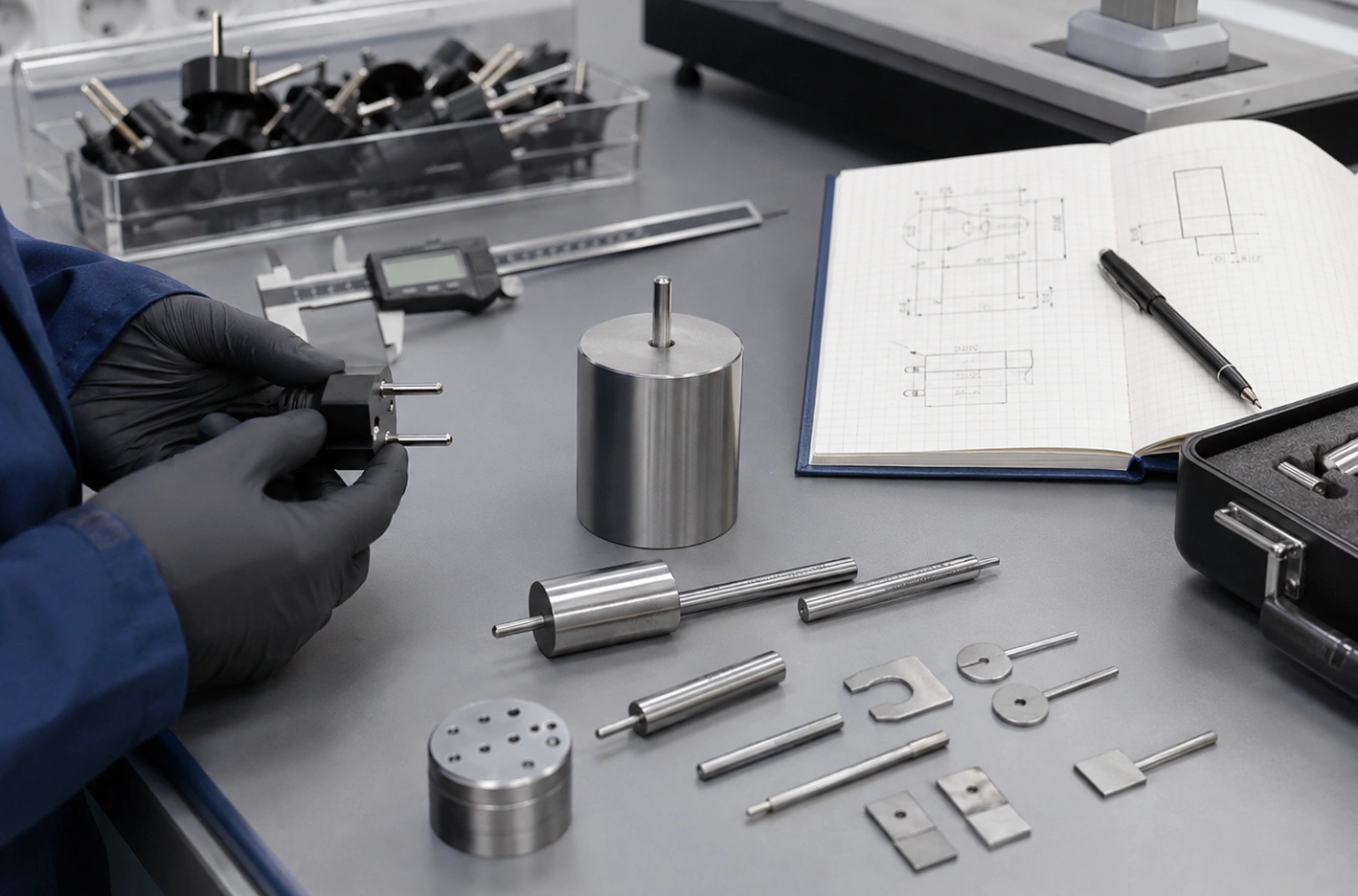
- Standardized foreign objects: Steel disk, aluminium ring, aluminium foil (per relevant figures in Clause 9.6.2).
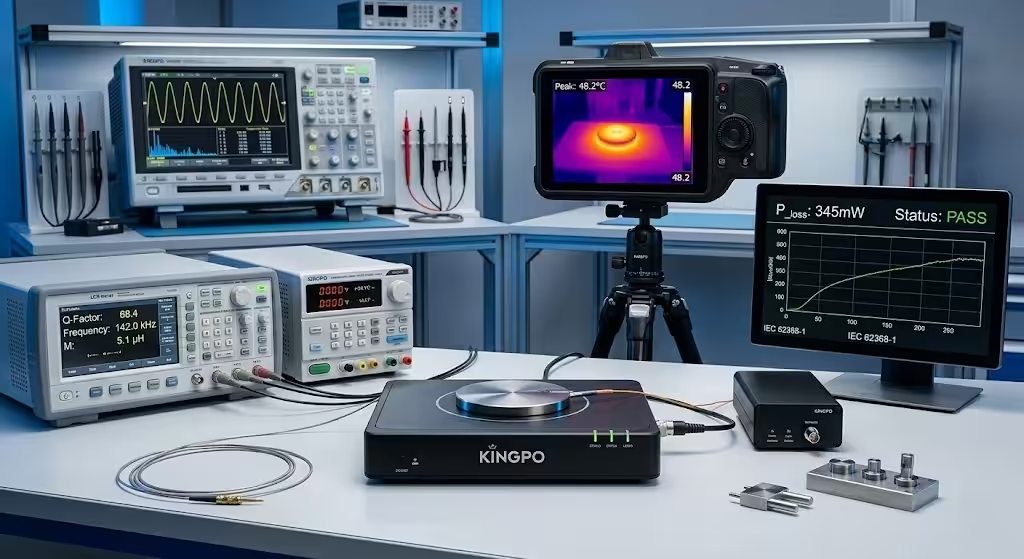
- High-precision infrared thermal camera or thermocouples (accuracy ±1°C, traceable calibration).
- Equipment Under Test (EUT): Wireless power transmitter with receiver or simulated load.
- Controlled ambient temperature (typically 23 ±5°C).
- Setup: Position the EUT on a non-magnetic surface at maximum transmit power.
3.2 Test Procedure (Clause 9.6.3 – Edition 4 Updates)
Edition 4 clarifies testing into Part A (power on first, then place foreign objects) and Part B (place foreign objects first, then power on), with coil alignment required.
- Align coils (transmitter and receiver centers aligned or assisted).
- Position foreign objects: Place in direct contact, at 2 mm distance, and at 5 mm distance (multiple cycles).
- Activate wireless power transfer: Operate at maximum power under normal charging simulation.
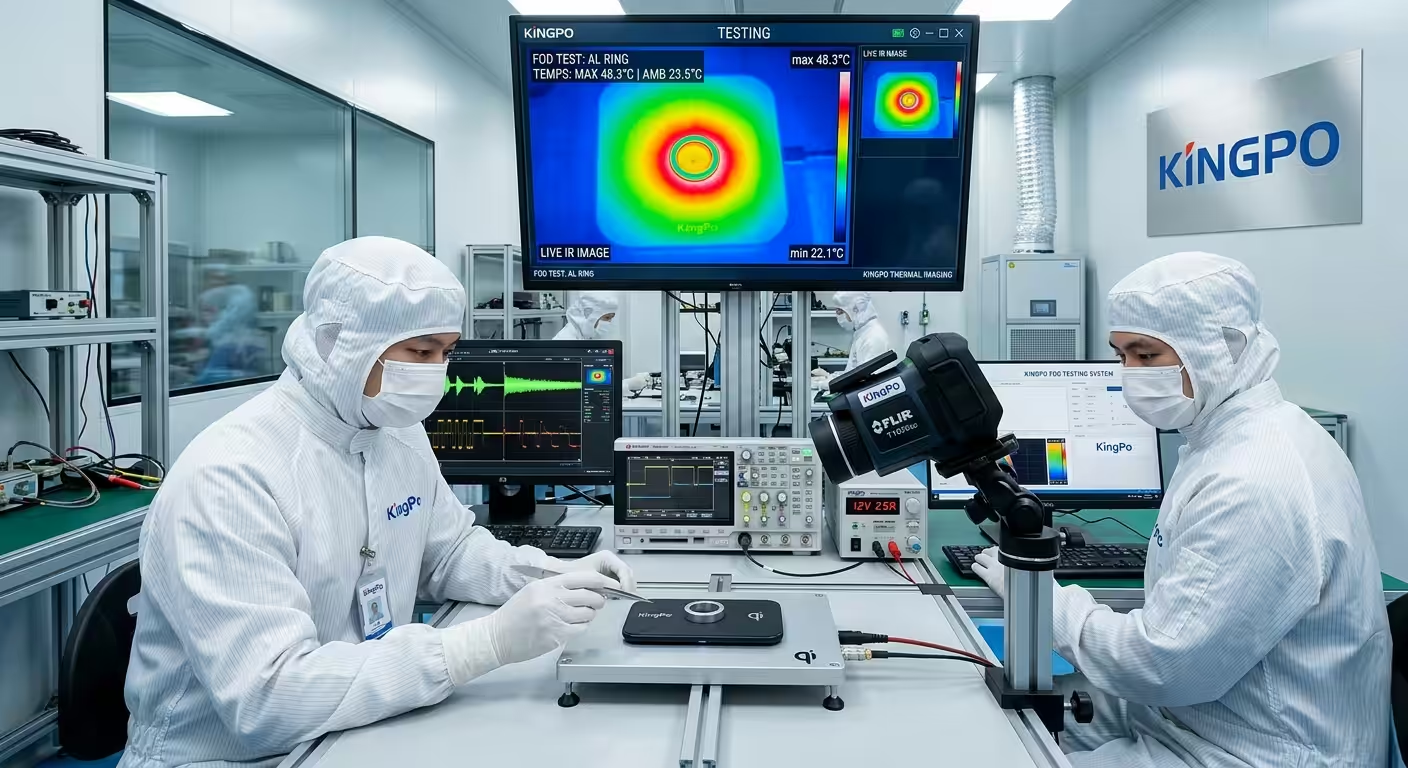
- Monitor temperature rise: Continuously record peak temperature of each foreign object using thermocouples or IR imaging (per Annex B methods).
- Compliance criteria: Foreign object temperatures must not exceed specified limits; safeguards must prevent hazardous heating.
- Test cycles: Conduct four rounds covering contact and distance scenarios; evaluate worst-case conditions.
- Abnormal conditions: Include single fault conditions (e.g., FOD function disabled) to verify safeguard robustness.
3.3 Calibration and Instrumentation
Calibrate temperature sensors (thermocouples/IR cameras) traceable to national standards. Verify transmit power consistency throughout testing.
4. Common Test Equipment from KingPo
KingPo provides compliant test solutions for IEC 62368-1 FOD testing, including:
- Aluminium Ring (Figure 50, Edition 4 compliant, 99.5% alloy, CNC precision ±0.05mm).
- Steel Disk & Aluminium Foil sets.
- Wireless Charging Foreign Object Temperature Rise Test Kit (full Clause 9.6.2 support).
These tools deliver repeatability, traceability, and fast lead times for labs and manufacturers.
5. Troubleshooting: Why FOD Test Results Fail
Common failure reasons include:
- Excessive temperature rise due to ineffective FOD algorithm (no timely power reduction or shutdown).
- Non-compliant test objects (deviating from specified dimensions/materials).
- Environmental interference (electromagnetic noise, improper placement).
- Safeguard weaknesses (firmware issues, hardware drift).
Solutions: Optimize detection thresholds, implement multi-layer safeguards (e.g., power loss + temperature monitoring), and re-validate under worst-case alignments.
6. Standard Updates and Evolution
IEC 62368-1 Edition 4 (2023) refines Clause 9.6 with clearer test scenarios (Part A/B), coil alignment mandates, and enhanced energy source classification / safeguard requirements. Always reference the latest edition for compliance, as updates strengthen thermal risk controls in evolving wireless technologies.
FAQ
- QUESTION: How to test FOD in IEC 62368-1?
- ANSWER: Perform FOD testing per Clause 9.6 using standardized metal objects (steel disk, aluminium ring, foil), monitor temperature rise in contact/2mm/5mm positions under max power, ensuring safeguards prevent excessive heating.
- QUESTION: What foreign objects are required for IEC 62368 FOD testing?
- ANSWER: Standard objects include steel disk, aluminium ring, and aluminium foil as defined in Clause 9.6.2 figures, simulating real-world metallic foreign objects.
- QUESTION: How to calibrate temperature instruments for FOD testing in IEC 62368?
- ANSWER: Calibrate thermocouples or IR cameras to national traceable standards with ±1°C accuracy; perform regular verification to meet IEC precision requirements.
- QUESTION: Why do FOD test results fail in IEC 62368?
- ANSWER: Failures often result from excessive temperature rise, ineffective safeguards, non-standard test objects, or environmental factors; optimize algorithms and retest.
- QUESTION: What are the latest updates to FOD requirements in IEC 62368-1?
- ANSWER: Edition 4 (2023) adds Part A/B test scenarios, coil alignment, and refined safeguard verification for improved consistency in wireless power transmitter testing.
- QUESTION: How does HBSE apply to FOD in IEC 62368? ANSWER: HBSE identifies wireless power as a thermal energy source, requires risk assessment, and validates FOD safeguards to prevent injury or fire.
- QUESTION: What temperature limits apply to foreign objects in IEC 62368 FOD tests?
- ANSWER: Limits vary by object (e.g., steel disk ~85°C, aluminium ring ~120°C, foil ~155°C), ensuring no hazardous rise beyond safe touch thresholds.
- QUESTION: Can KingPo equipment support IEC 62368 FOD calibration?
- ANSWER: Yes, KingPo supplies traceable calibration services and precision FOD reference objects for accurate, compliant testing.
- QUESTION: How to ensure full compliance with IEC 62368 wireless power FOD?
- ANSWER: Use KingPo test kits for multi-cycle temperature rise tests, document results, and verify safeguards under normal and fault conditions.
- QUESTION: Where to obtain professional IEC 62368 FOD testing equipment and support?
- ANSWER: Contact KingPo experts for comprehensive FOD test solutions, guidance, and certification assistance.