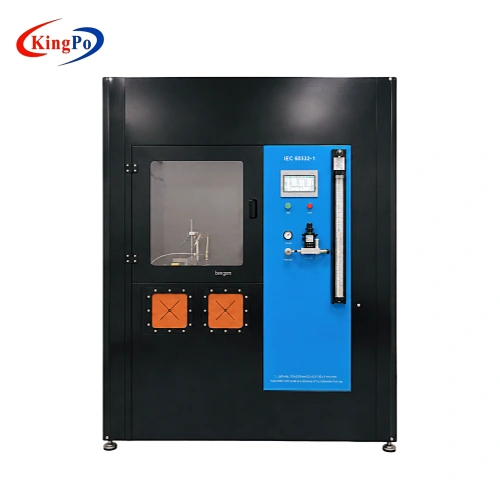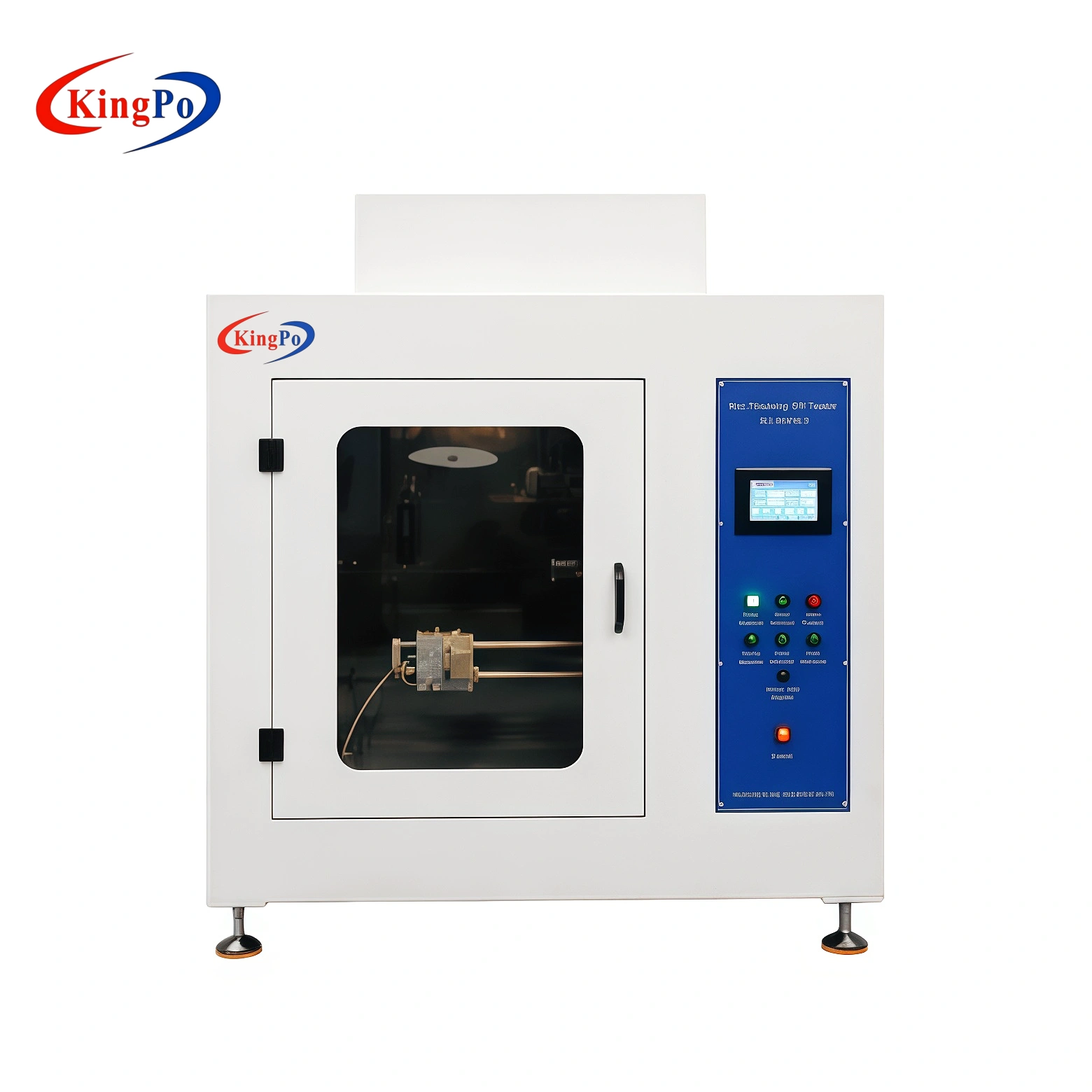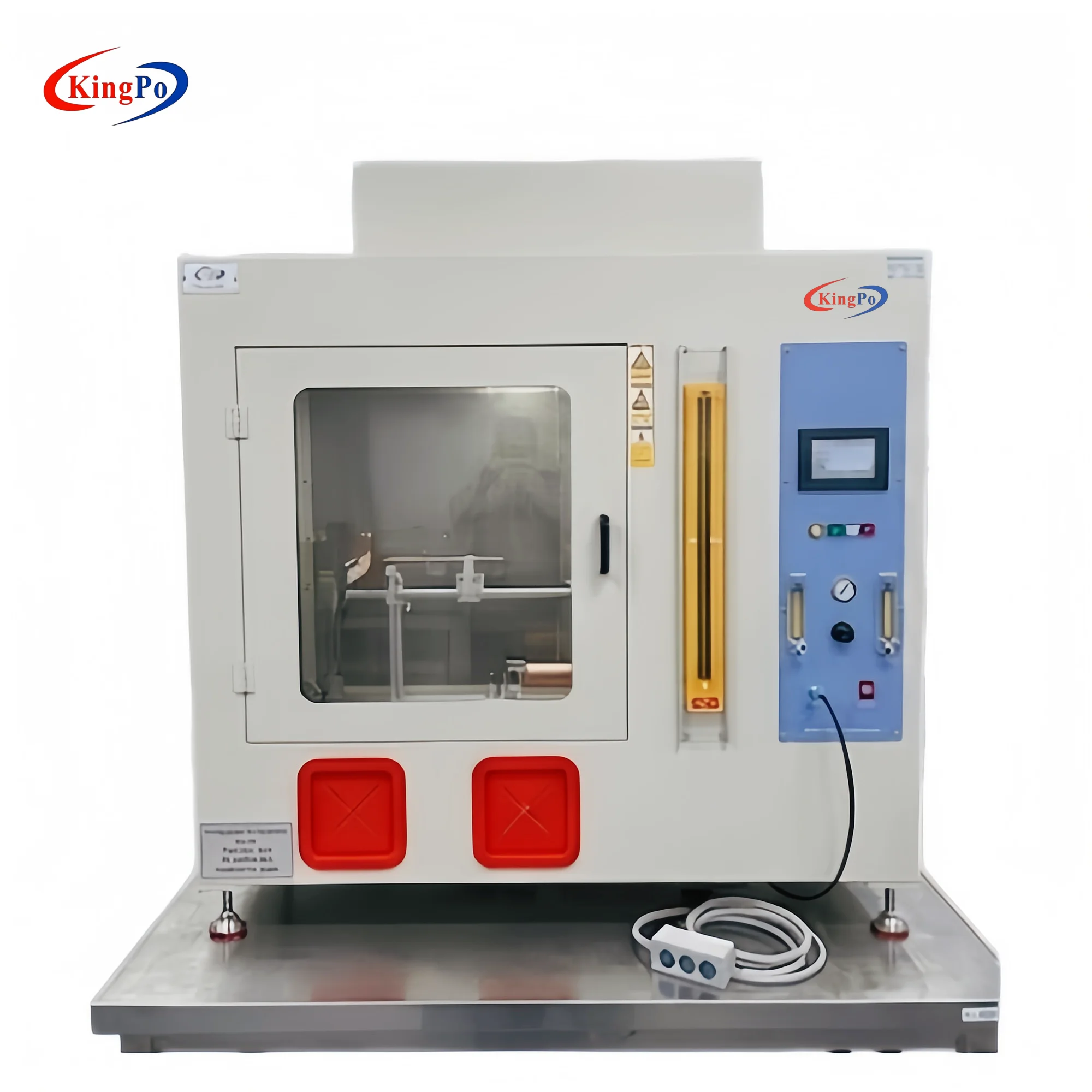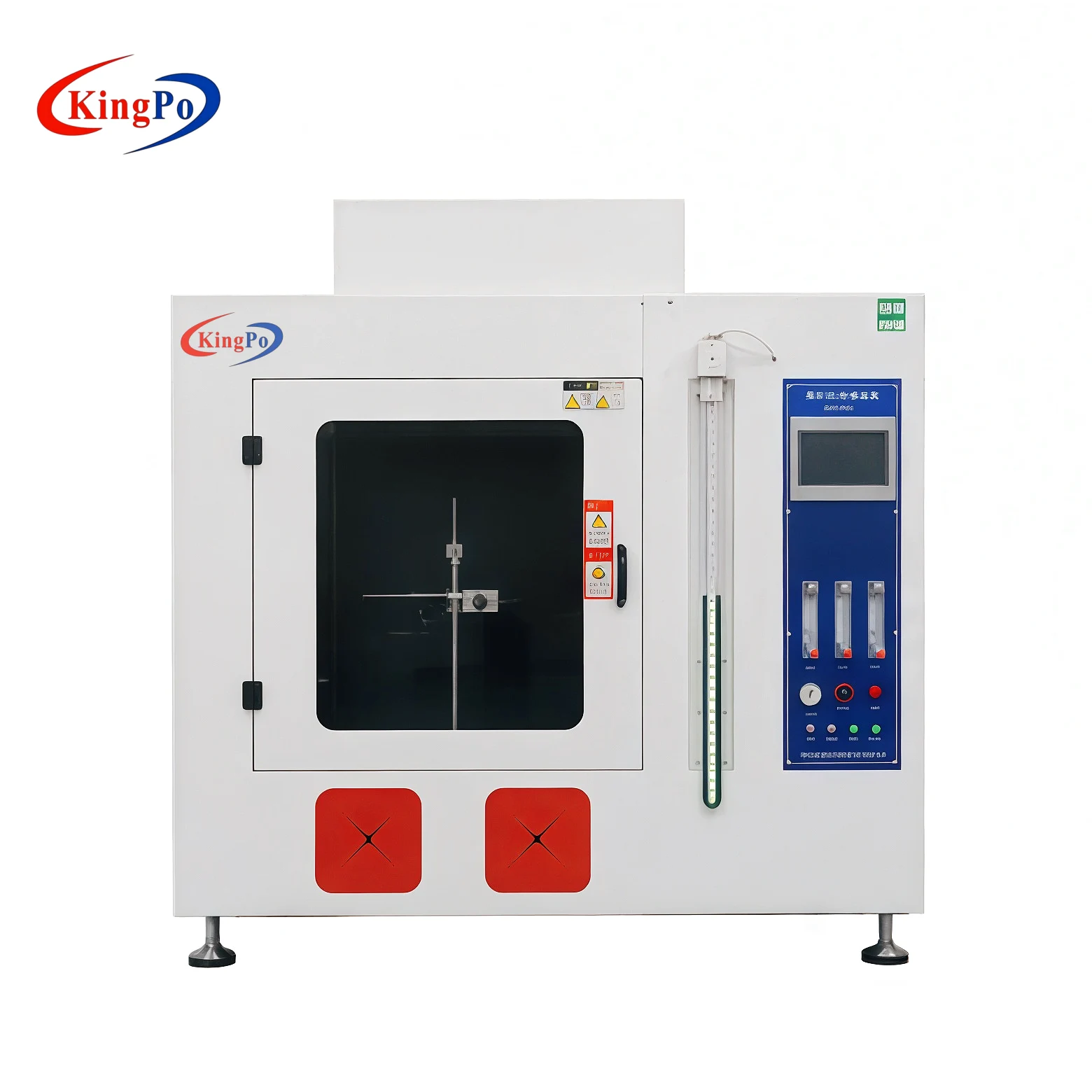
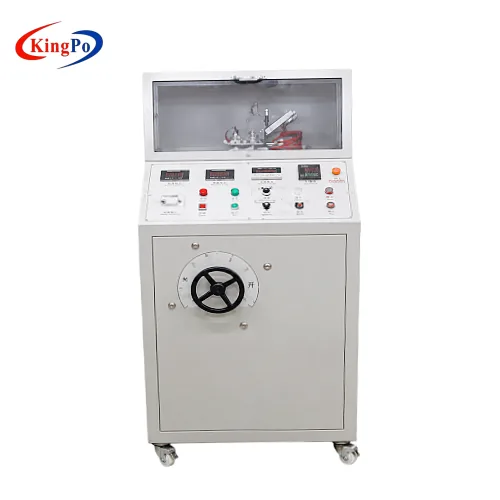
High Current Arc Ignition Test Equipment for Insulating Materials
The High Current Arc Ignition Tester is used to assess the ignition resistance of insulating materials when exposed to high current electrical arcs. The test applies repeated arcs between two electrodes in contact with the specimen to determine whether the material ignites under specified conditions.
This test method, commonly referred to as HAI testing, helps evaluate the fire hazard of insulating materials used in electrical equipment, supporting material development and product safety assessment where arc fault conditions may occur.
Technical Parameters
| Parameter | Specification | Remark or Notes |
|---|---|---|
| Applicable Standards | UL 746A; related IEC 60950-1, BS EN 60950-1, BS 7002, IEC 60947-1, IEC 730-1 | High current arc ignition testing |
| Arc Strike Current | 33A ± 5A | High current arc generation |
| Arc Strike Speed | 40 times/min | Arc application rate |
| Electrode Separation Velocity | 254 ± 25 mm/s | Controlled electrode movement |
| Arc Strike Times | 0–9999 (preset) | Programmable arc cycles |
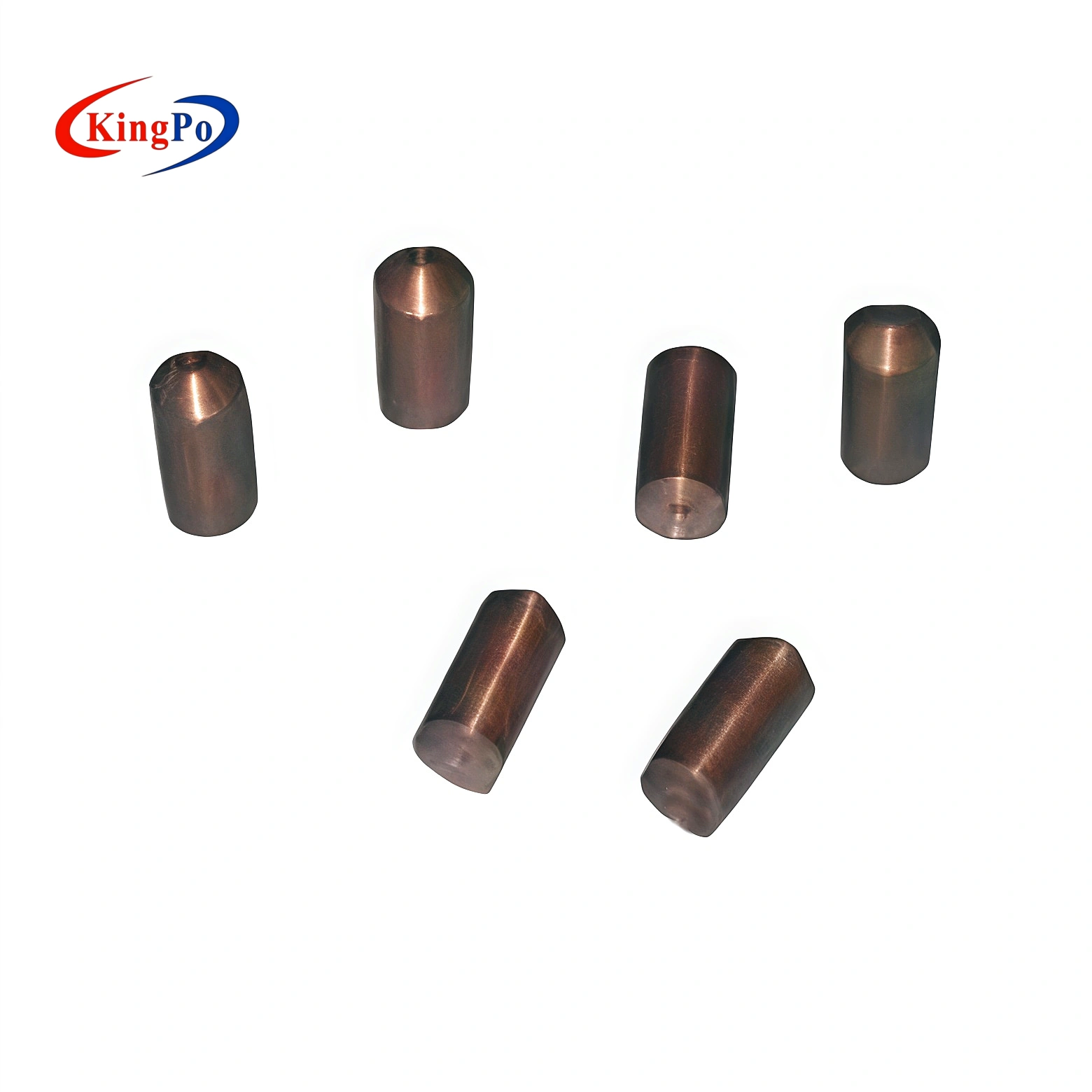
| Static Electrode | Copper, Φ3.5 mm, top bevel angle 30° | Fixed electrode |
| Moving Electrode | Stainless steel, Φ3.0 mm, top cone angle 60° | Moving electrode |
| Electrode Included Angle | 45° with horizontal level | Standard configuration |
| Dropping Liquid Interval | 30 ± 5 s (adjustable) | Optional liquid dropping function |
| Dropping Liquid Height | 35 ± 5 mm | Optional liquid dropping function |
| Dropping Liquid Size | 45–50 drops/cm³ | Optional liquid dropping function |
| Control System | Digital control with arc counting | Preset and automatic operation |
| Safety Features | Enclosed chamber with observation window | Operator protection |
| Power Supply | AC 220V / 50Hz, 1kVA | Subject to final configuration |
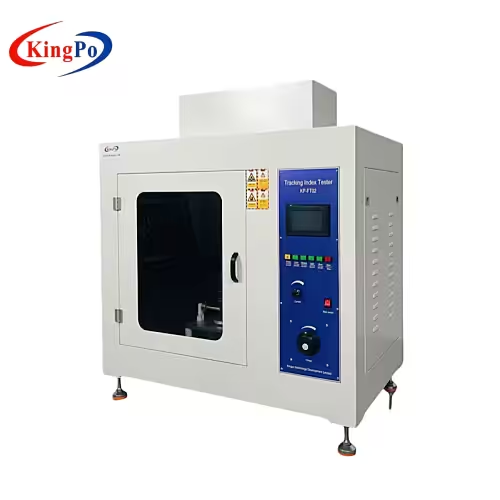
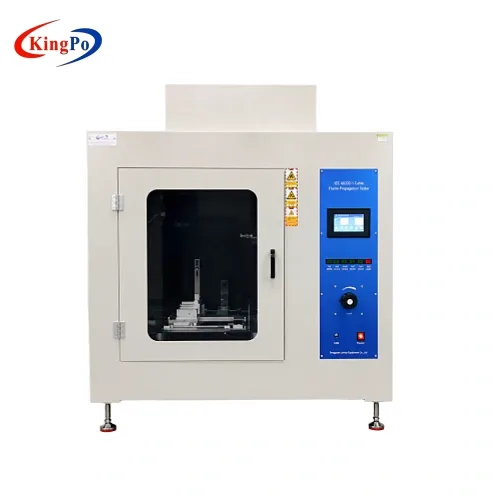
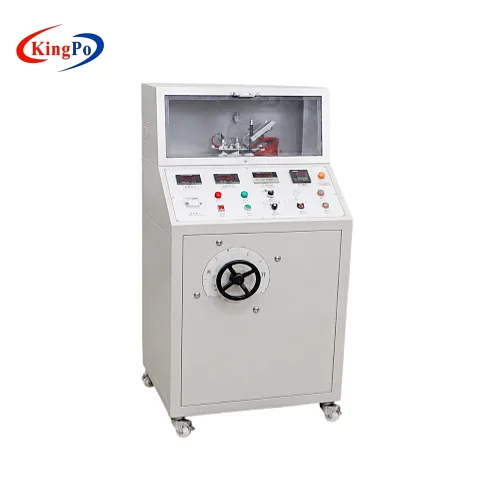
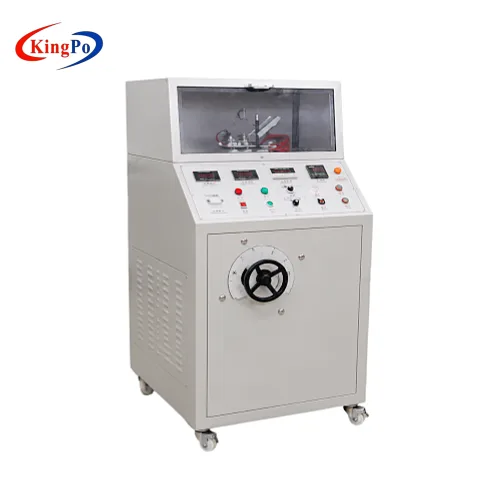
The High Current Arc Ignition Tester features a robust enclosed test chamber engineered for safe and consistent high current arc generation. The dual-electrode system consists of a copper static electrode and a stainless steel moving electrode, both manufactured to precise specifications to ensure stable arc formation and repeatable test results.
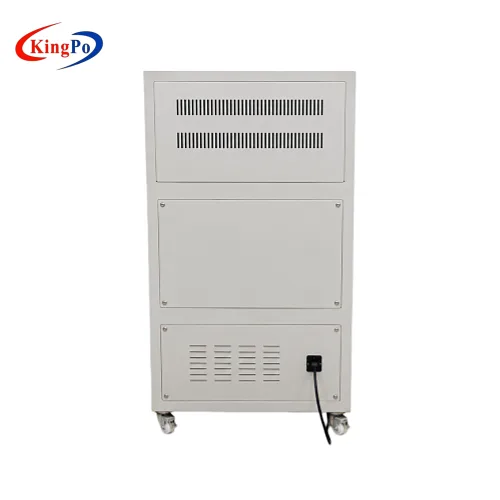
The equipment incorporates a digital control system that allows accurate programming of arc strike parameters, including the number of arcs and electrode separation velocity. A clear observation window enables operators to safely monitor ignition behavior throughout the test. The overall structural design prioritizes operational safety, ease of use, and long-term reliability in laboratory and quality control environments.
Testing Principle
The high current arc ignition test assesses the resistance of insulating materials to ignition when exposed to electrical arcs that may occur under fault conditions. During the test, two electrodes are placed in contact with the specimen, and a high current arc is initiated as the moving electrode separates from the static electrode at a controlled speed.
The test applies a predetermined number of arcs to the material and evaluates whether ignition occurs. Materials capable of withstanding a greater number of arc strikes without igniting exhibit superior high current arc ignition resistance. This characteristic is critical for evaluating the fire safety performance of insulating materials used in electrical and electronic equipment.
Common Error Mitigation
To achieve accurate and reliable high current arc ignition test results, the following practices are recommended:
- Ensure the test specimen is clean, flat, and correctly positioned between the electrodes before initiating the test.
- Confirm that the arc current and electrode separation velocity are set within the tolerances specified by the applicable standard.
- Program the appropriate number of arc strikes according to the test requirements and material specifications.
- Regularly inspect and clean the electrode tips to prevent inconsistent arc formation caused by oxidation or residue buildup.
- Conduct testing in a stable, draft-free environment to minimize external interference with arc behavior and ignition observation.
- Carefully monitor and document whether ignition occurs during or after the application of arcs.
- Strictly adhere to electrical safety protocols when operating equipment that generates high current arcs.
Primary Use Cases & Business Value
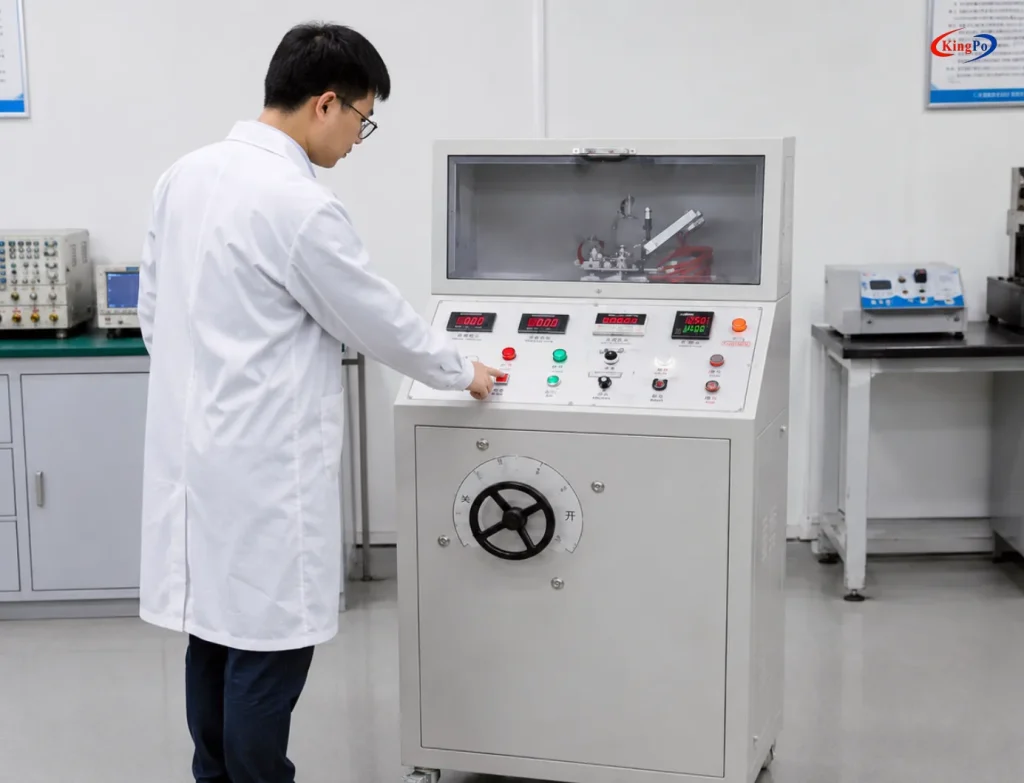
This High Current Arc Ignition Tester enables manufacturers and testing laboratories to evaluate the ignition resistance of insulating materials under high current arc conditions. It supports material qualification, product safety assessment, and compliance with relevant electrical equipment safety standards.
Industrial Applications & Lab Scenarios
- Insulating material manufacturers — High current arc ignition performance evaluation
- Electrical equipment manufacturers — Material safety qualification for components
- Testing laboratories — UL 746A and related HAI compliance testing
- Quality assurance departments — Routine material inspection and verification
- Research institutions — Development of arc-resistant insulating materials
Strategic Procurement Advantages & Global Support
- Precise high current arc generation with controlled electrode movement
- Programmable arc strike counting up to 9999 cycles
- Dual electrode system with specified materials and geometries
- Safe enclosed chamber design for laboratory use
- Technical support available for test setup and standard interpretation