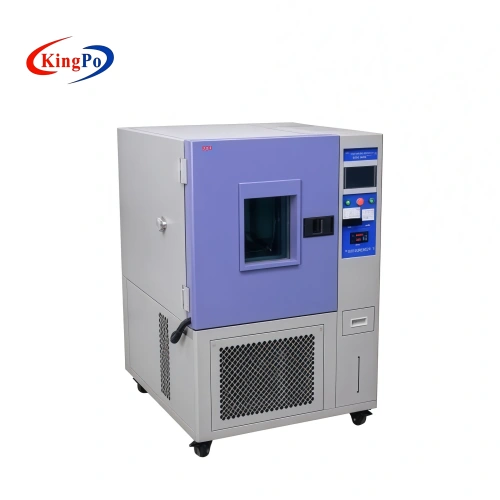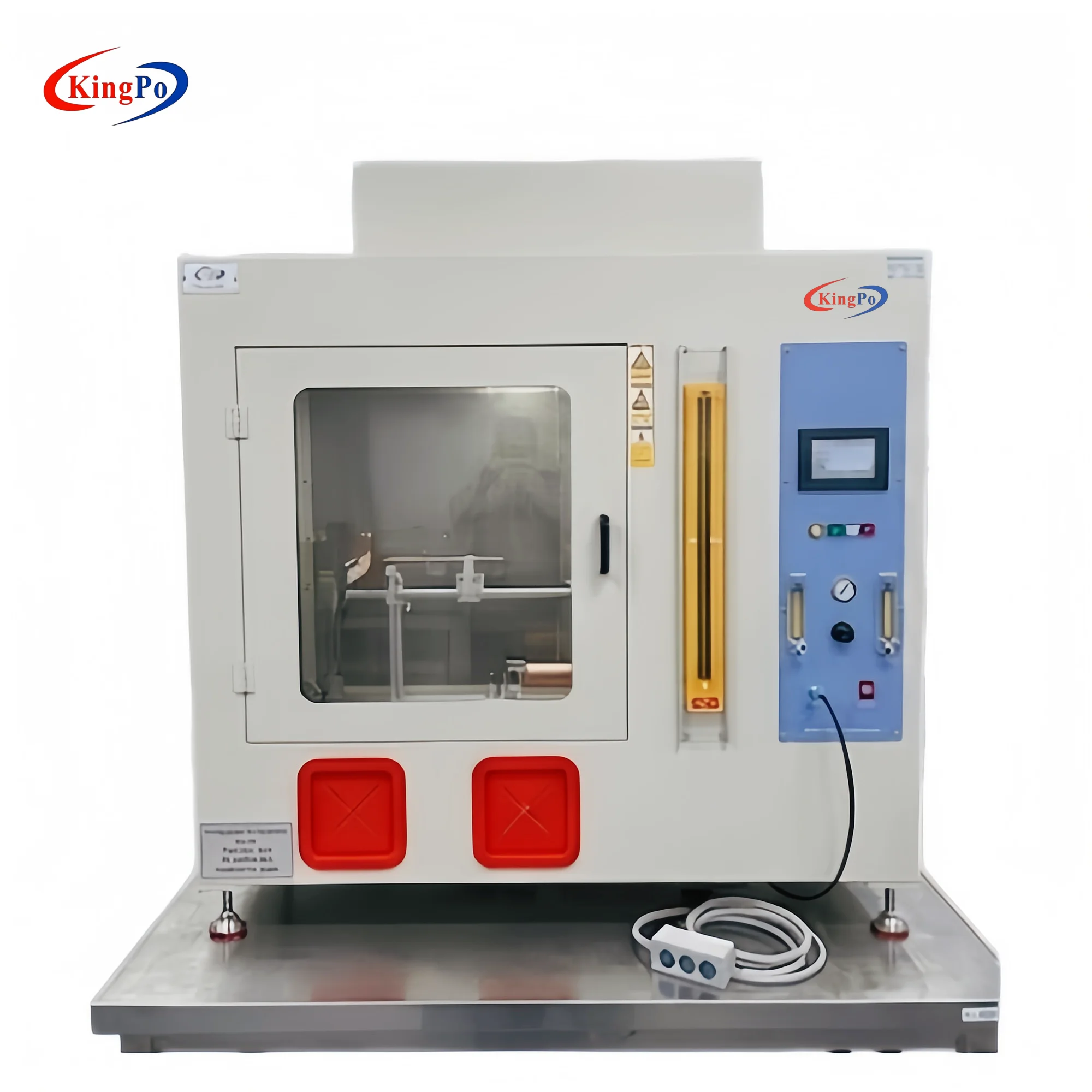
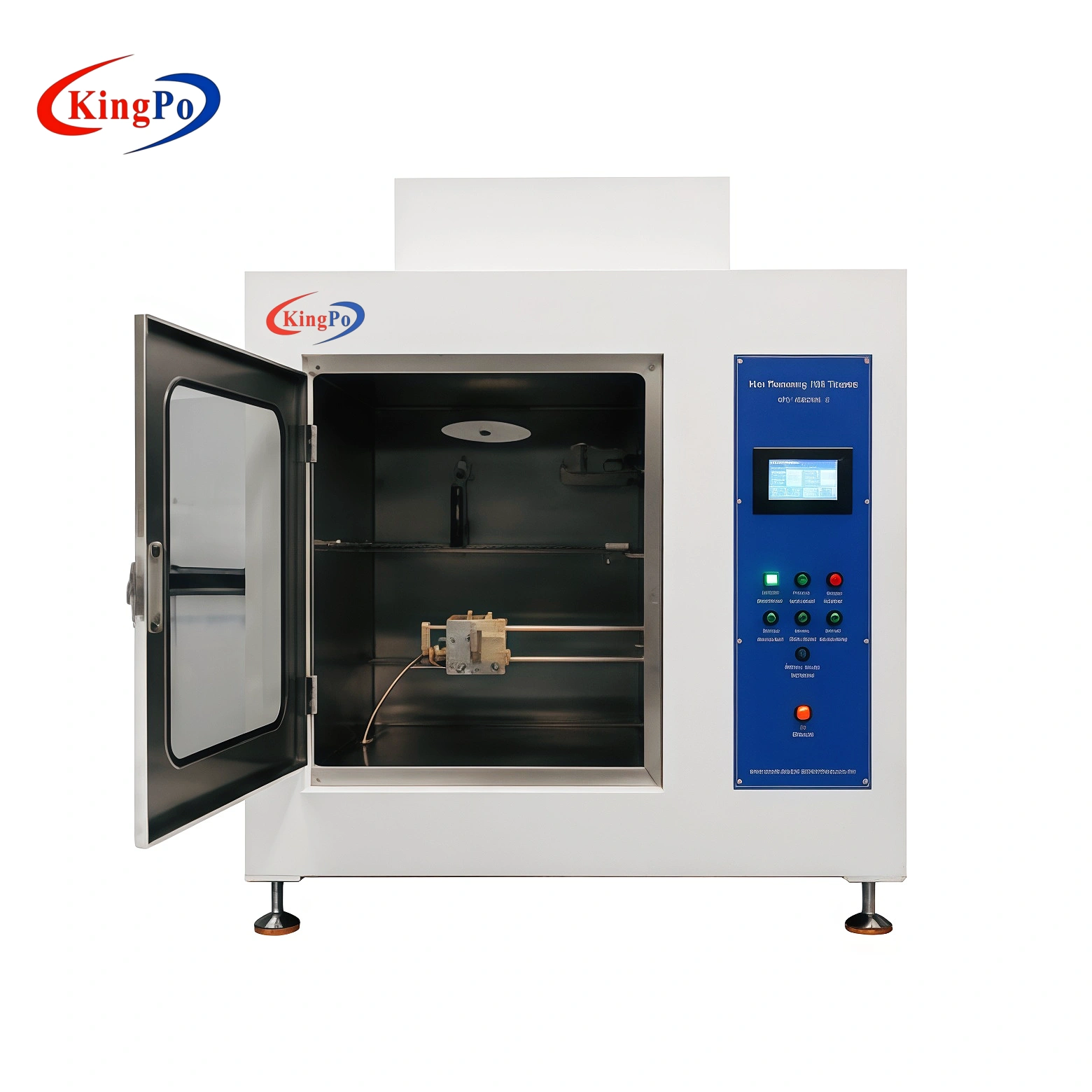
IEC 60695-2-20 Hot Wire Ignition Tester HWI Test Apparatus Overall View – KingPo
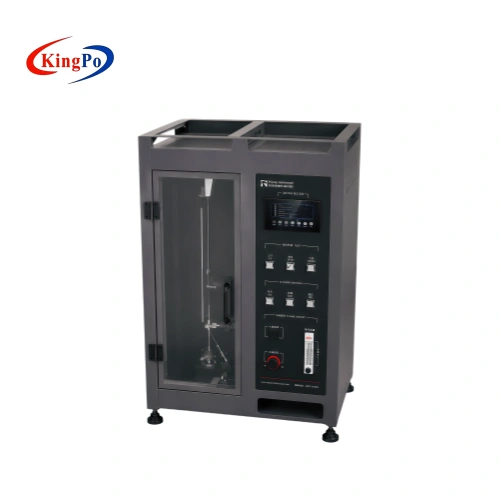
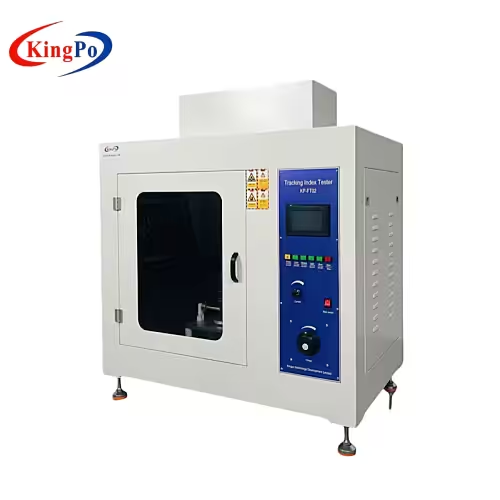
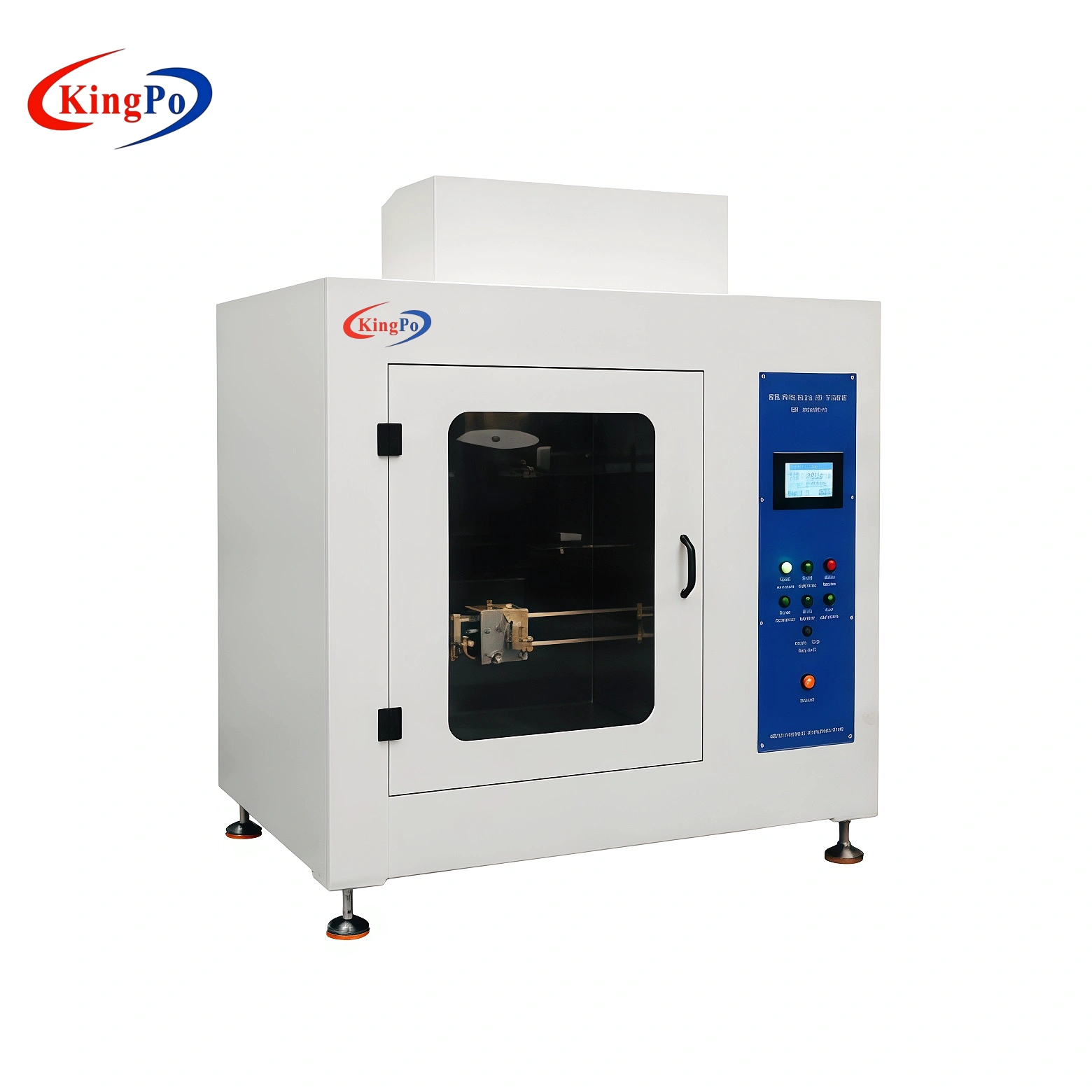
Test Chamber with Ventilation Hot Wire Ignition Tester IEC 60695-2-20 – KingPo
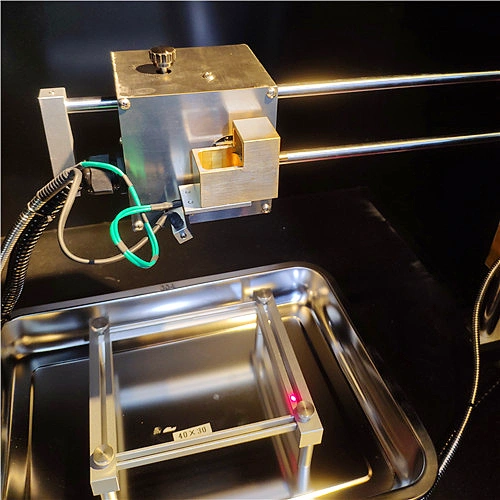
Ni/Cr Hot Wire Winding on Specimen Hot Wire Ignition Tester IEC 60695-2-20 – KingPo
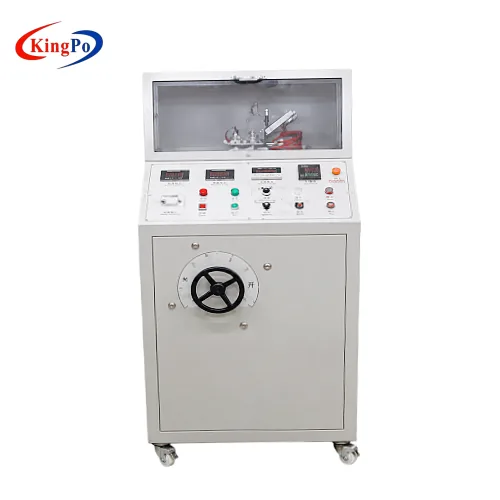
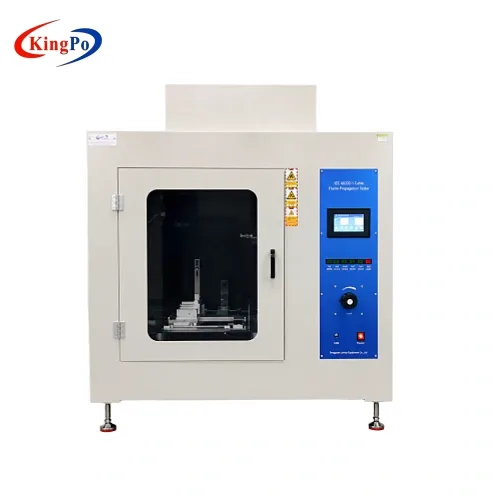
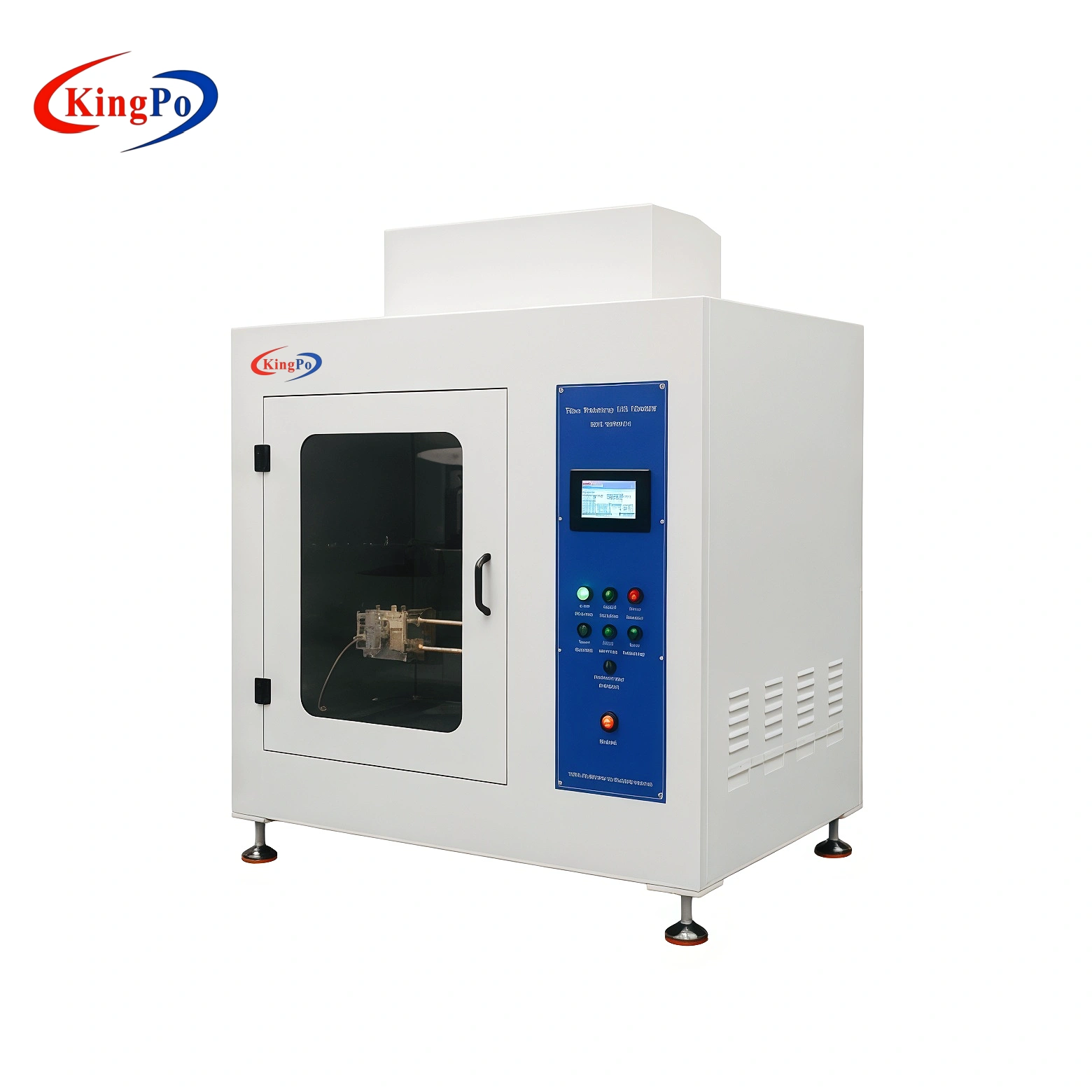
Power Density Control Panel of Hot Wire Ignition Tester IEC 60695-2-20 HWI – KingPo
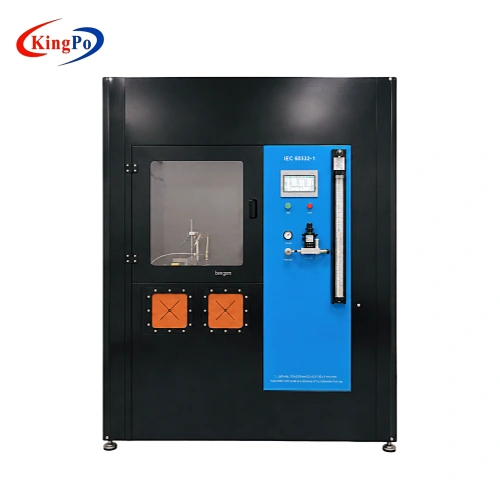
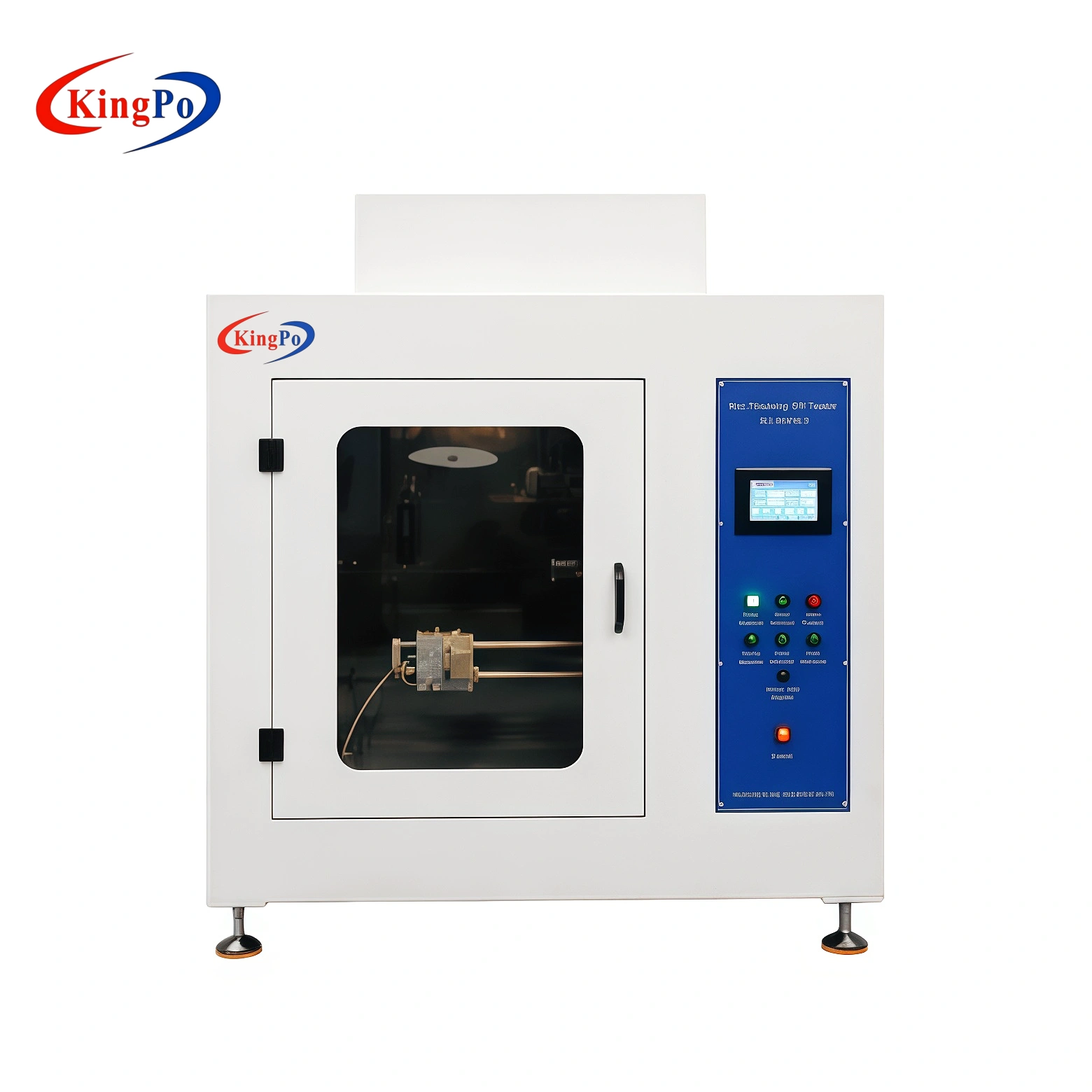
Specimen Setup for Hot Wire Ignition Test HWI Apparatus IEC 60695-2-20 – KingPo
IEC 60695-2-20 Hot Wire Ignition Tester HWI Test Apparatus Overall View – KingPo
Test Chamber with Ventilation Hot Wire Ignition Tester IEC 60695-2-20 – KingPo
Ni/Cr Hot Wire Winding on Specimen Hot Wire Ignition Tester IEC 60695-2-20 – KingPo
Power Density Control Panel of Hot Wire Ignition Tester IEC 60695-2-20 HWI – KingPo
Specimen Setup for Hot Wire Ignition Test HWI Apparatus IEC 60695-2-20 – KingPo

IEC 60695-2-20 Hot Wire Ignition Tester

The IEC 60695-2-20 Hot Wire Ignition Tester is used to evaluate the ignition resistance of solid insulating materials under hot-wire heating conditions. It is designed to support IEC TS 60695-2-20:2024 hot-wire ignition testing for electrical and electronic insulating materials.

  • Standards Support: Designed to support IEC TS 60695-2-20:2024 hot-wire ignition testing and related fire hazard assessment requirements
  • Hot Wire Material: Ni/Cr alloy wire
  • Wire Diameter: Φ0.5 mm ± 0.02 mm
  • Power Density: Adjustable according to test requirements
  • Winding Control: Precision winding mechanism with controlled tension
  • Heating Control: Adjustable current / power control for hot-wire heating
  • Heating Duration: Programmable with precise timing
  • Observation & Safety: Enclosed test area with clear viewing window for ignition monitoring
  • MOQ: 1 set
  • Delivery Time: 20–25 working days

Hot Wire Ignition Tester Description

IEC 60695-2-20 Hot Wire Ignition Tester for HWI Testing

The IEC 60695-2-20 Hot Wire Ignition Tester is used to assess the resistance of solid insulating materials to ignition from a heated wire. A nickel-chromium wire is wound around the test specimen and heated by passing an electric current through it under controlled power density conditions.

This test method helps evaluate the fire hazard of insulating materials used in electrical and electronic equipment. It supports material selection and product safety assessment by determining whether materials can resist ignition when in contact with a hot wire.

Technical Parameters

Parameter Specification Remark or Notes
Applicable Standard IEC TS 60695-2-20:2024 Hot Wire Ignition / HWI test method
Test Material Solid insulating materials Plastics, composites, and electrical insulating materials
Hot Wire Material Ni/Cr alloy wire Standard hot-wire test material
Wire Diameter Φ0.5 mm ± 0.02 mm Precision winding required
Power Density Adjustable according to test requirements Subject to equipment configuration and test method requirements
Winding Control Precision winding mechanism Controlled tension and number of turns
Heating Control Adjustable current / power control For hot-wire heating
Heating Duration Programmable Precise timing control
Observation Clear viewing window For ignition behavior monitoring
Safety Design Enclosed test area Operator protection
Power Supply AC 220 V / 50 Hz Customizable upon request


Professional Construction & Technical Precision

The Hot Wire Ignition Tester features a precision winding system and stable power control to ensure consistent test conditions. The nickel-chromium wire is wound onto the specimen with controlled tension, while the heating power is accurately adjusted according to test requirements.

The equipment includes a stable current source and programmable timing system, allowing repeatable application of heating conditions. The enclosed test area with a clear viewing window enables safe and effective monitoring of ignition behavior during testing.
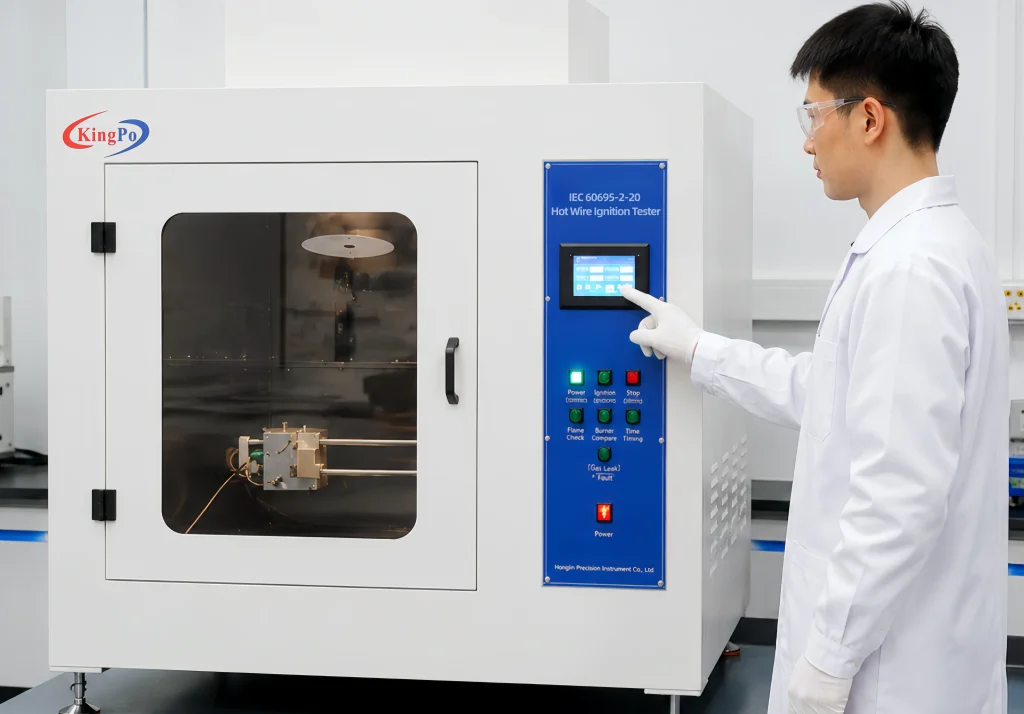
Hot Wire Ignition Tester used in a laboratory for fire hazard evaluation of insulating materials

Testing Principle

The hot-wire ignition test is used to evaluate the ignition resistance of solid insulating materials when they are exposed to localized heating from an electrically heated wire. During the test, a nickel-chromium wire is wound around the specimen with controlled tension and positioning. An electric current is then applied to the wire to generate a defined heating condition or power density.

The test observes whether ignition occurs within the specified test duration. By controlling parameters such as wire material, wire diameter, winding condition, heating power, and exposure time, the method provides a repeatable way to assess how insulating materials behave under hot-wire contact conditions. Materials with better hot-wire ignition resistance help reduce potential fire hazards in electrical and electronic products where overheating or current-carrying parts may contact polymer insulation.

Common Error Mitigation

To obtain accurate and repeatable hot-wire ignition test results, attention should be paid to specimen preparation, wire winding, power control, and result judgment.

  • Prepare specimens according to the required dimensions, conditioning, and surface requirements before testing.
  • Ensure the nickel-chromium wire is wound with consistent tension, correct spacing, and the required number of turns.
  • Avoid using damaged, oxidized, or contaminated wire, as this may affect heat transfer and ignition behavior.
  • Verify that the applied current, voltage, or power density is stable before starting the test.
  • Maintain consistent heating duration and timing accuracy during each test cycle.
  • Keep the test environment stable and free from airflow that may influence ignition or flame behavior.
  • Use clearly defined ignition criteria and record ignition time, non-ignition, melting, glowing, or other material responses consistently.
  • Regularly check the winding mechanism, current/power control system, timing device, and observation area.
  • Follow the applicable parameters specified in IEC TS 60695-2-20 and confirm the equipment configuration before formal testing.

Applications & Use Cases

The Hot Wire Ignition Tester is used by electrical product manufacturers, insulating material suppliers, testing laboratories, and certification bodies to evaluate the ignition resistance of solid insulating materials under hot-wire heating conditions. It supports material selection, quality control, product safety assessment, and comparative fire hazard evaluation for plastics, composites, enclosures, and insulation parts used in electrical and electronic equipment.

Key Advantages

The system provides controlled hot-wire winding, adjustable heating power, precise timing, and clear ignition observation. Its stable current / power control, enclosed test area, and repeatable winding setup help laboratories obtain reliable HWI test results while improving operator safety during material ignition evaluation.

 Quality & Compliance Support

KingPo operates under ISO 9001, ISO 14001, and ISO 45001 certified management systems. Product-related CE, RoHS, PSE, SGS documentation, and test reports can be provided according to the applicable equipment configuration and customer requirements.
Compliance & Regulatory Assurance

This tester is designed to support hot-wire ignition testing requirements specified in IEC TS 60695-2-20:2024. It helps manufacturers and laboratories evaluate the ignition resistance of solid insulating materials under controlled hot-wire conditions.

Calibration & Verification Support

  • Factory verification of the winding mechanism and power control system is provided.
  • Regular verification of wire condition, current accuracy, and timing functions is recommended.
  • Third-party calibration support for associated measurement systems can be discussed upon request.

Technical Inquiry & Expert Support

KingPo offers IEC 60695-2-20 Hot Wire Ignition Testers for evaluating the hot-wire ignition resistance of insulating materials. Our engineering team can provide guidance on equipment configuration and test procedures. For technical specifications or quotations, please contact us.

The Core Value We Deliver

  • Precise hot-wire winding and adjustable heating control for repeatable HWI testing
  • Designed to support IEC TS 60695-2-20:2024 hot-wire ignition test requirements
  • Stable and safe testing environment
  • Professional technical support for hot-wire ignition evaluation

Related Same Model Videos

Hot Wire Ignition Tester Details

IEC 60695-2-20 Hot Wire Ignition Tester FAQs

What is an IEC 60695-2-20 Hot Wire Ignition Tester used for?
The IEC 60695-2-20 Hot Wire Ignition Tester is used to evaluate the ignition resistance of solid insulating materials when exposed to localized heating from an electrically heated wire. It helps determine whether plastic, composite, or electrical insulating materials are likely to ignite under hot-wire contact conditions.
Which standard does the Hot Wire Ignition Tester support?
The tester is designed to support hot-wire ignition testing according to IEC TS 60695-2-20:2024. It can also support related fire hazard assessment requirements for electrical and electronic products where hot-wire ignition resistance of insulating materials is evaluated.
What materials can be tested with this HWI Tester?
The HWI Tester is mainly used for solid insulating materials, including plastics, polymer composites, electrical insulation parts, housings, enclosures, and other non-metallic materials used in electrical and electronic equipment. The specimen preparation and test conditions should follow the applicable standard requirements.
How does the hot-wire ignition test work?
During the test, a nickel-chromium wire is wound around the specimen with controlled tension and positioning. Electric current is applied to the wire to generate a controlled heating condition. The test then observes whether the material ignites within the specified test duration under the applied hot-wire exposure.
What is the difference between Hot Wire Ignition testing and High Current Arc Ignition testing?
Hot Wire Ignition testing evaluates ignition caused by localized heating from an electrically heated wire in contact with the material. High Current Arc Ignition testing evaluates ignition caused by repeated electrical arc exposure. The two methods assess different fire hazard mechanisms and require different test equipment.
What are the key parameters that affect HWI test repeatability?
Important parameters include the hot wire material, wire diameter, winding tension, number of turns, spacing between wire turns, applied current or heating power, power density, heating duration, specimen condition, and ambient airflow. Stable control of these factors is essential for repeatable test results.
What type of wire is used in the Hot Wire Ignition Tester?
The tester uses a nickel-chromium alloy wire, commonly specified as Ni/Cr hot wire. The wire diameter is typically controlled according to the test method, and the wire condition should be checked regularly to avoid oxidation, contamination, or deformation that may affect heat transfer.
How should specimens be prepared before HWI testing?
Specimens should be prepared according to the required dimensions, conditioning, and surface requirements specified by the applicable test method. Before testing, the specimen should be clean, properly positioned, and suitable for consistent wire winding. Poor specimen preparation can lead to unstable ignition behavior or inconsistent results.
What results are recorded during the hot-wire ignition test?
The main result is whether ignition occurs within the specified test duration. Depending on the test procedure, operators may also record ignition time, non-ignition, melting, glowing, charring, deformation, or other visible material responses. Clear and consistent ignition criteria should be defined before formal testing.
How should the Hot Wire Ignition Tester be maintained or verified?
Regular checks should be performed on the winding mechanism, wire condition, current or power control system, timing device, and observation area. The power control and timing functions should be verified periodically to maintain stable test conditions. The test chamber should also be kept clean and free from contamination that may affect ignition observation.

Related Products

Related News

Application and Technical Analysis of Glow Wire Test Apparatus in Flame Retardancy Performance Testi for electrical and electronic products and plastics.

KingPo Eurofins IEC 60335 Test Equipment Delivered to Finland Espoo, Finland — Jun 2023 —A complete set of high-precision IEC 60335 […]

Water Heater Performance Tester checks IEC 60335 compliance by measuring safety, performance, and reliability for electric storage water heaters.

Abstract The IEC 60332-1-2 Cable Flammability Test serves as a critical benchmark for evaluating the fire safety integrity of modern […]

Meet UL94 and IEC standards with the horizontal vertical flame tester. Follow step-by-step testing and compliance procedures for reliable fire safety results.

Introduction: The Hidden Threat in Your Devices Every year, thousands of residential and industrial fires are traced back to a […]

I see the glow wire test as a critical step in ensuring electrical product safety. When I use the glow […]

In the realm of electrical safety, where materials must endure potential fire risks, the Kingpo KP-FT01 Glow Wire Tester emerges […]

Scroll to Top

Get A Free Quote Now !

Contact Form
If you have any questions, please do not hesitate to contact us.