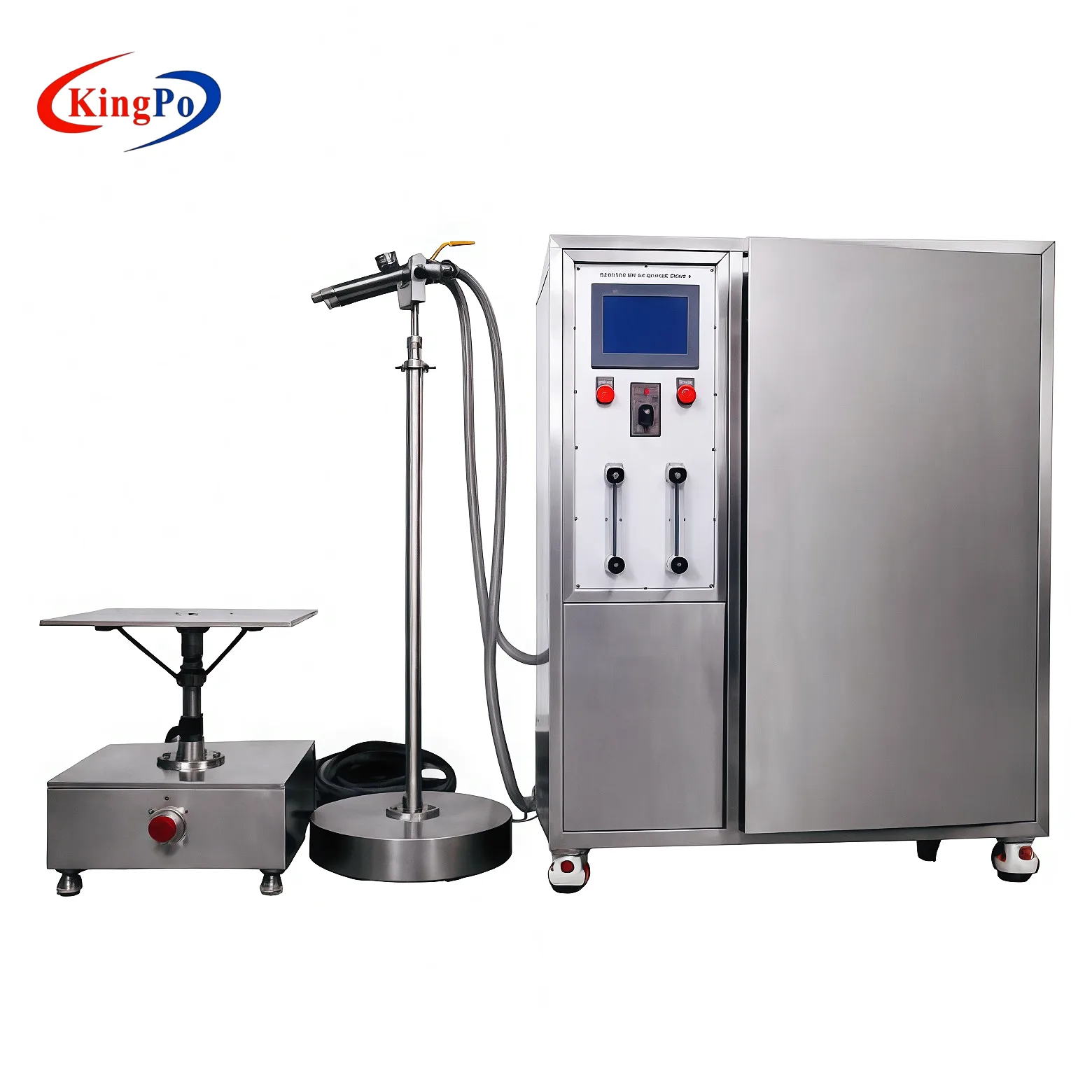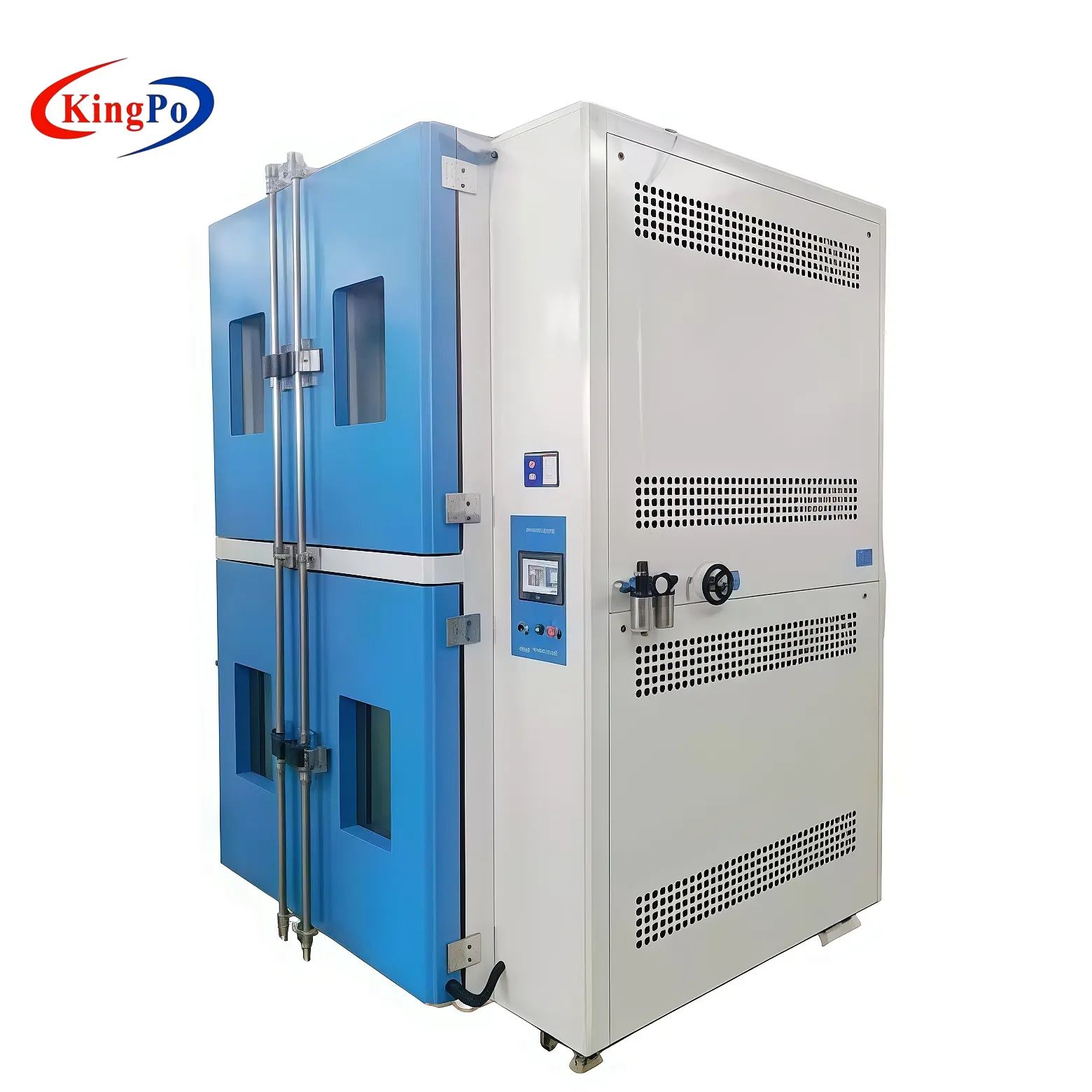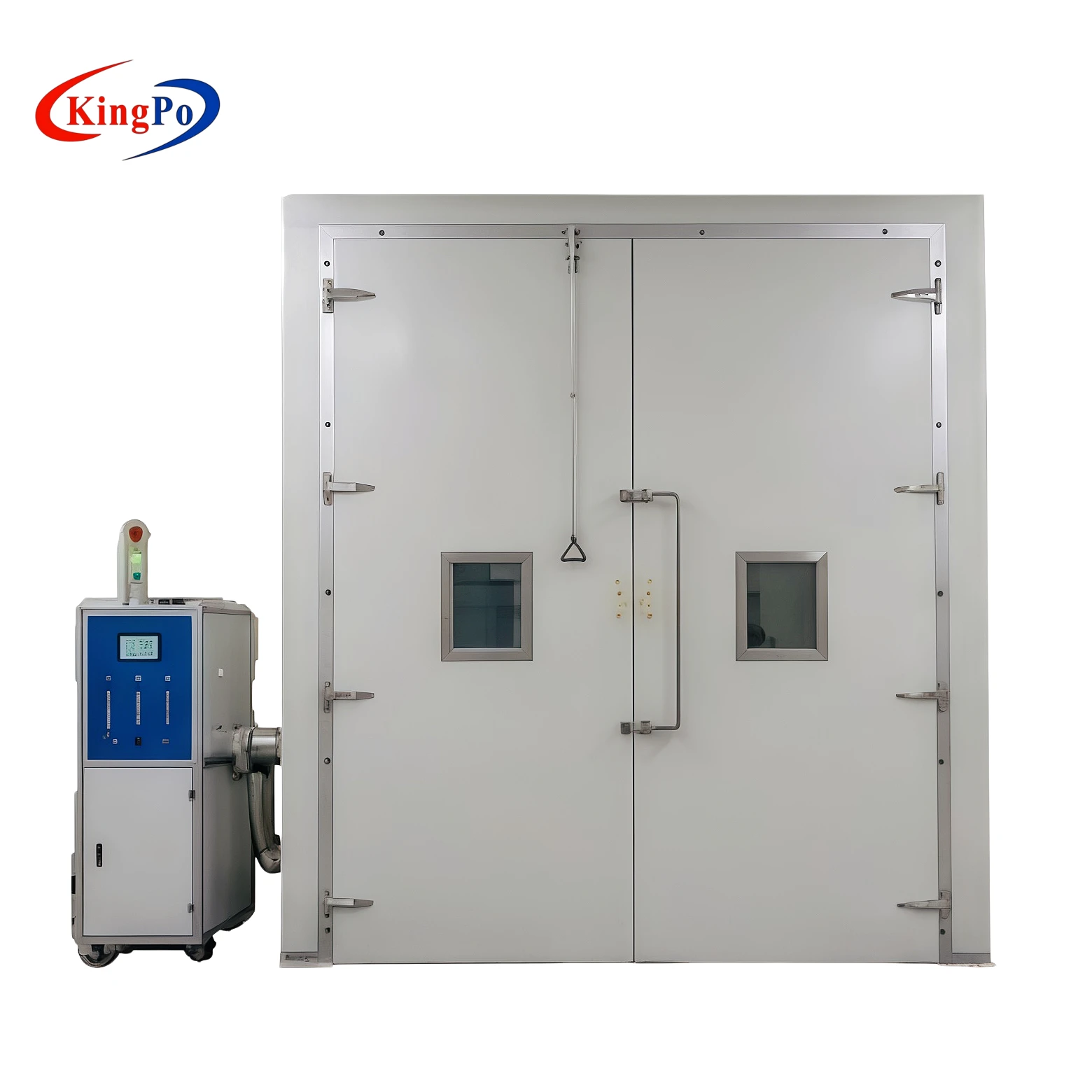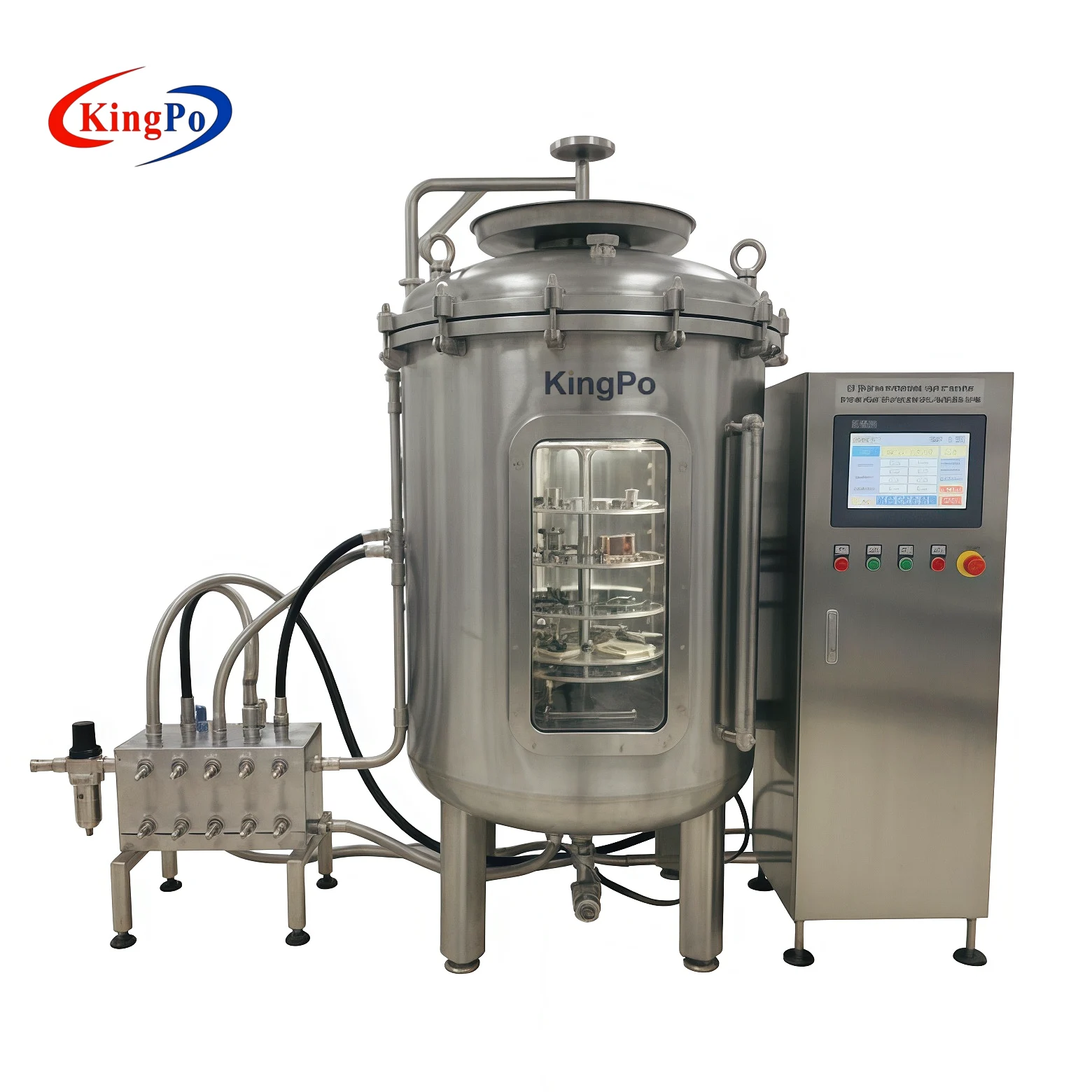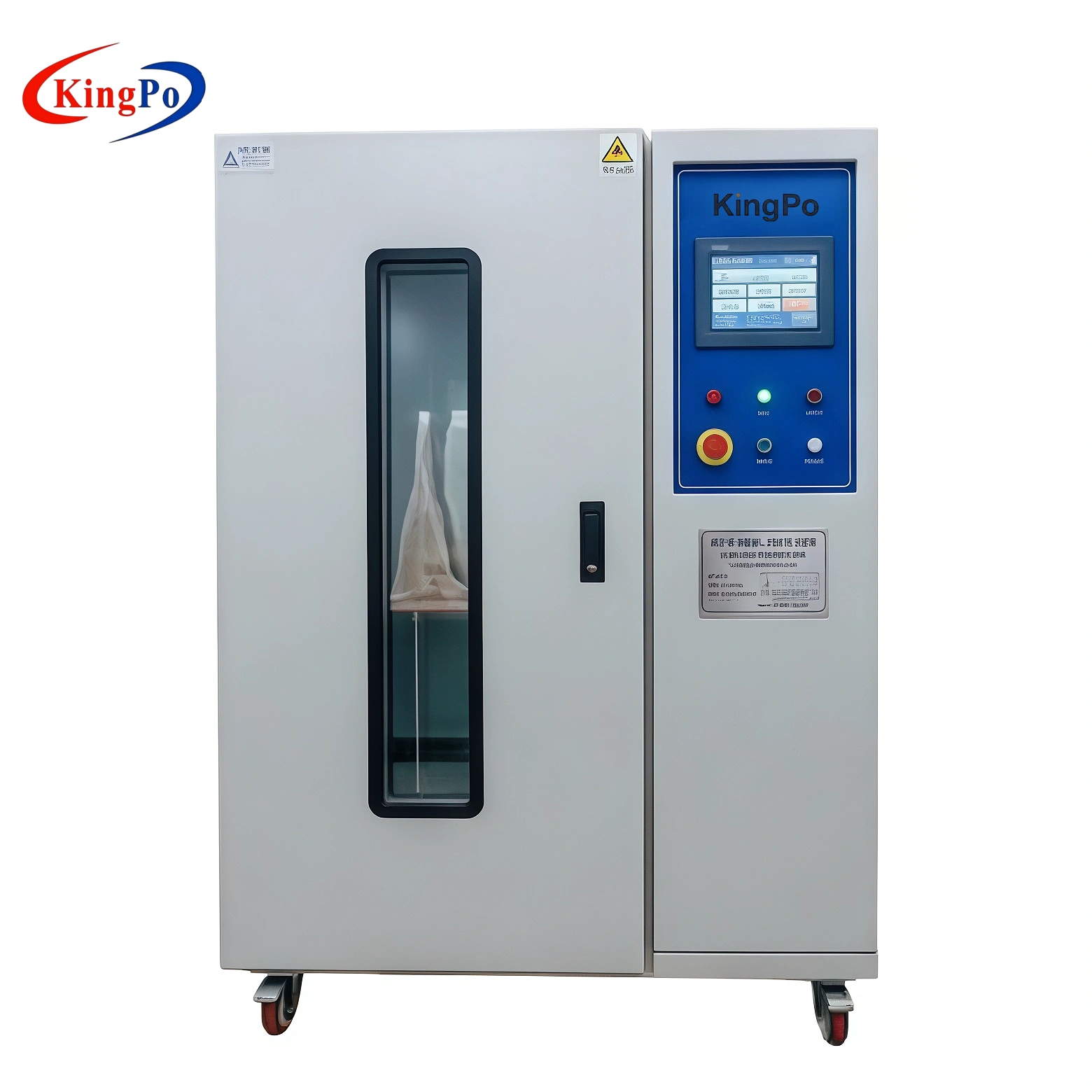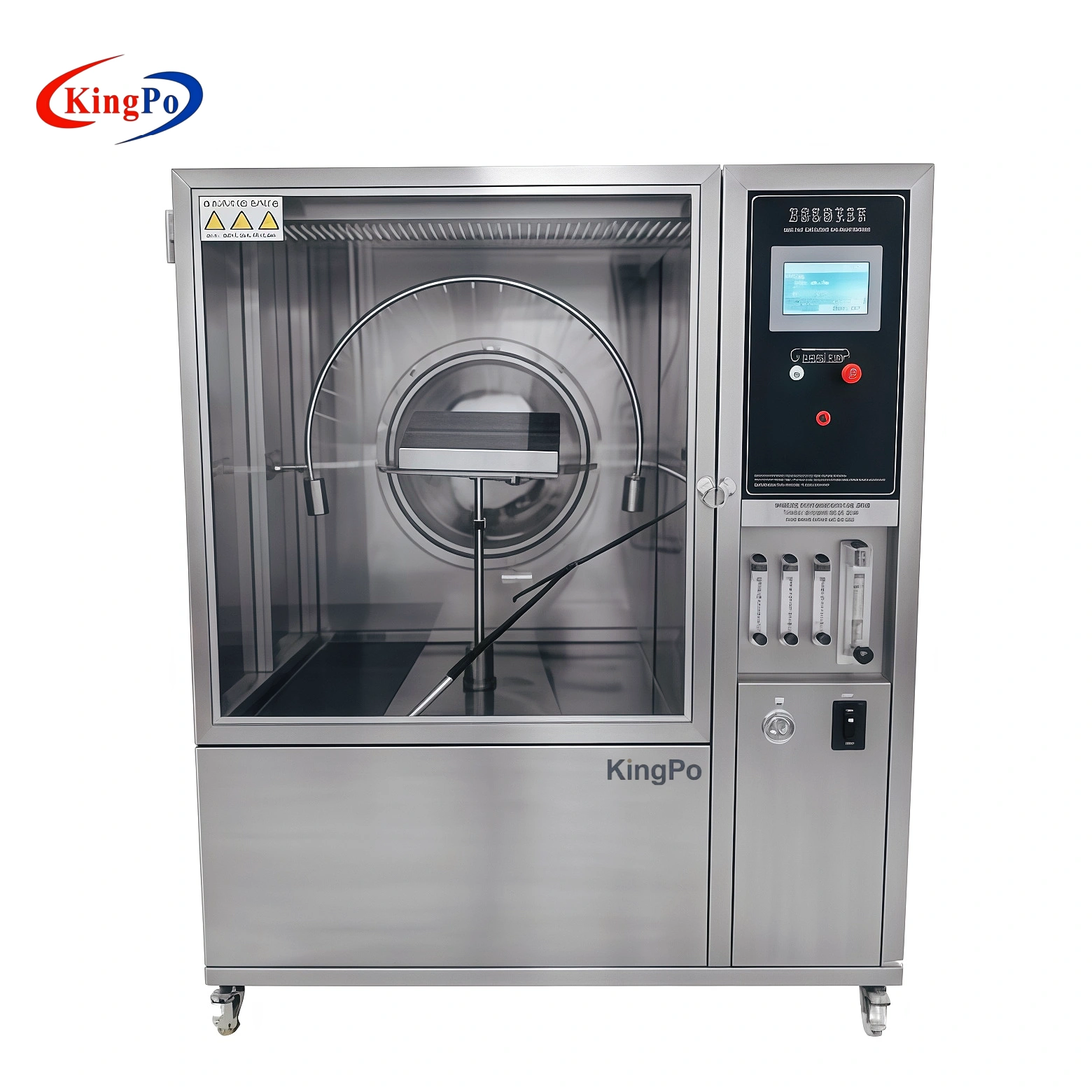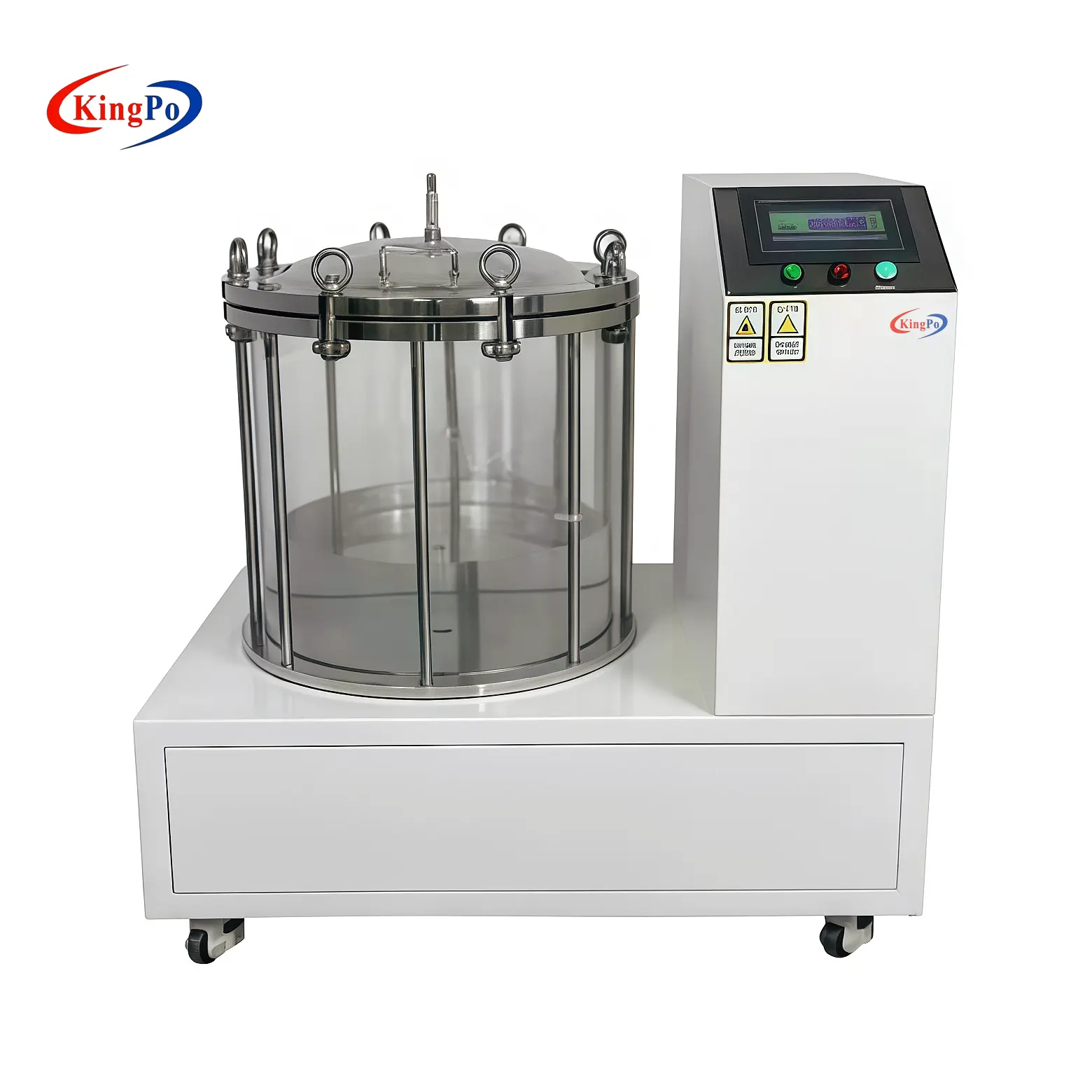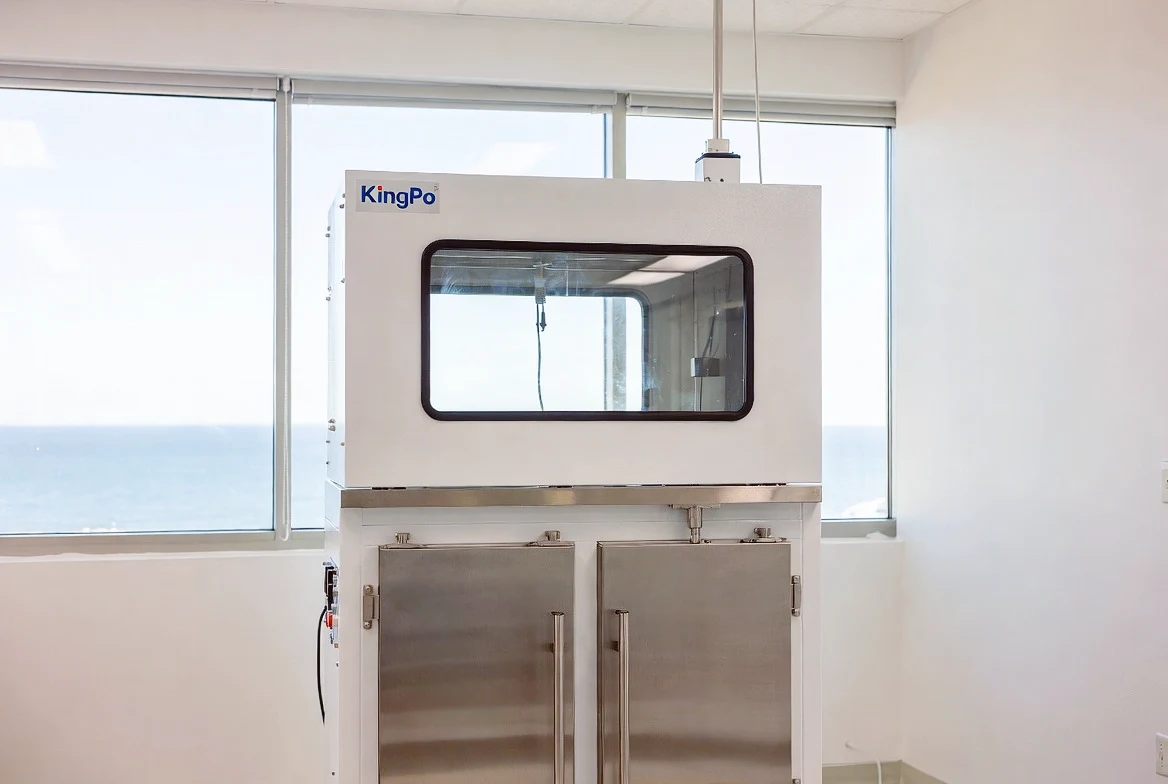
You should think about three main things when picking ipx8 water immersion test equipment. These are compliance, reliability, and matching features to what you need. Compliance with standards like IEC 60529 makes sure your products have the right ipx8 waterproof grade. The table below explains why these standards are important:
|
Standard |
Description |
|---|---|
|
IEC 60529 |
Shows the ipx8 waterproof grade. It makes sure products work at certain water depths. |
Modern test chambers have features for every water immersion test need. Always make sure the chamber’s abilities fit your use.
Key Takeaways
- Ensure compliance with international standards such as IEC 60529 to achieve accurate IPX waterproof ratings for your products.
- Select a test chamber with appropriate capacity and configuration to support precise water resistance evaluation.
- Utilize chambers capable of simulating required pressure and submersion depth to replicate real-world operating conditions.
- Prioritize models equipped with comprehensive safety features and relevant certifications to maintain testing integrity and personnel safety.
- Implement regular maintenance schedules and operator training programs to ensure consistent, reliable results and extend equipment service life.
Key Factors for IPX8 Water Immersion Test
Application Needs
Think about what you need before picking test equipment. Different industries use water ingress testing for different reasons. Research and development teams check water resistance and look for design problems. They also try to make products stronger. Quality control teams use test chambers to inspect products. They make sure products meet waterproof standards. Some industries need higher levels of water resistance. These include marine electronics and diving equipment.
Here is a table that shows how different industries use ipx8 water ingress testing:
|
Industry/Application |
Purpose of IPX8 Testing |
|---|---|
|
R&D Departments |
Verify waterproof performance, identify design defects, optimize structures, improve reliability. |
|
Quality Control |
Random inspection of products to ensure compliance with waterproof standards, reduce market complaints. |
|
Special Applications |
Testing for high waterproof requirements in diving equipment, underwater sensors, marine electronics, and outdoor devices. |
Many product types need ipx8 water immersion test equipment. These include consumer electronics, automotive parts, industrial sensors, marine gear, and medical devices. Each type has its own testing needs. Outdoor electronics must survive rain and splashes. Underwater sensors must handle deep and long water exposure.
Compliance Standards
You must pay attention to compliance standards. These rules help you make sure your products have the right water resistance. The most important standard is IEC 60529. It gives clear ratings for water ingress testing. If you work in the automotive industry, you may need ISO 20653. For products sold in Europe, CE marking is important. In North America, UL certification is often needed.
Here is a table that explains the main standards for water immersion test equipment:
|
Standard |
Description |
Market Focus |
|---|---|---|
|
IEC 60529 |
Defines ingress protection ratings for various products. |
General industries |
|
ISO 20653 |
Focuses on water ingress testing specifically for automotive applications. |
Automotive sector |
|
CE |
Certification mark for products sold within the European Economic Area. |
Europe |
|
UL |
Safety certification for products in North America. |
North America |
Following these standards helps your products earn trust from customers. It also makes it easier to sell your products in different markets. These standards give you a clear way to show your product’s water resistance. They help you avoid unclear marketing terms. They make sure your test results are accurate and easy to track.
IPX8 Water Immersion Testing Explained
What is IPX8?
You should know what IPX8 means before testing. IPX8 shows if a product can stay underwater for a long time. IEC 60529 says ipx8 water immersion testing puts a product underwater for hours or days. The maker and buyer pick the depth, pressure, and temperature for the test. This test is harder than IPX7, which checks short dips in water.
IPX8 water immersion testing checks if your device can last underwater for a long time. The test must be tougher than IPX7. The “X” means dust is not tested. The “8” means the product can handle being underwater all the time. You must say how deep and how long the test lasts. Most tests use water deeper than one meter.
-
IPX8 water immersion testing checks if products can stay underwater for hours.
-
The test must be harder than IPX7.
-
Real use needs continuous immersion.
-
The maker decides how deep and how long, usually more than one meter and several hours.
Why IPX8 Testing Matters
IPX8 water immersion testing helps you make sure your products are safe. This test is important for waterproof electronics. It finds weak spots, cracks, or bad seals that let water in. If your device fails ipx8 water immersion testing, water can get inside through seals or connectors. Water inside can cause damage over time. Devices may work at first but stop working after being underwater for a long time.
Here is a table that shows the difference between IPX7 and IPX8:
|
Testing Standard |
Description |
|---|---|
|
IPX7 |
Immersion up to 1 meter for 30 minutes. |
|
IPX8 |
Waterproof after long immersion at deeper levels, as set by the maker. |
IPX8 water immersion testing protects your products from water damage. This test helps you avoid complaints and expensive repairs. You can trust your device to work in tough places. Many industries use ipx8 water immersion testing to check quality and safety.
-
Water can get in through weak seals or gaskets and break the device.
-
Water inside can hurt electronics.
-
Cracks or bad assembly let water in.
-
Bad sealing of connectors or buttons can cause water damage.
-
Devices may break after being underwater for a long time.
You need ipx8 water immersion testing to meet world standards and what customers want. This test helps you feel sure your product will last.
Selecting IPX8 Test Chambers
Pressure & Depth Range
You should check the chamber’s pressure and depth range first. The right range helps you test products for water resistance. Most chambers can change pressure to copy different water depths. This lets you test shallow electronics and deep-sea sensors.
Here is a table that shows common pressure and depth ranges for industrial water immersion test chambers:
|
Pressure Range |
Depth Equivalent |
|---|---|
|
0–0.3 MPa |
Up to 30 meters |
|
0–0.5 MPa |
N/A |
|
0–1 MPa |
N/A |
|
0–3 MPa |
N/A |
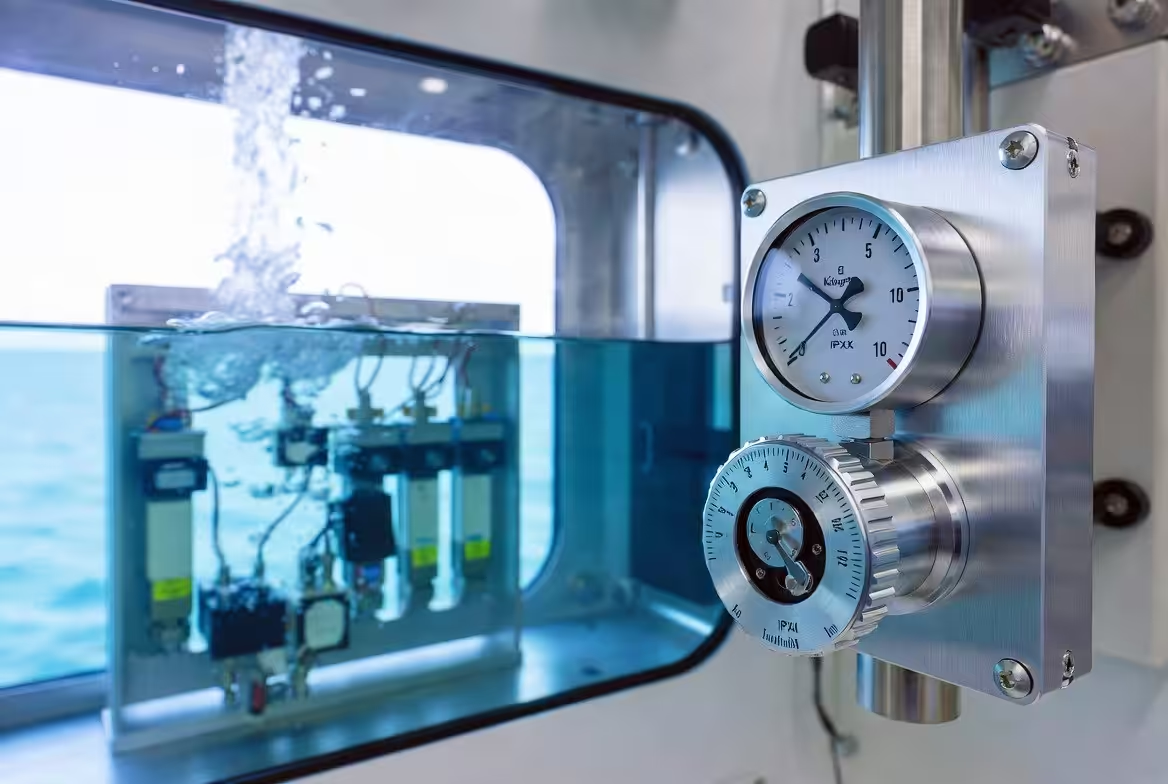
Some chambers can copy pressure like 50 meters deep. This gives you more ways to test many products. You can use these chambers for electronics, marine gear, and other items needing strong water resistance.
Tip: Make sure the chamber’s pressure range matches your product’s real use. If you test underwater sensors, pick a chamber with higher pressure.
Tank Size & Design
Pick a chamber with a tank big enough for your products. The tank must fit your largest item and let water move around it. If the tank is too small, your test will not work right.
Here are some common tank sizes for water immersion test chambers:
|
Model |
Internal Dimension (mm) |
Overall Dimension (mm) |
Pressure |
|---|---|---|---|
|
R78-600 |
Diameter 600 x Height 1500 |
Diameter 800 x Height 1800 |
50m water depth pressure |
|
Internal Dimensions (mm) |
Maximum Load Capacity (kg) |
Immersion Depth Guidelines |
|---|---|---|
|
1000 x 1000 x 1200 |
120 |
Height < 850mm: 1000mm below water surface; Height ≥ 850mm: 150mm below water surface |
Tank design matters for test accuracy. Good chambers have features like depth control and water circulation. These features help you get the same results every time.
|
Feature |
Description |
|---|---|
|
Precision Depth Control |
Lets you set the exact immersion depth for each test. |
|
Water Circulation System |
Keeps water clean and ensures the same conditions for every test. |
|
Calibration Facilities |
Makes it easy to check and adjust the chamber for ongoing accuracy. |
|
Temperature Control |
Lets you test water resistance at different temperatures. |
Note: Always check the chamber’s load capacity. Make sure it fits your product’s weight.
Material & Build Quality
Pick a chamber made from strong materials. Most good chambers use stainless steel or acrylic tanks. These materials do not rust or corrode after many tests. Strong materials keep the chamber safe under high pressure.
A well-built chamber will have:
-
Stainless steel or acrylic construction
-
Sealed joints to stop leaks
-
Easy-to-clean surfaces
-
Strong frames for heavy loads
If you use the chamber a lot, good build quality saves money and time. You will not need to fix or replace the chamber often.
Control & Automation
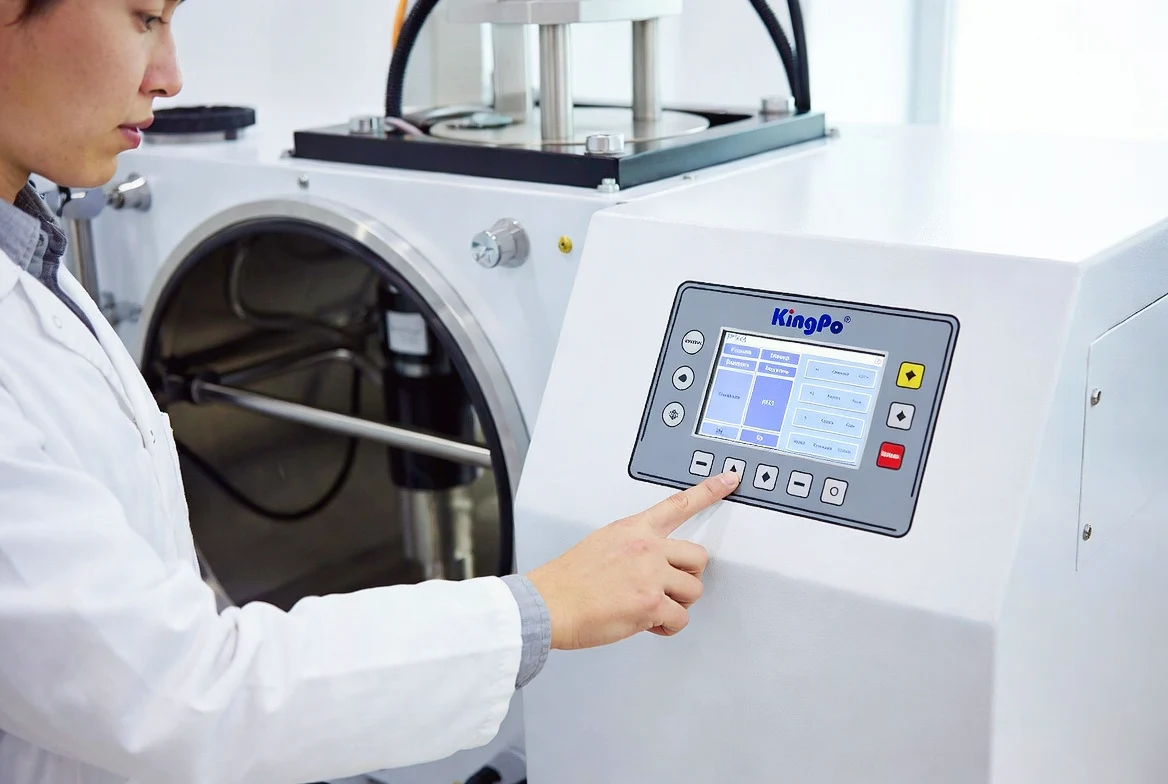
Modern chambers use control and automation systems. These systems help you run tests easily and with fewer mistakes. You can set test details, control water temperature, and track results on a touch screen.
Here is a table of important control and automation features:
|
Feature |
Description |
|---|---|
|
Accurate Depth Control |
Checks and sets the right depth before each test. |
|
Programmable Touch Screen |
Lets you set timing, track test progress, and get alerts when tests finish. |
|
Automated Water Supply |
Keeps water at the right temperature for long tests. |
|
Comprehensive Documentation |
Records all test data for easy review and audits. |
|
Ethernet Connectivity |
Lets you monitor tests and get reports from your computer. |
|
PID Control |
Keeps temperature steady and lets you save test profiles for future use. |
Automation makes water immersion tests faster and more accurate. You can manage timing, download data with USB, and control the chamber from far away. These features help you avoid mistakes and make sure your ipx8 tests are correct.
-
Automated timing stops errors.
-
USB download saves test records.
-
Remote management lets you check the chamber anywhere.
Tip: Pick a chamber with automation if you want to save time and get the best water resistance results.
Water Immersion Test Chamber Safety & Compliance
Safety Features
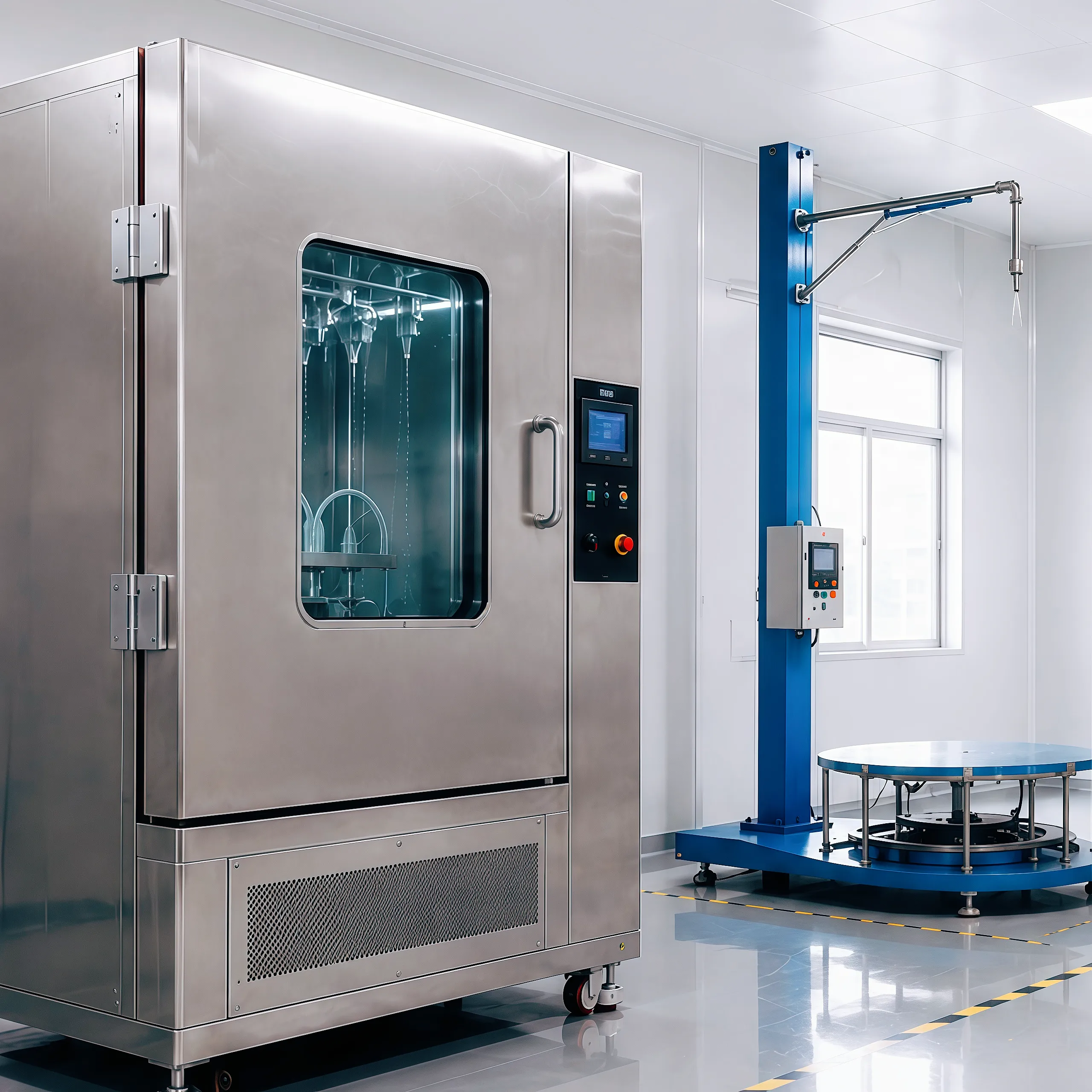
When you pick a test chamber, safety is very important. Good safety features keep you and your products safe. A strong chamber makes sure tests are safe and work well. You should choose chambers made from 304 stainless steel. This kind of steel does not rust and can handle high pressure. There is a special silicone sealing ring that keeps water inside the tank. The ring is soft and does not break easily.
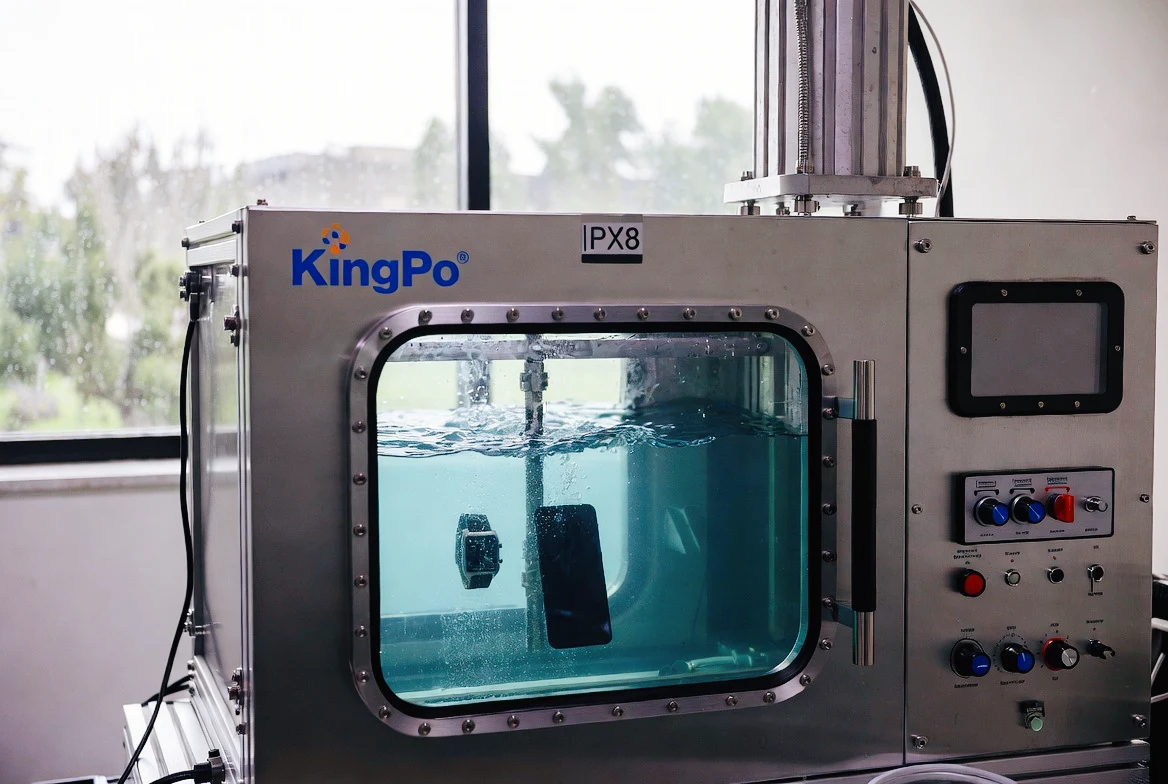
You can watch your product during the test through a clear glass window. An LED lamp lights up the inside so you can see better. Automatic pressure control helps you set the right level for testing. The system keeps the pressure steady within ± 0.002Mpa. You can move the chamber around because it has four wheels with brakes. The chamber has a square shape and a 45° angle, which makes it simple to use.
Here is a table that lists important safety features:
|
Feature |
Description |
|---|---|
|
Water Depth Simulation |
Simulates tests at depths of 1-50m. |
|
Construction Material |
304 stainless steel with high-precision welding. |
|
Design |
Square structure with 45° incline for easy operation. |
|
Sealing |
Special silicone ring with good elasticity. |
|
Pressure Control |
Automatic, accurate to ± 0.002Mpa. |
|
Customization |
Holes for sample power-on tests. |
|
Size |
Tank: 600mm x 1200mm, up to 10 atmospheres. |
|
Observation |
Glass window and LED lamp for viewing inside. |
|
Mobility |
Four movable band brake casters. |
Tip: Always check the chamber’s safety features before you start testing. This helps you stay safe and get good results.
Certifications
Certifications show that your test chamber follows the rules. You should pick chambers that meet standards like IEC 60529, ISO 16750-4, and JIS D 0203. These certifications prove the chamber can test water resistance the right way. If you want to sell in Europe, look for CE marking. For North America, UL certification is needed. These marks help you trust the chamber’s quality.
A certified chamber helps you feel sure about your tests. You know your tests will match what customers and inspectors want. You can show proof of water resistance when you need to pass checks or get product approvals.
Note: Always ask the maker for certificates. This step keeps your business safe and helps you meet world standards.
Comparing Water Immersion Test Equipment
Matching Use Cases
You need to match the right testing equipment to your products and industry. Each field has its own needs for water resistance. Here are some examples to help you choose:
-
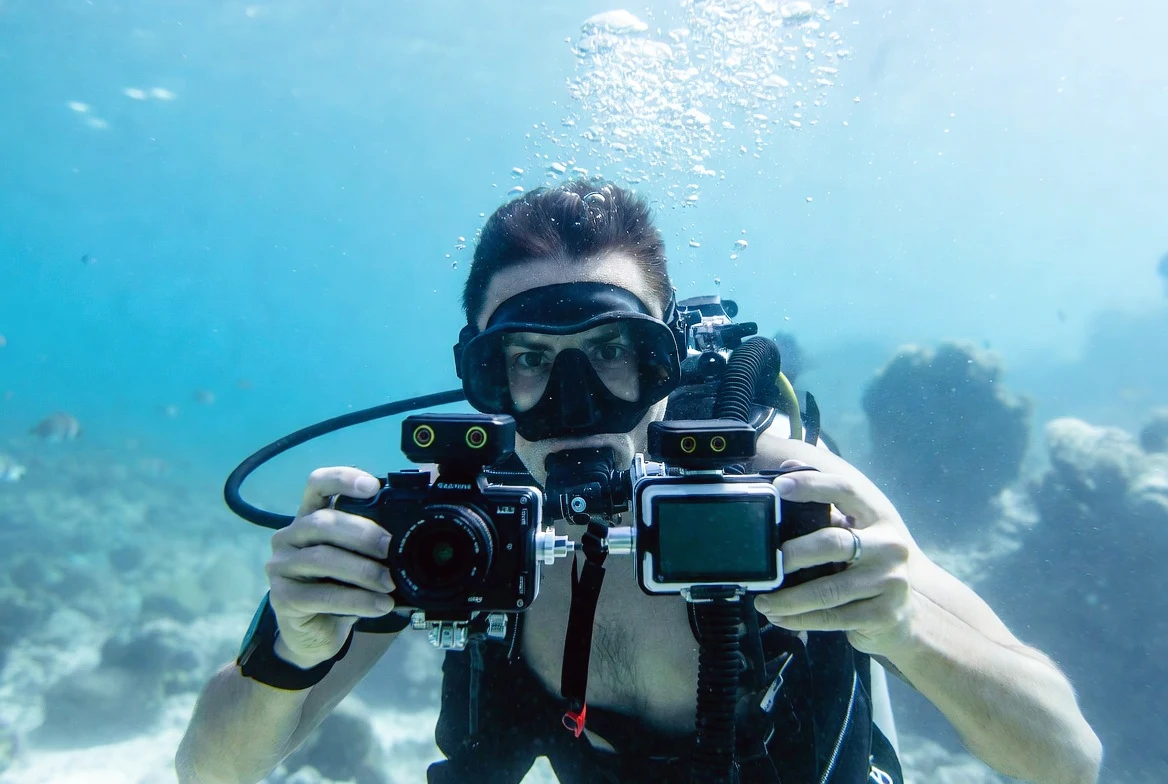
Consumer electronics need strong water resistance. Phones, cameras, and smartwatches must pass strict tests. This keeps users safe and makes products last longer.
-
Automotive parts like headlights, sensors, and control units face rain, mud, and car washes. You must test these parts to make sure they work in all weather.
-
Lighting products, such as street lights and garden lamps, stay outside all year. They need water resistance to keep working during storms and wet seasons.
You should look at your product’s size, shape, and use. Pick a chamber that fits your biggest item and matches the depth you want to test. Think about how often you will test and if you need special features, like temperature control or data recording.
Tip: Always check if the chamber can handle your product’s weight and shape. This helps you get the best results.
Manufacturer Support
You should always consider the support you get from the manufacturer. Good support makes your work easier and keeps your equipment running well. Leading companies offer help with installation and training. They give you a warranty and fix problems for free if they are not your fault. Some companies even help you for the life of the chamber.
You also get help with understanding water resistance standards. Many manufacturers provide guides and documents. They answer your questions and help you follow the rules.
Strong support gives you many benefits:
-
Customized solutions fit your industry and product needs.
-
Training helps you use the chamber the right way.
-
Fast help with repairs means less waiting and more testing.
-
Advice on standards keeps your tests accurate.
-
Updates and ongoing support keep your chamber ready for new rules.
When you choose a chamber, think about the support you will get. Good support helps you test for water resistance with confidence.
Water Immersion Test Chamber Setup & Maintenance
Installation Tips
You need to set up your test chamber the right way to get safe and accurate results. Start by choosing a space with a flat floor and good ventilation. Make sure the chamber fits in the room and you can move around it easily. Select the correct tank size for your products. Check that water levels match your test needs. Set the immersion depth, time, and pressure before you begin. Watch for leaks or strange sounds during the first test. Always record your test data for future checks.
-
Choose the right tank size for your products.
-
Check water levels before each test.
-
Set the correct immersion depth, time, and pressure.
-
Watch for leaks and odd noises.
-
Record all test results.
Tip: Careful setup helps you avoid mistakes and keeps your tests safe.
Maintenance & Calibration
Regular care keeps your chamber working well. Clean the tank and basket after every use. Use only distilled water to stop mineral build-up. Check seals and gaskets every week. Replace them if you see cracks or wear. Calibrate pressure sensors each month with a certified device. Test the emergency stop before every test. Drain and dry the chamber after each use to prevent rust.
|
Maintenance Task |
Frequency |
Notes |
|---|---|---|
|
Clean tank and basket |
After each use |
Use distilled water only |
|
Inspect seals and gaskets |
Weekly |
Replace if cracked or worn |
|
Calibrate pressure sensors |
Monthly |
Use certified reference device |
|
Check emergency stop |
Before each test |
Ensure proper function |
|
Drain and dry chamber |
After each use |
Prevent corrosion and residue |
Note: Good maintenance means your chamber lasts longer and gives you accurate results.
Operator Training
You must train everyone who uses the chamber. Show them how to set up the equipment and run tests. Teach them to set the right parameters for each product. Make sure they know how to spot leaks or problems. Explain how to keep records and follow safety rules. Review emergency steps, like using the stop button. Practice helps your team work safely and get the same results every time.
Training builds skill and confidence. Your team will know how to handle any situation.
You can pick the right IPX8 equipment by thinking about three things. These are compliance, reliability, and what you need it for. Always look for real test reports, hydrostatic data, and certifications from other labs. Use this checklist to help you make a good choice:
|
Requirement |
Why It Matters |
|---|---|
|
IPX7/8 test report |
Shows the product can handle being underwater |
|
Hydrostatic data (ISO 811) |
Proves the fabric is strong against water |
|
Third-party lab certification |
Makes sure the results are honest |
|
Seam & zipper leak results |
Finds weak spots in the product |
|
Durability test results |
Shows the product will last a long time |
Talk to manufacturers or experts to find the best equipment for you.
FAQ
How do you know if your product needs IPX8 testing?
You need to think about how your product is used. If it stays underwater for a long time, you need IPX8 testing. Products like underwater sensors, marine electronics, and waterproof phones need this test.
What is the difference between IPX7 and IPX8?
IPX7 checks if a product can stay under 1 meter of water for 30 minutes.
IPX8 checks if a product can stay underwater for longer and deeper. You pick how deep and how long the test lasts.
Can you customize the water immersion test chamber?
You can talk to the manufacturer about special features. Many companies let you pick tank sizes, pressure levels, and automatic controls. Custom features help the chamber fit your product better.
How often should you calibrate your test chamber?
|
Task |
Frequency |
|---|---|
|
Pressure Calibration |
Every month |
|
Seal Inspection |
Every week |
You should check and adjust your chamber every month. Regular checks help your test results stay correct.