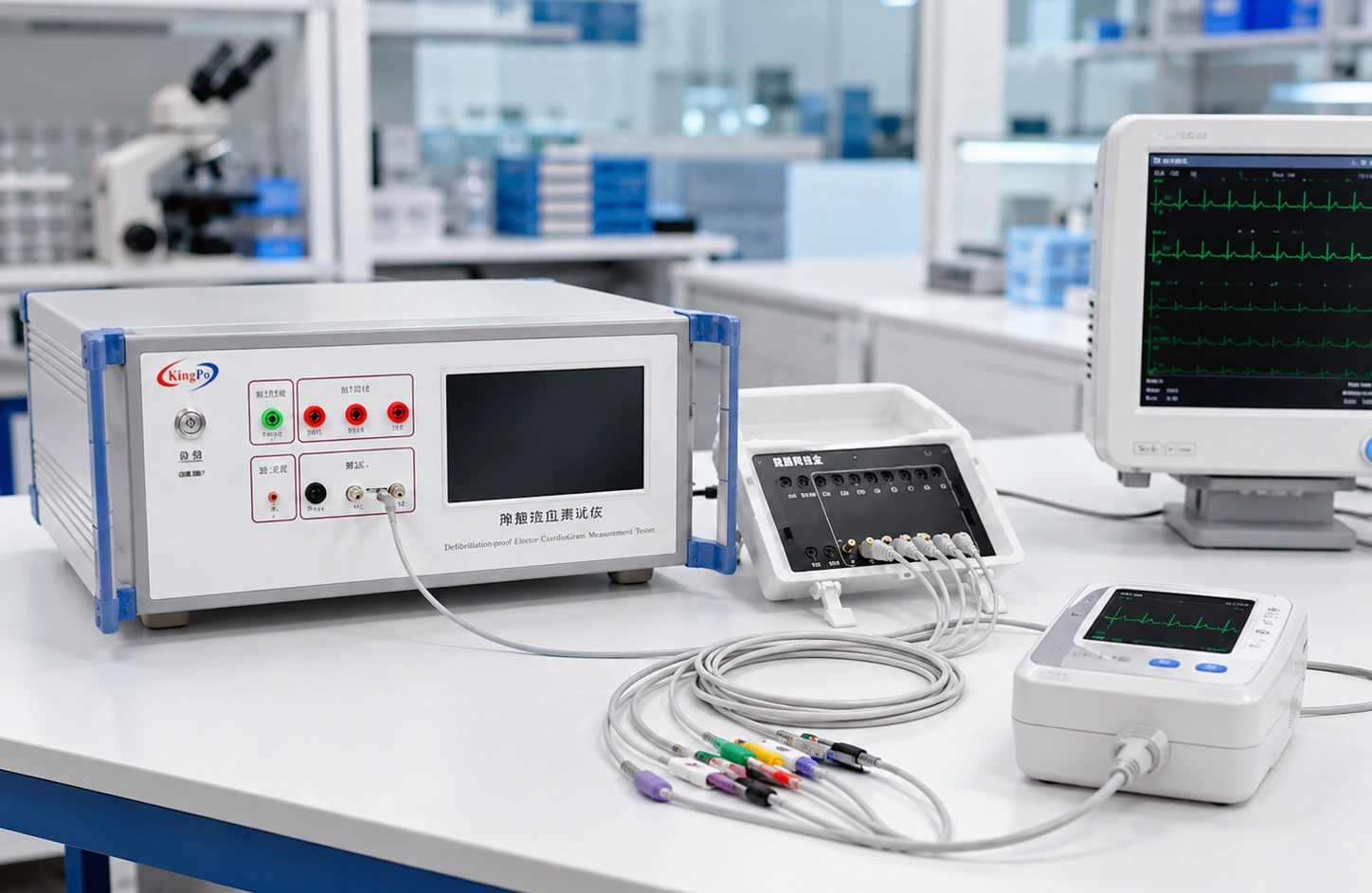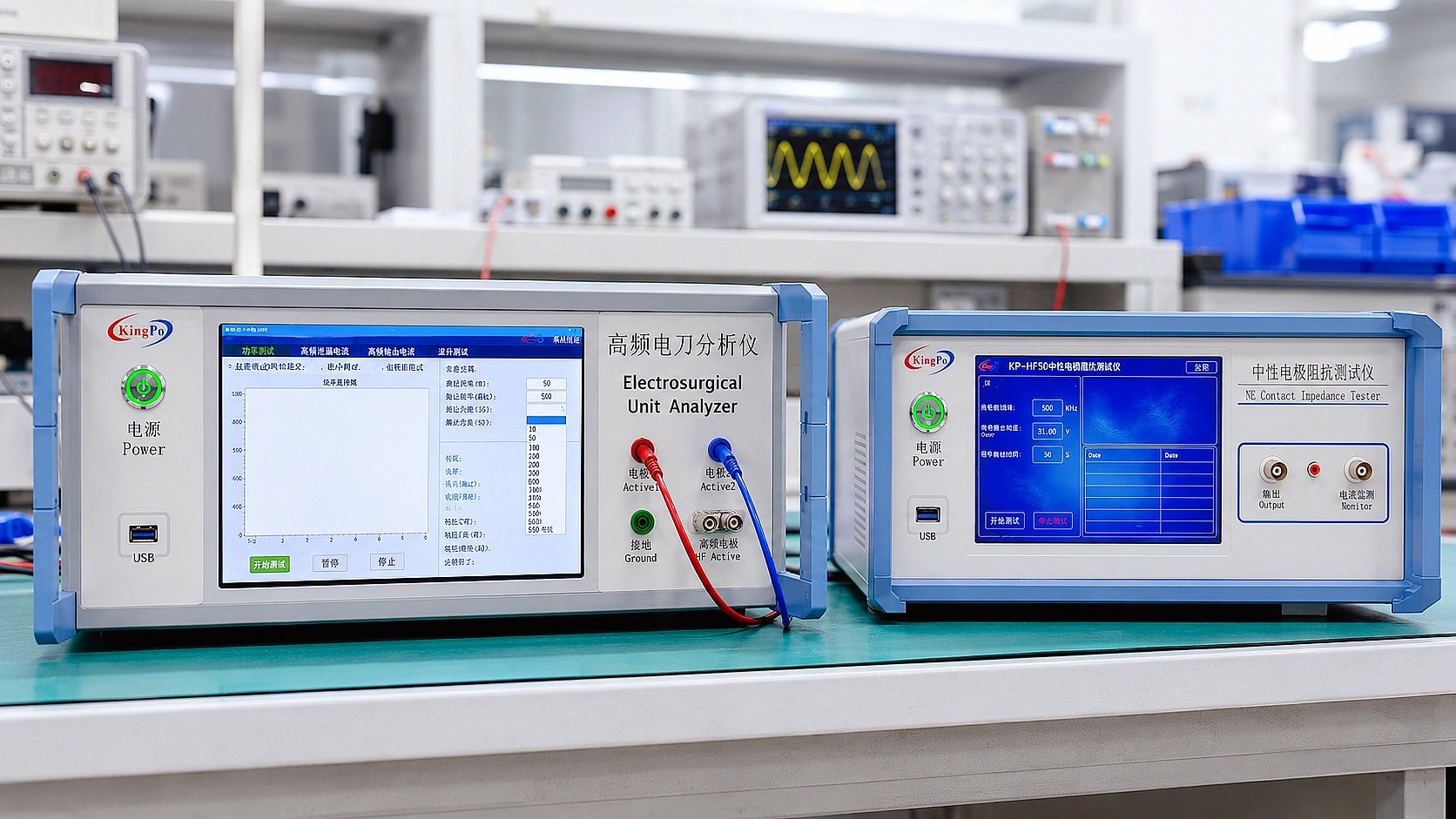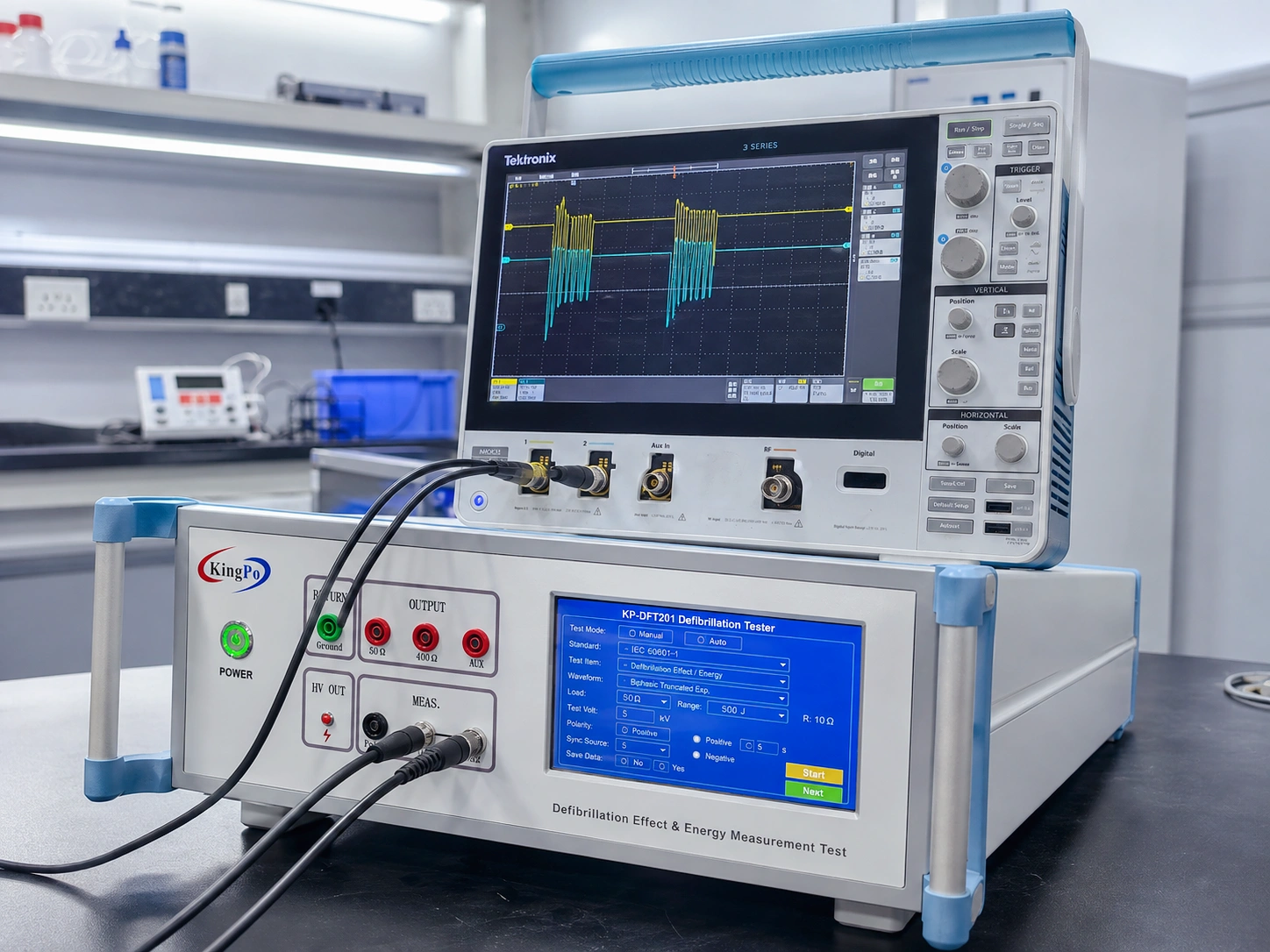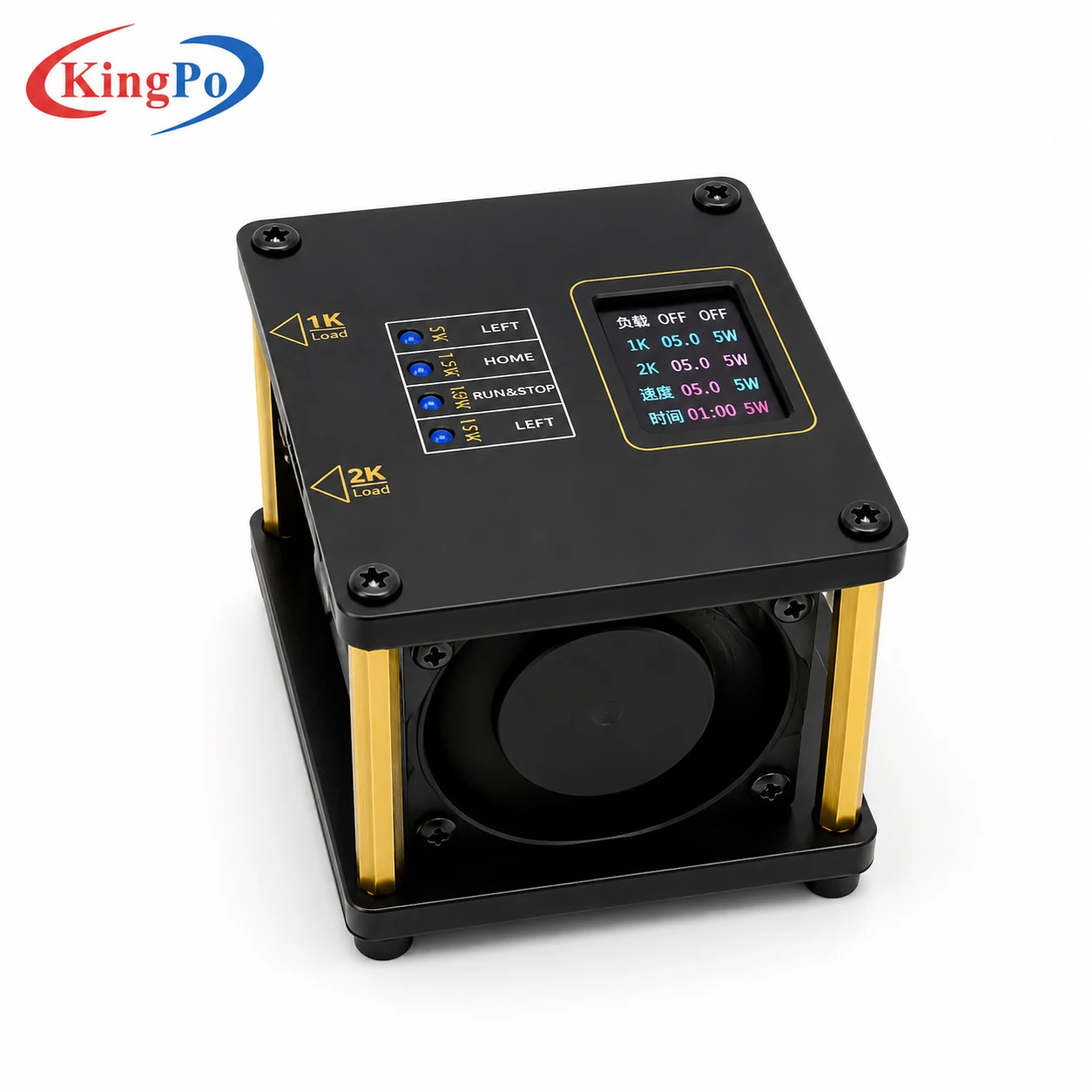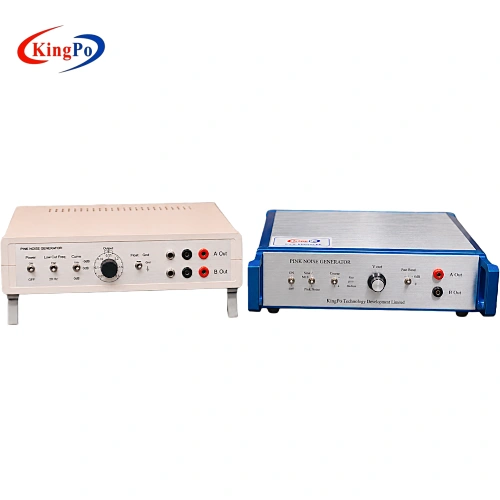
I often ask myself why pink noise feels so calming. Pink noise works by balancing sound energy across the frequencies I hear. I notice that pink noise sounds softer than white noise, with a gentle hum that reminds me of rain or ocean waves. When I use pink noise, I find it easier to relax and fall asleep. I trust a pink noise generator for its soothing effect. The IEC 62368-1 Annex E Pink Noise Generator and the Pink Noise Generator Made Easy for IEC 62368-1 both offer reliable options. I enjoy the benefits of pink noise every day.
Key Takeaways
-
Pink noise creates a calming environment by balancing sound energy across frequencies, making it ideal for relaxation and sleep.
-
Unlike white noise, pink noise emphasizes lower frequencies, resulting in a softer sound that mimics natural phenomena like rain and rustling leaves.
-
Listening to pink noise can enhance sleep quality by helping you fall asleep faster and promoting deeper, more stable sleep.
-
Research shows that pink noise can improve memory and focus by synchronizing brain waves, making it beneficial for studying and cognitive tasks.
-
Using a pink noise generator, such as a machine or mobile app, can easily integrate pink noise into your daily routine for better sleep and relaxation.
-
Natural sounds, like rain or flowing water, can also serve as effective alternatives to electronic pink noise generators.
-
Incorporating pink noise into your bedtime routine can reduce stress and create a peaceful atmosphere, supporting overall well-being.
-
Experiment with different types of noise to find what works best for you, as individual responses to pink noise can vary.
What Is Pink Noise?
Pink Noise Definition
When I first wondered what is pink noise, I discovered that it describes a special type of sound energy. Pink noise spreads its energy more evenly across the frequencies I can hear. In technical terms, pink noise has a spectral power density that drops by about 3 decibels for every octave increase in frequency. This means that as the pitch gets higher, the sound energy decreases. I find this balance creates a softer, more natural sound compared to other types of noise.
Frequency and Sound Profile
I often compare pink noise to white noise and brown noise to understand their differences. White noise gives equal energy to all frequencies, which makes it sound sharp and static-like. Pink noise, on the other hand, puts more energy into lower frequencies. This gives it a gentle, steady hum that feels less harsh to my ears. Brown noise goes even further, focusing most of its energy on the lowest frequencies, which makes it sound deep and rumbling.
I created a simple table to help visualize the differences:
|
Noise Type |
Frequency Distribution |
Example Sounds |
|---|---|---|
|
White Noise |
Equal power across all frequencies |
TV static |
|
Pink Noise |
More weight on lower frequencies |
Light rain, leaves rustling |
|
Brown Noise |
Emphasizes even lower frequencies |
Thunder, heavy rain |
When I listen to pink noise, I notice its even, flat sound. It does not distract me with sharp highs or deep rumbles. This quality makes pink noise ideal for relaxation and sleep. I often use it to mask background sounds and create a calm environment.
Natural Sound Examples
Many sounds in nature remind me of pink noise. I hear it in the gentle fall of rain, the rustling of leaves, and the steady flow of a river. Scientists have found pink noise patterns in many natural phenomena. For example, the variability of heartbeats, the movement of zebrafish, and even the activity in our brains all show pink noise characteristics.
Here are some natural examples that scientists have studied:
|
Natural Phenomenon |
Description |
|---|---|
|
Heartbeats |
The rhythm of heartbeats often follows pink noise patterns. |
|
Brain activity (electrocorticograms) |
Spontaneous brain signals show pink noise characteristics. |
|
Swimming patterns in zebrafish |
The way zebrafish move reflects pink noise. |
|
Current flow in ion channels |
Ion channels in cells display pink noise at the molecular level |
|
Predation behavior in medaka fish |
Visual motion and predation in fish show pink noise patterns. |
|
Behavior of Escherichia coli |
The movement of these bacteria follows pink noise. |
I find it fascinating that pink noise appears in so many living systems. This natural presence may explain why I feel relaxed when I listen to pink noise. It feels familiar and comforting, much like the sounds I hear in the world around me. When I use pink noise for sleep or focus, I feel connected to these natural rhythms.
Pink Noise Science
Frequency Spectrum
When I first learned about pink noise, I wanted to understand how its frequency spectrum works. Pink noise spreads energy evenly across each octave, which means every octave contains the same amount of energy. This unique distribution makes pink noise sound balanced and natural to my ears. As the frequency increases, the energy drops by 3 decibels per octave. I find this roll-off important because it gives pink noise more power in the lower frequencies, making it less harsh than white noise.
I created a table to show the main characteristics of pink noise:
|
Characteristic |
Description |
|---|---|
|
Energy Distribution |
Equal energy per octave across the frequency spectrum. |
|
Frequency Roll-off |
The signal rolls off at 3dB per octave as frequency increases. |
|
Total Energy |
Lower frequencies have more total energy, but each octave contains equal energy. |
This structure helps pink noise mimic many natural sounds. I notice that when I listen to pink noise, it feels smooth and gentle, unlike the sharp static of white noise.
Brain Wave Interaction
I often use pink noise to help me sleep, and I wondered how it affects my brain. Scientists have found that pink noise can synchronize with slow brain waves, especially during deep sleep. These slow waves play a key role in memory and restoration. When I play pink noise at night, I feel my mind settle and drift into a deeper sleep. Research shows that pink noise amplifies these slow waves, which helps me wake up feeling refreshed.
I read about studies where participants listened to pink noise during sleep. Their brains produced stronger slow waves, and they remembered more information the next day. I believe pink noise creates an environment that supports healthy brain activity. This connection between sound and brain waves fascinates me. I use pink noise to improve my sleep quality and boost my focus during the day.
Acoustic Properties
The acoustic properties of pink noise make it ideal for relaxation. I notice that pink noise has equal energy per octave, which results in a balanced sound that is less jarring than white noise. It contains more power in the lower frequencies, creating a soothing effect that reminds me of rustling leaves or waterfalls. This calming sound helps me fall asleep faster and enjoy deeper, more rejuvenating sleep.
-
Pink noise feels gentle and steady.
-
It masks distracting background sounds.
-
I use pink noise to create a peaceful atmosphere for sleep or study.
I trust pink noise to support my well-being. Its scientific foundation and natural qualities make it a valuable tool for anyone seeking better sleep and relaxation.
Pink Noise and Sleep Quality

Sleep Benefits
I always look for ways to improve sleep. Pink noise has become my favorite sleep aid. When I listen to pink noise, I notice that I fall asleep faster and enjoy more stable sleep. Clinical trials show that pink noise can help fall asleep faster and enhance deep sleep. I read studies where participants reached deep sleep earlier and their brain waves synchronized with pink noise, stabilizing sleep. Quiet bursts of pink noise even enhanced deep sleep for many people.
I created a table to summarize the findings from clinical trials:
|
Study Type |
Findings on Pink Noise |
Findings on White Noise |
|---|---|---|
|
Mixed |
1 study |
No improvement |
|
Positive |
7 out of 9 studies |
N/A |
I find steady pink noise at 60 decibels helps me fall asleep faster. Pink noise may also mask bothersome sounds, which aids relaxation for sleep. I use pink noise as part of my bedtime routine and good sleep habits. I believe pink noise can improve sleep quality and help people with insomnia. I trust pink noise to enhance deep sleep and support healthy sleep. When I focus on sleep hygiene and listen to pink noise, I feel more rested and refreshed.
Tip: I recommend using pink noise as a sleep aid if you struggle with insomnia or want to improve sleep quality. It can help you fall asleep faster and enjoy deeper, more stable sleep.
Memory and Focus
I notice that pink noise does more than just help fall asleep. It also supports memory and focus. Neuroscience research suggests that pink noise may enhance memory consolidation by synchronizing sleep oscillations between the hippocampus and cortical regions. The coupling of sharp-wave ripples and sleep spindles is crucial for memory processes, and pink noise may help modulate this activity.
When I use pink noise, I feel my mind become sharper. Increased hippocampal ripple activity due to pink noise could enhance the coordination of slow oscillations and spindles, promoting systems-level consolidation and long-term memory storage. I find that listening to pink noise during sleep helps me remember more information and stay focused during the day. Pink noise acts as a powerful sleep aid for both cognitive and physical health.
-
Pink noise may enhance memory consolidation.
-
It supports focus and attention.
-
I use pink noise to boost my mental clarity and improve sleep.
I believe pink noise can help people with insomnia regain their memory and focus. I include pink noise in my sleep habits and bedtime routine to support good sleep habits and healthy sleep.
Stress Reduction
Relaxation is important for good sleep hygiene. Pink noise helps me relax and reduces stress. Preliminary studies suggest that pink noise may enhance the effects of slow brain waves during deep sleep, helping individuals fall asleep faster and achieve deeper, less fragmented sleep. Improved sleep quality often leads to lower stress levels.
I read a systematic review of sound interventions. Music, especially self-selected relaxing music, effectively reduces physiological and psychological stress markers. Nonmusical sounds, including nature sounds and pink noise, also show potential benefits. Positive effects on heart rate variability, blood pressure, cortisol levels, and self-reported anxiety were commonly reported.
-
Pink noise promotes relaxation and reduces stress.
-
It may lower heart rate and blood pressure.
-
I use pink noise to create a calm environment and support healthy sleep.
I believe pink noise can help people with insomnia by enhancing deep sleep and reducing stress. I include pink noise in my sleep aids and bedtime routine to improve sleep and relaxation. Pink noise supports more stable sleep and helps me learn how to sleep better.
Note: Pink noise is a natural way to improve sleep quality, reduce stress, and support good sleep habits. I recommend adding pink noise to your sleep hygiene routine for better sleep and relaxation.
Pink Noise vs Other Noises
White Noise Comparison
When I first explored different background sounds, I noticed that white noise sounds like a steady hiss, similar to a radio tuned between stations. White noise gives equal intensity to all frequencies, which can make it sound sharp or even harsh to my ears. I sometimes find it useful for blocking out sudden noises, but I do not always enjoy the high-pitched elements.
-
White noise: Equal power across all frequencies, often described as static.
-
Pink noise: Mimics the way I hear natural sounds, with equal energy per octave, so it feels more balanced and less jarring.
-
Brown noise: Focuses on lower frequencies, creating a deeper, rumbling sound.
I learned that pink noise reduces the intensity of higher frequencies compared to white noise. This difference makes pink noise sound softer and more pleasant. Some studies suggest that pink noise may help create more stable sleep and enhance deep sleep, while white noise mainly helps mask distractions.
Brown Noise Comparison
Brown noise caught my attention because of its deep, soothing quality. When I listen to brown noise, I hear a low, rolling sound, almost like distant thunder or a strong river current. Brown noise emphasizes the lowest frequencies, which makes it feel heavier and rougher than pink noise.
-
White noise: Random noise with equal intensity from 20 Hz to 20 kHz.
-
Pink noise: Filtered white noise with a gentle roll-off, about 3 dB per octave.
-
Brown noise: Drops off even more at higher frequencies, so the sound feels deep and powerful.
I use brown noise when I want to relax or block out very loud, low-frequency sounds. However, I find that pink noise offers a more balanced experience, especially when I want to relax or improve my sleep.
Choosing the Right Noise
I often ask myself which noise works best for my needs. I look at the sound profile, the benefits, and how each noise makes me feel. I created a table to help compare the main features:
|
Noise Type |
Characteristics |
Benefits |
Considerations |
|---|---|---|---|
|
White Noise |
Masks distracting sounds |
Most studied for attention and focus |
|
|
Equal energy per octave, natural sound |
Balanced, soothing, aids relaxation |
May be preferred for sleep and calm |
|
|
Brown Noise |
Emphasizes lower frequencies, deep |
Calming, masks intrusive sounds |
Ideal for deep relaxation or sleep |
When I want to mask distractions and stay alert, I sometimes choose white noise. For a gentle, natural background that helps me relax or sleep, I prefer pink noise. If I need a deep, calming sound, I use brown noise. I encourage you to try each type and notice how your body and mind respond. The best choice depends on your personal comfort and your goals, whether you want to focus, relax, or improve your sleep.
Tip: Start with pink noise if you want a balanced, natural sound for relaxation or sleep. Try white or brown noise if you need something sharper or deeper.
Using a Pink Noise Generator
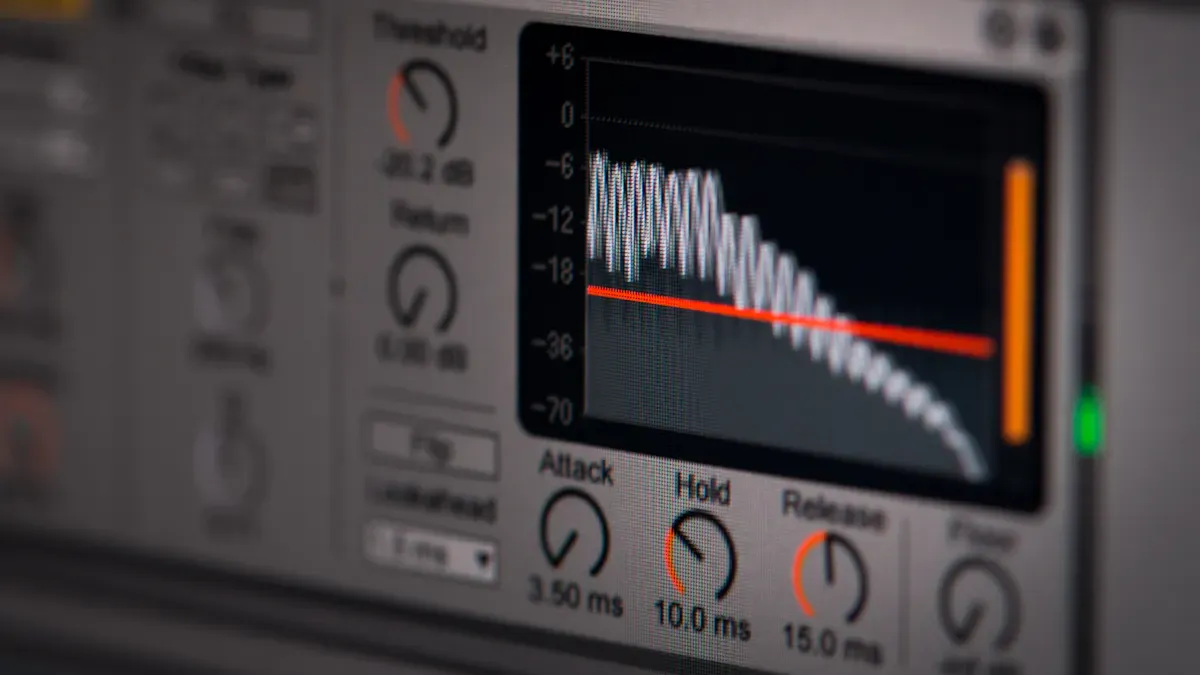
Devices and Apps
When I first started exploring pink noise, I wanted a simple way to add it to my daily routine. I found that a pink noise generator makes this easy. Many people use a pink noise machine for sleep, but I also discovered other options. Here are some of the most popular choices I have tried:
-
Sound Machines: I use a pink noise machine by my bed. It produces a steady pink noise that helps me relax and fall asleep. I can adjust the volume and tone to fit my needs.
-
Mobile Apps: I downloaded several apps on my phone. These apps let me customize the pink noise generator settings, so I can choose the exact sound I like. Some apps even offer timers and mixing features.
-
Online Platforms: Sometimes, I stream pink noise tracks from music services. This works well when I want to listen through my speakers or headphones.
-
Pink Noise Earbuds: I tried earbuds designed to play steady pink noise. They help mask snoring and background sounds, which is great for travel or noisy environments.
I noticed that each pink noise generator offers unique features. I pick the one that fits my lifestyle and needs.
Natural and DIY Options
Sometimes, I prefer natural sounds over electronic devices. I listen to rain, wind, or flowing water, which often mimic the qualities of steady pink noise. When I want a DIY approach, I use these simple methods:
-
I record the sound of rain or a gentle stream and play it back at night.
-
I use a fan or air purifier, which creates a similar hum to a pink noise generator.
-
I mix my own pink noise using free software on my computer.
These options help me enjoy the benefits of pink noise without buying extra equipment. I find that natural and DIY solutions work well when I want flexibility.
Daily Integration Tips
I learned that using a pink noise generator works best when I make it part of my daily routine. Here are some practical tips that help me get the most benefit:
-
I choose the right source, whether it is a pink noise machine, app, or streaming service.
-
I start with a low volume and adjust until it feels comfortable.
-
I experiment with how long I listen to steady pink noise, sometimes using it for short naps or all night.
-
I combine pink noise with other relaxation techniques, like deep breathing or meditation.
-
I stay patient. It took me a few days to get used to the sound, but now I find it calming.
Tip: I use the sleep timer feature in my app. This lets me set how long the pink noise generator plays, so it turns off automatically and does not disturb my sleep.
I believe that anyone can benefit from adding pink noise to their routine. I encourage you to try different methods and find what works best for you.
KINGPO and Pink Noise Solutions
KINGPO Technology
I always look for reliable technology when I want to improve my sleep and focus. KINGPO stands out to me because it designs pink noise generators that follow strict standards. I trust KINGPO because it uses advanced sound engineering. The IEC 62368-1 Annex E Pink Noise Generator from KINGPO meets international safety and performance requirements. I appreciate that KINGPO tests every device for accuracy and consistency. The company uses high-quality components to produce a true pink noise signal. I notice that the sound feels smooth and natural, which helps me relax.
KINGPO offers several product options. I can choose from compact desktop generators, portable devices, or integrated solutions for smart homes. Each product comes with simple controls and clear instructions. I find it easy to adjust the volume and tone to match my preferences. KINGPO also provides mobile apps that let me customize my pink noise experience. I like that I can set timers, mix sounds, and track my sleep patterns.
Note: KINGPO focuses on user safety and comfort. I feel confident using their products every night.
Enhancing Sleep and Focus
I use KINGPO pink noise generators to create a peaceful environment in my bedroom. The steady sound masks outside noises, which helps me fall asleep faster. I notice that I wake up less often during the night. My mind feels clearer in the morning. I also use pink noise when I study or work. The gentle hum blocks distractions and helps me concentrate.
Here is how I use KINGPO products to support my daily routine:
-
I set up the generator before bedtime to help me relax.
-
I use the mobile app to schedule pink noise sessions during study breaks.
-
I adjust the sound settings to match my mood or activity.
I believe that consistent use of pink noise improves my sleep quality and boosts my focus. KINGPO makes it easy for me to build healthy habits.
|
Benefit |
How KINGPO Helps |
|---|---|
|
Better Sleep |
Masks noise, supports deep sleep |
|
Improved Focus |
Reduces distractions, aids study |
|
Stress Relief |
Creates a calming atmosphere |
User Experiences
I read many positive reviews from other KINGPO users. People share stories about falling asleep faster and staying asleep longer. Some mention that their children sleep better with a KINGPO pink noise generator in the room. Others say they feel less stressed at work when they use the portable device.
Here are a few testimonials that stood out to me:
“I struggled with insomnia for years. After using the KINGPO pink noise generator, I finally sleep through the night.”
“My focus improved during online classes. The pink noise blocks out background noise and keeps me on track.”
“I love the app features. I can set a timer and wake up feeling refreshed every morning.”
I see that KINGPO products help people of all ages. The real-world benefits match my own experience. I recommend KINGPO to anyone who wants to improve sleep, focus, or relaxation.
Myths About Pink Noise
Common Misconceptions
I often hear people repeat myths about pink noise. Some say that pink noise is just another form of white noise. Others believe that all background noise is distracting or unhelpful. I used to think that pink noise would make it harder for me to focus or sleep. Many people assume that any kind of noise, even pink noise, will disrupt concentration and lower productivity.
One widespread myth claims that pink noise is distracting and unproductive. I have met people who avoid using pink noise because they worry it will make them lose focus. I once believed this myself. I thought that adding any sound to my environment would make it harder to concentrate. This idea is common, especially among students and people who need to work in quiet spaces.
Another misconception is that pink noise works the same way for everyone. Some people think that if pink noise helps one person sleep, it must help everyone in the same way. I have learned that individual responses to pink noise can vary. Some people find it soothing, while others may need time to adjust.
I also hear people say that pink noise is only useful for sleep. I used to think that pink noise had no other benefits. Many people do not realize that pink noise can support focus, relaxation, and even memory.
I want to highlight that these myths can prevent people from trying pink noise and discovering its real benefits.
Scientific Clarifications
I decided to look at what science says about pink noise. I found that research does not support the idea that pink noise is always distracting. In fact, studies show that pink noise can help people with ADHD improve their focus and task performance. This surprised me. I learned that the gentle, balanced sound of pink noise can actually enhance concentration for many people, not just those with ADHD.
Scientists have also shown that pink noise is different from white noise. Pink noise has a unique frequency profile that matches many natural sounds. This makes it less harsh and more relaxing. I notice that when I use pink noise, it feels more like rain or wind than static. This quality helps me relax and sleep better.
I discovered that pink noise does not affect everyone in the same way. Some people need time to get used to it. Others may prefer different types of background sound. I always suggest trying pink noise for a few nights to see how it feels.
Pink noise offers more than just sleep support. Research links pink noise to improved memory, reduced stress, and better focus. I use pink noise during study sessions and meditation. I find that it helps me stay calm and alert.
|
Myth |
What Science Says |
|---|---|
|
Pink noise is distracting |
|
|
Pink noise is the same as white noise |
Has a unique, softer frequency profile |
|
Only helps with sleep |
Also supports focus, relaxation, and memory |
|
Works the same for everyone |
Individual responses vary |
I encourage everyone to explore pink noise with an open mind. Science shows that it can offer real benefits for sleep, focus, and relaxation.
I have seen how pink noise supports better sleep, focus, and relaxation. Research shows that pink noise reduces sleep stage transitions and matches natural brain rhythms, making mornings feel more refreshing than with white noise.
|
Aspect |
Pink Noise |
White Noise |
|---|---|---|
|
Sleep Stability |
Reduces sleep stage transitions |
Less effective in consolidating sleep |
|
Brain Wave Synchronization |
Matches natural brain rhythms |
Does not synchronize as effectively |
|
Subjective Sleep Quality |
More refreshing upon waking |
Perceived as more intrusive |
I use pink noise to boost my focus and calm my mind. Studies show it helps people with ADHD and supports mental endurance. I recommend trying pink noise with KINGPO solutions. Sound science can improve daily life for everyone.
FAQ
What does pink noise sound like?
I hear pink noise as a soft, steady hum. It reminds me of gentle rain or wind through trees. The sound feels smooth and calming, not sharp or harsh.
Can pink noise help me focus while studying?
I use pink noise to block out distractions. It helps me concentrate on my work. The balanced sound keeps my mind clear and steady during study sessions.
Is pink noise safe to use all night?
I feel comfortable using pink noise throughout the night. I keep the volume low to protect my hearing. Many people, including myself, use it for better sleep.
How do I choose the right pink noise generator?
I look for a generator with adjustable volume and timer settings. I try different devices or apps until I find one that fits my needs and daily routine.
Can children or babies benefit from pink noise?
I have seen pink noise help children and babies relax. The gentle sound can soothe them and create a peaceful environment, especially during bedtime.
Does pink noise work better than white noise?
I prefer pink noise because it sounds softer and more natural. Some people like white noise, but I find pink noise less harsh and more relaxing for daily use.
Can I use pink noise with other relaxation techniques?
I often combine pink noise with deep breathing or meditation. This pairing helps me unwind and creates a calming atmosphere for rest or focus.
Tip: Try using pink noise during your next nap or meditation session. Notice how it changes your mood and energy.