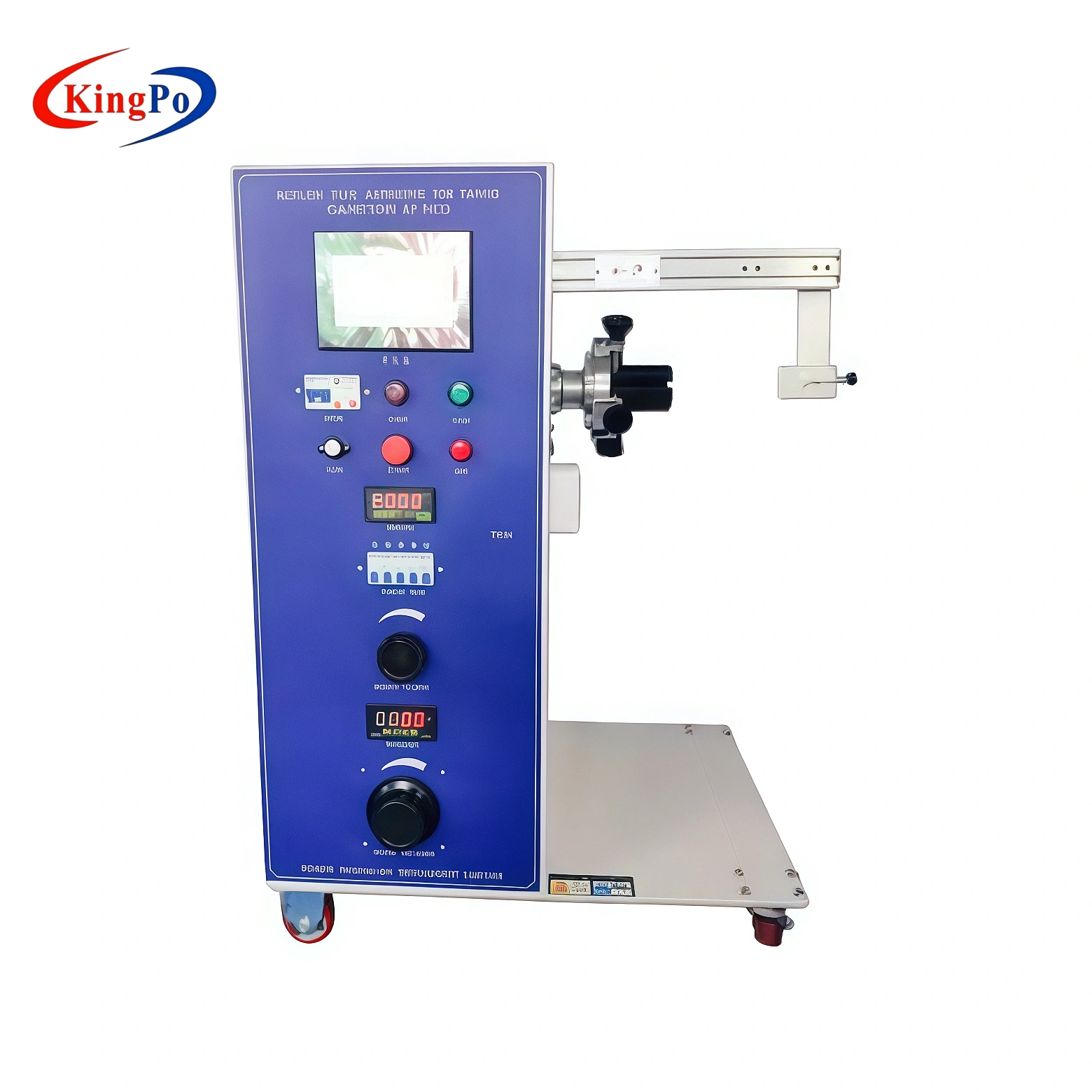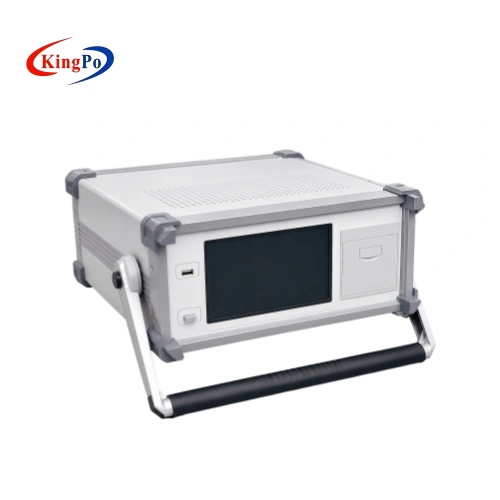
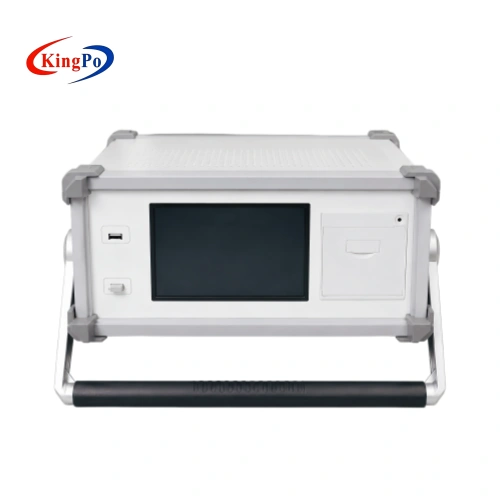
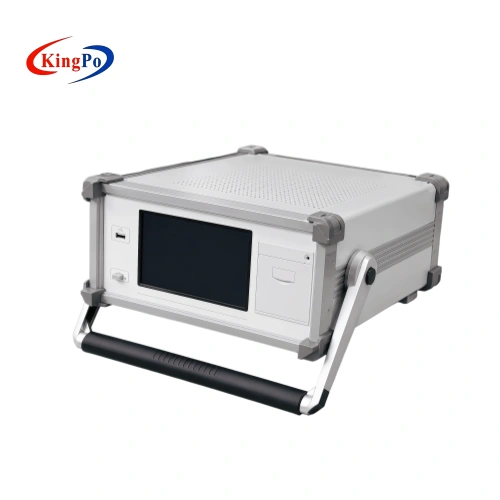
The IEC 60335-1 Hot Winding Resistance Meter is used for winding temperature rise evaluation of motors, transformers and electromagnetic components in household and similar electrical appliances.
For appliance motors and transformers, external surface temperature measurement may not fully reflect the internal winding temperature. The resistance variation method provides a practical way to evaluate winding temperature rise without placing a temperature sensor inside the winding.
With automatic range selection, 2-channel measurement, long-duration test support and PC software recording, this meter helps manufacturers, testing laboratories and quality departments obtain repeatable temperature rise data for IEC 60335-1 related testing.
Applicable Standard and Test Method
The IEC 60335-1 Hot Winding Resistance Meter is mainly used for IEC 60335-1 Clause 11 related heating and temperature rise testing of household and similar electrical appliances. It supports the resistance-based method for evaluating winding temperature rise of motors, transformers and similar electromagnetic components.
The final test setup, operating condition, stabilization time, ambient temperature correction, winding material coefficient and acceptance criteria should follow the applicable IEC 60335-1 version, product-specific standard and laboratory quality procedure.
Technical Parameters
Measurement Performance
| Parameter | Specification | Remark or Notes |
|---|---|---|
| Product name | IEC 60335-1 Hot Winding Resistance Meter | Winding temperature rise test instrument |
| Applicable standard | IEC 60335-1 Clause 11 | Temperature rise test for household appliances |
| Test object | Motor windings and transformer windings | Confirm according to appliance structure |
| Measurement channels | 2 channels | Simultaneous or comparative measurement support |
| Resistance range | 0.5Ω to 2000Ω | Auto-ranging |
| Range configuration | 0.5Ω, 20Ω, 200Ω and 2000Ω | Suitable for different winding resistance levels |
| Cold resistance accuracy | ±0.1%RD + 0.1%FS | For cold-state resistance measurement |
| Hot resistance accuracy | ±0.15%RD + 0.15%FS | For hot-state resistance measurement |
| Thermal response time | <30 seconds | Helps reduce delay during hot resistance measurement |
| Test duration | Up to 99 hours 59 minutes 59 seconds | Suitable for long-duration temperature rise testing |
| Temperature measurement | 0–50℃, ±0.5℃ | Ambient temperature monitoring |
| Power consumption | <15W | Low power design |
System Configuration
| Parameter | Specification | Remark or Notes |
| Display | LCD touch screen display | Easy operation and parameter reading |
| Calculation function | Automatic winding temperature rise calculation | Based on resistance change method |
| Data function | PC software for data recording and curve display | Supports test data management |
| Data interface | Serial port communication | For PC software connection |
| Report output | Optional printer support | According to configuration requirement |
| Power supply | AC 220V ±10%, 50/60Hz | Standard laboratory power supply |
| Typical use environment | Laboratory testing, production quality control and appliance motor thermal verification | For R&D, QC and type testing preparation |
| MOQ | 1 set | Standard order quantity |
| Delivery time | 20 working days | Confirm before order according to production schedule |
Testing Principle
The winding resistance of copper or aluminum conductors changes with temperature. By measuring the cold resistance before operation and the hot resistance after operation, the winding temperature rise can be calculated according to the resistance variation method.
Before operation, the meter records the cold resistance of the winding under stable ambient conditions. After the appliance, motor or transformer has operated under the required test condition, the hot resistance is measured and used for automatic temperature rise calculation.
The instrument uses low test current to reduce self-heating influence during measurement. Its 2-channel measurement, long-duration test support and PC software curve display help laboratories monitor resistance changes, record test data and improve testing efficiency for household appliance motors, small transformers and similar electrical products.
Applications and Use Cases
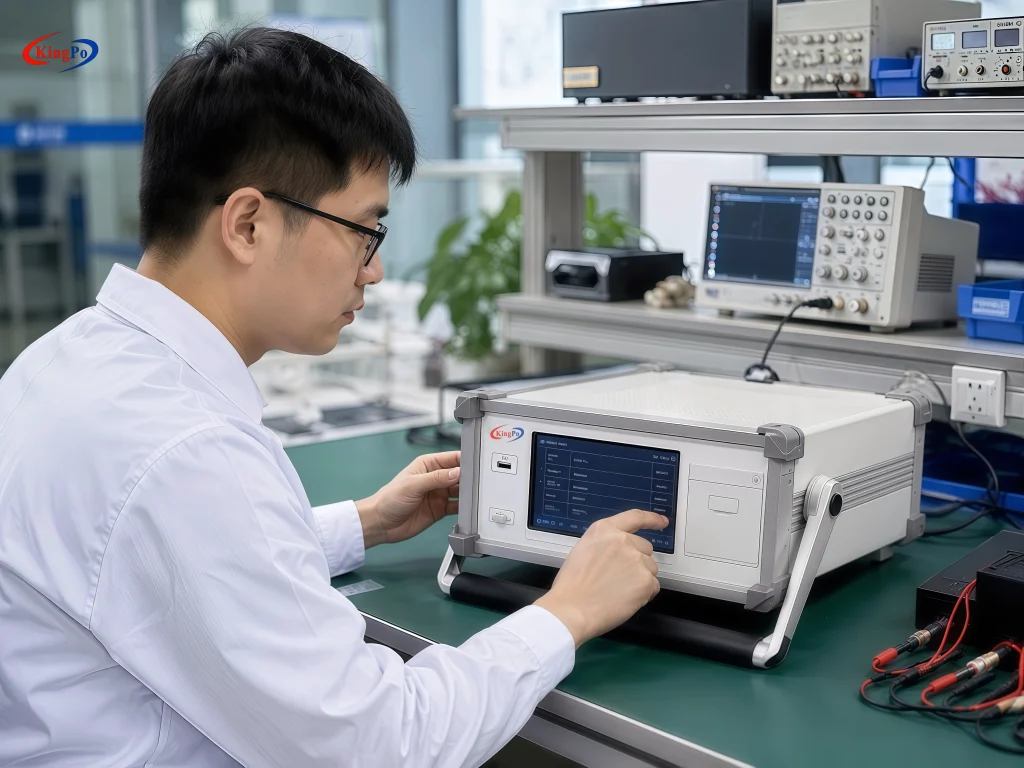
The IEC 60335-1 Hot Winding Resistance Meter is used by household appliance manufacturers, motor manufacturers, testing laboratories, certification preparation teams and quality inspection departments for winding temperature rise evaluation.
Typical applications include:
- Temperature rise testing of air conditioner motors
- Winding temperature rise testing of refrigerator motors
- Washing machine motor thermal evaluation
- Electric fan and small appliance motor testing
- Transformer winding resistance and temperature rise evaluation
- Household appliance R&D verification and design validation
- IEC 60335-1 type testing preparation
- Production quality control and long-duration thermal testing
The instrument helps users obtain resistance data, calculate winding temperature rise, review temperature rise trends and support compliance testing according to IEC 60335-1.
Operation and Measurement Notes
Before testing, users should confirm the applicable IEC 60335-1 version, product-specific standard, winding material, test condition and temperature coefficient setting. The test leads should be connected firmly to reduce contact resistance and unstable readings.
Cold resistance should be measured under stable ambient temperature conditions. Hot resistance should be measured according to the required test timing after appliance operation or thermal stabilization. External airflow, sudden ambient temperature changes and poor terminal contact may influence the test result.
For long-duration tests, users should confirm the test duration, data recording interval, PC software connection and power supply stability before starting the measurement.